

Climbing Kilimanjaro in Tanzania - Page 2
Set off to conquer the roof of Africa in a group or independently.
They traveled with us
Maxime
- 25 ans
100% Verified Reviews: Only travelers who have booked with us can leave a review. All reviews are subject to human moderation. Reviews that do not comply with the moderation rules are rejected.
october 2026
Among friends
7-day Kilimanjaro trek: Machame route, the most scenic
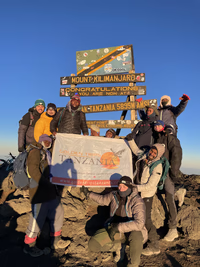
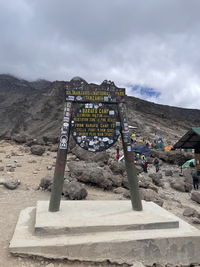
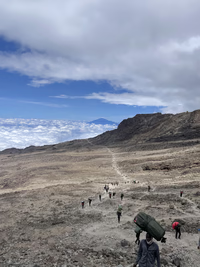
Yoann
- 35 ans
100% Verified Reviews: Only travelers who have booked with us can leave a review. All reviews are subject to human moderation. Reviews that do not comply with the moderation rules are rejected.
september 2026
In a group
Kilimanjaro Machame route: the group ascent
CORINNE
- 52 ans
100% Verified Reviews: Only travelers who have booked with us can leave a review. All reviews are subject to human moderation. Reviews that do not comply with the moderation rules are rejected.
september 2026
In a group
Kilimanjaro via the Machame route and safaris, staying in lodges
Frequently Asked Questions
Do you have questions? We have the answers!
Kilimanjaro at a glance
Kilimanjaro, located in northeastern Tanzania, is the highest peak in Africa at 5,895 meters. This legendary volcano dominates the African plains near the Kenyan border and attracts adventurers from all over the world every year who attempt to climb it.
Here is some practical information to help you prepare for your trip:
- Country: Tanzania
- Capital: Dodoma
- Main access city: Moshi (at the foot of the mountain)
- Official languages: Swahili and English
- Currency: Tanzanian shilling (TZS)
- Flight time from Paris: approximately 14 hours with a layover
- Time difference: +1 hour in summer and +2 hours in winter compared to France
- Time zone: UTC+3 all year round
Kilimanjaro is accessible to motivated hikers: it does not require technical mountaineering experience, but demands good physical condition and gradual acclimatization to altitude.
What are the formalities for travelling to Kilimanjaro?
To travel to Kilimanjaro (Tanzania), some administrative formalities are required.
Passport :
- Valid for at least 6 months after the return date
- At least one blank page
Visa:
- A tourist visa is required for French travelers
- It can be obtained online (e-visa) or upon arrival at the airport.
- Valid for approximately 90 days
Other recommended documents:
- return ticket or proof of departure from the territory
- travel insurance covering trekking activities and high-altitude evacuation
- contact details of your local agency or organizer
Simple administrative preparation, but essential to fully enjoy your adventure in Tanzania.
Are vaccinations required to travel to Kilimanjaro?
No vaccinations are mandatory to enter Tanzania if you are arriving directly from Europe. However, several vaccinations are strongly recommended for a worry-free trip.
Vaccines generally recommended:
- DTCP (diphtheria, tetanus, polio)
- Hepatitis A
- Hepatitis B
- Typhoid (depending on the length of stay)
The yellow fever vaccine may be required if you are arriving from a country where the disease is present.
Regarding malaria, the Kilimanjaro region presents a variable risk depending on altitude and the areas visited. It is recommended:
- to seek advice from a healthcare professional or an international vaccination center
- to use mosquito repellents
- to sleep under a mosquito net if necessary
Ideally, consult your doctor 4 to 8 weeks before departure to check your vaccination coverage and prepare your trip in the best conditions.
What time of year is best for optimal climbing?
Climbing Kilimanjaro is possible all year round, but some periods offer better weather conditions.
The best seasons for climbing Kilimanjaro coincide with the dry seasons in Tanzania:
- January to March
- June to October
During these months, the trails are generally drier, the temperatures more stable and the panoramas often clear, which increases the chances of reaching the summit.
Some guidelines for choosing your period:
- January – February: stable weather and moderate visitor numbers
- June – September: the most popular period with often clear weather
- April – May: rainy season, trails are muddier
- November: short but possible showers
For an optimal experience, opt for a climb of 6 to 8 days, allowing for better acclimatization to the altitude.
Why climb Kilimanjaro with Decathlon Travel?
Choosing Decathlon Travel for your Kilimanjaro climb means enjoying a selection of varied treks adapted to different levels and desires for adventure. The platform offers trips on the main routes of Kilimanjaro — Machame, Lemosho, Marangu or Umbwe — with group or personalized formats, allowing everyone to find the experience that suits them best.
The trips include professional guidance and complete trek organization to facilitate the experience on site. The itineraries are designed to promote good acclimatization to altitude and maximize the chances of reaching the summit, while traversing spectacular landscapes, from rainforests to volcanic plateaus.
Some trips also allow you to extend the adventure with a safari in Tanzania or an extension to Zanzibar, transforming the climb into a true sporting and discovery trip.
How is support organized during a Kilimanjaro trek with Decathlon Travel?
Climbing Kilimanjaro with Decathlon Travel requires meticulous planning and the support of experienced local partners. Trips are led by professional guides with extensive knowledge of the mountain. Their advice is invaluable at every stage, from equipment preparation to altitude management throughout the trek.
The local team also plays a vital role in the success of the adventure. Porters, cooks, and assistants contribute to the smooth running of the expedition and allow travelers to fully concentrate on the trek and the mountain experience. This organization facilitates progress and helps ensure that the Kilimanjaro climb is experienced in the best possible conditions, amidst spectacular scenery.
Why choose the Machame route for your Kilimanjaro trek?
Of all the options, the Machame route stands out for its spectacular panoramas and authentic atmosphere. Each day brings its own surprises, from lush equatorial forests to windswept, lunar landscapes. The trek via Machame typically takes around six or seven nights, allowing ample time for acclimatization to the altitude and offering a real chance of reaching the summit.
The difficulty level increases gradually, requiring perseverance and trust in your guide. This route appeals to both experienced athletes and determined amateurs, as the daily mileage remains reasonable and the sequence of stages allows for periods of rest and sustained effort.
What are the other possible routes to climb Kilimanjaro?
While the Machame route is very popular, other options exist. The Marangu route, renowned for its comfortable huts, attracts those who prefer to avoid camping in tents. Less frequented, the Rongai route charms with its tranquility and unique views of the Kenyan savanna. For experienced hikers, the Lemosho route offers a long immersion where the elevation gain and diversity of ecosystems are truly exceptional.
Regardless of the chosen route, anticipating the effort required remains essential. Studying the number of days of walking needed, assessing the technical difficulty, and learning about the route profile will ensure a trek suited to each individual.
What challenges await you during the ascent of Kilimanjaro?
During the trek, the body sometimes reacts differently to the altitude, facing a gradual decrease in oxygen and unpredictable variations in temperature and humidity. It is precisely these moments of doubt, managed hand in hand with the team, that create an incomparable sense of accomplishment upon reaching the final summit of Kilimanjaro.
Feeling supported by an experienced guide is reassuring in the face of the increasing difficulty of the elevation gain, especially towards the end of the trip. But this shared effort strengthens the bonds between groups and forges indelible memories, recounted at length upon returning home to friends or family.
How many days should I allow for a trek on Kilimanjaro?
The duration of the trek depends on the route chosen. For example, the Machame route generally takes 6 to 7 days, while other routes such as Lemosho or Marangu can extend to 8 or even 9 days to allow for acclimatization.
- Machame Route: 6-7 days
- Marangu Route: 5-6 days
- Lemosho Route: 7-8 days
Extending the duration of the stay significantly increases the chances of reaching the summit by limiting the risk of acute mountain sickness.
What level of physical preparation is recommended for the climb?
While you don't need to be a seasoned athlete, it's important to arrive in good shape: regular walks, repeated short hikes, and cardiovascular exercises are very helpful. Training on hilly terrain is also recommended to prepare your muscles and endurance.
- Walk 3 to 4 times a week for several weeks before departure
- Include stairs and hilly circuits
- Improve your breathing with endurance sports
Good physical preparation reduces fatigue on the day of the event and improves sensations throughout the entire sporting stay.
How to choose your ascent route and itinerary to the summit?
Kilimanjaro offers several routes to the summit, allowing you to tailor your experience to your preferences, fitness level, and desired trek duration. The chosen route directly influences the pace of your days, the types of landscapes you'll encounter, and your chances of reaching the roof of Africa.
Going with an experienced local agency greatly simplifies this step: their precise knowledge of every nook and cranny of the mountain guarantees increased safety and allows you to fully enjoy your sporting holiday, without logistical worries.
