
Trips to the Nile Valley
Find all our active holidays near the Nile Valley in Egypt.
4,4/5
(6 reviews)
Book with confidence with Decathlon Travel
Subscriber benefit
-5% off all stays
Best price guaranteed
we offer twice the difference
Free cancellation
more than 30 days before departure
Payment in 2 installments
free of charge
They traveled with us
Discover the authentic experiences of our travelers
4,4/5
(6 reviews)
Reviews displayed in reverse chronological order
S
Stéphanie
100% Verified Reviews: Only travelers who have booked with us can leave a review. All reviews are subject to human moderation. Reviews that do not comply with the moderation rules are rejected.
april 2026
Hiking and felucca on the Nile: an immersion in Egypt
100% Verified Reviews: Only travelers who have booked with us can leave a review. All reviews are subject to human moderation. Reviews that do not comply with the moderation rules are rejected.
Translated from French
Published on 29/04/2026
The trip went very well, everything was wonderful and well organized. It's just that the details weren't very clear before departure.
G
Guy-Marie
100% Verified Reviews: Only travelers who have booked with us can leave a review. All reviews are subject to human moderation. Reviews that do not comply with the moderation rules are rejected.
february 2025
Hiking and felucca on the Nile: an immersion in Egypt
100% Verified Reviews: Only travelers who have booked with us can leave a review. All reviews are subject to human moderation. Reviews that do not comply with the moderation rules are rejected.
Translated from French
A wonderful trip and our guide was absolutely fantastic, thank you Aisam.


V
VANESSA
100% Verified Reviews: Only travelers who have booked with us can leave a review. All reviews are subject to human moderation. Reviews that do not comply with the moderation rules are rejected.
february 2025
Hiking and felucca on the Nile: an immersion in Egypt
100% Verified Reviews: Only travelers who have booked with us can leave a review. All reviews are subject to human moderation. Reviews that do not comply with the moderation rules are rejected.
Translated from French
Published on 24/02/2025
We had an excellent stay thanks to our fantastic guide Aissam, who was very professional. We have absolutely no complaints about his organization, punctuality, or extensive knowledge of the various sites. The three days on the felucca with a superb crew were amazing!
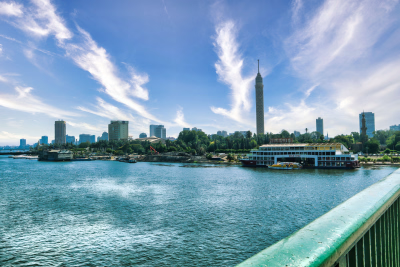
The Nile Valley: A journey to the heart of Egypt
The Nile Valley has captured the imagination for centuries, evoking images of majestic pharaohs, imposing pyramids and a life-giving river winding through a desert landscape. It is not just a geographical destination, but a true journey through time, where the vestiges of ancient civilisations blend with the vitality of contemporary Egyptian life. The Nile Valley stands out as a premier tourist destination in Egypt, famous for its historical richness, cultural diversity and unrivalled natural beauty. ??
At the heart of this verdant valley, the Nile flows like a vital artery, contrasting sharply with the aridity of the surrounding desert. Stretching over 1,500 kilometres, this oasis luxurious is home to a remarkable biodiversity, where palm trees, birds and flourishing agriculture thrive. This striking duality between the dryness of the desert and the fertility of the river gives the region a unique character and remarkable natural beauty. ??
Discovering the Nile Valley: Geography, History and Culture
The Nile, a mythical river nearly 6,650 km long, is the true life source of Egypt. It shapes a fertile valley in the heart of a desert landscape, where its verdant banks contrast with the surrounding aridity, forming a unique and vital ecosystem.
This region was the cradle of one of the greatest civilisations of antiquity. Thanks to the regular flooding of the Nile, agriculture flourished, giving rise to a complex society, powerful pharaohs and iconic monuments: temples, tombs and ruins that still fascinate today.
But the Nile Valley is not just about the past. It is also home to a living culture and a daily life steeped in tradition. Between picturesque villages, bustling markets and ancestral customs, visitors find an authentic glimpse of contemporary Egypt, enhanced by the warmth of local hospitality and the ever-central importance of agriculture.
The Highlights of the Nile Valley: Tourist Sites and Activities
Luxor and Karnak
Luxor, ancient Thebes, is one of Egypt's richest sites. The Karnak Temple, a huge religious complex dedicated to Amun-Ra, impresses with its monumental colonnades and grandiose dimensions. The Luxor Temple, located in the city centre, is linked to Karnak by the majestic Avenue of Sphinxes. Evening sound and light shows offer a magical way to discover these sites.
Valley of the Kings and Queens
On the west bank of the Nile, the Valley of the Kings contains the tombs of the great pharaohs of the New Kingdom, including that of Tutankhamun. The Valley of the Queens, further south, houses the tombs of their wives. A sunrise hot-air balloon flight or a bike ride offer a unique experience of these history-steeped sites.
Temple of Hatshepsut
Majestic and perfectly integrated into the cliffside, the Temple of Hatshepsut pays tribute to one of the few female pharaohs. Its terraced architecture is unique, and visiting it at sunrise is particularly spectacular.
Philae Temple
Located in Aswan, the Philae Temple, dedicated to the goddess Isis, is a jewel of the Greco-Roman era. Relocated to Agilkia Island to escape the rising waters of the dam, it fascinates with its decor and peaceful atmosphere.
Abu Simbel
South of Aswan, the temples of Abu Simbel, carved into the rock by Ramesses II, are among Egypt's most impressive monuments. Their rescue during the construction of the High Dam remains one of the greatest archaeological achievements of the 20th century.
Adventure and Sports Activities: Our Experiences with Decathlon Travel
Our hiking trips in the Nile Valley: Explore Egypt differently with our hiking tours, which combine walking, felucca sailing and local encounters. These immersive itineraries cross villages, agricultural landscapes and ancient sites, and can be enhanced with bike or desert extensions for the more adventurous.
⛵ Our felucca trips: Sail to the rhythm of the Nile aboard a traditional felucca, for a gentle and authentic adventure. Our trips include nights on board, in the heart of the river, in a soothing setting ideal for observation, relaxation and discovering local life.
Our alternative dahabiya cruises: For those looking for a more intimate and elegant cruise, we offer experiences aboard dahabiyas, traditional Egyptian sailing boats. This way of travelling, combining comfort and charm, allows you to discover the banks of the Nile far from the crowds, in a resolutely adventurous spirit.
Our nature outings for bird watching: Discover the biodiversity of the Nile with our guided birdwatching excursions, particularly around Aswan or Lake Nasser. A nature trip designed for environment and photography enthusiasts, to discover ibises, herons, pink flamingos and much more.
Planning your trip: Best time to visit the Nile Valley
General climate :
- Arid climate with very hot summers and mild winters.
- Significant temperature differences between day and night, especially in desert areas.
✅ Ideal period :
- From October to March: pleasant temperatures for sightseeing, hiking and felucca sailing.
- October is particularly recommended with around 30°C during the day.
Peak tourist season :
- From November to February: busier sites, higher prices.
- ➤ Booking in advance recommended.
Advantageous shoulder seasons :
- March-April and September-October: still pleasant climate, fewer crowds, more affordable rates.
- Ideal for making the most of outdoor activities.
Essential Safety and Health Tips
A trip to the Nile Valley promises an unforgettable cultural and historical immersion, but it is essential to adopt a few safety and health habits to fully enjoy it.
General safety
Stay aware of your surroundings, especially in busy tourist areas. Avoid demonstrations or political gatherings, and adopt simple measures to limit the risk of theft:
- Keep your valuables in a safe place,
- Avoid open bags or wearing them on your back,
- Never leave your belongings unattended.
Respecting local cultural codes is also essential. Clothing covering shoulders and knees is recommended, especially in religious sites. Female travellers should be vigilant, especially on public transport and in public spaces, where harassment can occur.
Health and sanitary precautions
A pre-travel medical check-up is highly recommended. Check that your basic vaccinations are up to date, including:
- Diphtheria, tetanus, polio,
- Hepatitis A and B,
- Typhoid (depending on the length of stay).
On the ground, adopt a few simple rules:
- Only drink bottled water,
- Avoid untreated fresh water (risk of schistosomiasis),
- Pay attention to food hygiene (prefer well-cooked dishes, wash fruit, etc.).
Photography: what you need to know
It is forbidden to photograph:
- Government buildings,
- Military installations,
- Bridges, canals or sensitive infrastructure.
Always ask before taking photos, especially in less touristy areas, to avoid any misunderstanding with the authorities.
Discover all our active holidays in Egypt:
Discover all our sports activities in Egypt:
- Our trekking and hiking trips in Egypt
- Our kitesurfing trips in Egypt
- Our diving trips in Egypt
- Our multi-activity trips in Egypt
- Our snorkeling trips in Egypt
- Our wingfoil trips in Egypt