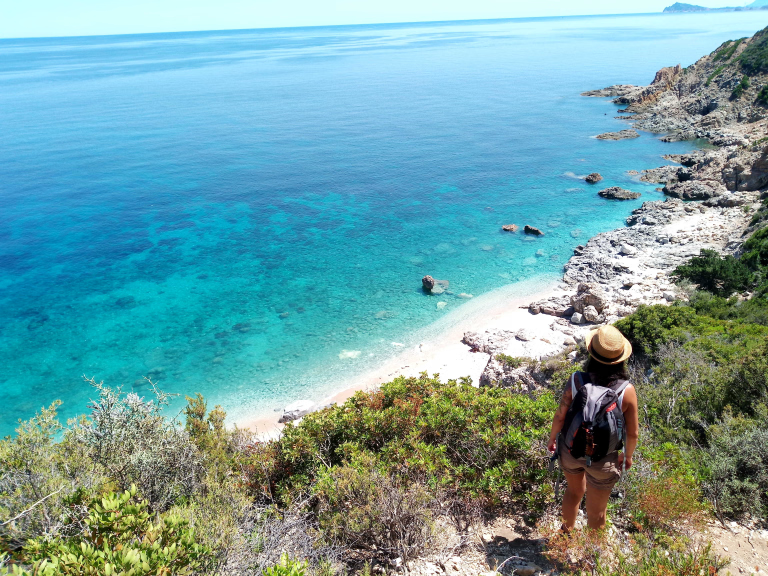
Trips to Sardinia for a sporty holiday
Head to Sardinia for your next holiday with our sports holidays.
Book with confidence with Decathlon Travel
Subscriber benefit
-5% off all stays
Best price guaranteed
we offer twice the difference
Free cancellation
more than 30 days before departure
Payment in 2 installments
free of charge
Discover our other destinations - Italy
Discover our finest getaways



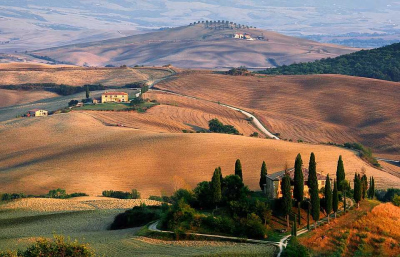
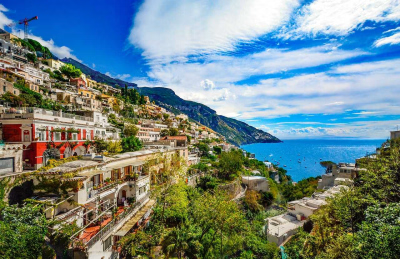
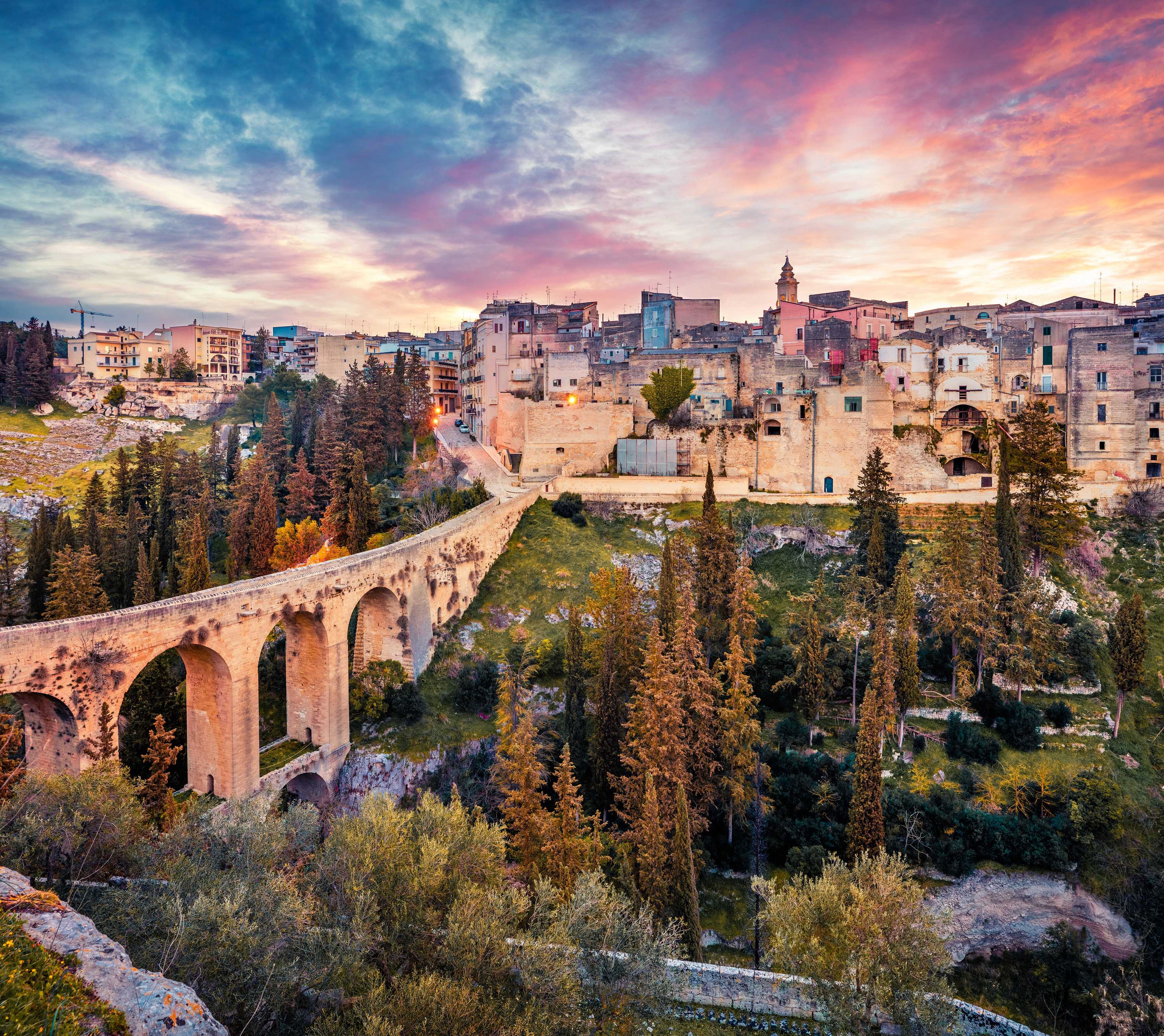
An island of adventure and discovery: Sardinia
Sardinia , the second largest island in the Mediterranean Sea , captivates with its unique blend of natural beauty , rich history , and vibrant culture . Located in the heart of the western Mediterranean basin, it has served as a crossroads for diverse civilizations , each leaving a distinct mark on its character. While famous for its emerald waters and ancient nuraghi , Sardinia remains surprisingly undiscovered , offering an authentic and less-traveled experience .
The island's considerable size and central location have facilitated cultural and commercial exchange throughout the ages, giving rise to a mosaic of traditions . Unlike more popular Italian destinations, Sardinia offers a distinct experience for travelers seeking originality . Its geographical diversity —from rugged coastlines and idyllic beaches to majestic mountains and lush forests—makes it a dream playground for endless outdoor activities . Whether it's hiking , cycling , or water sports , the island has everything to entice nature and adventure lovers.
A diverse geography serving exploration
Sardinia covers more than 24,000 km², with a landscape largely dominated by hills and mountains. The Campidano, a large central plain, bisects the island from west to south. The 1,849 km coastline alternates between rocky coves and idyllic beaches. Peaks such as Punta La Marmora in the Gennargentu massif reach an altitude of 1,834 meters. The island also boasts rivers like the Tirso, the Coghinas, and the Flumendosa, as well as some fifty artificial lakes and reservoirs. The only natural lake on the island is Lago di Baratz . Its temperate, Mediterranean climate varies according to altitude and latitude.
This contrasting terrain offers a perfect setting for numerous adventures: hiking in the Gennargentu, mountain biking in the Goceano mountains, or kayaking on the crystal-clear waters of Tavolara . Every corner of Sardinia is an invitation to explore.
Living history and the memory of civilizations
Sardinia's roots stretch back to prehistory, notably thanks to the obsidian extracted from Mount Arci, which served as a tool and a commodity in the Mediterranean. During the Bronze Age, the Nuragic civilization erected the famous nuraghi, those imposing stone towers that still dot the island's landscape.
Over the centuries, the island was coveted by the Phoenicians, the Carthaginians – who founded cities like Tharros and Nora – and then by the Romans after the Punic Wars. Following the Roman collapse, it passed successively into the hands of the Vandals and the Byzantines, before the emergence of independent kingdoms known as Judicates. The long Aragonese and then Spanish domination profoundly shaped Sardinian culture and language until the unification of Italy in 1861.
This historical richness is reflected in the countless remains , traditions and stories passed down from generation to generation.
A proud and colorful culture
Sardinians cultivate a strong sense of identity , evident in their festivals, crafts, and language. Sardinian (or Sardo), the still-vibrant regional language, varies considerably from area to area. Throughout the year, festivals take place in villages and towns: Sa Sartiglia in Oristano, an equestrian tournament with medieval overtones; the ritual masks of the Mamuthones in Mamoiada; and the exuberant carnival of Tempio Pausania.
Sardinian craftsmanship , renowned throughout Italy, showcases weaving, basketry, pottery, and filigree jewelry. Each object tells a story, each festival a legend.
A cuisine rooted in the land and the sea
Sardinian cuisine is a skillful blend of pastoral traditions and seafood . Among the emblematic dishes are pane carasau, a crusty bread often drizzled with olive oil; malloreddus (Sardinian gnocchetti); culurgiones (stuffed ravioli); and fregula. Meat lovers will appreciate porceddu (roast suckling pig), lamb, or kid, while seafood abounds, from red mullet to lobster. For dessert, seadas—cheese-filled doughnuts drizzled with honey—are a must-try.
As for wines, Sardinia produces the full-bodied red Cannonau and the elegant Vermentino . The Slow Food movement, which originated in Bra, has also influenced the promotion of local Sardinian products.
A breathtaking natural environment
It's impossible to talk about Sardinia without mentioning its dream beaches . Imagine: white sand, turquoise waters, hidden coves. Names? La Pelosa in Stintino, Cala Brandinchi , also known as "Little Tahiti," or the legendary Cala Goloritzé , Cala Mariolu , and Cala Luna . Some are reached by hiking, others by boat. In any case, they're breathtaking.
But don't overlook the interior: the Gennargentu mountains, the Supramonte peaks, and the more secluded corners of Barbagia . Whether on foot, horseback, or mountain bike, there's always a trail to discover. And as for natural parks: Asinara , La Maddalena , Tavolara , and the Gennargentu Park offer direct access to unspoiled flora and fauna.
Activities for active travelers
If you're coming to be active, you won't be bored. Sardinia is a destination made for that:
- Hikers can choose from easy trails to challenging treks like the Selvaggio Blu.
- Cyclists , whether you're into gravel, road or mountain biking
- Sea lovers : sailing, kayaking, kitesurfing, diving, snorkeling… it's all here
- Even the lakes (like Liscia) offer spots for paddleboarding or canoeing.
And above all, the island remains natural and wild , far from the crowds. Ideal for those who want to reconnect!