Isère
/ Autrans-Méaudre en Vercors
New Year's Eve snowshoeing and cozying up in the Vercors
Réf : FVERCREV4
In summary
-
Sports
-
Duration4 days
-
LevelIntermediate
-
DestinationIsère / Autrans-Méaudre en Vercors
-
AgeFrom the age of 18
-
CO₂-Emissions21.87 kg CO2
-
Type of stayIn a group
In a few words
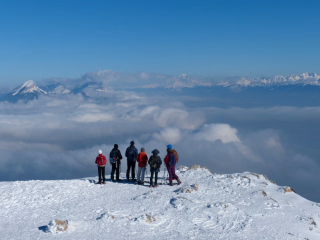
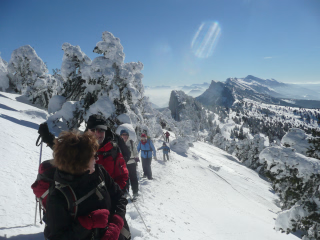
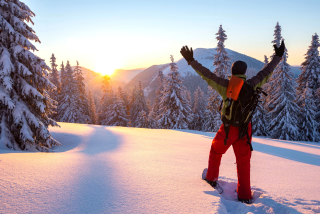
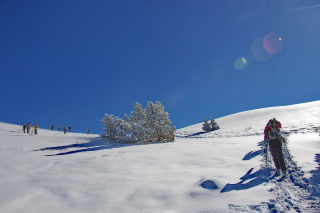
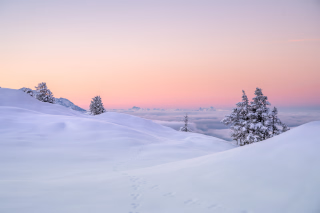
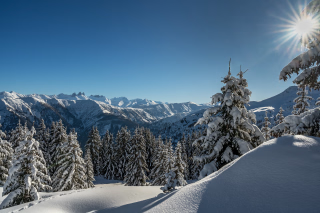
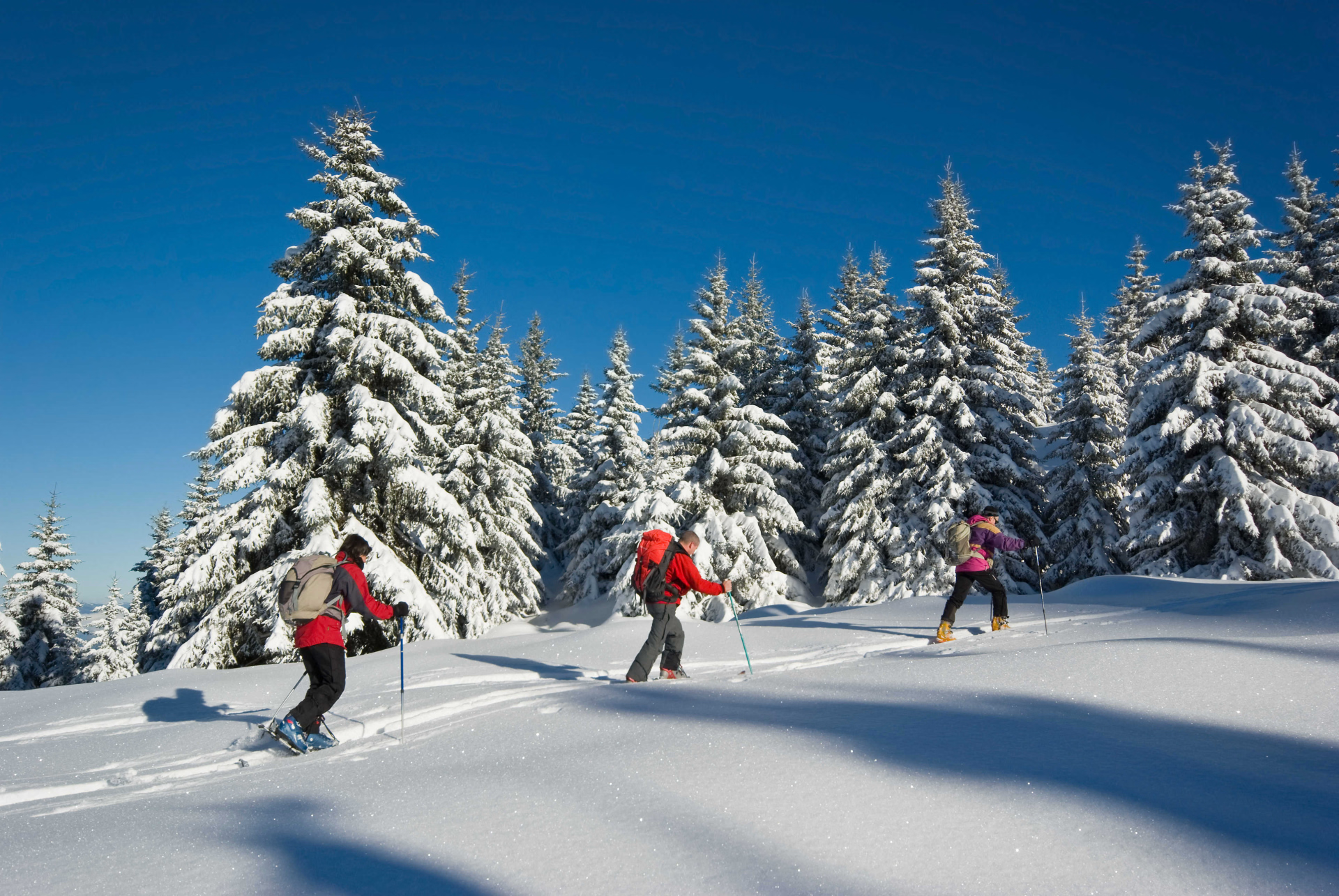
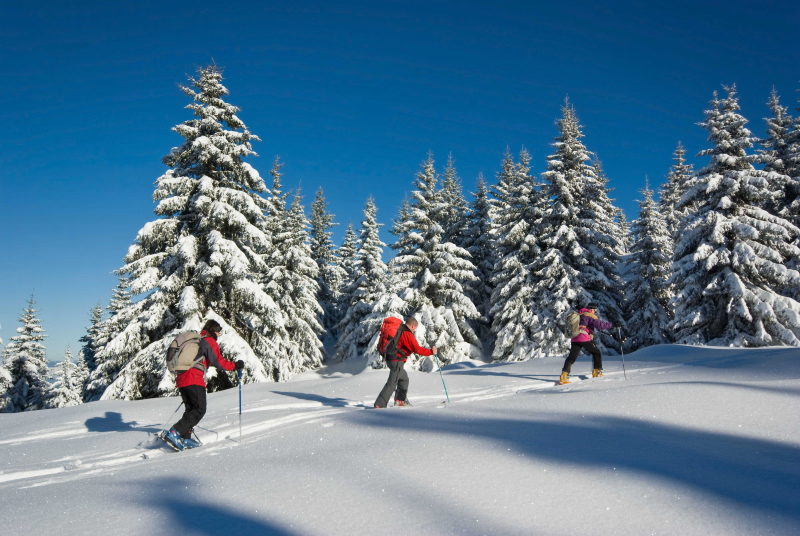
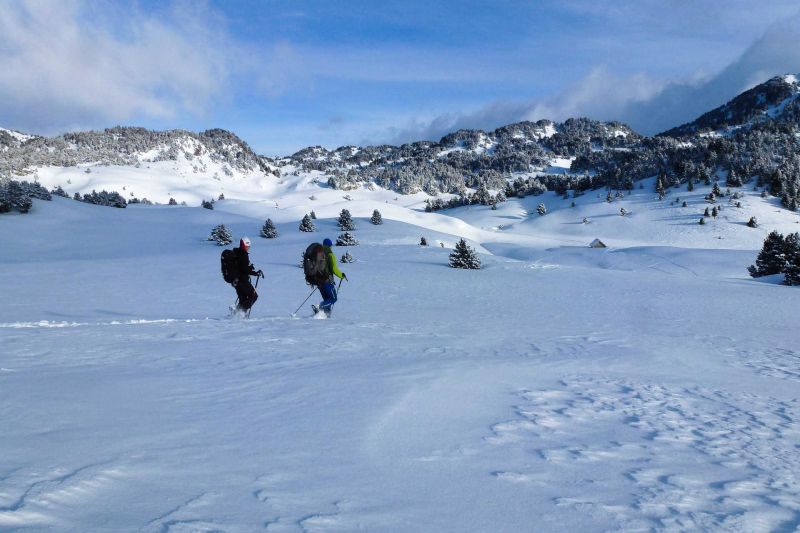
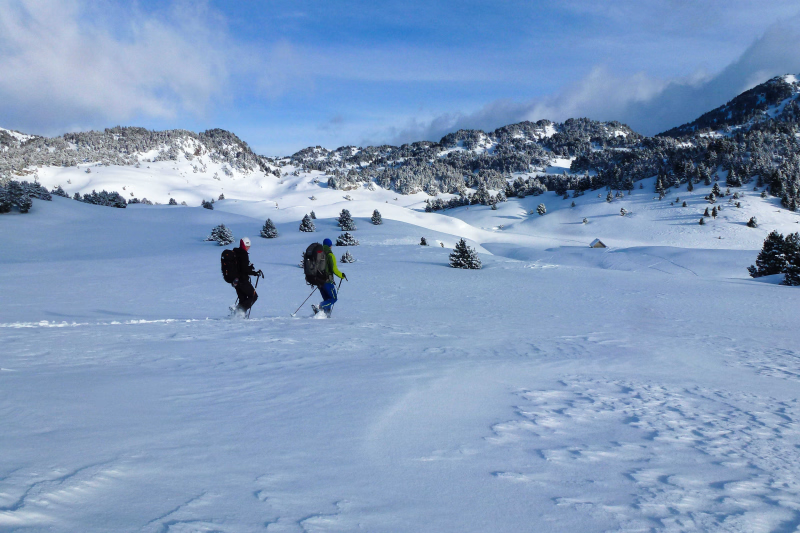
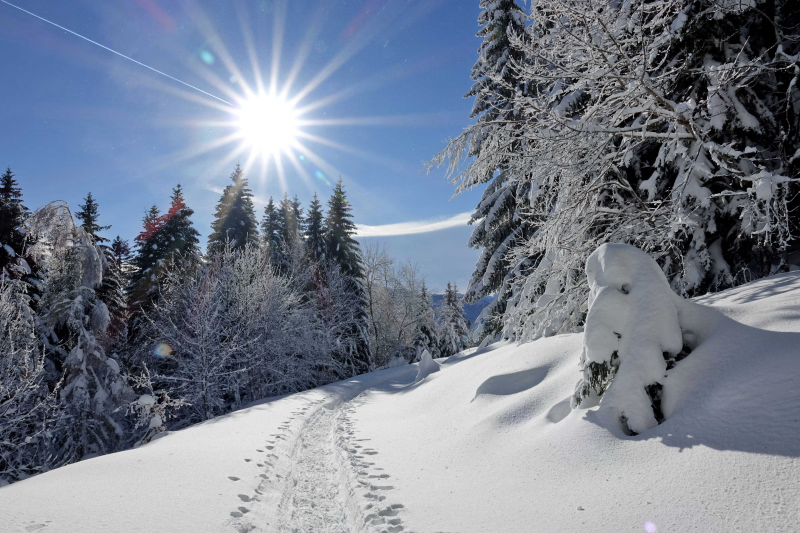
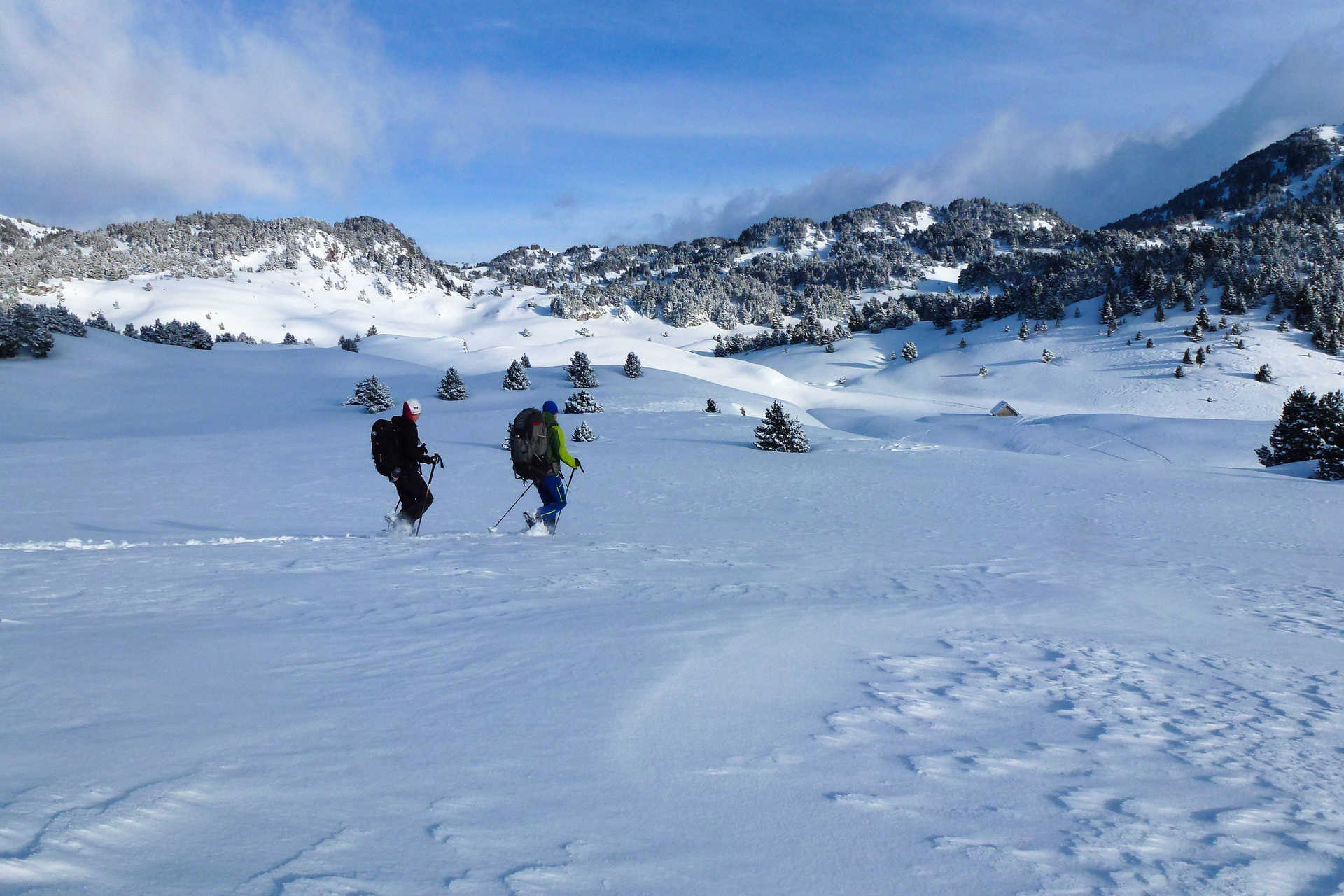
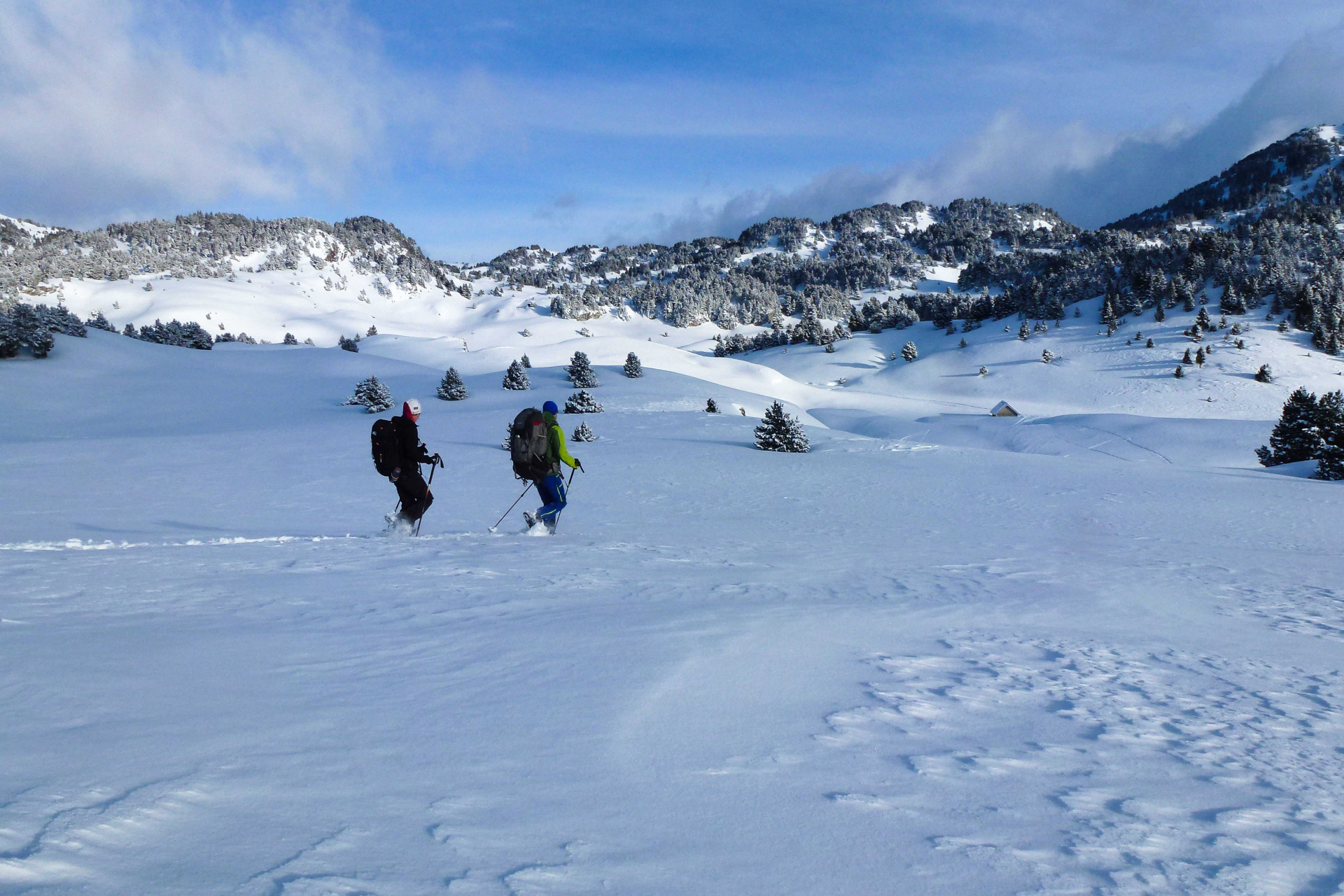
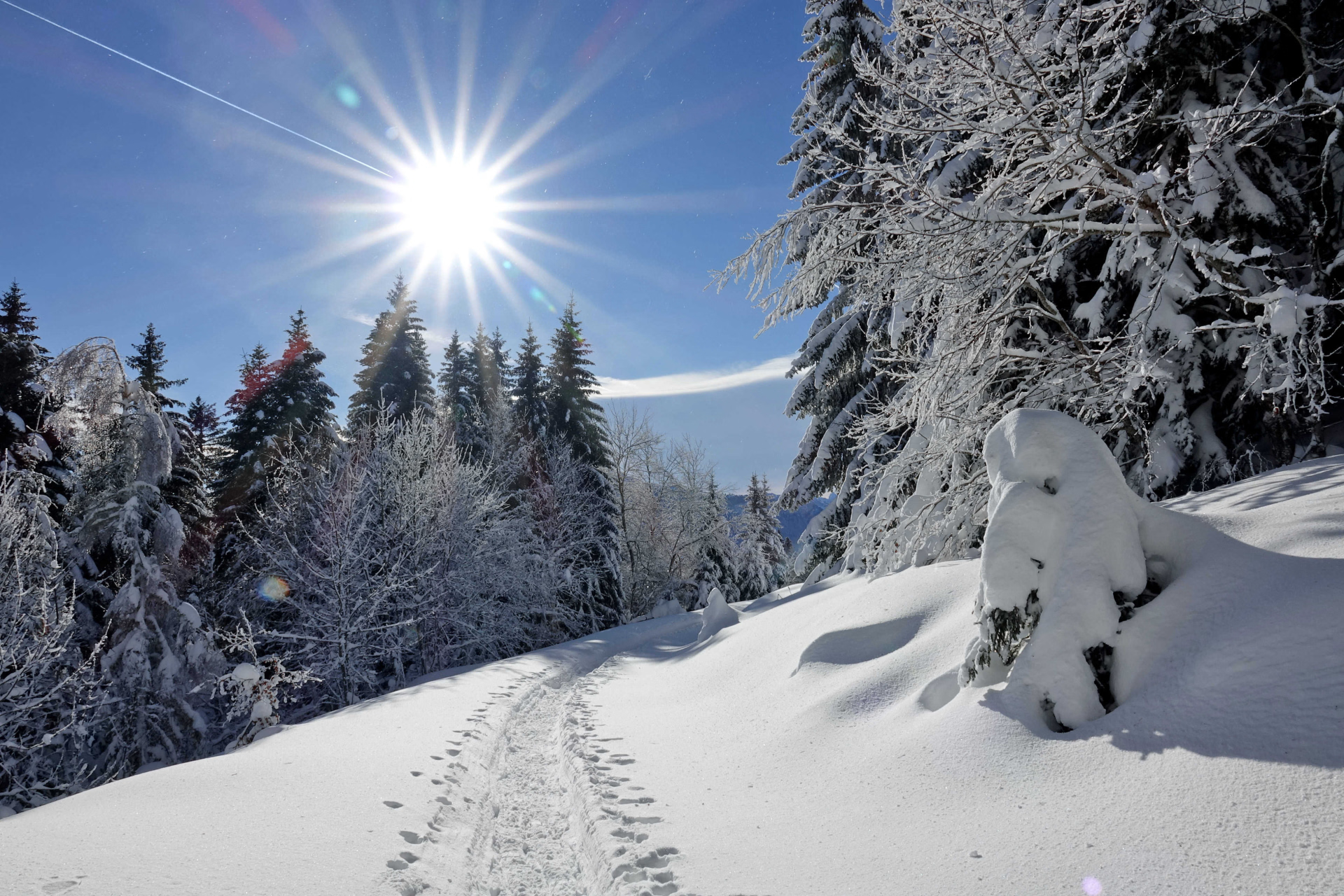
To celebrate the New Year away from the hustle and bustle, this 4-day stay in the heart of the Vercors region offers a true winter escape. Nestled at an altitude of 1,300 meters , a comfortable mountain refuge becomes our base camp for exploring, on snowshoes , a wild and unspoiled territory. Surrounded by snow-covered forests and silent ridges, this natural haven offers a complete change of scenery. Each day spent hiking the trails of the regional natural park ends in the warmth of the refuge, around an authentic and hearty meal. To extend the relaxation, an open-air Nordic bath , heated by a wood fire, awaits us under the stars. The atmosphere is convivial and conducive to letting go, ideal for welcoming the New Year in a gentle and rejuvenating ambiance.
The highlights
-
In the heart of the snow-covered mountains of the Vercors!
-
A refuge perched at 1300m altitude
-
Nordic bath heated by a wood fire!
Subscriber benefit
save 5%
by joining
our community
Decathlon Travel Benefits
Best price guaranteed:
We offer twice the difference
Free cancellation more than 30 days in advance
Payment in 2 installments
Learn more
Photos
Sport
Level
Snowshoeing
For those who wish to hike for 4 to 5 hours a day, covering an elevation gain of approximately 300 to 500 meters on trails. You hike occasionally and are in good physical condition.
In figures
Snowshoes
- Average duration/day: 3h30
- Average daily elevation gain: 260 m
- Average daily descent: 260 m
Management
During this stay, a supervisor will be present to guide and assist you.
Band :
1 supervisor for 5 to 12 people
Supervisor
Supervisor
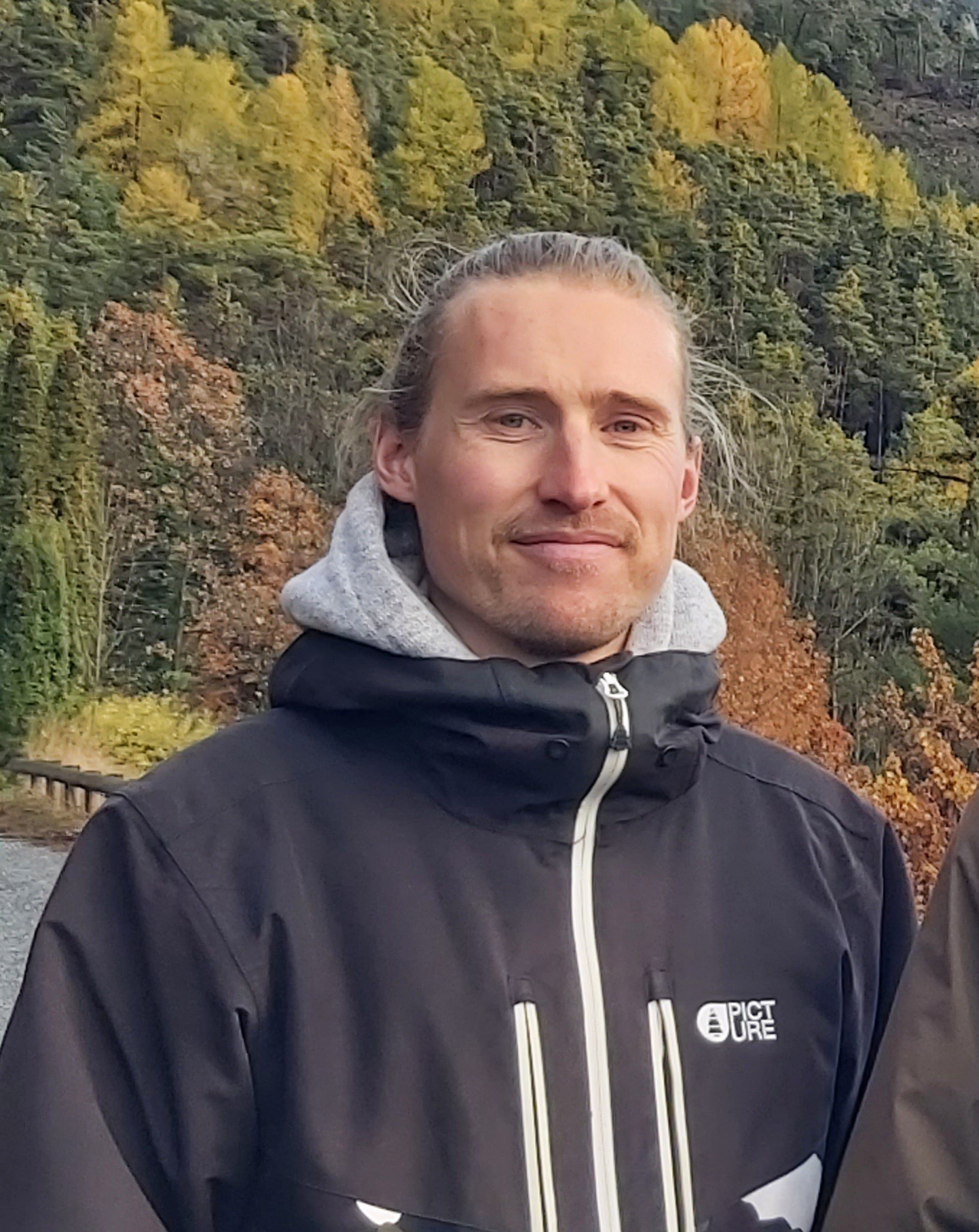
Our hike is led by a guide.
He was chosen for his field experience, his specific knowledge of a geographical area and its associated culture, as well as for his passion for showcasing his region.
This tour is organized in collaboration with partners. You may be required to travel with clients from other agencies.
Mountain areas far from inhabited areas often remain outside the coverage of mobile phones or are affected by many unpredictable dead zones.
Program
-
Welcome to Autrans - Ascent to the refuge on the Gève plateau
- Activity Snowshoes
- Duration of the activity 3h30
- Positive elevation gain 330 m
- Negative elevation 20 m
- Accommodation Refuge
- Breakfast not included
- Lunch included
- Dinner included
We met our guide in Autrans, in the heart of the Vercors mountains, late in the morning. After checking our individual equipment, we set off on our snowshoes. The path climbed through a beautiful forest, occasionally intersected by cross-country ski trails, and opened onto the Gève plateau, where we discovered our refuge for the next three nights. After settling in, we went for a short exploration of the surrounding area before returning to enjoy the comfort of our first night in the refuge.Day 1 -
Snowshoeing towards the western ridges of the Vercors and Nordic bathing
- Activity Snowshoes
- Duration of the activity 4h30
- Positive elevation gain 290 m
- Negative elevation 290 m
- Accommodation Refuge
- Breakfast included
- Lunch included
- Dinner included
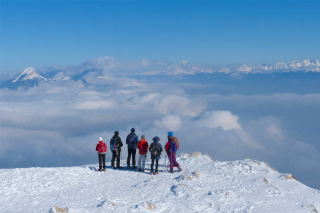
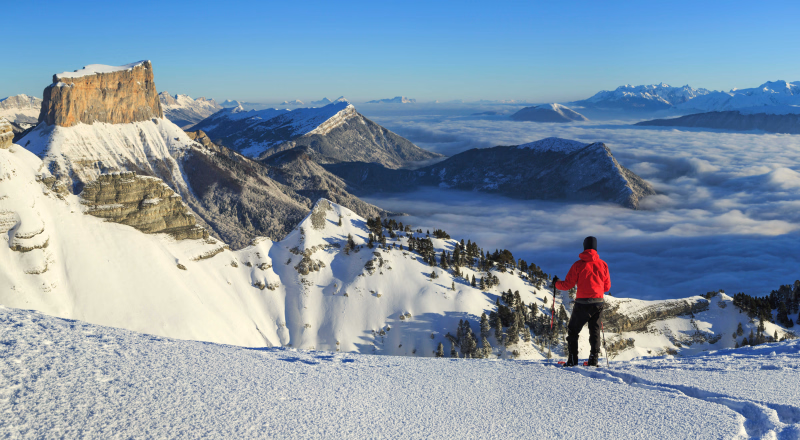
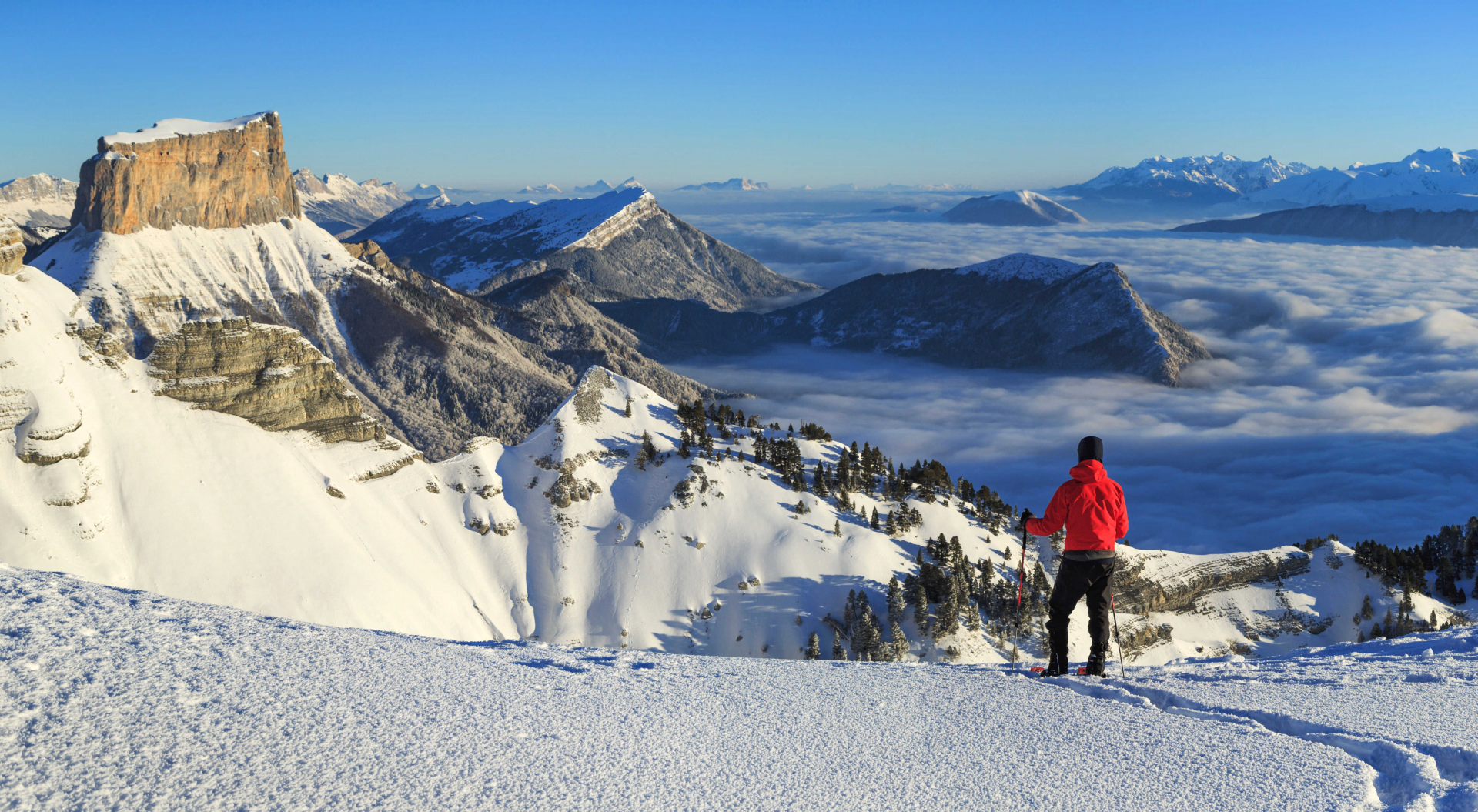
A forest trail, requiring a good climb, leads to the Cheminée viewpoint perched on the edge of the cliff, marking the end of the Vercors plateau and offering superb views over the valley. Return to the refuge in the afternoon and relax with access to the Nordic bath before enjoying a warm evening in the refuge.Day 2 -
Northern balcony of the Vercors plateau and New Year's Eve
- Activity Snowshoes
- Duration of the activity 4h
- Positive elevation gain 400 m
- Negative elevation 400 m
- Accommodation Refuge
- Breakfast included
- Lunch included
- Dinner included
A new snowshoe hike in the forest leads to the Pas de la Clé viewpoint, perched on the cliff edge north of the plateau. After a beautiful final day immersed in nature in the heart of winter, we end the year with a secluded evening in a mountain refuge, sharing a festive meal with the other guests.Day 3 -
Snowshoeing on the Gève plateau and return to Autrans
- Activity Snowshoes
- Duration of the activity 2h
- Positive elevation gain 20 m
- Negative elevation 330 m
- Breakfast included
- Lunch included
- Dinner not included
Last day at this magnificent site in the heart of the Vercors forest. We snowshoe through the forest and descend in the afternoon towards the Autrans plain where our stay ends.Day 4
Note
- Routes may be modified depending on weather conditions and the group's level.
- This tour is organized in collaboration with partners. You may be required to travel with clients from other agencies.
Accommodation
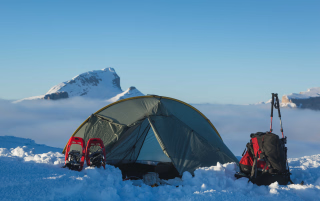
🏔️ Mountain refuge - Days 1 to 3
The refuge consists of 4 dormitories. The group is staying in a 12-bed dormitory.
The dormitories have a mezzanine where the mattresses are side by side on the floor.
The sanitary facilities (showers and toilets) are shared and the refuge has a Nordic bath.
A 30-minute session is included in the stay. Additional sessions are available (to be booked and paid for on site).
Access
Departure
Autrans, Autrans-Méaudre en Vercors, France
Day 1
: 11h30
End of stay
Autrans, Autrans-Méaudre en Vercors, France
Day 4
- 15h30
Go to the starting point
Take the train toGrenoble
It is possible to come by bus from Grenoble.
Bus 65 to Lans en Vercors (departure at 9:55 in 2023, arrival in Lans at 10:47) then bus 66 to Autrans (departure at 11:00 in 2023, arrival in Autrans at 11:15)
Return to Grenoble train station, bus 66 to Villard de Lans (departure at 16:05 in 2023, arrival in Villard de Lans at 16:25) then bus 64 towards Grenoble (departure at 16:35 in 2023, arrival in Grenoble at 17:35)
It is also possible to use the ski lifts offered by the Transaltitudes shuttles during the weekends.
Travel to the place of stay
with parking
available
Would you like to travel on other dates?
Create an alert and we'll notify you by email if new departures are added.
Price details
The price includes
- Dormitory accommodation in mountain huts
- Full board except for breakfast on day 1 and dinner on day 4
- Snowshoes and poles
- The session in the Nordic bath
- Supervision by a certified mountain guide
The price does not include
- Round-trip transportation to the meeting/dispersal point.
- Personal expenses
- Drinks
- Material costs (if necessary)
- Any tips
Options
- Flex fare and insurance
Practical information
Specific formalities
Equipment
Decathlon Travel Partner
The Alexandre team
4.4/5
(143 reviews)
• 138 stays
Implanté dans les Alpes et en Provence depuis plus de 30 ans, notre partenaire local se compose de guides spécialistes des milieux traversés. Il propose des voyages actifs en petits groupes ou sur mesure, en toute sécurité. Faire appel à ses services garantit une réelle qualité grâce à sa connaissance du terrain. Accompagné ou en autoguidage via son application, son savoir-faire offre les clés pour s'immerger en nature et profiter pleinement de chaque séjour.
Are you satisfied with this page?
Subscriber benefit
save 5%
by joining
our community
Decathlon Travel Benefits
Best price guaranteed:
We offer twice the difference
Free cancellation more than 30 days in advance
Payment in 2 installments
Learn more