The Tour of Monte Rosa
In summary
-
Sports
-
Duration7 days
-
LevelExpert
-
DestinationMonte Rosa Massif - France / Italy
-
AgeFrom the age of 18
-
CO₂-Emissions41.04 kg CO2
-
Type of stayIn a group
-
Languages
 French
In a few words
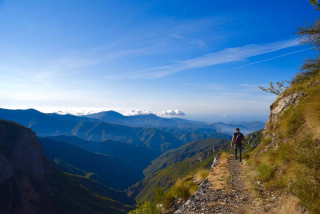
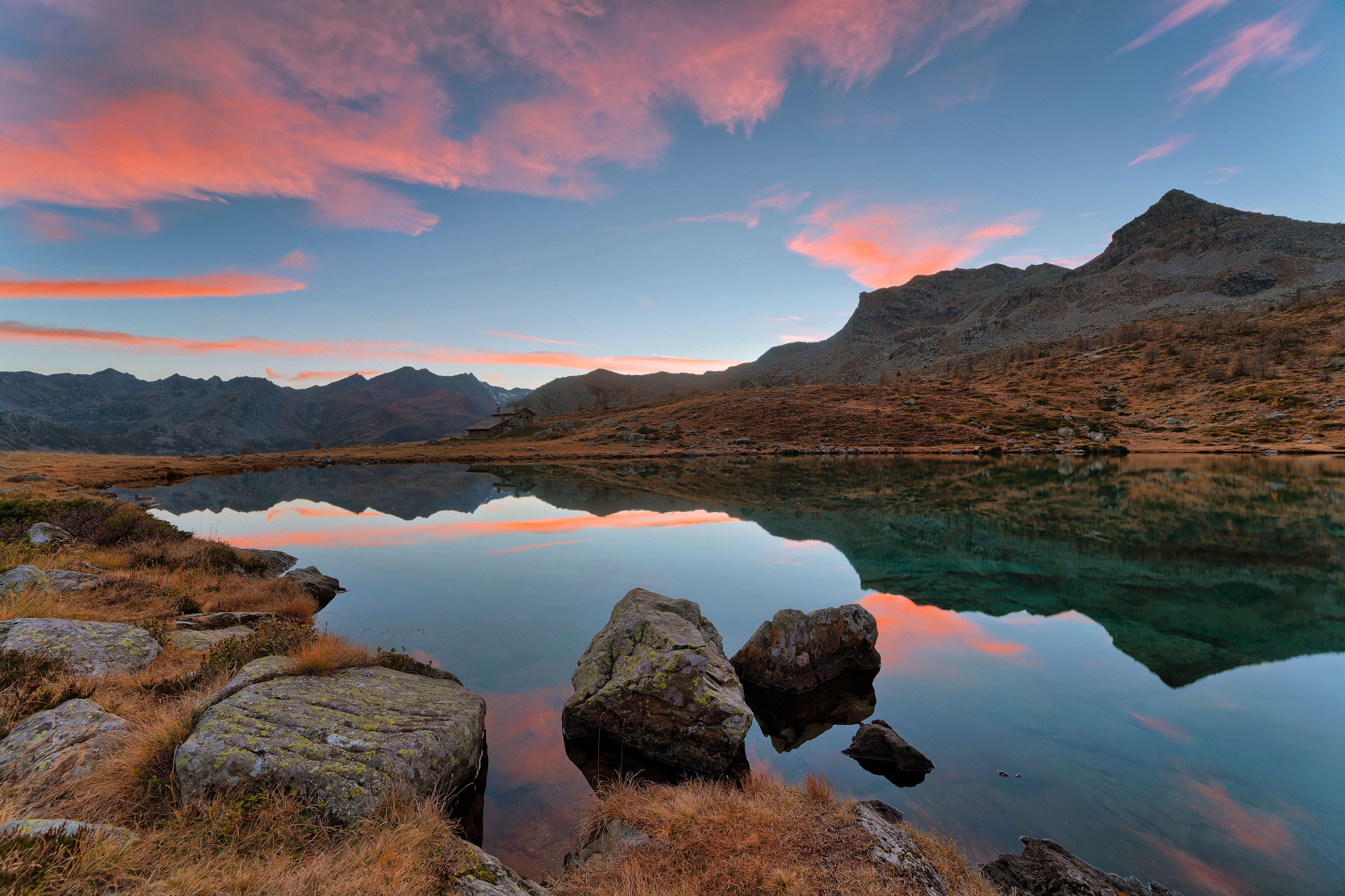
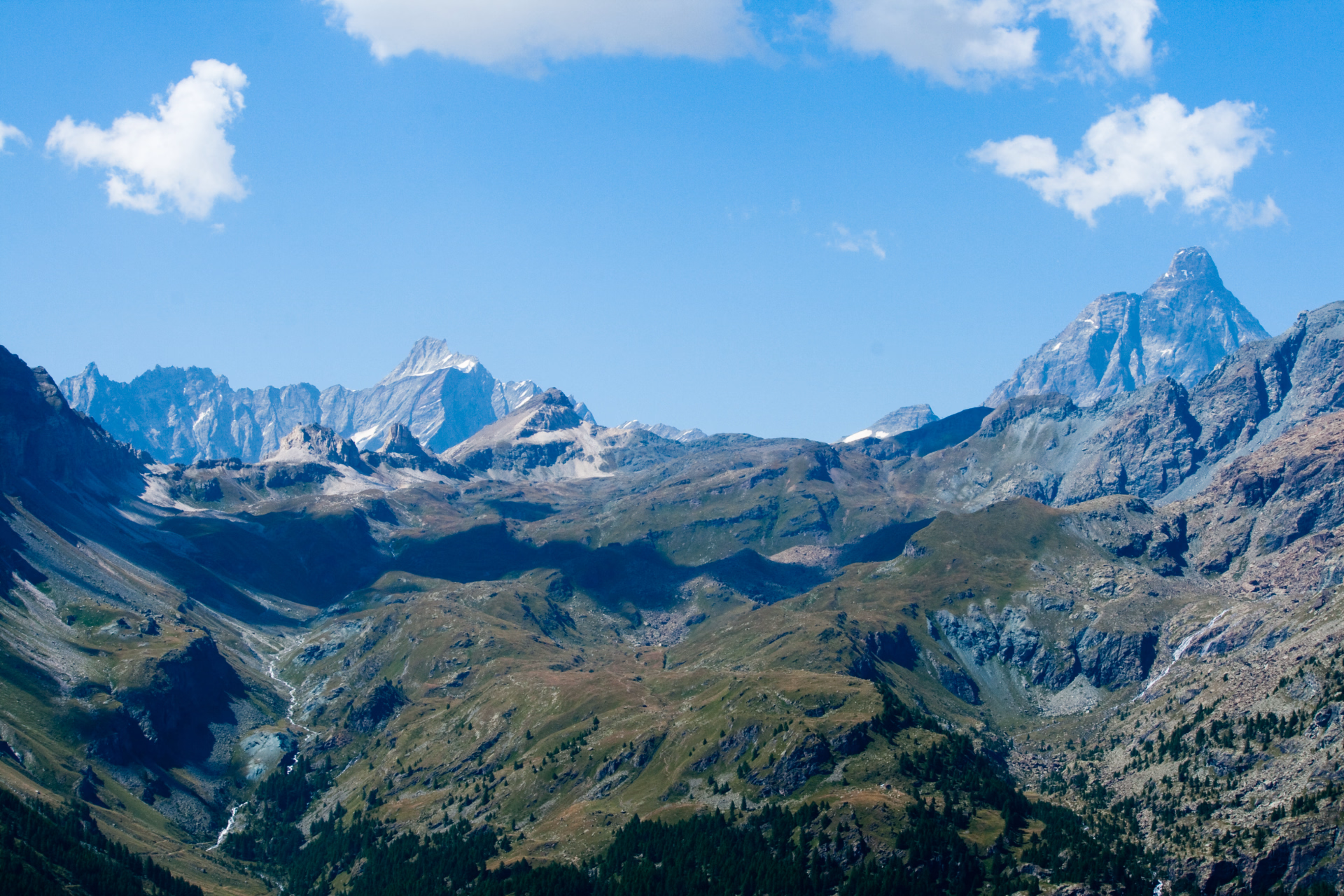
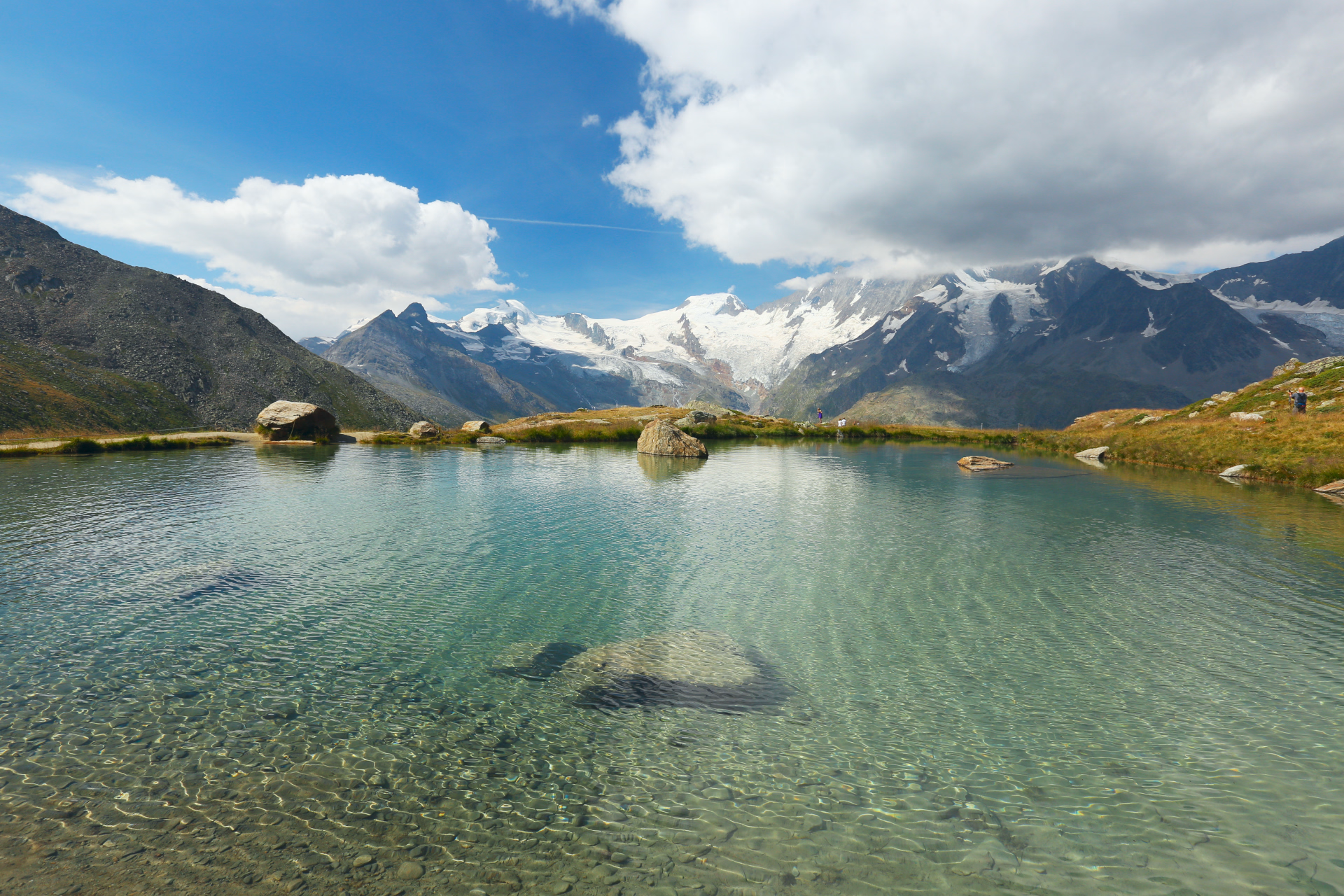
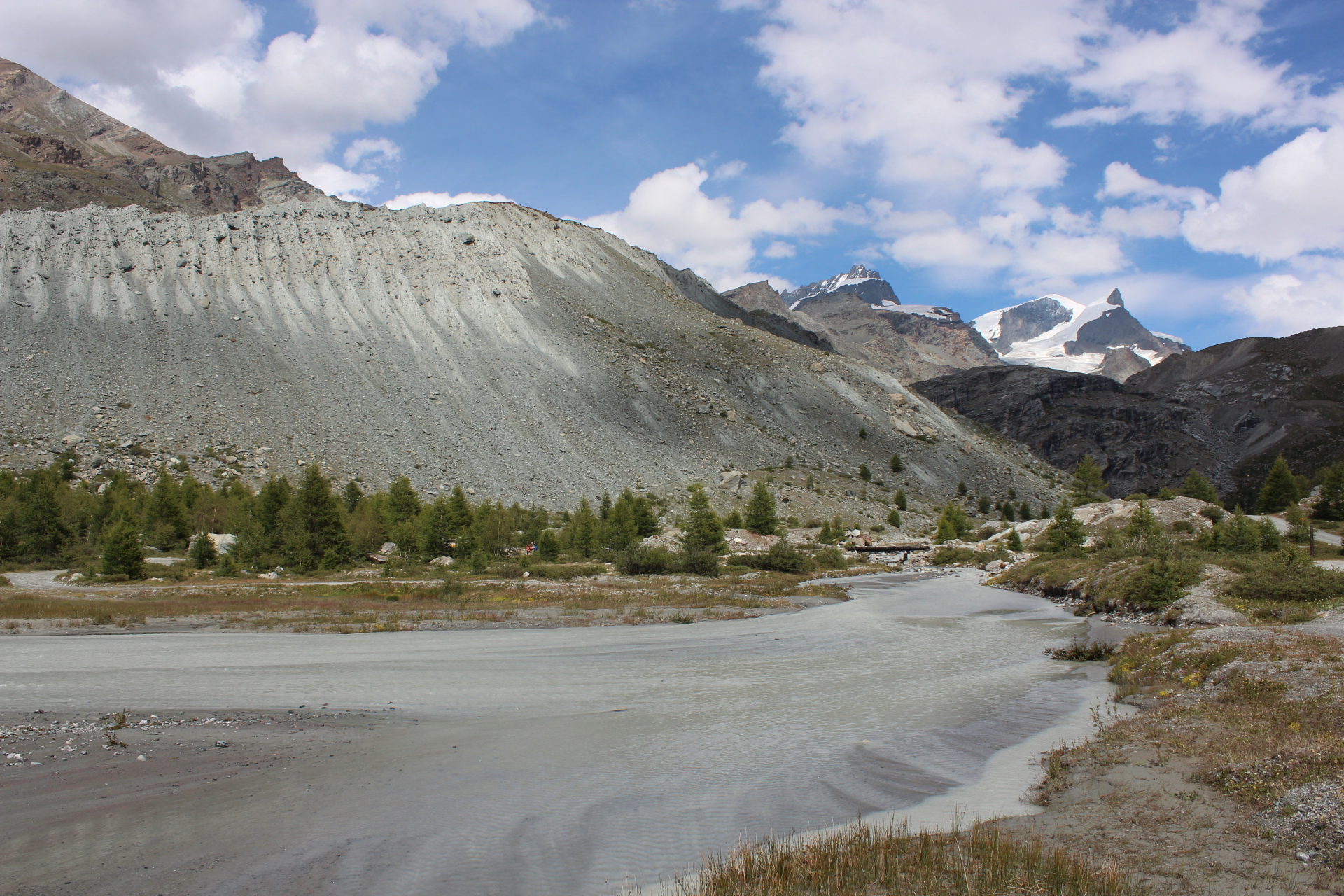
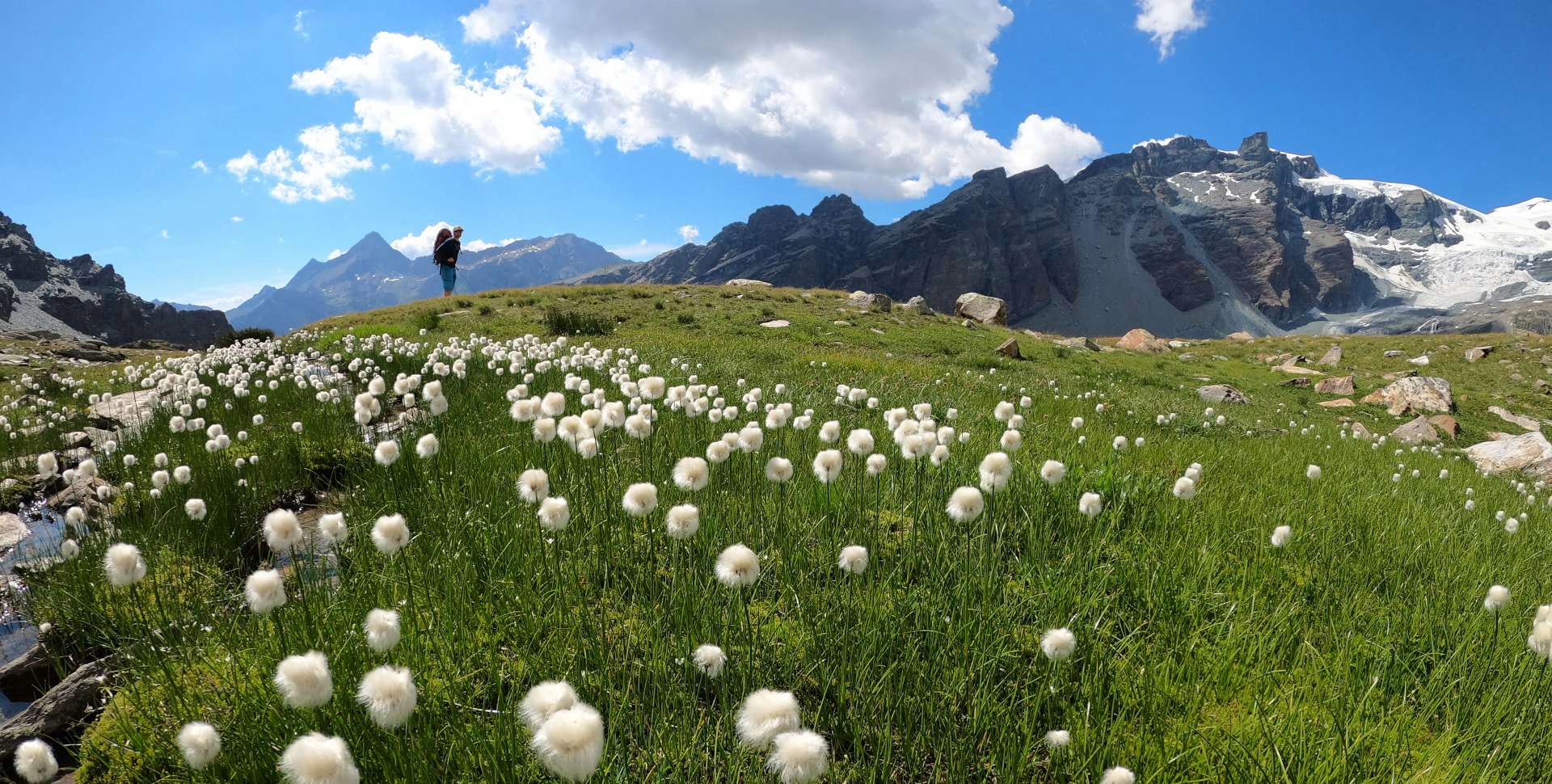
Experience a unique alpine adventure between the Swiss Valais and the Italian Aosta Valley ! This multi-day trek will take you along the Walser trails: the ancestral home of these wild valleys, who knew no modern borders and were united by the same language, culture, and traditions at the foot of the spectacular Monte Rosa massif. We begin in the Saas Valley in Switzerland , then continue on the Italian side through the valleys of Macugnaga, Alagna, Gressoney, and Valtournenche, before returning via Zermatt. A magnificent tour that will leave you dazzled by the beauty of its glacial valleys, high mountain passes, and charming mountain villages!
The highlights
-
Discovering the Walser valleys and their ancient villages between Switzerland and Italy
-
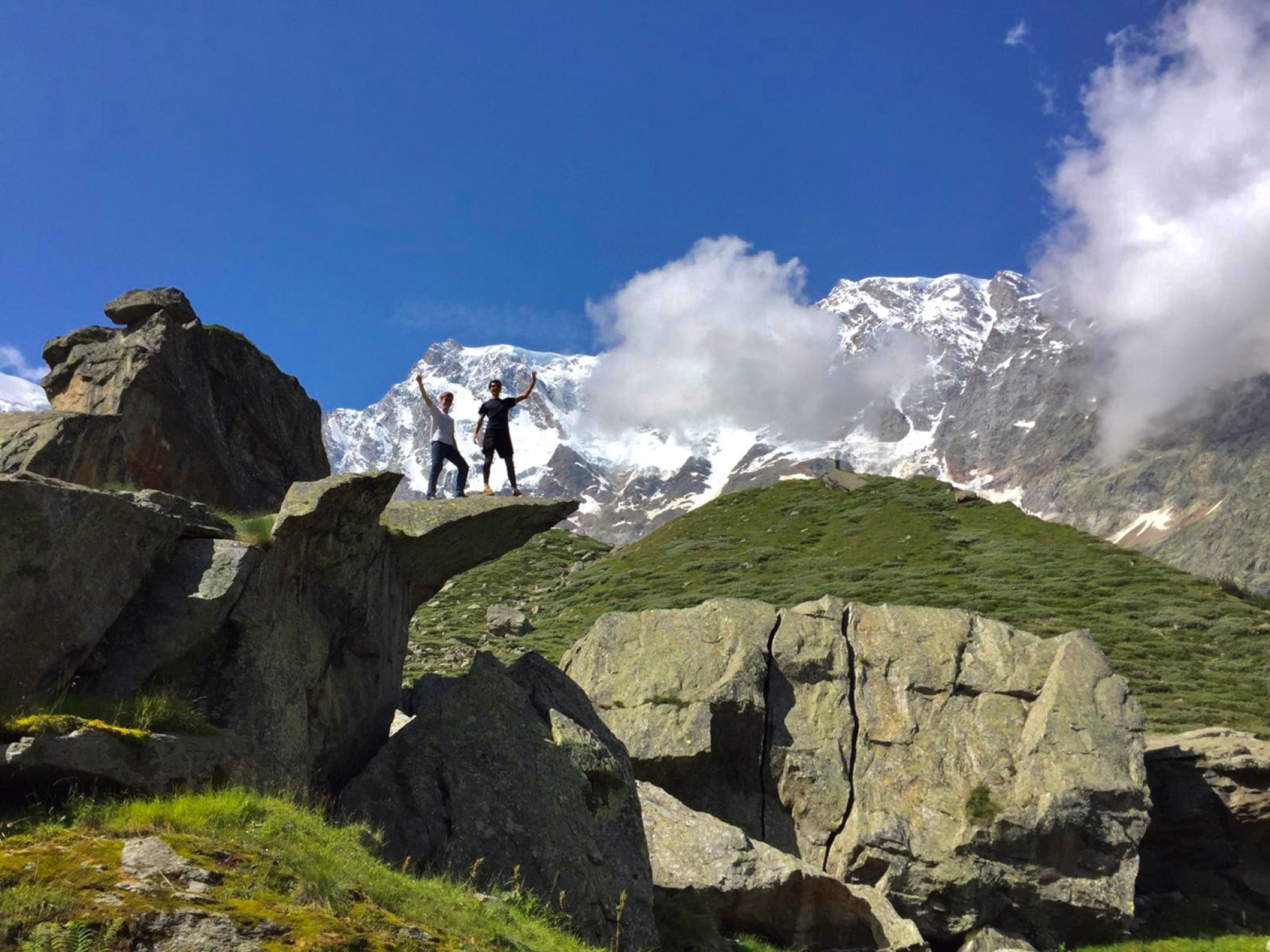
The spectacular view of the summit of Monte Rosa 4554m
-
Italian mountain retreats with their charm and renowned cuisine
Photos
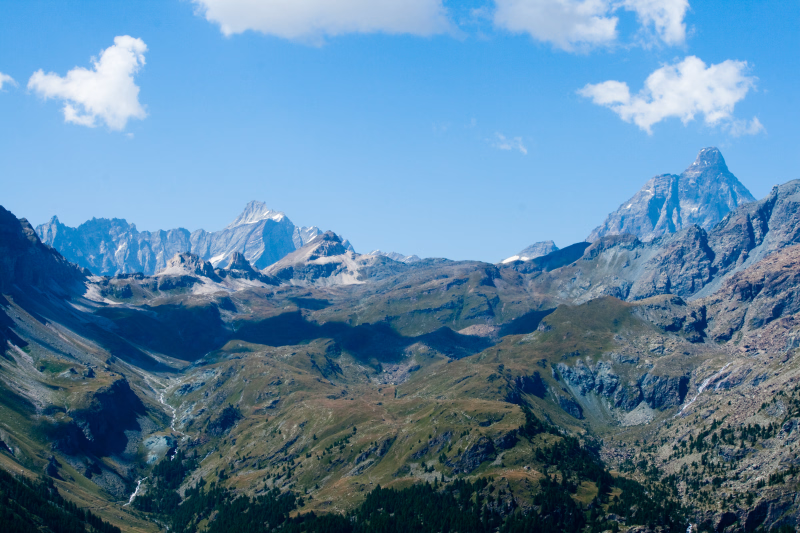
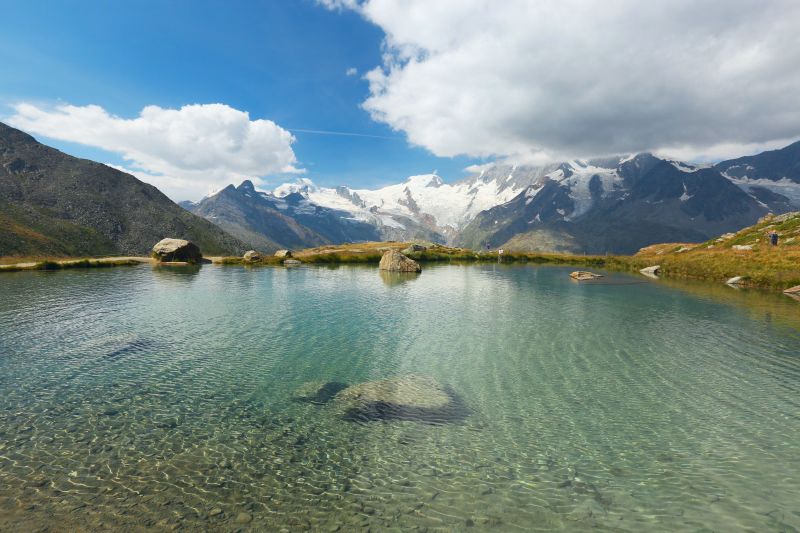
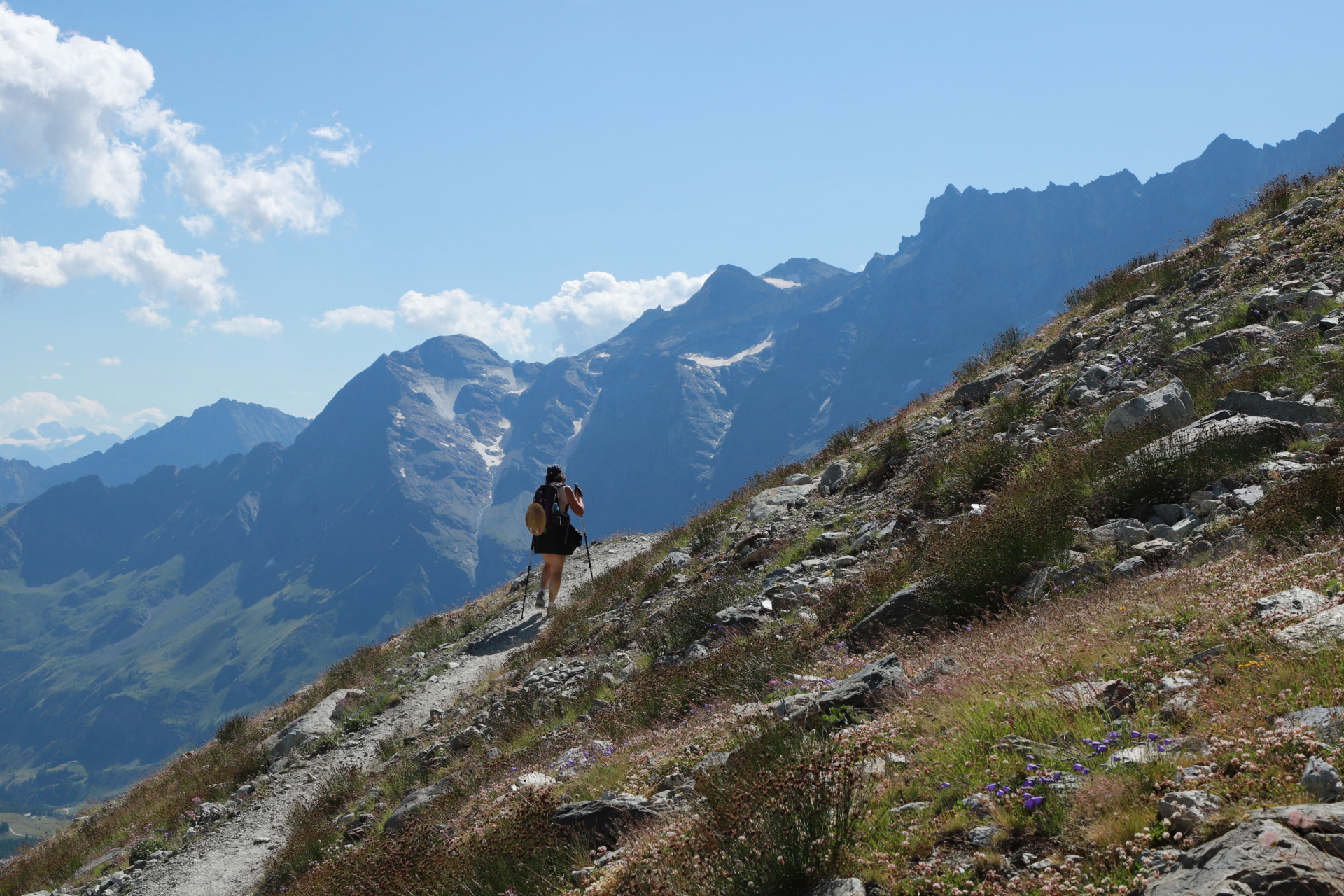
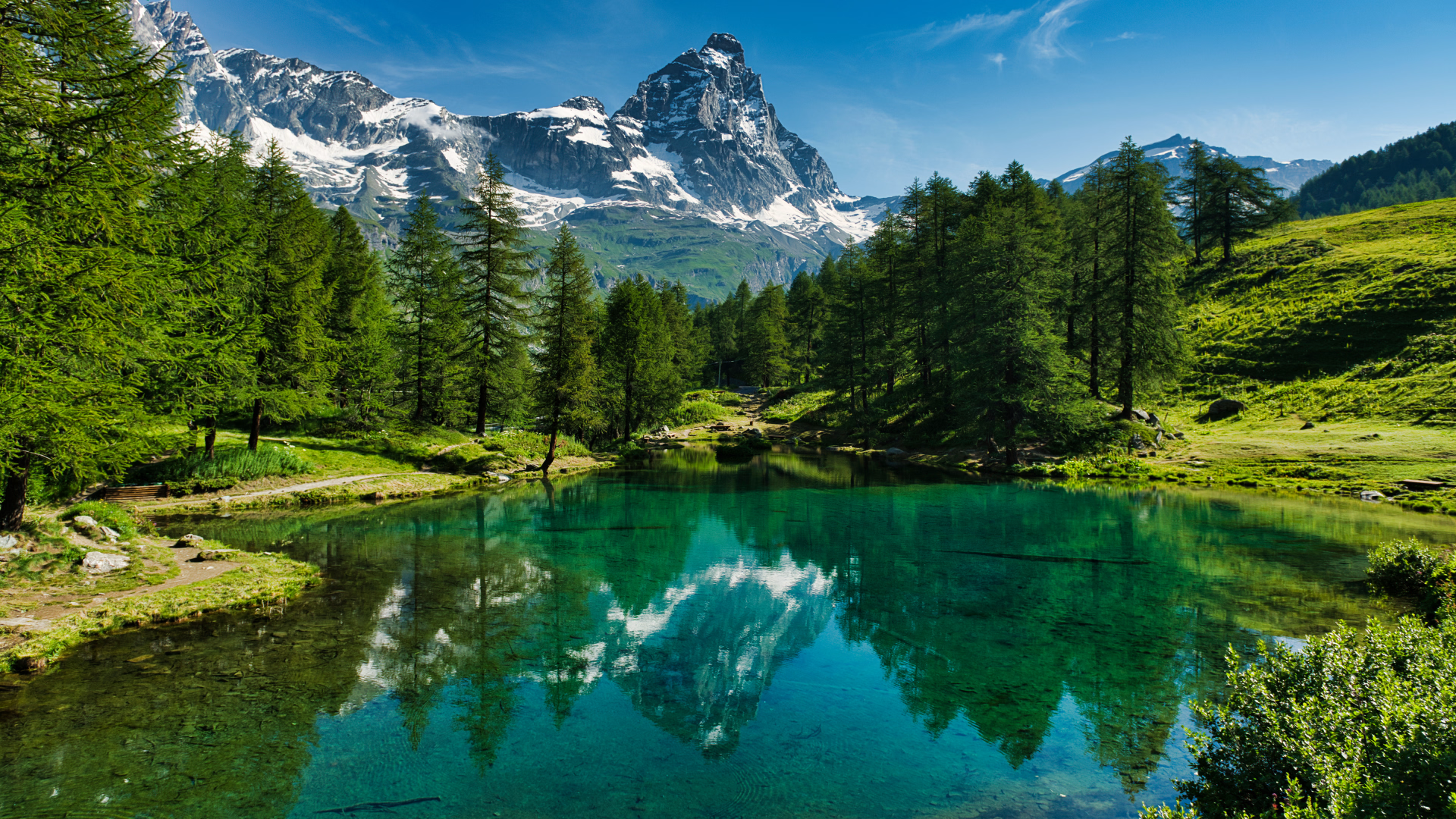
Sport
Level
Hiking / Trekking
In figures
Trekking
- Average duration/day: 7h
- Average daily elevation gain: 986 m
- Average daily descent: 812 m
Management
French
Qualified guides and lovers of the great outdoors, Jean-Luc and his team design immersive itineraries in the Alps and beyond. Attentive, skilled teachers, and mindful of each individual's pace, they guide you on a profound exploration of the mountains: hiking, nature, culture, and connecting with the environment. Powerful human experiences , designed to blend effort, serenity, and wonder.
Program
-
Visp - Saas-Almagell - Refuge
- Transportation Minibus - 10h - 34km
- Activity Trekking
- Duration of the activity 5h
- Positive elevation gain 750 m
- Negative elevation 200 m
- Accommodation Refuge
- Breakfast not included
- Lunch not included
- Dinner included
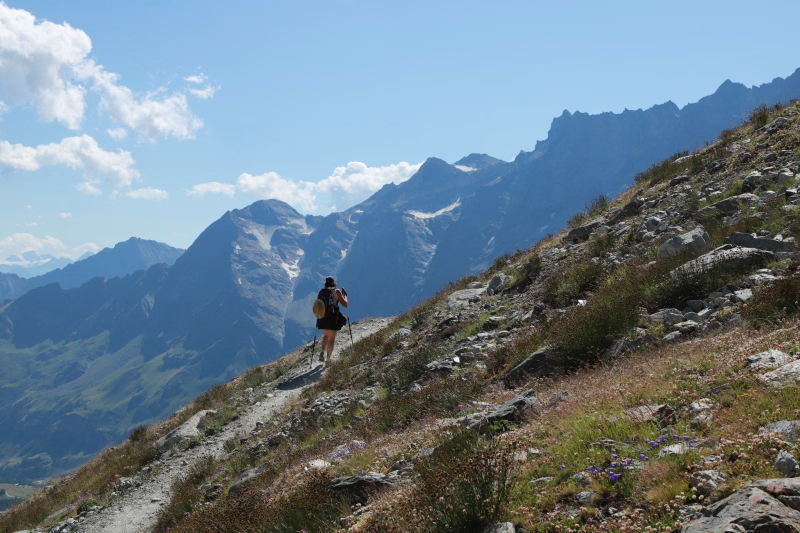
🚌 We're taking a bus from Visp to Saas-Almagell at 9:10 am. The bus will drop us off near the Mattmark Dam mid-morning. We'll take the path that crosses the dam and then pick up a trail on the right bank of the lake. There are numerous tunnels, and then the path leads to beautiful alpine pastures. The climb then becomes steeper towards the Monte Moro Pass. The view of the Valais glaciers is magnificent; many 4,000-meter peaks surround the Saas Valley.
Once at the summit, a magnificent view of the east face of Monte Rosa will unfold before our eyes! We will then take the cable car down to Macugnaga , to reach our guesthouse for the night in this charming village at the foot of Monte Rosa. Only 6 kilometers separate Macugnaga from the Dufourspitze at 4,634 meters, but the face itself is 3,300 meters high; it is the most impressive north face in the Alps, with its famous Marinelli Couloir.
Day 1 -
Refuge - Macugnaga
- Activity Trekking
- Duration of the activity 6h
- Positive elevation gain 900 m
- Negative elevation 900 m
- Accommodation Refuge
- Breakfast included
- Lunch included
- Dinner included
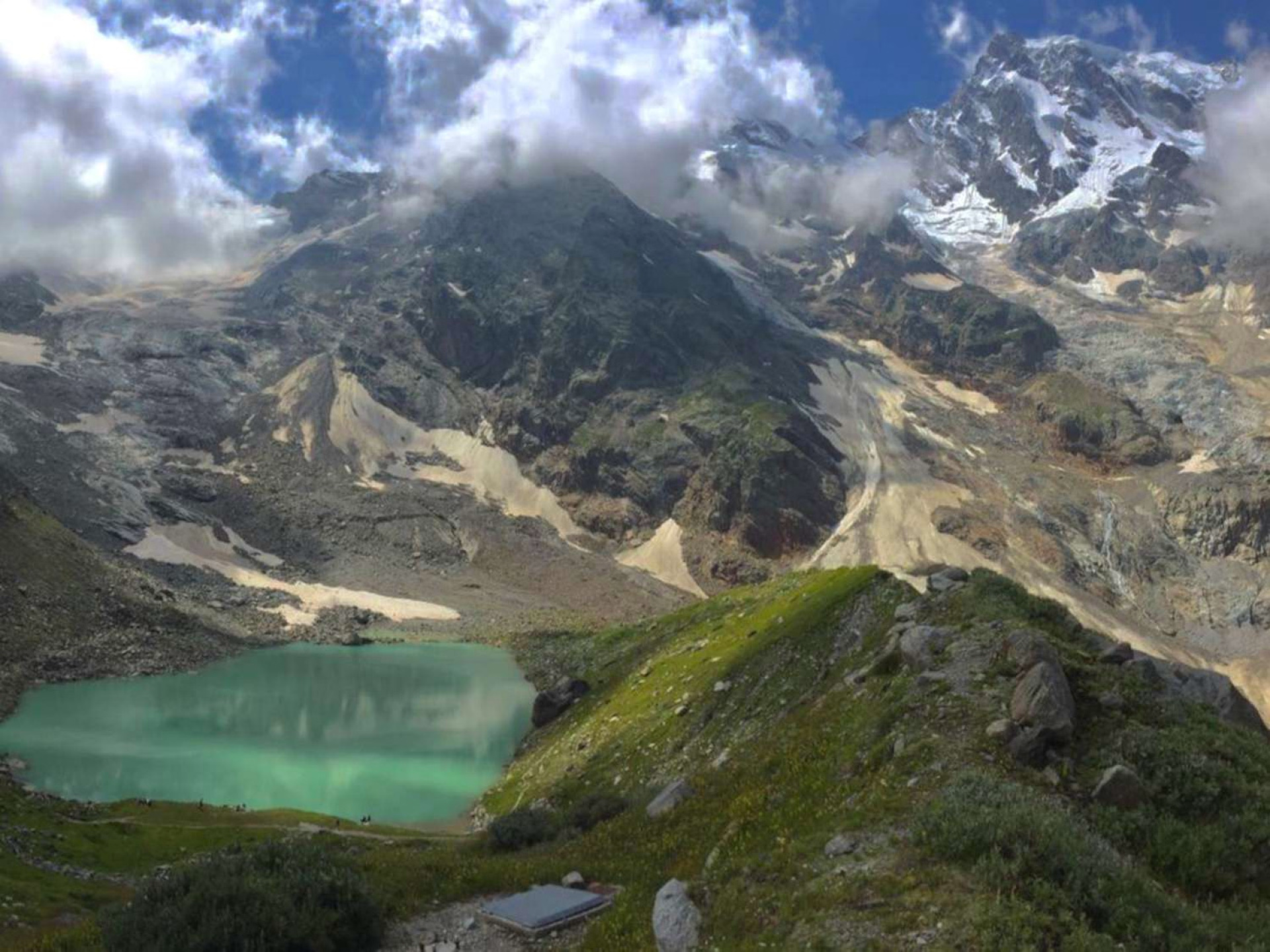
After a restful night and a good breakfast, we'll set off for the Zamboni refuge, at the foot of the northeast face of Monte Rosa, below Punta Gnifetti, home to the highest refuge in the Alps: the Margherita Hut at 4,554 meters. We'll enjoy the view of the glaciers , some of the most impressive ice formations in the Alps. Then, the descent is quite rapid to Macugnaga , this charming little ski resort with its many villages of pretty chalets. We'll be able to enjoy Italian gelato and the many specialties of Piedmont!
Day 2 -
Magugnaga - Alagna
- Activity Trekking
- Duration of the activity 8h
- Positive elevation gain 1550 m
- Negative elevation 1200 m
- Accommodation Refuge
- Breakfast included
- Lunch included
- Dinner included
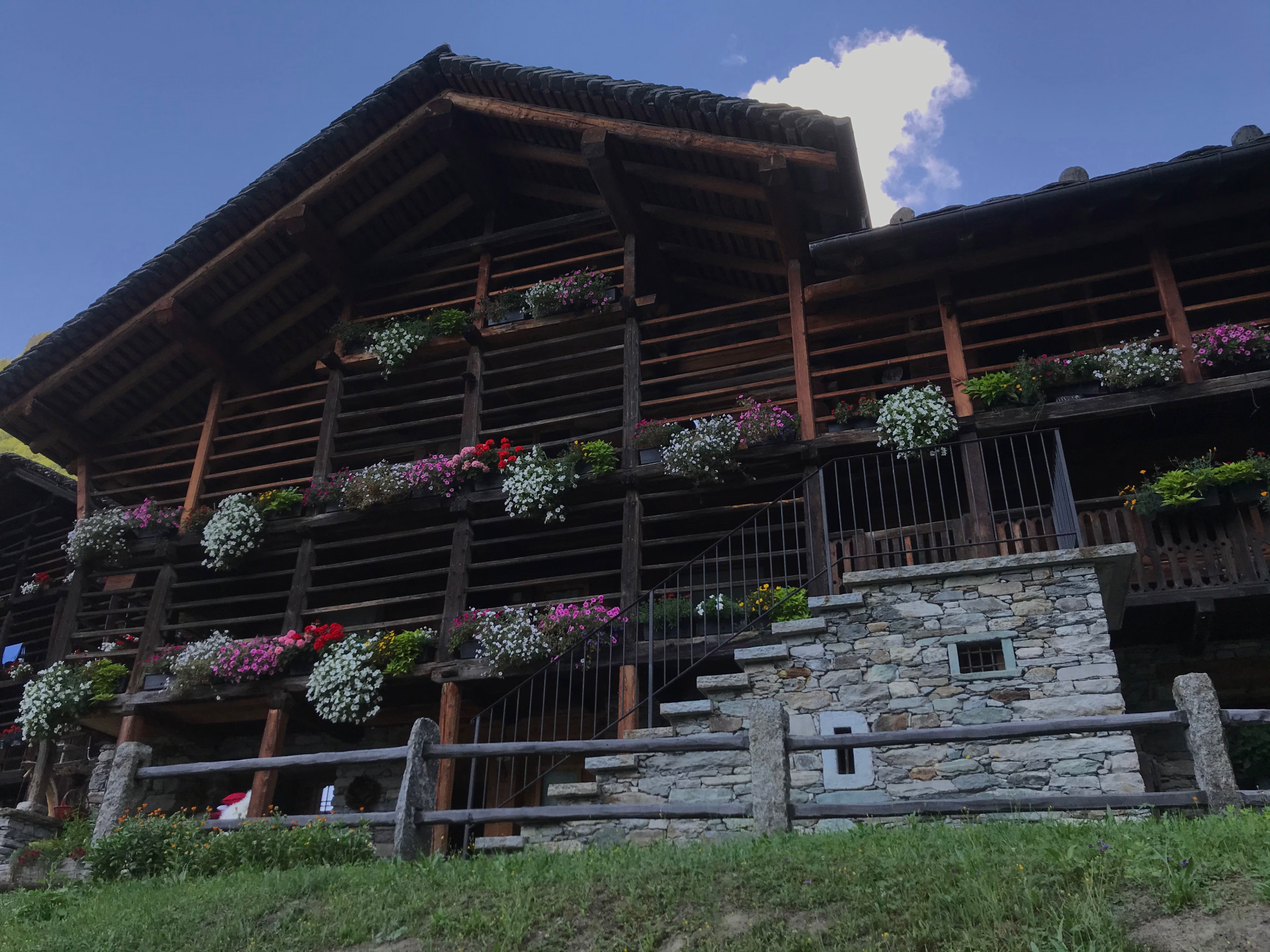
We set off early in the morning for the longest and wildest stage of the trek : the Colle del Turlo is our goal for the day, leading down to the Alagna Valley. We ascend through the forest, following a long valley alongside a beautiful stream and a small lake. The path then climbs into the alpine pastures. We'll stop at the small Lanti bivouac to enjoy the view before continuing our ascent, which steepens as we reach the Colle del Turlo. The path is wide, but snow can linger on the north-facing slopes even in summer. We'll eat lunch at the summit to take in the view, and then it's off for a superb descent into the Alagna Valley. We'll encounter beautiful Walser chalets along the way, each with its own distinctive architecture. The local dialect here is similar to German, and we feel as though we haven't left Switzerland at all, so similar are the culture and the buildings. We'll spend the night in a wonderful mountain hut; depending on availability, you might discover a beautiful chalet or something else entirely...
Day 3 -
Alagna - Gressoney
- Activity Trekking
- Duration of the activity 8h
- Positive elevation gain 1200 m
- Negative elevation 600 m
- Accommodation Refuge
- Breakfast included
- Lunch included
- Dinner included
We set off in the morning to ascend to Gemschhore. Several routes are possible depending on the weather, your fitness level, and your preferences. The guide will explain the route to you on the map the day before so you can choose the next day's itinerary. We can either descend to Alagna to take a beautiful forest path and explore the Valle dell'Otro, or choose to climb directly into a stunning valley below the summit of Monte Rosa and enjoy the views of the glaciers on the east face of Punta Gnifetti (4554 meters). We can then shorten the day by taking the ski lifts if the weather isn't cooperating or if you're tired. We spend the night in a beautiful mountain refuge above Gressoney.
Day 4 -
Gressoney - Val d'Ayas
- Activity Trekking
- Duration of the activity 8h
- Positive elevation gain 1200 m
- Negative elevation 1000 m
- Accommodation Refuge
- Breakfast included
- Lunch included
- Dinner included
We set off from the refuge to reach Gressoney via the Col de Salsa and then the Val d'Ayas. Your guide can choose from three routes depending on the weather. Our preferred route crosses a 3,000-meter pass on the ridge leading to the Quintino Sella refuge. This refuge is the starting point for many mountaineering routes. Along the way, we'll encounter climbers setting off with ropes, crampons, ice axes, and helmets to summit Castor and Pollux, or returning from the famous Spaghetti Tour. We'll walk beneath the glaciers of Monte Rosa , with breathtaking views! The path is quite wide up to the pass, then a narrow trail descends into a stunning valley that leads to the Val d'Ayas, below the Mezzalama refuge, at the foot of the Breithorn range. If the weather is not ideal or if you are tired, we can shorten the stage by taking ski lifts such as the cable car and the gondola lift which leads to the Bettaforca pass.
Day 5 -
Val d'Ayas - Théodule Refuge
- Activity Trekking
- Duration of the activity 7h
- Positive elevation gain 1100 m
- Negative elevation 500 m
- Accommodation Refuge
- Breakfast included
- Lunch included
- Dinner included
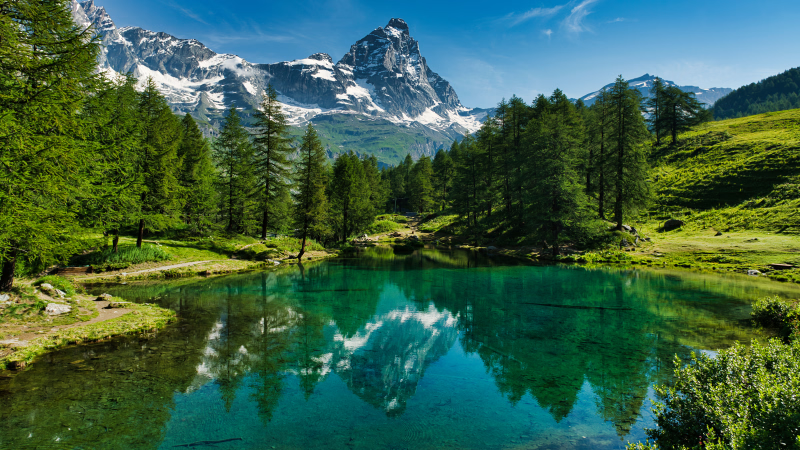
We set off quite early to complete the last major day of hiking . The trail climbs to the bottom of a valley at the foot of numerous cliffs and glaciers, leading to the northern pass of the Cimes Blanches. We will then continue along a path to reach the Théodule Refuge if you are feeling energetic; otherwise, we will take a ski lift to the Plateau Rosa and then ski down to the refuge. The Dent d'Hérens and the Matterhorn will be close by, with exceptional views of the Breithorn and Monte Rosa.
Day 6 -
Théodule - Zermatt
- Activity Trekking
- Duration of the activity 6h
- Positive elevation gain 200 m
- Negative elevation 1284 m
- Breakfast included
- Lunch not included
- Dinner not included
We enjoy a breathtaking view at sunrise, then we take to the ski slopes to cross over to the Klein Matterhorn or via the new Testa Grigia lift. We then descend by cable car under the Klein Matterhorn on the Swiss side and complete the descent on foot to reach Zermatt where we can share a final meal together.
The trek ends in Zermatt, allowing those who wish to spend an extra day in the Swiss capital of mountaineering to plan the end of their trip as they wish. The group will disperse at 3 p.m. Return train from Zermatt to Visp.
Day 7
Note
This program may be modified at the guide's discretion if mountain conditions, weather or the physical condition of the participants require it.
Accommodation
Nights are spent in mountain huts, in rooms or dormitories depending on availability. Huts are provided by the huts. Remember to bring a sleeping bag liner.
Access
Go to the starting point
You can reach Visp by train: we recommend it, to limit parking costs in Switzerland and facilitate the return.
Price details
The price includes
- Supervision by a state-certified mountain guide
- Half-board accommodation as described in the program
- Picnics from Day 2 to Day 7
- Cable cars are mandatory on the itinerary
- Mandatory transportation included in the program
The price does not include
- Lunch on Day 1
- Additional nights not included in the program
- Tips
- The cable car from Punta Grigia to the Klein Matterhorn (if conditions are good we will avoid the cable car and cross on foot)
- Drinks
- Personal expenses
Options
- Flex fare and insurance
Practical information
Specific formalities
Specifics
Before your departure, check with the embassy or consulate regarding the entry and stay requirements for your destination country. You can also find this information on the France Diplomatie website ( https://www.diplomatie.gouv.fr/fr/dossiers-pays/ ).
In the case of flights with stopovers operated by different airlines, also check the entry requirements of the countries you are transiting through.
It is your responsibility to ensure that you are in compliance, particularly regarding the validity of your identity documents (
For example, some countries require your passport to be valid for at least six months after your return date. Consider visa requirements, necessary vaccinations, and health recommendations. And don't forget to take into account any customs restrictions and other potential requirements of your destination or transit country.
ℹ️ Information may change up to the departure date, remember to regularly check official websites.
Equipment
Equipment to bring
Backpack : if possible take a light bag with good carrying comfort, the bag should not exceed 1.5 kilos.
- Small size: 45 liters max
- Large size: 50 liters max
Your backpack should have 10 to 15 litres of space for the picnics you will carry for lunch.
Essential:
- sleeping bag liner for the refuge (small sleeping sheet)
- a waterproof bag to keep spare clothes dry
- a plastic or waterproof bag for dirty clothes
- sunscreen SPF 30 to 50
- a pair of category 3 sunglasses
- a lightweight headlamp
- small pleasures like dried fruit, chocolate
- Cash and your valid ID card/passport
Toiletries:
- a lightweight, quick-drying towel, hiking type
- a body soap
- a toothbrush with a small tube of toothpaste or a partially used tube
- a small shampoo (small size - specialist stores sell small bottles that you can keep for your hiking life).
- a pair of earplugs for better sleep at night in a mountain refuge.
Meal supplies:
- a lightweight Opinel-type knife
- a fork and a spoon
- a nice specialty to share with the rest of the team, liquid or solid
Clothing to bring
- a cap or hat for the sun
- a hat for the cold
- A buff or neck warmer is optional but very welcome in bad weather.
- a Gore-Tex type jacket or equivalent for inclement weather
- a pair of gloves, preferably waterproof
- a pair of ski gloves for climbing Gran Paradiso
- A warm fleece or thick down jacket to withstand sub-zero temperatures
- Two sweaters: one light and one warmer; if it's cold, we'll wear all the layers.
- three technical t-shirts
- three pairs of underwear and 3-4 warm socks; you can wash them in the streams near the refuges (a solid soap for washing).
- warm pants
- tights
- lighter trousers, some of which can be separated to make shorts
- shorts
- Waterproof or Gore-tex type over-trousers for trekking and climbing.
- a waterproof bag protector
- spare clothes for the shelter
- A pair of hiking boots with Vibram or equivalent quality soles; if possible, try them on before the trek.