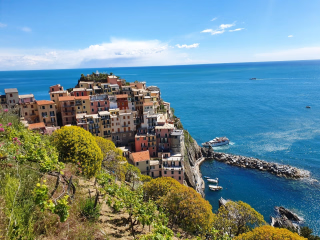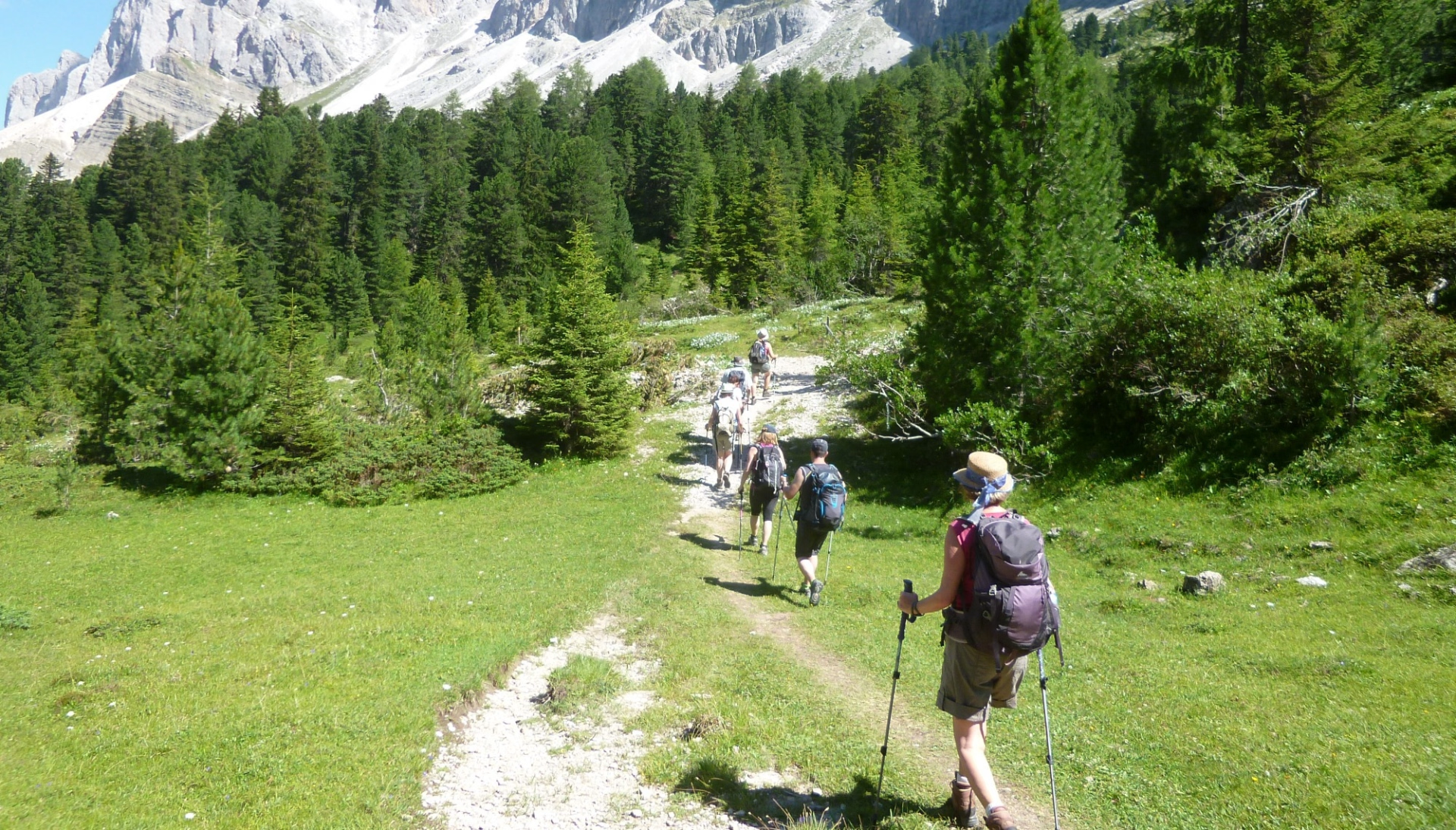
Val di Funès, comfortable hiking in the heart of the Dolomites
In summary
-
Sports
-
Duration7 days
-
LevelIntermediate
-
DestinationItaly / Dolomites
-
AgeFrom 18 - 90 years
-
CO₂-Emissions102.47 kg CO2
-
Type of stayIn a group
-
Languages
 French
 Italian
In a few words
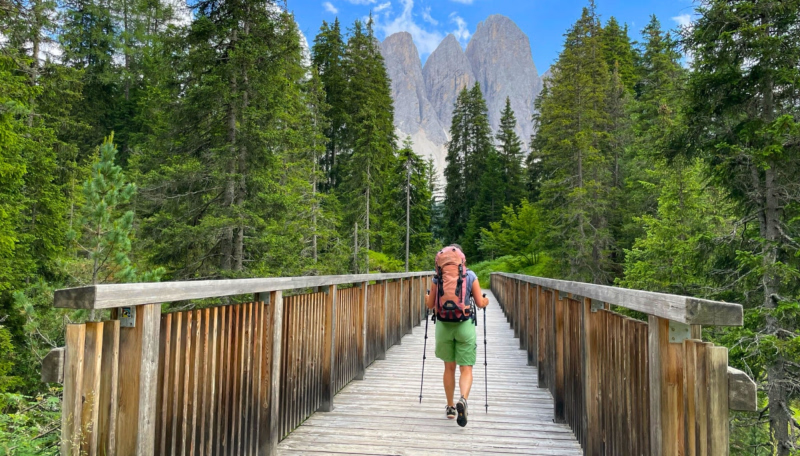
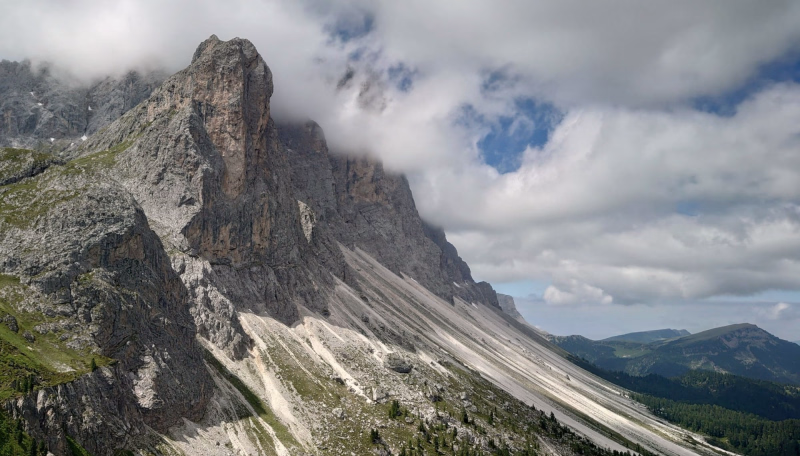
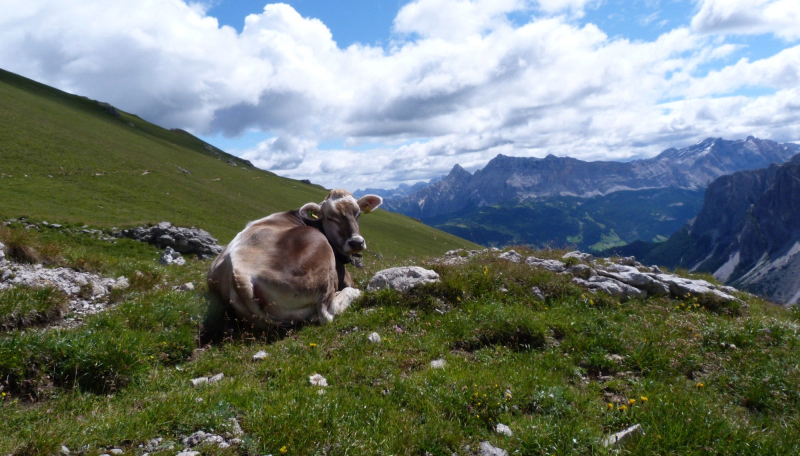
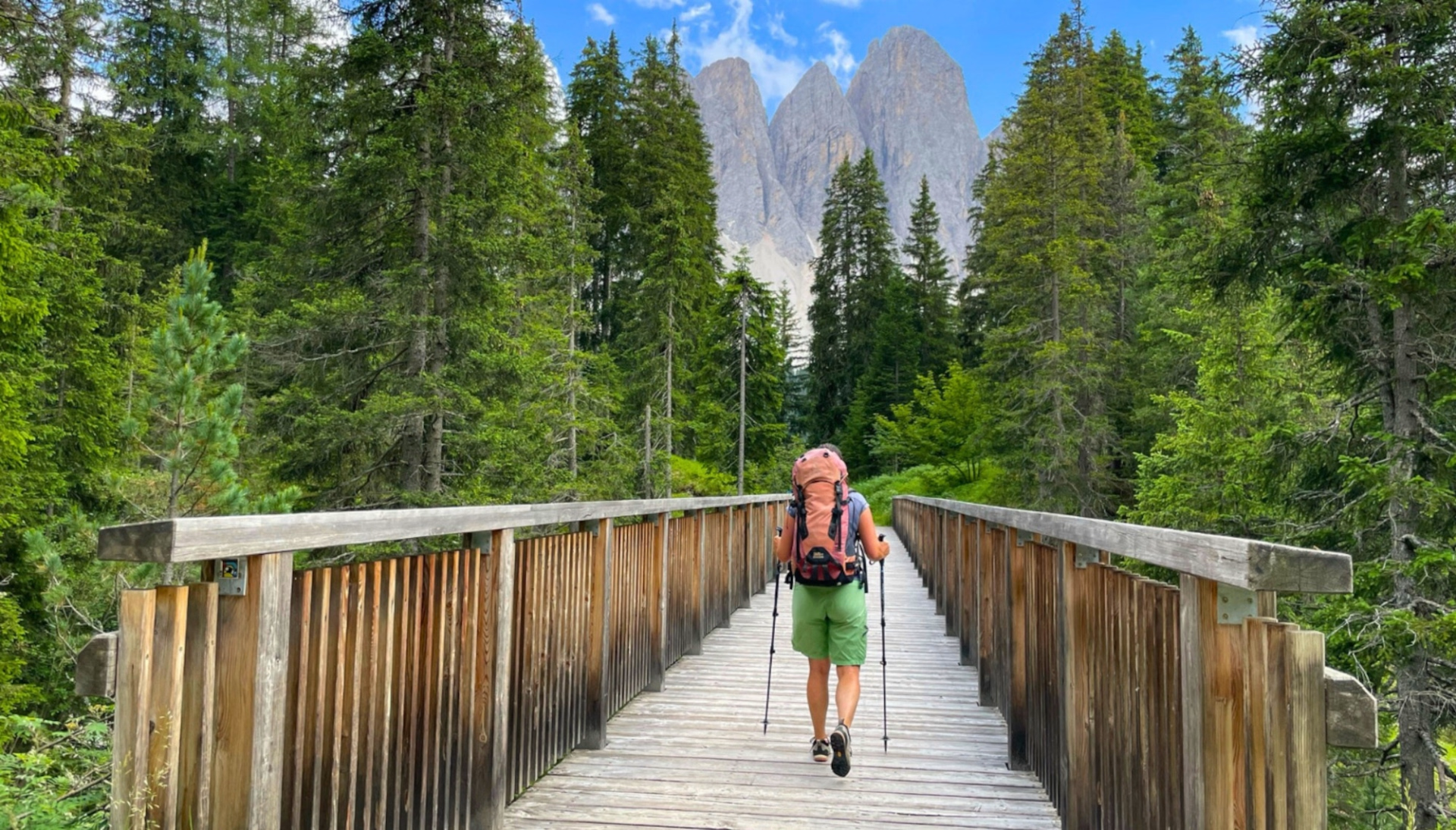
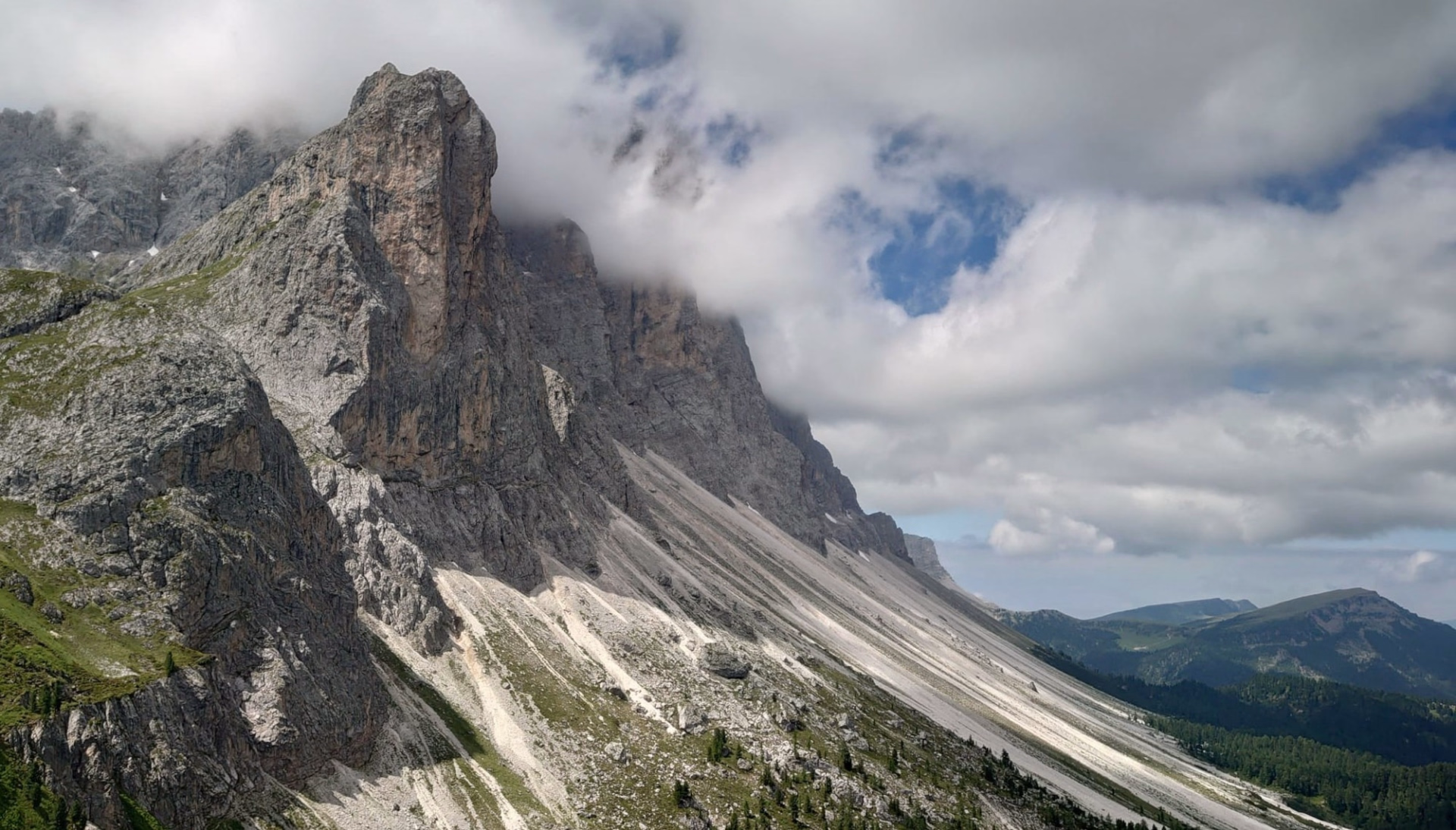
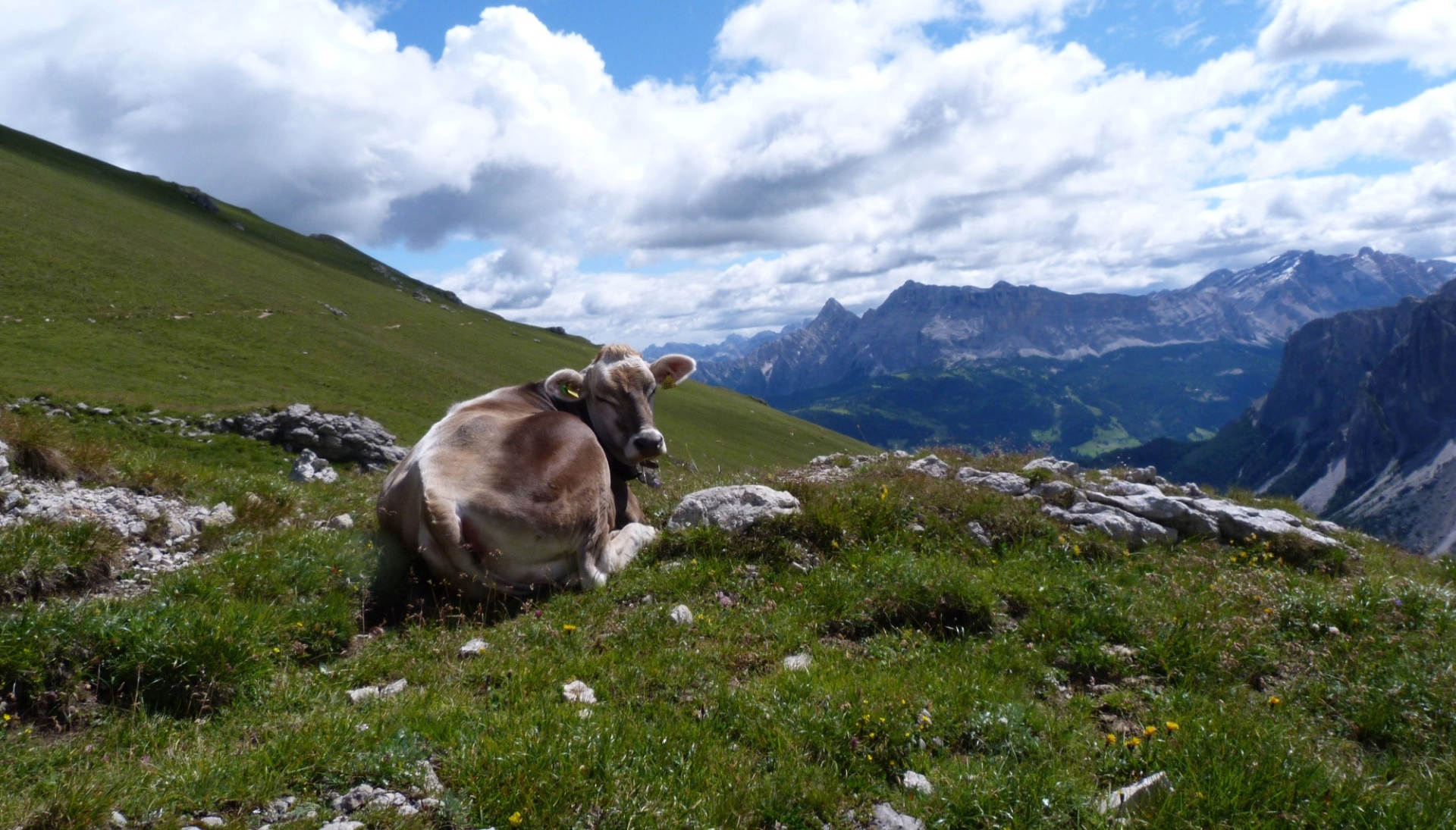
In the heart of Italy, in the Veneto and Trentino-Alto Adige regions, rise the majestic Dolomites , an exceptional mountain range and UNESCO World Heritage Site . This exclusive getaway takes place in the Valle de Funès , a hidden gem north of Val Gardena. Far from the hustle and bustle and completely untouched by mass tourism, this verdant valley has no ski lifts, offering a true escape and a feeling of being outside of time.
This unique journey combines the discovery of spectacular, rugged landscapes with the cultural imprint of a region annexed to Italy in 1919, which has retained a distinctly Austrian character . Designed for a contemplative approach, the itinerary allows for hiking at the foot of the impressive rock faces of Pale and the Odle mountains , a true paradise for walkers. As a highlight, this trip also offers an exclusive immersion in Verona , the famous and romantic city of Romeo and Juliet. An ideal formula for combining unspoiled nature, serenity, and rich history.
The highlights
-
A preserved valley, nestled between villages and alpine pastures
-
Spa, indoor pool and hammam for 4 days
-
A relatively easy and accessible part of the Dolomites
Photos
Sport
Level
Hiking / Trekking
In figures
Hiking
- Average duration/day: 4h30
- Average daily elevation gain: 464 m
- Average daily descent: 539 m
Management
French
Italian
Qualified mountain guide with extensive knowledge of the region.
Program
-
Verona - Bressanone
- Activity Hiking
- Duration of the activity 3h
- Positive elevation gain 50 m
- Negative elevation 50 m
- Accommodation 3-star hotel
- Breakfast not included
- Lunch not included
- Dinner included
Visit to Verona (optional, depending on your itinerary).
Depending on your arrival time, meet our guide at 9am at Verona's Porta Nuova train station for a city tour (or later for those with a different journey, but be present before 3:15pm at the station if you wish to take the train with our guide and the group; in this case, the Verona tour will not take place for these participants: see the meeting point section of our technical sheet for more details).
The visit to this beautiful city on the banks of the Adige River remains purely outdoor (we do not enter the buildings or museums). We will explore the Roman amphitheater and the Basilica of San Zeno, following in the footsteps of Romeo and Juliet… In the late afternoon, we will take a 2-hour train journey to Bressanone, a charming little town at the gateway to the Dolomites, where we will stay for two nights.
Dinner at a restaurant and overnight stay in a 3* hotel.
Day 1 -
Bressanone - rodengo - bressanone
- Activity Hiking
- Duration of the activity 4h
- Positive elevation gain 430 m
- Negative elevation 430 m
- Accommodation 3-star hotel
- Breakfast included
- Lunch included
- Dinner included
Visit the historic heart of Bressanone and its beautiful Gothic cloister. A loop hike starting from the hotel follows the "Apfelweg" (Apple Trail), also known as the Apple Trail. In the morning, we explore an archaeological trail with remains from the Bronze Age and Roman times. In the afternoon, we discover the Augustinian abbey of Novacella, a pilgrimage stop that has become a center for wine production.
Day 2 -
Eores - val di funes - san pietro
- Transportation Bus - 00h20 - 15km
- Activity Hiking
- Duration of the activity 4h30
- Positive elevation gain 450 m
- Negative elevation 700 m
- Accommodation 3-star hotel
- Breakfast included
- Lunch included
- Dinner included
Transfer by public bus (30 min) to the foot of the Plose massif and the village of San Giorgio Eores at 1503 meters altitude, the starting point of our hike. Descent into the narrow Eores valley before climbing the north-facing slope through a beautiful forest to reach the Sant'Anton pass and descend to San Pietro, the main town of the Val di Funès, a magnificent valley and the birthplace of the great mountaineer Reinhold Messner.
Dinner and overnight stay in a 3-star hotel in San Pietro, where we will spend the next 4 nights. Free access to a wellness area (spa, hammam, indoor whirlpool, herbal tea room to enjoy after our hikes).
Day 3 -
Passo delle erbe - val di funes - san pietro
- Activity Hiking
- Duration of the activity 5h30
- Positive elevation gain 500 m
- Negative elevation 500 m
- Accommodation 3-star hotel
- Breakfast included
- Lunch included
- Dinner included
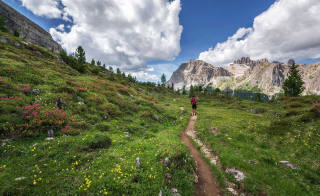
Transfer by public bus (40 min) to the Passo delle Erbe at 2000 meters altitude, a magnificent loop around the Sas di Putia massif in the Puez-Odle Natural Park, a UNESCO World Heritage Site. One of the most beautiful hikes in the northernmost part of the Dolomites. This route offers splendid views of the Dolomite peaks as well as the Zillertal Alps. The Dolomites are petrified coral reefs that were underwater millions of years ago. When the water receded, the reefs were exposed, subjected to erosion, and now offer us extraordinary landscapes.
Day 4 -
Loop in the Odles massif - Val di Funes - San Pietro
- Activity Hiking
- Duration of the activity 5h30
- Positive elevation gain 600 m
- Negative elevation 800 m
- Accommodation 3-star hotel
- Breakfast included
- Lunch included
- Dinner included
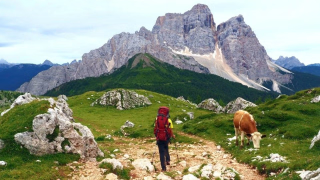
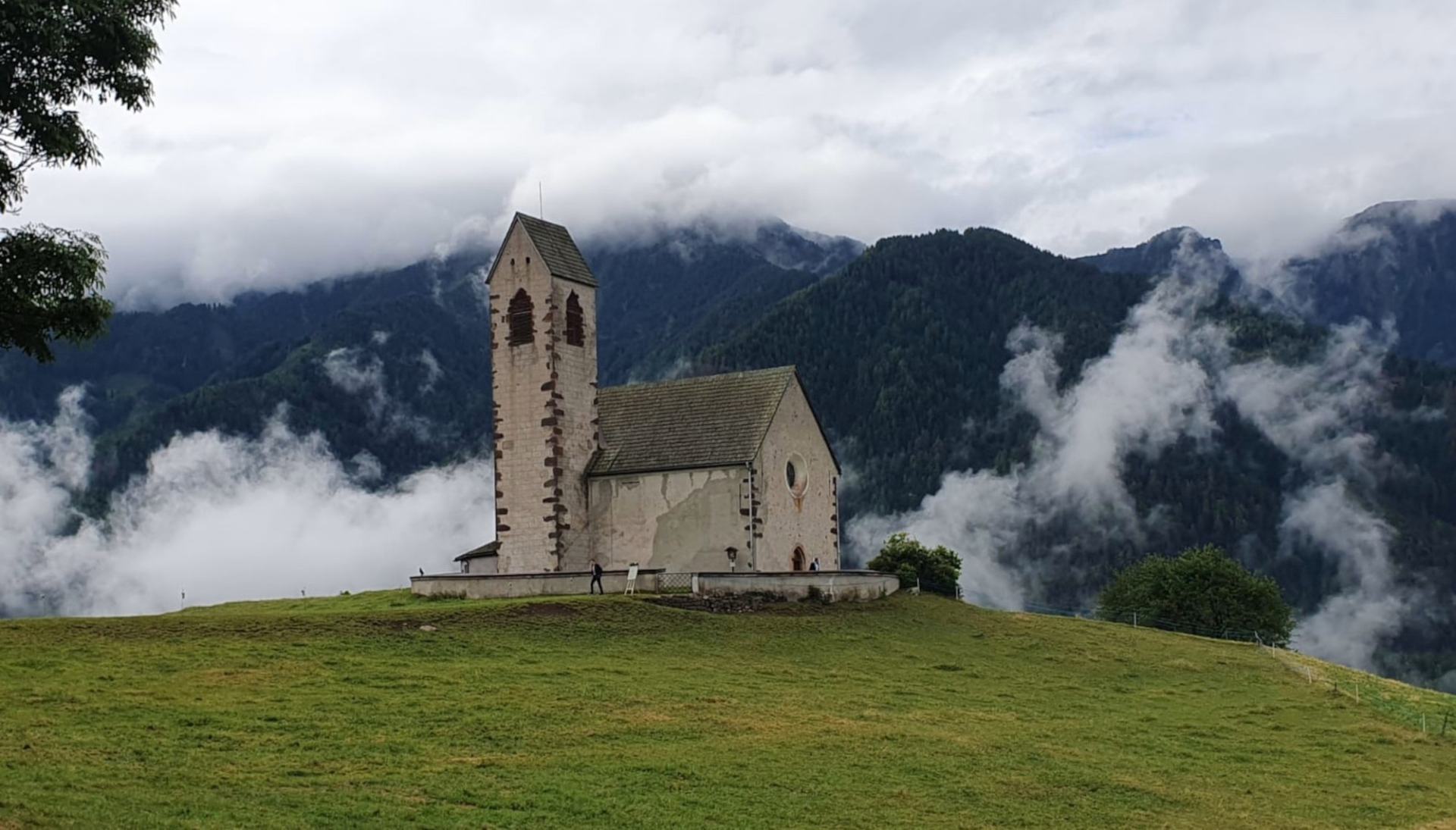
A short transfer by public bus (30 minutes) followed by a beautiful loop hike to the foot of the Odles peaks. Following the lovely Adolf Munkel trail, we arrive at Malga Glatsch with magnificent views of the Dolomites. We then descend along the banks of the Brogles stream to Santa Maddalena and its famous St. John's Chapel, one of the most photographed in the entire Alps.
Day 5 -
Loop in the Puez park - Val di Funes - San Pietro
- Activity Hiking
- Duration of the activity 5h30
- Positive elevation gain 750 m
- Negative elevation 750 m
- Accommodation 3-star hotel
- Breakfast included
- Lunch included
- Dinner included
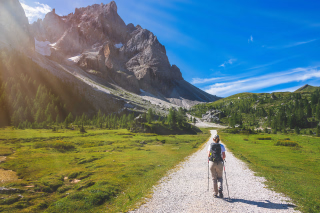
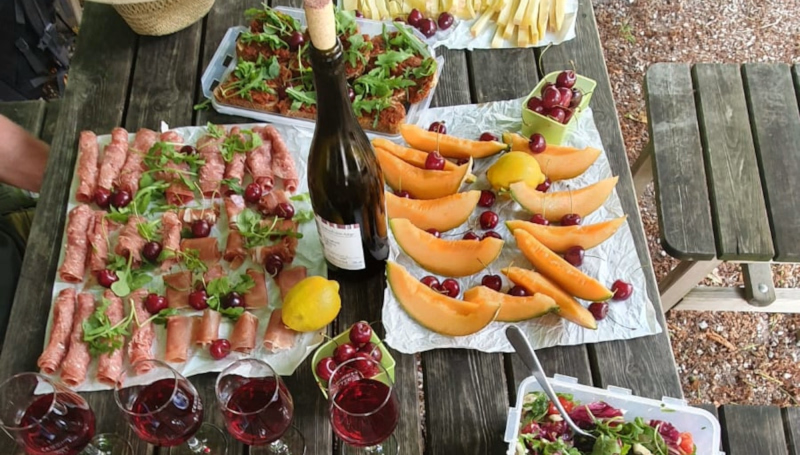
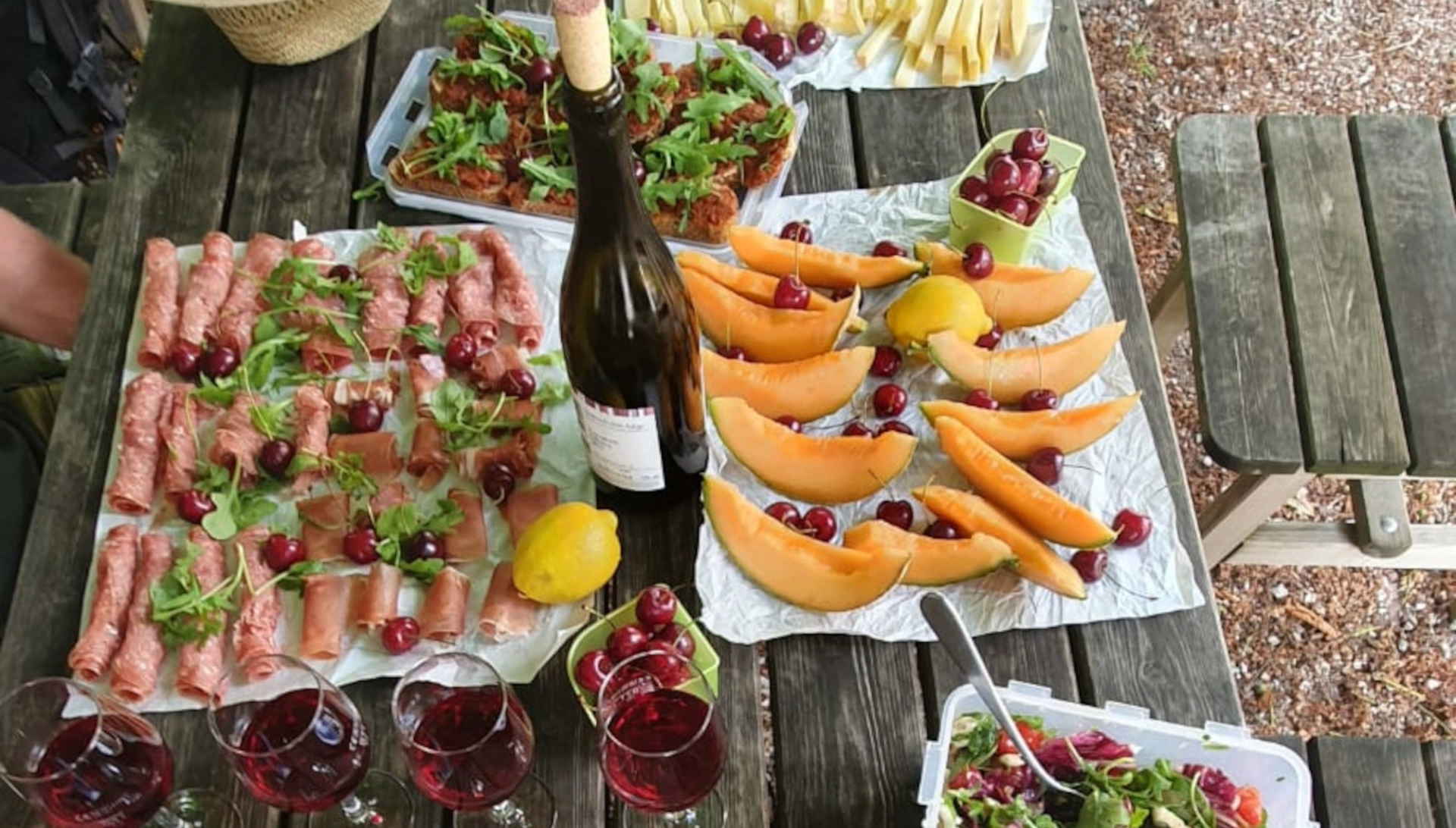
After a short bus transfer (30 minutes), having ascended the Zenon Valley through fragrant pine forests, and from Malga Zanes in the heart of Puez Odle Park, we climb steadily to the Furcella di Furcia pass, where we join the Great Dolomites Traverse trail with spectacular views of the entire Dolomites massif and the mountains of the Italian Tyrol. We'll have a picnic lunch at the Genova refuge. We'll then hike back down to Zannes and return by bus (30 minutes).
Day 6 -
Val di funes - bressanone
- Breakfast included
- Lunch not included
- Dinner not included
Departure after breakfast. Public bus (30-minute journey) at your convenience to reach Bressanone train station.
Day 7
Note
The durations of our hikes are approximate. They may vary depending on several factors during our trip (participants' skill level, weather, trail conditions, etc.). Transfer times may also fluctuate depending on weather conditions and road conditions.
The program was established based on the latest information available at the time of writing and may be subject to change in the interest of quality. Furthermore, circumstances beyond our control may alter the course of your trip (weather, road closures, canceled or delayed flights, strikes, local festivals, etc.). Our guides will do their best to adapt to these unforeseen events, drawing on their experience and professionalism. Your satisfaction and safety are the primary considerations in any decisions regarding changes.
Accommodation
2 nights in this traditional family-run hotel which has a large pleasant garden with outdoor pool, dinner in a restaurant in the historic centre.
- The types of accommodation described above are indicative only, particularly with regard to their amenities (swimming pool, etc.). In the event of unavailability in our usual accommodations, we will book a property of a similar category.
- Individual bookings are grouped in 2-person rooms unless you request the single room supplement (subject to availability).
- Triple rooms are not available for this stay.
4 nights in San Pietro, in the Val Di Funès in a typical South Tyrolean hotel which offers both tradition and modernity thanks to a fitness area (much appreciated after hiking!): it consists of a hammam, a sauna and a small indoor whirlpool, as well as a nice little relaxation room with herbal tea available (no massage service).
Access
APPOINTMENT :
You have two options depending on your mode of transport and your arrival time:
- Option 1: Arrival in the morning (Recommended)
- Time & Place: At 9:00 at Verona Porta Nuova train station, in front of the access door of the luggage storage ( "Deposito Bagagli" / Key Point ), located near the side exit.
- If you arrive the day before: You can easily reach the train station on foot. We offer the option of booking additional nights in hotels located in the immediate vicinity.
- Option 2: Arrival during the day
- If you arrive later (to avoid an overnight stay), the morning visit to Verona will be optional.
- Procedure: Upon arrival, contact your guide directly by phone. If it is possible to rejoin the group, they will tell you the meeting point in the city center. You will then need to leave your luggage at the train station's left luggage facility ( Deposito Bagagli ).
- Final meeting point: If you do not join the group in town, the general meeting point is set for 3:15 pm at this same luggage storage to collect luggage and take the train to Bressanone (departure at 3:50 pm).
DISPERSION:
The stay ends on Saturday after breakfast in San Pietro.
- Return to Bressanone train station: Take public bus number 330 from San Pietro. Buses depart every hour (the journey takes 30 minutes). The first bus leaves at 7:56 am (the next at 8:56 am, etc.). From Bressanone train station, you can take connecting trains to Verona, Venice, or Milan.
Go to the starting point
The station is one of the best connected in Italy, ideal for high-speed travel or reaching neighboring countries.
- From France (Paris / Lyon): Take a TGV INOUI or a Frecciarossa train to Milan Centrale , then make a direct connection by Frecciarossa or Italo to Venice (the stop at Verona-Porta-Nuova is only 1 hour 15 minutes from Milan).
- Italian national connections: * Venice: 1 hour 10 minutes by regional train or 1 hour by high-speed train.
- Florence: approximately 1 hour 30 minutes via the high-speed rail line.
- Rome: approximately 3h15 by Frecciarossa.
- Transalpine connections: EuroCity trains (ÖBB/DB) directly connect Verona to Innsbruck and Munich via the Brenner Pass.
Airlink shuttle (Bus 199): It connects the airport directly to Verona-Porta-Nuova train station every 20 minutes. The journey takes approximately 15 minutes .
Road access: The station is easily accessible from the A4 motorway (Turin-Trieste), Verona Sud exit, or the A22 motorway (Brennero-Modena), Verona Nord exit.
Parking at the train station:
- Metropark Verona Porta Nuova: Official paid parking located right next to the station, ideal for medium-length stops or drop-offs.
- Camuzzoni Parking / Station Parking: Several underground and monitored car parks surround the station (rates of around €2 to €3 per hour or daily rates around €15 to €20 ).
- Tip: Be careful of ZTL (Limited Traffic Zone) areas if you get too close to the historic centre by car just after passing through the station.
Price details
The price includes
- The stay will be supervised by an experienced guide.
- Hotel accommodation with full board (except lunch on day 1)
- Tourist taxes
- Luggage storage in Verona
- The public bus to reach Bressanone on day 7
- The transfers as provided for in the program
- Access to the hotel's wellness area in Val di Funès
The price does not include
- Transportation to the meeting point
- The visits
- Lunch on Day 1 in Verona
- Drinks; note that in restaurants, bottled mineral water (at an extra cost) replaces carafes of water.
- Anything not listed under “Price includes”
Options
- Single room : CHF237.85 / person
- Flex fare and insurance
Practical information
Specific formalities
Specifics
During your stay, you must have your valid identity card or passport, your health insurance card, your personal insurance policy number and phone number (if you are not covered by our insurance), and for stays in Europe, your European Health Insurance Card. This card is very useful if you have any issues paying upfront for medical care in European countries; you must apply for it at least 15 days in advance at your social security office.
It is possible to travel to this European Union country without a passport, using only a national identity card. If your identity card was issued between January 2, 2004, and December 31, 2013, and you were an adult at the time of issuance, its validity has been automatically extended by 5 years (formalized agreement between France and your destination country).
Before your departure, check with the embassy or consulate regarding the entry and stay requirements for your destination country. You can also find this information on the France Diplomatie website ( https://www.diplomatie.gouv.fr/fr/dossiers-pays/ ).
In the case of flights with stopovers operated by different airlines, also check the entry requirements of the countries you are transiting through.
It is your responsibility to ensure you are in compliance, particularly regarding the validity of your identity documents (for example, some countries require your passport to be valid for at least six months after your return) , visa requirements, necessary vaccinations, and health recommendations. And don't forget to consider any customs restrictions and other potential requirements of your destination or transit country.
ℹ️ Information may change up to the departure date, remember to regularly check official websites.
Equipment
Equipment to bring
FOR PICNICKS – MIXED SALADS
- Cutlery (reusable, not disposable)
- 1 airtight plastic container with a minimum capacity of 0.5 liters. It can be used as a plate and for storage, without getting your bag dirty.
- 1 plastic or aluminum cup with an insulated handle to prevent burns from hot drinks
- 1 folding pocket knife (optional)
- One insulated or aluminum water bottle of at least 1.5 liters, or a flexible water bottle (not recommended in winter). Especially useful in winter, also bring (optional) an insulated bottle to carry tea, coffee, etc. during the hike.
OTHERS
- 1 large plastic bag to slip into your backpack to protect your belongings from the elements and/or 1 rain cover
- 1 waterproof pouch containing: your assistance contract, your identity documents, health insurance card and any other document mentioned in the formalities section
- 1 sturdy and lightweight umbrella (optional but very useful in case of rain, or even heatwave)
- 1 pair of telescopic walking poles (depending on your habits or the technical level of the hikes, refer to the "Technical Level" section of the trip's technical sheet)
- 1 pair of good quality sunglasses (protection level 3 or 4) that provide good side coverage
- Sunscreen with a good protection factor (30 minimum)
- Toiletries kit (toothbrush, deodorant, etc.)
- Earplugs made of wax or foam (against neighbors' snoring or other noise pollution)
- Tissues
- 1 headlamp or flashlight + survival blanket: these should always be in your backpack, as an unexpected delay due to an incident can occur even during an easy hike
- Spare glasses (if you wear prescription glasses)
- Camera
- Binoculars (optional)
LUGGAGE
- One travel bag per person (or a rolling suitcase; recommended for trips with public transport included for transfers). Oversized luggage should be avoided as it would cause problems with bus capacity or logistical organization.
- One 35-40 liter backpack with a flexible frame, hip belt, and well-ventilated back panel for your comfort (to carry your personal belongings for the day: camera, packed lunch, water bottle, snacks, windbreaker, sweater, rain gear, etc.). This bag is usually placed in the cabin for any air travel (10kg maximum per person, typically).
On multi-day or semi-multi-day trips, you are asked to limit the weight of your luggage to a reasonable extent, as difficult access to some accommodations could compromise luggage delivery. We also advise you to avoid leaving fragile and/or valuable items behind.
Clothing to bring
For the upper body, the 3-layer principle allows you to manage almost all situations:
- a light and breathable layer
- a warm layer
- a waterproof and breathable layer.
When hiking in calm, sunny weather, a base layer may be sufficient. In rainy or windy conditions, simply add this waterproof jacket. In very cold weather or during breaks, a fleece jacket is an essential addition.
Choose clothes that dry quickly, so avoid cotton. Opt for synthetic fibers that will keep you dry and warm for as long as possible.
Remember to dress warmly before you get cold, but especially to remove layers before you get too hot. Sweat is a hiker's enemy, as it dampens clothing that quickly becomes icy during breaks. Therefore, it's very rare to undertake a climb wearing a fleece jacket.
The complete and ideal list: (although this should be adapted depending on the hike, the season, and your habits)
- 1 sun hat or cap, or scarf
- 1 fleece hat or headband and/or a neck warmer
- 1 pair of lightweight gloves
- Short-sleeved T-shirts in breathable material preferred (1 for every 2 days of walking).
- 1 long-sleeved base layer in breathable material or a shirt (sometimes the peaks are windy and a light layer is welcome during the lunch break),
- 1 warm fleece-type jacket (or even water-repellent) or a warm and compressible type)
- 1 waterproof and breathable windproof jacket with hood
- 1 rain poncho (optional) and/or sleeping bag cover
- 1 pair of sturdy, loose-fitting, comfortable, water-repellent hiking trousers
- 1 pair of waterproof and breathable overtrousers
- 1 pair of shorts or capris, comfortable and durable
- Hiking socks (1 pair for 2 days of hiking). Opt for wool or specific hiking socks like terry cloth, which will prevent your feet from overheating prematurely.
- One pair of hiking boots that provide good ankle support and are waterproof, with a sole that grips well on uneven terrain and is abrasion-resistant. Consider testing new boots and those that haven't been worn for a long time beforehand, or if you're used to hiking, a pair of low-cut trail shoes is ideal, especially for summer trips.
- 1 swimsuit and 1 quick-drying towel (optional in case of swimming)
- 1 pair of comfortable trousers for the evening
- 1 pair of lightweight casual shoes for the evening, like sneakers, which can also be used for sightseeing or walks around town