In summary
-
Sports
-
Duration6 days
-
LevelConfirmed
-
DestinationVercors Massif / Villard-de-Lans
-
AgeFrom the age of 18
-
CO₂-Emissions53.95 kg CO2
-
Type of stayIndependent traveler
In a few words
The highlights
-
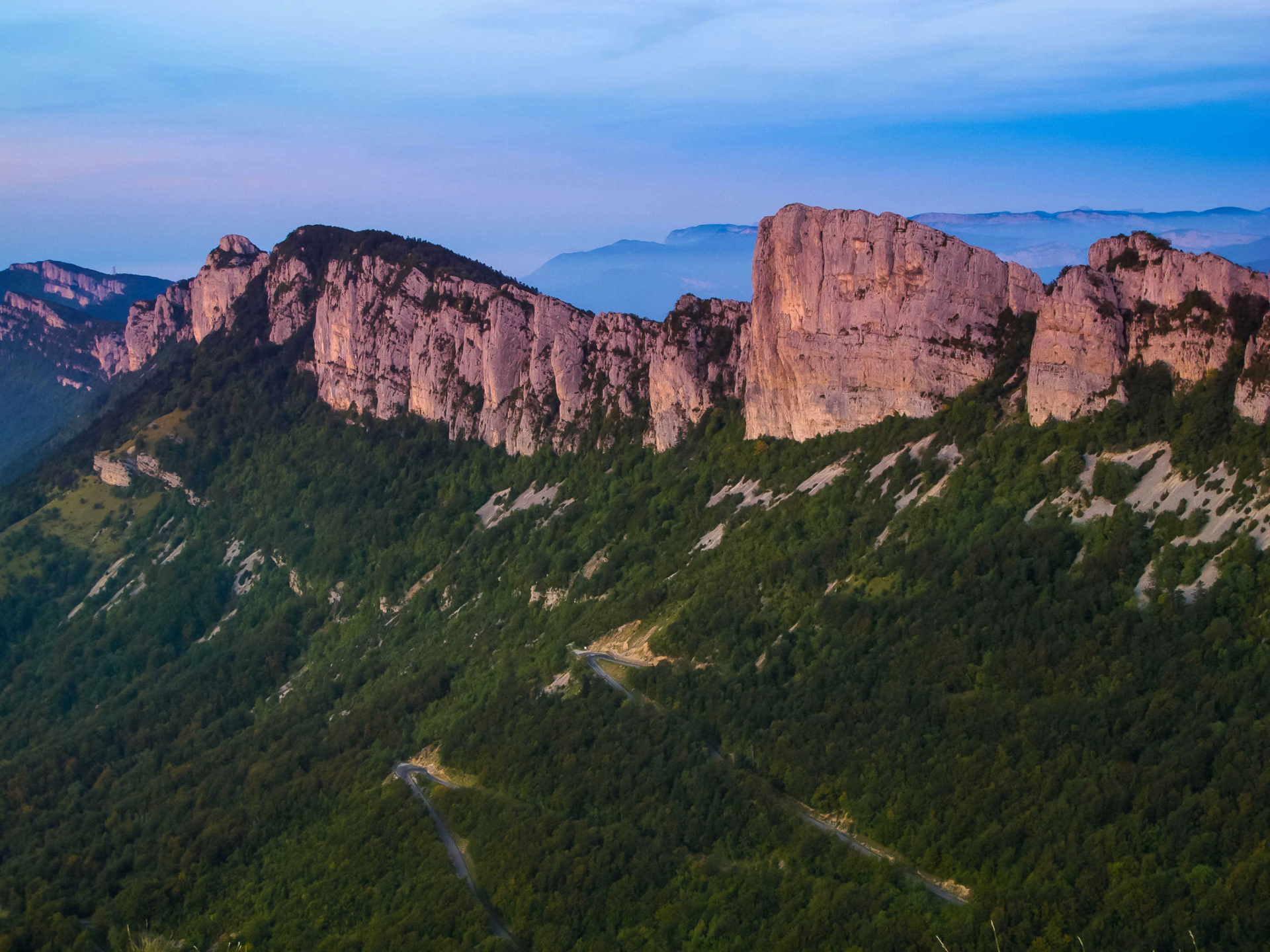
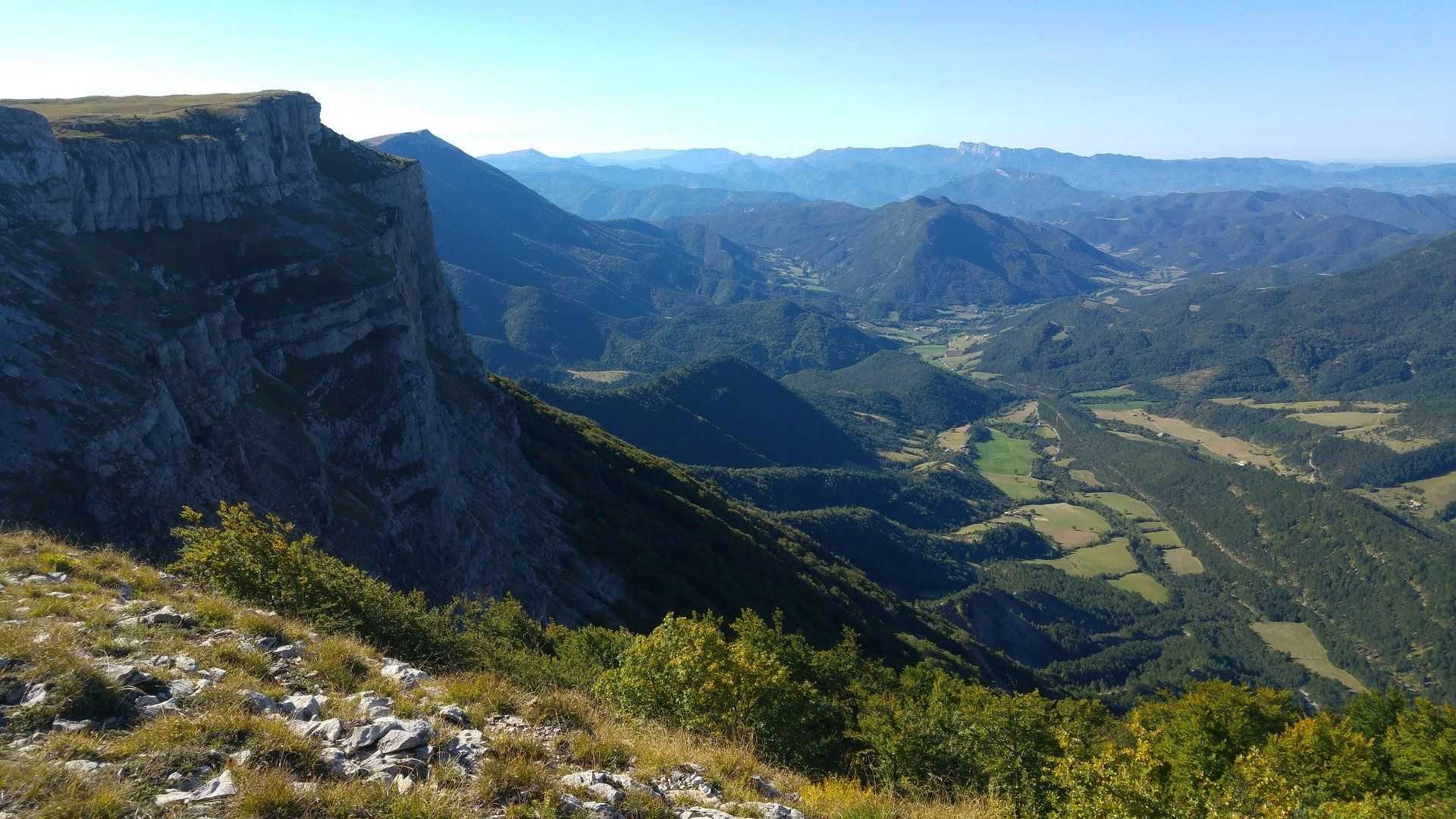
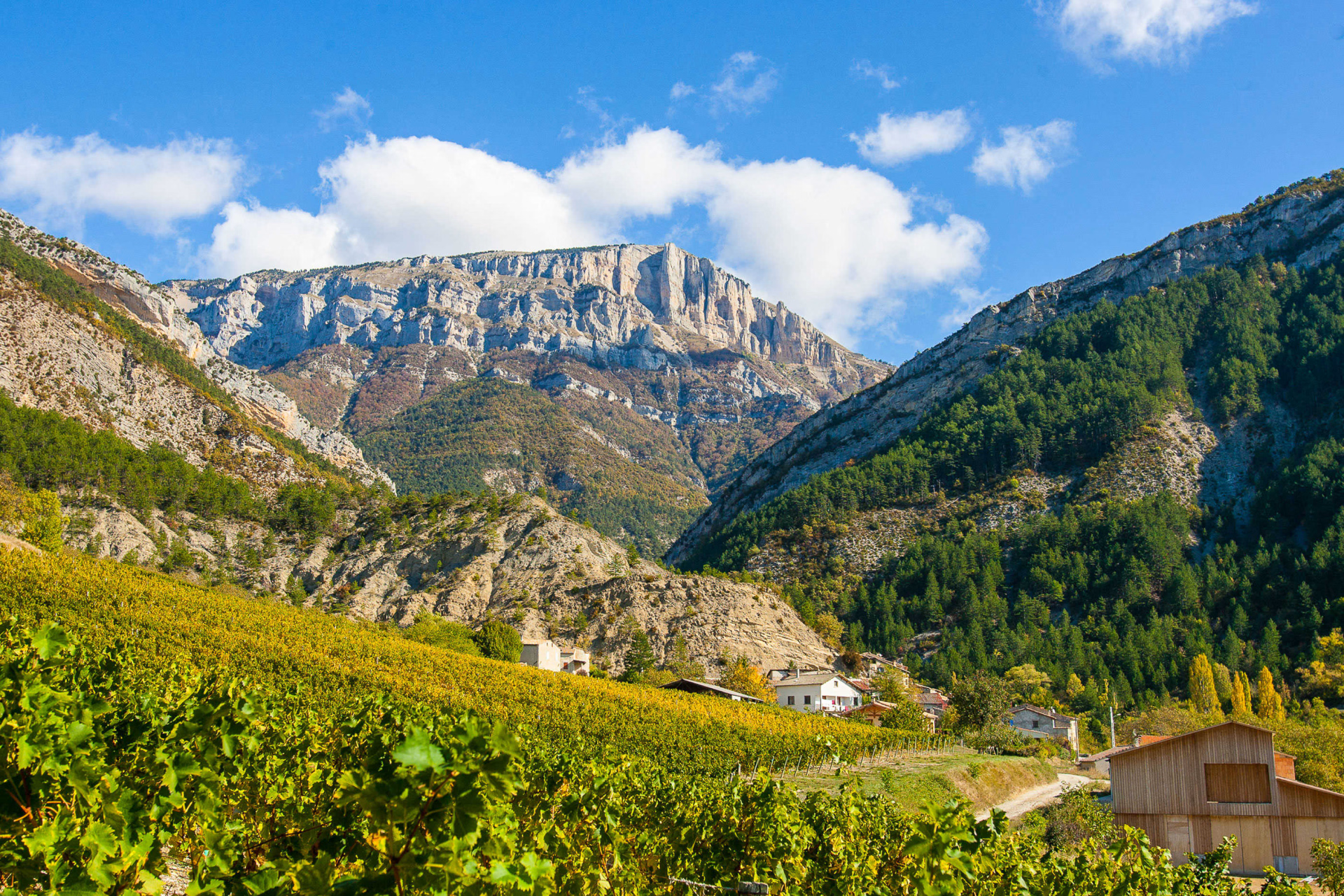
A self-guided, full-fledged trek across the Vercors Regional Natural Park from North to South
-
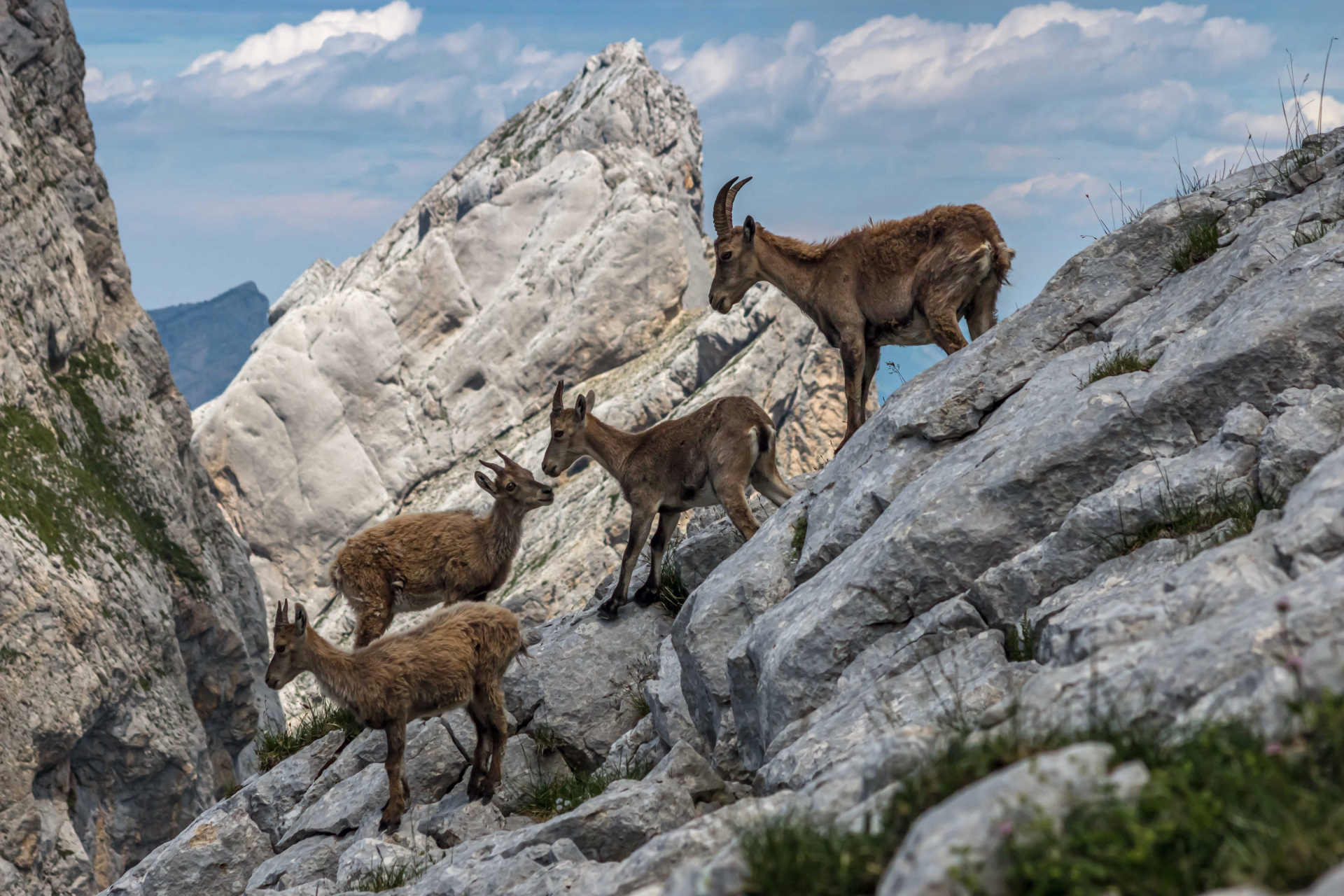
Two days in the wild atmosphere of the Vercors High Plateaus Nature Reserve
-
Evening meals featuring generous local cuisine
Photos


Sport
Level
Hiking / Trekking
In figures
Hiking
- Average duration/day: 2h
- Average daily elevation gain: 300 m
- Average daily descent: 300 m
Trekking
- Average duration/day: 6h30
- Average daily elevation gain: 802 m
- Average daily descent: 752 m
- Maximum altitude: 1703 m
Management
Program
-
Arrival in the Vercors
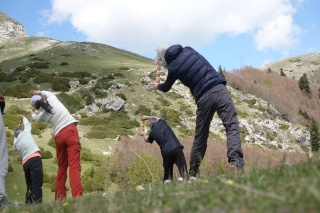
- Activity Hiking
- Duration of the activity 2h
- Positive elevation gain 300 m
- Negative elevation 300 m
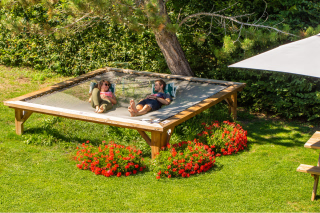
- Accommodation Cottage
- Breakfast not included
- Lunch not included
- Dinner included
You arrive in Villard-de-Lans during the day (accessible by public transport from Grenoble). Depending on your preferences, you can spend the first afternoon exploring the valley by bike on the dedicated cycle path or enjoy one of the many walks available in the area (Lac des Prés, Bois Barbu, Forêt du Lauzet, etc.). Check-in to your accommodation is in the late afternoon.Day 1 -
Villard de Lans - Fauge valley - Correncon
- Activity Trekking
- Duration of the activity 5h
- Positive elevation gain 650 m
- Negative elevation 560 m
- Maximum altitude 1504 m
- Accommodation Cottage
- Breakfast included
- Lunch not included
- Dinner included
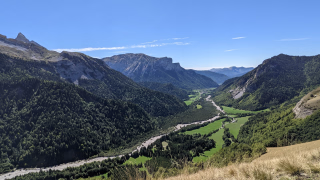
This hike begins with an ascent to join the GR 91, a long-distance footpath that traverses the Vercors massif, heading south along a balcony trail. You can choose to enjoy the spectacular view from the Col Vert pass (+260m elevation gain and an additional 1.5 hours), then descend into the Fauge valley, following the stream before heading towards the village of Corrençon, where our day concludes.Day 2 -
Correncon en Vercors - Bachat de L'ours - La Chapelle en Vercors
- Activity Trekking
- Duration of the activity 6h
- Positive elevation gain 840 m
- Negative elevation 660 m
- Maximum altitude 1402 m
- Accommodation Cottage
- Breakfast included
- Lunch not included
- Dinner included
Head south to leave the northern Vercors and enter the Vercors High Plateaus Nature Reserve, rich in diverse flora and fauna. You will also likely encounter some herds of livestock in this pastoral area before descending back into the forest towards La Chapelle-en-Vercors.Day 3 -
La Chapelle en Vercors - Col de la Chau-Vassieux
- Activity Trekking
- Duration of the activity 6h
- Positive elevation gain 840 m
- Negative elevation 660 m
- Maximum altitude 1573 m
- Accommodation Cottage
- Breakfast included
- Lunch not included
- Dinner included
You leave La Chapelle via the Combe de Loscence and progress along a route between forests and clearings which allows you to climb to the summit of Serre Plumé (1573 m), overlooking the entire plain of Vassieux, a stronghold of the Resistance, where you spend the night after passing through the Col de la Chau (1337 m), to visit the National Museum of the Resistance (optional).Day 4 -
Vassieux - But De L'aiglette - Col Du Rousset
- Activity Trekking
- Duration of the activity 6h30
- Positive elevation gain 980 m
- Negative elevation 780 m
- Maximum altitude 1643 m
- Accommodation Cottage
- Breakfast included
- Lunch not included
- Dinner included
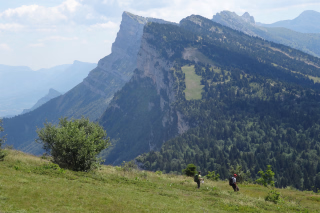
This day is dedicated to exploring the southern ridges, straddling the Prealps and Provence. The contrast between the two slopes is striking. After the long traverse of the Vassieux karst plain, you arrive on a spectacular route overlooking the Drôme Provençale, leading to But St Genix (1643 m), the Vassieux pass (1333 m), then to But de l'Aiglette (1524 m), back to the Vassieux pass (1333 m), and finally to But St Genix (1643 m). An old path carved into the cliff allows you to reach the Chironne meadows and then the Rousset pass, where you will spend the night.Day 5 -
Col Du Rousset - Cirque d’Archiane
- Transportation Minibus - 00h30 - 20km
- Activity Trekking
- Duration of the activity 8h
- Positive elevation gain 700 m
- Negative elevation 1100 m
- Maximum altitude 1703 m
- Breakfast included
- Lunch not included
- Dinner not included
A scenic route along the mountainside takes you back to the High Plateaus for a superb traverse towards the Cirque d'Archiane*, a natural wonder of the Southern Vercors, surrounded by high cliffs and home to a charming hamlet where your Vercors crossing ends. Transfer to Die train station or private transfer available to Villard-de-Lans. *Option to shorten the route by descending towards Romeyer (-200m descent and -2 hours of walking).Day 6
Note
Accommodation
Access
Price details
The price includes
- Half-board accommodation according to the chosen package
- Luggage transport is optional depending on the package chosen.
- Provision of the hiking file (route book, maps, etc.) in printable digital format
- Transfer to Die train station at the end of your trek
The price does not include
- Transportation to the meeting point
- Insurance
Options
- Picnic Included : CHF100.63 / person
- Private room throughout the stay : CHF128.07 / unit
- Additional night with half-board in a double/twin room on the last day in Die : CHF82.33 / person
- Additional night in a single room with half-board on the last day in Die : CHF109.78 / person
- Return transfer to Villard-de-Lans from the end of day 6 : CHF146.37 / reservation
- Flex fare and insurance
Practical information
Specific formalities
Specifics
Before your departure, check with the embassy or consulate regarding the entry and stay requirements for your destination country. You can also find this information on the France Diplomatie website ( https://www.diplomatie.gouv.fr/fr/dossiers-pays/ ).
In the case of flights with stopovers operated by different airlines, also check the entry requirements of the countries you are transiting through.
It is your responsibility to ensure you are in compliance, particularly regarding the validity of your identity documents (for example, some countries require your passport to be valid for at least six months after your return) , visa requirements, necessary vaccinations, and health recommendations. And don't forget to consider any customs restrictions and other potential requirements of your destination or transit country.
ℹ️ Information may change up to the departure date, remember to regularly check official websites.
Equipment
Equipment to bring
- 1 backpack of 35/40 litres with a flexible frame, equipped with a waist belt.
- A large plastic bag to protect the inside of the backpack.
- 1 pair of excellent quality sunglasses.
- a water bottle (1.5 liters minimum).
- 1 Opinel-type pocket knife.
- 1 small pouch (preferably waterproof) to put your money, identity card, health insurance card and assistance contract in.
- Toiletries (opt for the essentials, small sizes, samples and travel kits).
- 1 quick-drying bath towel.
- Earplugs or ear pads (optional).
- Toilet paper + 1 lighter.
- Sunscreen + lip balm.
- Airtight plastic container (minimum capacity 0.5 l) + cup + cutlery.
- 1 headlamp or flashlight.
- 1 survival blanket.
- A pair of poles is recommended.
- A sleeping bag liner is required for the gîte option; sleeping bags are unnecessary.
- Camera, binoculars (optional).
Clothing to bring
- 1 sun hat or cap.
- 1 scarf.
- Short-sleeved T-shirts in breathable material preferred (1 for 2 to 3 days of walking).
- 1 long-sleeved undershirt in breathable material or a shirt.
- 1 fleece fur jacket.
- 1 windproof, waterproof and breathable Gore-Tex type jacket with hood.
- 1 rain cape or a bivvy bag if you own the jacket above.
- 1 pair of loose-fitting trekking trousers.
- 1 pair of shorts or bermudas.
- Hiking socks (1 pair for 2 to 3 days of hiking). Opt for wool or hiking-specific socks. Be careful with cotton as it can cause blisters.
- 1 pair of high-top hiking boots with good ankle support and waterproof soles (Vibram type). Remember to test new shoes and those that haven't been used for a long time beforehand.
- Underwear.
- 1 swimsuit (optional).
- 1 pair of comfortable trousers for the evening.
- 1 pair of lightweight casual shoes for the evening.
- At the beginning and end of the season (May – June and September – October), it may be useful to also have gaiters, gloves and a hat.
They traveled with us