6-day group trek on Kilimanjaro - Machame Route
In summary
-
Sports
-
Duration6 days
-
LevelAdvance
-
DestinationTanzania / Kilimanjaro
-
AgeFrom 8 - 90 years
-
CO₂-Emissions66.58 kg CO2
-
Type of stayIn a group
-
Languages
 English
 Spanish
 French
In a few words
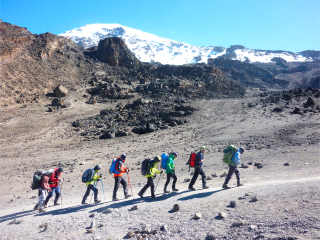
Experience a spectacular 6-day immersion on Africa's highest peak. Nicknamed the "Whiskey Route," the Machame route is renowned for its wild beauty and strategic progression that promotes acclimatization . This technical itinerary is based on the principle of "climb high, sleep low," maximizing your chances of reaching the summit of the continent.
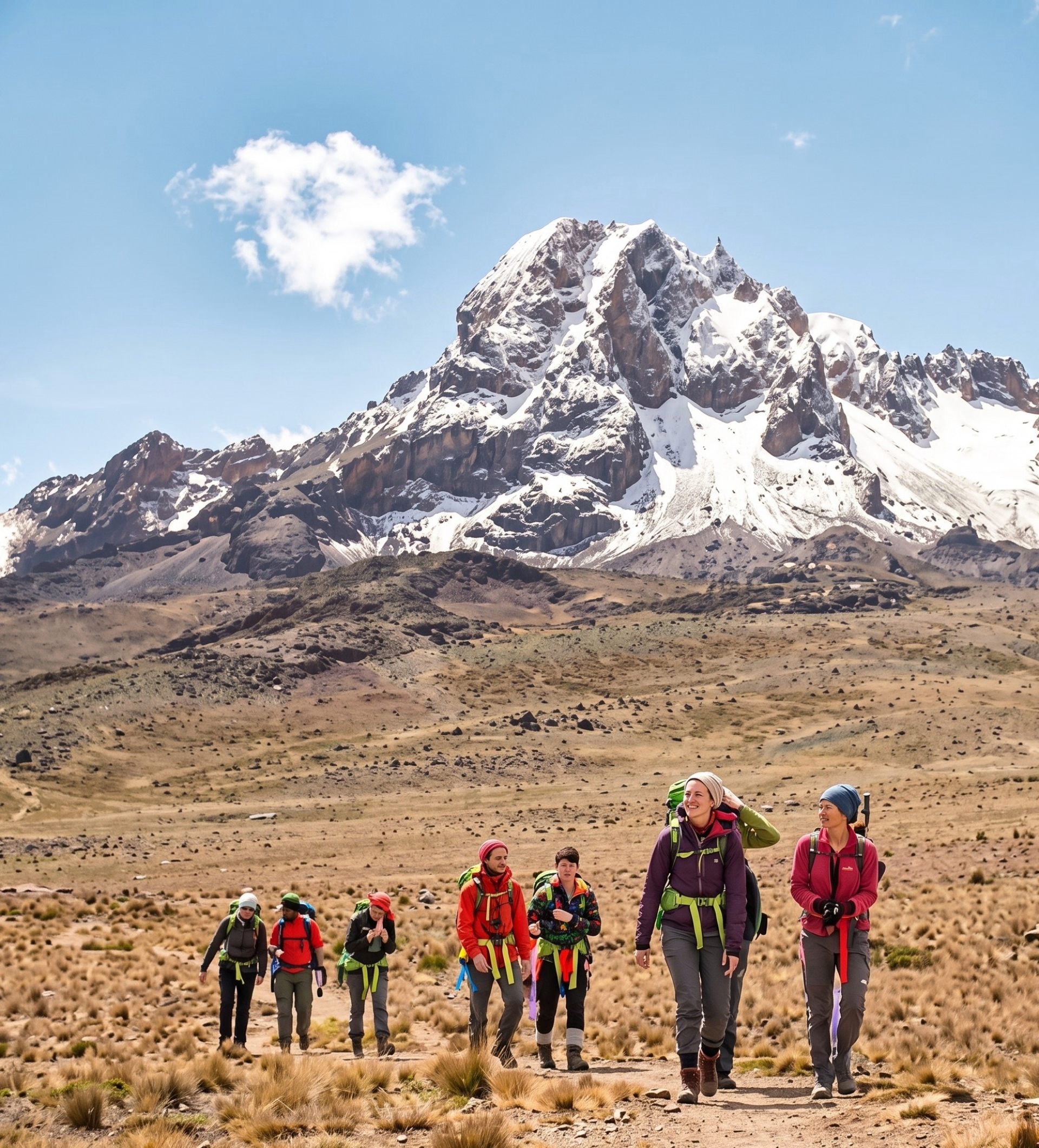
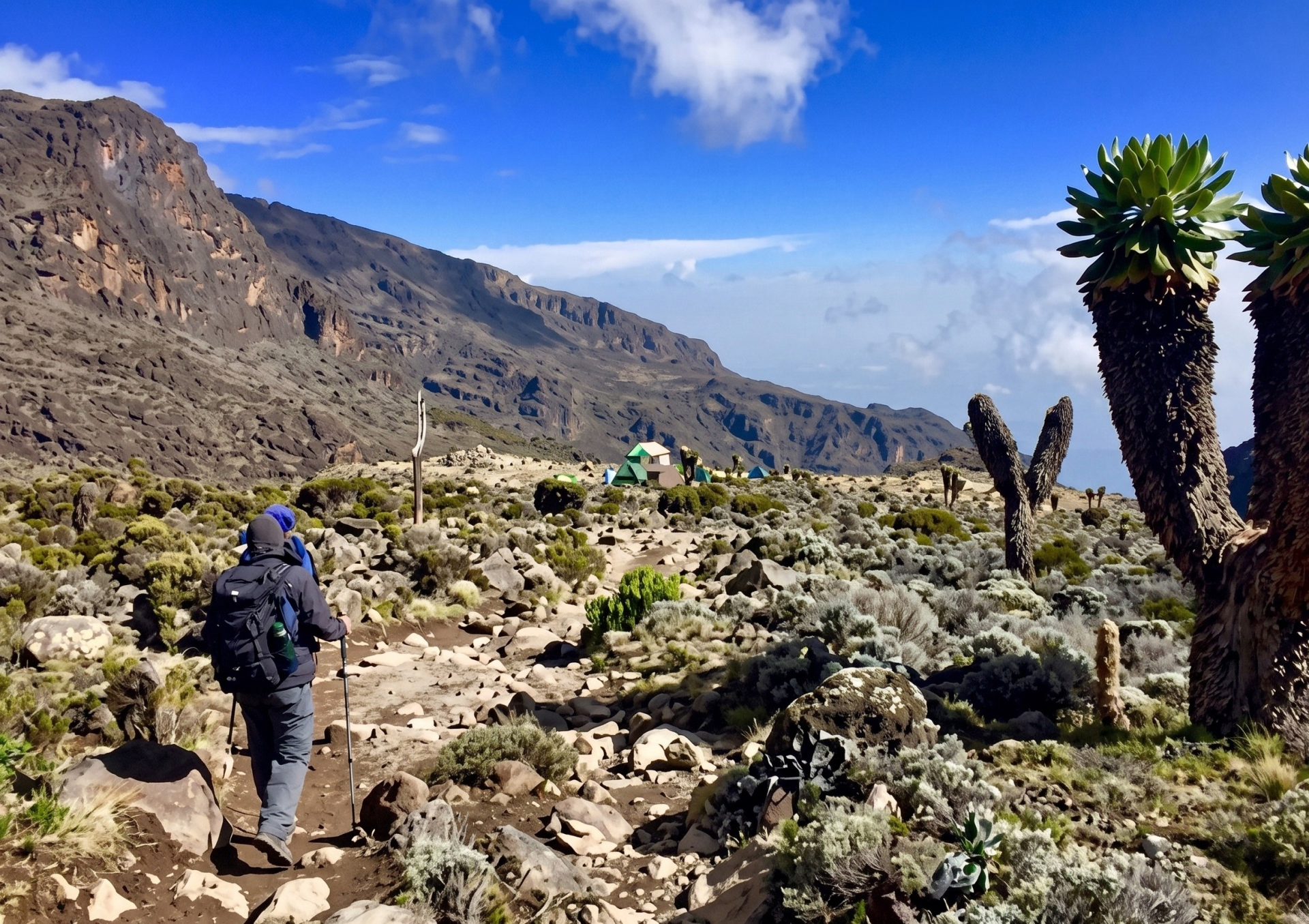
Your adventure begins in the heart of a lush rainforest before giving way to heathland and arid alpine landscapes. Accompanied by a team of professional guides, porters, and a cook, you progress safely towards the summit glaciers .
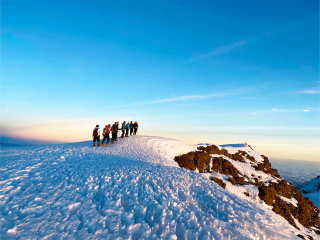
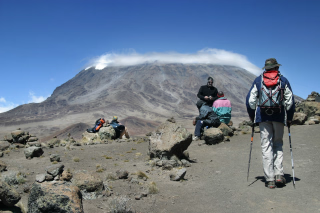
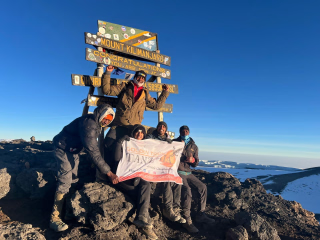
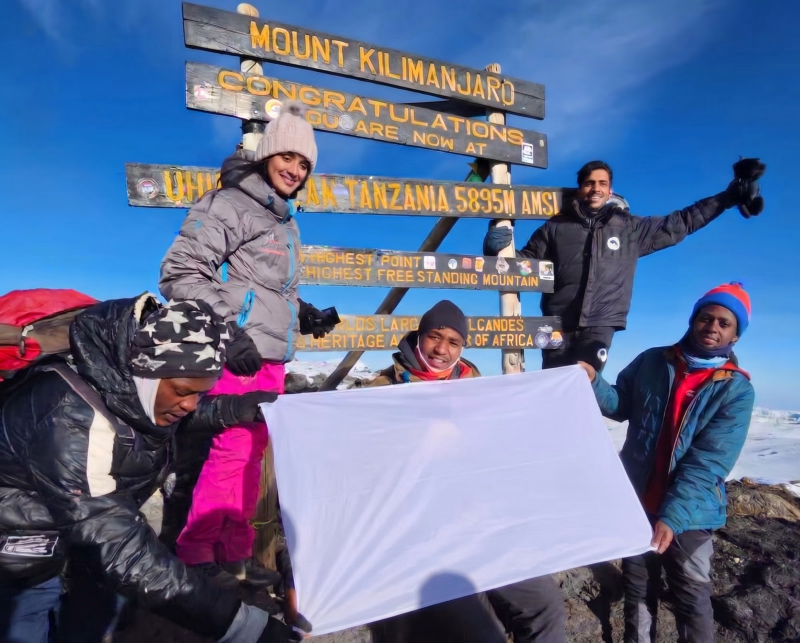
The highlight of this sporting challenge is undoubtedly the final ascent to Uhuru Peak , reaching an altitude of 5,895 meters . Arriving at the summit at sunrise offers a breathtaking panorama, the ultimate reward for your efforts. This group trek emphasizes sharing and mutual support, making it ideal for hikers in excellent physical condition seeking an extraordinary personal challenge.
The highlights
-
Reach Africa's highest peak via its most iconic route
-
Varied and spectacular landscapes for an unforgettable group adventure
-
Professional, local, and certified guidance for a safe climb
Photos
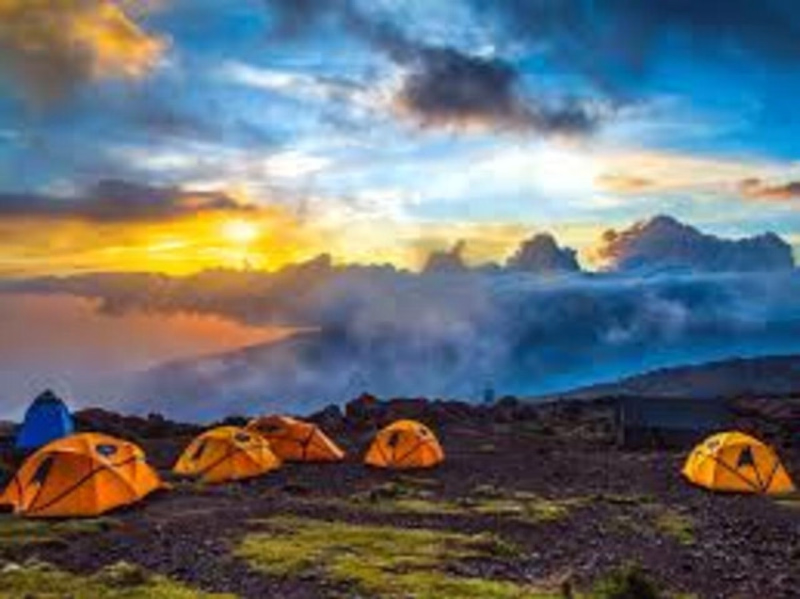
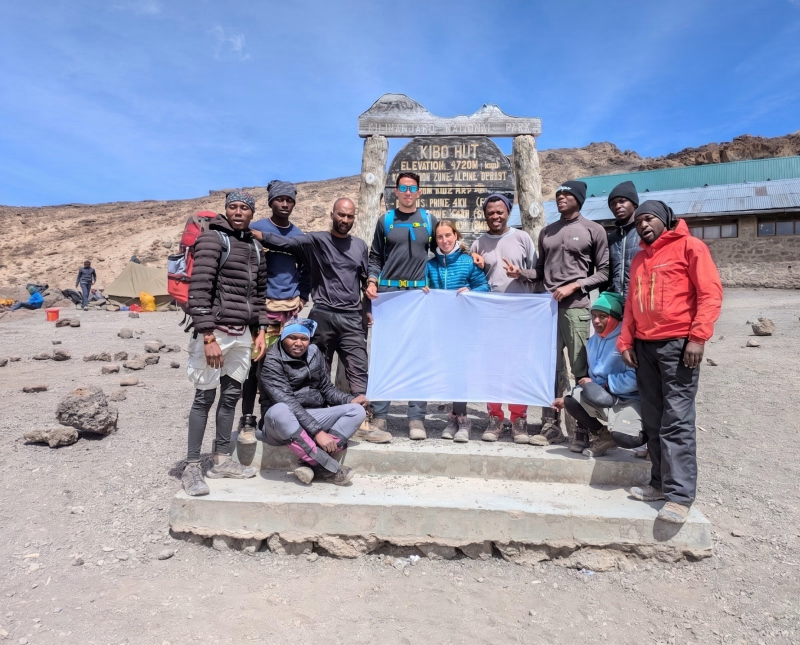
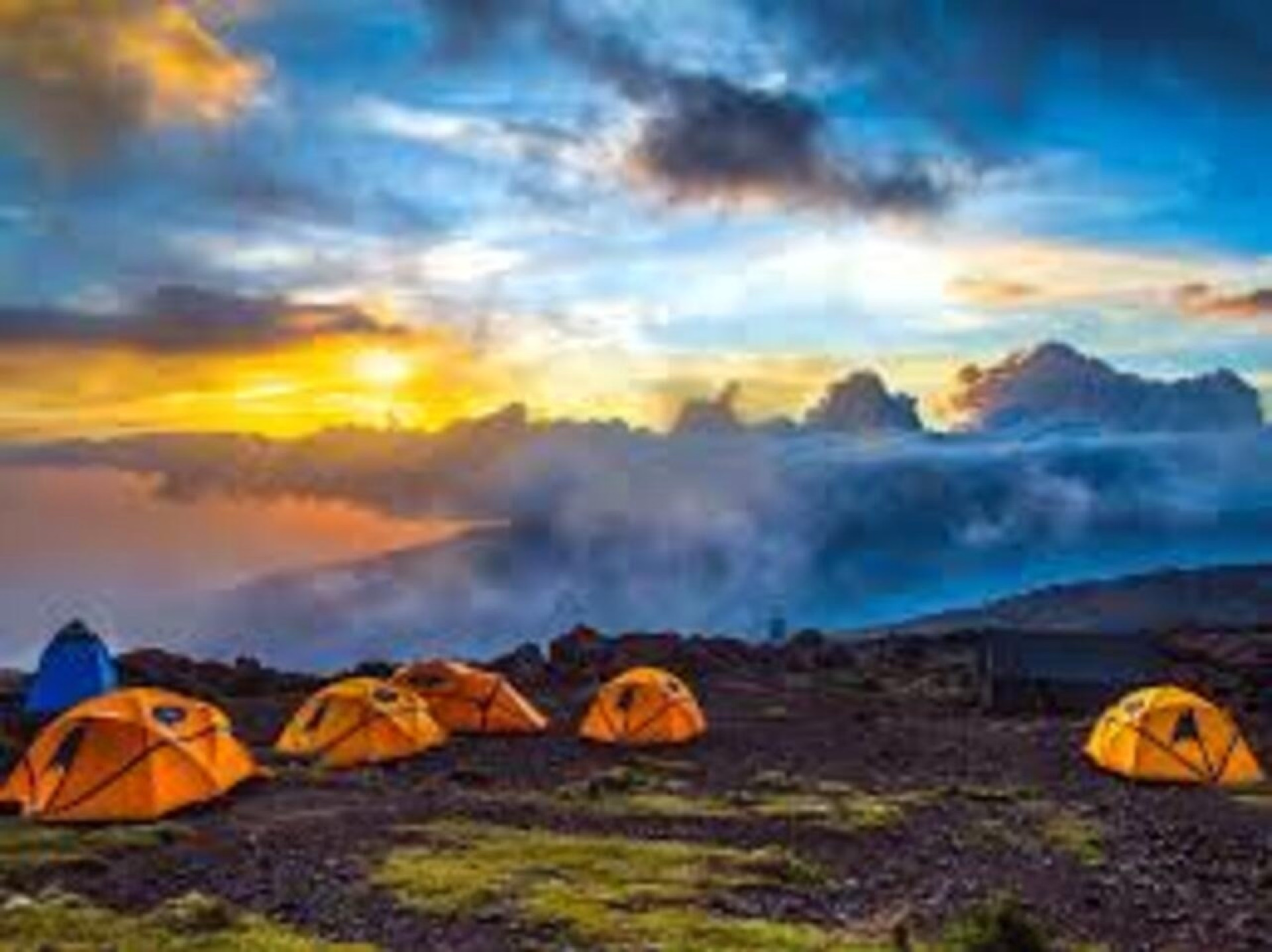
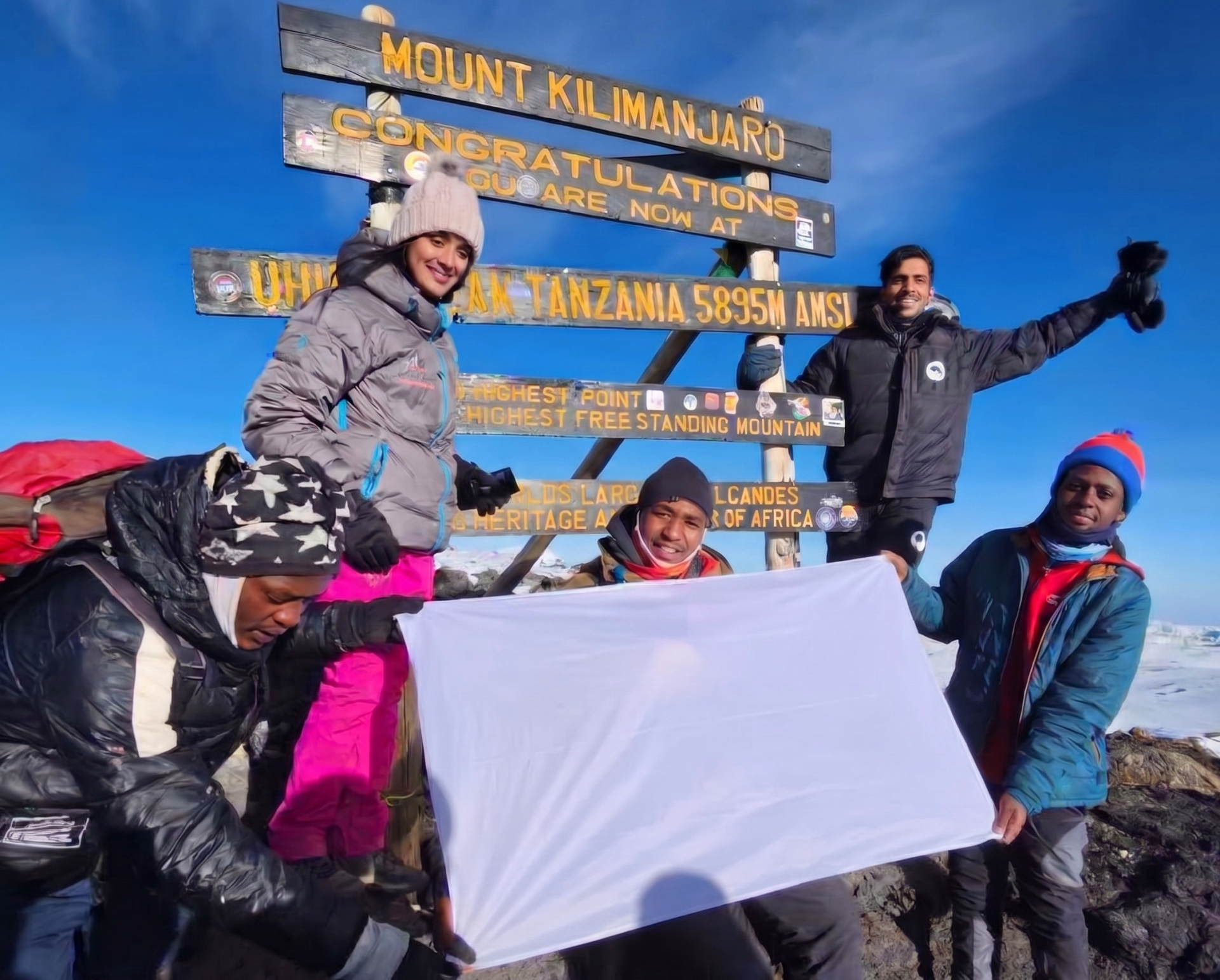
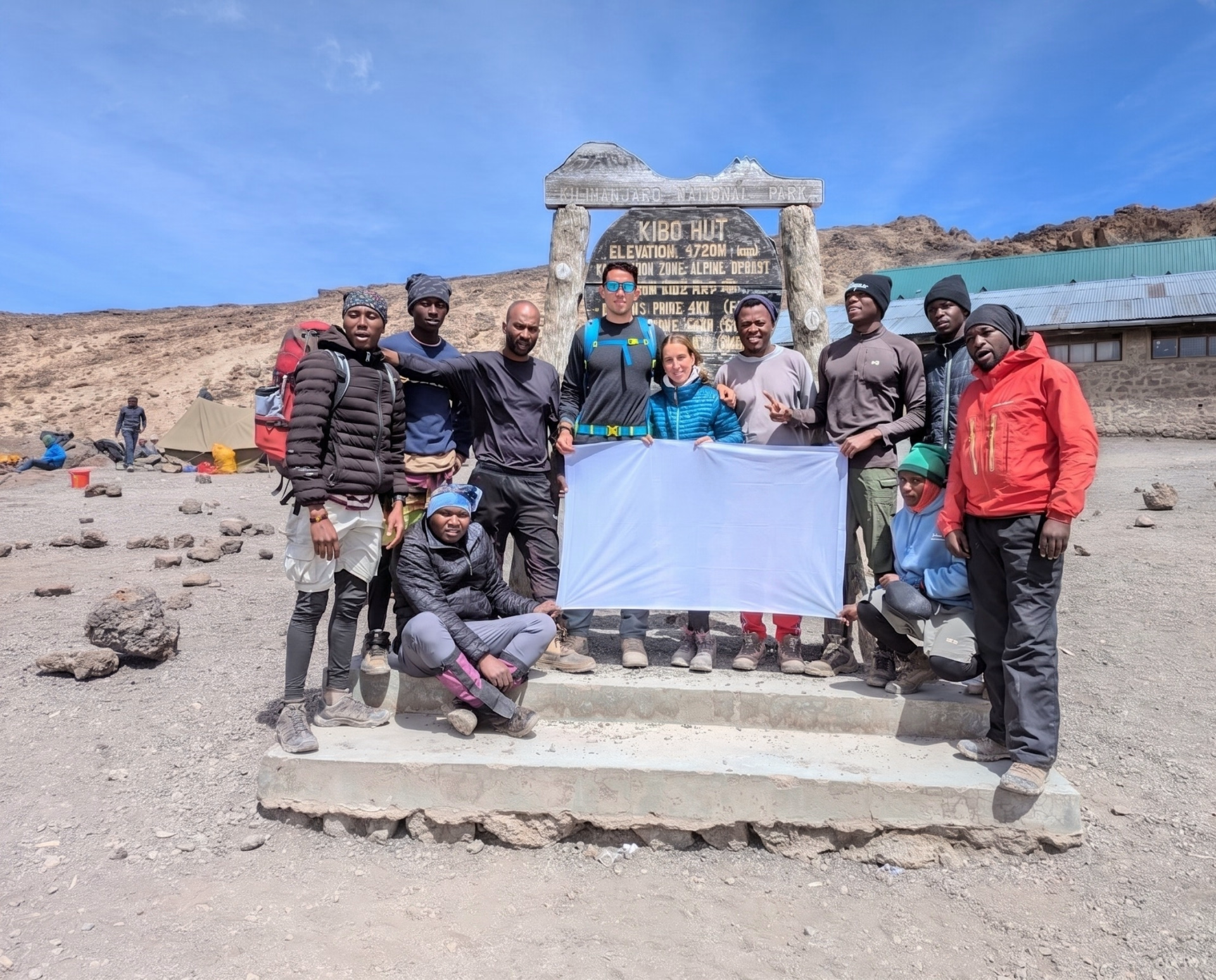
Sport
Level
Hiking / Trekking
In figures
Trekking
- Average duration/day: 7h30
- Average distance/day: 11 km
- Exposed Passages: Yes
Management
English
Spanish
French
Program
-
Machame Gate (1,800 m) – Camp Machame (3,000 m)
- Transportation Minibus - 07h - 119km
- Activity Trekking
- Duration of the activity 6h
- Distance 12 km
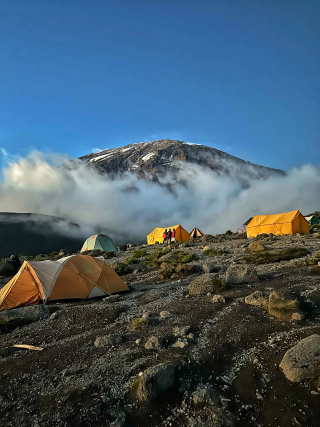
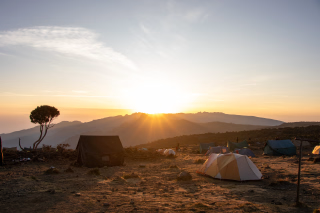
- Accommodation Camping
- Breakfast not included
- Lunch included
- Dinner included
Your adventure begins with a transfer from Arusha or Moshi to Machame Gate for registration formalities. After meeting your mountain team (guides, porters, and cook), you begin your trek through a dense forest.
The trail is rich in biodiversity, with the possibility of observing monkeys and numerous bird species. The terrain can be wet and muddy.
Day 1 -
Camp Machame (3,000 m) – Camp Shira (3,840 m)
- Activity Trekking
- Duration of the activity 6h
- Distance 5 km
- Accommodation Camping
- Breakfast included
- Lunch included
- Dinner included
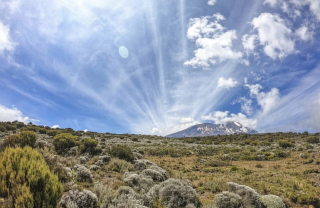
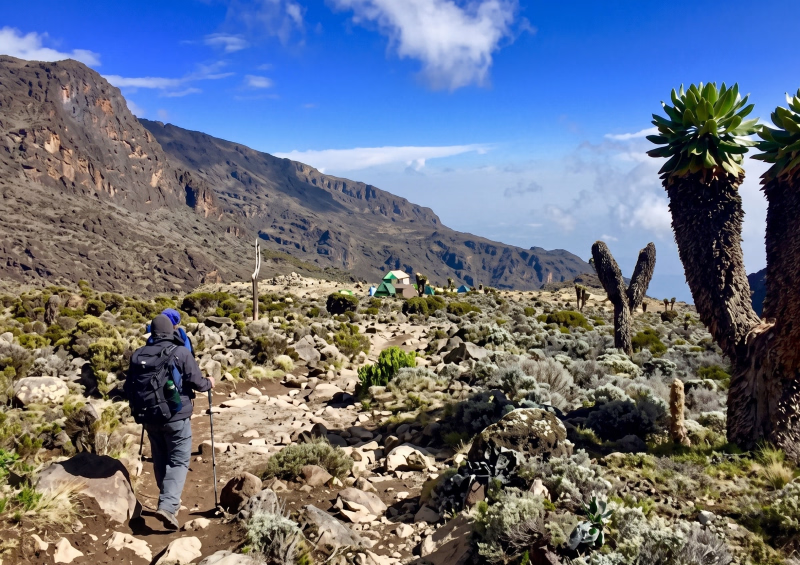
You leave the forest and enter an area of lower, more open vegetation. The views become spectacular, with panoramic views of the mountain and its surroundings.
Day 2 -
Camp Shira (3,840 m) – Lava Tower (4,630 m) – Camp Barranco (3,960 m)
- Activity Trekking
- Duration of the activity 8h
- Distance 10 km
- Exposed passages Yes
- Accommodation Camping
- Breakfast included
- Lunch included
- Dinner included
A key day for acclimatization, following the principle of "climb high, sleep low." You reach Lava Tower before descending back to Barranco Camp.
This camp is considered one of the most beautiful on Kilimanjaro, located at the foot of the famous Barranco Wall.
Day 3 -
Camp Barranco (3,960 m) – Camp Karanga – Camp Barafu (4,640 m)
- Activity Trekking
- Duration of the activity 8h
- Distance 9 km
- Exposed passages Yes
- Accommodation Camping
- Breakfast included
- Lunch included
- Dinner included
You start the day by climbing the famous Barranco Wall. Although it may look impressive, the climb is accessible and very rewarding.
After a break in Karanga, you continue to Barafu camp, the starting point for the final ascent.
Day 4 -
Camp Barafu (4,640 m) – Uhuru Peak (5,895 m) – Camp Mweka (3,100 m)
- Activity Trekking
- Duration of the activity 14h
- Distance 17 km
- Exposed passages Yes
- Accommodation Camping
- Breakfast included
- Lunch included
- Dinner included
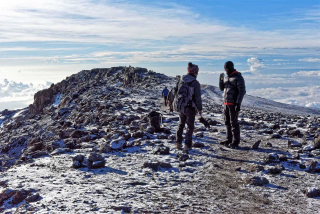
Departure around midnight for the final ascent. You reach Stella Point, then the summit of Uhuru Peak , the highest point in Africa.
After enjoying the summit, you descend back towards Barafu and then to the Mweka camp.
This is the most physically demanding day.
Day 5 -
Camp Mweka (3,100 m) – Mweka Gate (1,640 m)
- Transportation Minibus - 14h - 150km
- Activity Trekking
- Duration of the activity 3h
- Distance 10 km
- Exposed passages Yes
- Breakfast included
- Lunch included
- Dinner not included
Gentle descent through the forest to Mweka Gate. Presentation of certificates of achievement.
Return transfer to Arusha or Moshi.
Day 6
Note
This program may be modified at the mountain guide's discretion. Adjustments may be made if weather conditions, mountain conditions, or the physical condition of the participants require it, in order to ensure the safety and well-being of all participants.
Accommodation
Access
Go to the starting point
Price details
The price includes
- Experienced and certified mountain guides
- Assistant guides for group support
- Porters dedicated to transporting luggage and equipment
- Professional cook for all meals during the trek
- Kilimanjaro National Park Entrance Fees
- Camping fees
- Park rescue and registration fees
- High-quality mountain tents (shared or private depending on the organization)
- Sleeping mattress for all participants
- Mess tent with tables and chairs for group meals
- Full board during the trek (breakfast, lunch, dinner)
- Drinking water provided throughout the climb
- Hot meals prepared daily by the cook
- Complete camp setup (tents, dining area, kitchen)
- Kitchen utensils, gas and fuel
- Plates, cups and cutlery for all meals
- First aid kit carried by the guides
- Emergency oxygen (available if needed)
- Means of communication for coordination in the mountains
- Daily monitoring of participants' health status
- Return transfers between Arusha/Moshi and the trek's starting point
The price does not include
- International round-trip flights to Tanzania
- Visa fees and entry formalities
- Personal hiking equipment (shoes, clothing, sleeping bag, backpack, etc.)
- Walking sticks (if not provided or rented)
- Personal items and toiletries
- Snacks, soft drinks, alcohol and additional drinks
- Laundry services
- Souvenirs and personal purchases
- Phone calls and internet use outside designated areas
- Tips for mountain guides, assistant guides, porters and cook (recommended but not mandatory, left to the client's discretion)
- Additional nights' accommodation before or after the trek
- Private guide or enhanced services upon request
- Additional rescue or evacuation costs not covered by park insurance (if applicable)
- Mandatory NIC Inbound Travel Insurance: USD 44 (approx. €39) per adult
Options
- Flex fare and insurance
Practical information
Specific formalities
Specifics
Before your departure, check with the embassy or consulate what formalities are required for entry and stay in the destination country. You can also consult this information on the France Diplomatie website ( https://www.diplomatie.gouv.fr/fr/dossiers-pays/ ).
For connecting flights operated by different airlines, also check the formalities for countries you transit through.
It is your responsibility to ensure that you are compliant, in particular regarding the validity of your identity documents (for example, some countries require your passport to still be valid 6 months after your return) , visa requirements, necessary vaccinations and health recommendations. And don't forget to take into account customs restrictions and other obligations of the destination or transit country.
ℹ️ Information may change up to the departure date — remember to regularly check official websites.
Equipment
Equipment provided on site
For your trek on Mount Kilimanjaro, the following equipment is provided by our team to ensure your comfort, safety and the smooth progress of the ascent:
Camping equipment
- High-quality mountain tents (shared or private depending on the booking)
- Comfortable sleeping mattresses
- Mess tent for meals and group gatherings
- Tables and chairs for serving meals
Kitchen equipment
- Fully equipped mobile kitchen
- Kitchen utensils, pots and pans
- Gas and fuel for meal preparation
- Containers for food storage
Safety and assistance equipment
- First aid kit carried by the guides
- Emergency oxygen (available if needed)
- Communication equipment (radio/telephone for coordination in the mountains)
Catering equipment
- Plates, cups and cutlery
- Water containers for drinking water distribution
Equipment to bring
- Plastic bags to waterproof your belongings, camera and clothes.
- Laundry bag for used clothes.
- Moist wipes (like “Calinette”) for washing when water is too cold or inaccessible.
- Earplugs , always useful!
- Notebook and pen , book or card games for moments of rest.
- Walking poles (optional): highly recommended. They are very useful for protecting the knees on descents (up to 30% of body weight + the weight of the bag is supported by the poles) and for supporting the effort on ascents (the arms work in addition to the legs).
- Binoculars for observing wildlife and landscapes.
- Camera to immortalize your experience.
Clothing to bring
- Hiking boots : They are a hiker's best friend. They must combine three essential qualities: durability, good foot and ankle support (high-top design), and waterproofing. Choose boots with a non-slip, relatively rigid sole, such as Vibram.
- Light shoes (sneakers or sandals) for evenings in town and villages.
- Water shoes for swimming.
- Underwear : This is your first layer of insulation, so it's important to choose it carefully! Thin technical fibers, like Carline or Polartec, are very effective: warm, flexible, comfortable, and lightweight. They also dry very quickly.
- Hiking pants