Massif Central
/ Puy-de-Dôme
4-day hiking tour in the Sancy Massif
Réf : OBWTTY
In summary
-
Sports
-
Duration4 days
-
LevelAdvance
-
DestinationMassif Central / Puy-de-Dôme
-
AgeFrom 12 - 90 years
-
CO₂-Emissions38.49 kg CO2
-
Type of stayIndependent traveler
In a few words
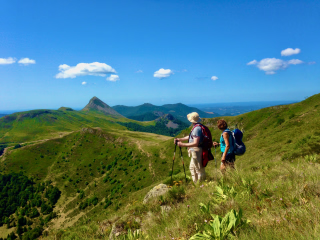
Embark on a short, independent road trip through the heart of the Massif Central , between iconic volcanoes and bucolic landscapes. This trip will lead you to discover the must-see sights of Auvergne , a region shaped by fire and time.
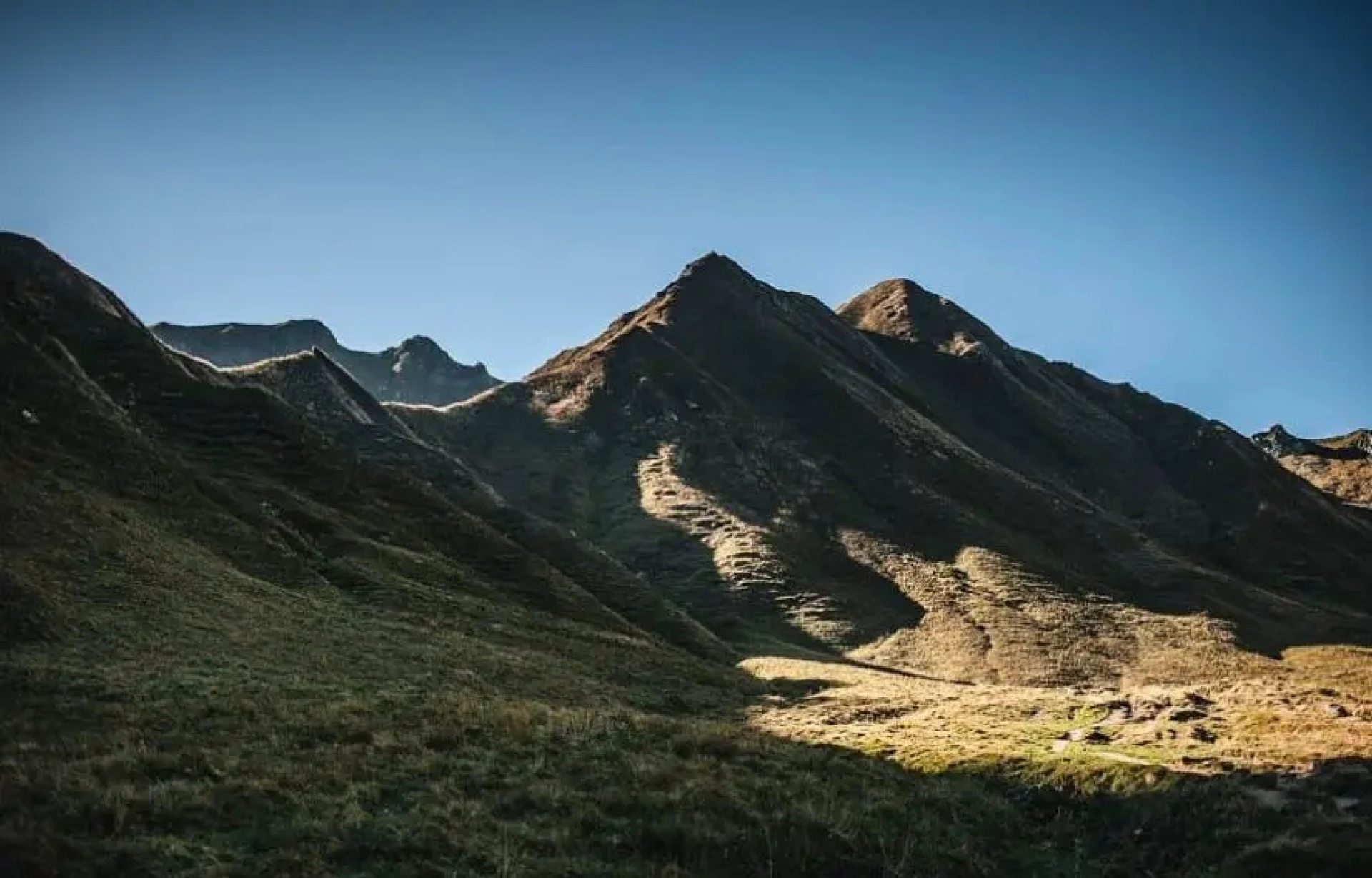
As you progress, you'll make your way towards a spectacular waterfall , its powerful waters cascading into the heart of unspoiled nature. Further on, a Romanesque church reveals its stones steeped in history, a testament to the region's rich heritage. The highlight of this getaway is the ascent of Puy de Sancy , the highest volcano in Auvergne, formed nearly 5 million years ago, offering breathtaking panoramic views of the surrounding ridges and valleys.
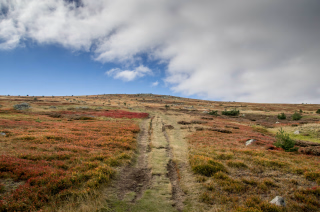
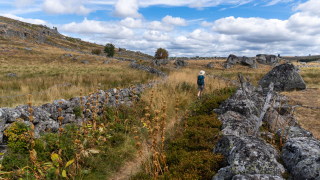
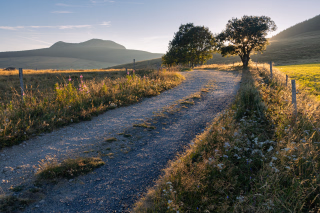
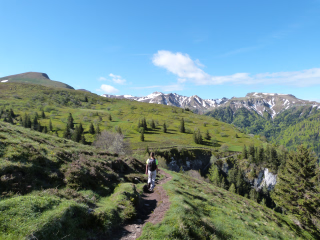
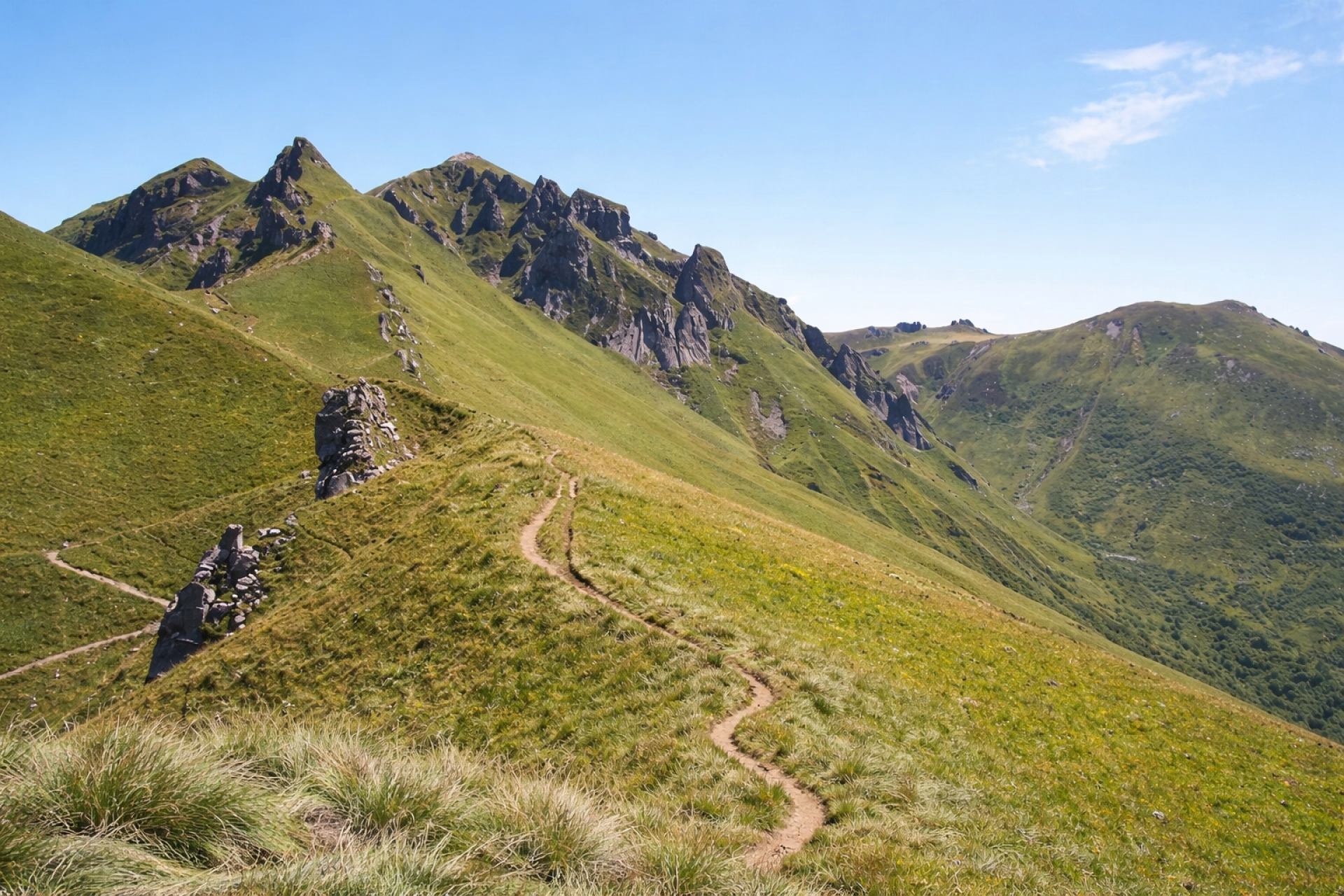
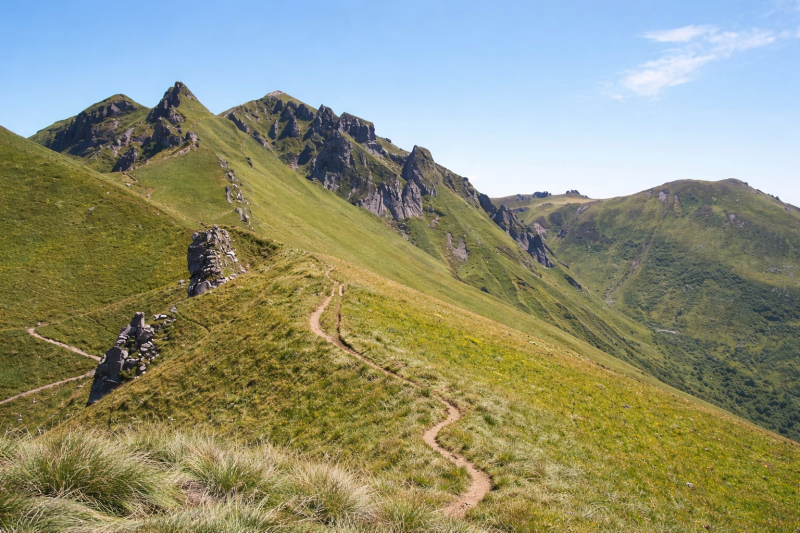
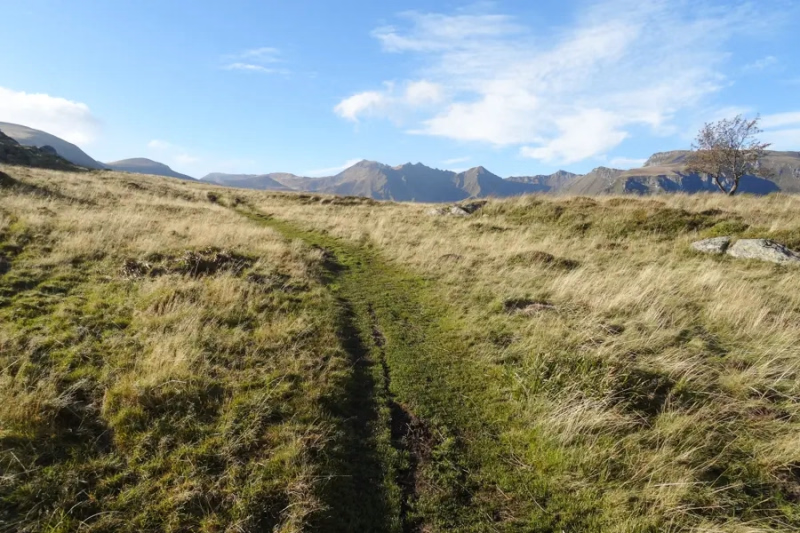
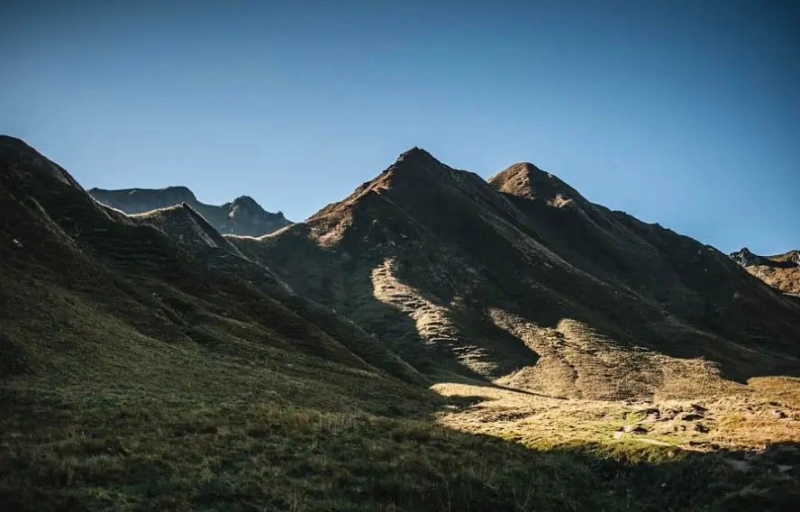
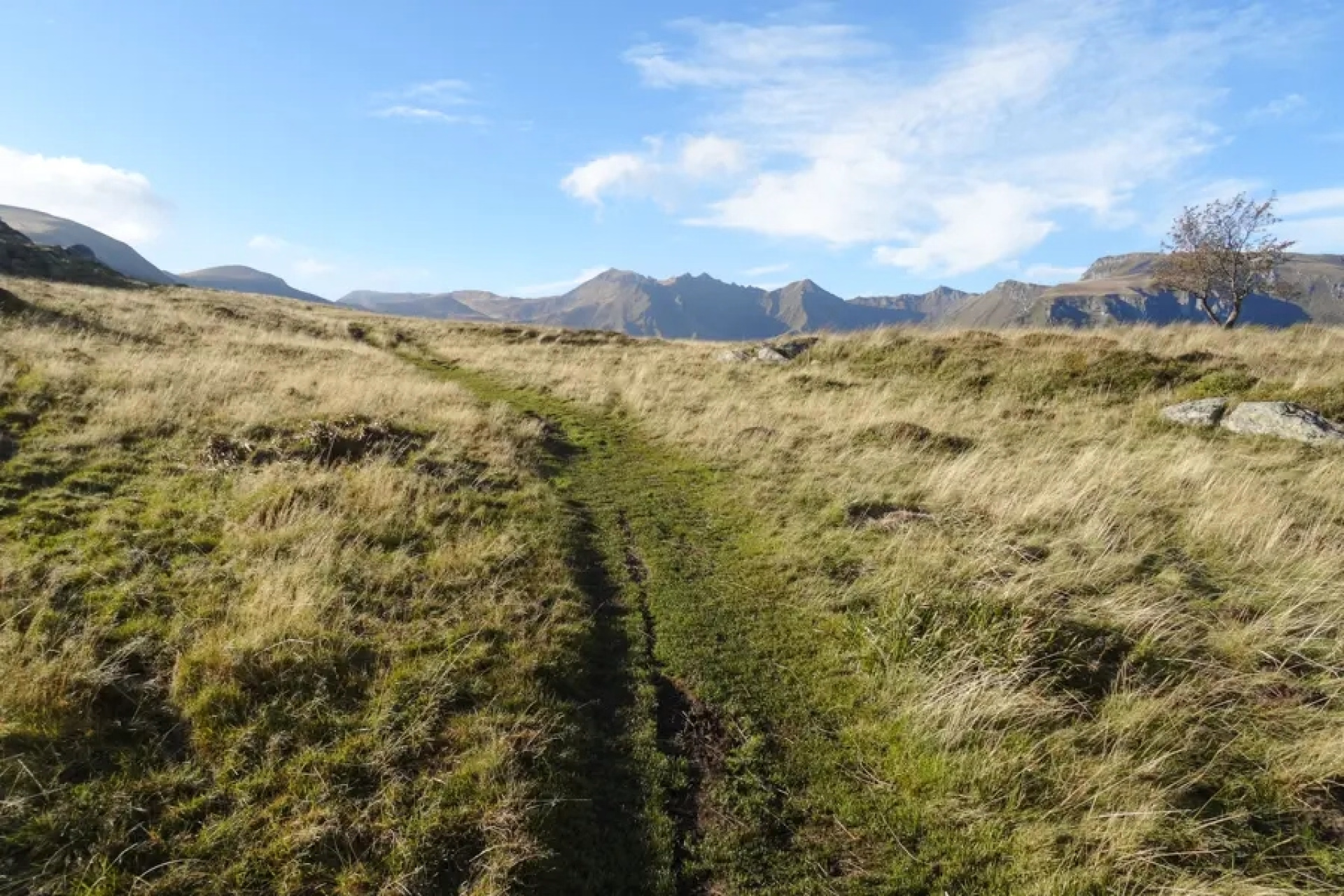
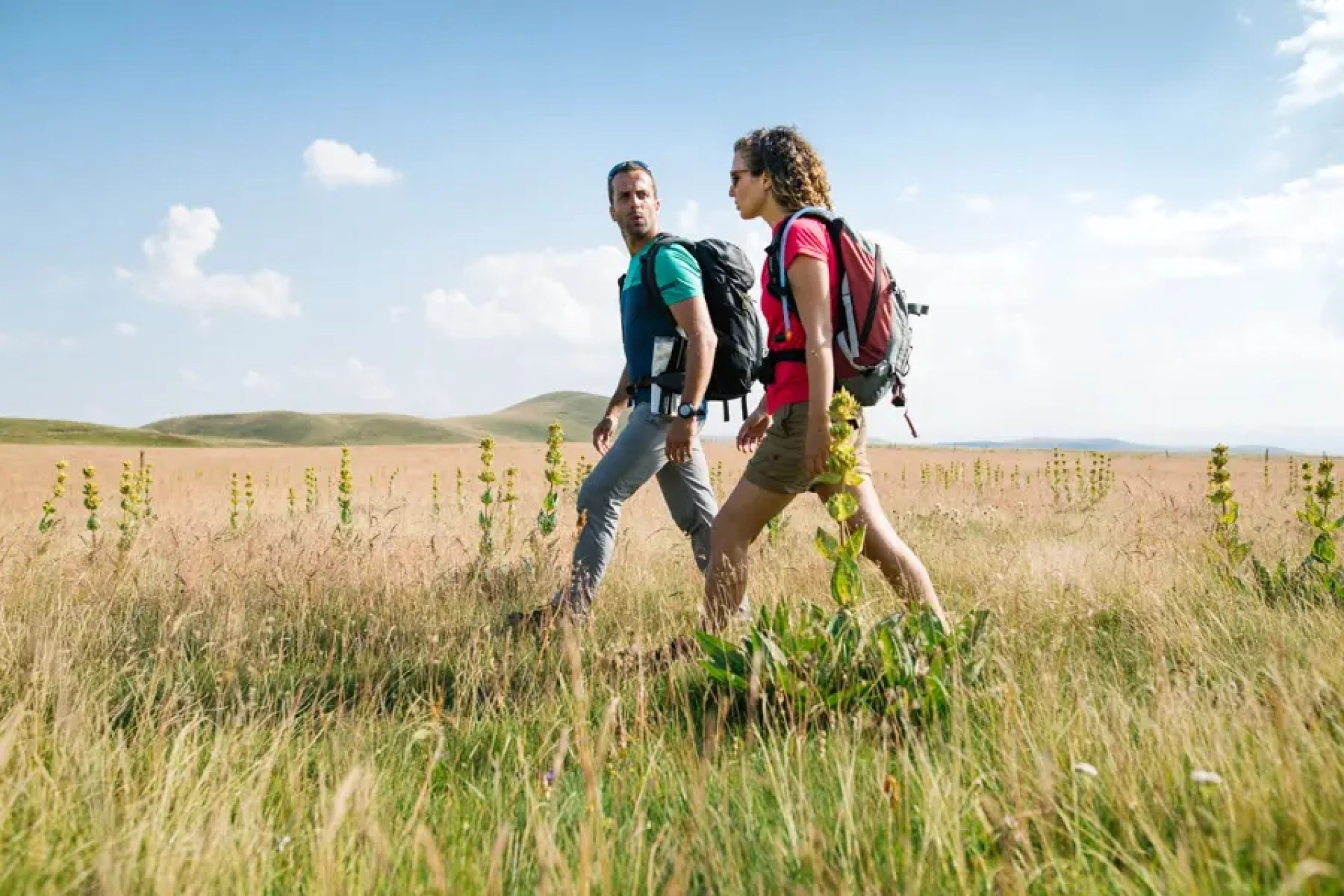
Between the gently curving summer pastures and the more pronounced volcanic ridges , the trails reveal a surprising diversity of landscapes. The peaceful atmosphere of the wide open spaces invites you to disconnect, punctuated by gourmet breaks featuring Auvergne cheeses .
An ideal program for a long weekend , combining nature, heritage and local delights, in the heart of an authentic and rejuvenating region.
The highlights
-
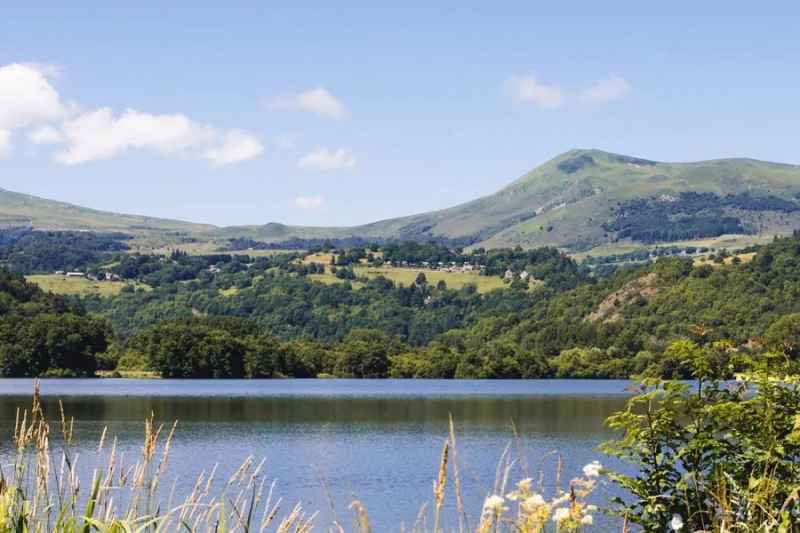
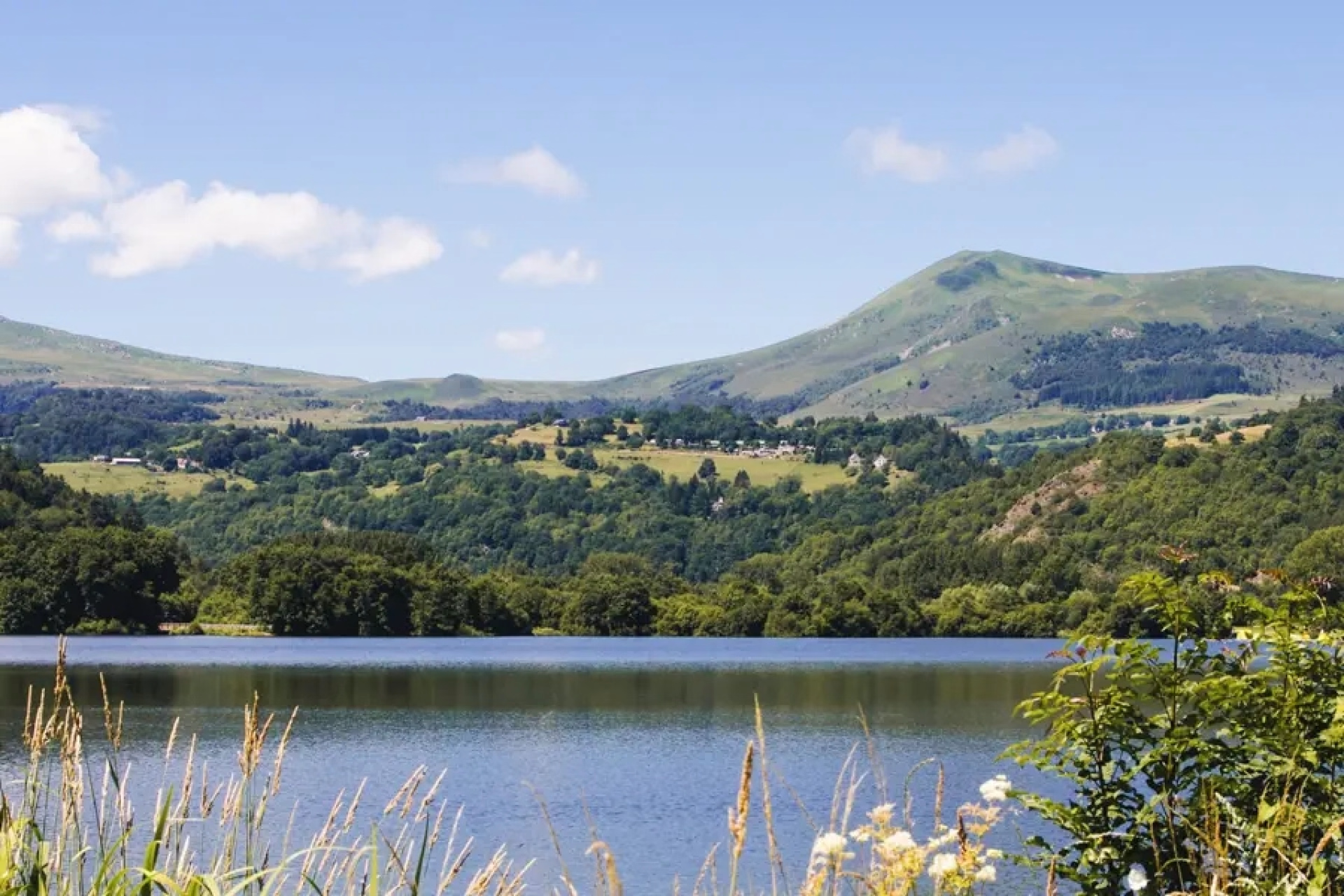
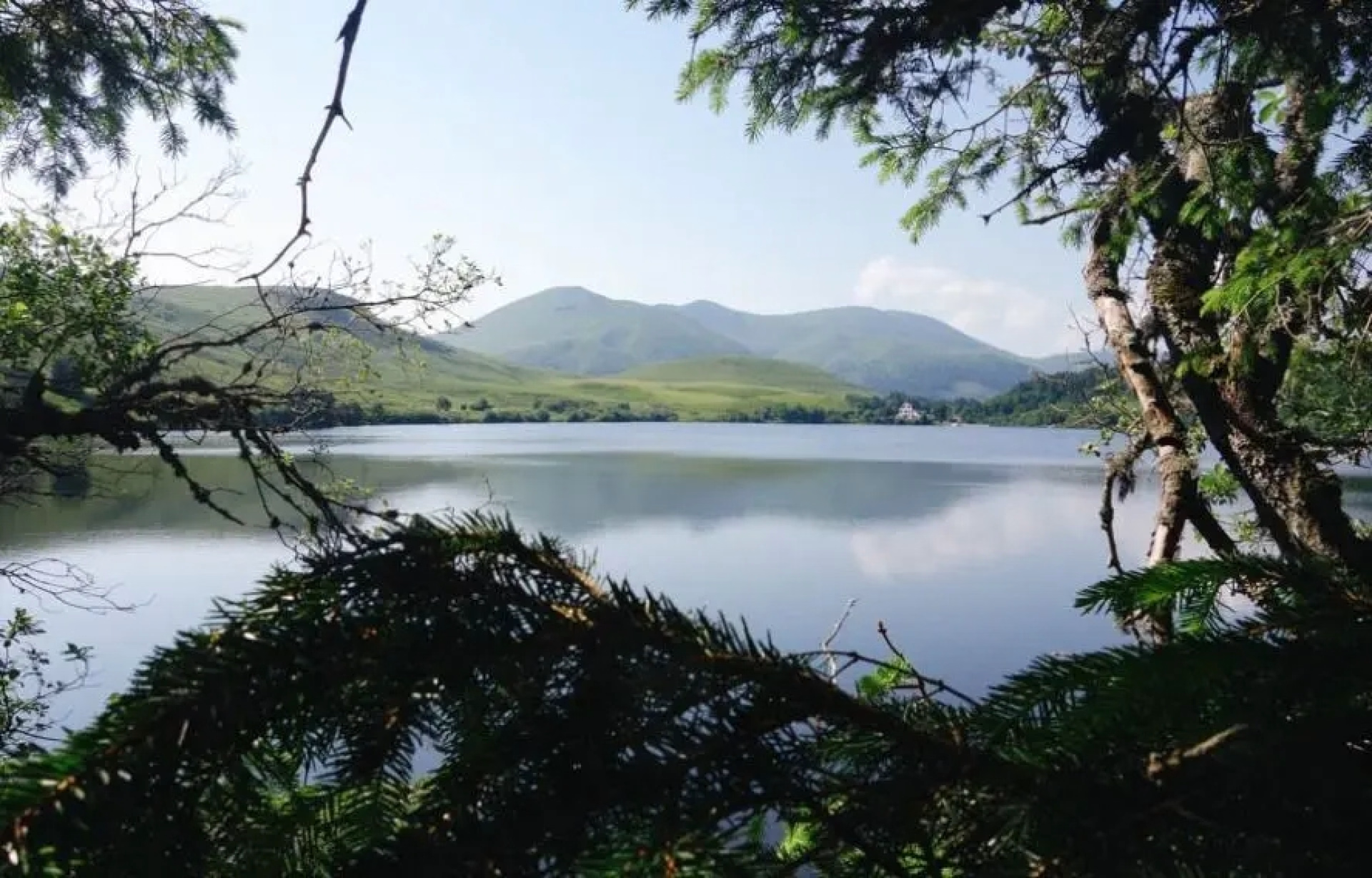
A self-guided holiday combining hills, waterfalls and lakes
-
The highest peak in the Massif Central: the Puy de Sancy
-
A short, discovery-filled trip; ideal for wildlife and flora enthusiasts
Subscriber benefit
save 5%
by joining
our community
Decathlon Travel Benefits
Best price guaranteed:
We offer twice the difference
Free cancellation more than 30 days in advance
Payment in 2 installments
Learn more
Photos
Sport
Level
Hiking / Trekking
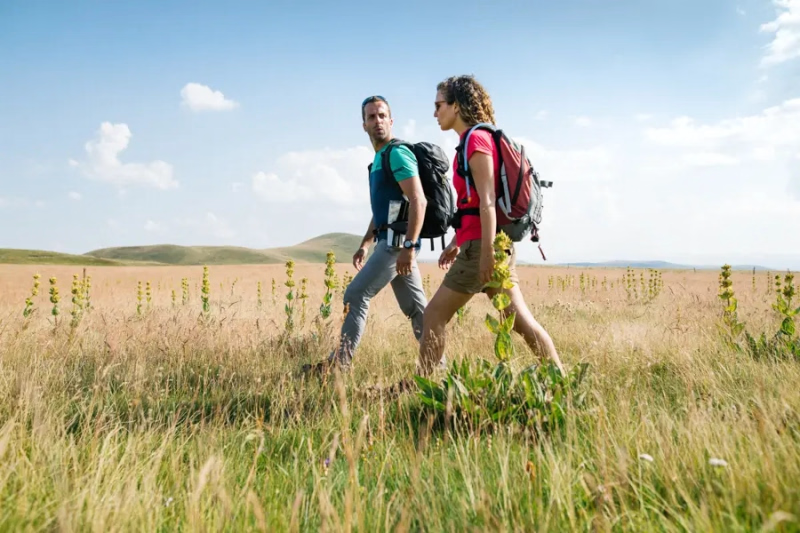
For those wishing to undertake multi-day hikes involving over 6 hours of walking and an elevation gain of 700 to 1,200 meters, off-trail or over rugged terrain. High-altitude sections are possible. You engage in endurance sports several times a week, hike regularly, and are in excellent physical condition.
In figures
Hiking
- Average duration/day: 5h30
- Average distance/day: 17 km
- Average daily elevation gain: 667 m
- Average daily descent: 657 m
Management
The paper roadbook contains all the information directly in your bag.
Paper Roadbook
Paper Roadbook
Your travel guide to take everywhere with you. 🗺️
Documentation provided:
- 1 IGN map at 1/25000
- Extracts from IGN 1/25000 scale maps in color, showing the routes.
- description of the steps day by day
This hike is compatible with our app. In addition to your traditional route book, you have the option of using a digital route book, compatible with iOS and Android. (Available upon request after booking). GPS tracks are also available in your customer account.
Program
-
Arrival at Mont-Dore
- Accommodation 2-star hotel
- Breakfast not included
- Lunch not included
- Dinner included
Arrival in the late afternoon at Mont-Dore.
Day 1 -
Mont-Dore - Lake Chambon
- Activity Hiking
- Duration of the activity 6h
- Distance 19 km
- Positive elevation gain 570 m
- Negative elevation 990 m
- Accommodation 2-star hotel
- Breakfast included
- Lunch not included
- Dinner included
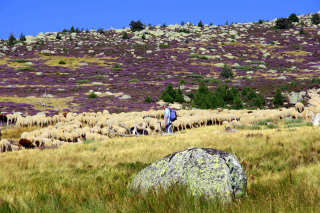
This route begins with an ascent to the Durbise plateau – home to numerous sheep from May to October – passing by the Roc de Cuzeau. Next, you'll reach the Puy des Crebasses (1762 m) and follow a ridge line bordering the Chaudefour valley, before descending towards the former Chambon-des-Neiges resort, and then on to Lake Chambon. Swimming and pedal boat rentals are available.
A more challenging alternative hike is offered on that day (19.5 km - 7 hours of walking - 810 m of positive elevation gain / 1020 m of negative elevation gain)
Day 2 -
Lake Chambon-Besse
- Activity Hiking
- Duration of the activity 4h30
- Distance 15 km
- Positive elevation gain 480 m
- Negative elevation 320 m
- Accommodation 2-star hotel
- Breakfast included
- Lunch not included
- Dinner included
Starting from the shores of Lake Chambon, you will gain some altitude to reach first Courbanges and then the small village of Besse, passing through the Courbanges forest and the Durbise mountain.
Day 3 -
Besse-le-Mont-Dore
- Activity Hiking
- Duration of the activity 6h30
- Distance 16 km
- Positive elevation gain 950 m
- Negative elevation 660 m
- Breakfast included
- Lunch not included
- Dinner not included
This route climbs from Besse to Super-Besse, a ski resort in the Sancy massif, passing at the foot of the Puy de Chambourguet. It crosses the Plaine des Moutons and reaches the Puy de Sancy, the highlight of the hike – the highest peak in the Massif Central (1886 m) – via the ridges: Puy de Perdrix, Col de la Cabane... Finally, the descent is through Val de Courre where you might be lucky enough to spot marmots or chamois. The hike ends in Mont-Dore.
Day 4
Note
The route we propose mostly follows marked trails: - red and white for long-distance hiking trails (GR, marked in both directions) - blue, yellow, or green for short day hikes (PR, marked in one direction only). Some sections of the trails are not marked. The very detailed IGN maps will allow you to find them easily. For this hike, it is essential to be able to read a map and use a compass.
Accommodation
🏨 2-star hotel - Days 1 to 3
Access
Departure
Le Mont-Dore, France
Day 1
End of stay
Le Mont-Dore, France
Day 4
Go to the starting point
Take the train toGare du Mont-Dore
- The station is located in the city centre of Mont-Dore (~1 km from the heart of the village).
- The direct TER rail service between Clermont-Ferrand and Le Mont-Dore is no longer provided by conventional trains : the connection is replaced by TER Auvergne-Rhône-Alpes coaches from Clermont-Ferrand/La Bourboule.
Travel to the place of stay
with parking
available
Price details
The price includes
- Accommodation in 2-star hotels during the stay
- Half-board from dinner on Day 1 to breakfast on Day 4
- The Road Book, 1 copy per registration file
- Luggage transport between hotels
- Tourist taxes
The price does not include
- Round-trip transportation to the meeting point
- Drinks and personal expenses
- Picnics
- Possible visits
- The solo supplement if you are travelling alone (€160 per person) and the single room supplement (€150 per person) are automatically added to the price calculation for a single participant.
Options
- Additional night in Mont Dore : CHF99.75 / person
- Additional night in Mont Dore in a single room : CHF147.25 / person
- Flex fare and insurance
Practical information
Specific formalities
Equipment
P
Decathlon Travel Partner
Our partner team
5/5
(6 reviews)
• 8 stays
Our local partner doesn't aim to offer thrilling itineraries on the other side of the world, but rather prioritizes an intimate and in-depth knowledge of the trails he travels. With 20 years of experience in long-distance hiking, he knows every nook and cranny and every detail, offering unparalleled on-the-ground expertise. To guarantee truly memorable encounters, our local partner has selected the best accommodations, favoring those that offer a warm and genuine welcome. His motto is simple: to offer a hike that brings you closer to people and nature, fostering a serene and authentic immersion in the landscapes traversed.
Are you satisfied with this page?
Subscriber benefit
save 5%
by joining
our community
Decathlon Travel Benefits
Best price guaranteed:
We offer twice the difference
Free cancellation more than 30 days in advance
Payment in 2 installments
Learn more