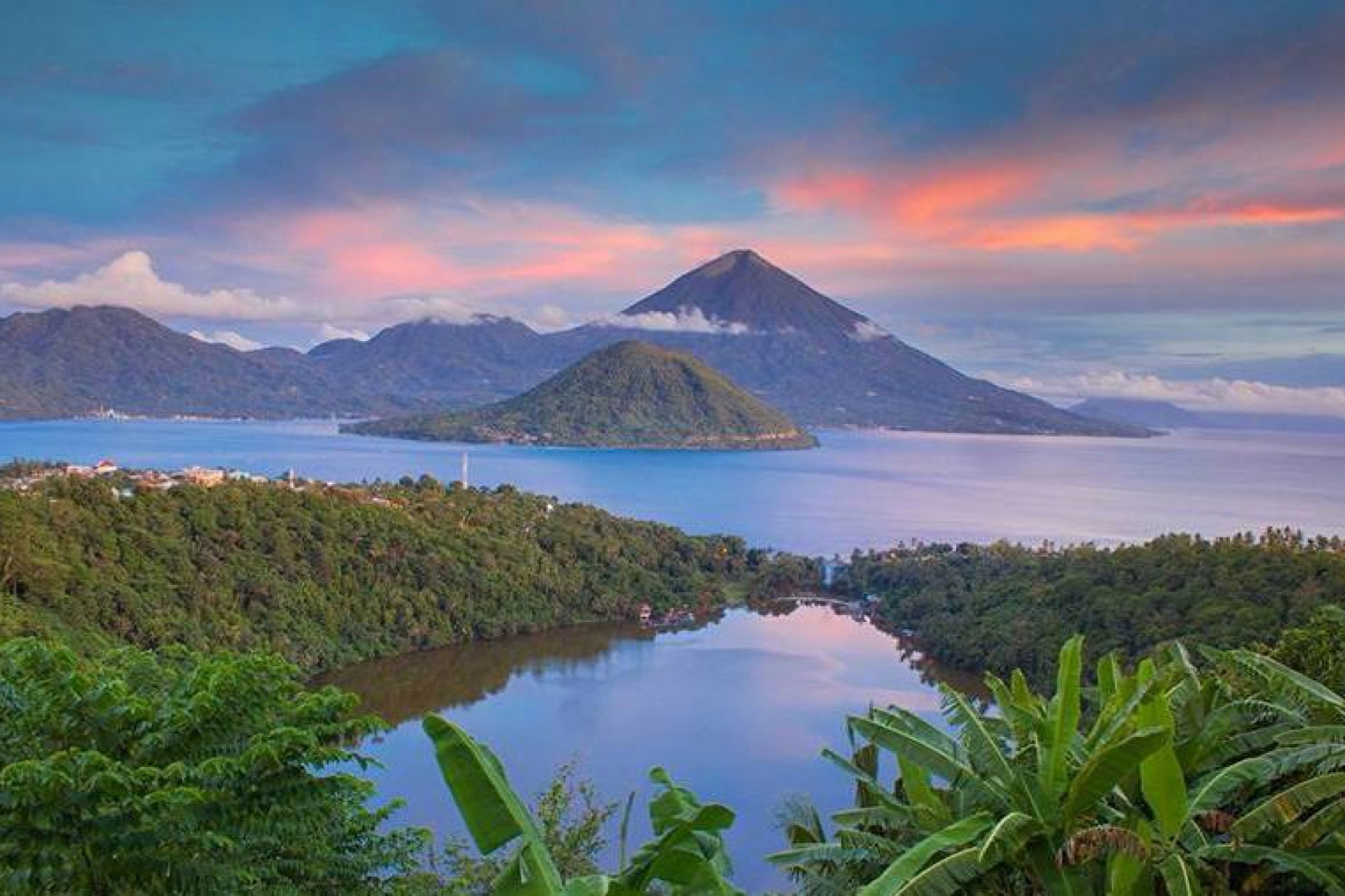
Volcanic hikes on the edge of the North Moluccas
In summary
-
Sports
-
Duration12 days
-
LevelIntermediate
-
DestinationAsia / Indonesia
-
AgeFrom the age of 18
-
CO₂-Emissions283.15 kg CO2
-
Type of stayIndependent traveler
-
Languages
 English
In a few words
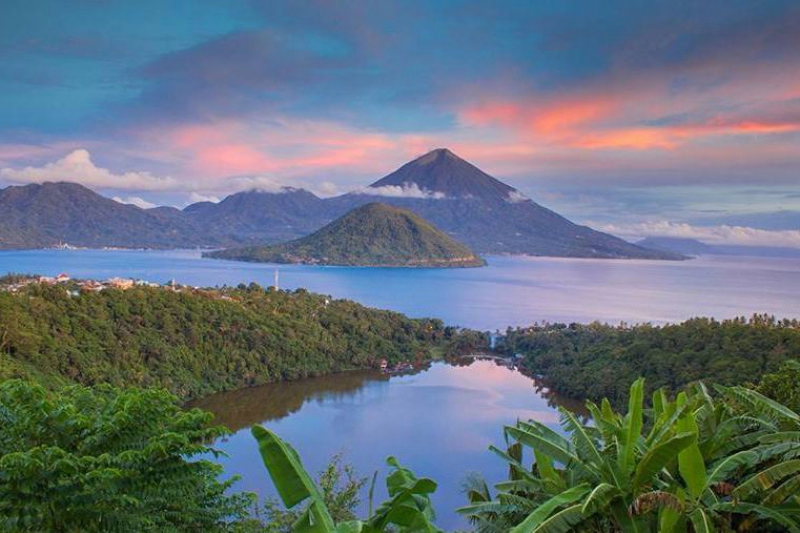
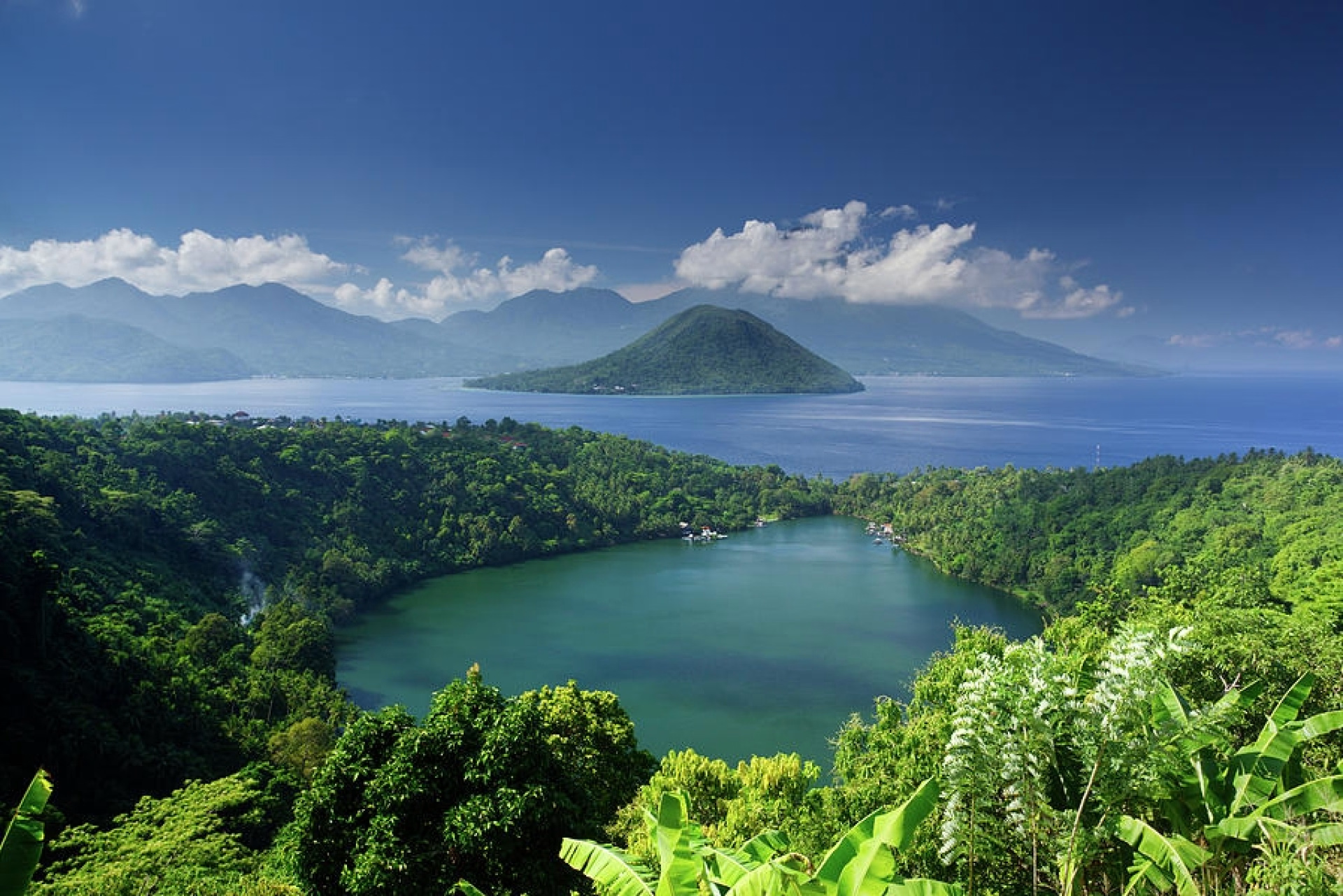
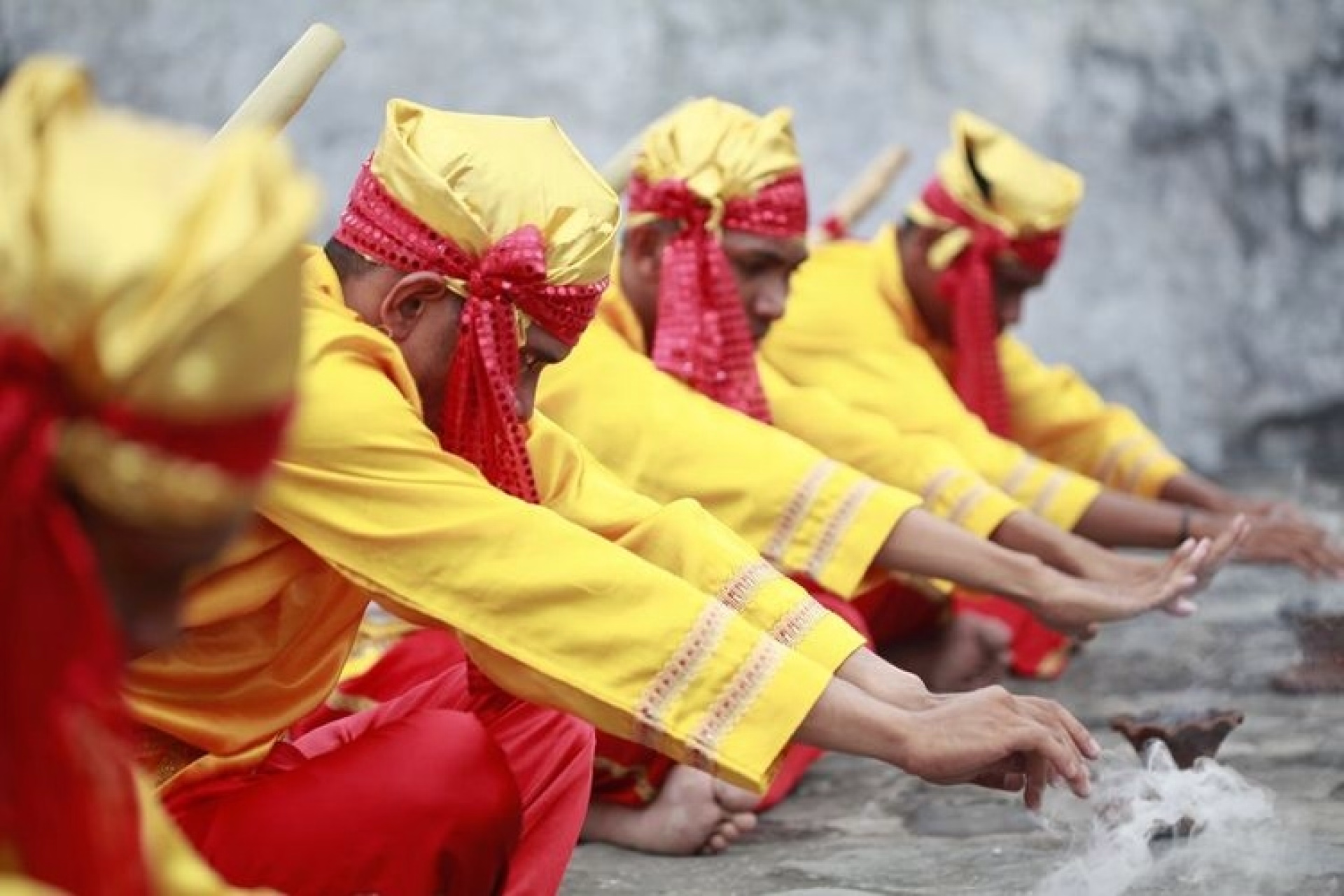
Embark on a journey to discover the North Moluccas , iconic lands steeped in the history of spices , where colonial heritage blends with spectacular volcanic landscapes. This private voyage immerses you in a unique world, between preserved island traditions and unspoiled nature. You'll explore the vestiges of the past on the islands of Ternate and Tidore , once coveted by great maritime powers for their precious cargoes of cloves .
Next stop: Halmahera Island, a true volcanic sanctuary. There, Mount Ibu and Mount Dukono , both active volcanoes, will immerse you in a sensory experience amidst steaming earth and lunar landscapes. Far from the beaten track, this adventure combines local encounters , volcanic hikes , and an island atmosphere , offering a rare experience on the edge of Indonesia. An itinerary for those passionate about wide-open spaces , history , and living geology .
The highlights
-
Exploring the mythical "spice islands," the cradle of the clove trade
-
Discover the active volcanoes Ibu and Dukono, lunar and captivating landscapes
-
A dive into the colonial history and living traditions of the Ternate sultanates
Photos
Sport
Level
Hiking / Trekking
In figures
Hiking
- Average duration/day: 1h30
Trekking
- Average duration/day: 5h
- Average daily elevation gain: 499 m
- Average daily descent: 500 m
- Exposed Passages: Yes
Snorkeling
- Average duration/day: 4h
Management
English
Private stay with English-speaking guide and team of porter(s)
Program
-
Welcome to Ternate
- Transportation Car - 02h - 40km
- Accommodation 3-star hotel
- Breakfast not included
- Lunch included
- Dinner included
You will be met at Ternate airport by your English-speaking guide and transferred to your hotel. The afternoon is dedicated to an initial exploration of the city. You will visit, in particular, the former Sultan's palace, now a museum. Ternate was indeed the first region of the Moluccas to be Islamized, following the conversion around 1495, under the influence of the Muslim principality of Gresik in Java, of its ruler, who took the name Zain al-'Abidin (1486-1500).
Day 1 -
Ancient kingdom
- Transportation Car - 03h - 40km
- Activity Hiking
- Duration of the activity 1h
- Accommodation 3-star hotel
- Breakfast included
- Lunch included
- Dinner included
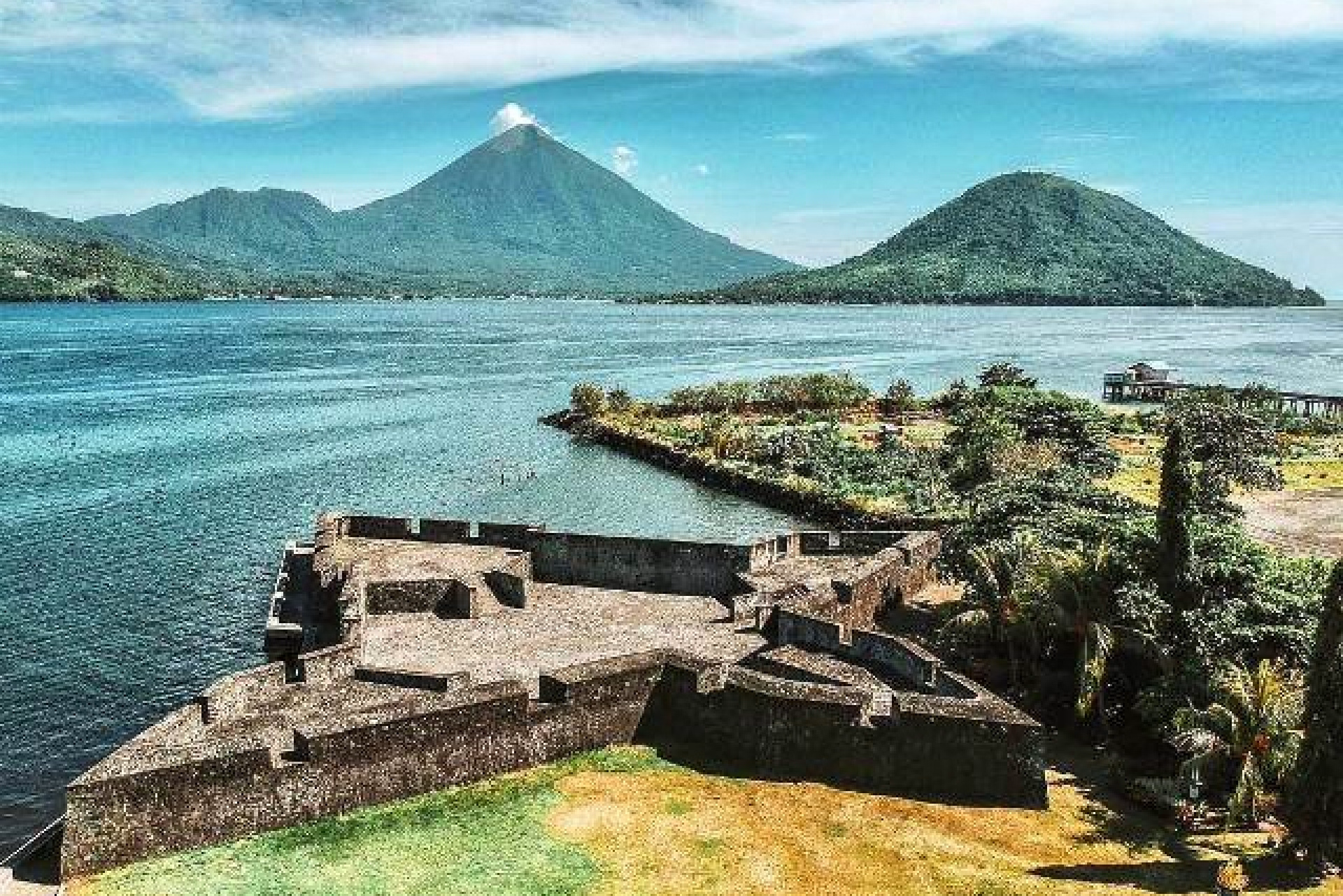
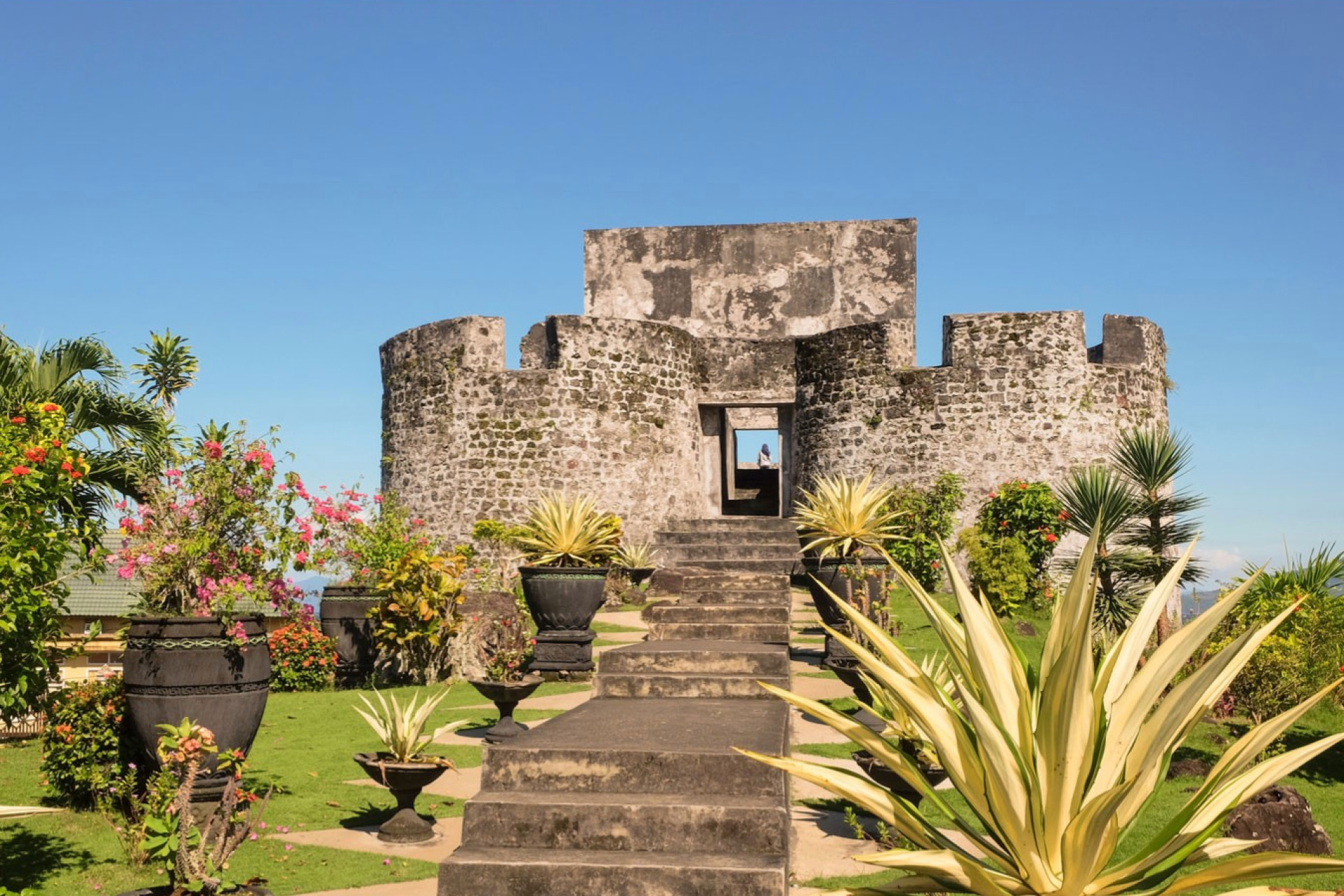
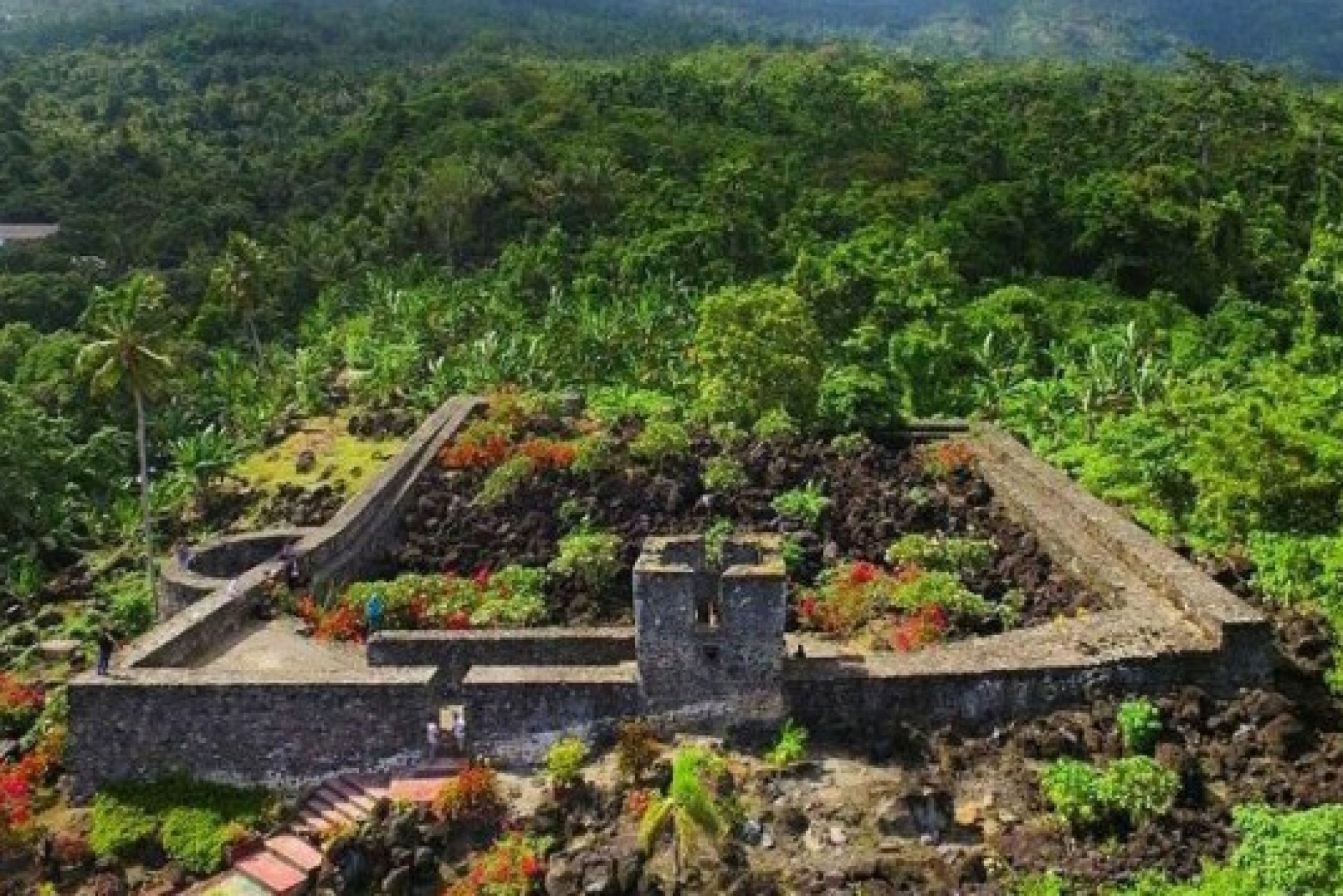
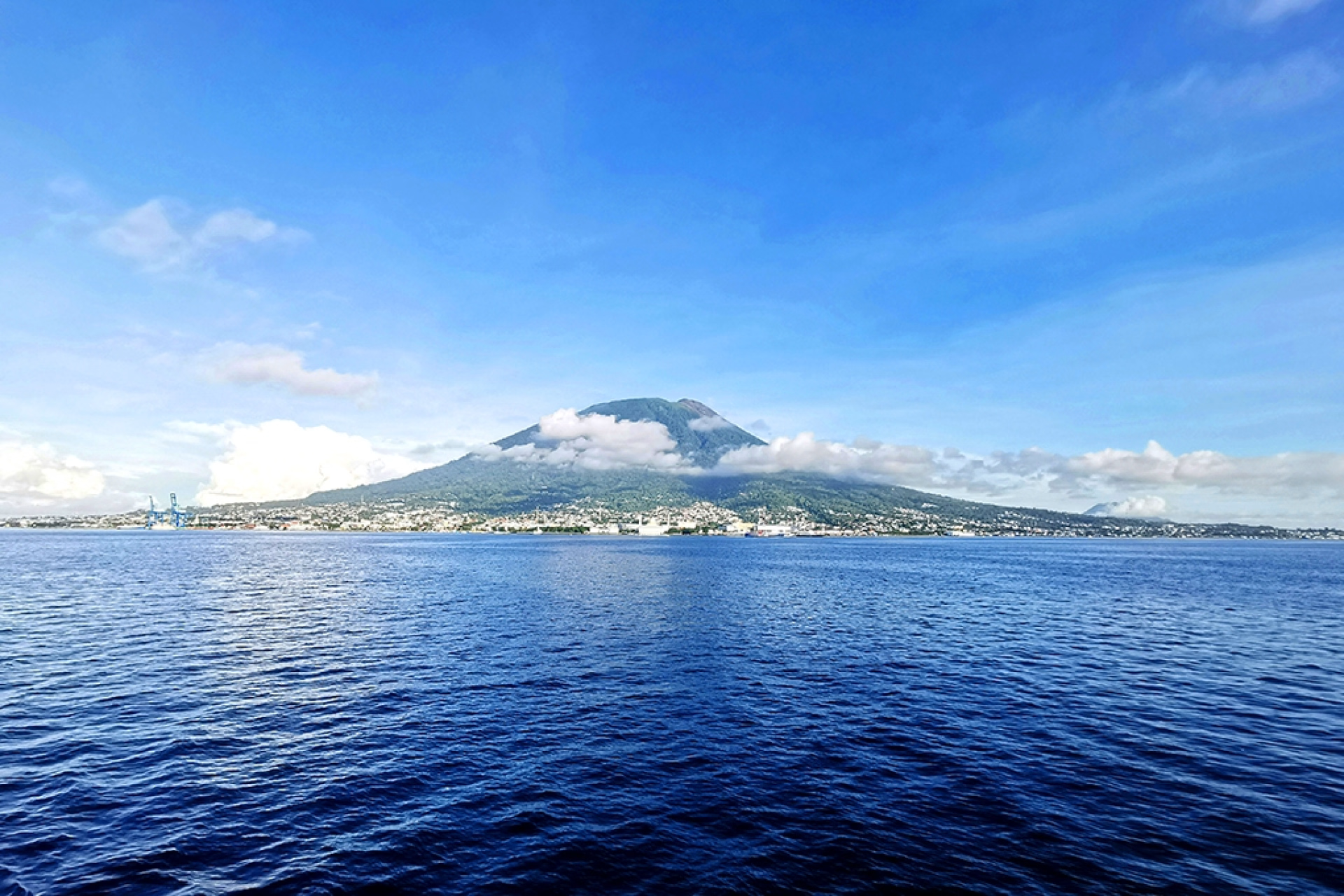
Early in the morning, you'll begin a more in-depth exploration of the island dominated by the Gamalama volcano. Your itinerary includes visits to the forts of Kalamata (built by the Portuguese in 1540), Orange (also built by the Portuguese in the 16th century ), Tolukko (built by the Spanish in 1522), and Kastela (also built by the Portuguese in 1522). In the afternoon, you'll approach a curious old lava rock dating back to a 1673 eruption of Gamalama, followed by a stroll around the beautiful Tolire Lake. Return to the hotel in the late afternoon.
Day 2 -
Rival kingdom
- Transportation Boat - 02h - 20km
- Activity Hiking
- Duration of the activity 2h
- Accommodation 3-star hotel
- Breakfast included
- Lunch included
- Dinner included
Departure in the morning for the neighboring, and once rival, island of Tidore, whose Sultans controlled southern Halmahera and, at certain times, Buru and Ambon, as well as several islands off the coast of West Papua. The day is dedicated to discovering remnants of its past (Tahula and Tore forts) and its crafts (traditional blacksmithing, textiles, etc.). You will also visit the Sultan's palace. Return to Ternate in the late afternoon.
Day 3 -
Approaching the Ibu volcano
- Transportation Boat - 04h - 35km
- Activity Trekking
- Duration of the activity 4h
- Positive elevation gain 670 m
- Exposed passages Yes
- Accommodation Bivouac / Tent
- Breakfast included
- Lunch included
- Dinner included
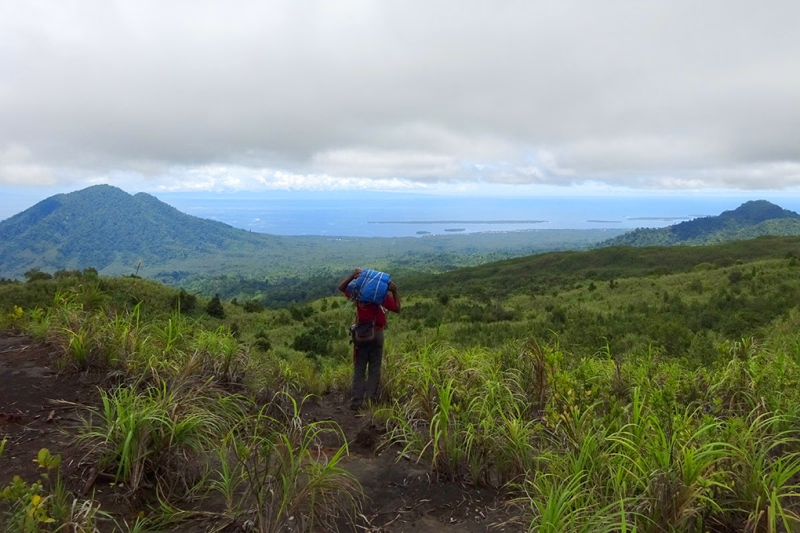
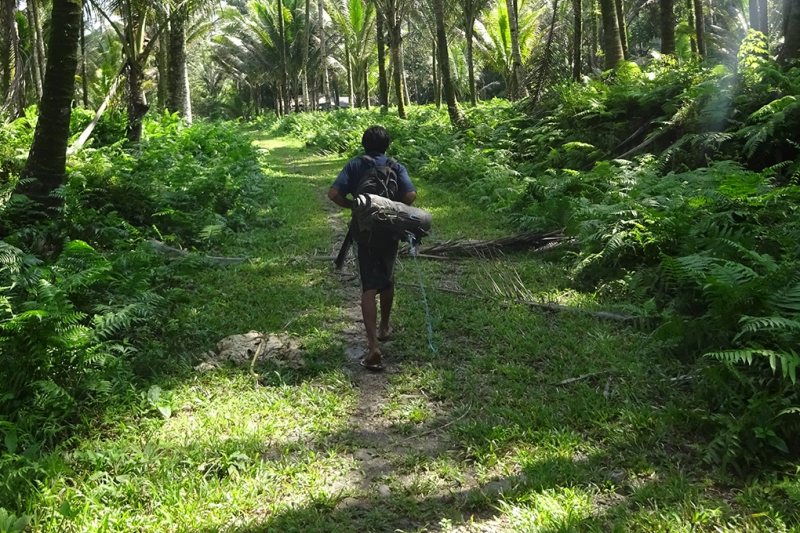
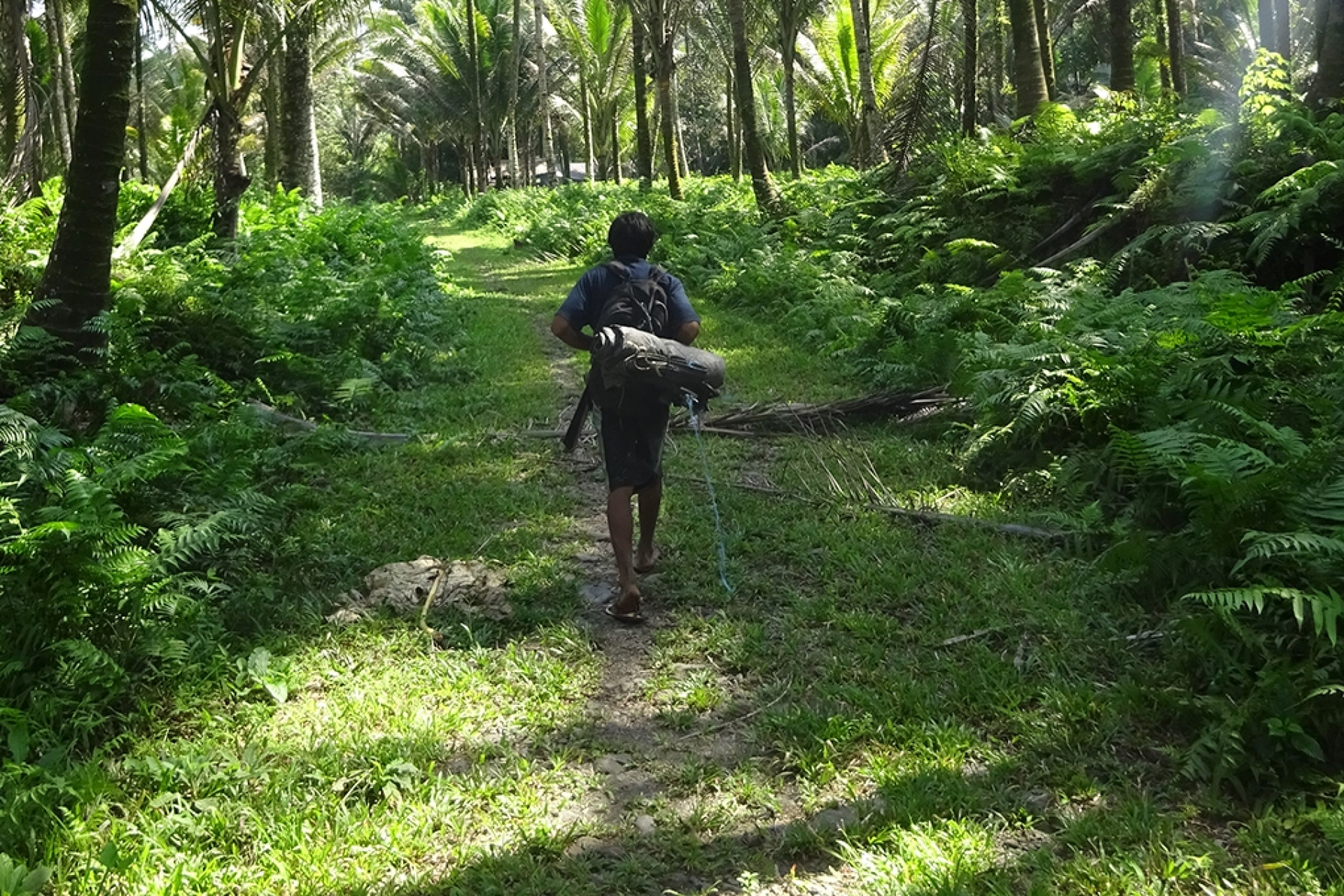
Early morning transfer by speedboat to Jailolo port on Halmahera Island, then drive to the base of Mount Ibu. From there, you begin the approach hike to the summit. The trail starts with several kilometers of relatively flat walking through vast coconut groves dotted with small wooden shelters. It's often possible to cover about two kilometers by motorbike to an altitude of just over 200 meters. The path continues through nutmeg and clove plantations before entering the forest at around 600 meters. After 2 to 3 hours of walking, you reach Pos 1 (675 m) , a pleasant shelter once used by pig hunters to prepare the meat before descending back to the village. The trail then descends into a ravine (655 m) of black sand and rocks, occasionally crossed by a spring. Depending on the activity and the wind, you can already hear the rumblings and rockfalls of the volcano—a striking sound, especially at night. The path follows the ravine for a few hundred meters before climbing back up and entering the forest again (673 m). After a few grassy areas, you reach Pos 2 (780 m) , near the volcanological sensor station (approx. 800 m). This is where you will set up your bivouac for the night.
Day 4 -
Fireworks
- Transportation Car - 04h - 100km
- Activity Trekking
- Duration of the activity 6h30
- Positive elevation gain 550 m
- Negative elevation 1220 m
- Exposed passages Yes
- Accommodation 2-star hotel
- Breakfast included
- Lunch included
- Dinner included
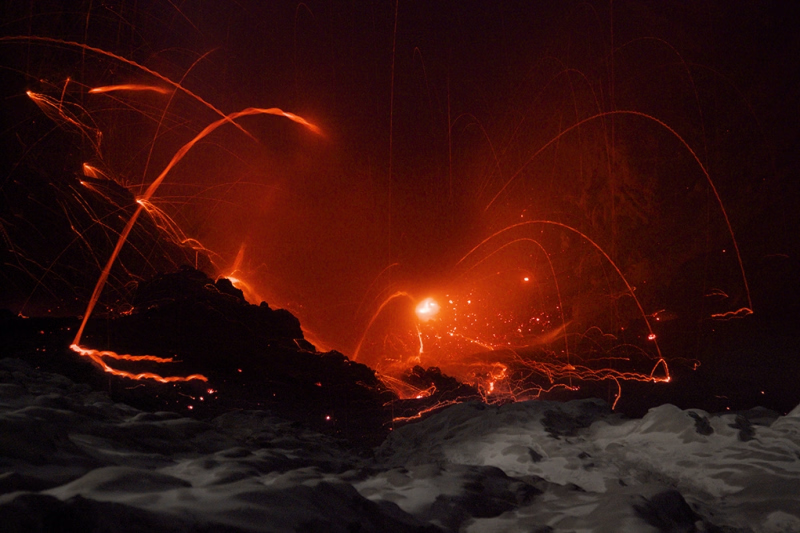
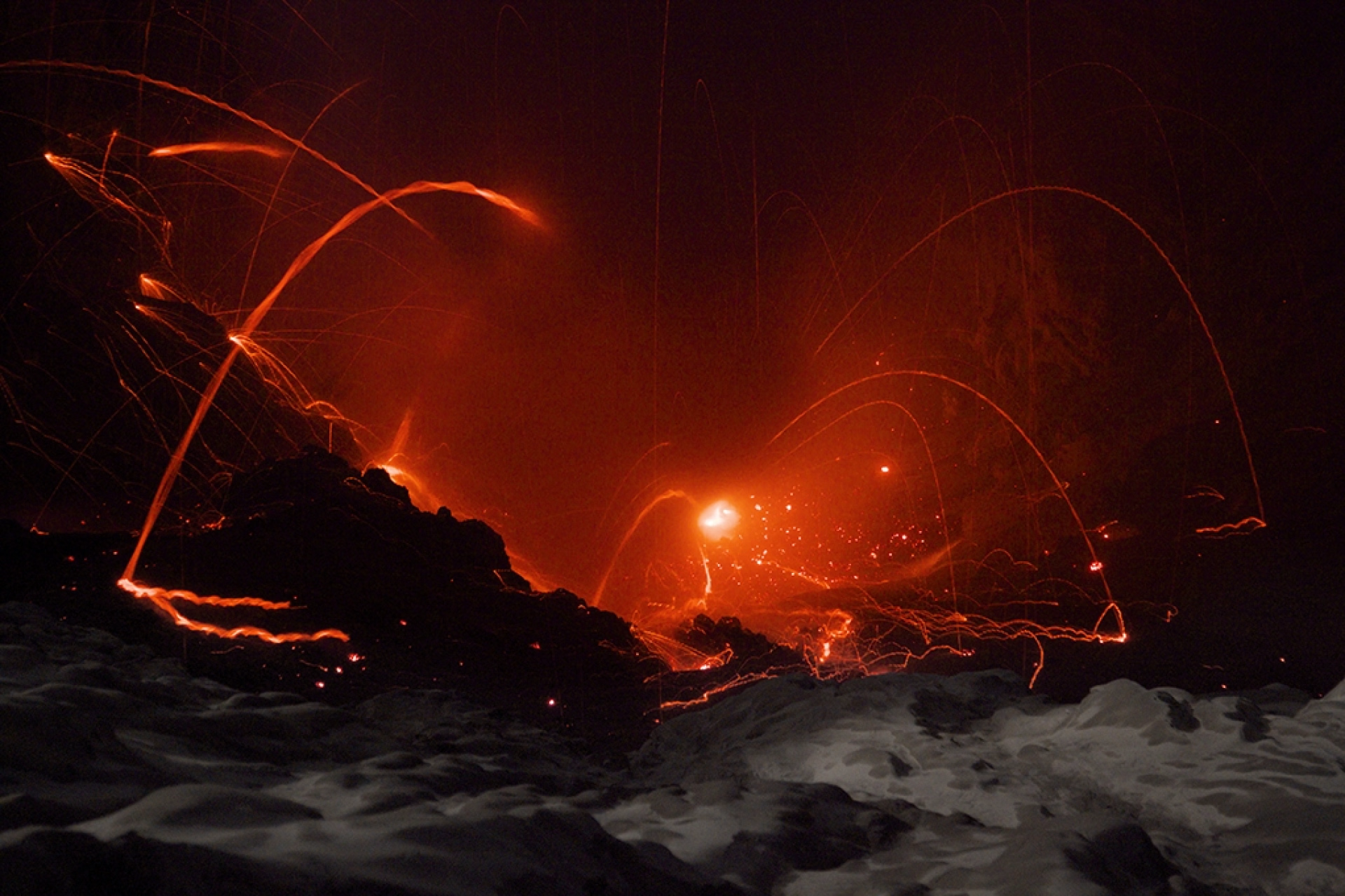
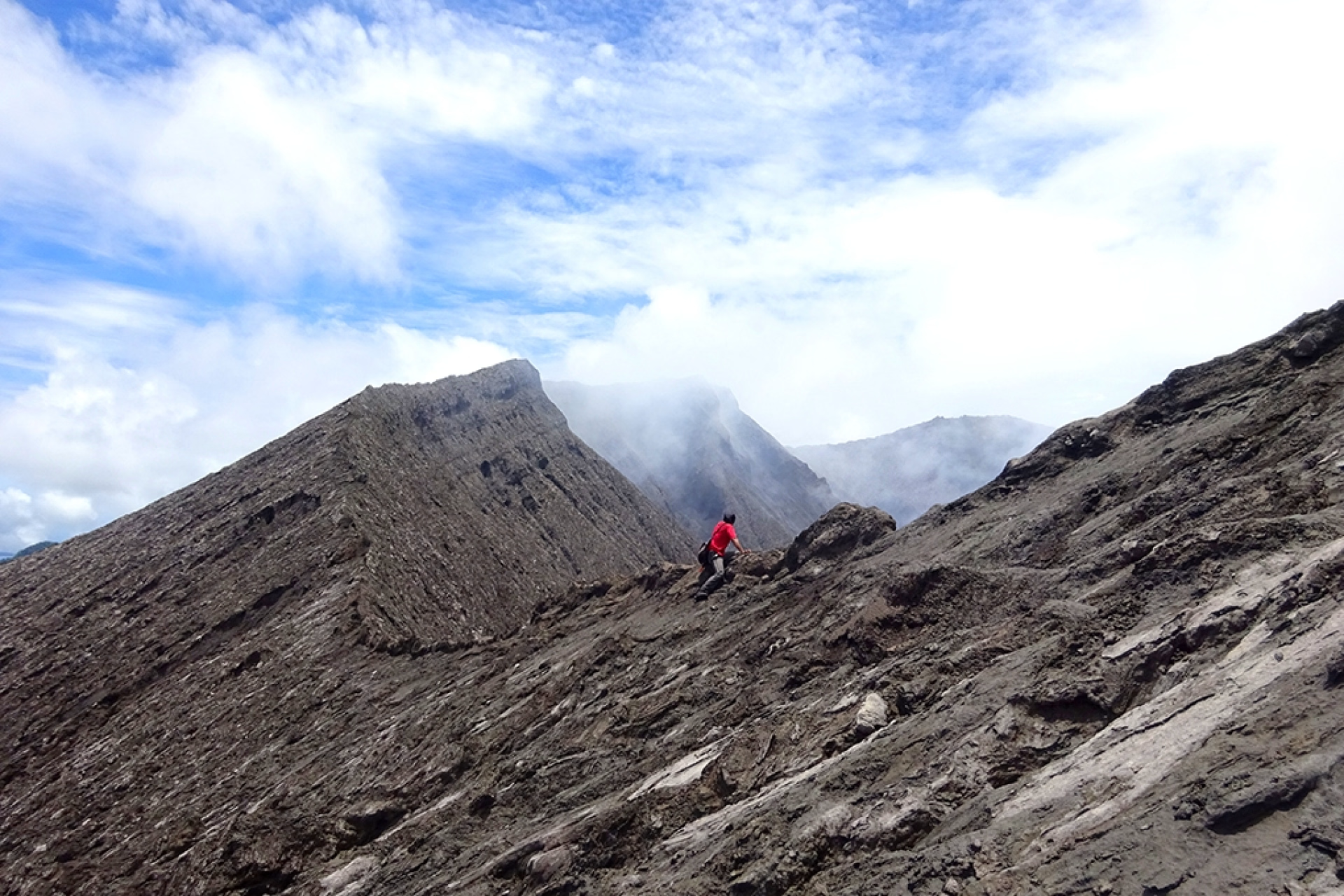
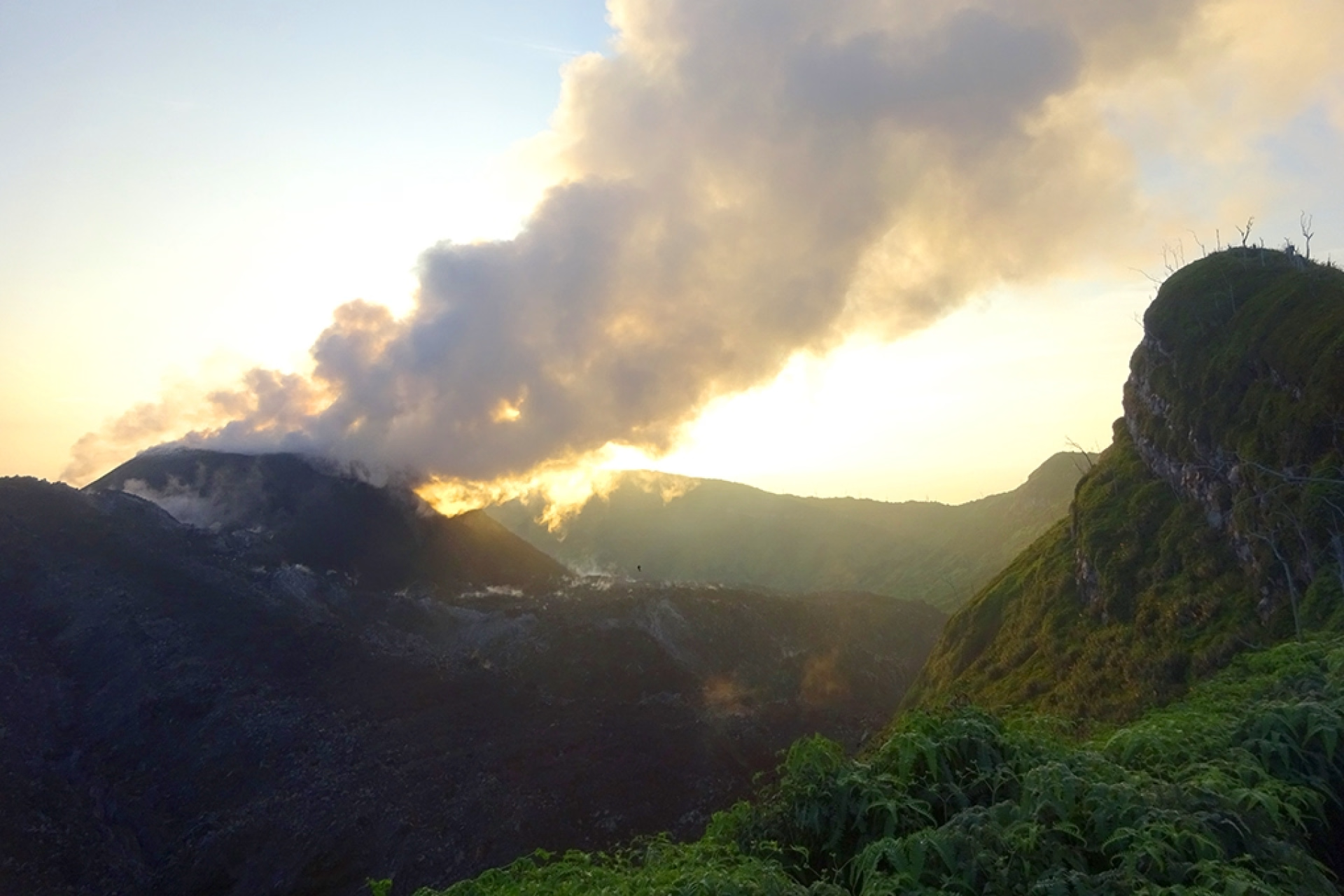
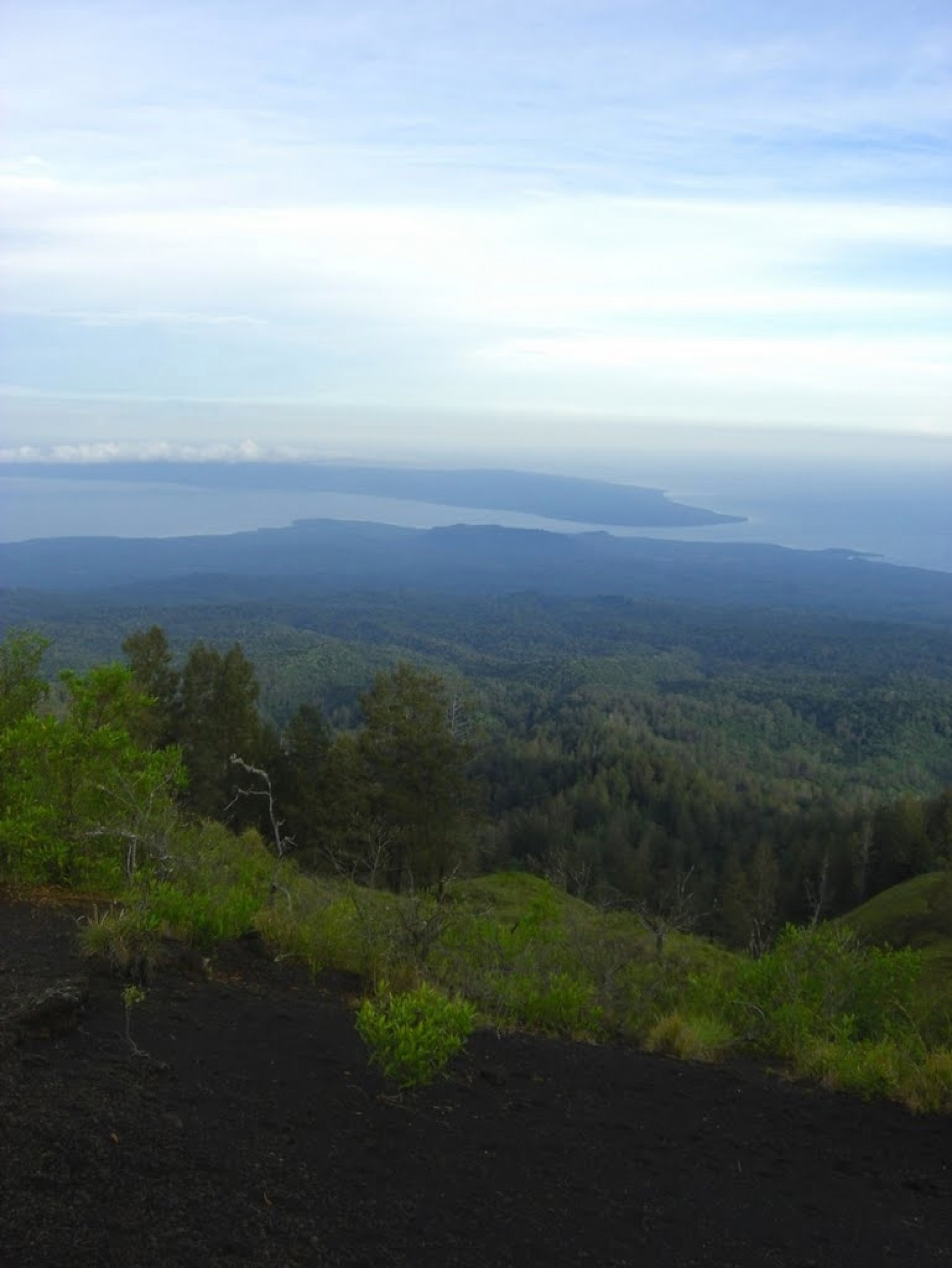
Around 3:00 a.m., you resume your ascent towards the summit of the volcano. The trail emerges on the western flank of the crater, at an altitude of approximately 1,250 meters, offering spectacular views of its vast amphitheater of black rock. Following the ridge, you reach a superb viewpoint (1,315 meters) overlooking the west coast and Mount Gamkonora. The panoramas are breathtaking, as is the active cone, which emits immense plumes of smoke with a steady rumble, accompanied by ashfall on the forest. At night, the scene is illuminated by a mesmerizing orange glow with each breath of the volcano. The crater rim has two high points, to the west and east, but hikers stop at the viewpoint, as the summit is not accessible by trail. After some time to observe the view, you descend back to camp in the late morning, and then to the base of the volcano. In the afternoon, a stop at the nearby waterfalls allows you to cool off before heading to Tobelo for the night.
Day 5 -
Relaxing by the sea
- Transportation Car - 02h - 30km
- Accommodation 2-star hotel
- Breakfast included
- Lunch included
- Dinner included
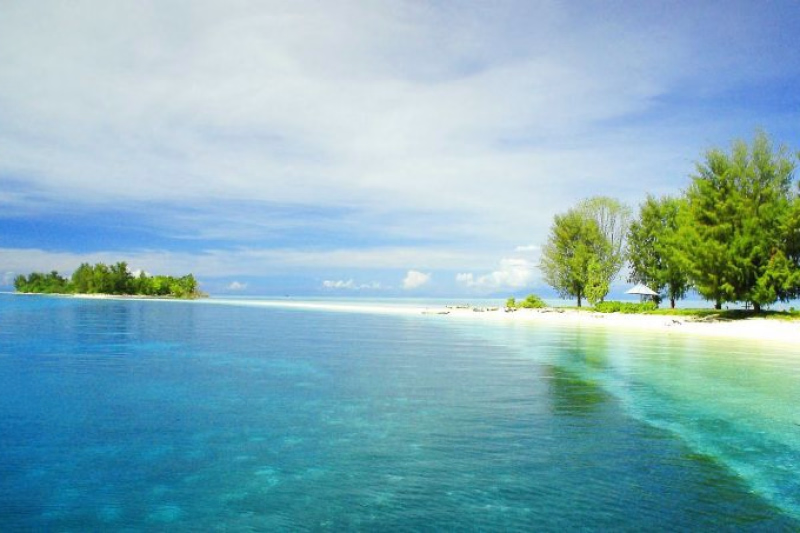
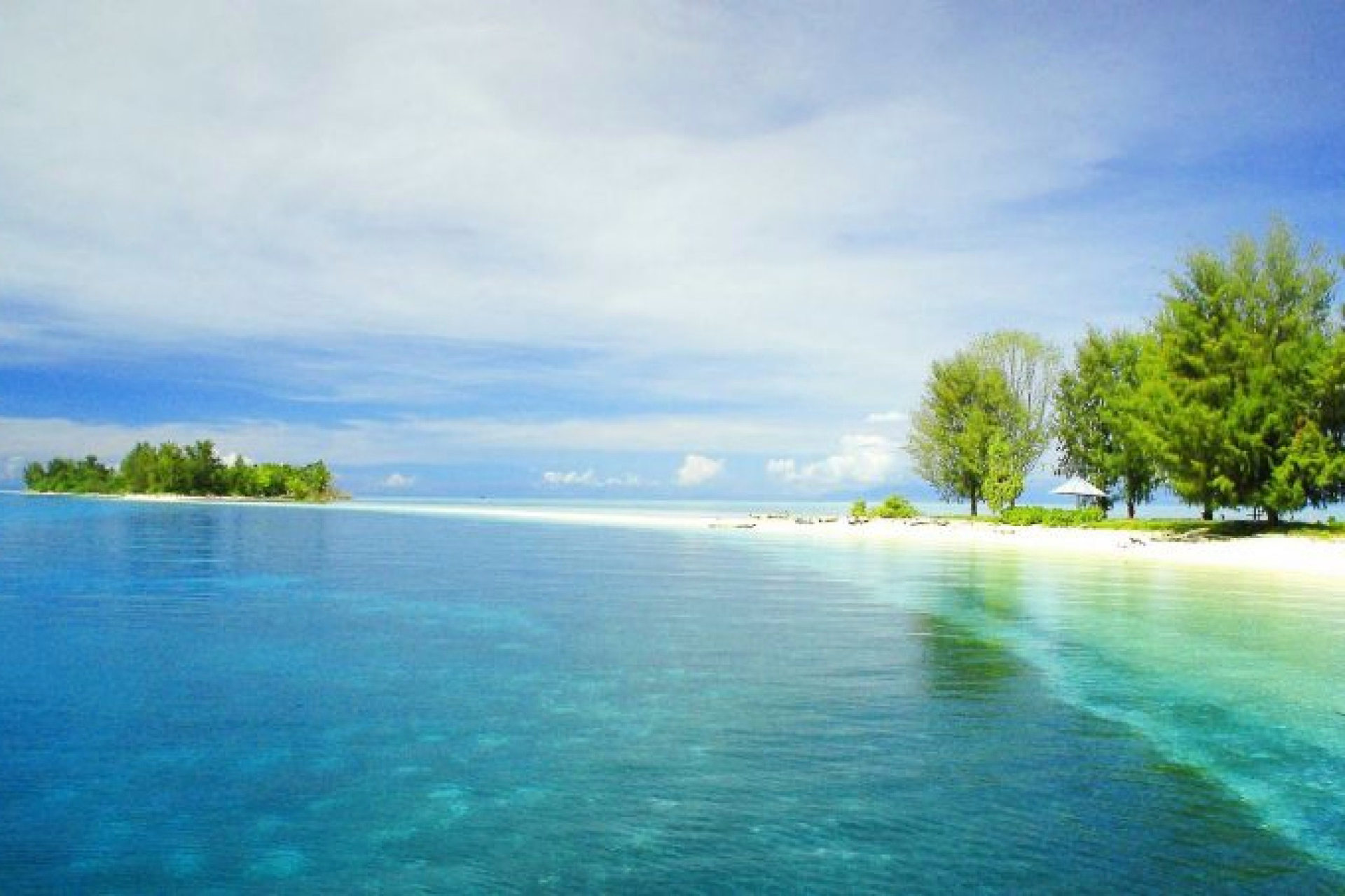
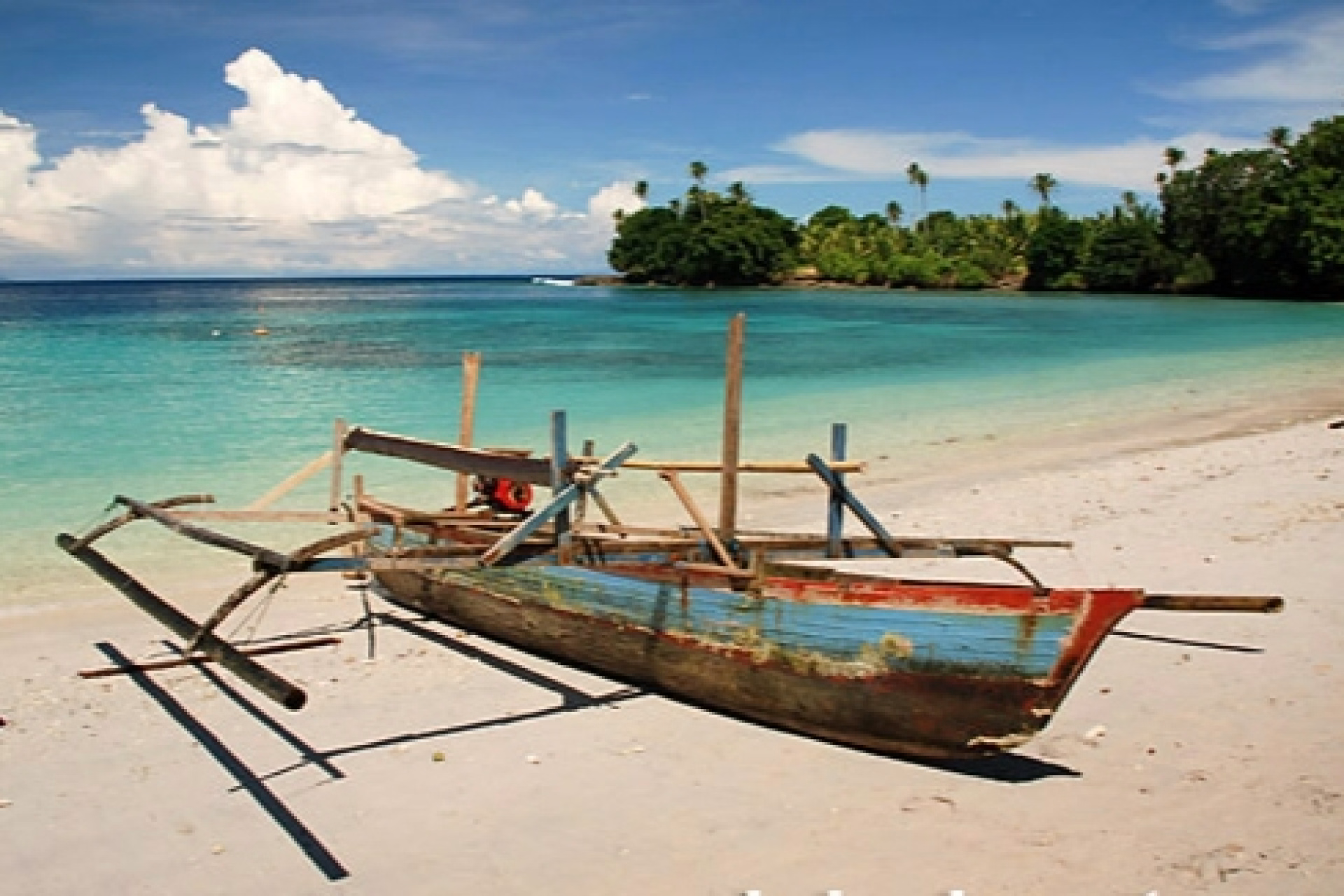
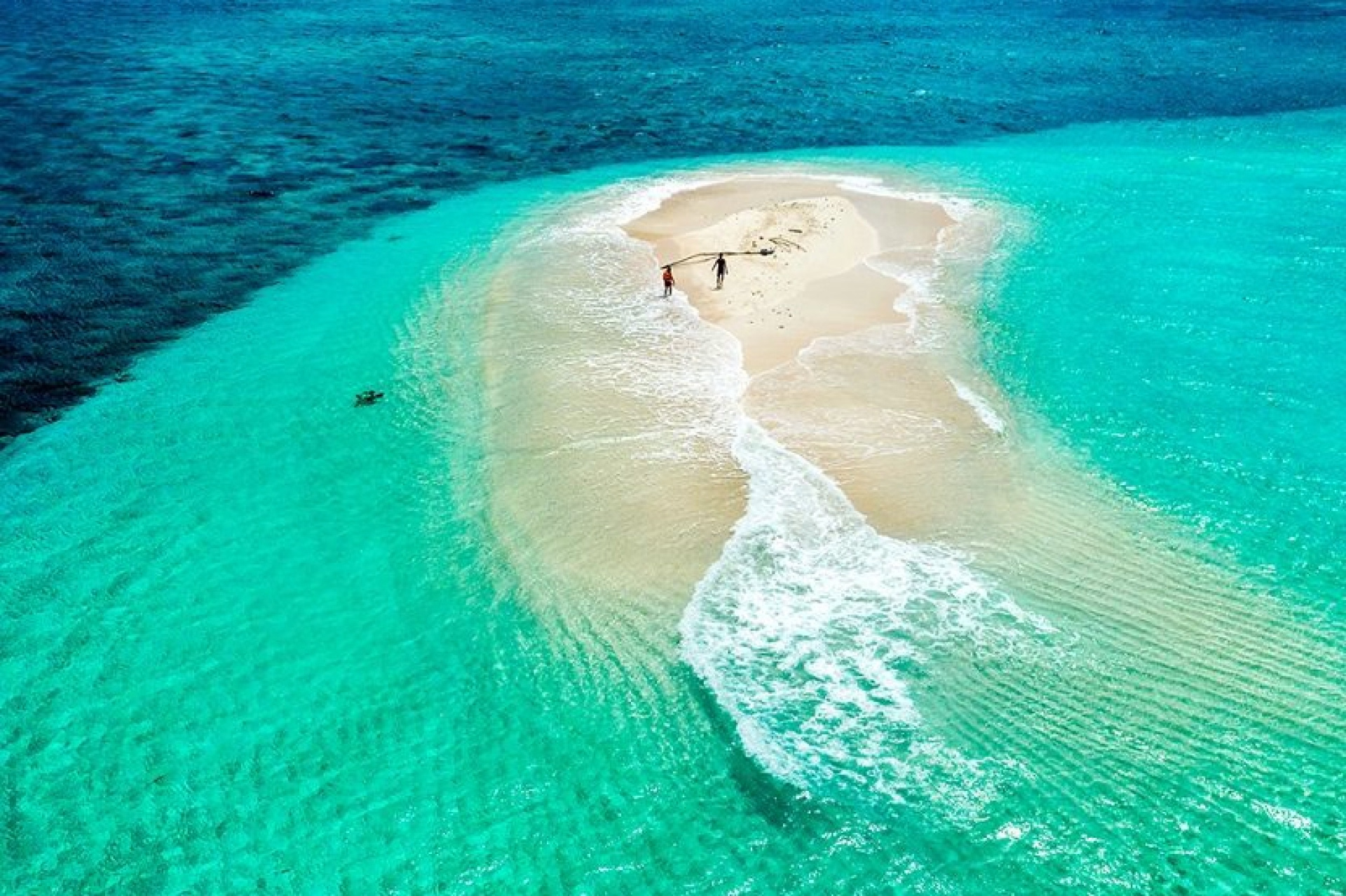
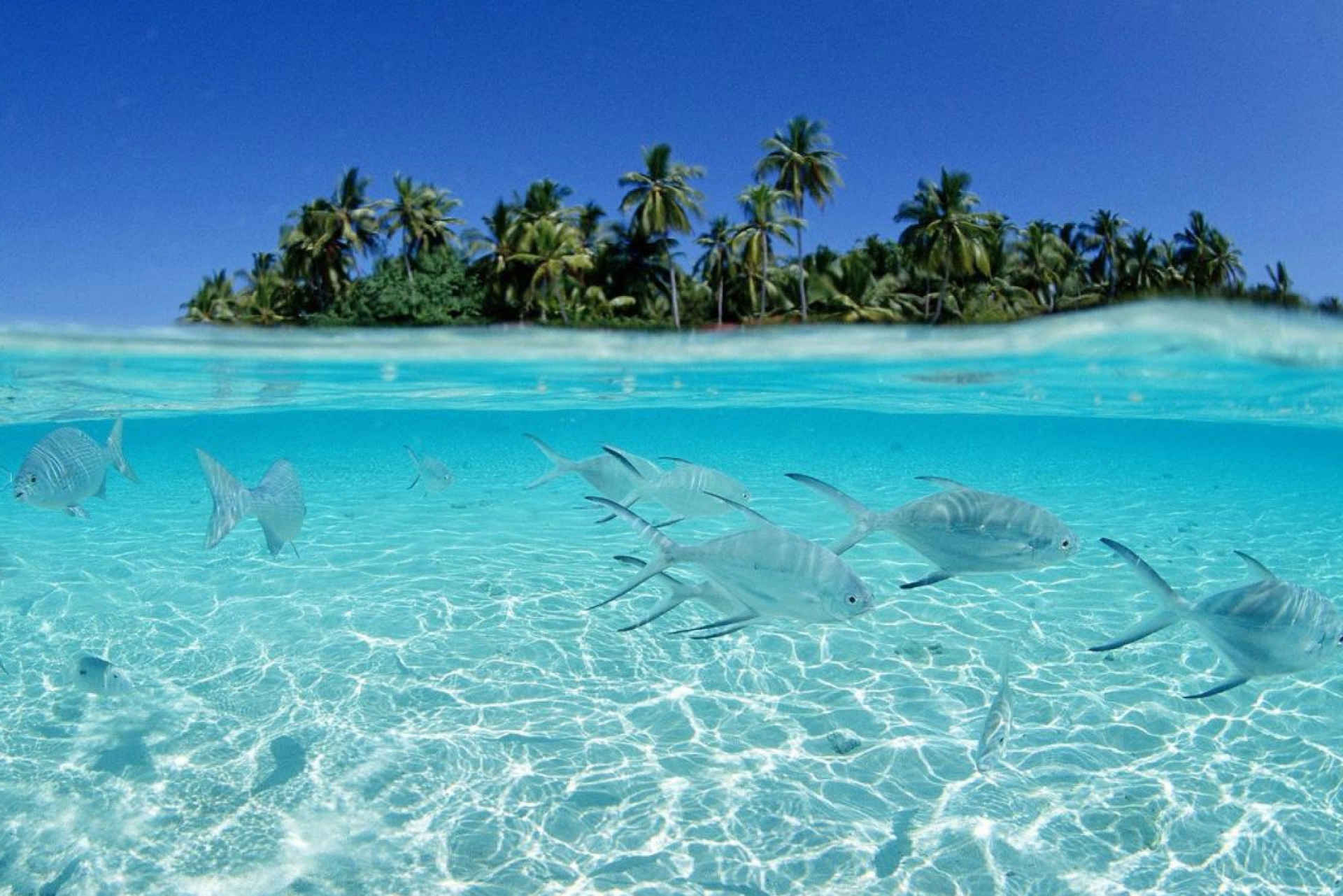
A day of relaxation and exploration: visit the Tobelo market and enjoy snorkeling (or canoeing) along the white sand beaches of Luari, Kupa Kupa, or Kumo, which offer calm, crystal-clear waters. In the afternoon, transfer to Mamuya, where you can bathe in hot springs. Return to the hotel in the late afternoon.
Day 6 -
Approaching the Dukono volcano
- Transportation Car - 02h - 35km
- Activity Trekking
- Duration of the activity 3h
- Positive elevation gain 575 m
- Exposed passages Yes
- Accommodation Bivouac / Tent
- Breakfast included
- Lunch included
- Dinner included
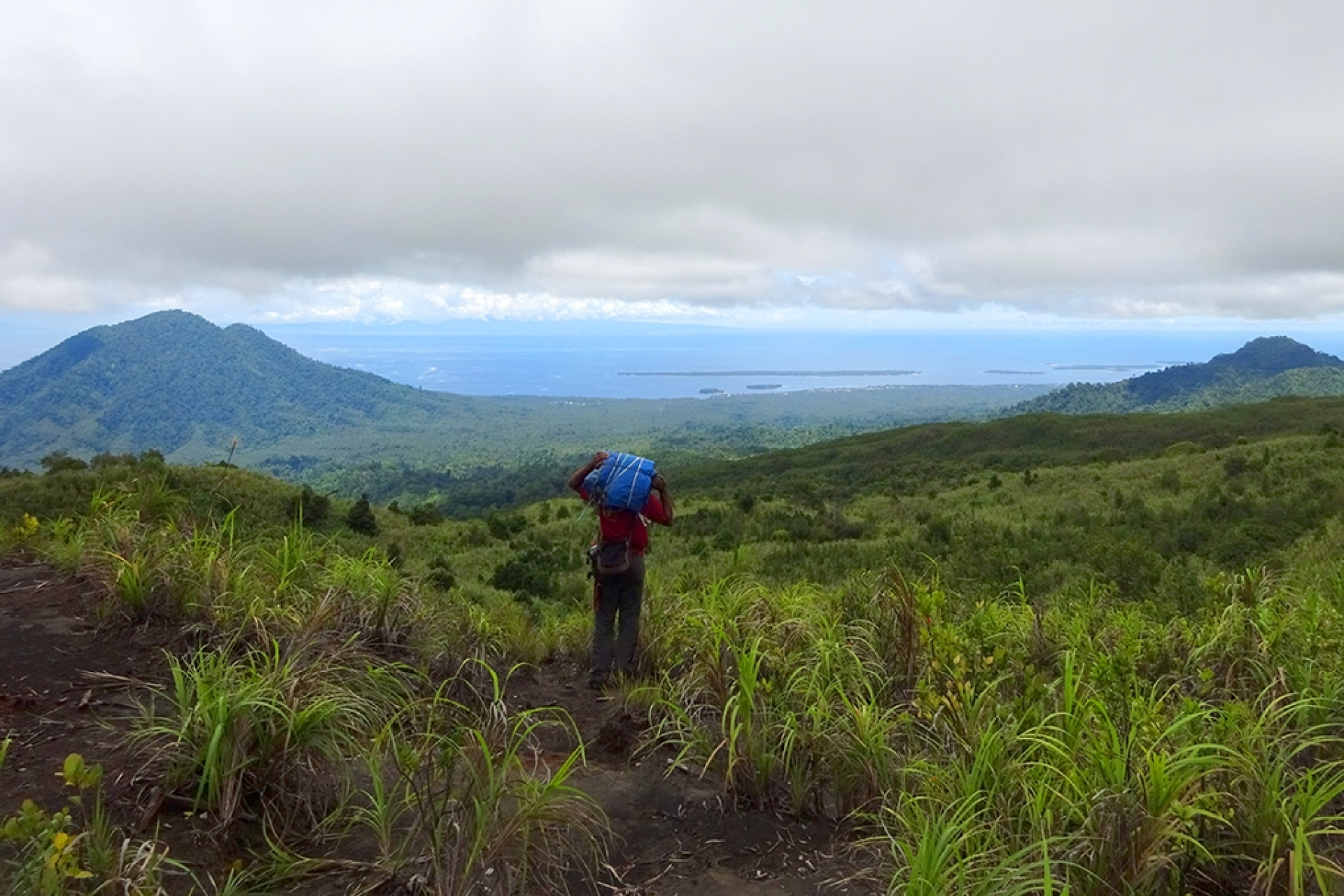
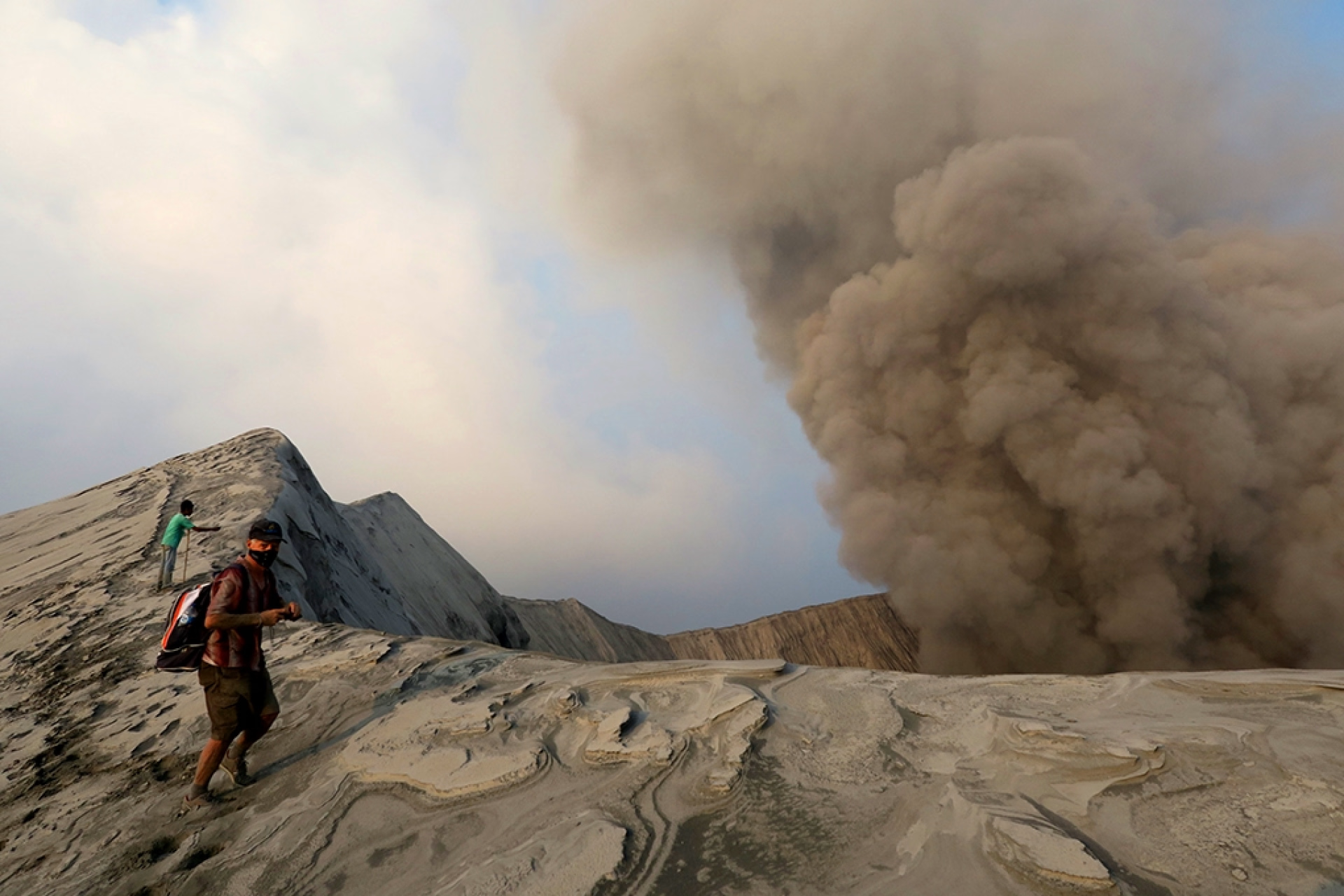
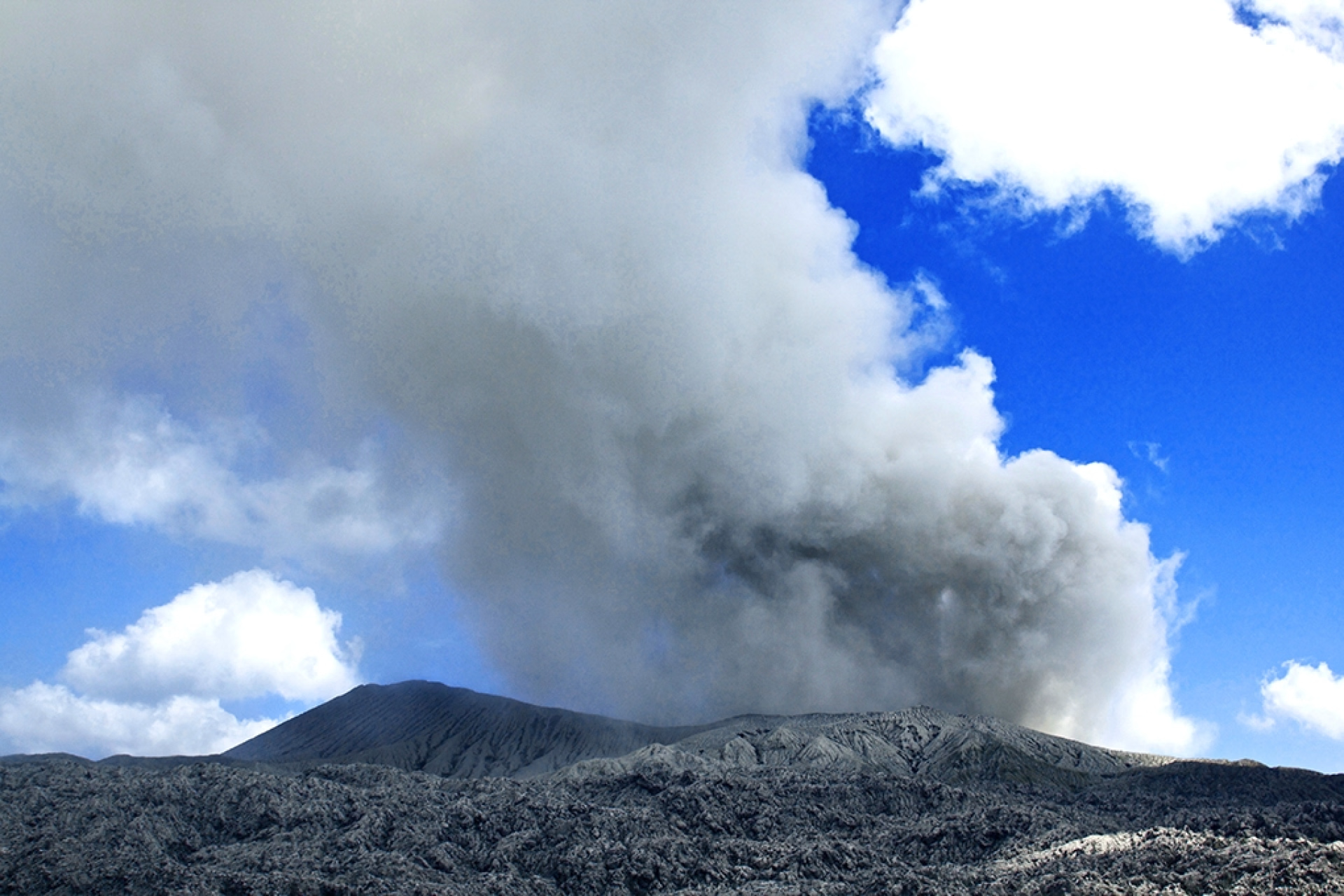
Transfer in the morning to the village of Ruko, then board a three-wheeled motorcycle which will take you, through vast coconut plantations, to the foot of the Dukono volcano. The approach hike begins at Point 2 (370 m) and follows a steady climb of approximately 3.5 km, with eight small streams or ravines to cross, notably around 647 m and 795 m where water can sometimes be found after rain. The forest zone begins around 500 m; higher up, around 800 m, it gives way to dense vegetation of sugarcane grasses. From about 838 m, the panoramas open up to Mount Mamuya (933 m) and the coast near Tobelo. You then reach the outer rim (940 m), dominated by the small Mount Dilekene and its volcanic features. Below, the Tanah Lapang, a vast plain of black volcanic sand, resembles a miniature version of the Bromo Sand Sea; crossing it offers the first glimpse of the active crater, from which plumes of ash and deep rumblings erupt. The final approach to the rim of the active crater adds approximately 1 km (1 to 1.5 hours depending on the thickness of the ash). On the other side, ancient lava flows, jagged or smooth, create a surreal landscape when covered in ash. You set up camp at the last checkpoint, at 946 m, on the crater plain, to enjoy the spectacular volcanic fireworks display at night.
Day 7 -
Impressive plumes of ash
- Transportation Car - 02h - 35km
- Activity Trekking
- Duration of the activity 6h
- Positive elevation gain 200 m
- Negative elevation 780 m
- Exposed passages Yes
- Accommodation 2-star hotel
- Breakfast included
- Lunch included
- Dinner included
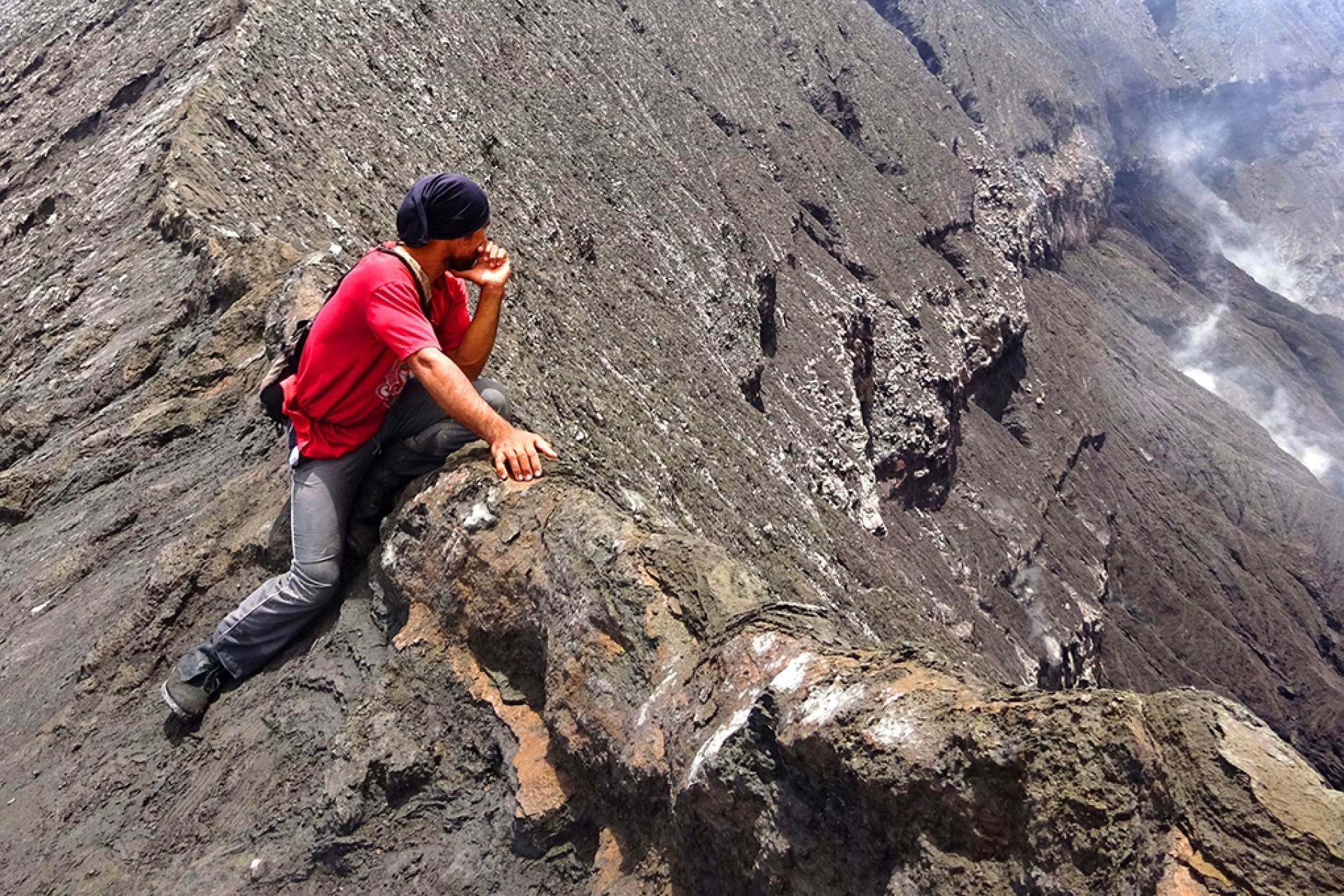
As night falls, you resume your trek towards the summit of the volcano. As you ascend, the view opens up to Mount Gogodom (1,102 m) and Mount Bale-Bale (923 m), as well as the small islands off the coast of Tobelo and, on a clear day, the large island of Morotai. You finally reach the rim of Dukono's crater, at an altitude of approximately 1,150 m. Almost circular and funnel-shaped, it measures nearly 400 m in diameter and 200 m in depth. Crawling carefully to the edge, you discover the crater's interior, both impressive and terrifying, as the vent roars and spews immense clouds of ash. The plumes rise to nearly 500 m before being carried away by the wind, each explosion preceding the subsequent deep rumble by a few seconds. This raw, fascinating, and awe-inspiring spectacle of nature offers a striking glimpse into the volcano's power. For safety reasons, climbing to the highest point of the ridge is not recommended. After about an hour of observation, you descend back to the camp and then continue to the village of Ruko, where your vehicle will be waiting to take you back to Tobelo.
Day 8 -
Remnants of the Second World War
- Transportation Ferry - 03h - 25km
- Accommodation 3-star hotel
- Breakfast included
- Lunch included
- Dinner included
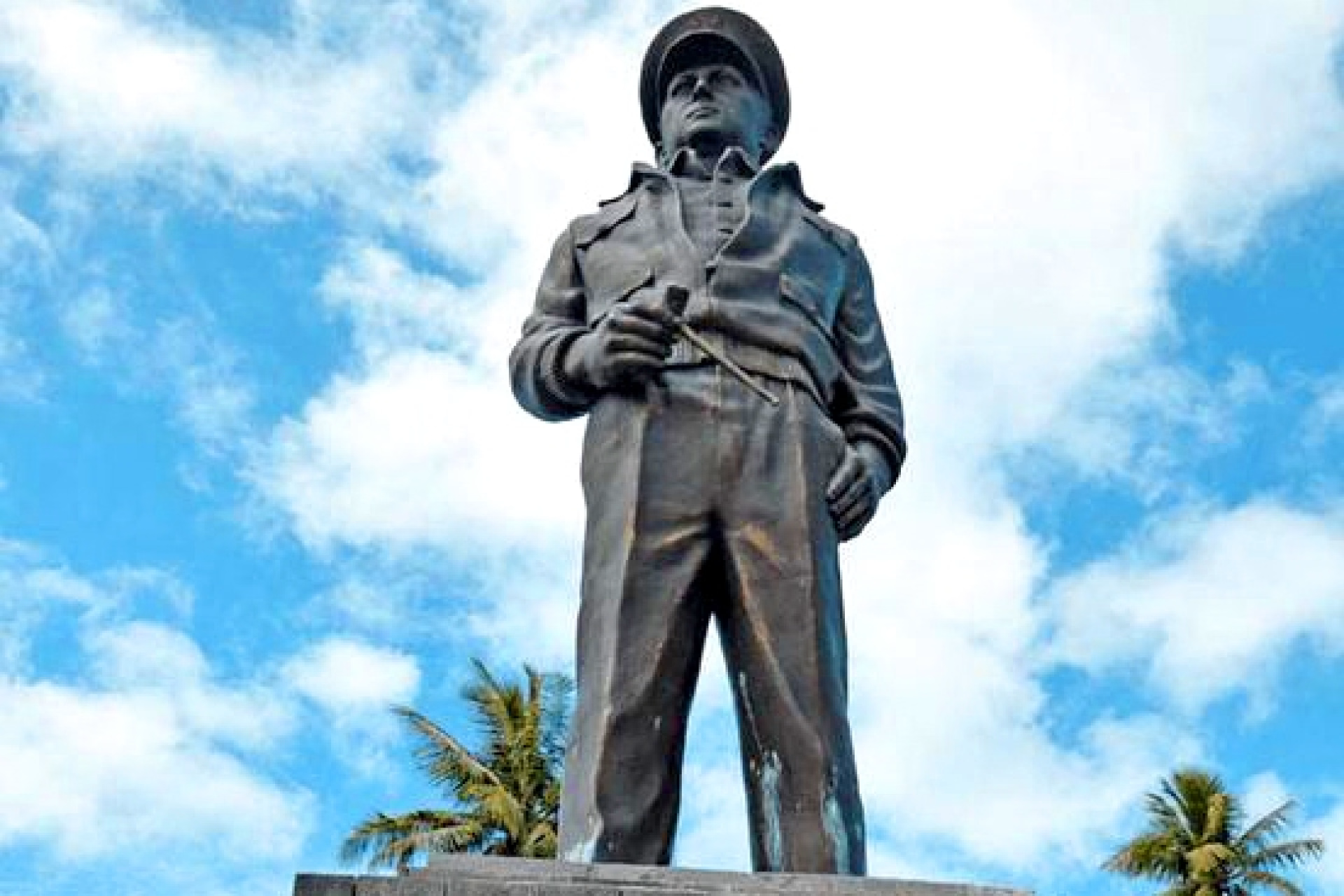
Transfer in the morning to Morotai Island. During World War II, Morotai was a Japanese airbase. American forces captured it in September 1944 and used it as a staging point for an Allied landing in the Philippines in early 1945, and in eastern Borneo in May and June of the same year. The Allies were also preparing a landing in Java for October 1945, but this was canceled with Japan's surrender on August 15. The day is dedicated to exploring the island. You will visit the World War II Museum and pay your respects at the statue of the last surviving combatant. You will also get close to the stunning Raja Falls, among other attractions, and end with a magnificent sunset along D'Loha Beach.
Day 9 -
Rest in paradise
- Activity Snorkeling
- Duration of the activity 4h
- Accommodation 3-star hotel
- Breakfast included
- Lunch included
- Dinner included
The day is dedicated to discovering the surrounding paradise islands (Sum Sum and Dodola in particular), which offer extraordinary snorkeling spots.
Day 10 -
Back to Ternate
- Transportation Ferry - 06h - 100km
- Accommodation 3-star hotel
- Breakfast included
- Lunch not included
- Dinner included
Transfer day to Tobelo, then Sofifi, and finally Ternate.
Day 11 -
See you very soon in the Moluccas!
- Transportation Car - 00h30 - 15km
- Breakfast included
- Lunch not included
- Dinner not included
Free time until transfer to the airport. End of services.
Day 12
Accommodation
Access
You will be met at Ternate (Sultan Babullah) airport by your English-speaking guide. Return transfer is also included.
Go to the starting point
Price details
The price includes
- English-speaking guide and team of porter(s)
- Ground transfers in private, air-conditioned vehicles
- Full board accommodation
- Site entrance fees, trekking permits & donations
- Camping equipment
- Mineral water and energy supplements during walking days
The price does not include
- International & Domestic Air
- Insurance & assistance
- Visas and any airport taxes
- Drinks, personal expenses & tips
- Anything not mentioned in "Inclusions"
Options
- Flex fare and insurance
Practical information
Specific formalities
Specifics
• Visa on arrival (VOA - 30 days renewable):
○ Price: 500,000 IDR (+500,000 IDR for the 30-day extension).
○ To be obtained directly at the airport upon arrival.
○ Requires a passport valid for at least 6 months after the date of entry and a ticket to leave the territory.
○ Allow 1 hour for the protocol.
• Online visa (30-day e-visa):
○ Available on the official website: https://evisa.imigrasi.go.id/
○ Allows entry into Indonesian territory within 90 days of obtaining it.
○ Allows you to avoid the queue for purchasing the visa at the airport.
○ Upon arrival, you will go through the automatic gates (follow the E-visa/Evoa signs) by directly scanning your passport.
○ A confirmation email will be sent to you once the visa is activated.
Health and Vaccines
• Health advice: We are not doctors, it is recommended to consult a healthcare professional for appropriate recommendations.
• Health form: To be completed in advance online or on site by scanning the QR code.
Payment and Withdrawals
• Credit cards accepted almost everywhere (Indonesia is part of the G20).
• ATMs available in all major cities.
• Bring cash for warungs and small shops.
Equipment
Equipment provided on site
- Camping equipment
Equipment to bring
- 20-30L backpack for trekking (with rain cover)
- Waterproof bag or pouches (protects passport, money, electronics from moisture)
- Headlamp (for night climbing + spare batteries)
- Water bottle or hydration pack (minimum 1.5L)
- Hiking poles (optional but useful for steep descents)
- Category 3/4 sunglasses
- Cap or hat for the sun
- High protection sunscreen (SPF 50)
- Tropical mosquito repellent (DEET or equivalent)
- Small first aid kit (mosquito repellent, plasters, disinfectant, personal medication, motion sickness tablets)
- Wipes / hand sanitizer
- Camera or smartphone + external battery
- Type C/F electrical plug adapter (as in France, but sometimes a power strip is useful)
Clothing to bring
For everyday life (city, beach, sightseeing):
- Lightweight and breathable T-shirts (technical fabrics or fine cotton)
- Lightweight linen or cotton shorts/trousers
- Dresses or flowing outfits suitable for the heat
- Swimsuit(s)
- Lightweight long-sleeved shirt (protects from sun and mosquitoes)
- Pareo or scarf (practical for temples, the beach, or as a light blanket)
- Sandals or flip-flops (for resting after the trek and for everyday use)
For the volcano trek:
- Windproof and waterproof jacket
- Warm fleece or light down jacket (at the summit, the temperature can drop to 0–5°C)
- Thermal base layers (technical long-sleeved t-shirt + lightweight leggings if trekking at night)
- Breathable and comfortable hiking pants
- Hiking socks (anti-blister, breathable)
- Hat or headband + light gloves (it can get cold at the summit, especially at night)
- Buff or scarf to protect against wind or volcanic dust
Shoes
- Suitable footwear: low-cut with a solid sole.
- Volcanic terrain: wear shoes with good grip. Test before departure.