Trekking and encounters, from the Omo Valley to the Bale Mountains
In summary
-
Sports
-
Duration15 days
-
LevelConfirmed
-
DestinationAfrica / Ethiopia
-
AgeFrom the age of 18
-
CO₂-Emissions3441.48 kg CO2
-
Type of stayIn a group
-
Languages
 French
In a few words
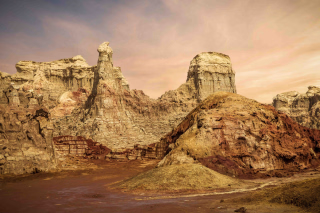
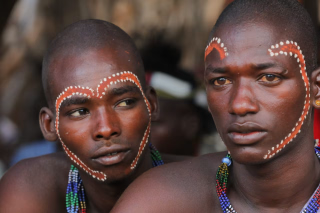
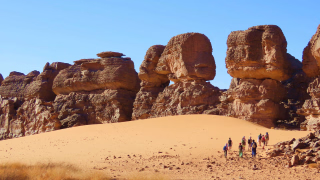
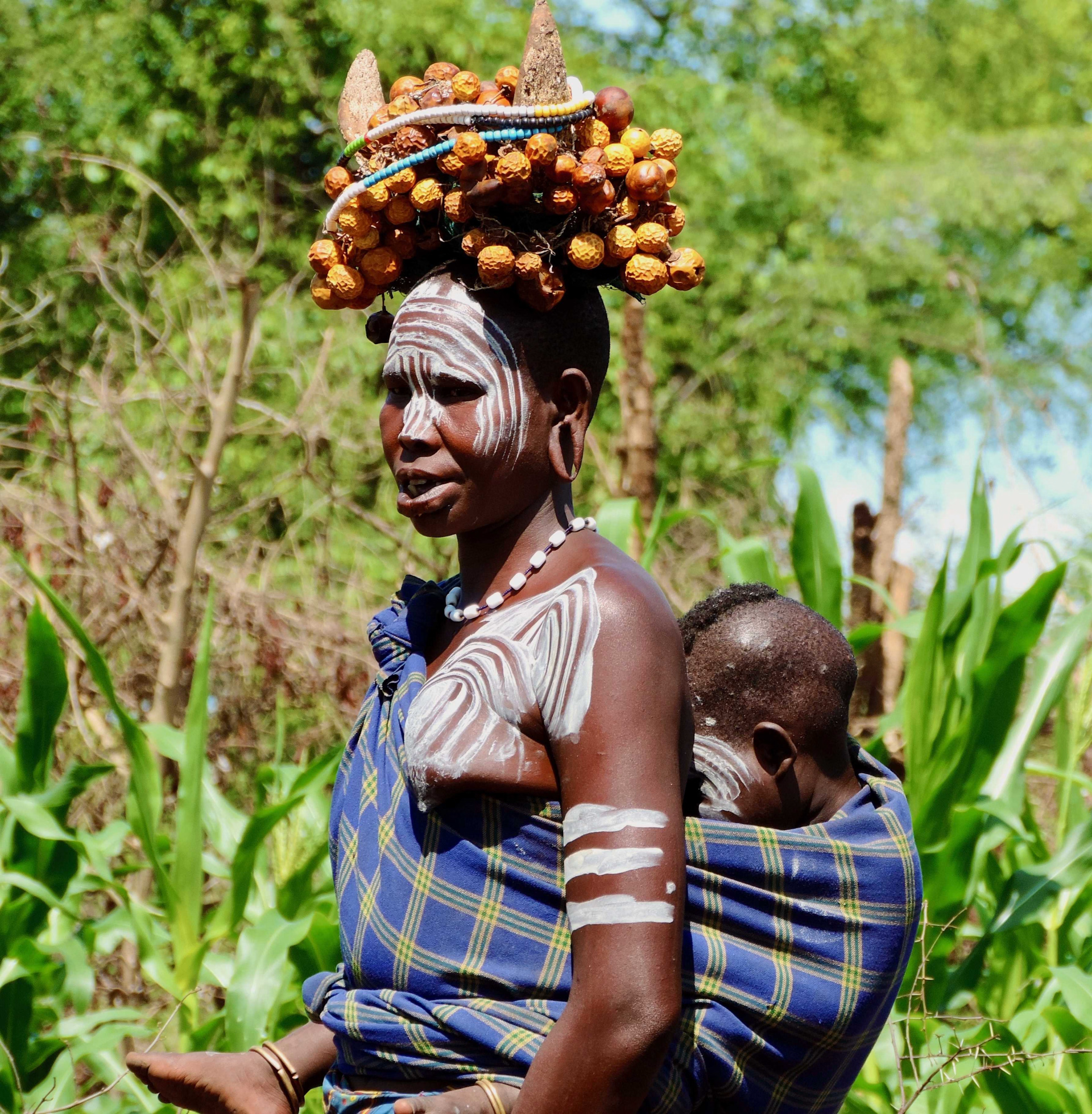
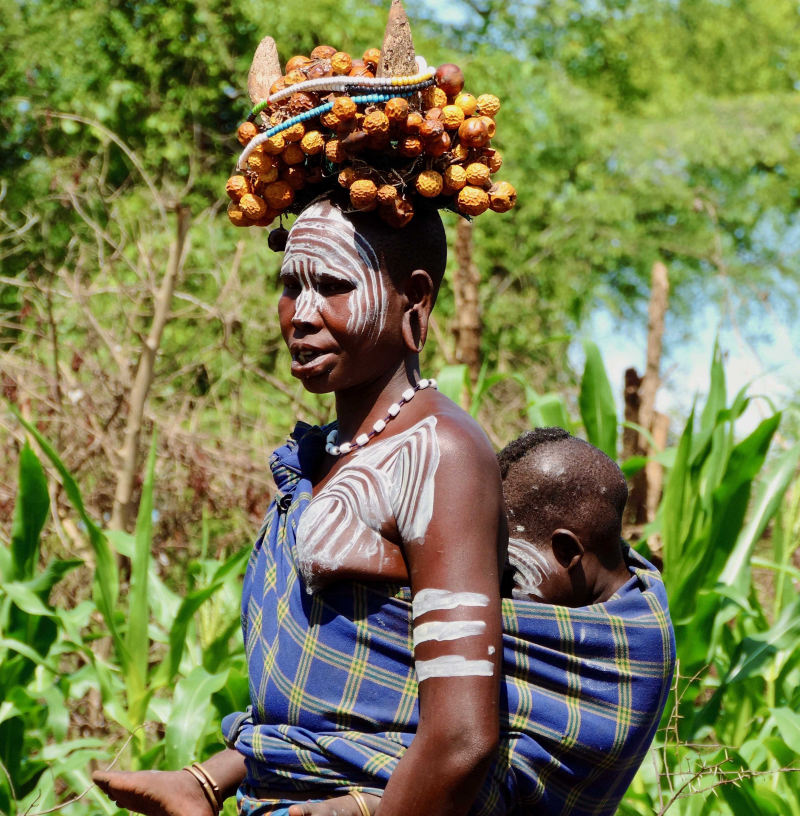
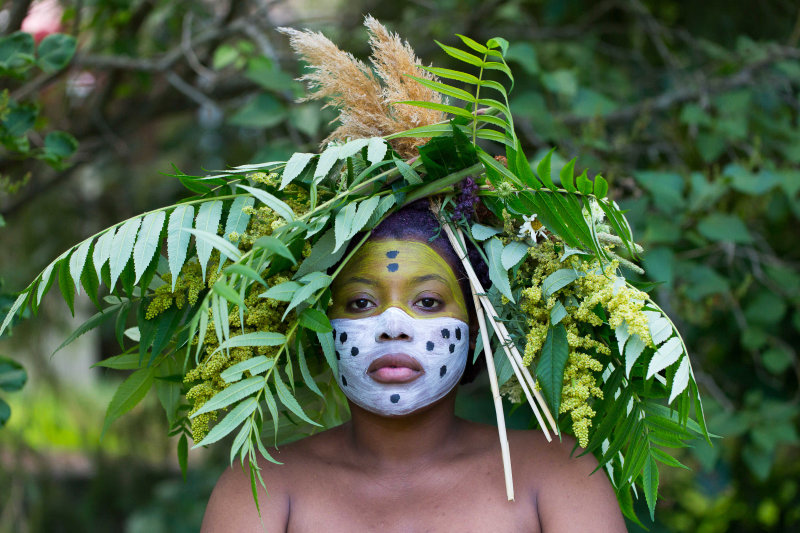
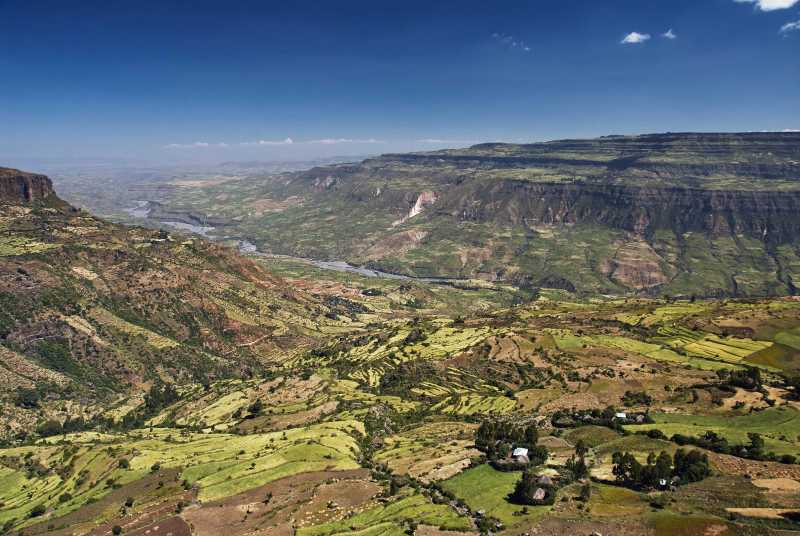
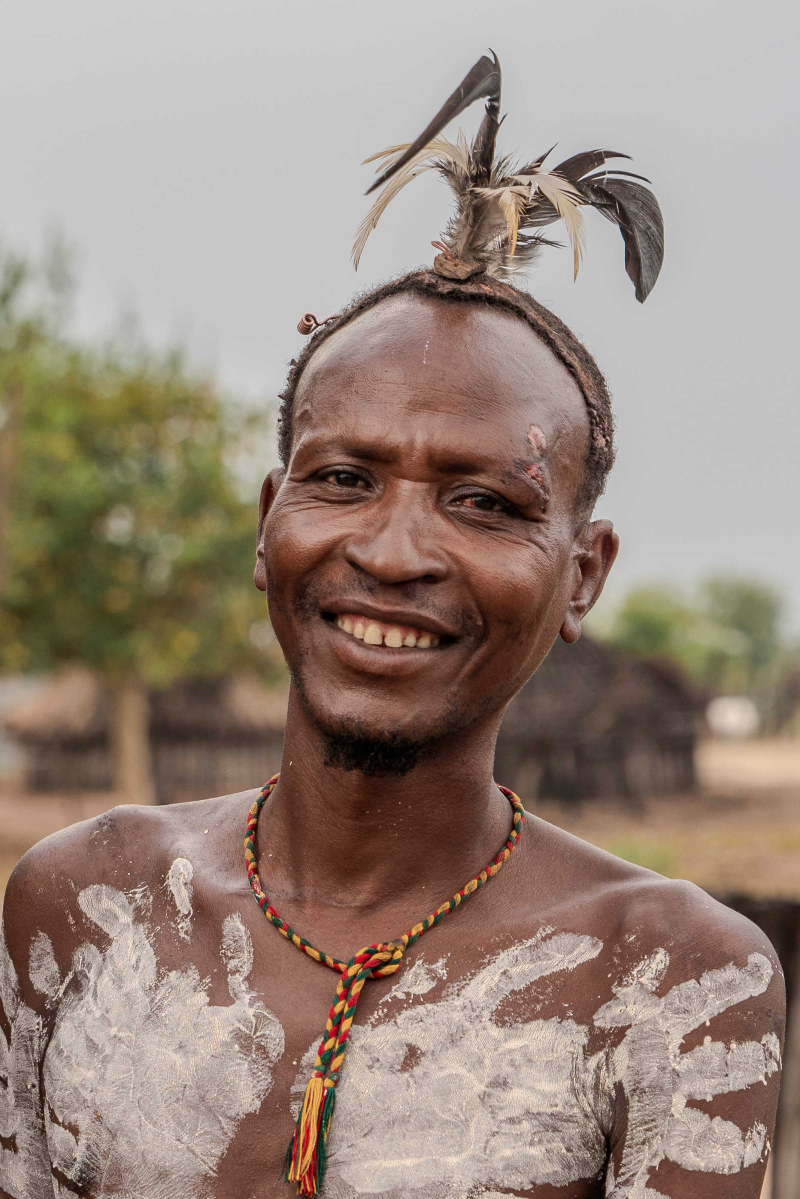
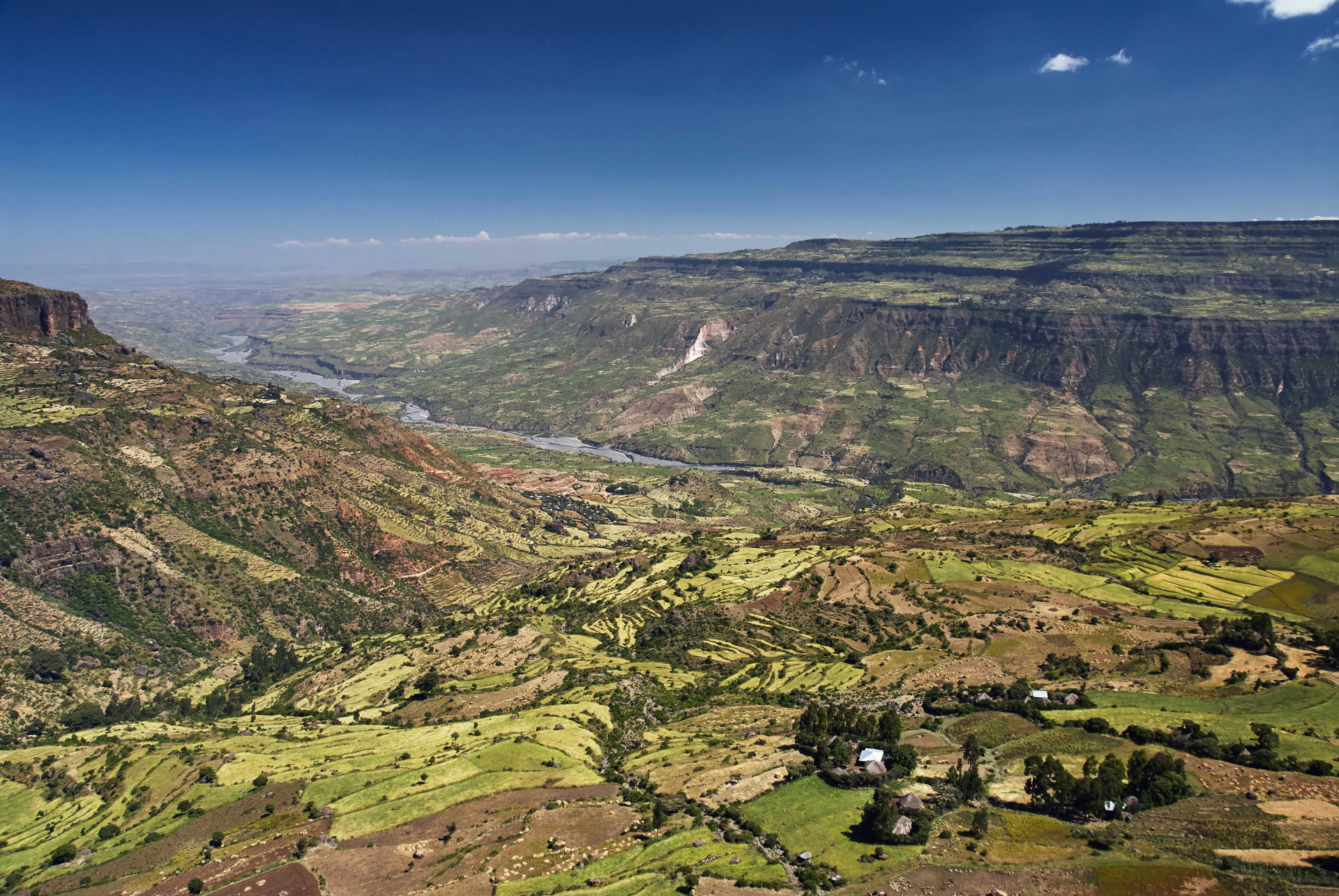
Immerse yourself in the heart of southern Ethiopia , a land of striking contrasts. Your exploration begins in the Omo Valley , a true anthropological sanctuary. Wandering through its bustling markets, you'll encounter communities with ancient traditions, such as the Hammer, Tsemai, and Bena ethnic groups. The adventure continues with a journey combining hiking and boating on the Rift Valley lakes , offering spectacular panoramas and a complete escape from the everyday.
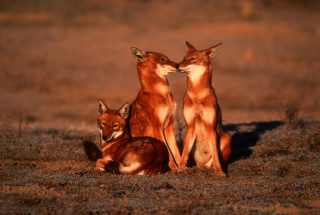
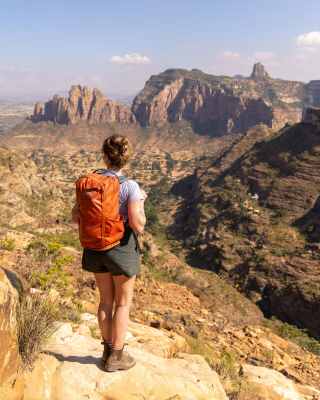
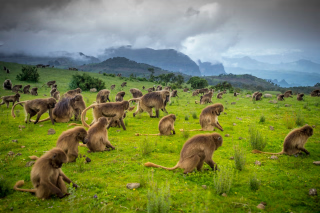
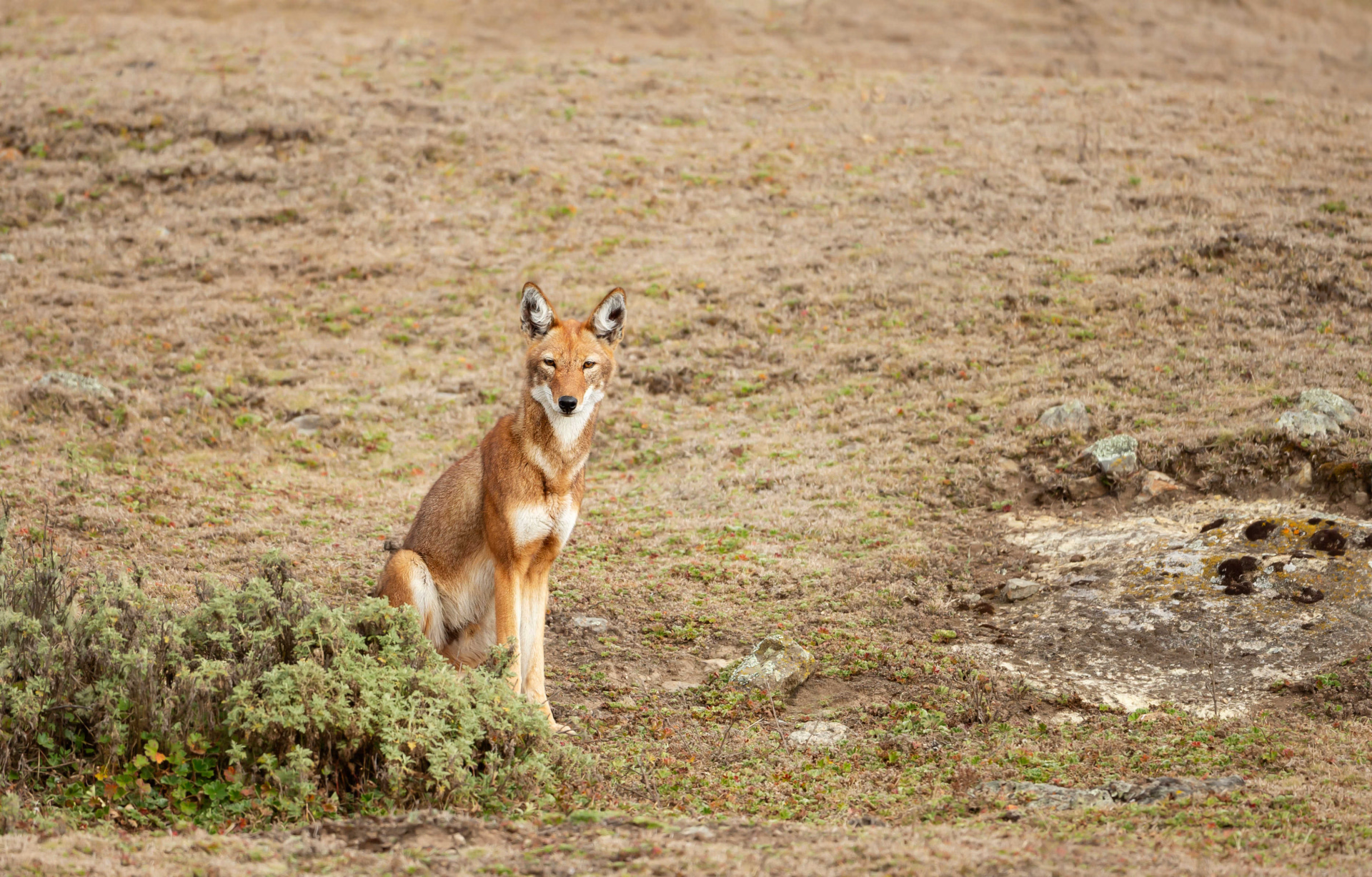
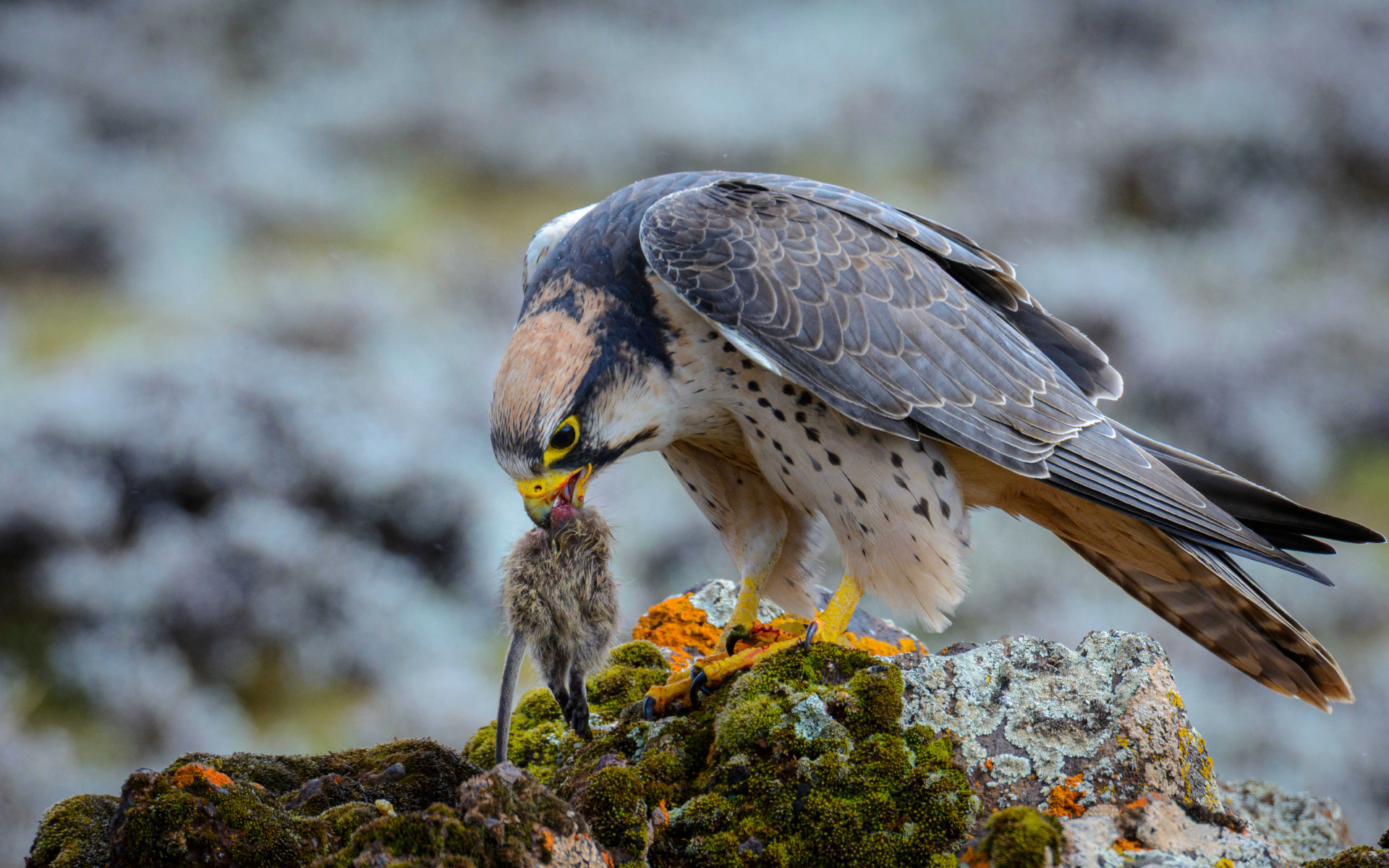
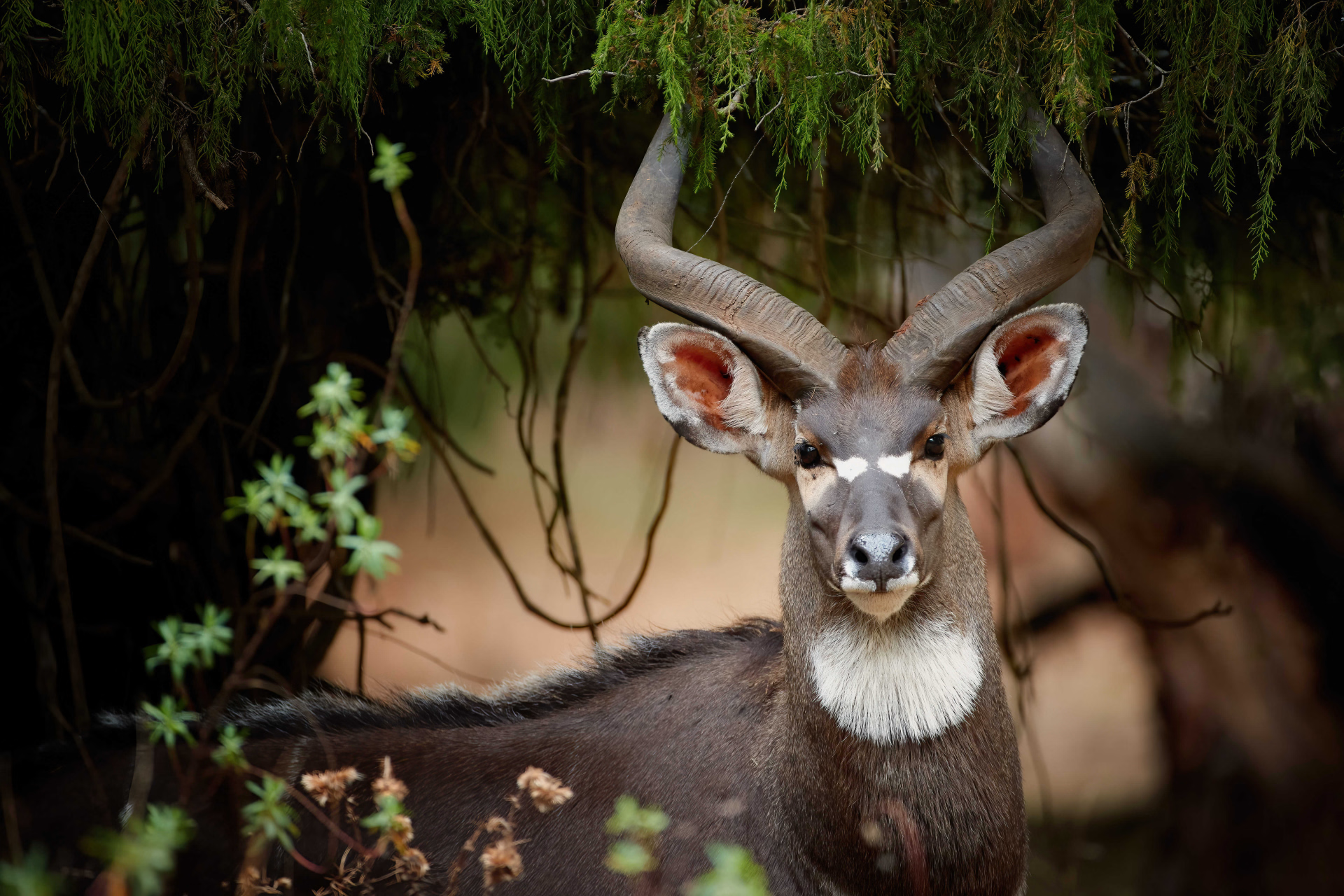
The journey then ascends to higher altitudes for a second phase resolutely focused on nature. You embark on a five-day trek through the magnificent landscapes of the Bale Mountains . This exclusive route, in the heart of a preserved biodiversity, offers the chance to observe exceptional endemic wildlife . Accompanied by local guides, you will have the opportunity to encounter the rare Ethiopian wolf , majestic nyalas, and unique birdlife. A truly wild and authentic expedition, ideal for those passionate about wide-open spaces and human connection.
The highlights
-
5-day trek through the Bale Mountains, land of the nyalas and the Ethiopian wolf
-
The ascent of Mount Tullu Dimtu, the second highest peak in Ethiopia, reaching 4377m
-
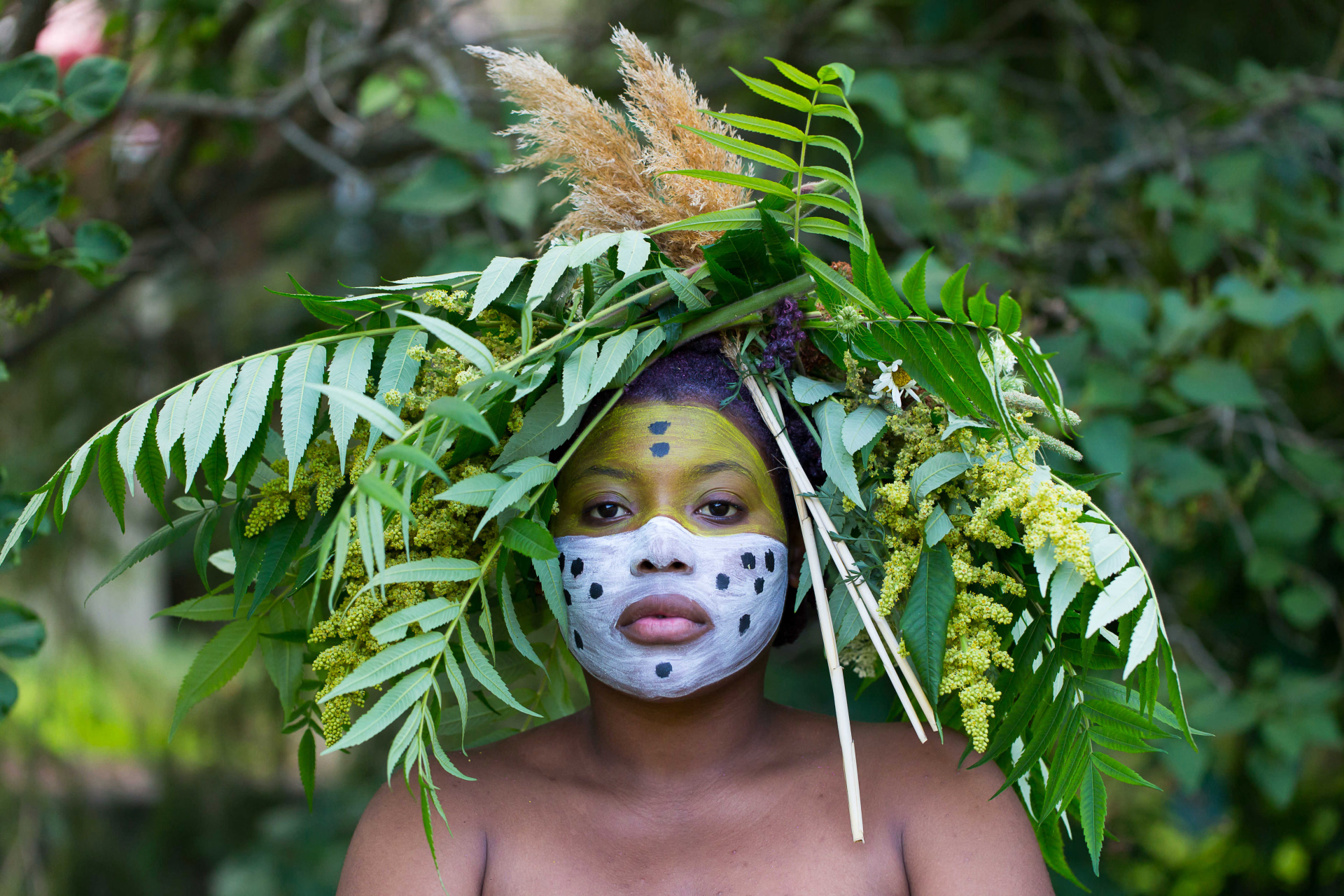
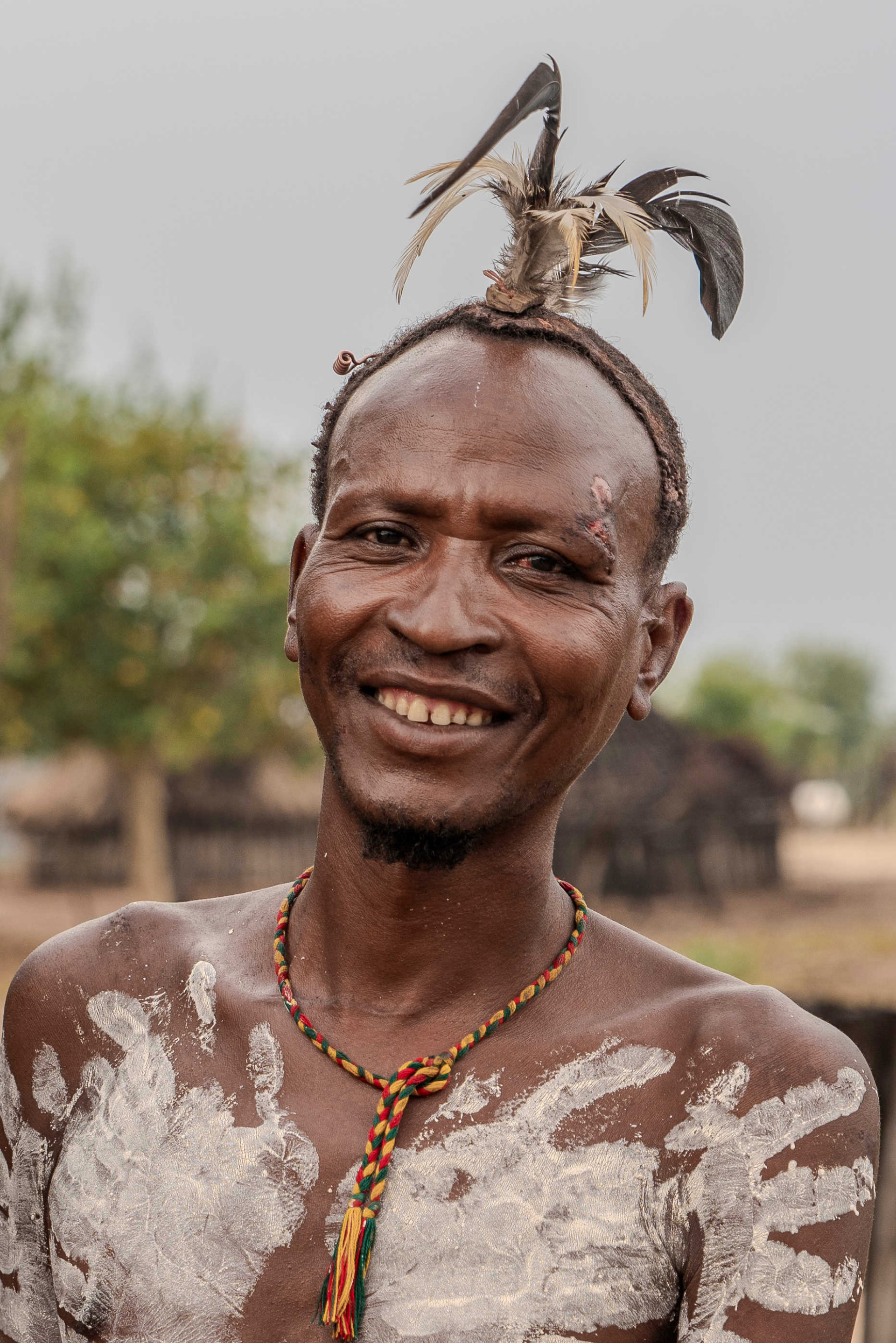
Unforgettable encounters with the ethnic groups with ancestral traditions of the Omo Valley
Photos
Sport
Level
Hiking / Trekking
In figures
Hiking
- Average duration/day: 6h
- Average daily elevation gain: 348 m
- Average daily descent: 140 m
Management
French
Upon your arrival in Addis Ababa, you will be met by your French-speaking Ethiopian tour guide (he may sometimes be refused entry to the airport. In this case, you will need to meet him at the airport exit).
He is assisted by a local team composed of:
- A local guide in the parks and during certain tours
- Driver(s) for transfers
Program
-
Flight to Ethiopia
- Transportation Plane - 07h30 - 5582km
- Breakfast not included
- Lunch not included
- Dinner not included
Night flight Paris / Addis Ababa.Day 1 -
Addis Ababa - Flight to Jinka
- Accommodation 2-star hotel
- Breakfast included
- Lunch included
- Dinner included
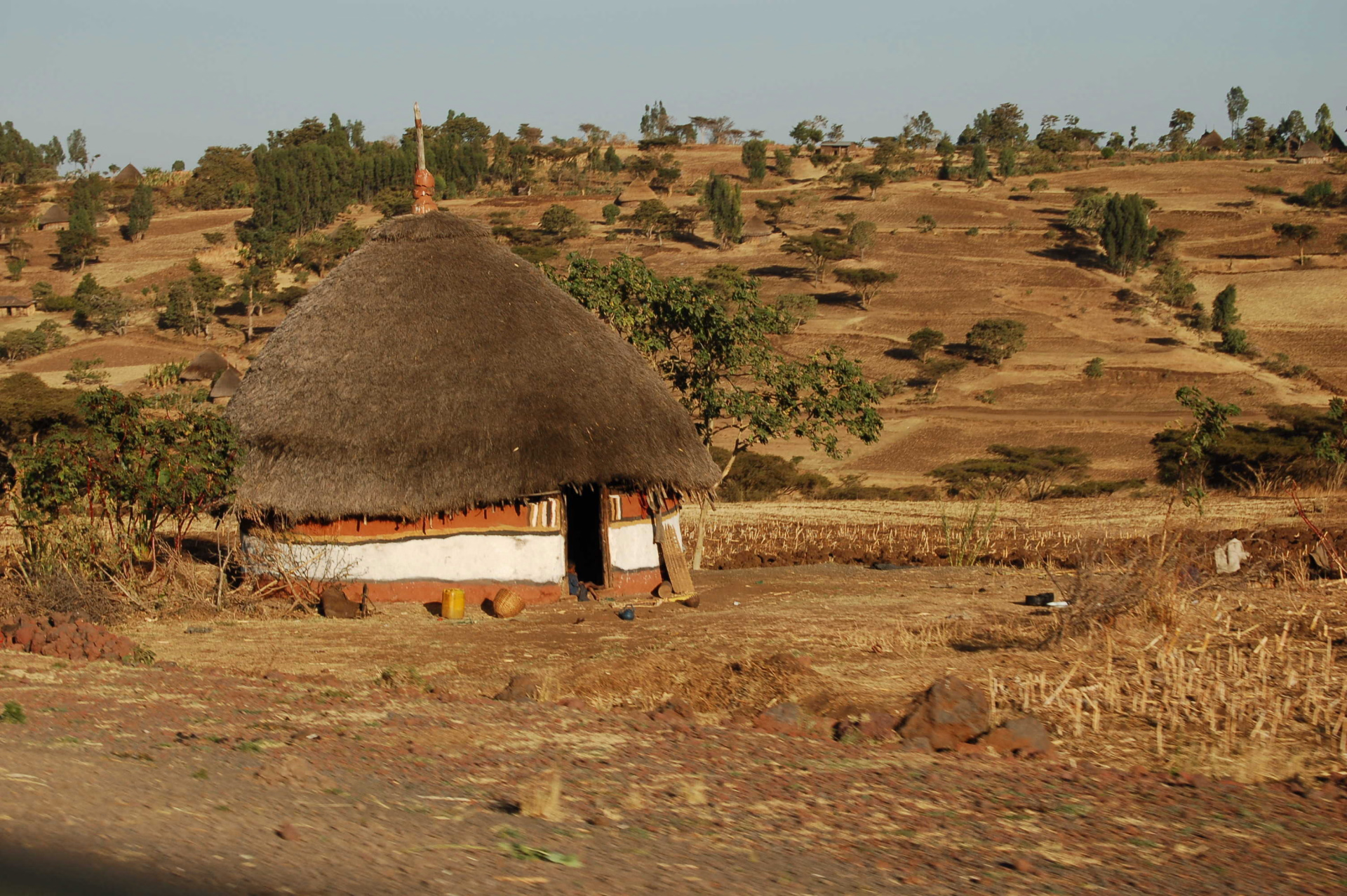
Upon arrival, we are greeted by our French-speaking Ethiopian tour guide.* Depending on the arrival time, breakfast will be served in town. Then, we fly to Jinka, the capital of the lower Omo Valley. Located in the southwestern reaches of Ethiopia, this is where numerous tribes have settled. Each has its own distinctive dwelling and body modifications for aesthetic, social, or religious purposes. In the afternoon, we visit the South Omo Ethnographic Museum, dedicated to the rites and beliefs of the region's peoples, followed by an excursion to Alga to discover the Ari, who, with their 120,000 members, represent the largest ethnic group in the Omo Valley. The Ari's thatched houses are decorated with beautiful murals. *Entry into the international arrivals area of Addis Ababa Airport is no longer permitted for those meeting passengers. After collecting your luggage, please exit the airport terminal and walk 50 meters down the trolley ramp to the parking lot and taxi rank. Stop in front of the taxis; your guide will be waiting for you there with an "Atalante" sign.Day 2 -
Jinka - Bena Village - Turmi Market - Turmi
- Transportation Minibus - 05h - 202km
- Accommodation Camping
- Breakfast included
- Lunch included
- Dinner included
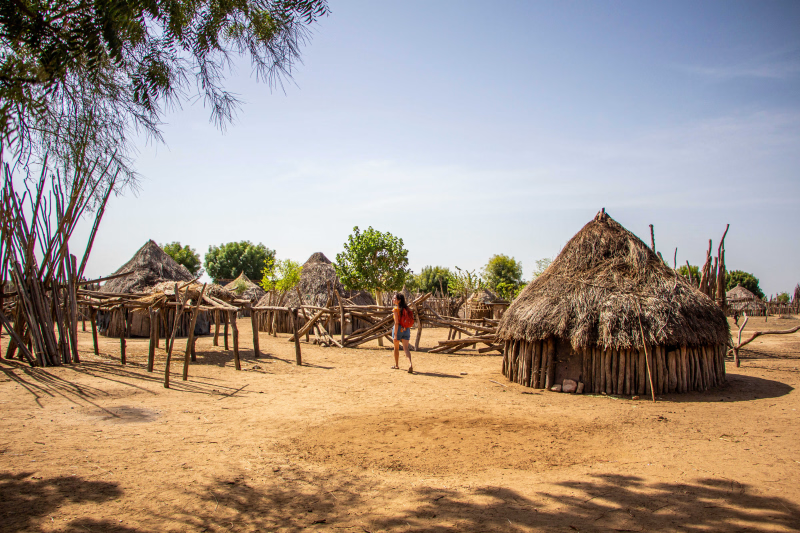
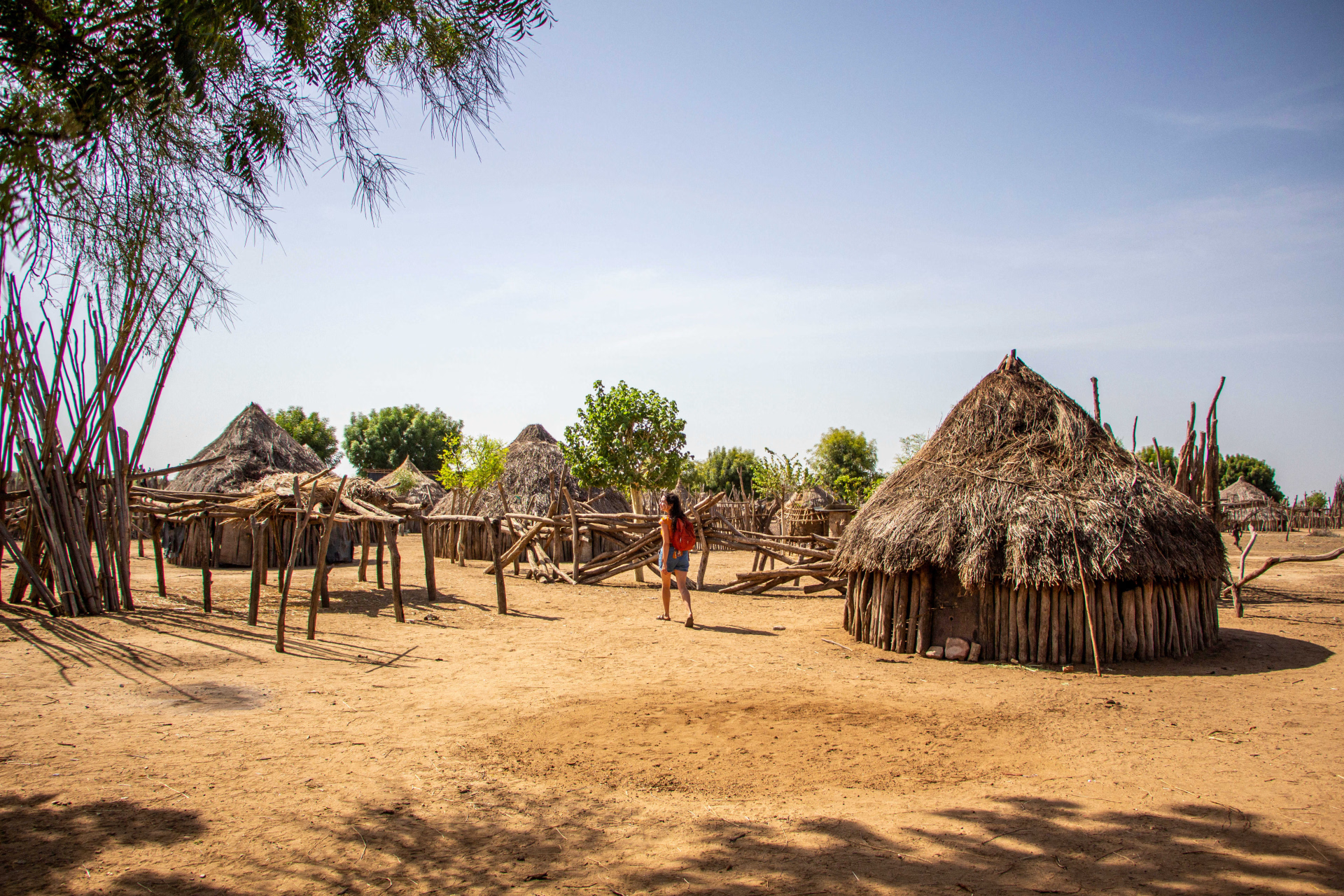
We depart from Jinka towards Turmi. We cross the lands of the Bena, a pastoral people closely related to the Hamer, famous for their beaded headdresses and feather headdresses. We visit a village and discover their ancestral social organization, as well as their circular dwellings perfectly adapted to the arid climate. The road then takes us to Turmi, where the large Monday market is held, a true social and economic hub. The Hamer gather there to trade honey, livestock, and handicrafts.Day 3 -
Omo Delta - Karo Village - Hammer Village
- Transportation Minibus - 04h - 198km
- Accommodation Camping
- Breakfast included
- Lunch included
- Dinner included
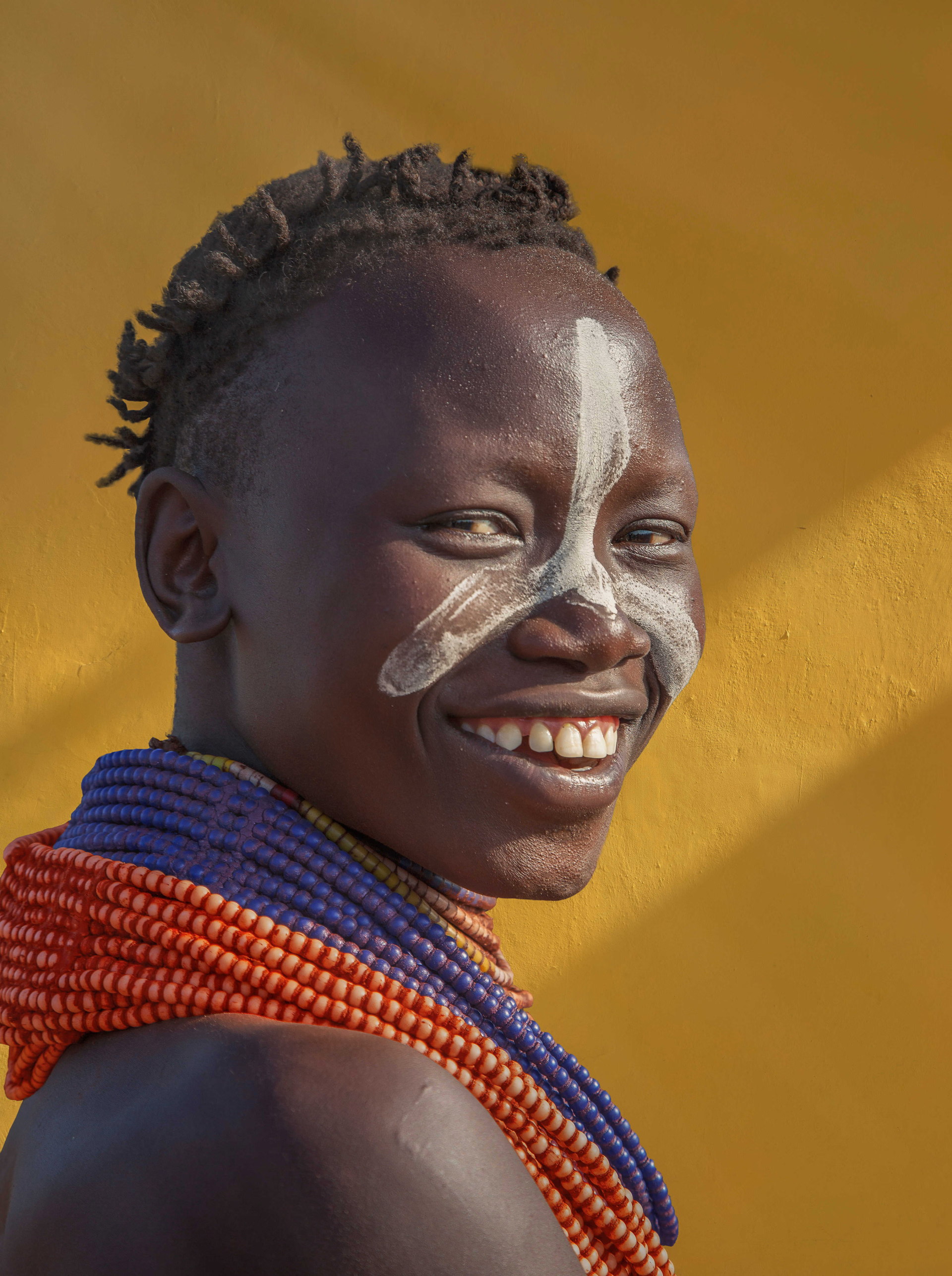
This morning, we set off to meet the Karo tribe, one of the most endangered tribes as their culture is disappearing. The region is incredibly wild, and the landscapes and views of the Omo River are magnificent. The Karo are farmers (growing cereals, cotton, and sugarcane) who also raise cattle. They are masters of body decoration, especially during festivals. They use chalk to imitate the speckled plumage of the guinea fowl. They are also very inventive in making their jewelry, crafting it from whatever they can find! We then return to Turmi. The afternoon is dedicated to meeting the Hammer people. The Hammer are semi-nomadic pastoralists who live by raising livestock and cultivating sorghum, millet, tobacco, and cotton. It is sometimes possible to witness ceremonies such as the Oukouli (a rite of passage into adulthood for adolescents).Day 4 -
Turmi - Konso – Arba Mintch
- Transportation Minibus - 06h - 197km
- Accommodation Lodge
- Breakfast included
- Lunch included
- Dinner included
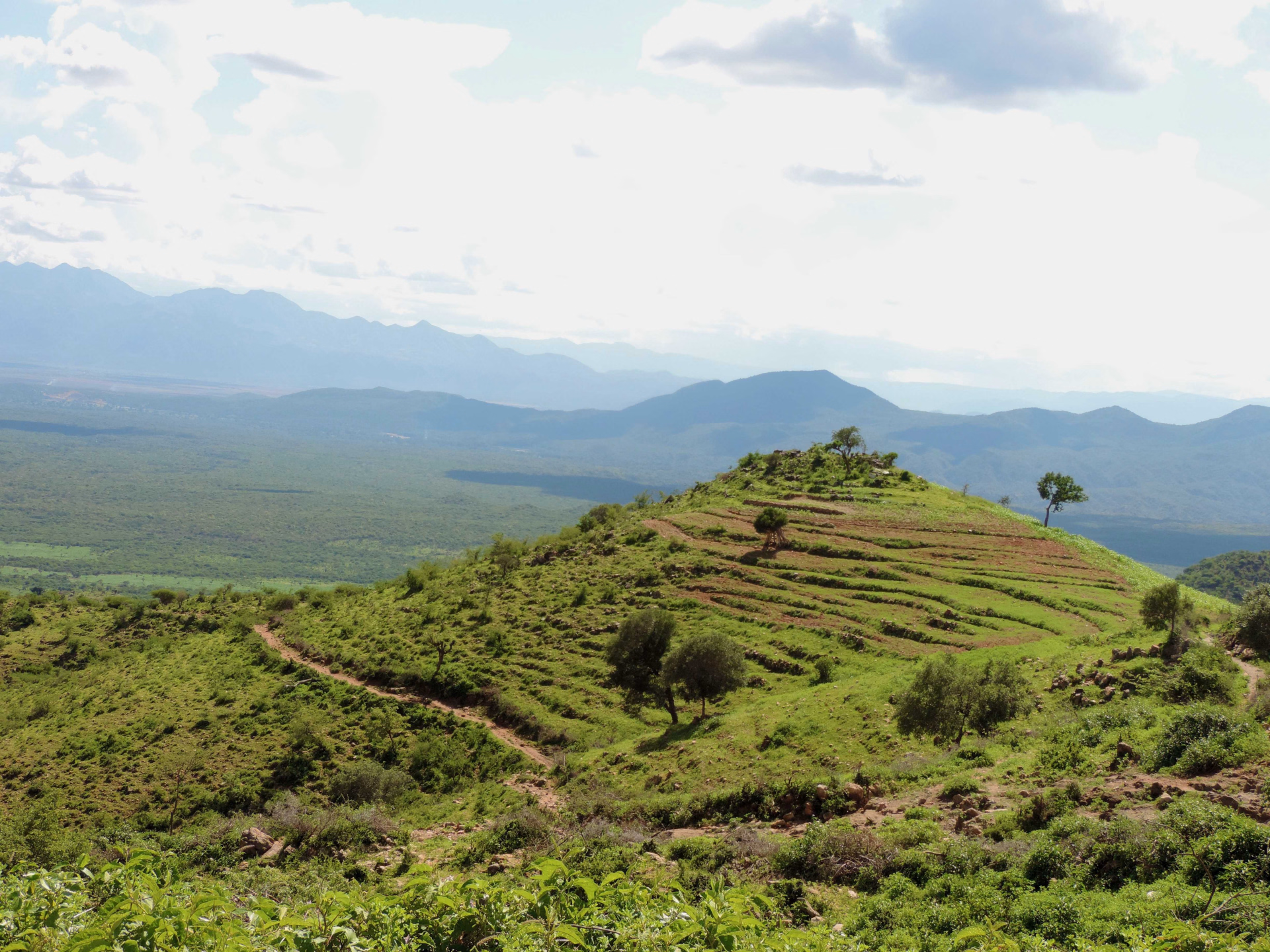
This morning, we set off for the verdant, hilly land of the Konso people. The Konso live according to unique rules dictated by the arid environment in which they live. We'll take a walk to explore the village. The appearance of Konso villages differs from those of other peoples in the region. To defend themselves against attacks from wild animals and to protect themselves from mudslides, they encircle their villages with walls of stone and dried earth, 3 to 4 meters high. Within these walls, the huts are so close together that their roofs sometimes overlap. We then continue to Arba Mintch, located between the two southernmost lakes of the Ethiopian Rift Valley. We'll settle into the lodge overlooking the entire plain of Lakes Abaya and Chamo, on the border of Nechisar National Park. Thanks to its great diversity of natural habitats, this park is home to exceptional flora and fauna!Day 5 -
Boat trip on Lake Chamo - Dorzé Village - Arbamintch
- Transportation Minibus - 02h - 100km
- Accommodation Lodge
- Breakfast included
- Lunch included
- Dinner included
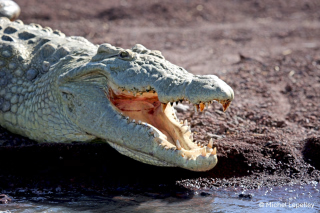
Arba Minch is a peaceful and very pleasant town, built on a hillside. The town offers a striking panorama of the Nechisar plains and Lakes Abaya and Chamo. This morning, we're taking a boat trip on Lake Chamo and trying to spot hippos and crocodiles, some of which are over six meters long, gathering on the lake's shores (Crocodile Market). They coexist peacefully with pelicans and white eagles. We then continue by car to Nechisar National Park for a walk to discover the local flora and fauna. In the afternoon, we meet the Dorze tribe, famous for their dwellings (tukul) made mostly of bamboo and featuring distinctive conical or pyramidal roofs. The Dorze are also renowned for their weaving (especially the white cotton shawl with embroidered borders) and their polyphonic singing. Return to Arba Minch at the end of the day.Day 6 -
Arba Mintch - Lake Hawassa - Sidama Country
- Transportation Minibus - 05h - 200km
- Accommodation 2-star hotel
- Breakfast included
- Lunch included
- Dinner included
This morning, we set off on the road that winds through fertile land, with its fields of banana trees, grains, and coffee plants, to reach the town of Hawassa. Along the way, we make a lovely stop in a Sidama village, surrounded by farmland. The houses are decorated, the colors are vibrant—a truly unique experience! We then arrive in the town of Hawassa with its small lake, a veritable haven of peace.Day 7 -
Hawassa – Balé NP: Gisay Plain – Dinsho
- Transportation Minibus - 05h - 200km
- Activity Hiking
- Duration of the activity 4h
- Accommodation Bivouac / Tent
- Breakfast included
- Lunch included
- Dinner included
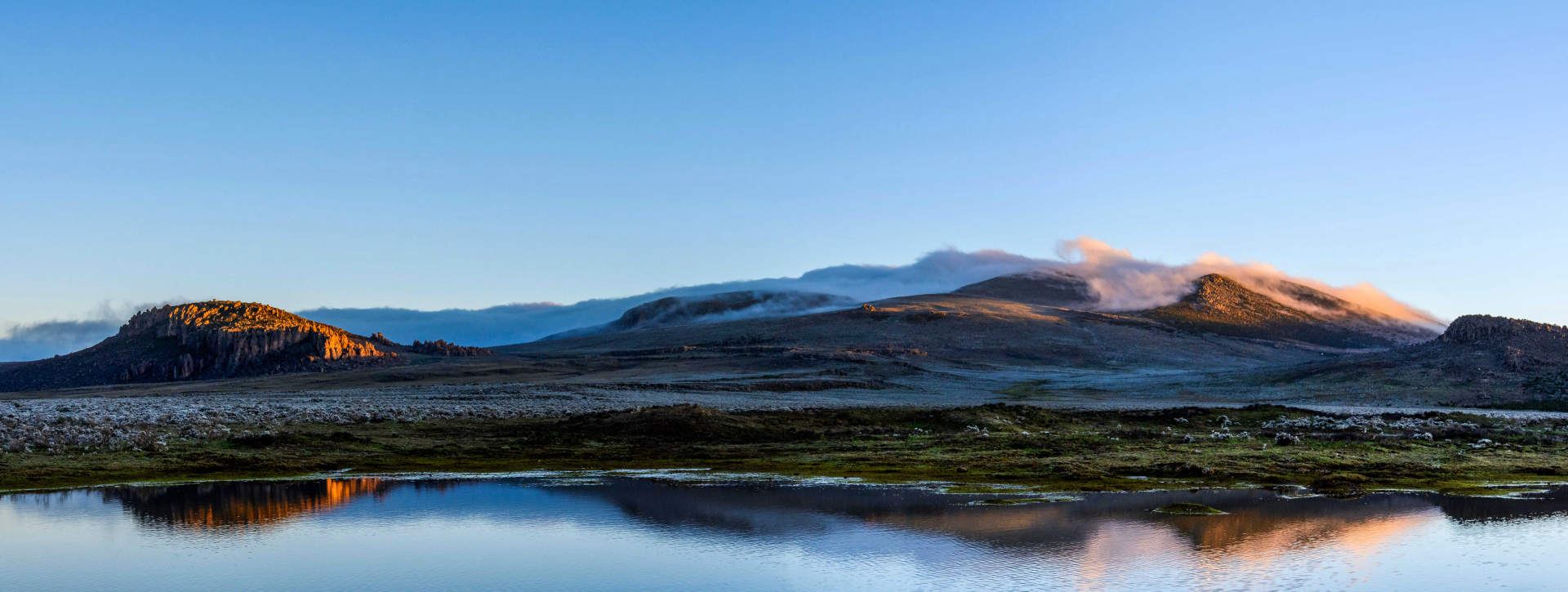
This morning, we took a short walk to the traditional fish market, frequented by pelicans and marabou storks. It was lovely to stroll through the small park and take a walk around the lake. Afterwards, we set off for Bale National Park. The mountain range of the same name is one of the most spectacular wilderness areas in Ethiopia, home to the country's second highest mountain, Mount Tullu Deemtu, which rises to 4,377 meters. It is also home to three of Ethiopia's endemic species: the Ethiopian wolf, the mountain nyala, and the Ethiopian bushbuck, which have largely contributed to the fame of the Bale Mountains. Bale is also a natural aviary, with over 200 bird species recorded in the park, 15 of which are endemic. We arrived in Dinsho (3,150 meters above sea level) and then enjoyed a beautiful hike through the forest to the Gaysay Plateau. We may have the chance to observe the nyala and warthogs that inhabit the region.Day 8 -
Bale National Park: Web Valley – Sodota
- Activity Hiking
- Duration of the activity 6h30
- Positive elevation gain 500 m
- Negative elevation 100 m
- Accommodation Bivouac / Tent
- Breakfast included
- Lunch included
- Dinner included
After breakfast, we resume our hike towards Sodota Camp, through the lush vegetation of the Web Valley, across a moorland landscape, skirting Mount Gasuray. We continue to Fincha Habera Waterfall, an excellent spot for a picnic lunch. During the trek, we might be lucky enough to spot Ethiopian wolves and other wildlife... Camping at Sodota (3550 m).Day 9 -
Balé NP: Sodota – Keyrensa
- Activity Hiking
- Duration of the activity 5h30
- Positive elevation gain 300 m
- Negative elevation 100 m
- Accommodation Bivouac / Tent
- Breakfast included
- Lunch included
- Dinner included
We set off for our next camp. Our trek takes us along the lava flows that divide the valley. During the trek, we pass through small Oromo villages. There are also opportunities to observe wild animals such as the Ethiopian wolf.Day 10 -
Balé NP: Keyrensa – Rafu
- Activity Hiking
- Duration of the activity 6h30
- Positive elevation gain 440 m
- Negative elevation 200 m
- Accommodation Bivouac / Tent
- Breakfast included
- Lunch included
- Dinner included
After breakfast, we left our campsite and continued towards Rafu, which is located on the Sanetti Plateau escarpment. This vast plateau, territory of the Ethiopian wolf, lies at an altitude of around 4000 meters. We then settled into the campsite at Rafu (3990 m).Day 11 -
Balé NP: Rafu – Tullu Deemtu – Goba
- Activity Hiking
- Duration of the activity 6h30
- Positive elevation gain 500 m
- Negative elevation 300 m
- Accommodation 2-star hotel
- Breakfast included
- Lunch included
- Dinner included
After breakfast, we hike across the Sanetti Plateau through typical Afro-alpine vegetation, including giant lobelia. We then begin the ascent of Tullu Deemtu, the second highest peak in Ethiopia. After this beautiful climb, our vehicle picks us up and transfers us to Goba.Day 12 -
Goba – Lake Langano
- Transportation Minibus - 05h - 200km
- Accommodation Lodge
- Breakfast included
- Lunch included
- Dinner included
We drive to Lake Langano. Located in the heart of the Rift Valley at an altitude of 1,570 meters, Langano is a popular relaxation spot for residents of the capital, who enjoy gathering there to relax by its freshwater lake. Nearby, we explore Abyata and Shalla National Park, home to alkaline lakes with an impressive colony of pink flamingos, as well as numerous other bird species (cormorants, pelicans) and families of ostriches.Day 13 -
Lake Langano – Addis Ababa – flight to France
- Transportation 04h
- Breakfast included
- Lunch included
- Dinner not included
Return by car to Addis Ababa. We take advantage of this last free day to explore the Ethiopian capital, do some last-minute shopping, and enjoy a final evening together with dinner and a traditional music and dance performance. Transfer to the airport for our return flight.Day 14 -
Arrival in France
- Transportation Plane - 07h30 - 5582km
- Breakfast not included
- Lunch not included
- Dinner not included
Arrival in France.Day 15
Note
Accommodation
Access
Go to the starting point
Price details
The price includes
- Flights Paris / Addis Ababa / Paris (regular)
- Domestic transport
- Accommodation
- Full board
- The services of a local team
- Guided by a French-speaking Ethiopian tour leader
The price does not include
- Visa fees (USD 62)
- Drinks
- Personal expenses
- Tips for local staff (at your discretion), see the specific Additional Information section for more details.
Options
- Flex fare and insurance
Practical information
Specific formalities
Specifics
Before your departure, check with the embassy or consulate regarding the entry and stay requirements for your destination country. You can also find this information on the France Diplomatie website ( https://www.diplomatie.gouv.fr/fr/dossiers-pays/ ).
In the case of flights with stopovers operated by different airlines, also check the entry requirements of the countries you are transiting through.
It is your responsibility to ensure you are in compliance, particularly regarding the validity of your identity documents (for example, some countries require your passport to be valid for at least six months after your return) , visa requirements, necessary vaccinations, and health recommendations. And don't forget to consider any customs restrictions and other potential requirements of your destination or transit country.
ℹ️ Information may change up to the departure date, remember to regularly check official websites.
Equipment
Equipment provided on site
Equipment to bring
- Earplugs or Hears, your choice
- Plastic bags for waterproofing your belongings, cameras and clothes in particular.
- Notepad
- 1 headlamp with spare batteries
- 1 Swiss Army knife or equivalent (in checked baggage!)
- at least one and a half liter water bottle
- 1 towel and toiletries
- Sunscreen
- Toilet paper and a small bag to store it in after use
- 1 pair of hiking poles (optional)
- Sleeping bag (0°C sufficient)
Clothing to bring
Clothing, from head to toe:
- Walking shoes: they must be sturdy and provide good support for the foot and ankle.
- Lightweight shoes (tennis shoes) or sandals
- Lightweight trousers and/or Bermuda shorts: avoid short shorts.
- T-shirt, shirt or sweatshirt: avoid low-cut clothing.
- Warm pullover or fleece jacket.
- Down jacket.
- Windbreaker or lightweight anorak.
- Scarf.
- Hat.