Kilimanjaro
Kilimanjaro via the Umbwe route: the adventure on the wildest path
Réf : JBAFEI
In summary
-
Sports
-
Duration8 days
-
LevelAdvance
-
DestinationTanzania / Kilimanjaro
-
AgeFrom the age of 18
-
CO₂-Emissions92.12 kg CO2
-
Type of stayIndependent traveler
-
Languages
 English
In a few words
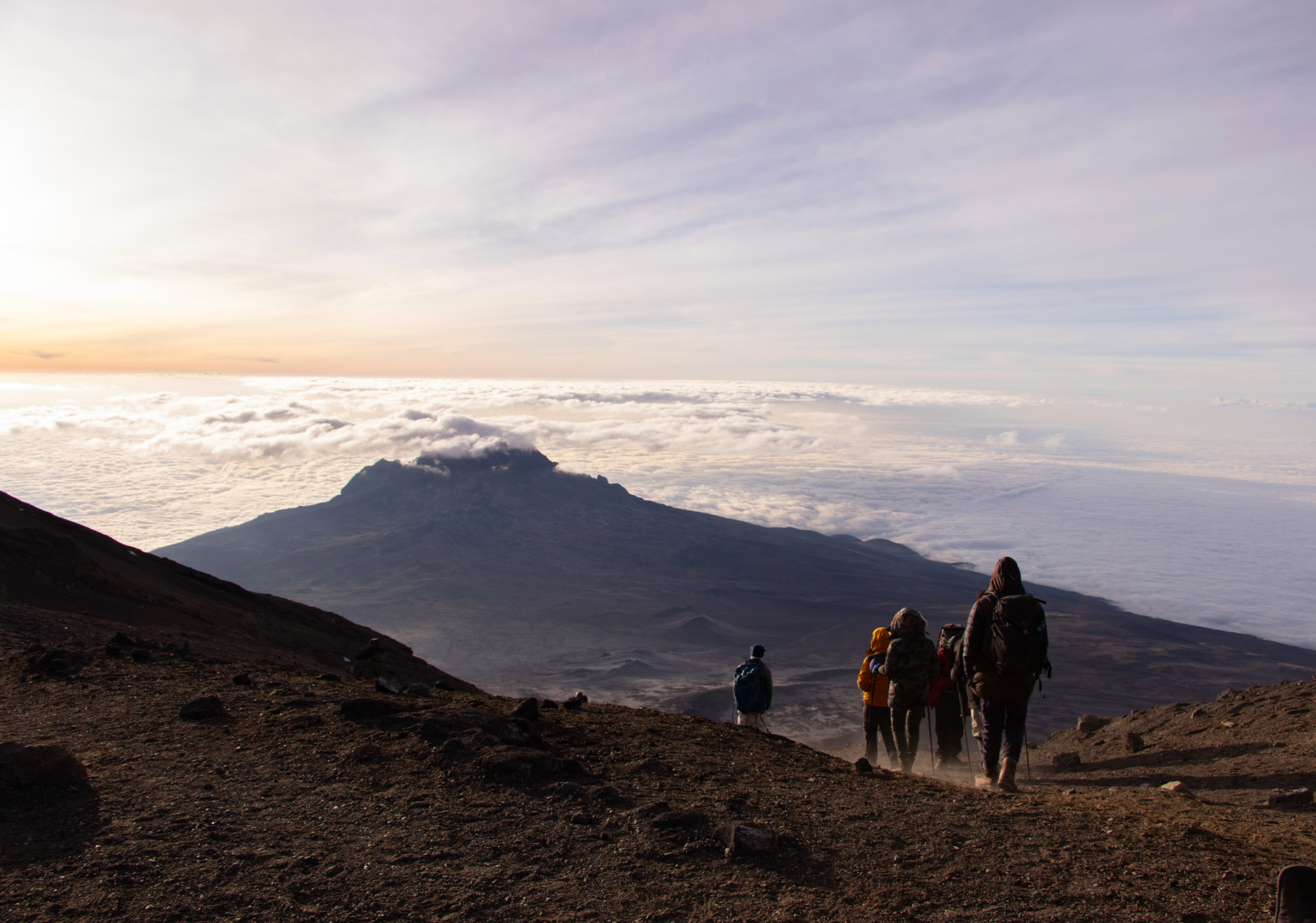
Climb Kilimanjaro via the secluded and spectacular Umbwe route, renowned for its technical difficulty and steep slopes . This direct route from the south face is for experienced trekkers seeking a challenge and solitude at altitude . Upon arrival, you'll be welcomed for a restful night at a hotel before the main trek begins. The hike starts in the heart of a dense rainforest before ascending to the rocky heights of the massif. Each campsite, nestled at different altitudes, allows for gradual acclimatization , a key element for reaching the mythical Uhuru Peak , Africa's highest point. The descent through the Mweka Gate offers a final plunge into the heart of the lush vegetation. A last night at a hotel concludes this exceptional experience. To extend your adventure, extensions to the northern parks or the beaches of Zanzibar are possible.
The highlights
-
A challenging ascent via the wild Umbwe route, reserved for experienced trekkers.
-
An immersive journey through tropical jungle and spectacular mineral landscapes
-
High-altitude camps for optimal acclimatization before the summit
Subscriber benefit
save 5%
by joining
our community
Decathlon Travel Benefits
Best price guaranteed:
We offer twice the difference
Free cancellation more than 30 days in advance
Payment in 2 installments
Learn more
Photos
Sport
Level
Hiking / Trekking
For those wishing to undertake multi-day hikes involving over 6 hours of walking and an elevation gain of 700 to 1,200 meters, off-trail or over rugged terrain. High-altitude sections are possible. You engage in endurance sports several times a week, hike regularly, and are in excellent physical condition.
In figures
Trekking
- Average duration/day: 7h
- Average distance/day: 10 km
- Average daily elevation gain: 687 m
- Average daily descent: 708 m
- Exposed Passages: Yes
Management
During this stay, a supervisor will be present to guide and assist you.
Band :
1 supervisor for 1 to 2 people
Languages spoken:
English
English
Supervisor
Supervisor
Professional guides, accredited by Kilimanjaro National Park. All our guides hold Wilderness First Responder or Wilderness First Aid certification. Each of our guides has over 10 years of successful mountaineering experience.
Program
-
Arrival and preparation at Moshi
- Transportation Car - 09h30 - 36km
- Accommodation 3-star hotel
- Breakfast not included
- Lunch not included
- Dinner not included
Upon arrival at Kilimanjaro International Airport , your driver will greet you and transfer you to the hotel in Moshi. Once settled in, you'll meet your guide and the local team for a comprehensive briefing about the upcoming expedition. This will allow you to review the itinerary, equipment, and any final recommendations. You can then enjoy the hotel's relaxing atmosphere , with its tropical garden and swimming pool , before the trek begins.
Day 1 -
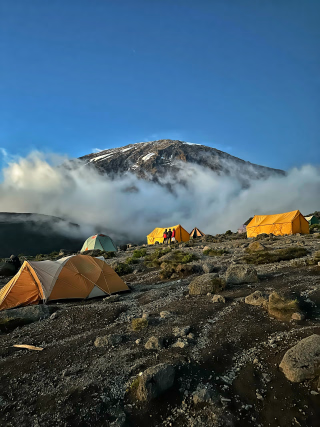
The trek begins through the rainforest to the Umbwe camp.
- Transportation Minibus - 09h30 - 35km
- Activity Trekking
- Duration of the activity 7h
- Distance 11 km
- Positive elevation gain 1050 m
- Exposed passages Yes
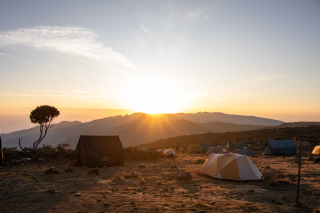
- Accommodation Bivouac / Tent
- Breakfast included
- Lunch included
- Dinner included
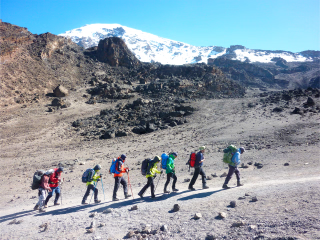
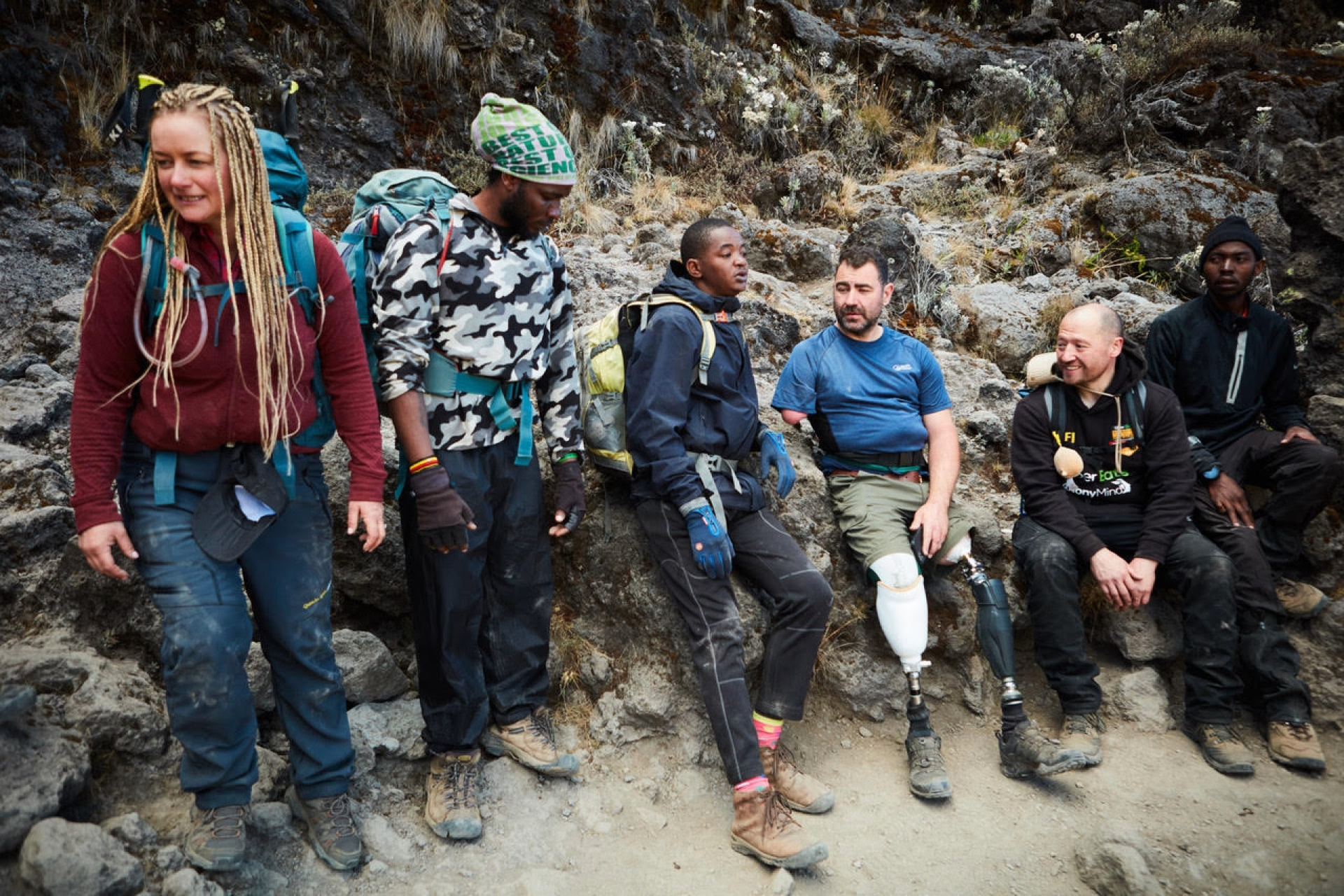
After breakfast, a transfer takes you to the Umbwe Gate (1,800m), the starting point of the ascent. The steep and immersive trail winds through a dense rainforest , where roots and humidity make progress physically demanding. You'll trek through lush vegetation , with shady and silent sections. After approximately 11km of walking (6 to 7 hours), you'll reach Umbwe Camp (2,850m), nestled in the greenery. A hot meal , prepared by the team, awaits you there before a well-deserved night's rest in the heart of nature.
Day 2 -
Ascent towards Camp Barranco for initial acclimatization
- Activity Trekking
- Duration of the activity 6h
- Distance 6 km
- Positive elevation gain 1110 m
- Exposed passages Yes
- Accommodation Bivouac / Tent
- Breakfast included
- Lunch included
- Dinner included
After an early breakfast, you'll begin a challenging stage towards Barranco Camp (3,960m). The trail, short but technical, alternates between steep ascents and abrupt descents , traversing the rugged terrain of the Barranco Valley . Along the way, the stark, rocky landscape gives way to a more rugged, forested scene, marking a significant change of scenery. After 6km of hiking (6 to 7 hours), you'll reach the camp, ideally situated facing the famous Barranco Wall . Lunch will be served upon your arrival, followed by an afternoon of rest. This break is essential for acclimatizing before the continuation of the climb.
Day 3 -
Crossing the Barranco Wall and acclimatization at the Karanga camp
- Activity Trekking
- Duration of the activity 5h
- Distance 5 km
- Positive elevation gain 75 m
- Exposed passages Yes
- Accommodation Bivouac / Tent
- Breakfast included
- Lunch included
- Dinner included
You start the day early with an energizing breakfast before tackling the Barranco Wall , a steep but manageable climb offering a good technical challenge. Once past the wall, the route descends into the Karanga Valley , amidst high-altitude vegetation and sweeping panoramas. After approximately 5km (5 hours) of walking , you reach Karanga Camp (4,035m). Lunch is served while setting up camp. In the afternoon, a short acclimatization hike allows you to gain some altitude towards Barafu Camp before descending to spend the night at a lower elevation. In the evening, your guide briefs you on the next day's stage to the summit.
Day 4 -
Ascent towards Barafu camp, the last stage before the summit
- Activity Trekking
- Duration of the activity 5h
- Distance 10 km
- Positive elevation gain 628 m
- Exposed passages Yes
- Accommodation Bivouac / Tent
- Breakfast included
- Lunch included
- Dinner included
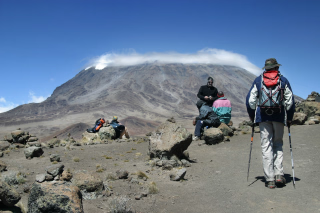
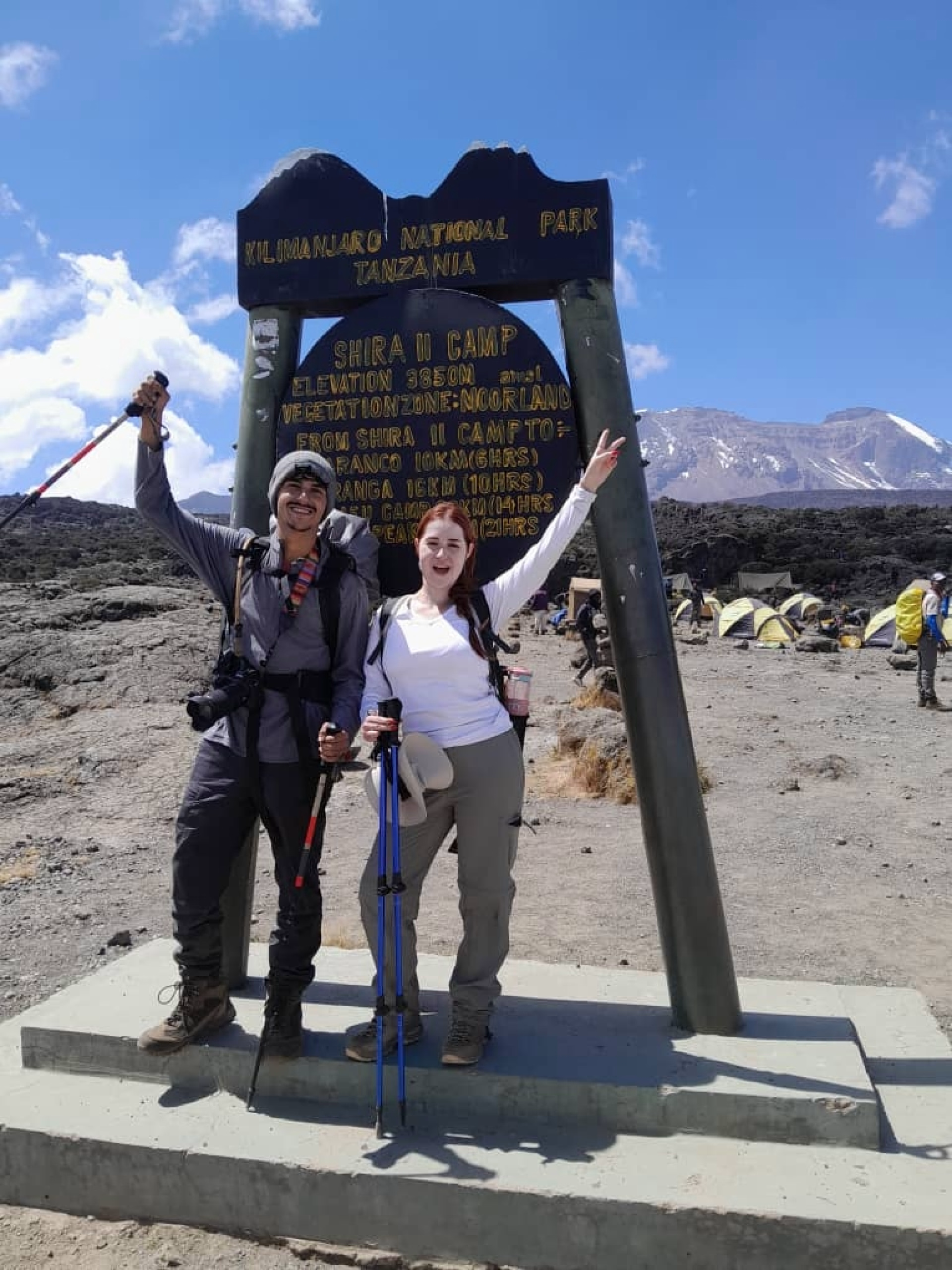
You continue the ascent towards Barafu Camp (4,662m), having climbed 628m from Karanga. This short stage marks the end of the Southern Circuit , offering superb views of the summit from various angles. Once at camp, the afternoon is dedicated to rest and preparations for the final climb. Dinner is served early so you can go to bed in the early evening. It will be a short night: the summit attempt will begin in the early hours of the following day.
Day 5 -
Final ascent to the summit, then descent to Mweka camp
- Activity Trekking
- Duration of the activity 15h
- Distance 17 km
- Positive elevation gain 1255 m
- Negative elevation 2805 m
- Exposed passages Yes
- Accommodation Bivouac / Tent
- Breakfast included
- Lunch included
- Dinner included
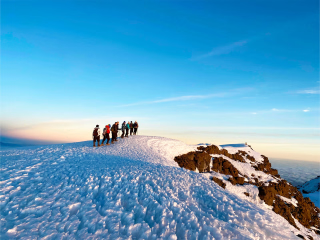
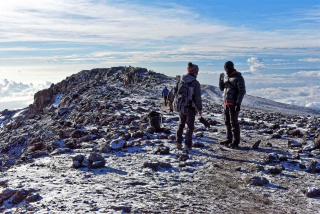
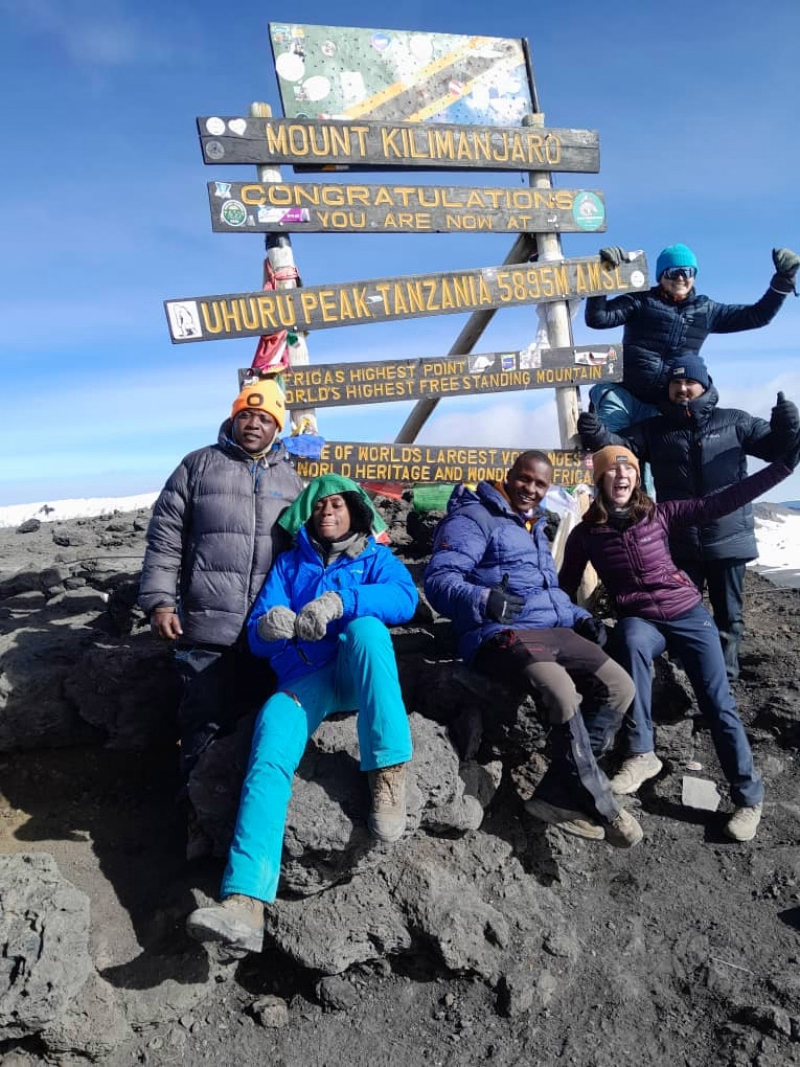
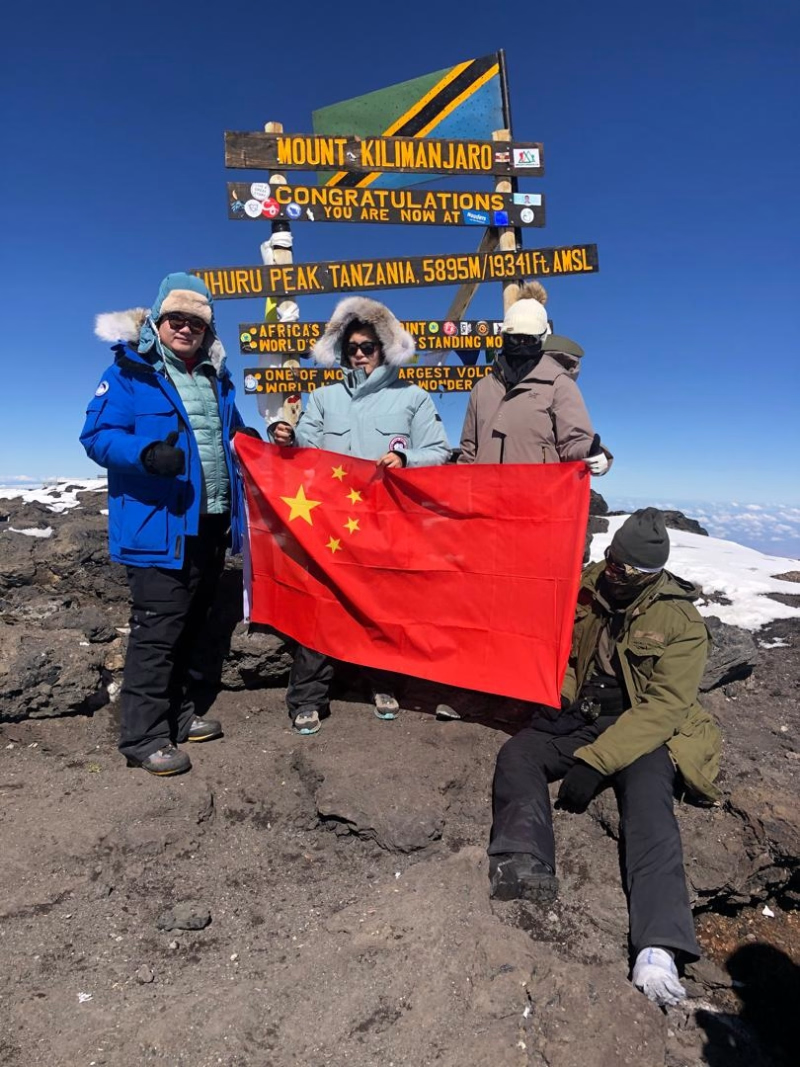
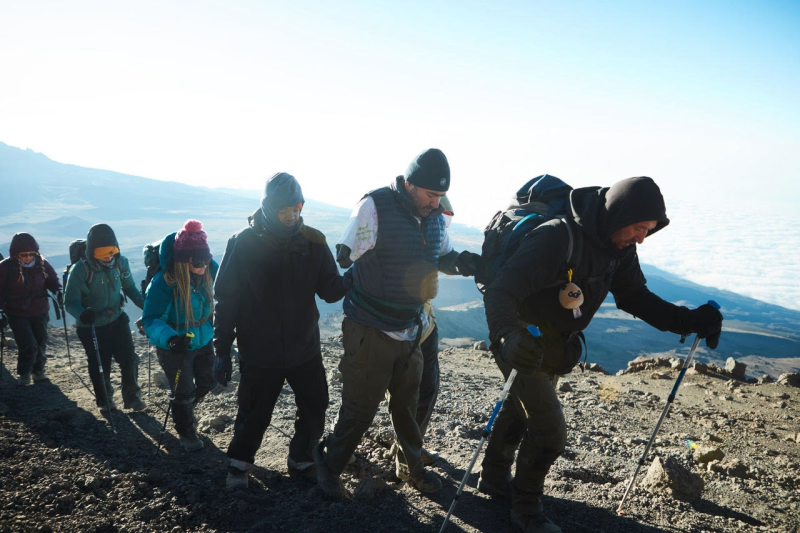
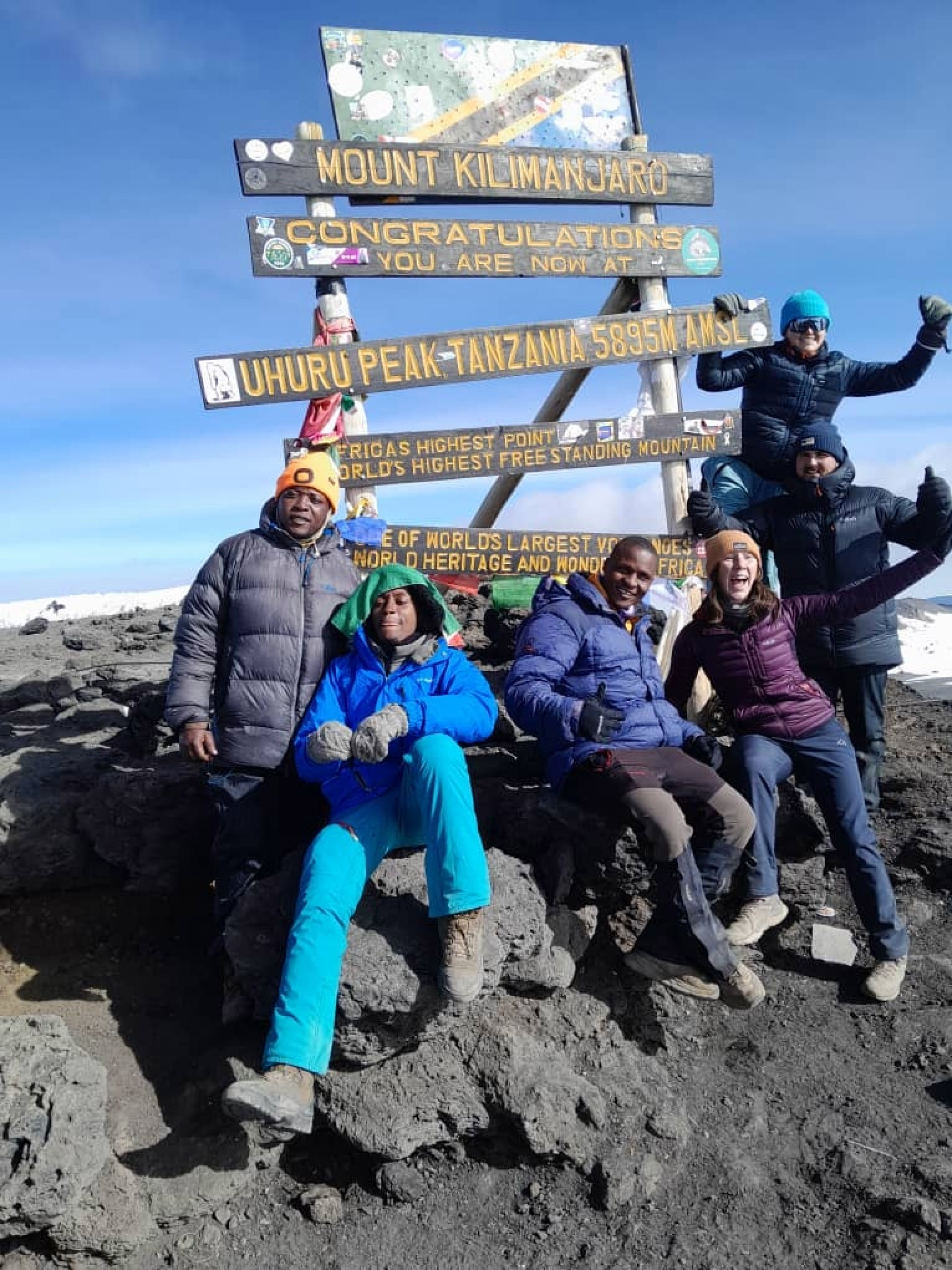
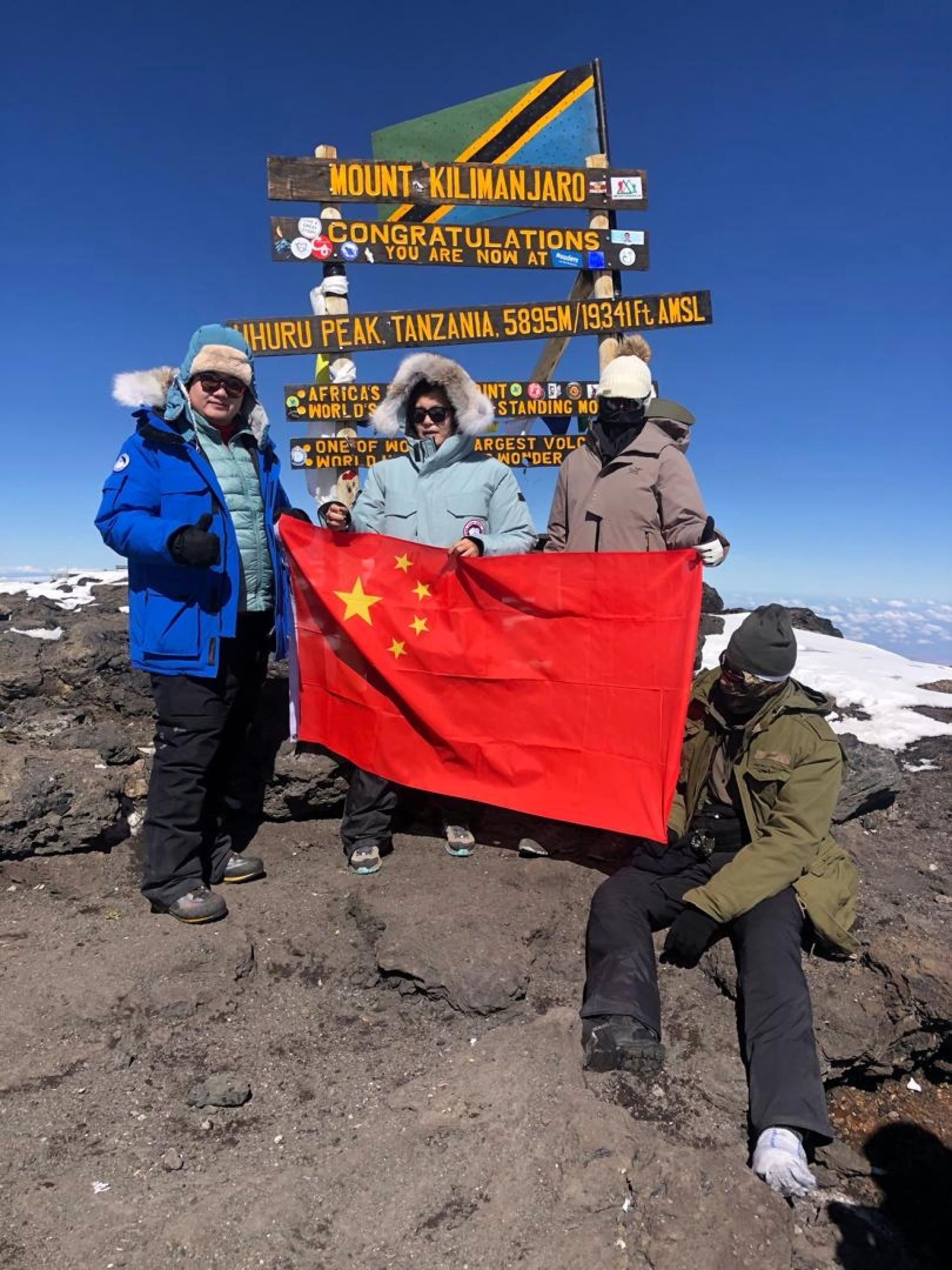
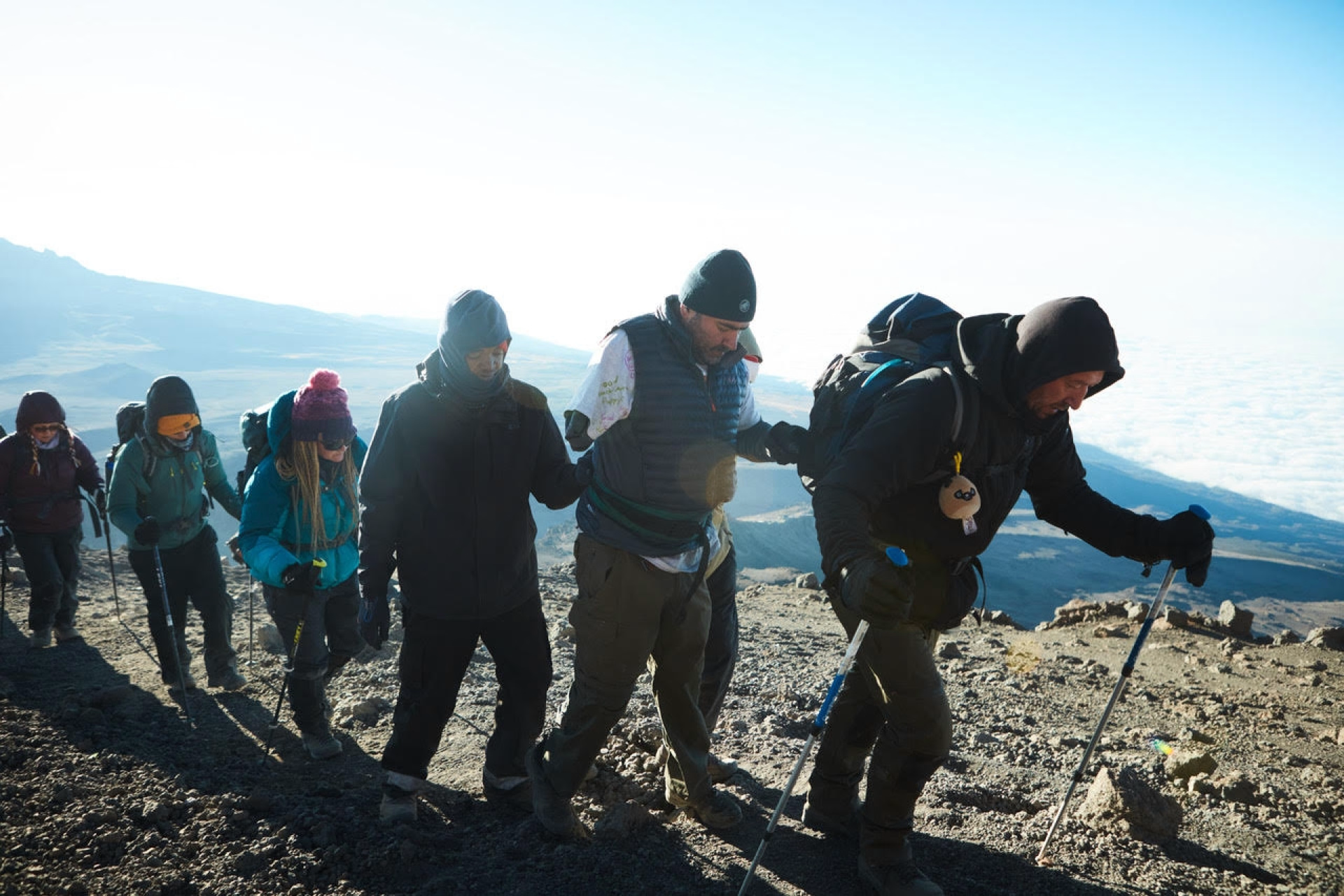
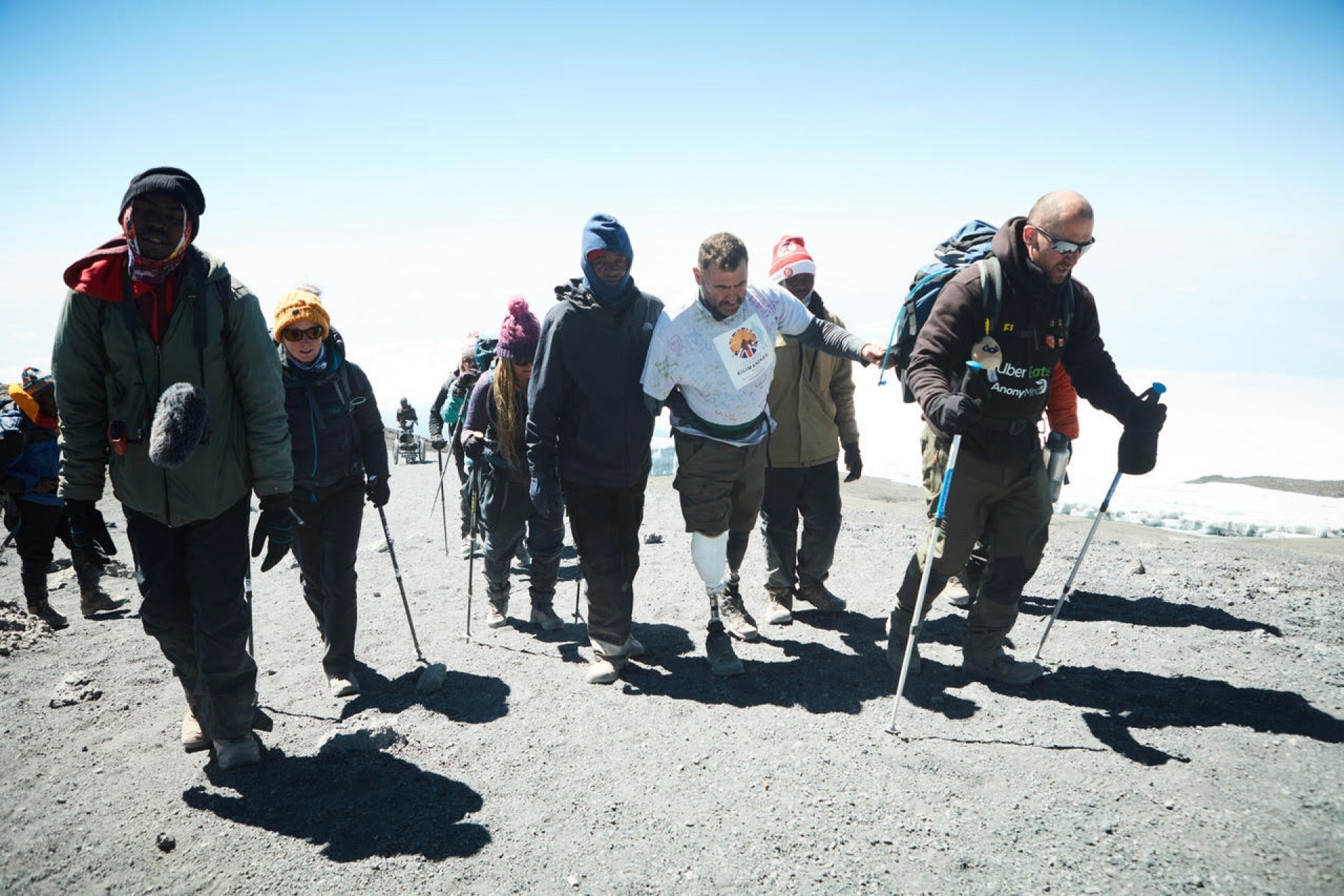
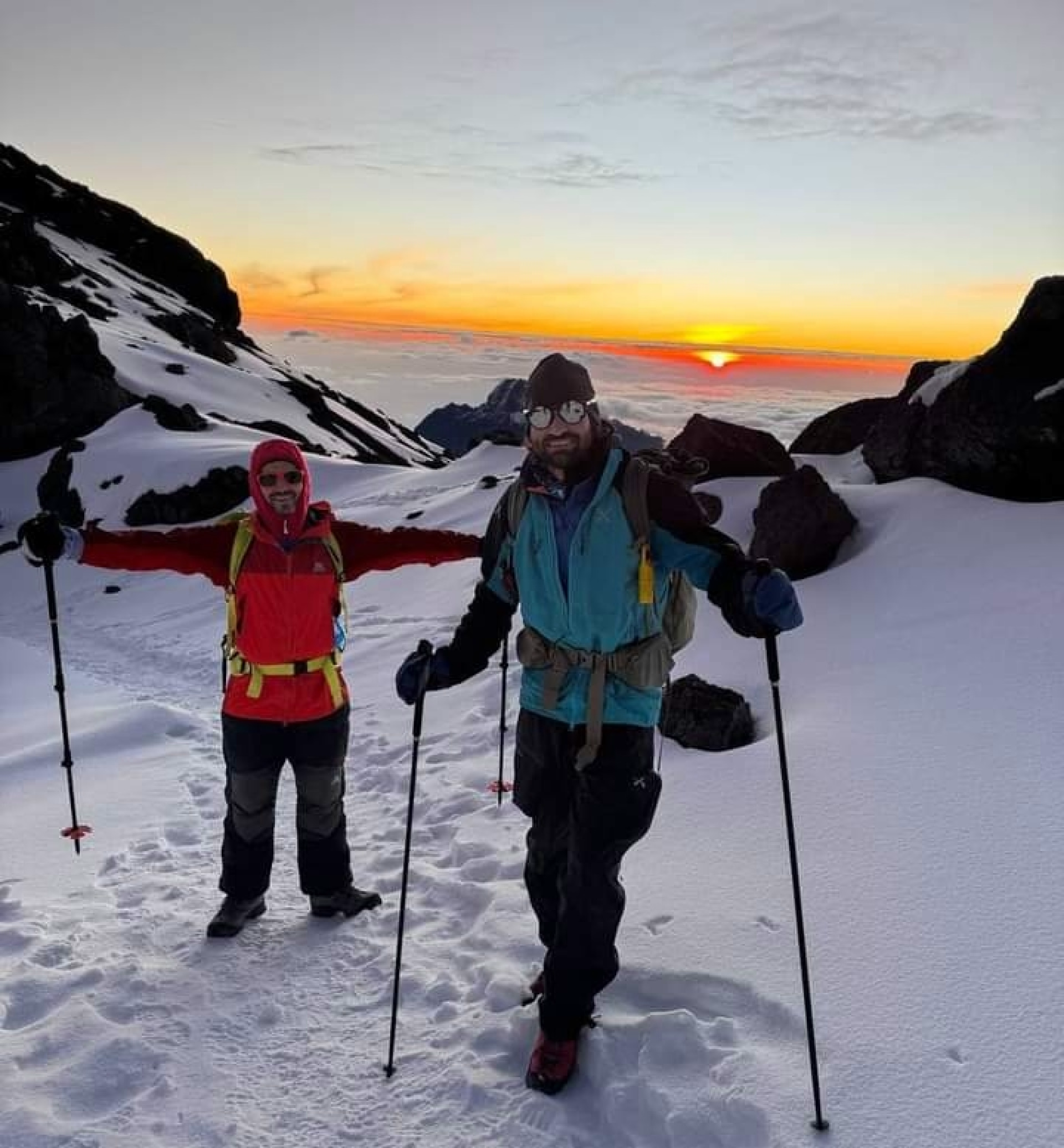
Wake up around 11:30 pm for a light snack before beginning the nighttime ascent. You'll make slow progress through volcanic scree towards Stella Point (5,685m), reached after approximately 6 hours of intense effort , often considered the most challenging section of the trek. A short break allows you to regain your strength before continuing towards Uhuru Peak (5,895m), the highest point in Africa. Reaching the summit often coincides with sunrise, offering a truly moving experience, weather permitting.
After taking some photos and with limited time due to the cold, you begin the descent to Barafu (approximately 3 hours), where a break is planned. You then continue to Mweka camp (3,090m) for dinner and a well-deserved night's rest.
In total, expect approximately 17km of walking and more than 15 hours of effort over the course of the day.
Day 6 -
End of the trek and return to Moshi
- Transportation Minibus - 01h - 16km
- Activity Trekking
- Duration of the activity 4h
- Distance 10 km
- Negative elevation 1440 m
- Exposed passages Yes
- Accommodation 3-star hotel
- Breakfast included
- Lunch included
- Dinner not included
After breakfast, you begin the final descent through the rainforest towards the Mweka Gate (1,650m). This 10km stage (approximately 4 to 5 hours of walking) marks the end of your adventure on the slopes of Kilimanjaro. A transfer back to your hotel will take you to a hot lunch and a well-deserved shower . If you wish, you can tip the team using the envelopes provided at the hotel. For those who would like to extend their experience, a safari coordinator is available to discuss extension options to the northern parks. The late afternoon is free for you to relax or plan the rest of your trip.
Day 7 -
Transfer to the airport and end of stay
- Transportation Car - 01h - 36km
- Breakfast included
- Lunch not included
- Dinner not included
Depending on your flight time, a transfer will be arranged from your hotel to Kilimanjaro International Airport . The trip concludes after an unforgettable adventure in the heights of the African continent.
Day 8
Note
Approaching from the south, the Umbwe route is a short, steep, and direct climb. After reaching Barranco Camp, the trail turns east and traverses beneath Kilimanjaro's South Ice Field on a route known as the South Circuit before reaching the summit from Barafu. The descent is via the Mweka route.
Accommodation
During this stay, you will sleep in several different accommodations.
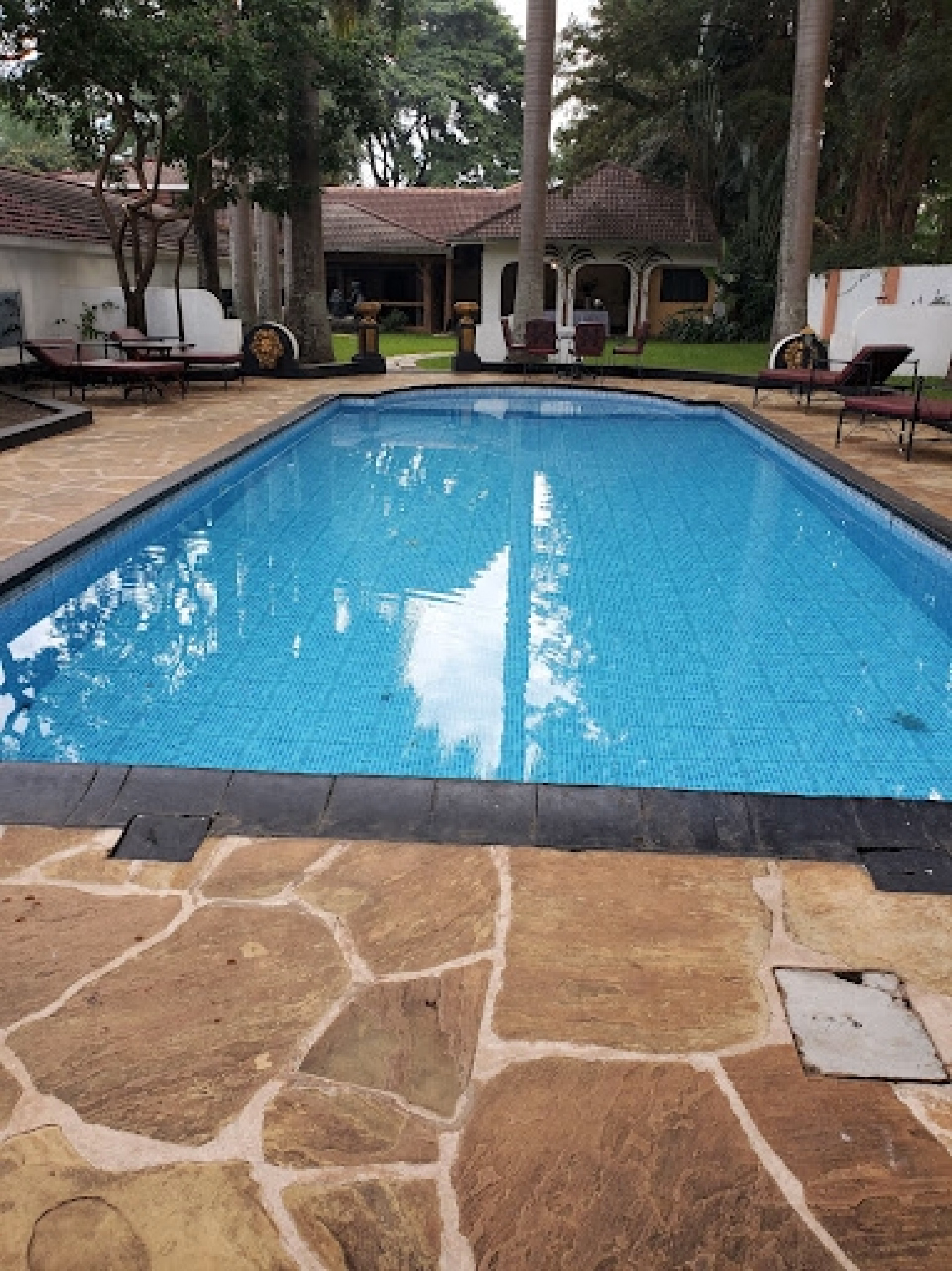
🏨 3-star hotel - Day 1 and 7
You will be accommodated at the Hotel Salinero, Hotel La Mama or a similar hotel.
Hotels offer everything needed for a comfortable stay – attentive staff, beautiful rooms, reliable Wi-Fi, restaurant.
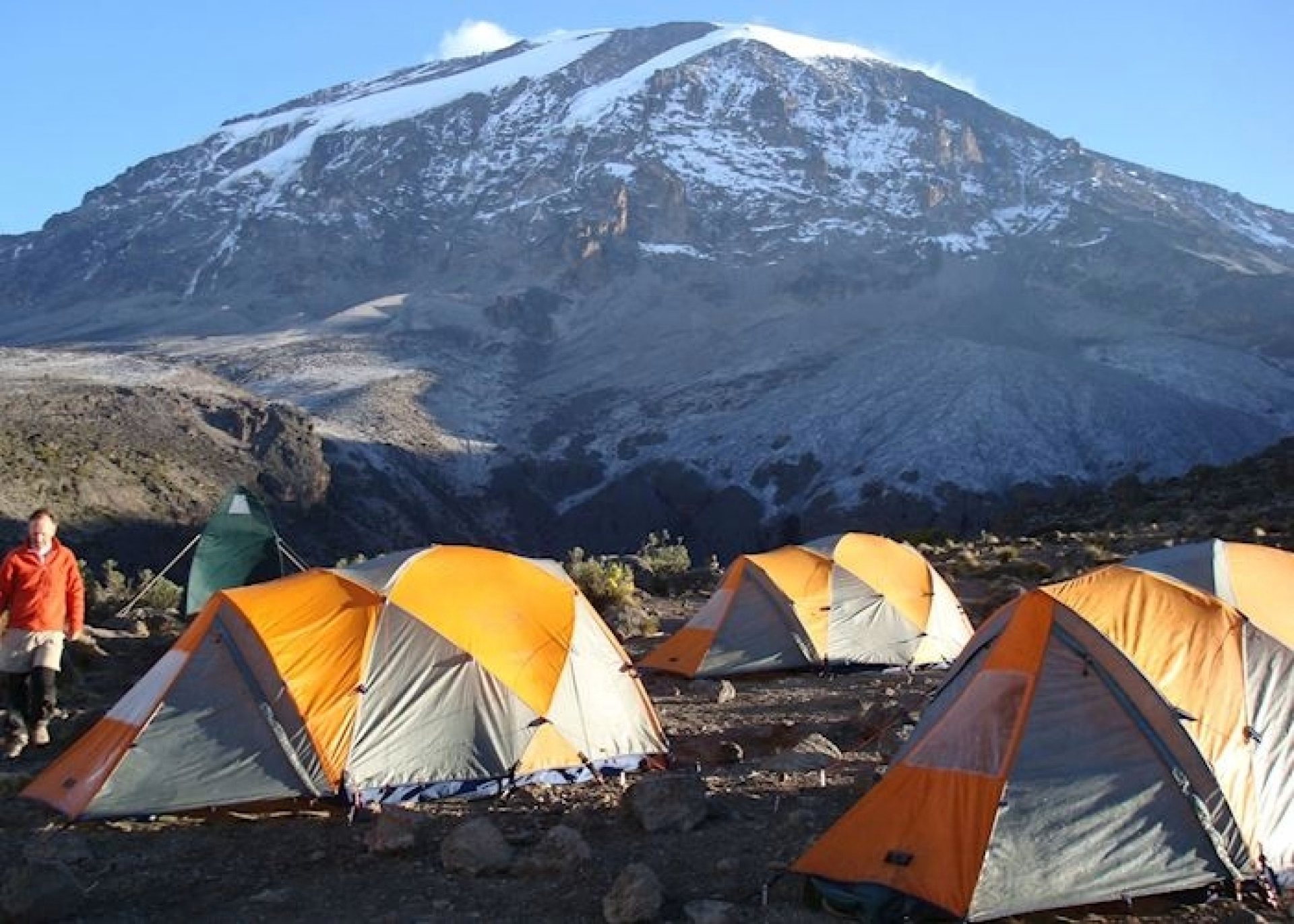
⛺️ Bivouac / Tent - Days 2 to 6
Modern and comfortable 4-season tents from North Face VE-25 or Almighty Kilimanjaro Tents.
Access
Departure
Aéroport international du Kilimandjaro
Day 1
: 09h00
End of stay
Aéroport international du Kilimandjaro
Day 8
- 15h00
Upon your arrival at Kilimanjaro International Airport, a dedicated driver will be waiting for you according to your arrival time. The return transfer is also arranged.
Go to the starting point
The nearest airport isAéroport international du Kilimandjaro
Price details
The price includes
- Transfers
- All park fees are collected by Kilimanjaro National Park
- One night at the Salinero hotel before the expedition and one night afterwards;
- Tent accommodation on Mount Kilimanjaro
- Breakfast at the hotel before and after the hike
- All meals during the hike
- All drinks during the hike (coffee, tea, hot chocolate and water).
- Thick and comfortable 10cm sleeping mattress;
- All group equipment (spacious and comfortable dining tent, camping table and chairs, crockery and cutlery);
- Oxygen cylinders and oximeters;
- GPS tracking service;
- Complete medical kit.
- - Climbing team:
- Professional guides, approved by Kilimanjaro National Park.
- Dedicated support team (assistant guides, camp leader, porters, cooks, etc.).
The price does not include
- Visa fees
- The flights
- Personal equipment rental
- Tips for the mountain team
- Mandatory NIC Inbound Travel Insurance: USD 44 (approx. €39) per adult
Options
- Flex fare and insurance
Practical information
Specific formalities
Specifics
Before your departure, check with the embassy or consulate regarding the entry and stay requirements for your destination country. You can also find this information on the France Diplomatie website ( https://www.diplomatie.gouv.fr/fr/dossiers-pays/ ).
In the case of flights with stopovers operated by different airlines, also check the entry requirements of the countries you are transiting through.
It is your responsibility to ensure you are in compliance, particularly regarding the validity of your identity documents (for example, some countries require your passport to be valid for at least six months after your return) , visa requirements, necessary vaccinations, and health recommendations. And don't forget to consider any customs restrictions and other potential requirements of your destination or transit country.
ℹ️ Information may change up to the departure date, remember to regularly check official websites.
Equipment
Equipment provided on site
- Comfortable 10cm thick sleeping mattress
- All group equipment (spacious and comfortable dining tent, camping table and chairs, crockery and cutlery)
- Oxygen cylinders and pulse oximeters
- GPS geolocation service
- Complete medical kit
Equipment to bring
Below you will find a list of climbing equipment and their rental prices. You can either rent it on site or bring your own equipment. The prices shown are for the entire duration of the climb, not per day.
- Backpack / day bag: $15
- Balaclava: $10
- Mont Bell sleeping bag (–25°C to –35°C): $30
- Poncho – Heavy / Western / European: $15
- Poncho – Lightweight / Local: $10
- Socks: $2 a pair
- Duffel bag: $15
- Hiking poles (2): $15
- Leg warmers: $10
- Gloves: $10
- Sweater: $15
- Long thermal underwear: $10
- Waterproof: $15
- GT Waterproof: $15
- Rain pants: $10
- Hiking boots: $25
- Fleece pants: $10
- GT Warm Jacket: $10
- Warm jacket / down jacket: $15
- Hat or scarf/neck warmer: $7
- Bottle of water: $3
- Flashlight/Headlamp: $12
Clothing to bring
- Base layer
This is the layer closest to your skin. These clothes will help you maintain your body temperature and manage moisture by wicking away perspiration and drying quickly. Avoid cotton and opt for merino wool or synthetic materials. Your base layers will include different fabrics and types of clothing suitable for both warm and cold conditions.
Base layer for warm weather
In the rainforest, a short-sleeved t-shirt made of lightweight synthetic material and quick-drying hiking pants or shorts are usually sufficient.
Base layer for cold weather
As you gain altitude, temperatures drop. You'll need two types of base layers: a medium-weight one and a heavy-weight one. You can choose either one, or combine them depending on the temperature.
- Intermediate layer
On top of your base layer, we recommend fleece mid-layers. As with base layers in cold weather, you should have both lightweight and thicker interchangeable options.
Lightweight mid-layer
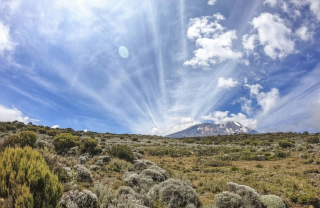
A long-sleeved fleece sweater or jacket makes a good lightweight mid-layer – sufficient for the cool temperatures of the moors and heath.
Thick intermediate layer
Bring a windproof fleece jacket or a synthetic down jacket to wear over your lightweight mid-layer. Pair it with fleece or synthetic climbing pants, too.
- Outer layer
Your outer layer includes your down jacket and rain gear – everything you’ll need to stay warm in Kilimanjaro’s coldest temperatures and dry in bad weather.
Your down jacket
This thick jacket will insulate you from the cold and should have a fill power of 550 or higher. It can replace your thick mid-layer or be added on top if conditions are particularly cold.
Your rain gear
Rain gear, or "shells," protects you from wind, rain, and snow. They must be waterproof and breathable. They are worn over your fleece or down jacket and climbing pants in bad weather.
We cannot overemphasize their importance. The climate on Kilimanjaro is largely unpredictable.
A
Decathlon Travel Partner
Our partner team
4.3/5
(3 reviews)
• 23 stays
Based at the foot of the roof of Africa, our local partner enjoys a reputation for excellence built on decades of expertise in Tanzania and Kenya. The company specializes in organizing legendary climbs and epic safaris, guaranteeing total immersion in the most authentic aspects of African adventure. The agency distinguishes itself through cutting-edge logistics and an in-depth knowledge of East African ecosystems.
Are you satisfied with this page?
Subscriber benefit
save 5%
by joining
our community
Decathlon Travel Benefits
Best price guaranteed:
We offer twice the difference
Free cancellation more than 30 days in advance
Payment in 2 installments
Learn more