Ethiopia: the great discovery!
In summary
-
Sports
-
Duration22 days
-
LevelConfirmed
-
DestinationAfrica / Ethiopia
-
AgeFrom the age of 18
-
CO₂-Emissions3493.46 kg CO2
-
Type of stayIn a group
-
Languages
 French
In a few words
The highlights
-
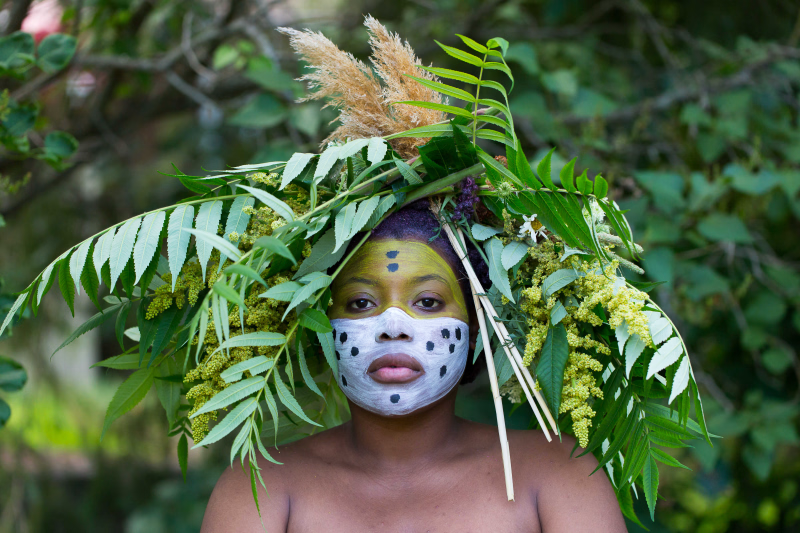
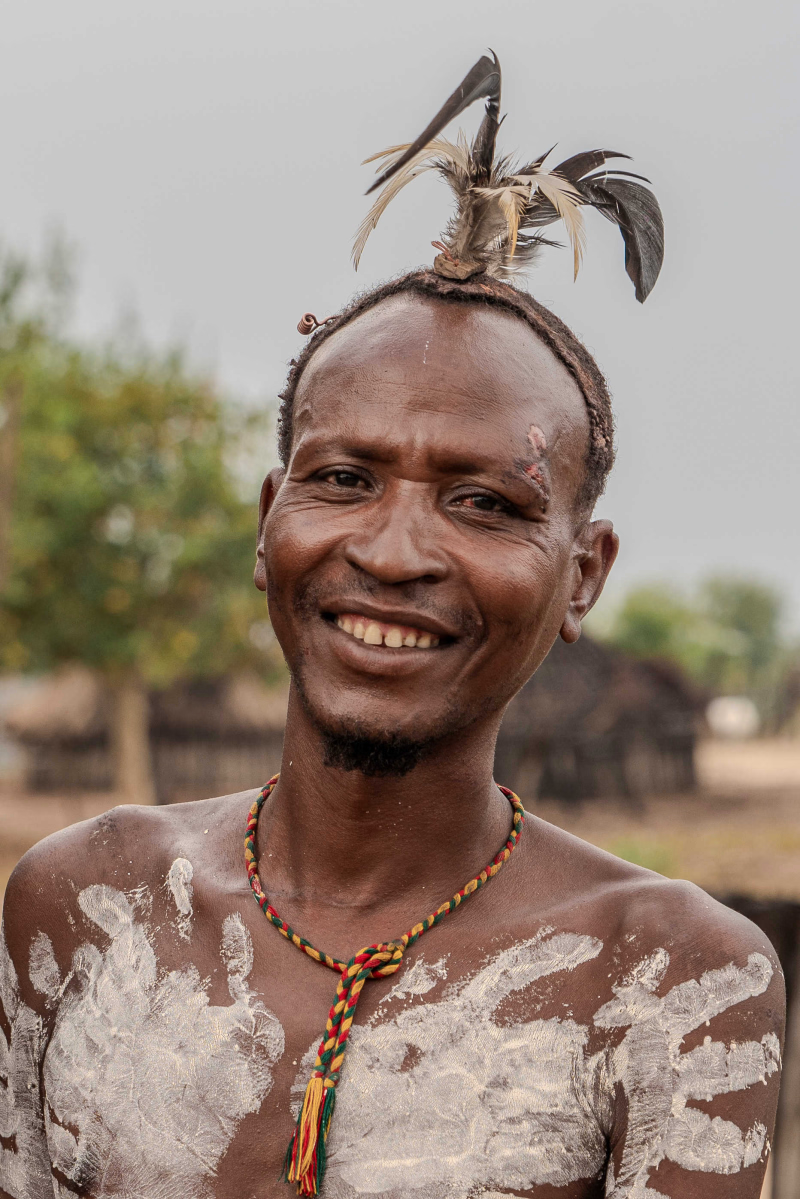
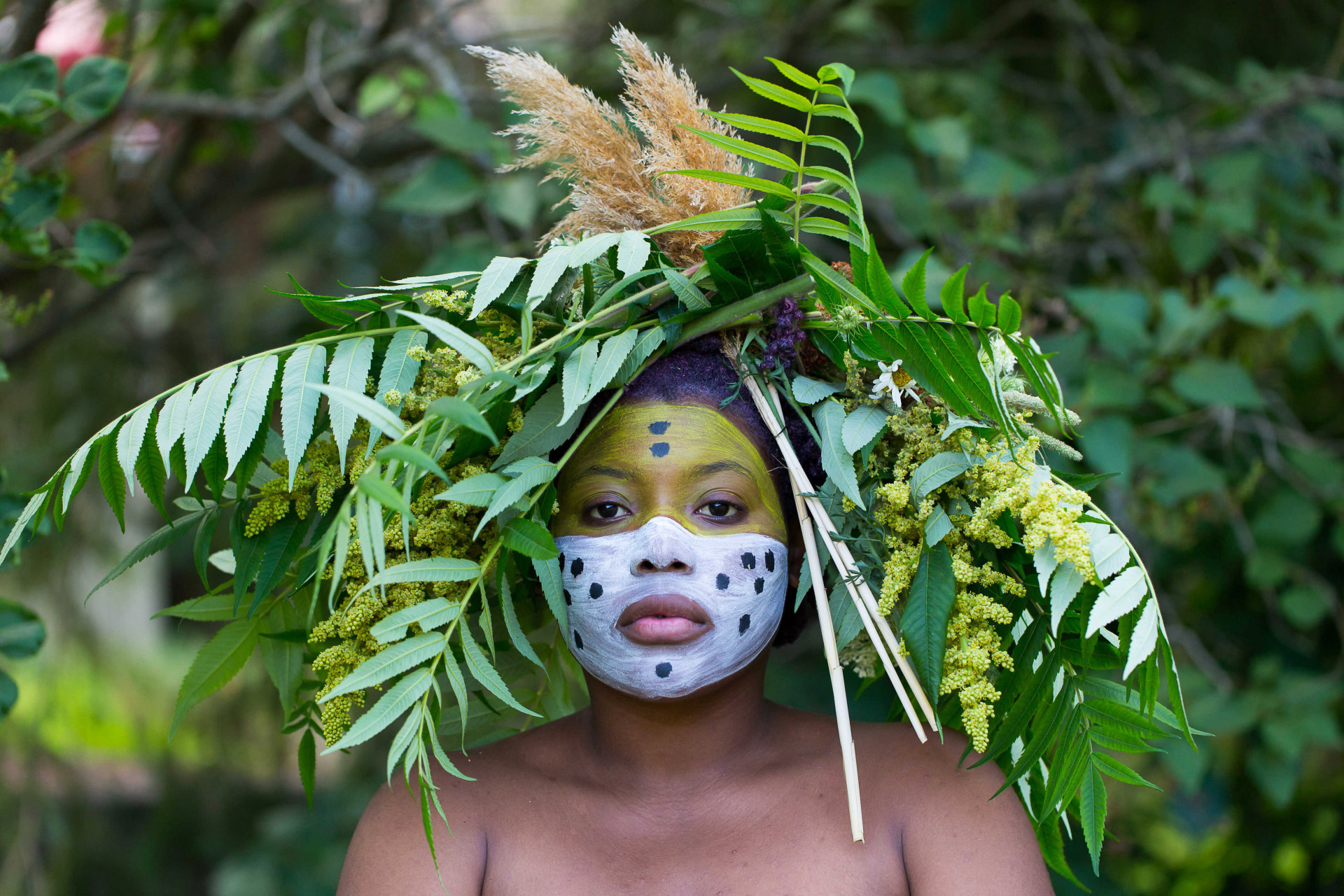
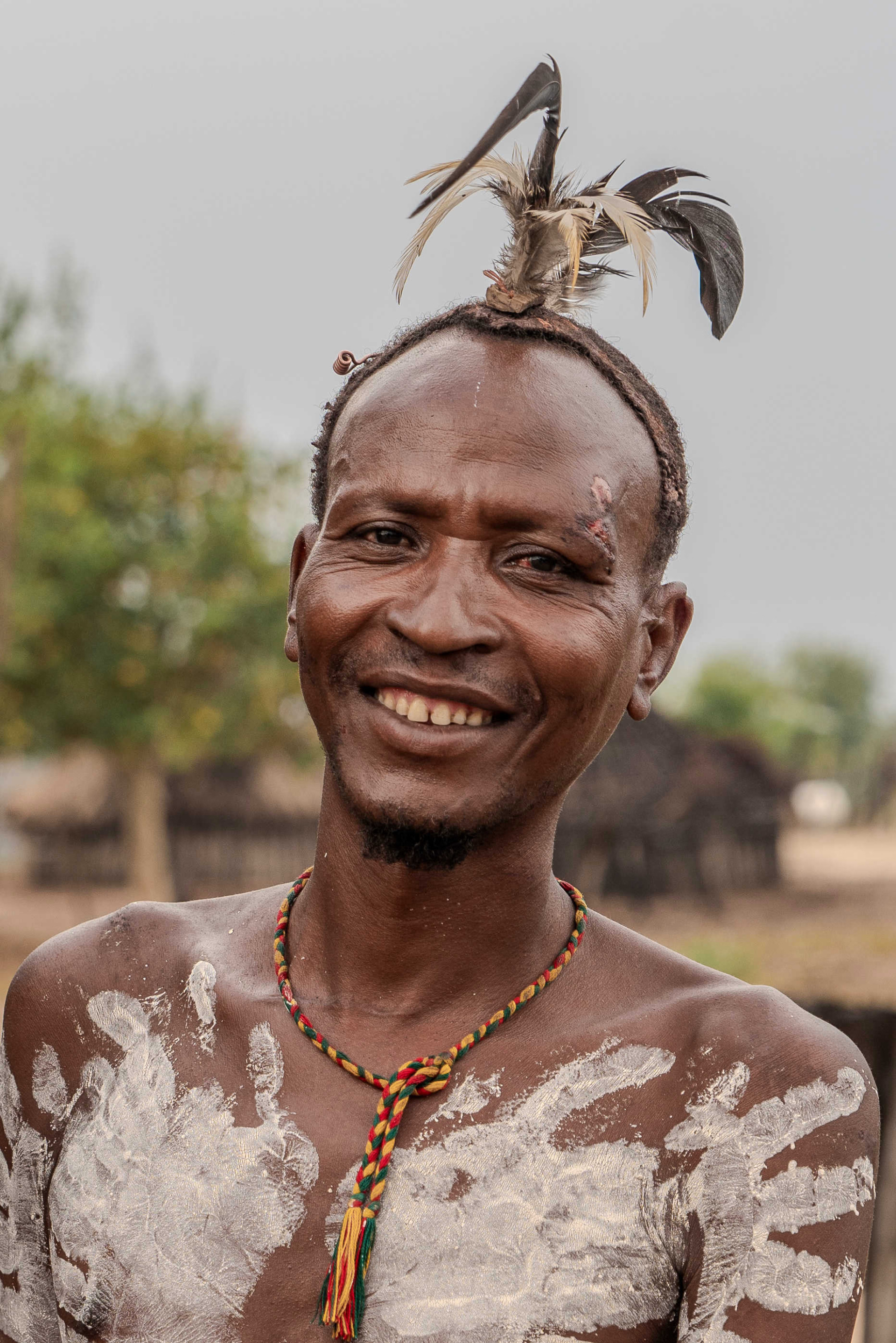
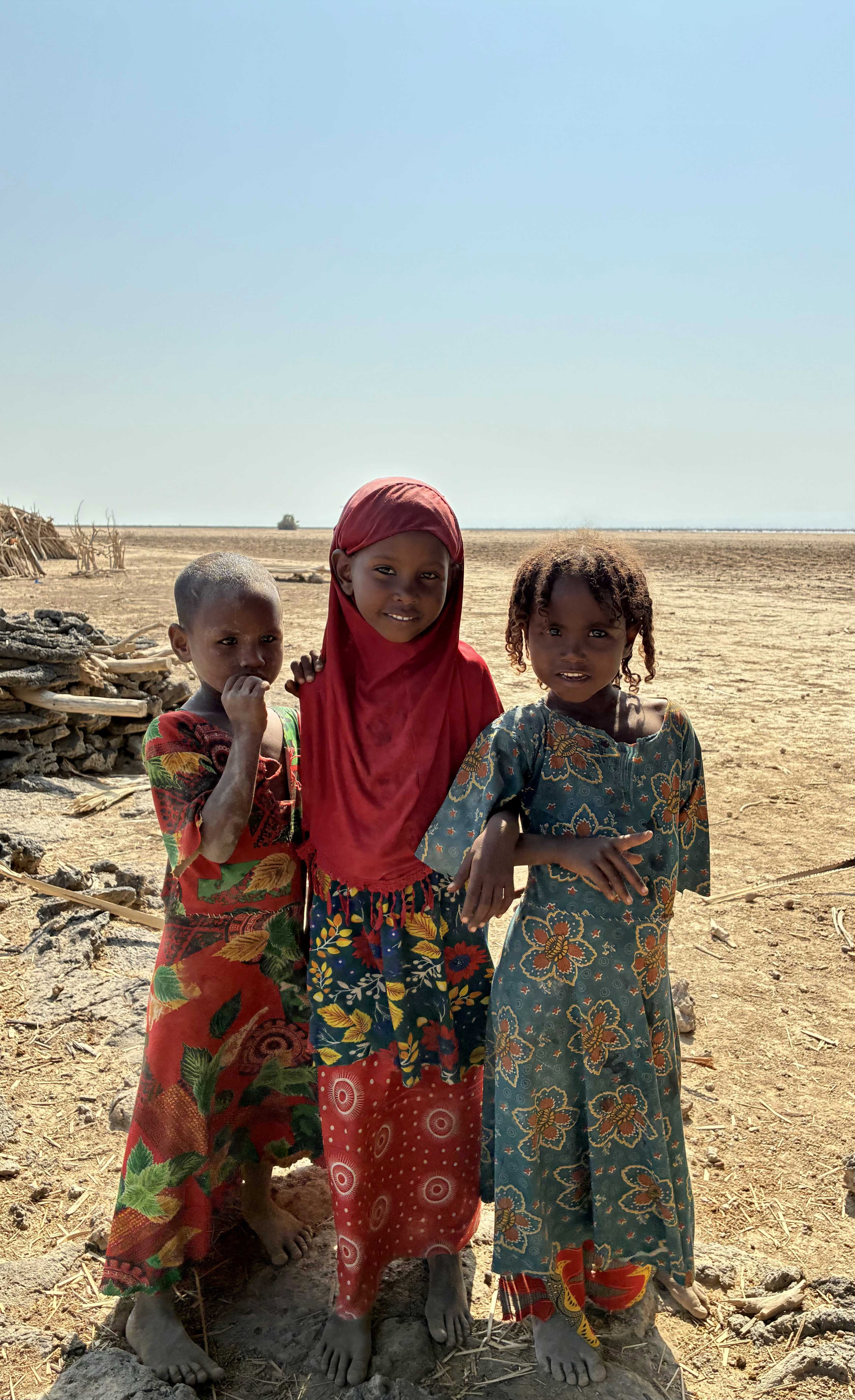
Authentic encounters with the Mursi, Karo, Hammer and Dorze ethnic groups
-
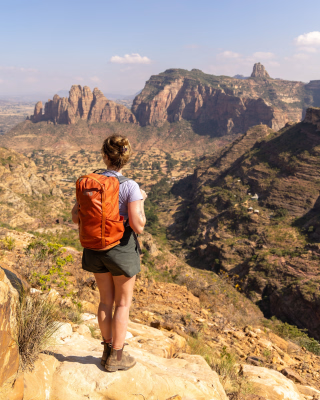
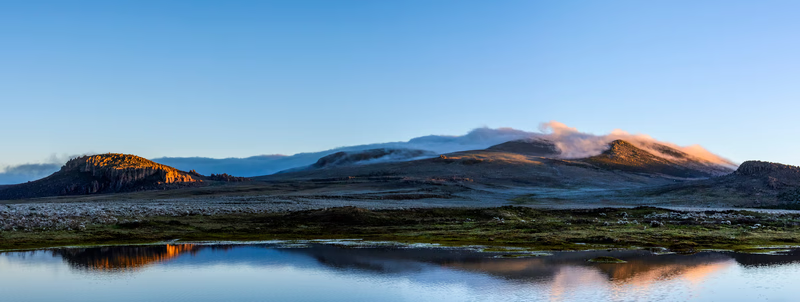
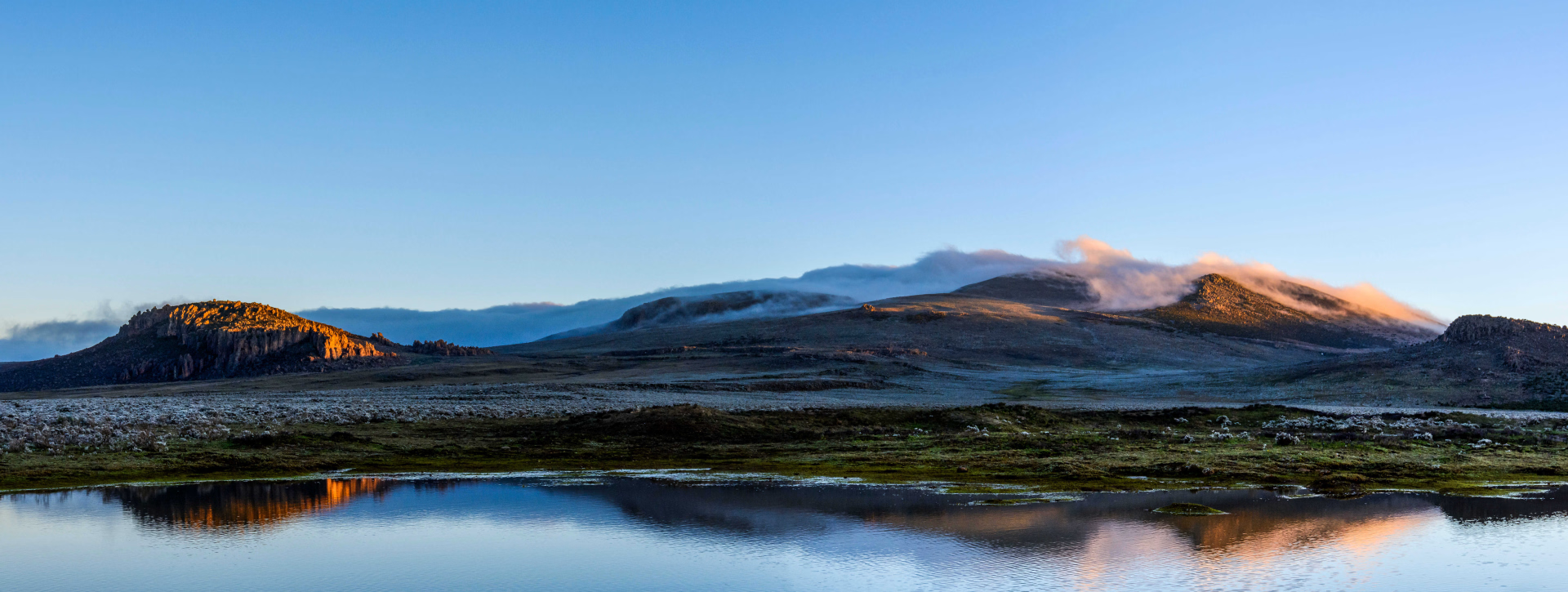
Immerse yourself in the spectacular landscapes of the Bale Mountains.
-
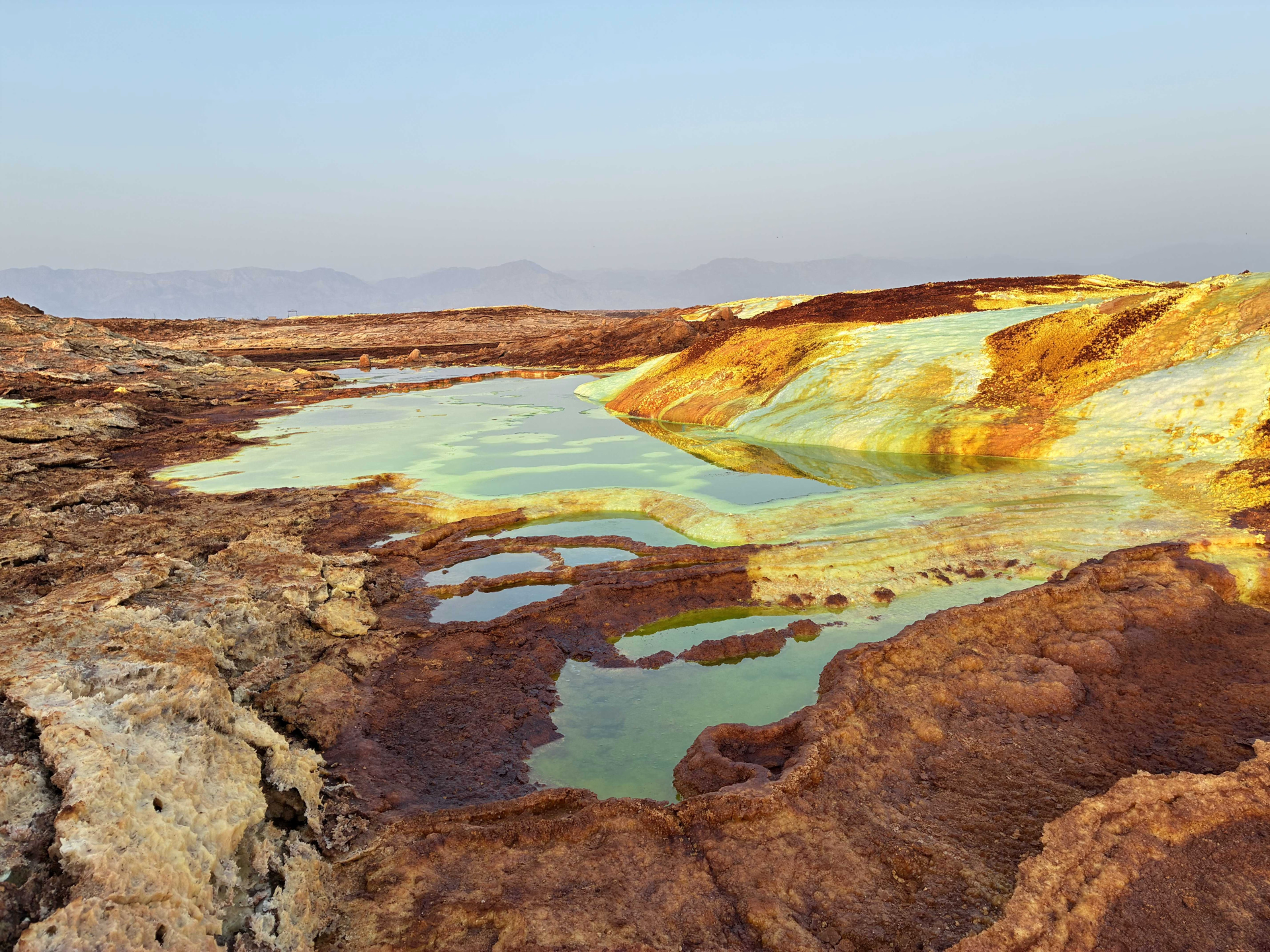
Discovering Dallol, a geothermal gem with unreal colors
Photos

Sport
Level
Hiking / Trekking
The expert's opinion
You'll experience an adventure in the most remote lands on the planet for 22 days...
It is a journey of discovery, easy physically, but which requires psychological adaptation to remoteness as well as physical adaptation to more rustic travel conditions.
It is important to note that the northern part of Ethiopia is quite inhospitable (between the Erta Ale volcano and the Danakyl desert), so the circuit does not have any particular difficulties, but the accommodation conditions (bivouac on the edge of the Erta Ale volcano) and the long travel times can make this trip more difficult.
In the south, a 5-day trek awaits you in the heart of the Bale Mountains. It's not particularly difficult, but you'll be camping for 5 days.
It is for all these reasons that this circuit is considered to be between level 2 and level 3.
In figures
Hiking
- Average duration/day: 4h
- Average daily elevation gain: 218 m
- Average daily descent: 88 m
Management
French
Upon your arrival in Addis Ababa, you will be met by your French-speaking Ethiopian tour guide (he may sometimes be refused entry to the airport. In this case, you will need to meet him at the airport exit).
He is assisted by a local team composed of:
- A local guide in the parks and during certain tours
- Driver(s) for transfers
Program
-
Flight to Ethiopia
- Transportation Plane - 07h - 5200km
- Breakfast not included
- Lunch not included
- Dinner not included
Night flight Paris / Addis Ababa.Day 1 -
Addis Ababa - Flight to Jinka
- Accommodation 2-star hotel
- Breakfast included
- Lunch included
- Dinner included
Upon arrival, we are greeted by our French-speaking Ethiopian tour guide.* Depending on the arrival time, breakfast will be served in town. Then, we fly to Jinka, the capital of the lower Omo Valley. Located in the southwestern reaches of Ethiopia, this is where numerous tribes have settled. Each has its own distinctive dwelling and body modifications for aesthetic, social, or religious purposes. In the afternoon, we visit the South Omo Ethnographic Museum, dedicated to the rites and beliefs of the region's peoples, followed by an excursion to Alga to discover the Ari, who, with their 120,000 members, represent the largest ethnic group in the Omo Valley. The Ari's thatched houses are decorated with beautiful murals. *Entry into the international arrivals area of Addis Ababa Airport is no longer permitted for those meeting passengers. After collecting your luggage, please exit the airport terminal and walk 50 meters down the trolley ramp to the parking lot and taxi rank. Stop in front of the taxis; your guide will be waiting for you there with an "Atalante" sign.Day 2 -
Mago National Park - Mursi Village - Turmi
- Transportation Minibus - 05h - 200km
- Accommodation Camping
- Breakfast included
- Lunch included
- Dinner included
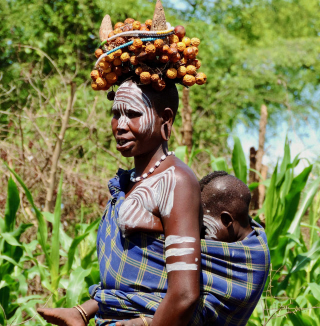
Early in the morning, we depart from Jinka towards Mago National Park. The heart of the park consists of savannah plains and deserts that extend beyond the park's borders to Lake Turkana. We travel through beautiful landscapes, crossing the park to a Mursi village, which we visit. The Mursi body ornamentation is the most spectacular. Aside from the numerous body scarifications, it is the women who are most striking. With shaved heads, they adorn their lower lips with a clay plate decorated with engravings or paintings. In the afternoon, we continue towards Turmi. Our route then crosses rounded mountains; the soil is dark red, and the harvests are abundant. We arrive in Turmi in the late afternoon.Day 3 -
Omo Delta - Karo Village - Hammer Village
- Transportation Minibus - 04h - 200km
- Accommodation Camping
- Breakfast included
- Lunch included
- Dinner included
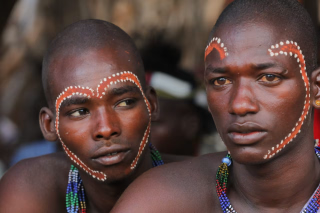
This morning, we set off to meet the Karo tribe, one of the most endangered tribes as their culture is disappearing. The region is incredibly wild, and the landscapes and views of the Omo River are magnificent. The Karo are farmers (growing cereals, cotton, and sugarcane) who also raise cattle. They are masters of body decoration, especially during festivals. They use chalk to imitate the speckled plumage of the guinea fowl. They are also very inventive in making their jewelry, crafting it from whatever they can find! We then return to Turmi. The afternoon is dedicated to meeting the Hammer people. The Hammer are semi-nomadic pastoralists who live by raising livestock and cultivating sorghum, millet, tobacco, and cotton. It is sometimes possible to witness ceremonies such as the Oukouli (a rite of passage into adulthood for adolescents).Day 4 -
Turmi - Konso – Arba Mintch
- Transportation Minibus - 06h - 300km
- Accommodation 2-star hotel
- Breakfast included
- Lunch included
- Dinner included
This morning, we set off for the verdant, hilly land of the Konso people. The Konso live according to unique rules dictated by the arid environment in which they live. We'll take a walk to explore the village. The appearance of Konso villages differs from those of other peoples in the region. To defend themselves against attacks from wild animals and to protect themselves from mudslides, they encircle their villages with walls of stone and dried earth, 3 to 4 meters high. Within these walls, the huts are so close together that their roofs sometimes overlap. We then continue to Arba Mintch, located between the two southernmost lakes of the Ethiopian Rift Valley. We'll settle into the lodge overlooking the entire plain of Lakes Abaya and Chamo, on the border of Nechisar National Park. Thanks to its great diversity of natural habitats, this park is home to exceptional flora and fauna!Day 5 -
Boat trip on Lake Chamo - Dorzé Village - Arbamintch
- Transportation Minibus - 02h - 100km
- Accommodation 2-star hotel
- Breakfast included
- Lunch included
- Dinner included
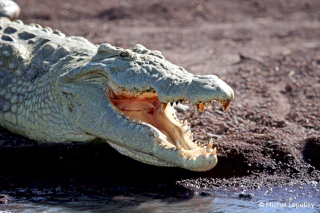
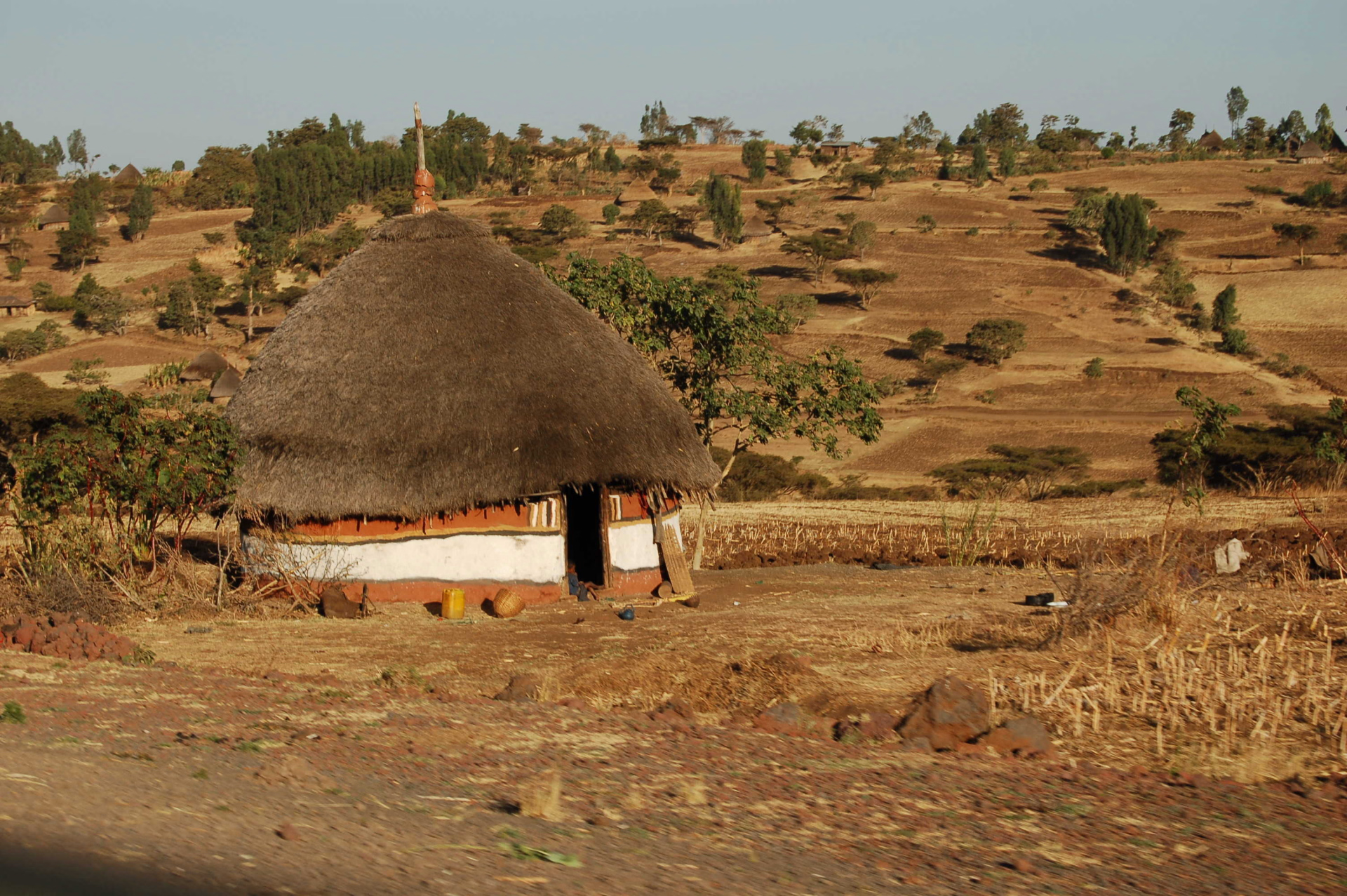
Arba Minch is a peaceful and very pleasant town, built on a hillside. The town offers a striking panorama of the Nechisar plains and Lakes Abaya and Chamo. This morning, we're taking a boat trip on Lake Chamo and trying to spot hippos and crocodiles, some of which are over six meters long, gathering on the lake's shores (Crocodile Market). They coexist peacefully with pelicans and white eagles. We then continue by car to Nechisar National Park for a walk to discover the local flora and fauna. In the afternoon, we meet the Dorze tribe, famous for their dwellings (tukul) made mostly of bamboo and featuring distinctive conical or pyramidal roofs. The Dorze are also renowned for their weaving (especially the white cotton shawl with embroidered borders) and their polyphonic singing. Return to Arba Minch at the end of the day.Day 6 -
Arba Mintch - Lake Hawassa - Sidama Country
- Transportation Minibus - 05h - 200km
- Accommodation 2-star hotel
- Breakfast included
- Lunch included
- Dinner included
This morning, we set off on the road that winds through fertile land, with its fields of banana trees, grains, and coffee plants, to reach the town of Hawassa. Along the way, we make a lovely stop in a Sidama village, surrounded by farmland. The houses are decorated, the colors are vibrant—a truly unique experience! We then arrive in the town of Hawassa with its small lake, a veritable haven of peace.Day 7 -
Hawassa – Balé NP: Gisay Plain – Dinsho
- Transportation Minibus - 05h - 200km
- Activity Hiking
- Duration of the activity 4h
- Accommodation Bivouac / Tent
- Breakfast included
- Lunch included
- Dinner included
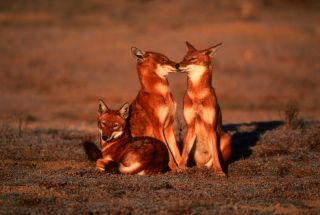
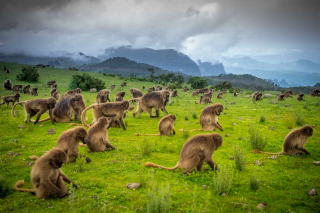
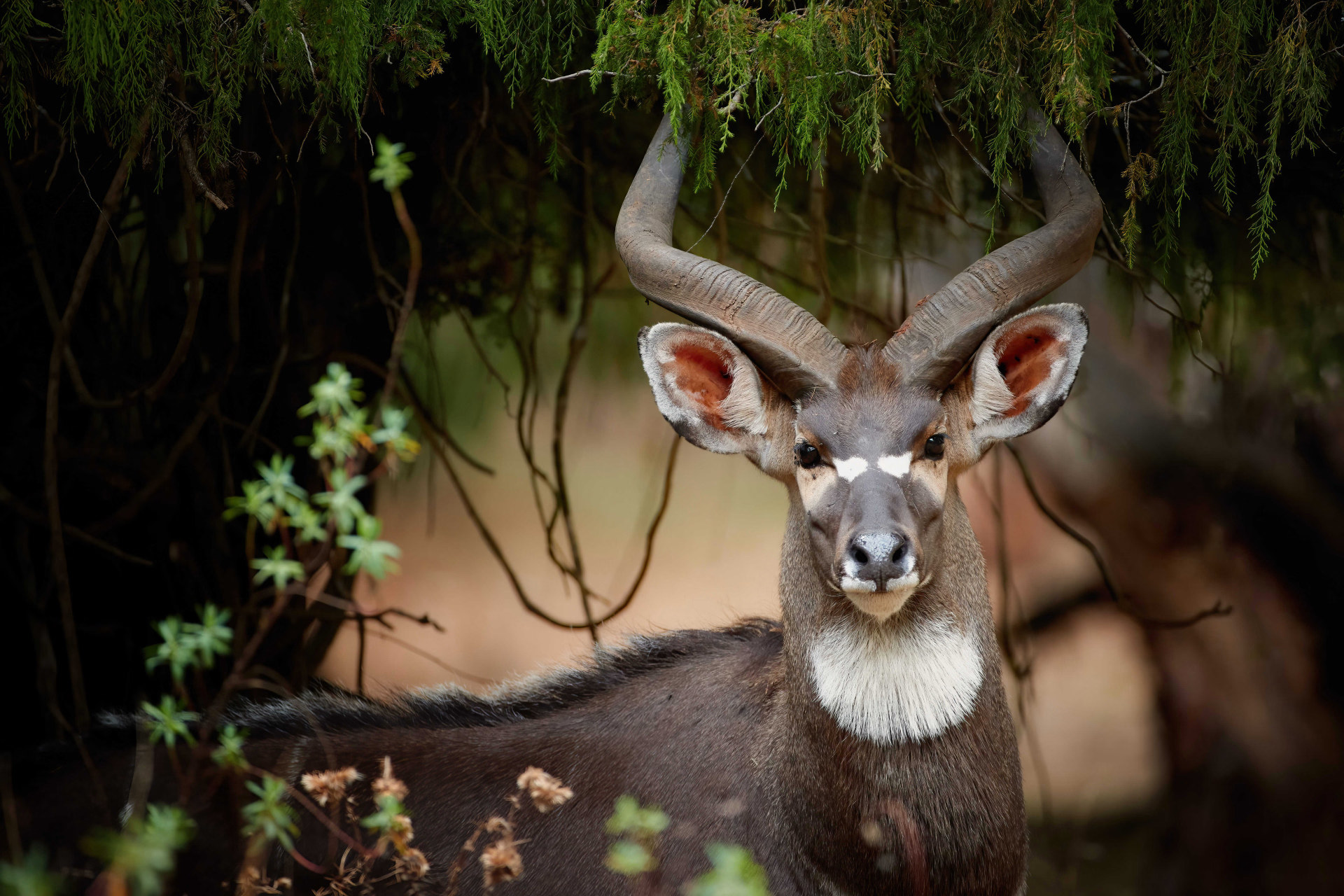
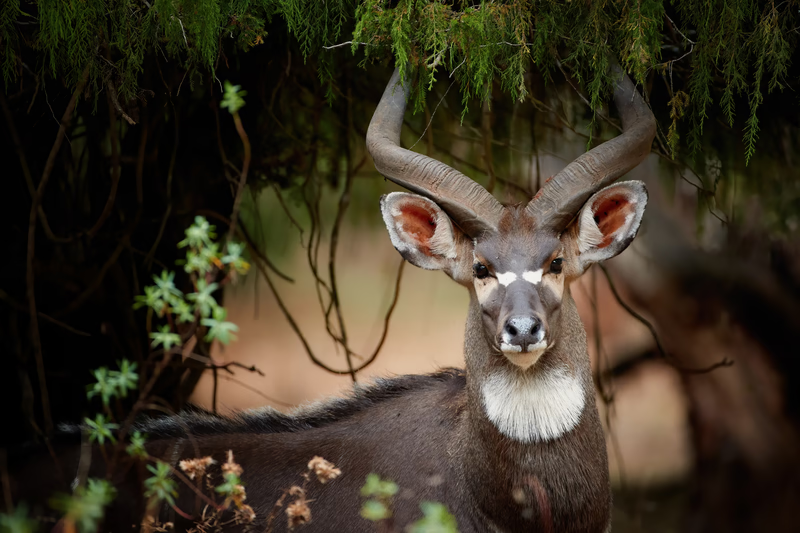
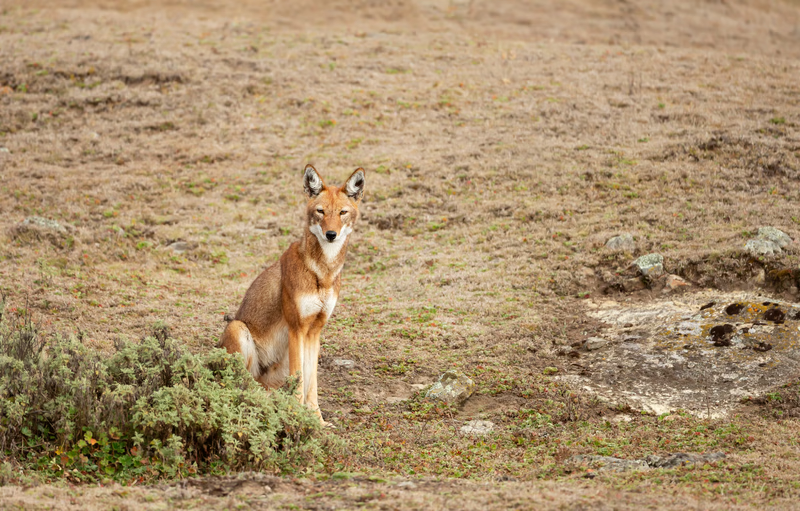
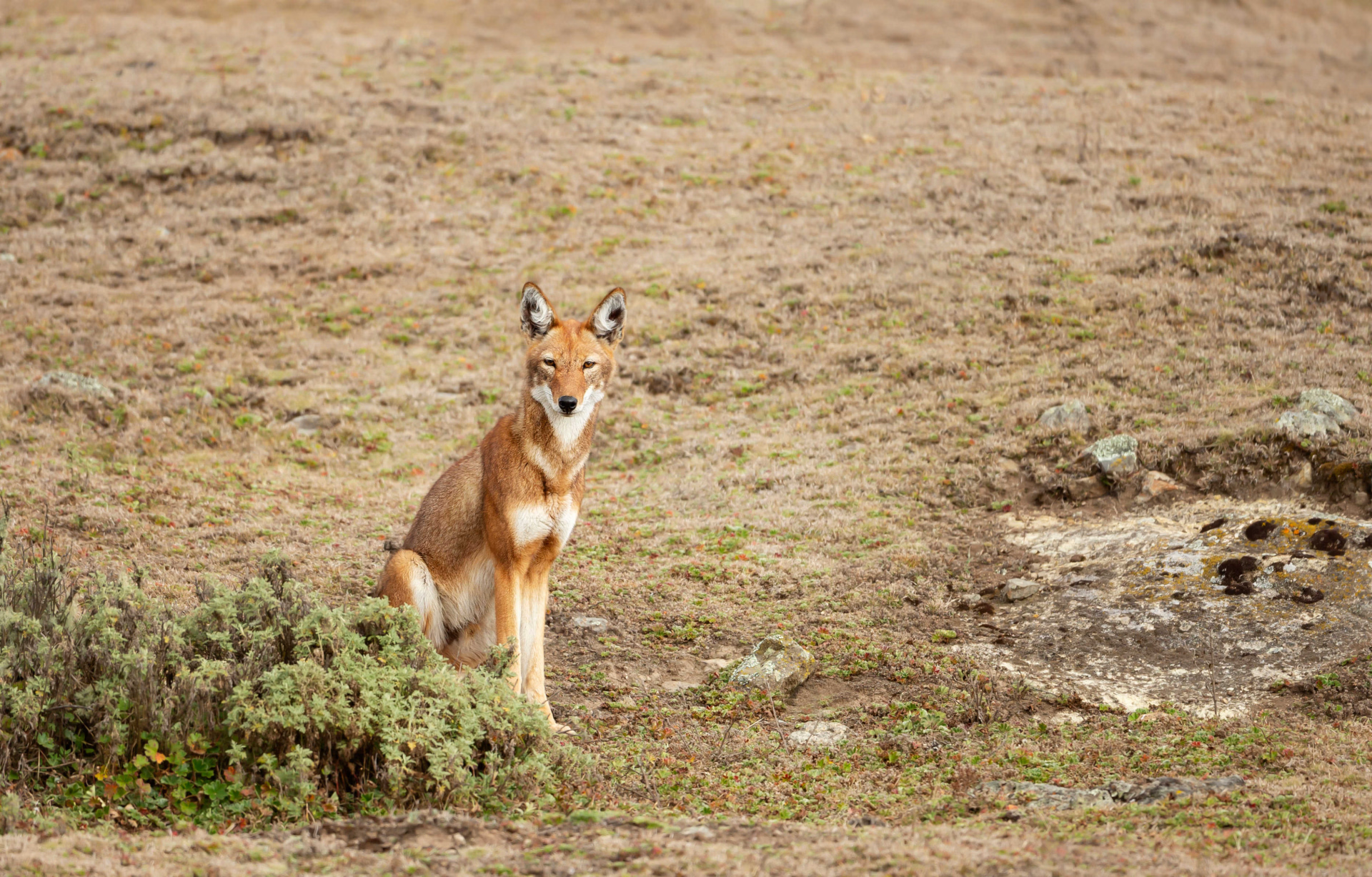
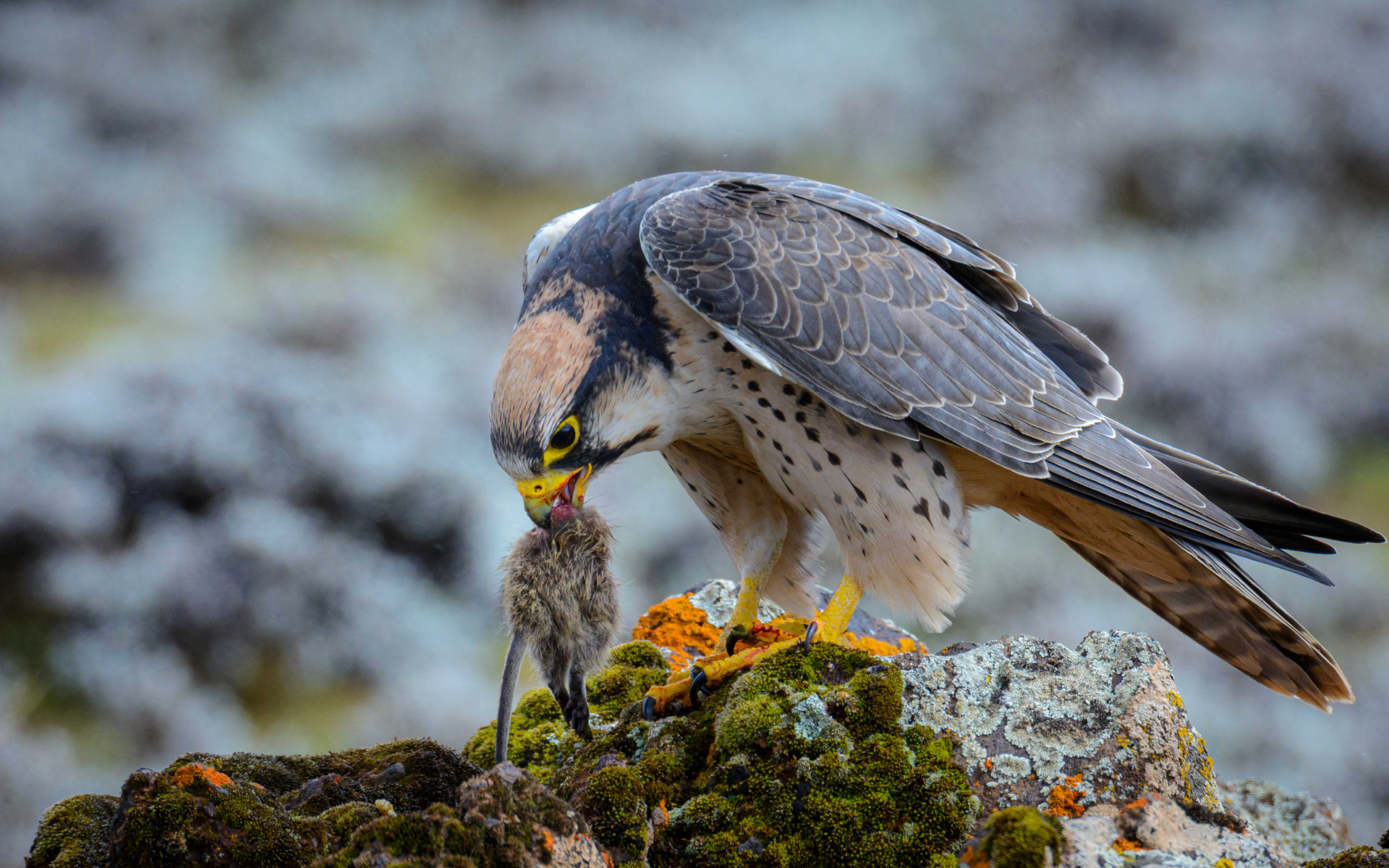
This morning, we took a short walk to the traditional fish market, frequented by pelicans and marabou storks. It was lovely to stroll through the small park and take a walk around the lake. Afterwards, we set off for Bale National Park. The mountain range of the same name is one of the most spectacular wilderness areas in Ethiopia, home to the country's second highest mountain, Mount Tullu Deemtu, which rises to 4,377 meters. It is also home to three of Ethiopia's endemic species: the Ethiopian wolf, the mountain nyala, and the Ethiopian bushbuck, which have largely contributed to the fame of the Bale Mountains. Bale is also a natural aviary, with over 200 bird species recorded in the park, 15 of which are endemic. We arrived in Dinsho (3,150 meters above sea level) and then enjoyed a beautiful hike through the forest to the Gaysay Plateau. We may have the chance to observe the nyala and warthogs that inhabit the region.Day 8 -
Bale National Park: Web Valley – Sodota
- Activity Hiking
- Duration of the activity 6h30
- Positive elevation gain 500 m
- Negative elevation 100 m
- Accommodation Bivouac / Tent
- Breakfast included
- Lunch included
- Dinner included
After breakfast, we resume our hike towards Sodota Camp, through the lush vegetation of the Web Valley, across a moorland landscape, skirting Mount Gasuray. We continue to Fincha Habera Waterfall, an excellent spot for a picnic lunch. During the trek, we might be lucky enough to spot Ethiopian wolves and other wildlife... Camping at Sodota (3550 m).Day 9 -
Balé NP: Sodota – Keyrensa
- Activity Hiking
- Duration of the activity 5h30
- Positive elevation gain 300 m
- Negative elevation 100 m
- Accommodation Bivouac / Tent
- Breakfast included
- Lunch included
- Dinner included
We set off for our next camp. Our trek takes us along the lava flows that divide the valley. During the trek, we pass through small Oromo villages. There are also opportunities to observe wild animals such as the Ethiopian wolf.Day 10 -
Balé NP: Keyrensa – Rafu
- Activity Hiking
- Duration of the activity 6h30
- Positive elevation gain 440 m
- Negative elevation 200 m
- Accommodation Bivouac / Tent
- Breakfast included
- Lunch included
- Dinner included
After breakfast, we left our campsite and continued towards Rafu, which is located on the Sanetti Plateau escarpment. This vast plateau, territory of the Ethiopian wolf, lies at an altitude of around 4000 meters. We then settled into the campsite at Rafu (3990 m).Day 11 -
Balé NP: Rafu – Tullu Deemtu – Goba
- Activity Hiking
- Duration of the activity 6h30
- Positive elevation gain 500 m
- Negative elevation 300 m
- Accommodation 2-star hotel
- Breakfast included
- Lunch included
- Dinner included
After breakfast, we hike across the Sanetti Plateau through typical Afro-alpine vegetation, including giant lobelia. We then begin the ascent of Tullu Deemtu, the second highest peak in Ethiopia. After this beautiful climb, our vehicle picks us up and transfers us to Goba.Day 12 -
Goba – Lake Langano
- Transportation Minibus - 05h - 200km
- Accommodation 2-star hotel
- Breakfast included
- Lunch included
- Dinner included
We drive to Lake Langano. Located in the heart of the Rift Valley at an altitude of 1,570 meters, Langano is a popular relaxation spot for residents of the capital, who enjoy gathering there to relax by its freshwater lake. Nearby, we explore Abyata and Shalla National Park, home to alkaline lakes with an impressive colony of pink flamingos, as well as numerous other bird species (cormorants, pelicans) and families of ostriches.Day 13 -
Lake Langano - Addis Ababa - Flight to Dire Dawa - Harar
- Transportation Plane - 04h - 300km
- Accommodation 2-star hotel
- Breakfast included
- Lunch included
- Dinner included
Return by car to Addis Ababa. Depending on the arrival time, visit the National Museum, home to the famous remains of Lucy, who lived over 3.2 million years ago. In the afternoon, fly to Dire Dawa, then drive to Harar, a fortified city and UNESCO World Heritage Site. Considered the fourth holiest city in Islam, Harar captivates visitors with its mystical atmosphere and rich cultural heritage.Day 14 -
Discovering the fortified city of Harar
- Activity Hiking
- Duration of the activity 1h30
- Accommodation 2-star hotel
- Breakfast included
- Lunch included
- Dinner included
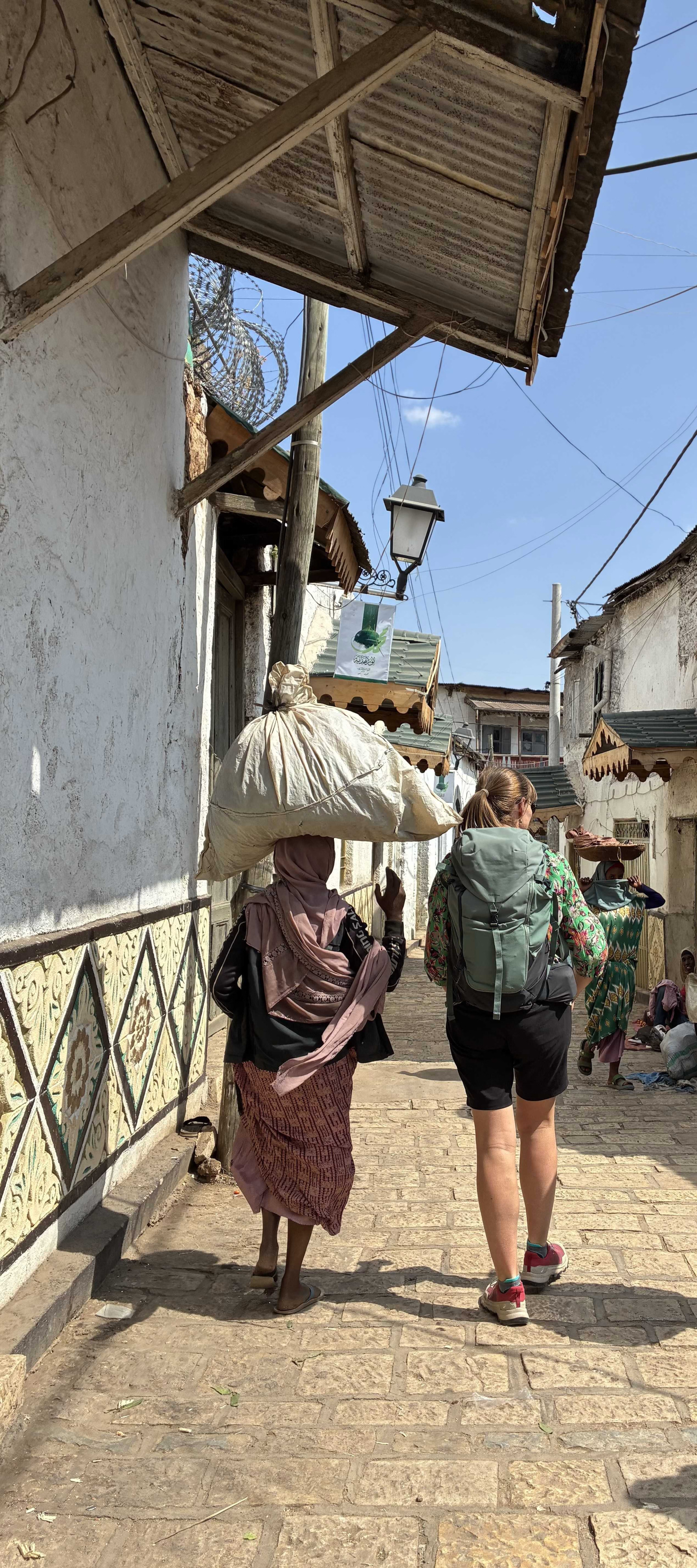
The day is dedicated to exploring this legendary city: a stroll through the narrow streets of the old town with its colorful walls, a visit to the traditional Harari houses, the Arthur Rimbaud Museum, and the bustling market. At the end of the day, an encounter with the "hyena men," famous for their unique tradition of hand-feeding hyenas at nightfall. A truly fascinating and unforgettable experience.Day 15 -
Harar – Awash National Park – Doho
- Transportation Minibus - 08h - 400km
- Accommodation 2-star hotel
- Breakfast included
- Lunch included
- Dinner included
An early departure takes you towards the Awash region, located east of the Ethiopian Rift Valley. The road gradually descends before crossing landscapes of volcanic fields covered with sparse vegetation. Along the way, you'll encounter the Kereyou people, often accompanied by their herds of camels. This semi-nomadic group is recognizable by their voluminous traditional headdresses. In the late afternoon, enjoy a safari in Awash National Park: observe the wildlife (oryx, kudu, warthogs, baboons, etc.), immerse yourself in a landscape shaped by volcanic activity, and hike to the impressive Awash Falls. The river plunges into a spectacular gorge bordered by basalt cliffs. Check in to Doho Lodge, a charming accommodation situated on the banks of the Awash River, in the heart of a peaceful natural environment.Day 16 -
Awash - Aledeghi Fauna - Semera
- Transportation Minibus - 06h - 300km
- Accommodation 2-star hotel
- Breakfast included
- Lunch included
- Dinner included
In the morning, we depart for a safari in the Aledeghi Wildlife Reserve, a vast semi-desert expanse home to a remarkable diversity of species. With a bit of luck, we may spot elegant gazelles, long-necked gerenuks, majestic oryx, and burrowing warthogs. This morning excursion will immerse us in the heart of a unique ecosystem, between arid savannah and volcanic landscapes. We then continue our journey towards the remote lands of the Danakil Depression. We arrive in Semera, the capital of the Afar region and the starting point for exploring the Danakil Depression.Day 17 -
Semera – Lake Afdera – Ascent of the Erta Ale volcano
- Transportation Minibus - 07h - 350km
- Accommodation Bivouac / Tent
- Breakfast included
- Lunch included
- Dinner included
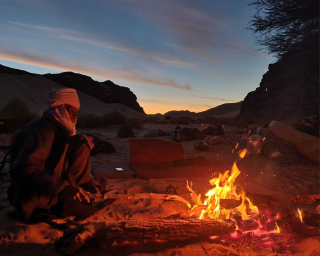
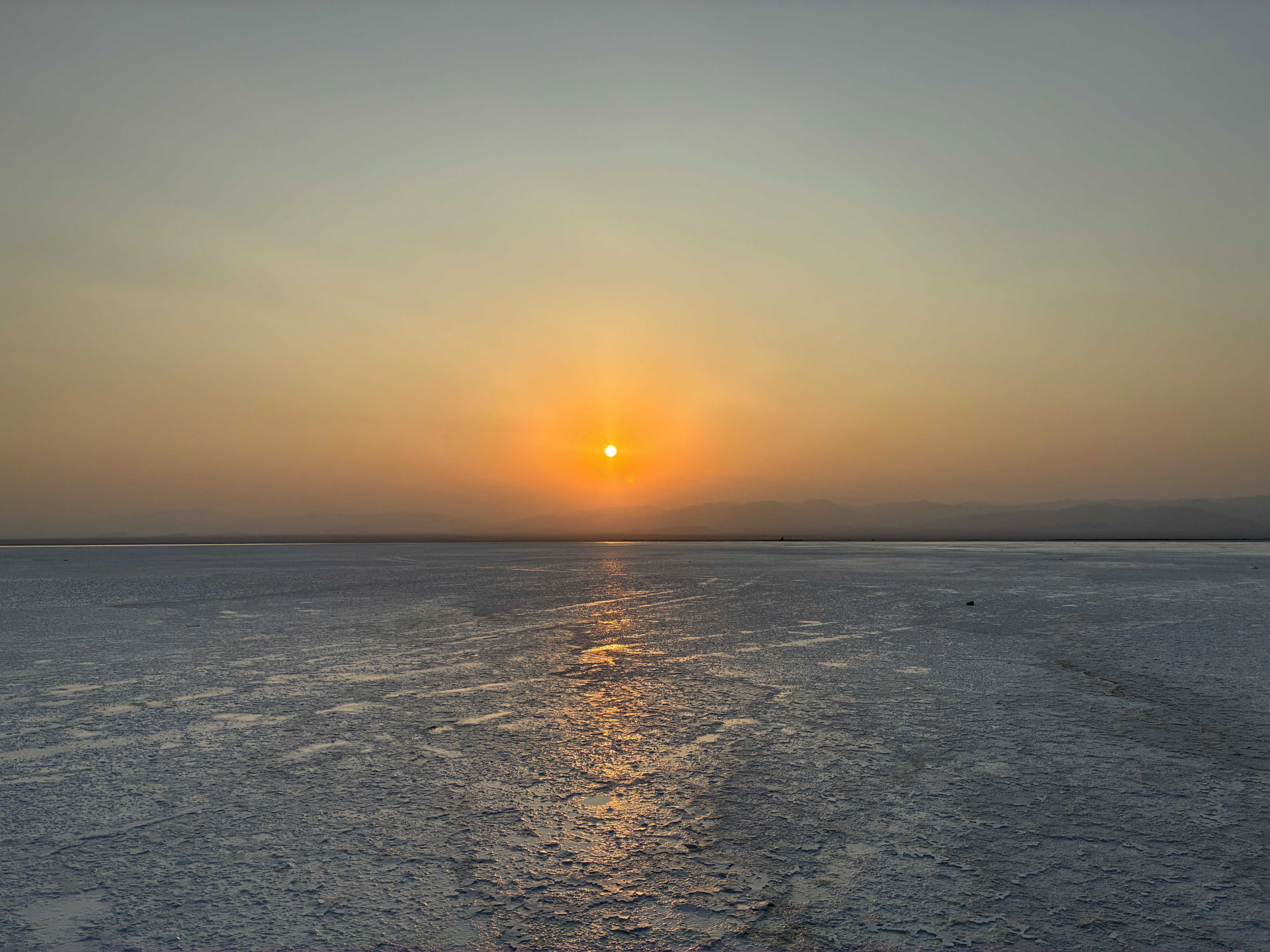
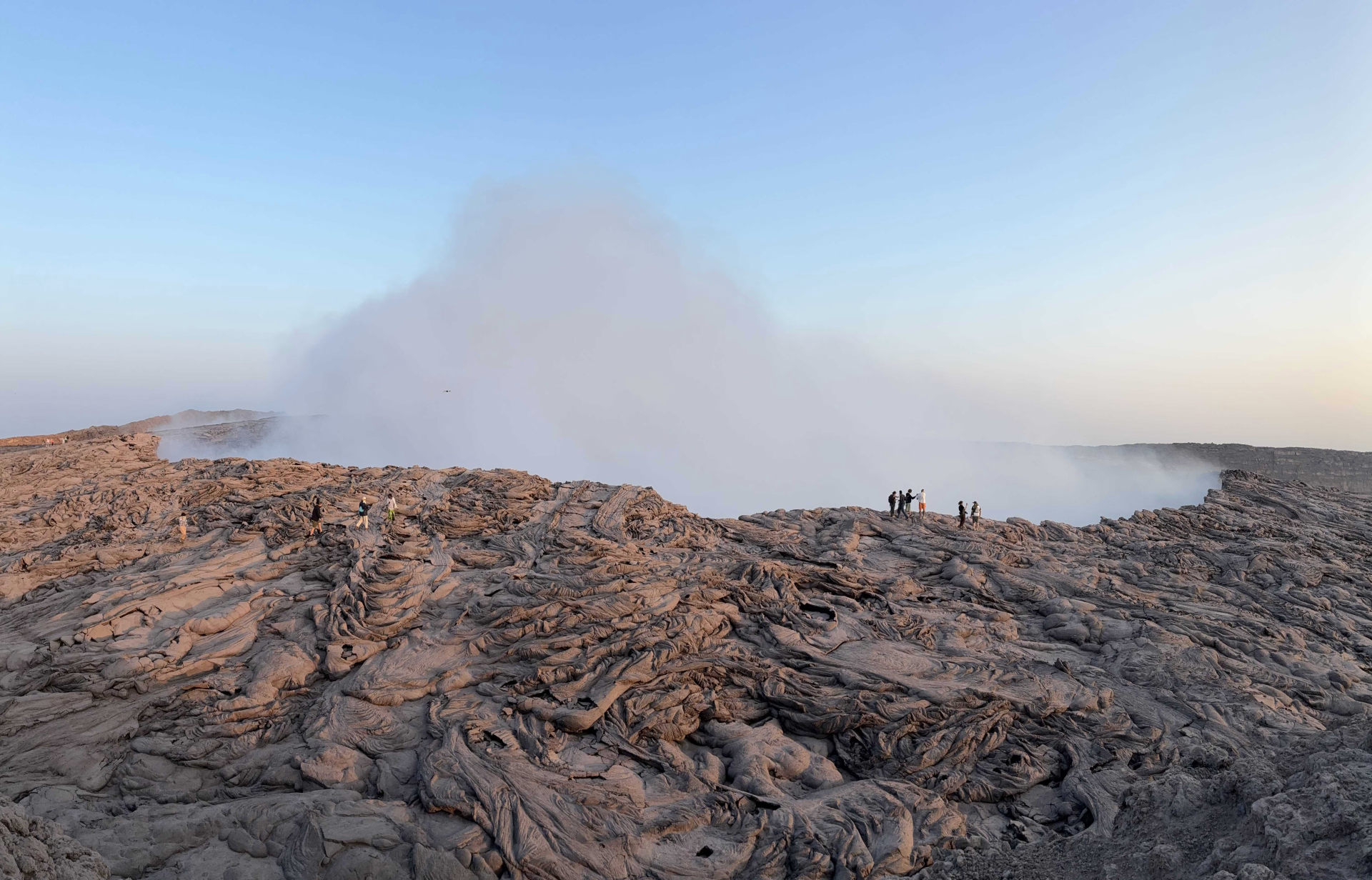
We take the long road towards Lake Afdera and slowly approach the Danakil Desert. The landscape gradually transforms: drier, harsher, but still hilly. We reach the salt lake Afdera, a vast expanse of approximately 100 km² located 103 meters below sea level. Fed by underground rivers with no outlet, the lake has an exceptionally high salt concentration. For centuries, the site has been a vital source of salt, extracted and transported to the Ethiopian highlands. We continue by car to the base of Aba Kebera, at the foot of the Erta Ale volcano. In the late afternoon, as temperatures begin to drop, we begin the ascent of the volcano (about a half-hour walk, without any particular difficulty, but we still recommend bringing a respiratory mask). The summit of the volcano is occupied by a vast oval caldera approximately 1.8 km in diameter, marked by numerous recent basalt flows. After witnessing the crater's nighttime activity, we descend back to camp, where we spend the night outdoors on mattresses.Day 18 -
Danakil Desert – Afar People – Dallol – Ahmedela
- Transportation Minibus - 04h - 200km
- Activity Hiking
- Duration of the activity 1h
- Accommodation Bivouac / Tent
- Breakfast included
- Lunch included
- Dinner included
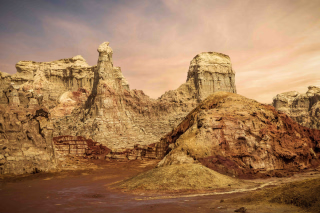
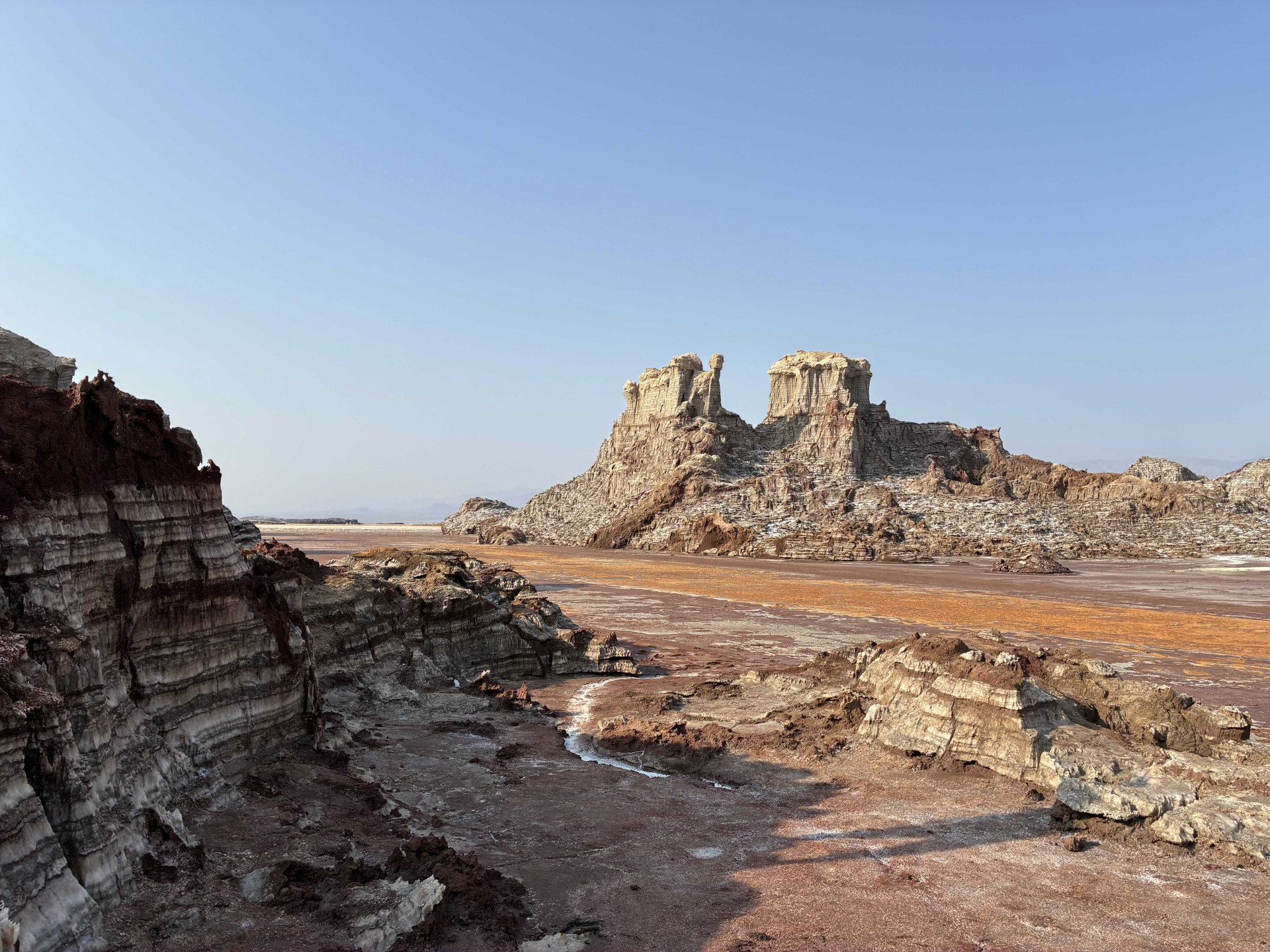
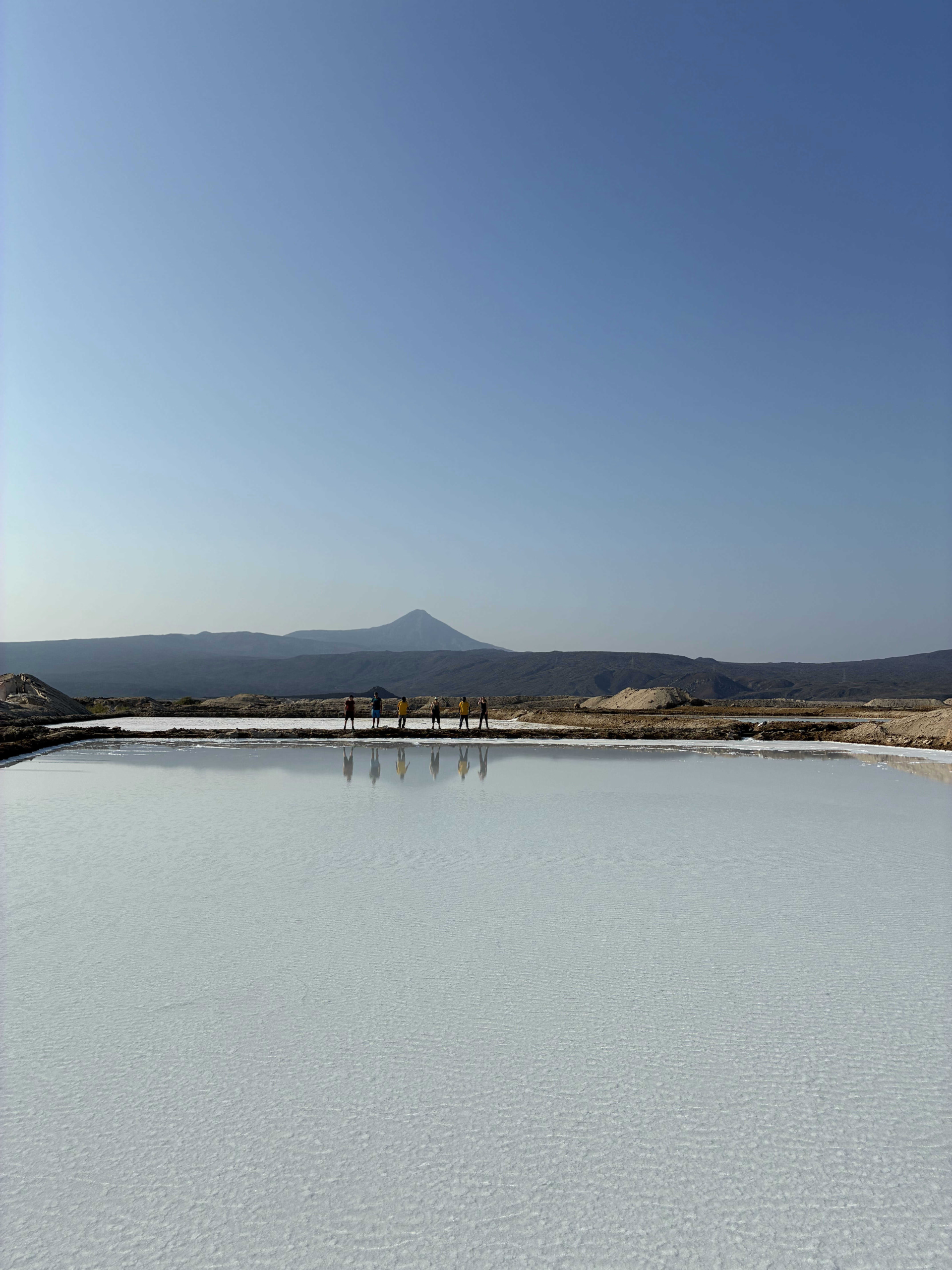
An early start to enjoy Lake Afdera at sunrise, bathed in soft light that enhances the desert landscapes. After breakfast, we set off towards Dallol, crossing a desert of lava and salt. Located 116 meters below sea level, Dallol is one of the lowest and hottest places on Earth. This desolate and spectacular area is known for its strange and fascinating geological formations: acidic hot springs, pools of sulfur and acid, columns and ledges of crystallized salt, small gaseous geysers, and concretions of magnesium chloride, brine, and solidified soda. A truly science-fiction landscape, colored in shades of green, yellow, ochre, and dazzling white! Along the way, we meet the Afar people, a nomadic community adapted to this arid environment. A special opportunity to discover ancestral traditions, an authentic pastoral way of life, and remarkable resilience in the face of extreme conditions. In the afternoon, we set off to explore the area around the Dallol salt flats for our first visit. An unforgettable moment awaits as the sun sets over the dazzling white salt flats. Transfer and setup of our bivouac in Ahmedela.Day 19 -
Exploring Dallol – Lake Assale – Lake Karoum – Salt Mountains
- Transportation Minibus - 04h - 200km
- Activity Hiking
- Duration of the activity 2h
- Accommodation Bivouac / Tent
- Breakfast included
- Lunch included
- Dinner included
An early departure for the Dallol salt flats, followed by a continuation of our exploration to Lake Karoum, home to one of the most iconic salt mining sites. We enjoy spectacular views of the hills and the vibrantly colored hot springs. Rich in minerals, a mixture of sulfur and potash, these natural formations offer an extraordinary palette of hues, ranging from bright yellow to intense orange. We also take a walk through the heart of the impressive canyons carved into the pink salt, located at the western end of Dallol.Day 20 -
Ahmedela – Semera – Return flight to France
- Transportation 08h
- Breakfast included
- Lunch included
- Dinner included
After breakfast, we leave the Danakil Depression and head to Semera, the capital of the Afar region. Transfer to Semera airport for our return flight to France via Addis Ababa. In Addis Ababa, depending on your flight schedule, a "wash and go" room will be available for you to shower and pack your bags before your flight.Day 21 -
Arrival in France
- Transportation Plane - 07h - 5200km
- Breakfast not included
- Lunch not included
- Dinner not included
Arrival in France.Day 22
Note
Accommodation
Access
Transport is by minibus and/or 4x4.
Go to the starting point
For Ethiopia, we use scheduled flights departing from Paris (operating year-round at fixed times). You will primarily fly with Ethiopian Airlines. Depending on availability at the time of your booking, we may also offer flights with other airlines.
Indicative flight times departing from Paris and arriving in Addis Ababa:
Departure from PARIS CHARLES DE GAULLE at 9:40 PM .../... Arrival in ADDIS ABABA at 6:00 AM the following day
Departure ADDIS ABABA at 00:30 .../... Arrival PARIS CHARLES DE GAULLE at 06:30
Departures from certain provincial cities are possible, but these will essentially be pre-transportation from the provinces to Paris.
IMPORTANT: This information is for guidance only. Depending on availability at the time of your booking, the airline and flight times may differ from the information mentioned above.
Price details
The price includes
- Flights Paris / Addis Ababa / Paris (regular)
- Domestic transport
- Accommodation
- Full board
- The services of a local team
- Guided by a French-speaking Ethiopian tour leader
The price does not include
- Visa fees (USD 62)
- Drinks
- Personal expenses
- Tips for local staff (at your discretion), see the specific Additional Information section for more details.
Options
- Flex fare and insurance
Practical information
Specific formalities
Specifics
Before your departure, check with the embassy or consulate regarding the entry and stay requirements for your destination country. You can also find this information on the France Diplomatie website ( https://www.diplomatie.gouv.fr/fr/dossiers-pays/ ).
In the case of flights with stopovers operated by different airlines, also check the entry requirements of the countries you are transiting through.
It is your responsibility to ensure you are in compliance, particularly regarding the validity of your identity documents (for example, some countries require your passport to be valid for at least six months after your return) , visa requirements, necessary vaccinations, and health recommendations. And don't forget to consider any customs restrictions and other potential requirements of your destination or transit country.
ℹ️ Information may change up to the departure date, remember to regularly check official websites.
Equipment
Equipment provided on site
Equipment to bring
- Earplugs or Hears, your choice
- Respiratory protection mask for the Erta Ale Volcano: although not mandatory, you can bring your own mask for added comfort.
- Plastic bags for waterproofing your belongings, cameras and clothes in particular.
- Notepad
- 1 headlamp with spare batteries
- 1 Swiss Army knife or equivalent (in checked baggage!)
- at least one and a half liter water bottle
- 1 towel and toiletries
- Sunscreen
- Toilet paper and a small bag to store it in after use
- 1 pair of hiking poles (optional)
- Sleeping bag liners for Danakyl depression
Clothing to bring
Clothing, from head to toe:
- Walking shoes: they must be sturdy and provide good support for the foot and ankle.
- Lightweight shoes (tennis shoes) or sandals
- Swimsuit
- Lightweight trousers and/or Bermuda shorts: avoid short shorts.
- T-shirt, shirt or sweatshirt: avoid low-cut clothing.
- Warm pullover or fleece jacket.
- Down jacket.
- Windbreaker or lightweight anorak.
- Scarf.
- Hat.
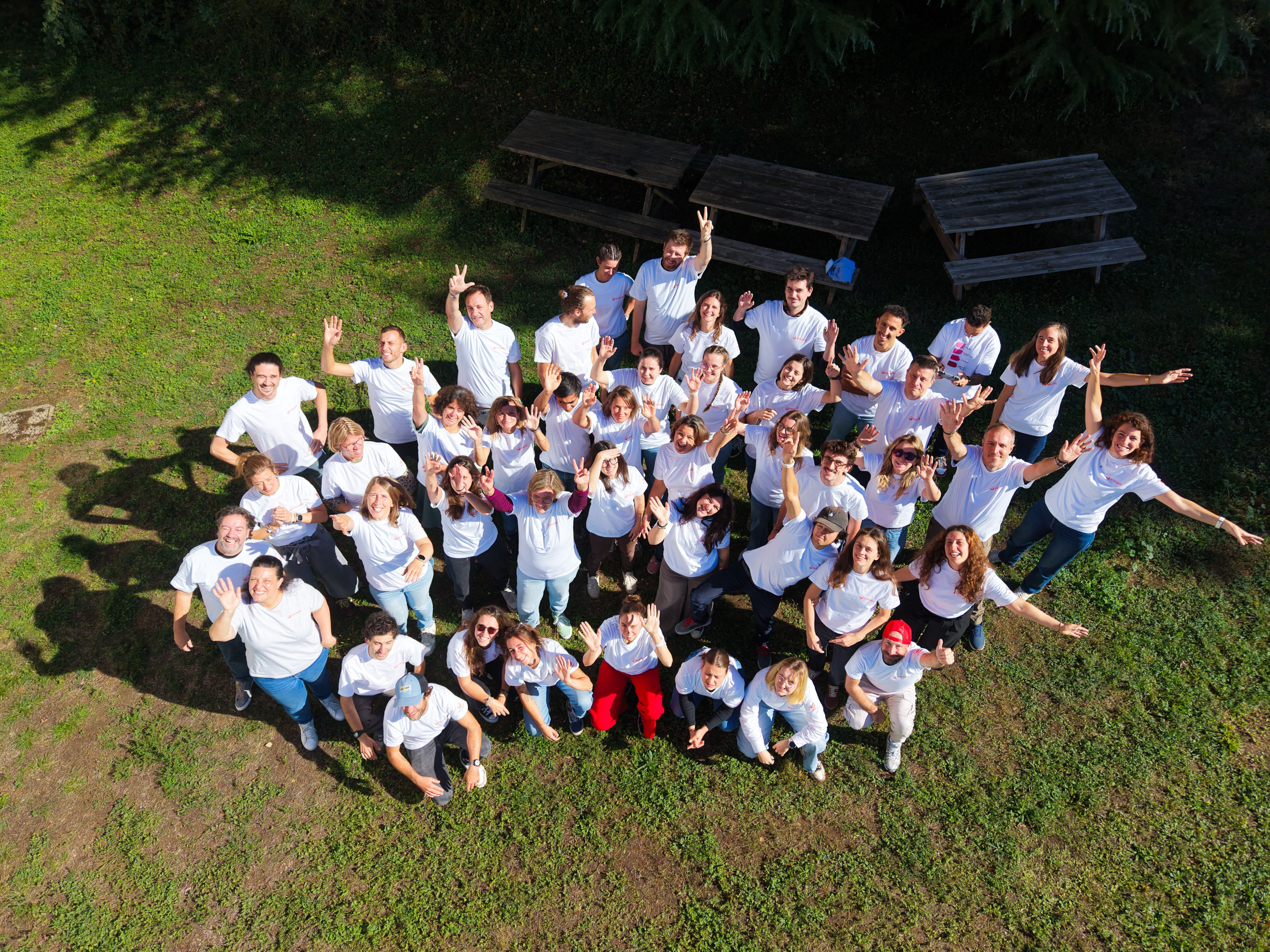
The Paulin team
Passionate about travel and connecting with people, our team will help you design meaningful adventures. From small group tours led by passionate local guides to tailor-made trips, experience unique journeys, immersing yourself in cultures and communities. From cultural discovery to challenging treks, explore the world's most beautiful destinations with us, far from the beaten path, at your own pace and according to your desires.