Les Contamines-Montjoie
/ Mont Blanc Massif
Snowshoeing holiday in the Mont Blanc region
Réf : HXMRQK
In summary
-
Sports
-
Duration2 days
-
LevelConfirmed
-
DestinationLes Contamines-Montjoie / Mont Blanc Massif
-
AgeFrom 16 - 70 years
-
CO₂-Emissions7.31 kg CO2
-
Type of stayIn a group
-
Languages
 French
 English
In a few words
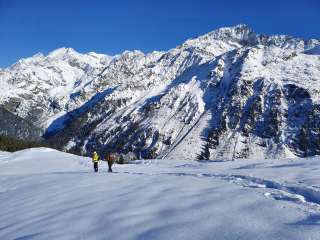
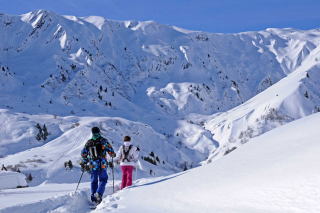
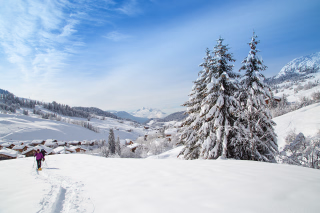
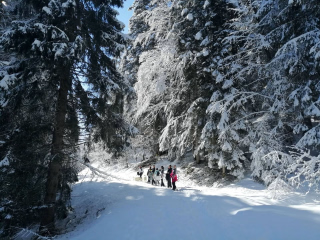
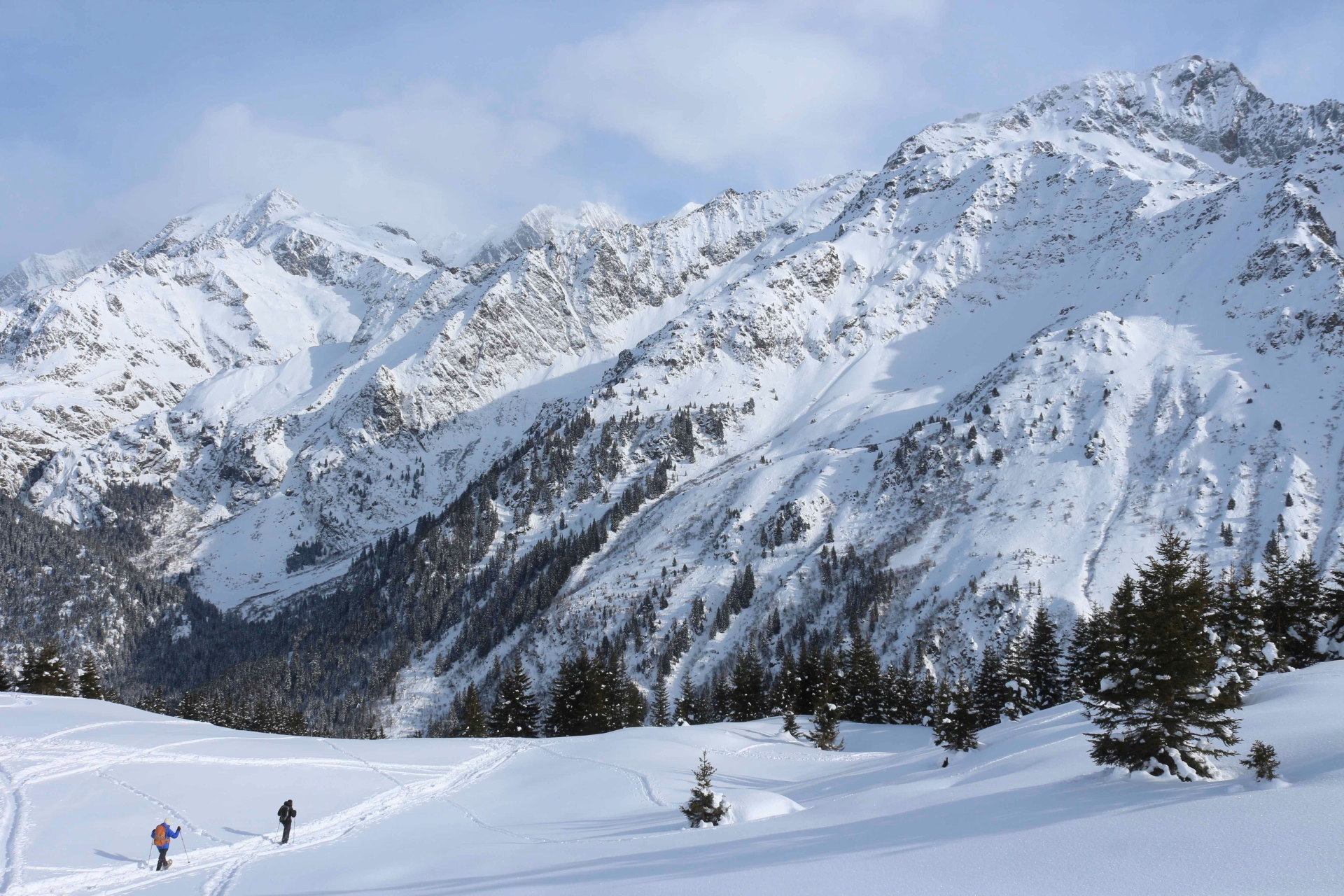
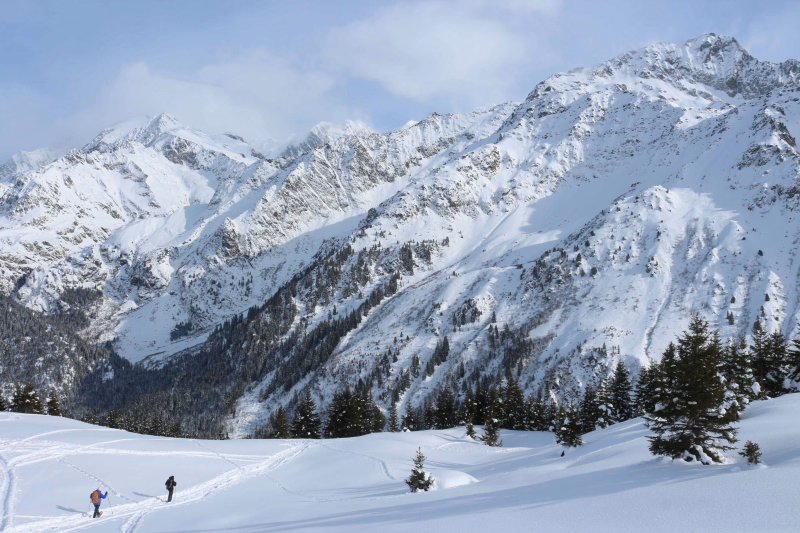
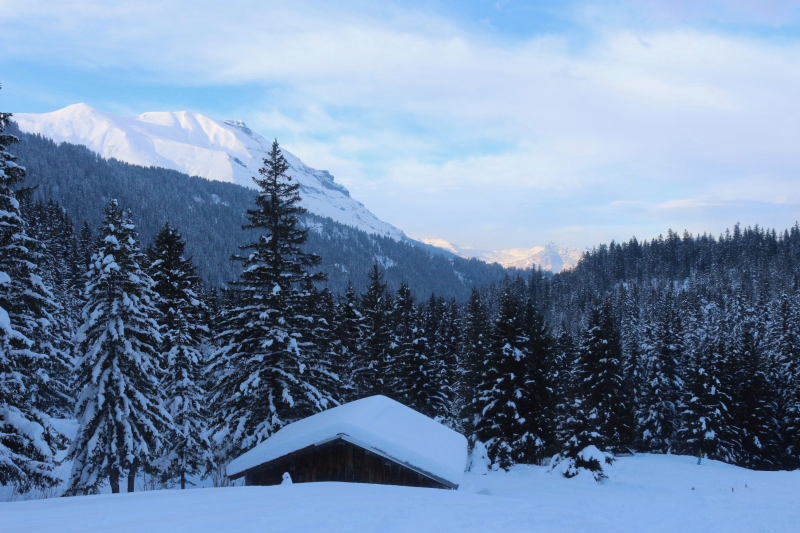
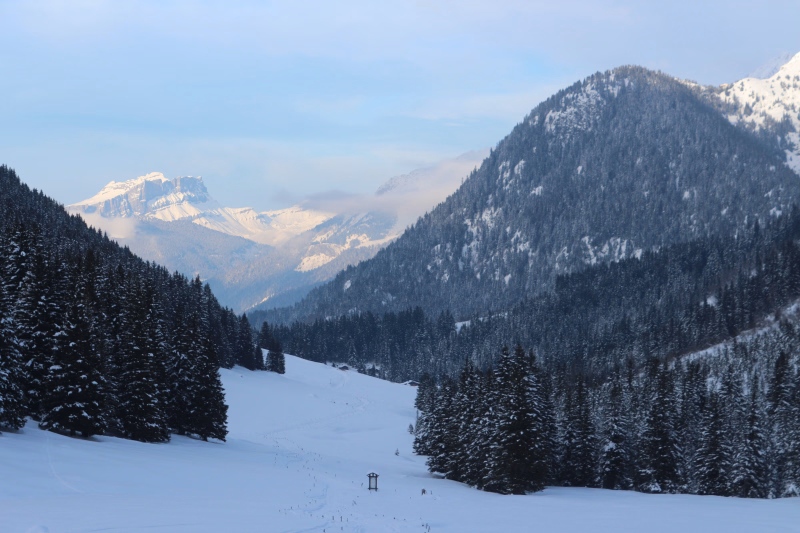
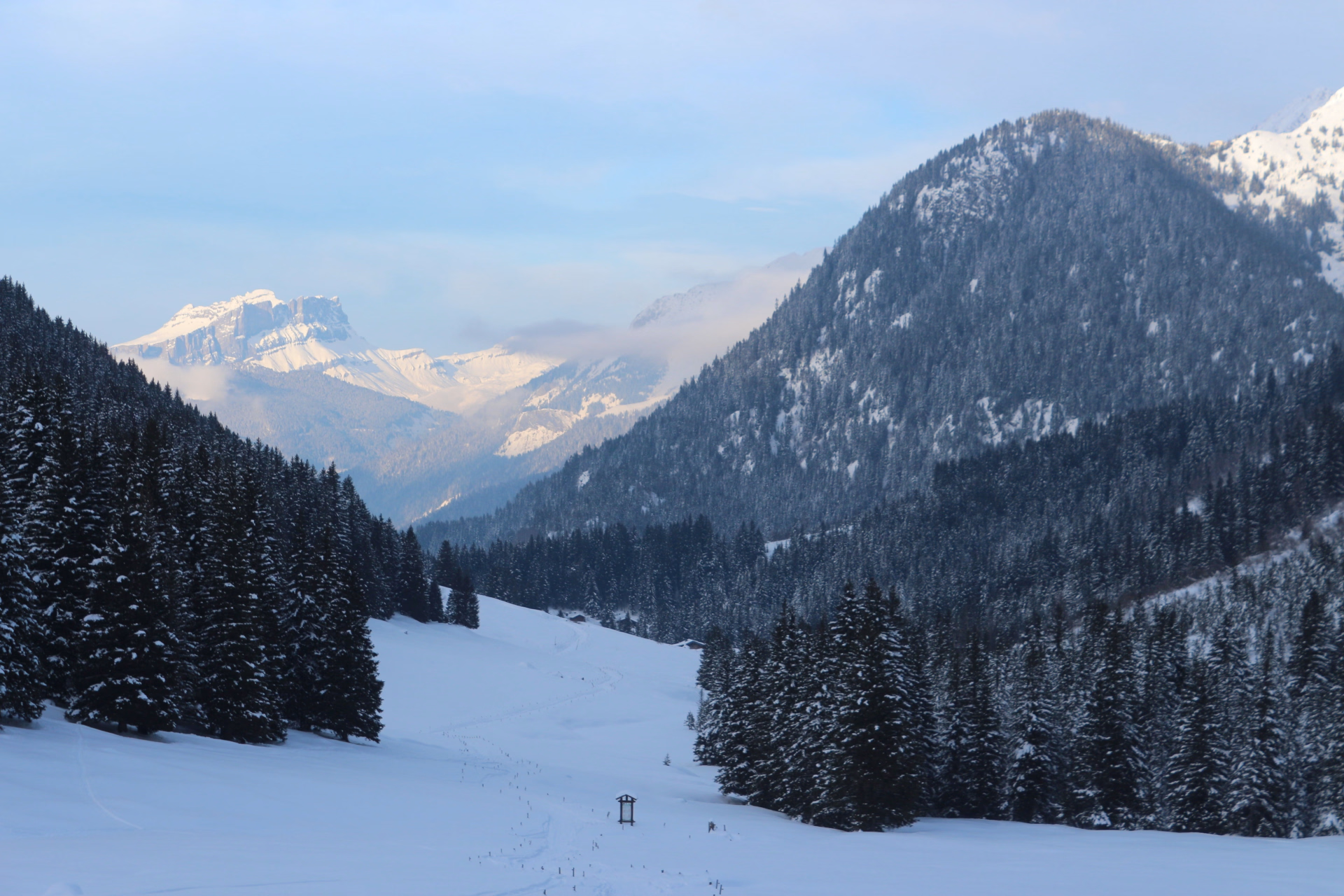
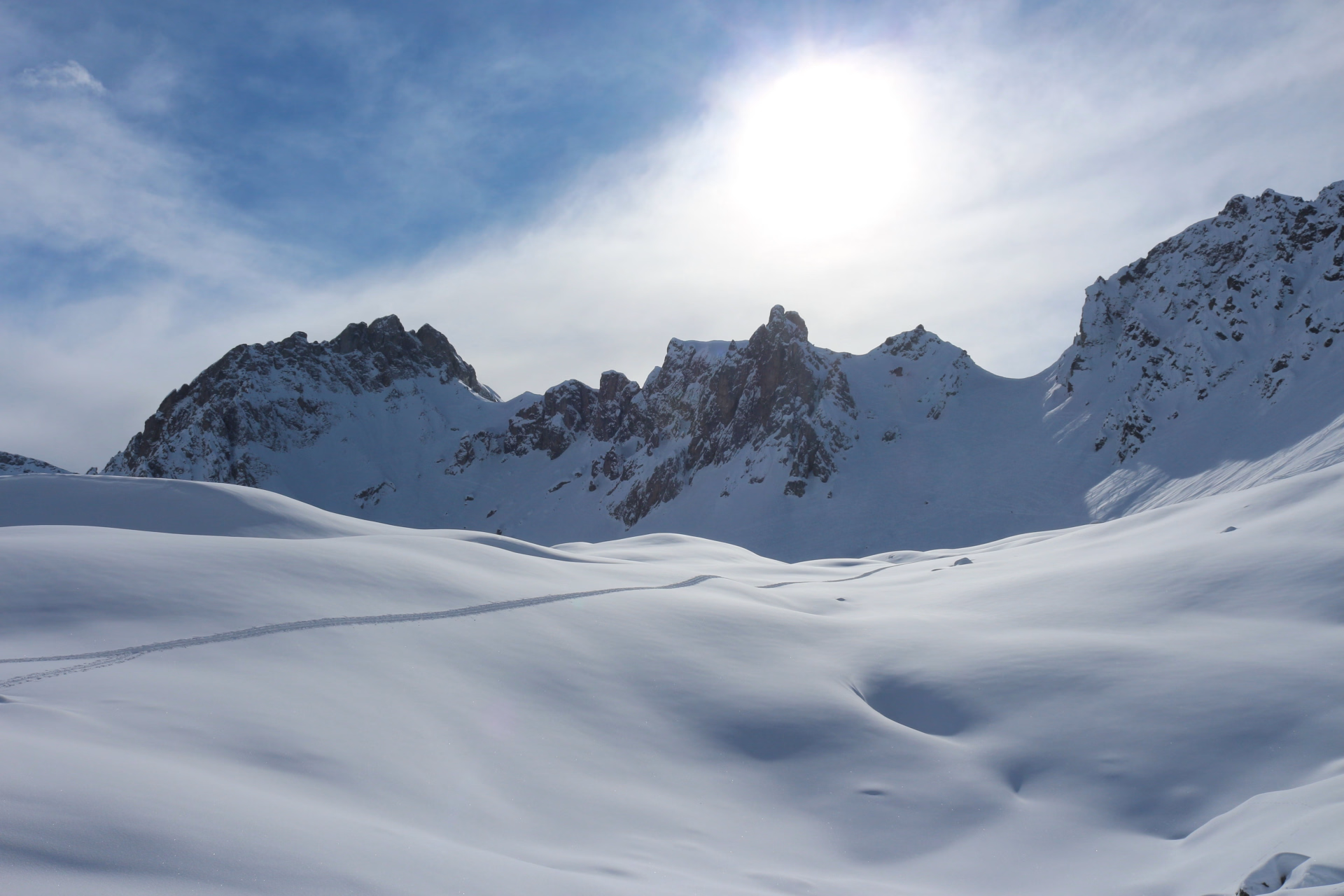
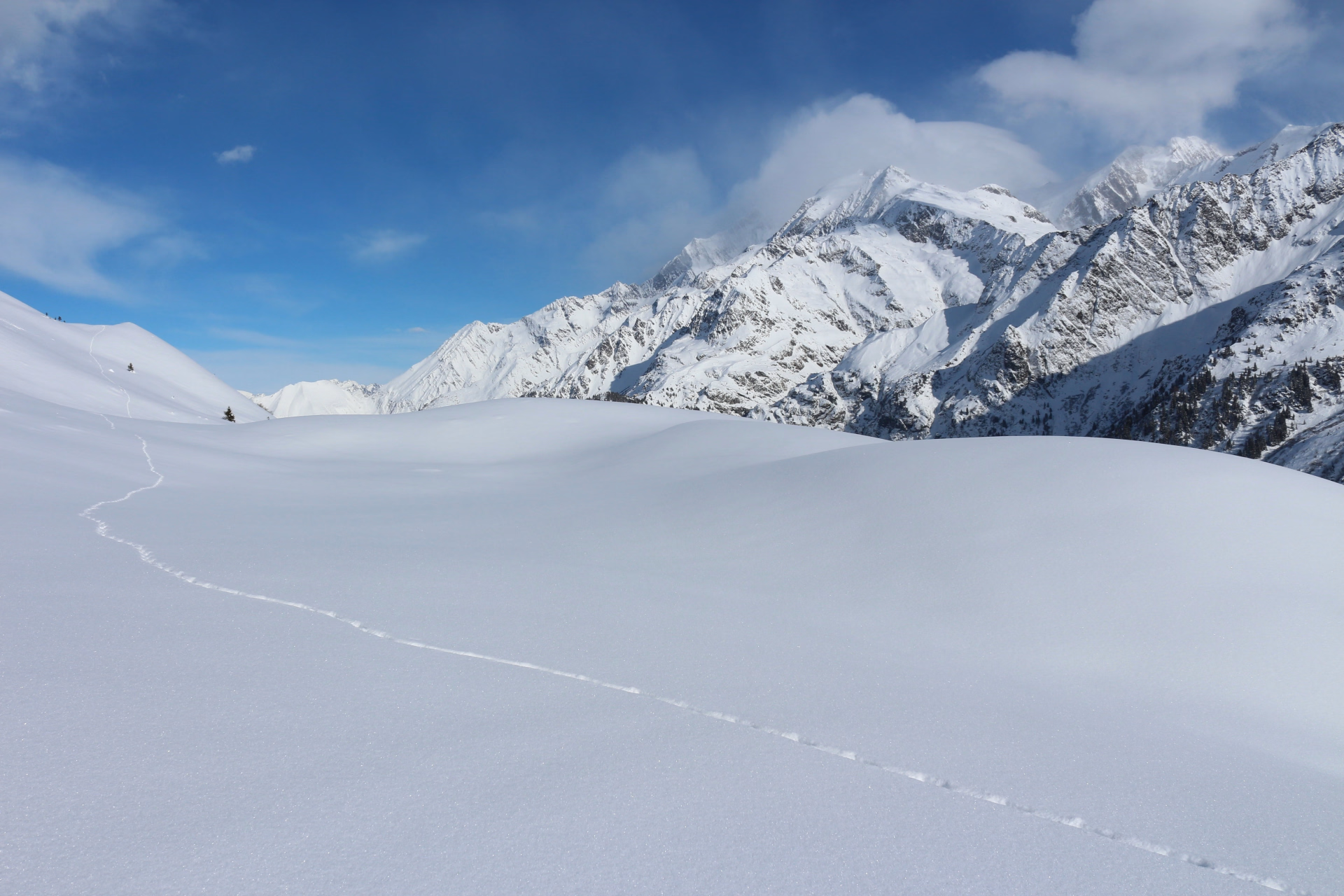
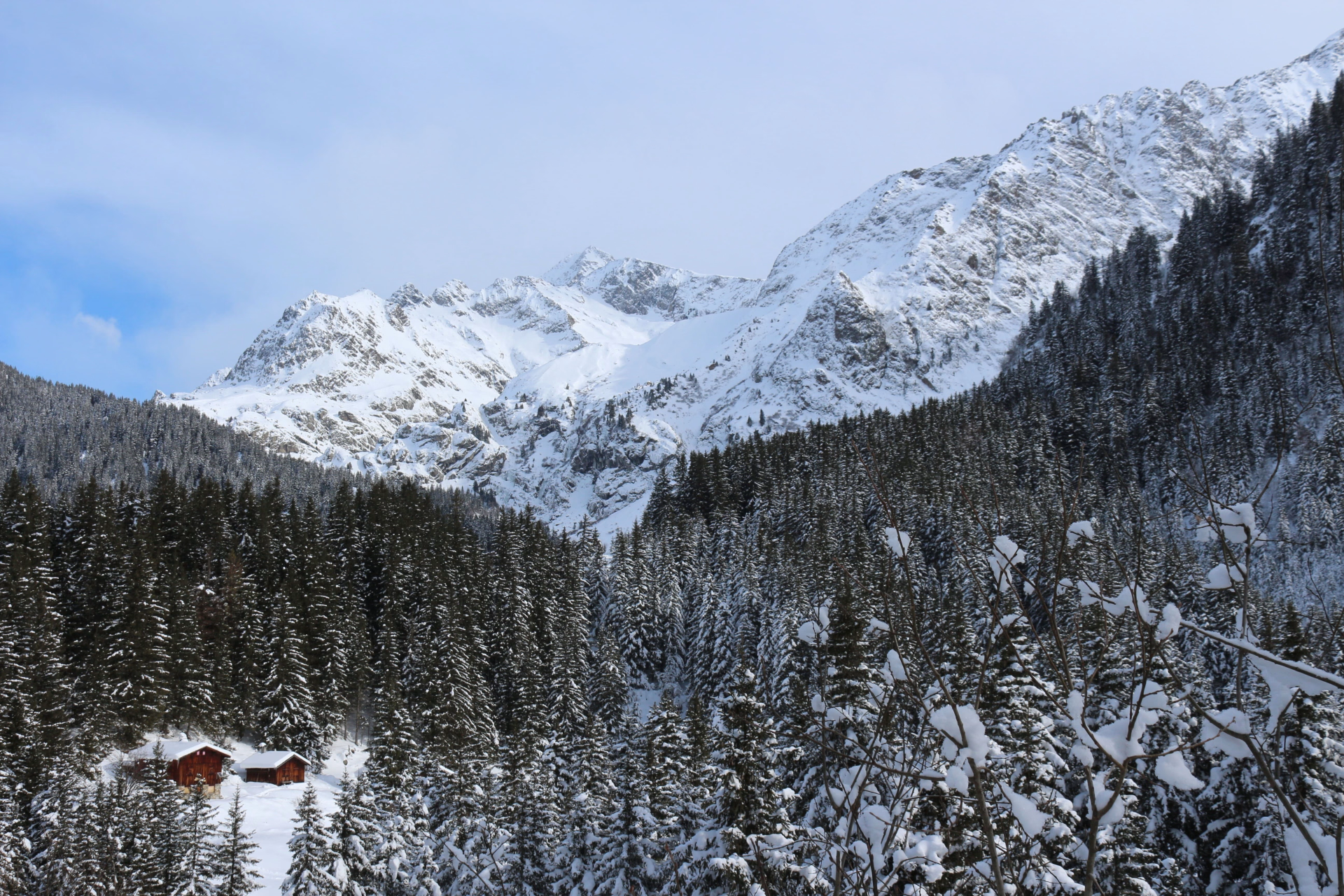
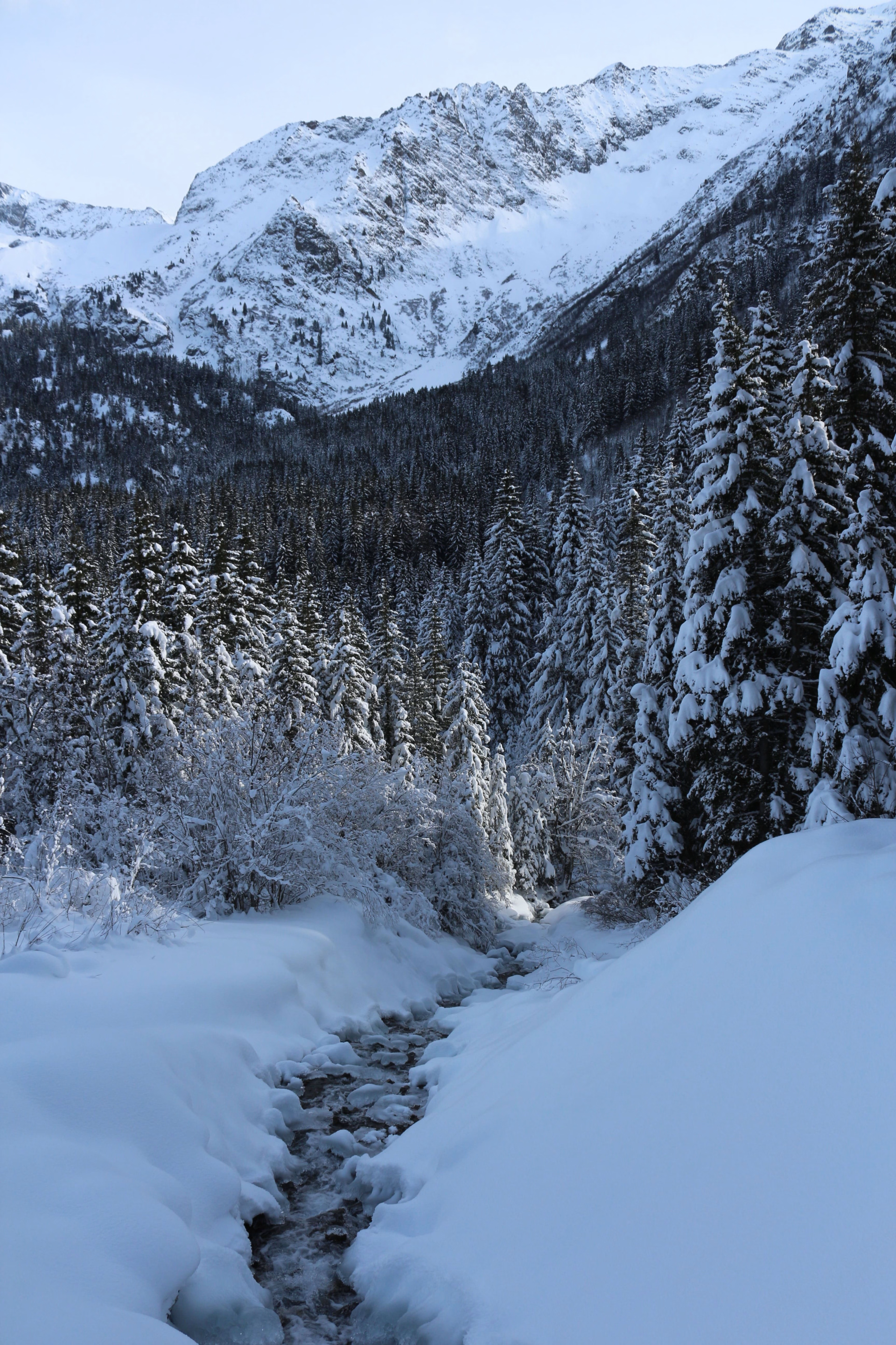
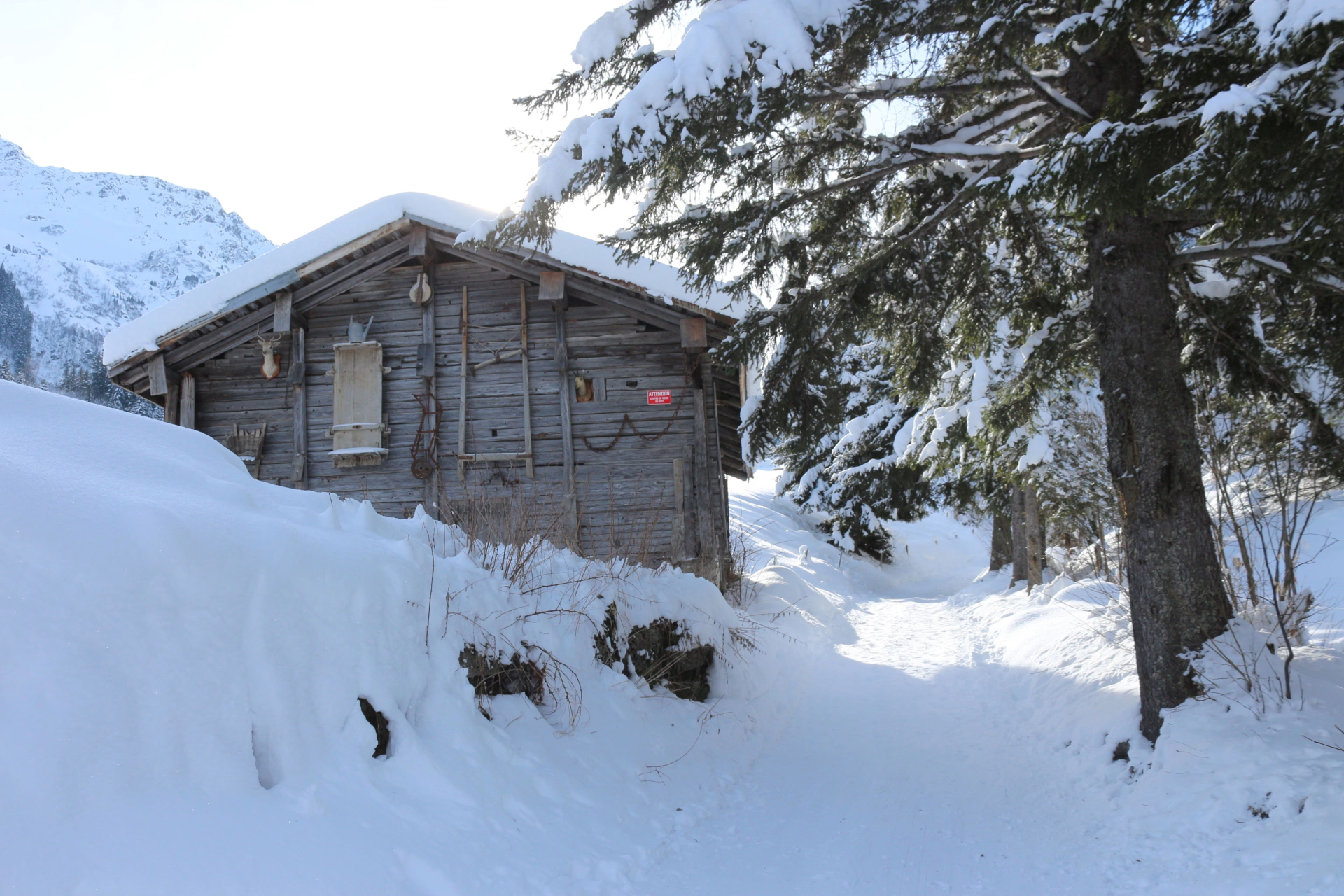
Explore the snow-covered landscapes of the Mont Blanc region on a contemplative snowshoeing getaway in the heart of the Contamines-Montjoie nature reserve . For two days , this winter trek takes you through unspoiled valleys, along the legendary trails of the Tour du Mont Blanc .
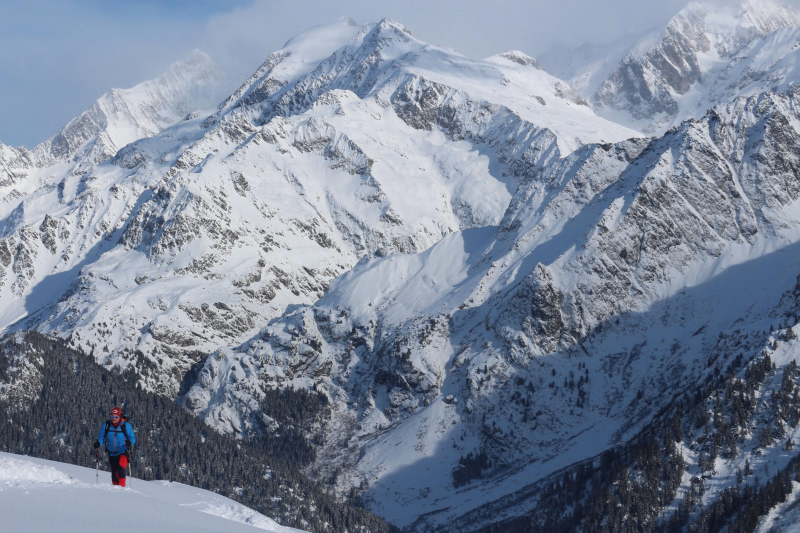
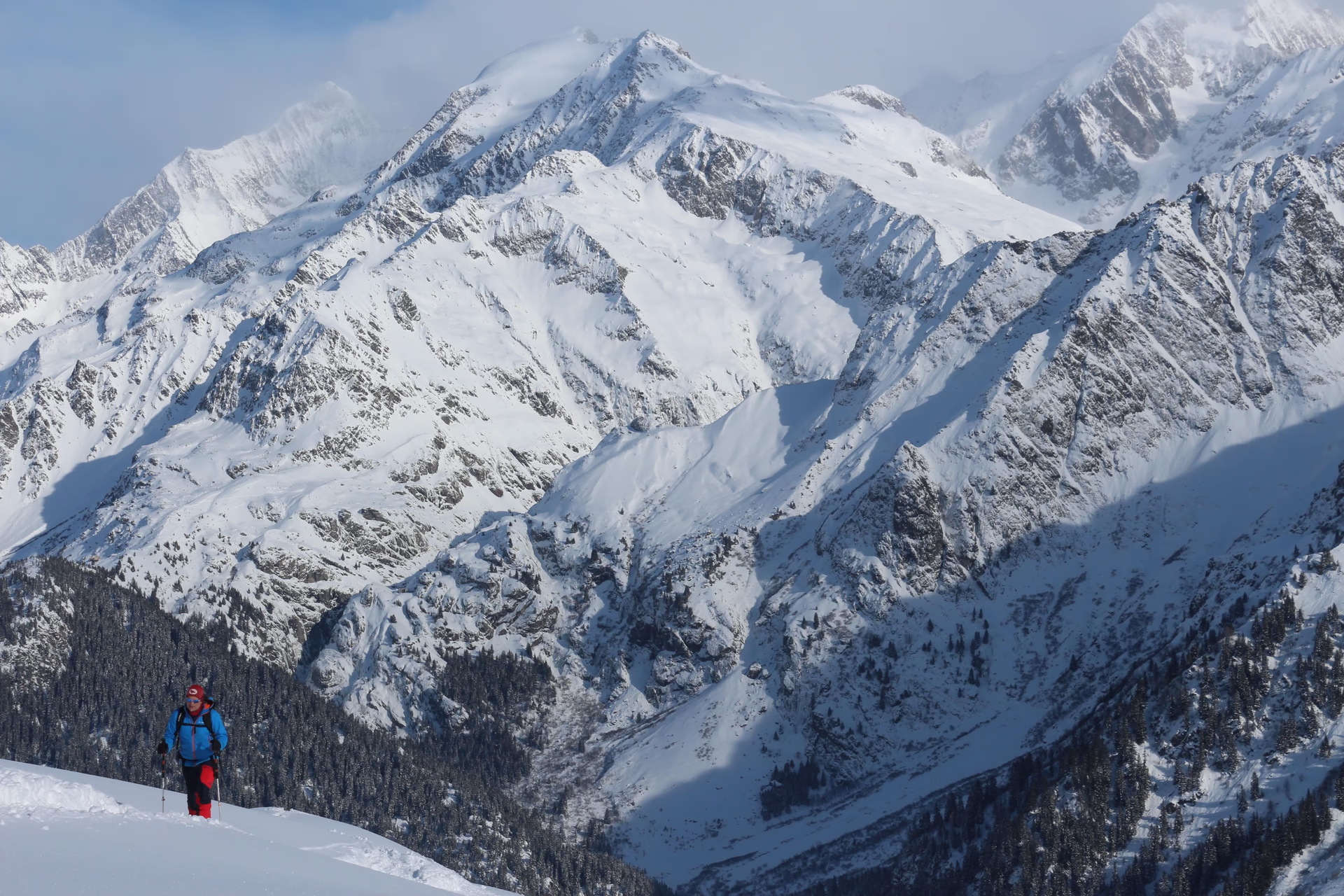
As you progress, admire the magnificent panoramas of the majestic Dômes de Miage and the imposing Aiguille des Glaciers . Far from the hustle and bustle, savor the pristine calm of the mountains and the pleasure of gentle exertion in the heart of nature.
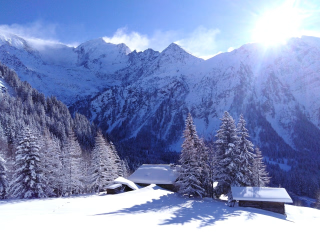
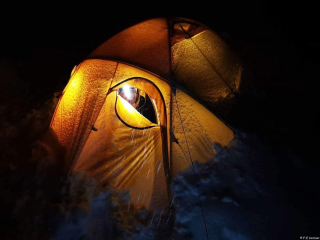
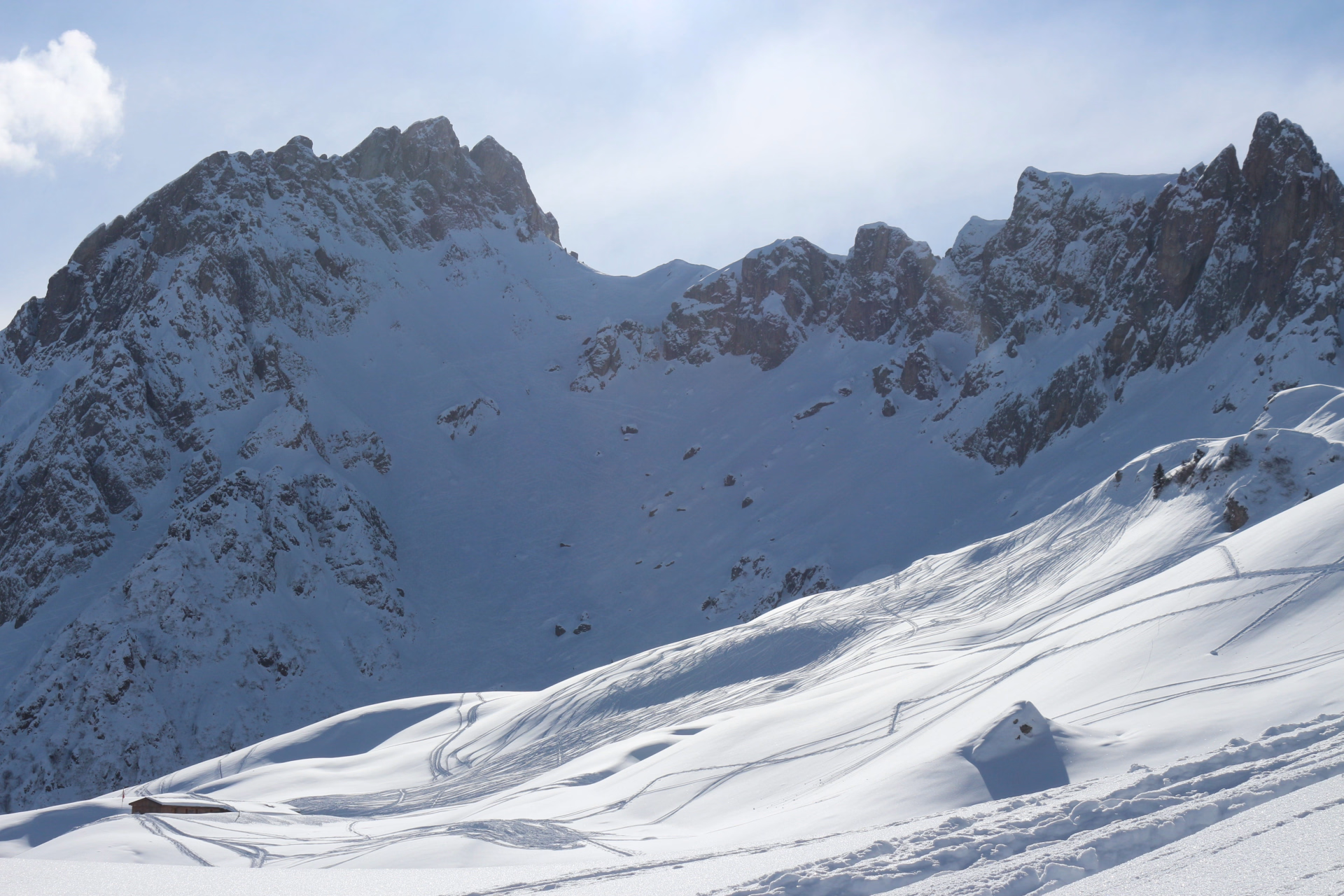
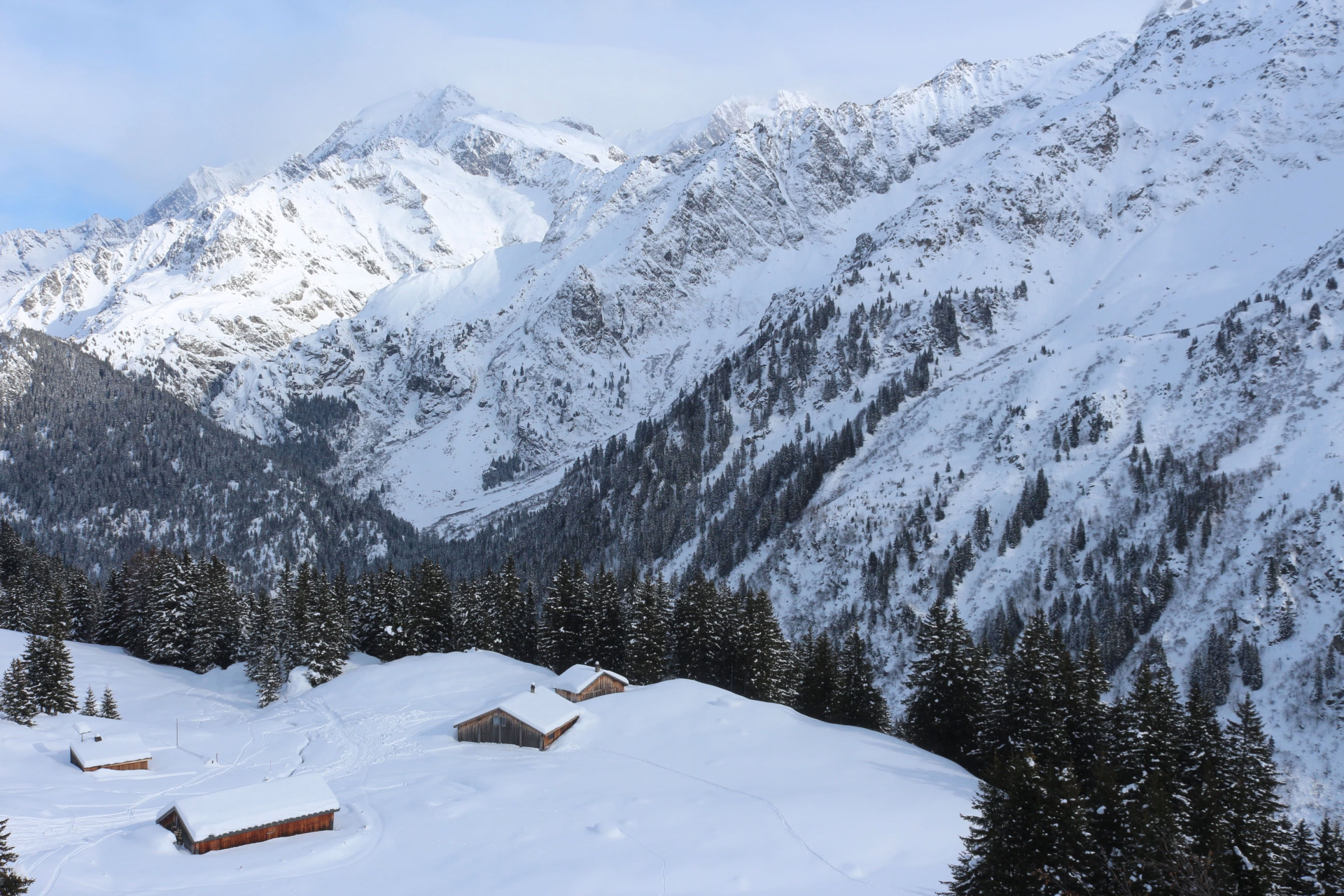
At the next stop, you'll find a warm and comfortable winter refuge nestled opposite the most beautiful Alpine peaks. This restorative night at altitude will allow you to fully recharge before continuing your wild trek. An immersive experience at the foot of Mont Blanc , perfect for disconnecting for a magical weekend.
The highlights
-
A snowshoeing experience in wild landscapes
-
A comfortable mountain refuge with a shower
-
High-quality food made with local produce
Subscriber benefit
save 5%
by joining
our community
Decathlon Travel Benefits
Best price guaranteed:
We offer twice the difference
Free cancellation more than 30 days in advance
Payment in 2 installments
Learn more
Photos


Sport
Level
Snowshoeing
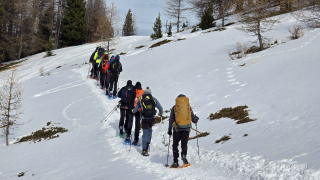
For those wishing to hike for approximately 6 hours a day and/or cover an elevation gain of 500 to 800 meters, both on and off-trail. High-altitude sections are possible. You engage in sports activities 1 to 2 times a week, hike regularly, and are in very good physical condition.
The expert's opinion
- Physical condition : I am in good physical condition. I do some kind of sport at least once a week. I enjoy pushing myself with sometimes long efforts, but I sometimes need rest between activities.
- Elevation gain : 600m to 900m maximum elevation gain per day
- Maximum duration of effort : 6 hours per day
- Experience required : Snowshoeing experience recommended
- Carrying method : Backpack
- Technical difficulties : Some sections may take place on steep slopes requiring a certain level of technical skill and physical fitness.
In figures
Snowshoes
- Average duration/day: 4h30
- Average distance/day: 10 km
- Average daily elevation gain: 600 m
- Average daily descent: 610 m
Management
During this stay, a supervisor will be present to guide and assist you.
Band :
1 supervisor for 5 to 8 people
Languages spoken:
French
English
French
English
Accompagnateur en montagne
Accompagnateur en montagne
A professional snowshoeing instructor, he will share his passion for the mountains with you through numerous anecdotes.
During this stay, you will be accompanied by a mountain guide. He will be there to guide you, share his knowledge, and ensure your safety.
Program
-
Ascent to the refuge via the TMB trail and the Rollaz woods
- Activity Snowshoes
- Duration of the activity 4h
- Distance 8 km
- Positive elevation gain 770 m
- Negative elevation 40 m
- Accommodation Refuge
- Breakfast not included
- Lunch not included
- Dinner included
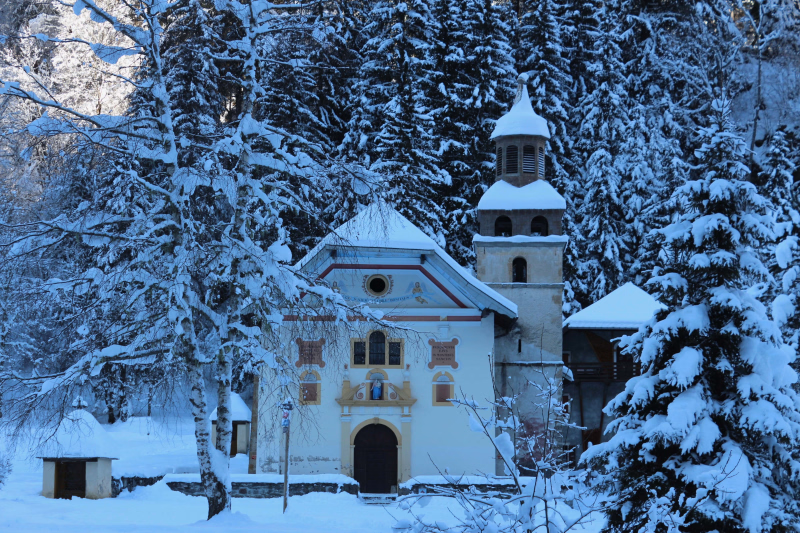
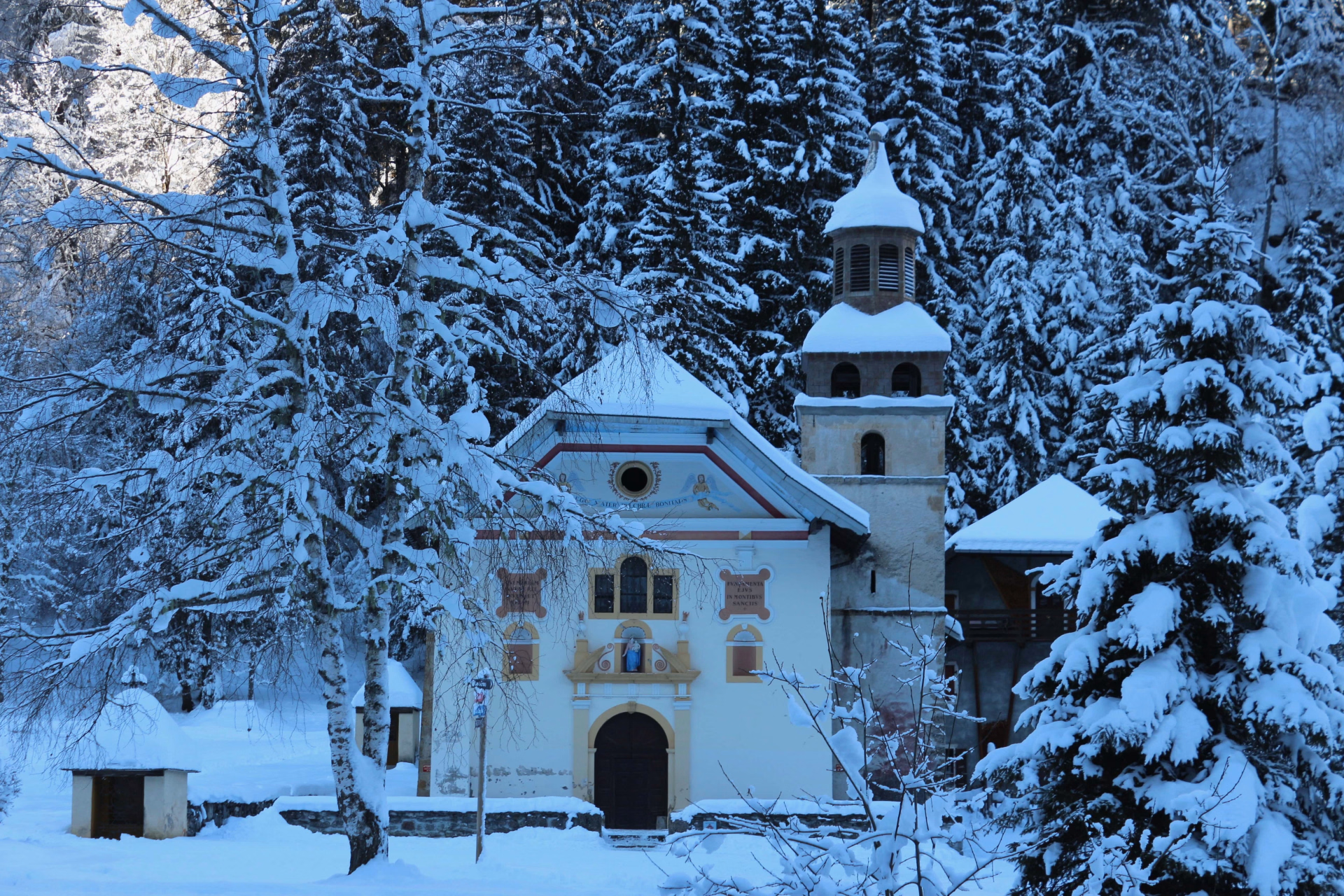
Our hike begins at Notre-Dame de la Gorge on the Tour du Mont Blanc trail. The first part of the climb is quite steep. We then continue off-trail across the peat bogs of La Rosière to the Pont de la Rollaz. The view opens up to the valley with the Aiguilles de la Pennaz in the distance. We climb up to the Refuge de la Balme and then head towards the Col de la Fenêtre to reach our comfortable refuge for the night, located opposite the Mont Blanc massif.
Day 1 -
Ascent to the Jovet lakes then descent of the Val Montjoie via La Balme
- Activity Snowshoes
- Duration of the activity 5h
- Distance 12 km
- Positive elevation gain 430 m
- Negative elevation 1180 m
- Breakfast included
- Lunch included
- Dinner not included
After a good night's rest with a view of the Mont Blanc massif, we put on our snowshoes and set off towards the Col du Bonhomme. Our goal for the day is the Jovets lakes at the foot of Mont Tondu. We begin with a gentle descent to join the TMB trail, then reach the Plan Jovet and finally the Jovets lakes. The return journey takes us past the Jovet chalets and along the TMB trail back to Notre-Dame de la Gorge.
Day 2
Note
The program is provided for informational purposes only.
The mountain guide can modify or adapt the itinerary daily depending on:
- weather conditions;
- snow conditions;
- the actual technical and physical level of the participants;
- security requirements.
Accommodation
🏔️ Mountain refuge - Day 1
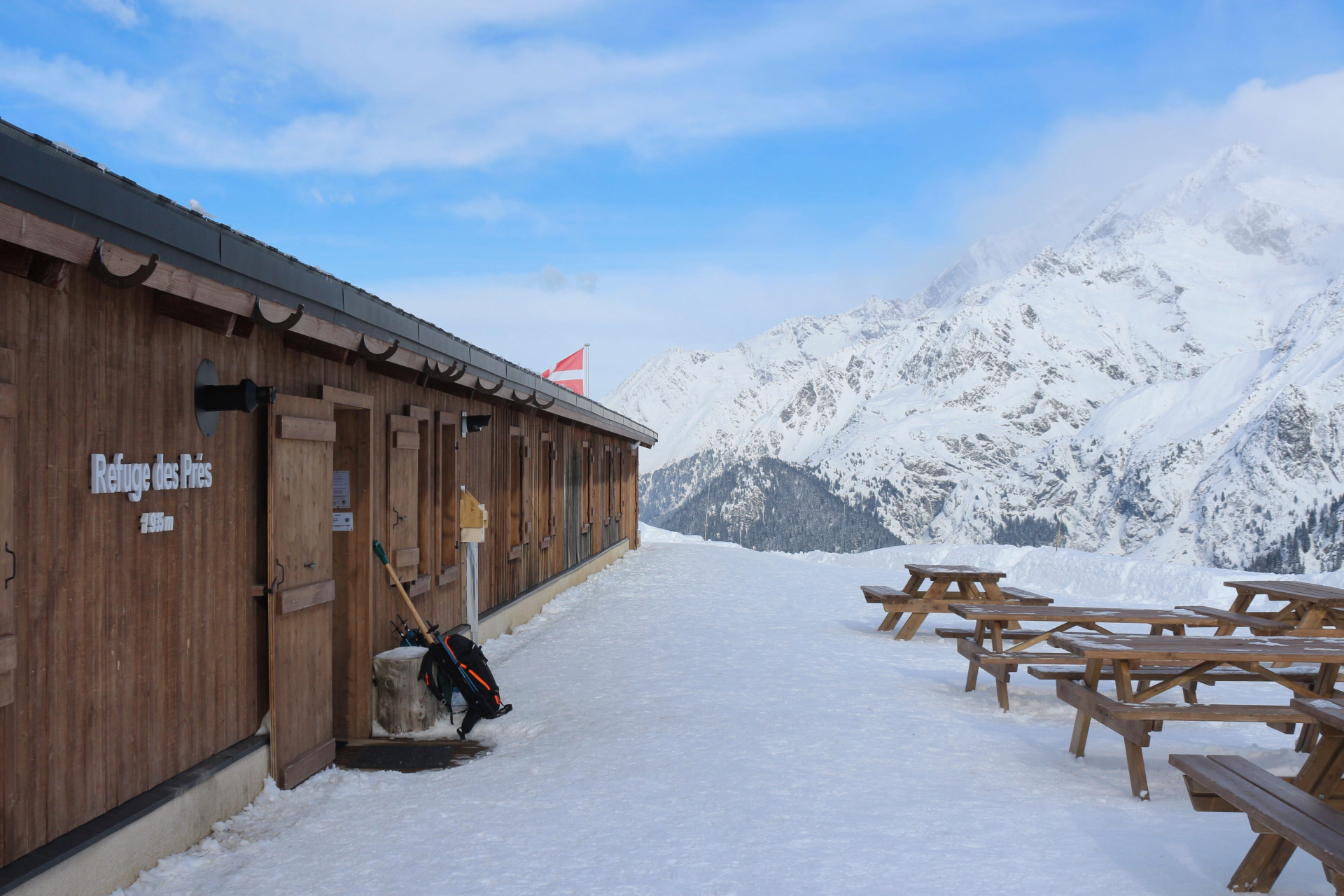
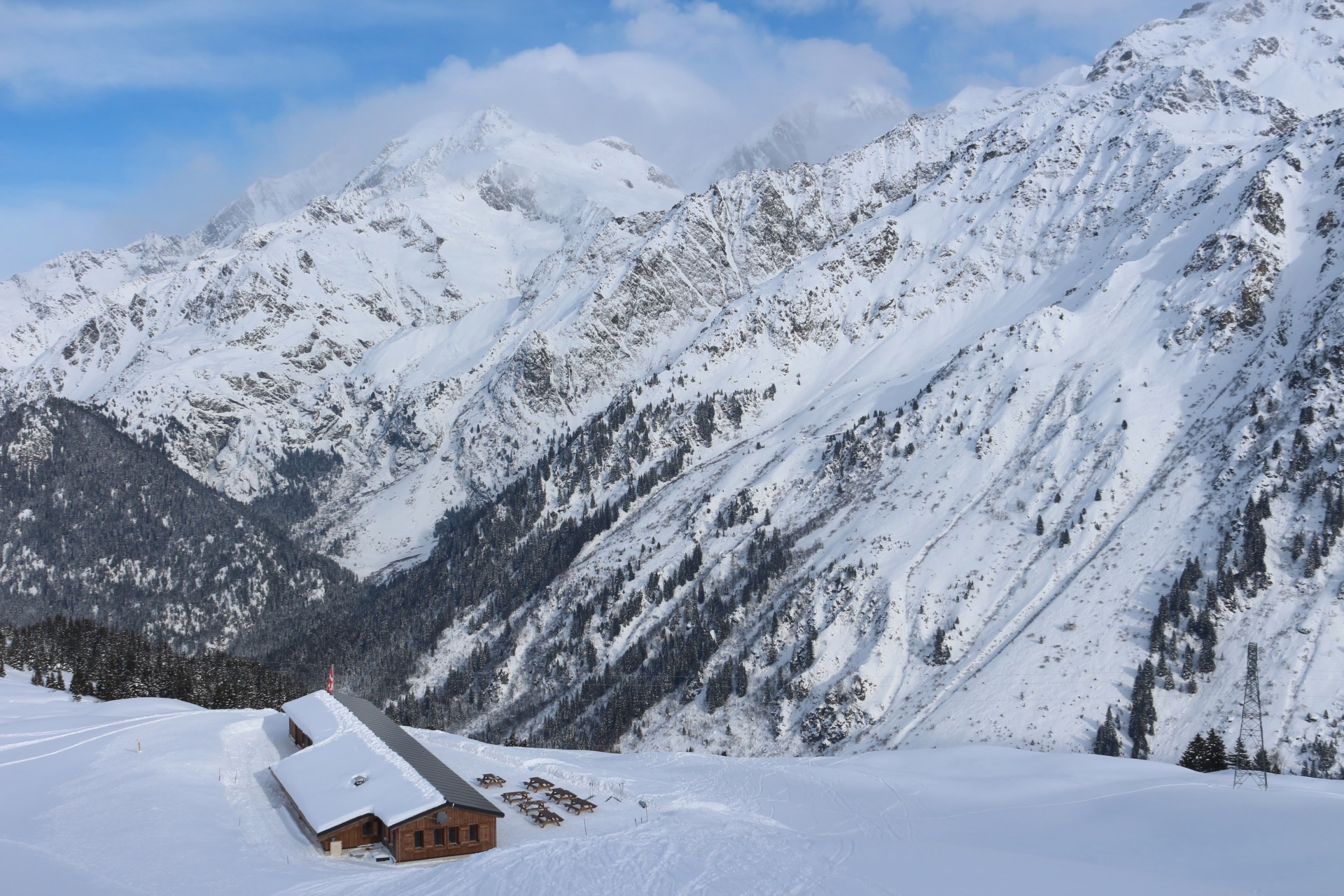
The Refuge des Prés has been designed to offer maximum comfort and tranquility to hikers and skiers stopping over. Optimal insulation, hot water, underfloor heating, soundproofing and ventilation in the sleeping areas, pleasant living spaces… everything has been designed to guarantee you a peaceful stay.
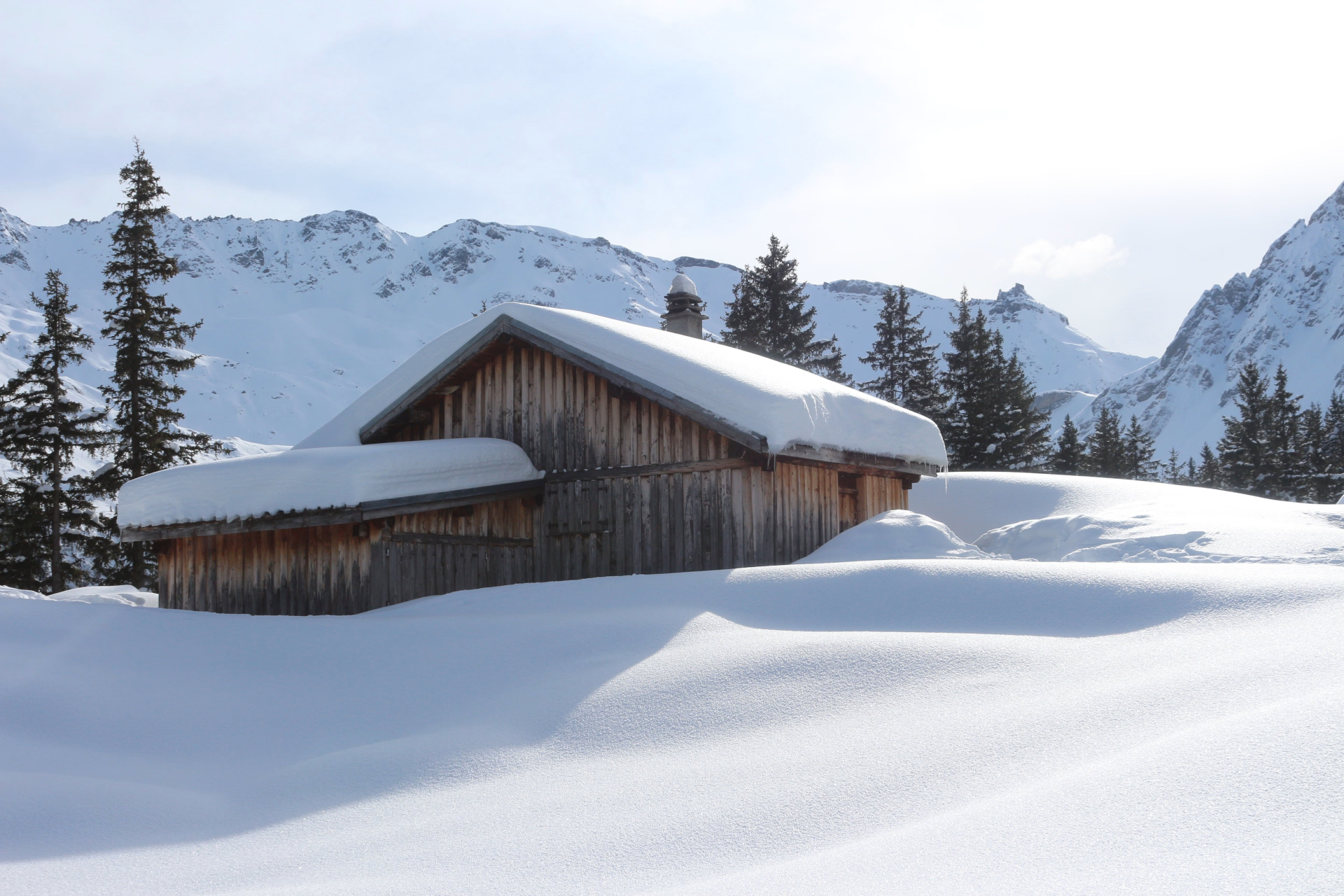
Ideally located in the heart of the Contamines Nature Reserve, facing the Mont Blanc mountain range, our refuge offers breathtaking scenery in every season. It's an unmissable spot for observing the endemic flora that thrives on this protected plateau. But it's also a place to discover a rich fauna where ibex, chamois, marmots, roe deer, red deer, foxes, hares, black grouse, golden eagles, and even bearded vultures live peacefully… a tranquil reserve that will charm all nature lovers seeking an immersive mountain experience!
We also share this magnificent site with a GAEC agricultural cooperative that operates the entire alpine pasture with superb "non-dairy" cows... sociable and always in a good mood, they will be a joyful company for our guests!
Access
Departure
Parking de Notre-Dame De La Gorge, Les Contamines-Montjoie, France
Day 1
: 09h30
End of stay
Parking de Notre-Dame De La Gorge, Les Contamines-Montjoie, France
Day 2
- 16h00
Appointment
Meet on day 1 at 9:30 am in the Notre-Dame-de-la-gorge parking lot for the briefing and check of each participant's personal equipment.
Meeting point address: 74170, Les Contamines-Montjoie. Google Maps link: https://maps.app.goo.gl/PhYFe2fFc2NmBsa78
End of stay
Return to the starting point the following afternoon (around 4pm). You will need a personal vehicle equipped with winter gear to reach the start of the trip.
Go to the starting point
Take the train toSaint-Gervais-les-Bains-Le Fayet
From the train station to the starting point:
- By bus (Cars Région Haute-Savoie - Line Y82): Regular buses run directly from Saint-Gervais-Le Fayet train station to the center of Les Contamines-Montjoie and extend their route to the Notre-Dame de la Gorge terminus during peak season (summer/winter). The journey takes approximately 35 to 45 minutes (tickets cost approximately €3.00 to €6.00 one way).
- Free internal shuttle (Contamines shuttle): During the tourist season, free shuttles crisscross the municipality between the village centre, the cable cars and the terminus of Notre-Dame de la Gorge.
- By taxi / private hire vehicle: The journey takes approximately 20 to 25 minutes from the Saint-Gervais-Le Fayet TGV station (estimated fare between €40 and €65 depending on the time slot).
Travel to the place of stay
with parking
available
Would you like to travel on other dates?
Create an alert and we'll notify you by email if new departures are added.
Price details
The price includes
- The trip will be supervised by a state-certified mountain guide.
- Accommodation in mountain huts and 4-bed dormitories (bunk beds available)
- Half-board (dinner and breakfast) at the refuge and the picnic lunch on day 2
- Loan of snowshoes and poles
- Loan of rescue equipment (avalanche transceiver/shovel/probe)
The price does not include
- Day 1 picnic
- Transportation to the starting point of the stay
- Drinks and your race snacks (dried fruit, cereal bars)
- Your hiking equipment adapted to winter conditions
- Anything not listed under "Price includes"
Options
- Flex fare and insurance
Practical information
Specific formalities
Specifics
Before your departure, check with the embassy or consulate regarding the entry and stay requirements for your destination country. You can also find this information on the France Diplomatie website ( https://www.diplomatie.gouv.fr/fr/dossiers-pays/ ).
In the case of flights with stopovers operated by different airlines, also check the entry requirements of the countries you are transiting through.
It is your responsibility to ensure you are in compliance, particularly regarding the validity of your identity documents (for example, some countries require your passport to be valid for at least six months after your return) , visa requirements, necessary vaccinations, and health recommendations. And don't forget to consider any customs restrictions and other potential requirements of your destination or transit country.
ℹ️ Information may change up to the departure date, remember to regularly check official websites.
Equipment
Equipment provided on site
- Loan of snowshoes and poles
- Loan of rescue equipment (avalanche transceiver/shovel/probe)
Equipment to bring
- High-top hiking boots suitable for snowshoeing ( warm and waterproof are essential ).
- Backpack with a minimum volume of 40L.
- Thermos or 1L water bottle ( No camelback ).
- Headlamp.
- Sunglasses (masks are preferable in snow and wind), sunscreen, lipstick.
- Ultralight toiletry kit.
- Personal pharmacy.
- Snacks for hunger pangs (cereal bars, dried fruit, etc.).
- Meat bag.
Bag weight:
Take your time packing your bag, choosing each item with the idea that you'll be carrying it for the duration of your trip. Organize it cleverly; don't pack your picnic or raincoat at the bottom. The goal is to balance it as much as possible to make carrying it as comfortable as possible.
Clothing to bring
Exploring the mountains in winter requires proper equipment to ensure the most enjoyable experience possible. Below is a list of minimum equipment you should bring on your adventure. You can add to this list, but be mindful of the final weight.
Essential personal equipment:
- Goretex type trousers + tights + gaiters or ski trousers ( must be warm and waterproof ).
- Waterproof hiking jacket, Gore-Tex type.
- Warm and "breathable" underwear.
- Polar or equivalent.
- Warm down jacket for the evening.
- “Buff” style hat and neck warmer to protect the face.
- A pair of warm gloves (waterproof overgloves in addition, mittens are preferable in very cold weather).
- Spare underwear to dry off in the evening.
Textiles:
When it comes to underwear (T-shirts, boxer shorts, socks), avoid cotton, which dries very slowly. Opt instead for synthetic technical fabrics or merino wool. They are warmer and dry very quickly.
Decathlon Travel Partner
The Jérémy team
• 6 stays
Located in Annecy, our local partner offers tailor-made trips and holidays designed by passionate professionals. They guide adventurers through the world's most beautiful mountain ranges, from the Aravis to Patagonia, including the Alps and Norway. Their certified guides lead climbs, ski touring expeditions, and authentic adventures. They prioritize total immersion and optimal safety to offer a unique and enjoyable mountain experience.
Are you satisfied with this page?
Subscriber benefit
save 5%
by joining
our community
Decathlon Travel Benefits
Best price guaranteed:
We offer twice the difference
Free cancellation more than 30 days in advance
Payment in 2 installments
Learn more