The Tour du Beaufortain at your own pace
In summary
-
Sports
-
Duration6 days
-
LevelAdvance
-
DestinationBeaufortain Massif / Savoy
-
AgeFrom 12 - 90 years
-
CO₂-Emissions25.65 kg CO2
-
Type of stayIndependent traveler
In a few words
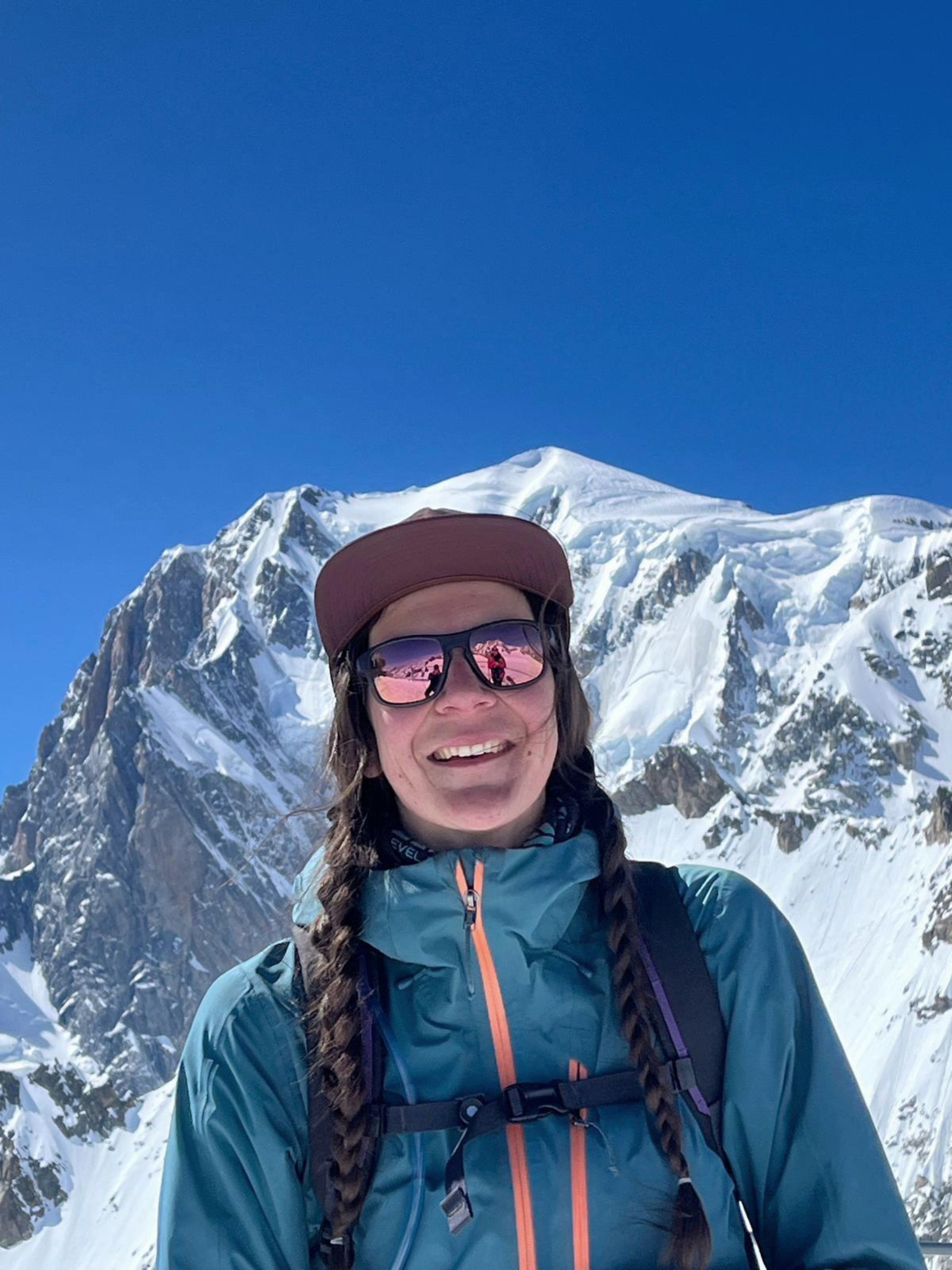
The Beaufortain massif , a true jewel of the French Alps, invites you to an exceptional alpine immersion in the heart of unspoiled landscapes. This 6-day self-guided trek , starting in Queige , takes you along panoramic ridges, challenging mountain passes, and wild valleys facing the majestic Mont Blanc .
As the route unfolds, you'll discover verdant alpine pastures and magnificent high-altitude lakes , all dominated by the iconic silhouette of the Pierra Menta . This self-guided trek perfectly combines the serene beauty of the high mountains with the discovery of an authentic local culture. You'll pass through charming villages with traditional chalets, their rhythm punctuated by the sound of cowbells from grazing herds. Each day concludes in the welcoming atmosphere of the most beautiful mountain huts in the massif , where you can savor the famous local cheese, Beaufort .
A carefully planned itinerary, combining fresh air, serenity and Savoyard splendors to stand out from the first glance.
The highlights
-
Discover the must-see places on the Beaufortain tour
-
Completely self-sufficient with a route book and GPX tracks
-
Overnight stays in authentic mountain refuges
Photos


Sport
Level
Hiking / Trekking
In figures
Hiking
- Average duration/day: 7h
- Average distance/day: 17 km
- Average daily elevation gain: 1000 m
- Average daily descent: 986 m
Management
We provide you with a printed roadbook, a PDF roadbook, and GPX tracks. We are also available via WhatsApp throughout your stay to assist you. A pre-trip briefing is also possible at our office in Les Houches.
Program
-
Queige - Lachat Refuge
- Activity Hiking
- Duration of the activity 7h
- Distance 15 km
- Positive elevation gain 1340 m
- Negative elevation 340 m
- Accommodation Refuge
- Breakfast not included
- Lunch not included
- Dinner included
Start from the authentic hamlets of Queige and immerse yourself in the verdant alpine pastures of the Beaufortain. As you walk through this forest stage, the landscapes gradually open up to the Aravis mountain range and Mont Charvin, before revealing, as a grand finale, a first spectacular panorama of Mont Blanc.
Day 1 -
Lachat Refuge - Roselette Refuge
- Activity Hiking
- Duration of the activity 7h
- Distance 22 km
- Positive elevation gain 950 m
- Negative elevation 675 m
- Accommodation Refuge
- Breakfast included
- Lunch not included
- Dinner included
This stage invites you on a superb traverse along a balcony trail, offering breathtaking views of the Saint-Guérin and Roselend lakes. Following the ridge road to the Col du Joly, the panoramas gradually unfold to reveal the full majesty of Mont Blanc. Upon arrival at the Chalet de Roselette, enjoy the warm atmosphere of this authentic mountain refuge, ideally situated facing the ridges.
Day 2 -
Roselette Refuge - Plan de la Lai Refuge
- Activity Hiking
- Duration of the activity 8h
- Distance 17 km
- Positive elevation gain 1060 m
- Negative elevation 1045 m
- Accommodation Refuge
- Breakfast included
- Lunch not included
- Dinner included
The landscapes open up and the peaks draw closer: mountain passes, high-altitude lakes, and sweeping panoramas of Mont Blanc punctuate this stage. The Refuge du Plan de la Lai, nestled in the heart of the mountains, offers an ideal setting to admire the grandeur of the Beaufortain region.
Day 3 -
Plan de la Lai Refuge – Coire Refuge (via the Cormet de Roselend)
- Activity Hiking
- Duration of the activity 8h
- Distance 18 km
- Positive elevation gain 1285 m
- Negative elevation 1040 m
- Accommodation Refuge
- Breakfast included
- Lunch not included
- Dinner included
Start from the Refuge du Plan de la Lai and head towards the ridges and wild valleys. You'll reach the Refuge de Presset, which overlooks a glacial lake and offers a breathtaking view of the famous Pierra Menta. This stage ends at the Refuge de la Coire, in the heart of the Beaufort AOC alpine pastures. For those who wish, you can extend the stage with a hike to the beautiful Lac d'Amour.
Day 4 -
Coire Refuge – Arolles Refuge
- Activity Hiking
- Duration of the activity 7h
- Distance 14 km
- Positive elevation gain 720 m
- Negative elevation 885 m
- Accommodation Refuge
- Breakfast included
- Lunch not included
- Dinner included
This day combines alpine pastures, small lakes, and panoramic trails where cows accompany your progress. You'll traverse wild landscapes, passing by the Lac des Fées (Fairy Lake) and then the Saint-Guérin Lake dam, particularly appreciated for its unspoiled character.
A stop at Lac Tournant, with its crystal-clear waters, is ideal before continuing on to the Refuge des Arolles, nestled in a peaceful environment facing the reliefs of the massif.
Day 5 -
Refuge des Arolles – Queige
- Activity Hiking
- Duration of the activity 6h
- Distance 16 km
- Positive elevation gain 645 m
- Negative elevation 1930 m
- Breakfast included
- Lunch not included
- Dinner not included
For this final stage, return to Queige while enjoying beautiful panoramas over the valleys of the Tarentaise, the Combe de Savoie and the Pre-Alps.
Day 6
Note
The route, distances and altitudes may vary slightly for many reasons beyond our control, including weather and terrain conditions.
Accommodation
Access
As this is a self-guided trip, you manage your days at your own pace, without fixed departure or return times. However, we recommend starting your Day 1 hike fairly early in the morning to fully enjoy your first stage in complete peace of mind.
Go to the starting point
From the train station to Queige:
- Bus: Take bus line 21 (Cars Région / Transports du Beaufortain network) which connects Albertville train station to Beaufort. It serves several stops in Queige (approximately 15 minutes journey).
- Taxi / Private Hire Vehicle: Allow approximately 10 to 15 minutes journey time from Albertville train station (estimated fare between €25 and €35 ).
Price details
The price includes
- Accommodation in mountain huts and dormitories
- Half-board accommodation in the mountain huts (dinner + breakfast)
- A road book, GPS tracks and IGN map for 2 people
- Personalized and unlimited support via email before your stay
- Assistance from our on-site team
The price does not include
- Transportation to the place of stay
- Lunches, snacks, drinks and personal expenses
- Personal hiking equipment
- Anything not mentioned under "Price includes"
Options
- Flex fare and insurance
Practical information
Specific formalities
Specifics
Before your departure, check with the embassy or consulate regarding the entry and stay requirements for your destination country. You can also find this information on the France Diplomatie website ( https://www.diplomatie.gouv.fr/fr/dossiers-pays/ ).
In the case of flights with stopovers operated by different airlines, also check the entry requirements of the countries you are transiting through.
It is your responsibility to ensure you are in compliance, particularly regarding the validity of your identity documents (for example, some countries require your passport to be valid for at least six months after your return) , visa requirements, necessary vaccinations, and health recommendations. And don't forget to consider any customs restrictions and other potential requirements of your destination or transit country.
ℹ️ Information may change up to the departure date, remember to regularly check official websites.
DON'T FORGET
Passport or identity card
Insurance covering search, rescue or repatriation costs (bring your insurance policy number and emergency phone number with you)
Equipment
Equipment to bring
- BACKPACK - Recommended size: 35 liters minimum
Keep in mind that 500g + 500g + ... quickly adds up to extra kilos. Only take what you need, as you'll have to carry everything you pack. Your bag shouldn't weigh more than 8 to 10kg. Opt for a backpack with a hip belt to help distribute the weight and relieve strain on your posture and back. A bag with a chest strap will be a real plus in terms of comfort and stability.
TIPS: Remember to distribute the weight evenly inside your pack and adjust it properly so that your hips bear the load rather than your shoulders. This tip may seem insignificant at first, but it proves essential on multi-day hikes.
- HIKING SHOES
A pair of high-top, waterproof hiking boots. This is the most important piece of equipment. Comfortable shoes can make all the difference, while unsuitable shoes can hinder your progress or even force you to give up. There are many different models of hiking boots available. Choose shoes that offer ankle support and adequate waterproofing. Nothing is more unpleasant than walking for hours in shoes soaked by rain or even morning dew.
TIP: Go trekking with shoes that you have already tried beforehand and are sure you won't get blisters in.
OTHERS :
- Telescopic walking poles (recommended option)
- Lip balm
- Ultra-light shower kit (toothbrush, toothpaste, shower gel/shampoo or soap: also useful for washing clothes)
- Synthetic bath towel
- Phone and charger
- International plug adapter
- Rechargeable power bank
- Handwashing liquid for washing clothes
- Silk sheet (mandatory in dormitory)
In the mountains, the weather can change quickly. The clear blue morning sky can rapidly become overcast, especially if aided by a high-altitude wind bringing masses of humid air. Warm temperatures can also saturate the atmosphere with humidity, creating conditions conducive to thunderstorms. Winter conditions, such as frost, are also possible.
Early morning conditions or the presence of snow above 1800m. Finally, one might also fear a rainy day and see our boldness rewarded with an unexpected burst of sunshine and a completely clear sky a few hours later...
Keep this in mind:
When heading to the mountains, you must always consider the possibility of heat, rain, and cold. Your backpack should always contain the essentials to prepare for these three scenarios: this is the essential core kit.
Weight/efficiency dilemma:
Water bottles, picnic lunches, snacks, cameras, binoculars... these are all additional items to consider. A backpack fills up quickly, so it's essential to optimize the weight-to-performance ratio of the clothing and equipment you carry. For a multi-day hike with support and the transfer of drop packs, minimizing the weight of your daily pack is much easier. Without this support, packs are larger, so you'll need to consider hand-washing your clothes to reduce the number of items you need as much as possible.
Clothing to bring
CLOTHES :
- First layer with short sleeves (synthetic)
- First layer with long sleeves (synthetic)
- 2nd layer (e.g., fleece) or thin down jacket
- 3 pairs of hiking socks (synthetic or Merino wool)
- Shorts
- Hiking pants
- Long technical underwear
- Waterproof and breathable jacket
- Rain cape / poncho
BAG BUNK:
- A pair of lightweight gloves
- Cap or beanie
- Sunglasses
- Water bottle (1.5L)
- Small first aid kit (paracetamol, blister prevention/treatment, plasters, etc. Don't forget to bring your personal prescription if you have one).
- Cash (euros and Swiss francs: most shelters do not accept credit cards)
- Sunscreen
- Pocket fork and knife
- Headlamp
- Survival blanket
- Garbage bag for your waste