In summary
-
Sports
-
Duration7 days
-
LevelAdvance
-
DestinationCorsica / Haute-Corse
-
AgeFrom 14 - 90 years
-
CO₂-Emissions64.13 kg CO2
-
Type of stayIndependent traveler
In a few words
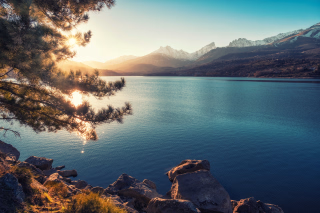
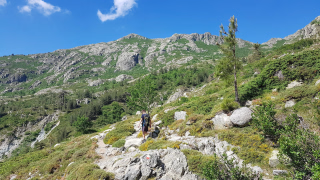
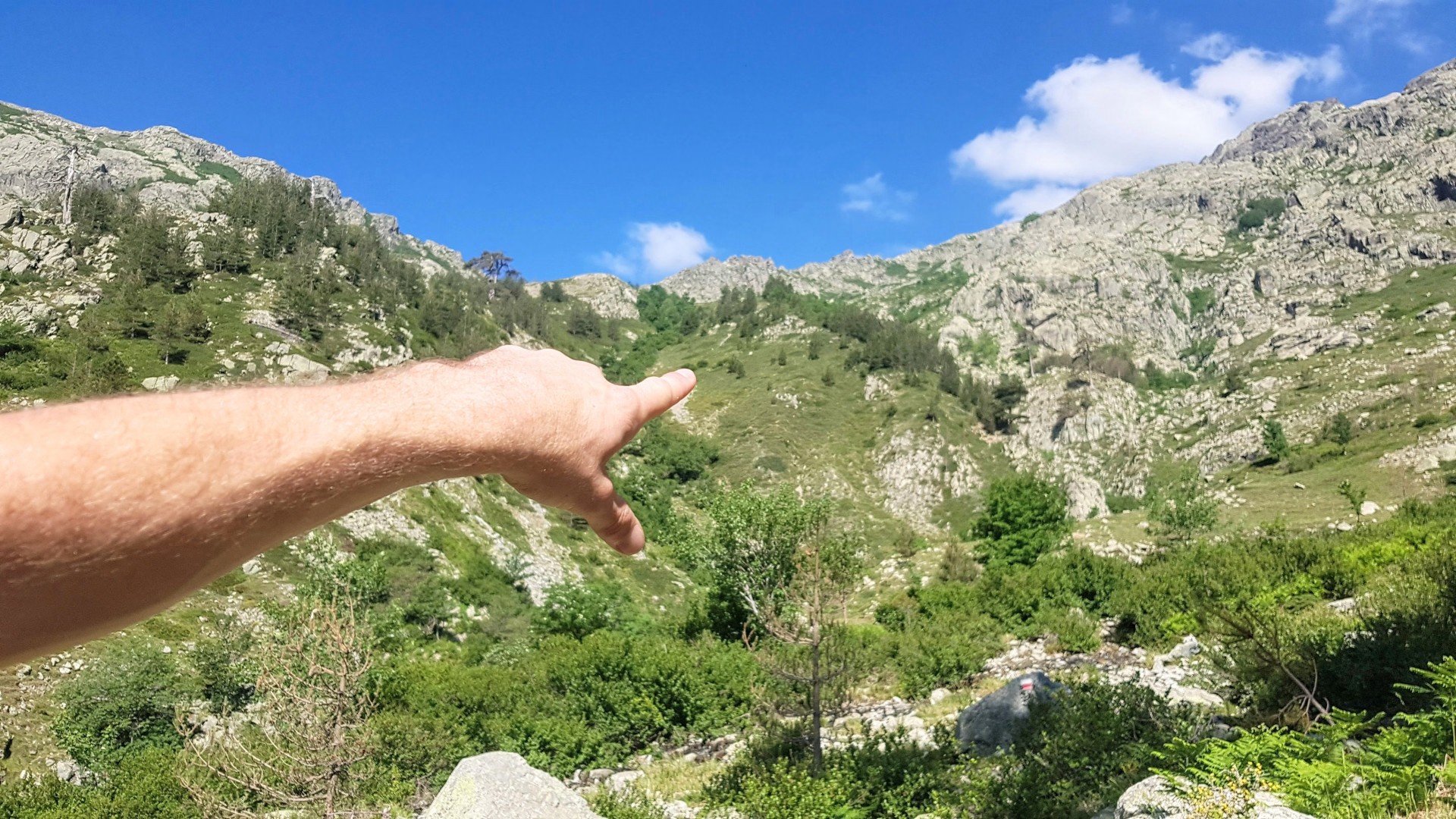
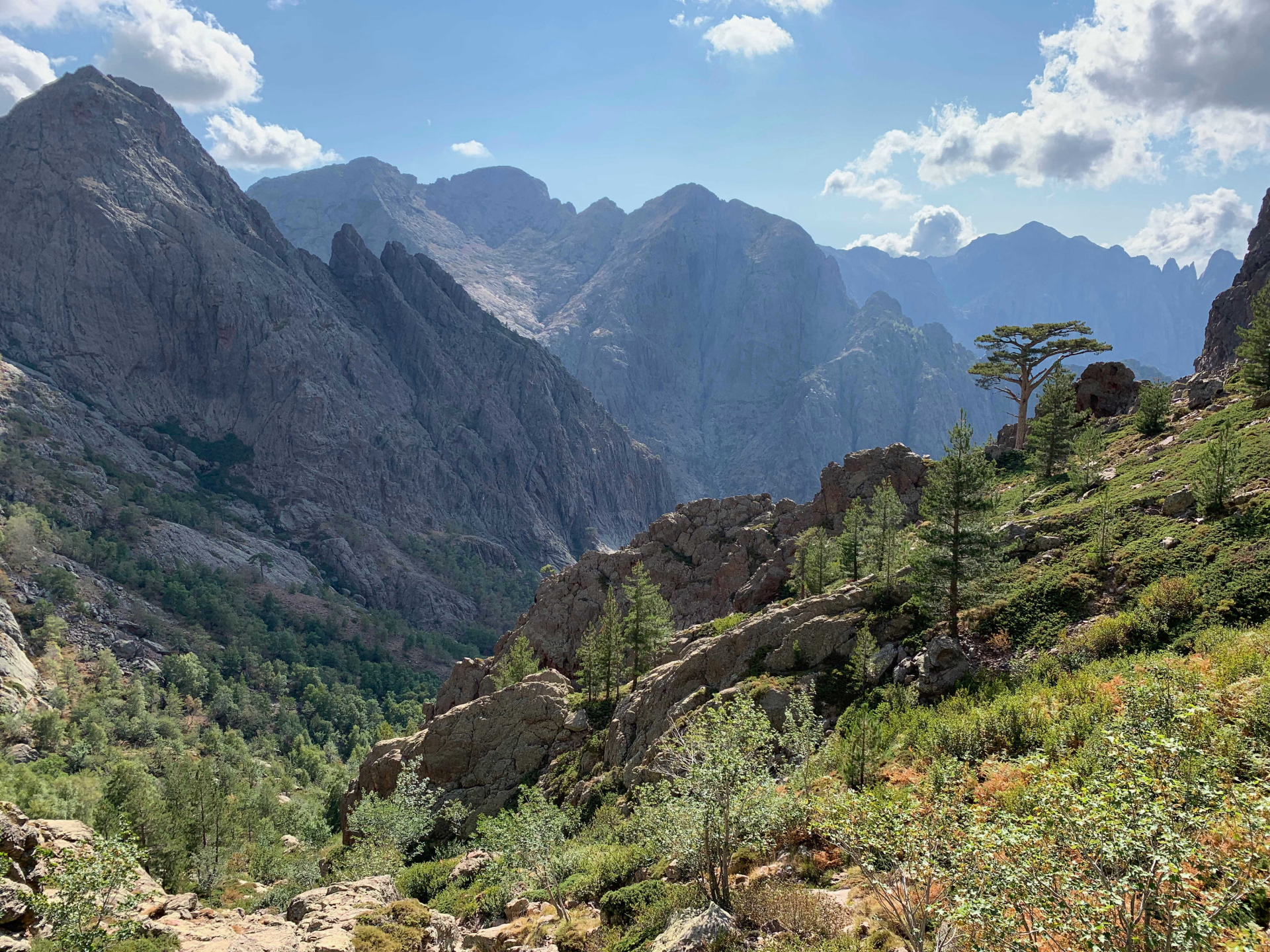
Splendid, majestic, magnificent... there are countless adjectives to describe the GR20 North . This high-mountain trail follows the line of the highest peaks on the Isle of Beauty (Corsica). With Decathlon Travel, experience this adventure with complete peace of mind : we handle the logistics , booking accommodations, and transporting your luggage . Focus on the effort and the beauty of the glacial lakes and mineral ridges of this now legendary trail.
The highlights
-
A very challenging and independent stay
-
Full board
-
Optional luggage transport by vehicle
Photos
Sport
Level
Hiking / Trekking
The expert's opinion
Doing the GR20 independently with us is reserved only for people in very good physical condition who already have experience of multi-day treks and are able to manage their hikes alone with all that this implies (determination, taste for effort, ability to manage their route, map reading and orientation, knowledge of weather, disregard for usual comfort, appropriate equipment...).
The GR20 is becoming increasingly popular, but it's important to remember that it remains the most difficult trek in Europe: don't overestimate your abilities and prepare your trip properly!
If in doubt, we advise you to opt for a guided tour. Furthermore, it's worth noting that mountain huts in Corsica are old, small, and offer basic comfort (cold shower, few or no toilets, no blankets, etc.). In bad weather or at certain times of year, the huts can be overcrowded, with accommodation sometimes offering very rudimentary comfort.
In figures
Hiking
- Average duration/day: 7h
- Average distance/day: 12 km
- Average daily elevation gain: 839 m
- Average daily descent: 844 m
Management
The roadbook consists of: a day/day description, copies of maps, and a list of accommodations.
Upon arrival at your accommodation, you will be provided with: transfer vouchers, a luggage itinerary, luggage tags and a Didier Richard 1/50000 paper map
Program
-
Vizzavona
- Accommodation 2-star hotel
- Breakfast not included
- Lunch not included
- Dinner included
Meet at Vizzavona train station. Check into your accommodation. Depending on your arrival time, there may be an opportunity for a hike in the Vizzavona forest.
Day 1 -
Vizzavona - Manganellu - Petra Piana
- Activity Hiking
- Duration of the activity 8h
- Distance 20 km
- Positive elevation gain 1250 m
- Negative elevation 100 m
- Accommodation Refuge
- Breakfast included
- Lunch included
- Dinner included
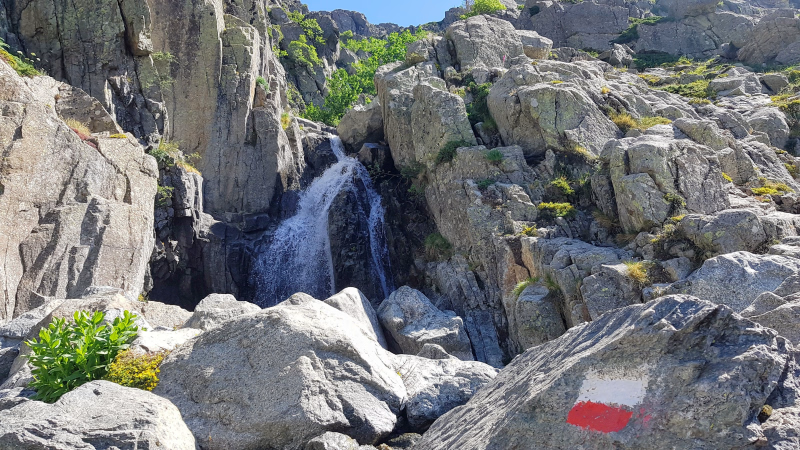
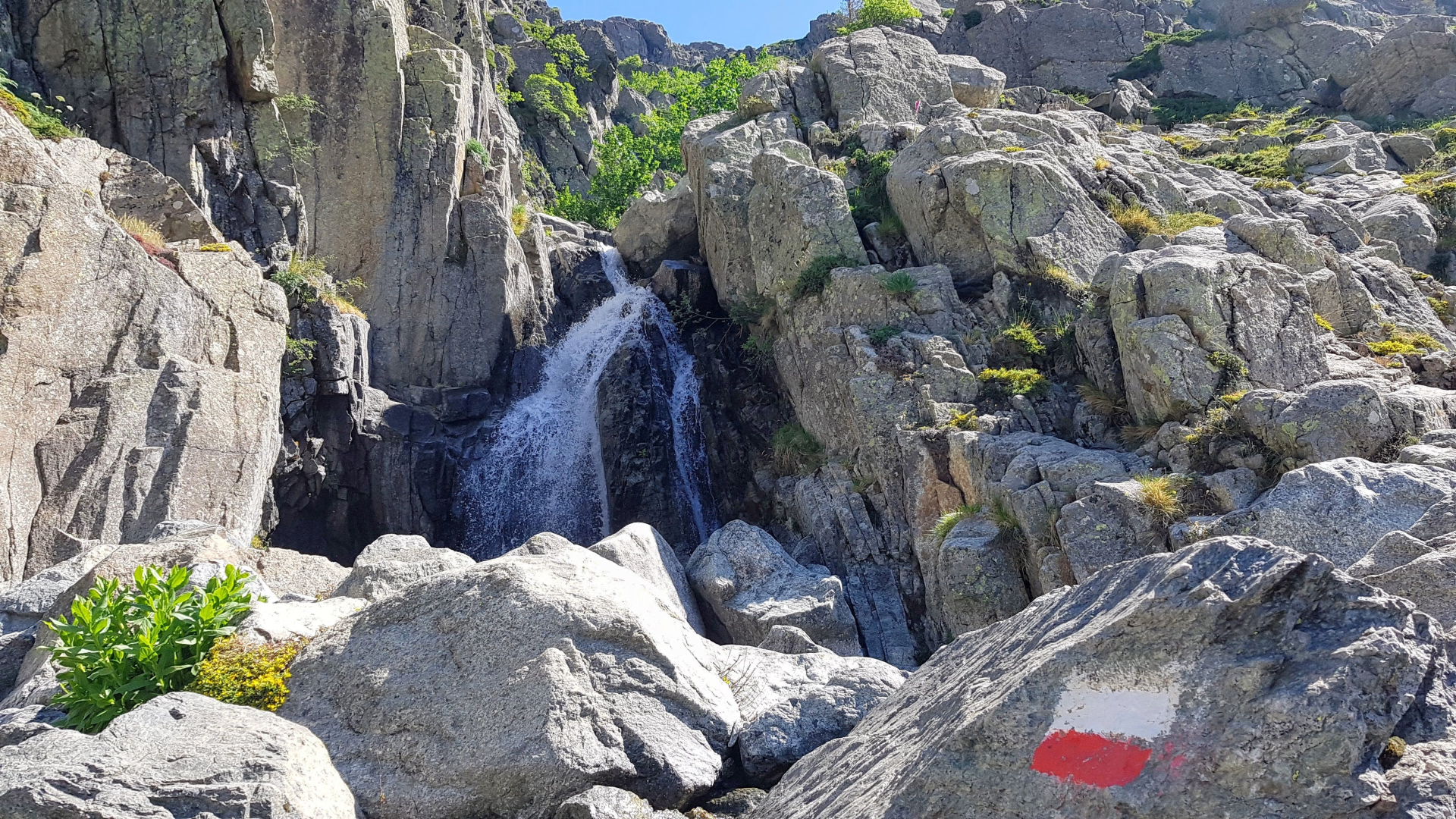
You ascend the Manganellu Valley. Initially shaded along a track, the route then follows a path near the Tolla sheepfolds. Following the stream, you'll be tempted to take advantage of the pools carved out by the current for a refreshing dip. The slope then steepens and becomes quite steep before opening onto the small plateau where the Petra Piana refuge is located.
Day 2 -
Petra Piana - Bocca Muzzela - Capitello - Camputile
- Activity Hiking
- Duration of the activity 5h
- Distance 9 km
- Positive elevation gain 650 m
- Negative elevation 870 m
- Accommodation Refuge
- Breakfast included
- Lunch included
- Dinner included
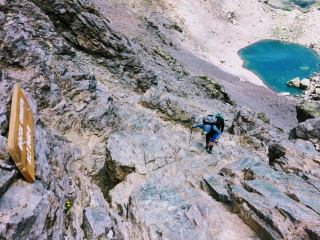
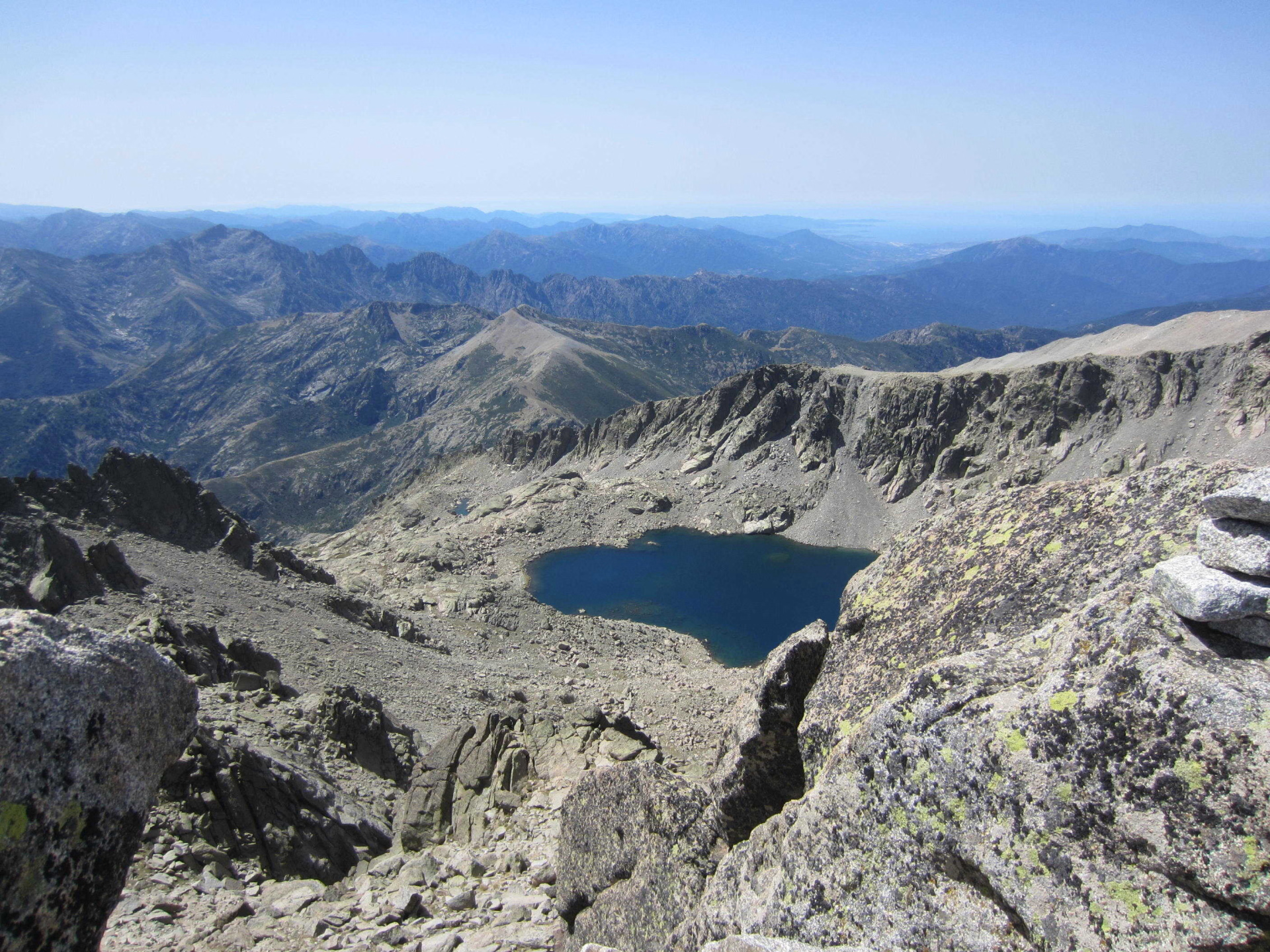
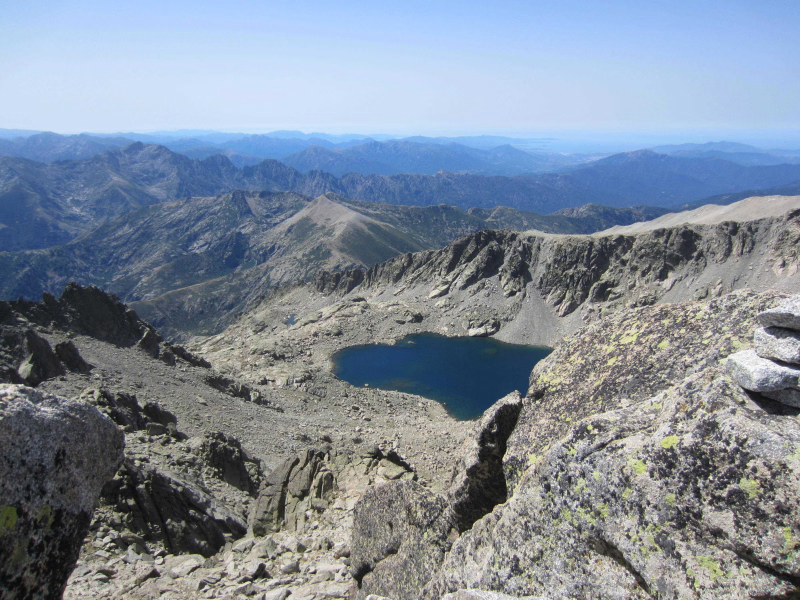
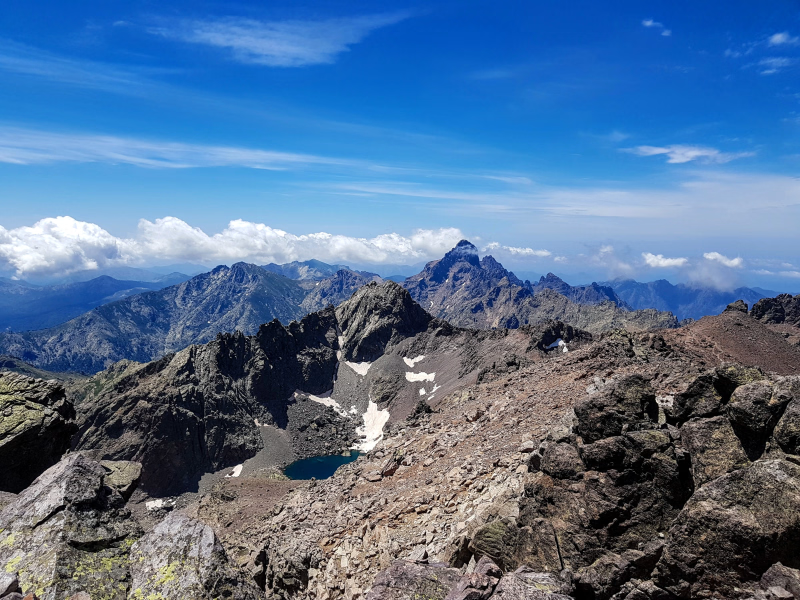
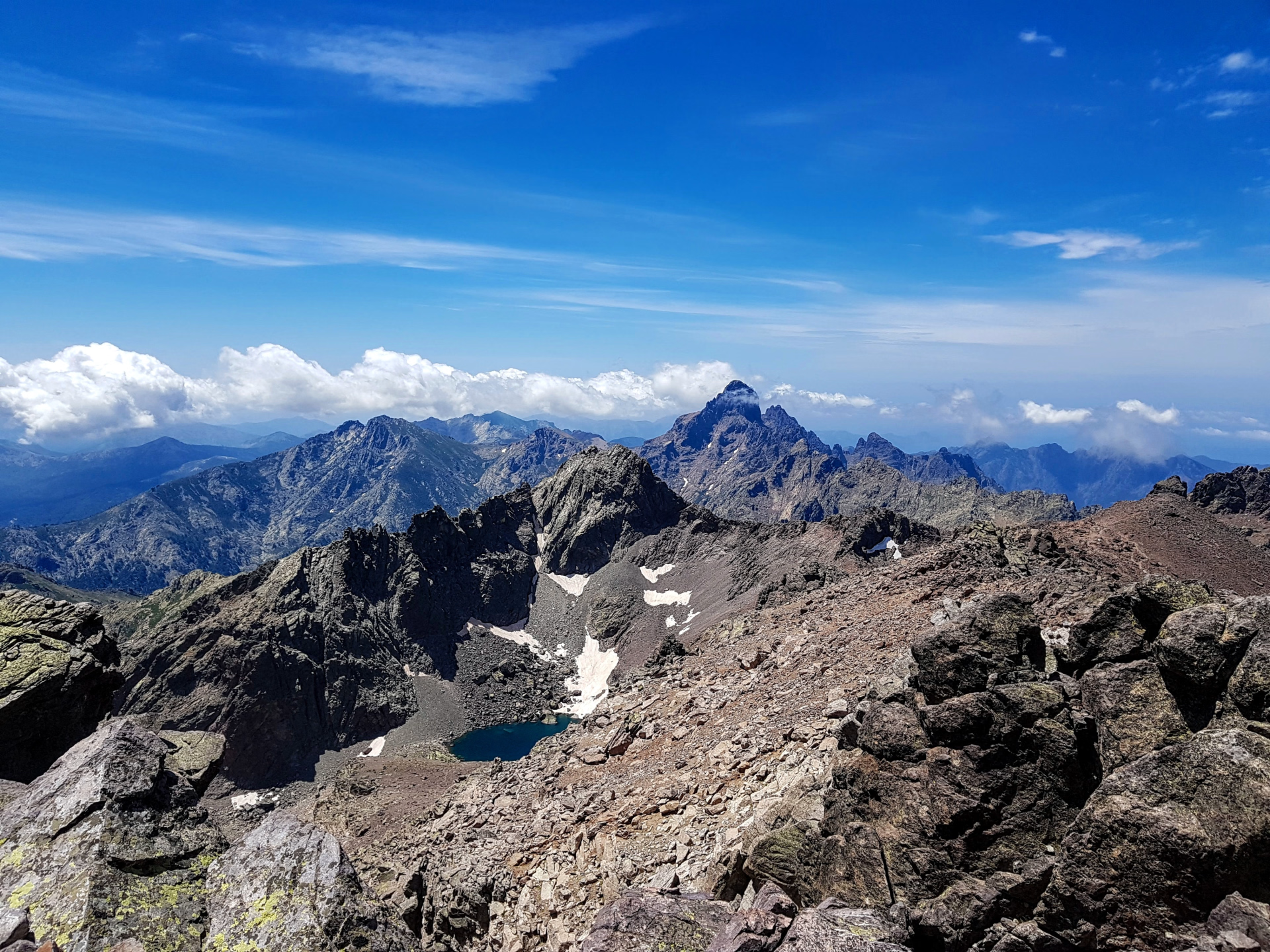
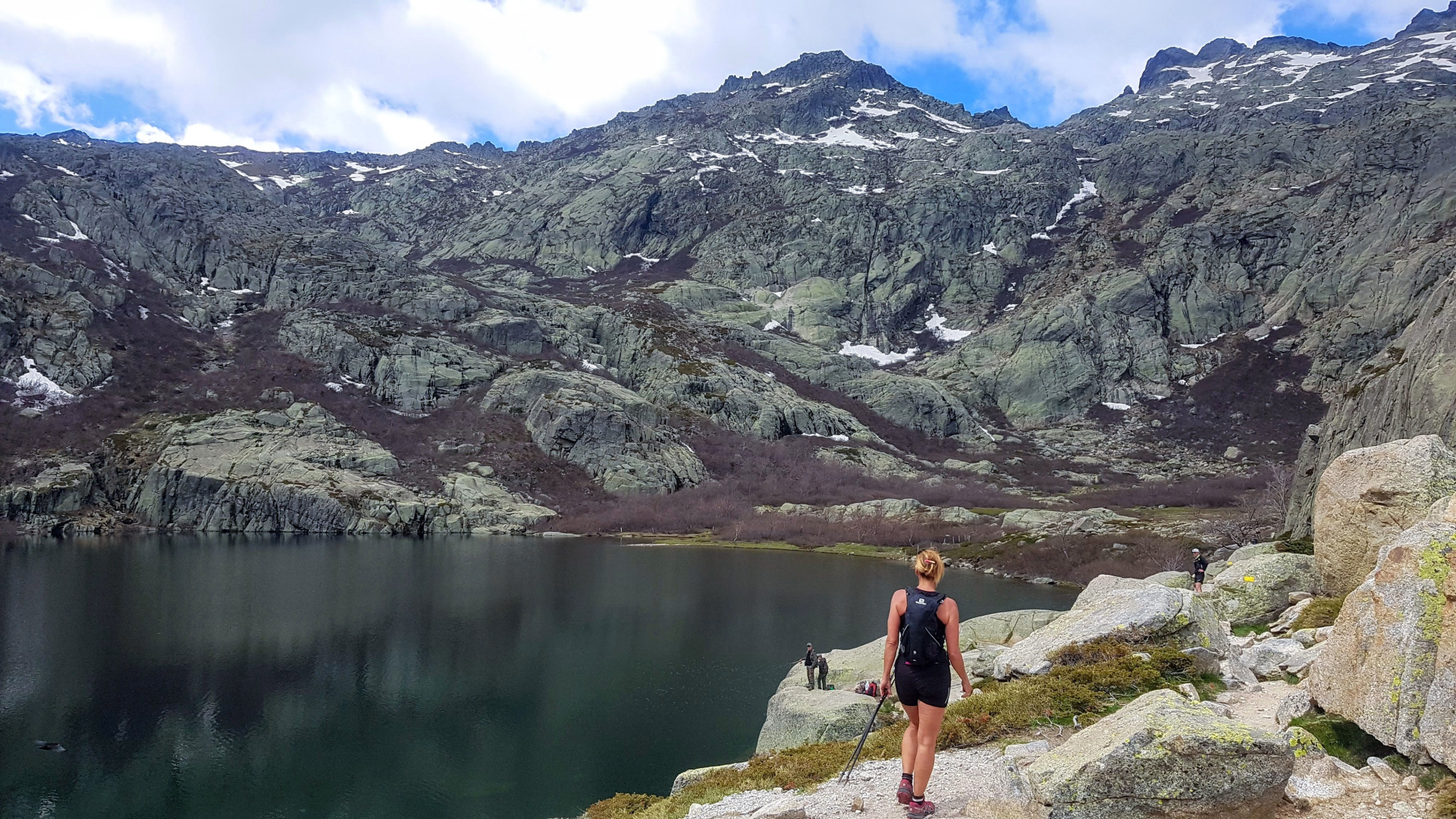
This stage is perhaps the most alpine of the GR20. Indeed, you'll cross the two highest points of this trek: Bocca Muzzela and the Capitello pass. Only the ripples on the surface of the lakes add a touch of movement to this landscape where rock is omnipresent. Snow lingers for a long time in these places, and you'll appreciate all the more the arrival on the green Camputile plateau.
Note: At the beginning of the season, the presence of snow at the Capitello gaps may force us to modify the stage for your safety.
Day 3 -
Camputile - Lake Ninu - Bocca â Reta - Col de Vergio
- Activity Hiking
- Duration of the activity 7h
- Distance 16 km
- Positive elevation gain 570 m
- Negative elevation 750 m
- Accommodation 2-star hotel
- Breakfast included
- Lunch included
- Dinner included
Leaving the Camputile plateau, the route leads you to a truly exceptional spot in the Corsican mountains: Lake Ninu. Walking along the lake, where numerous horses graze, you'll experience a profound sense of freedom. At Bocca a Reta, the views of the Cintu massif and the Niolu valley are breathtaking. From the Saint Pierre pass, the GR20 follows the old patrol path through the Valdu Niellu forest to Castel di Vergio. You are now in the Niolu region, the land of shepherds, home to some of Corsica's highest villages.
Day 4 -
Col de Vergio - Vallon de Tula - Vallée du Mélarie
- Activity Hiking
- Duration of the activity 7h
- Distance 14 km
- Positive elevation gain 710 m
- Negative elevation 660 m
- Accommodation Bivouac / Tent
- Breakfast included
- Lunch included
- Dinner included
A beautiful day hike awaits, culminating in the ascent to the highest mountain refuge in Corsica: Ciottulu i Mori. Leaving the Vergio pass in the Niolu region, the GR20 trail passes near the Radule sheepfolds before entering the Tula valley. The path winds alongside stunning natural pools. Paglia Orba and Capu Tafunatu, two iconic mountains of the island, tower above this valley. You'll pass at the foot of these mountains before beginning a fairly technical descent to reach the Mélarie valley.
Day 5 -
Melarie Valley - Pointe des Eboulis - Haut Asco
- Activity Hiking
- Duration of the activity 8h
- Distance 9 km
- Positive elevation gain 1200 m
- Negative elevation 1150 m
- Accommodation 2-star hotel
- Breakfast included
- Lunch included
- Dinner included
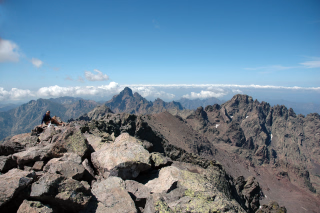
This legendary hike in the heart of the Cintu massif (2706m) offers a fantastic panoramic view of the island's peaks. A mythical stage, it includes the highest point of the GR 20 trail at 2604 meters altitude at Pointe des Eboulis. This challenging, alpine, mountainous, and exposed route offers magnificent vistas in a stark, rocky landscape. In case of bad weather, snow, or physical fatigue, we recommend taking the shuttle service to Haut Asco. A shuttle is available in the village of Calasima. The journey takes approximately 2.5 hours from the Tighjettu refuge and 1.5 hours from the Vallone sheepfolds to reach the village.
Day 6 -
Haut Asco - Bocca Di Stagnu - Lac de la Muvrella - Bonifatu - Calvi
- Transportation Car - 00h20 - 20km
- Activity Hiking
- Duration of the activity 8h
- Positive elevation gain 650 m
- Negative elevation 1530 m
- Breakfast included
- Lunch included
- Dinner not included
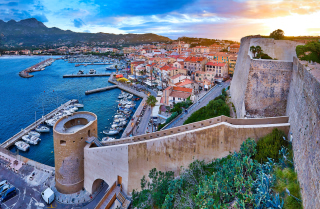
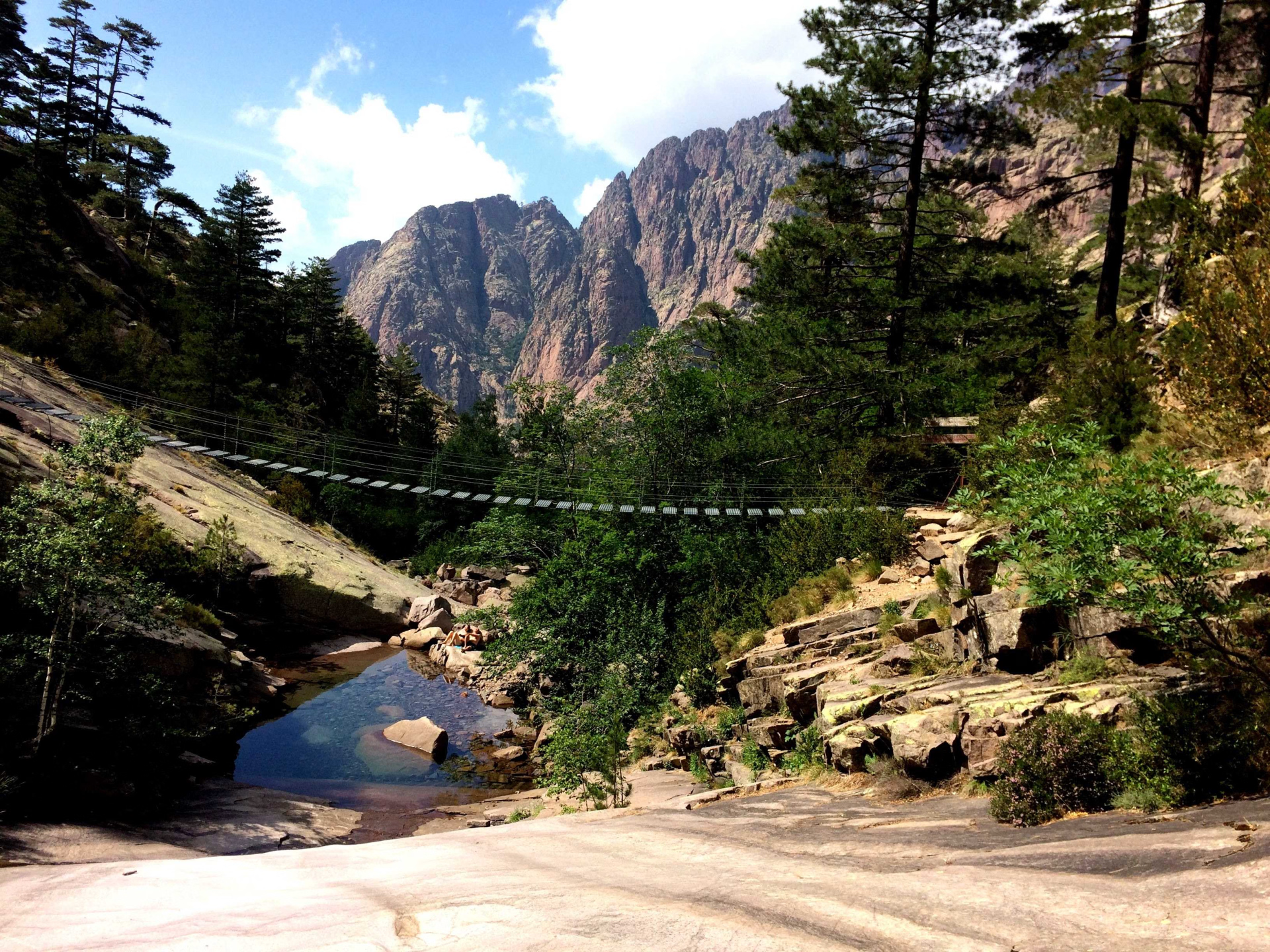
From Ascu-Stagnu, you'll need to start your hike early in the morning to reach Bocca Di Stagnu at the foot of the Muvrella mountain. The proximity of the sea signals the end of the GR20. At the small Muvrella lake, the view over the Bay of Calvi is superb. Undoubtedly one of the most beautiful sections of the GR20. Shortly before the Carozzu refuge, crossing the Spasimata footbridge will offer a few thrills. This descent to Bonifatu, overlooking the Spasimata stream, is very spectacular and quite strenuous. Upon arrival in Bonifatu, you'll be transferred by taxi to Calvi.
Day 7
Accommodation
Access
Go to the starting point
Trains available from Bastia, Calvi or Ajaccio: https://cf-corse.corsica/heures/
Price details
The price includes
- 3 nights in a sheepfold or tent
- 3 nights in a double or twin room in a hotel
- Full board from dinner on day 1
- The Bonifatu-Calvi transfer on the last day
- The roadbook
- 24/7 support
The price does not include
- Transportation to the departure point of the trip
- Drinks
Options
- Luggage transfer for Sunday departures : CHF73.18 / person
- Luggage transfer every day except Sunday : CHF402.51 / person
- Supplement for 3 nights in a private room for two people : CHF180.22 / person
- Supplement for 3 nights in a single room : CHF398.85 / person
- Flex fare and insurance
Practical information
Specific formalities
Specifics
Before your departure, check with the embassy or consulate regarding the entry and stay requirements for your destination country. You can also find this information on the France Diplomatie website ( https://www.diplomatie.gouv.fr/fr/dossiers-pays/ ).
In the case of flights with stopovers operated by different airlines, also check the entry requirements of the countries you are transiting through.
It is your responsibility to ensure you are in compliance, particularly regarding the validity of your identity documents (for example, some countries require your passport to be valid for at least six months after your return) , visa requirements, necessary vaccinations, and health recommendations. And don't forget to consider any customs restrictions and other potential requirements of your destination or transit country.
ℹ️ Information may change up to the departure date, remember to regularly check official websites.
Equipment
Equipment provided on site
For nights spent camping, we provide the necessary equipment (tent, sleeping mat).
Equipment to bring
- A pouch to wear around your neck or on your belt for your passport and/or identity card, your driving licence, your vaccination record, your European Health Insurance Card, your travel insurance leaflet, your currency, your credit card and your personal papers.
- Plastic bags to ensure the watertightness of your belongings, cameras and clothes.
- Dirty laundry bag
- Earplugs, always useful!
- Notepad and pen, book, deck of cards,
- Walking sticks.
- Pair of binoculars,
- Camera,
- Gaiters (may be useful)
- survival blanket,
- Mobile phone,
- Comfort sleeping bag rated to 0 degrees (WARNING: no blankets in the mountain huts),
- Sleeping bag liner,
- Toiletry bag,
- Towel,
- Pair of sunglasses,
- Sunscreen cream (face and lips),
- Flashlight or headlamp with spare batteries,
- A 1.5-liter minimum water bottle, lightweight and insulated. You can also bring a 2-liter hydration bladder. The latter has the advantage of allowing direct drinking thanks to its drinking tube. You therefore don't have to take off your backpack to grab the bottle. This way, you drink more regularly and in small amounts, which is recommended for proper hydration.
Tip: Having two containers allows you to consume one while the other is being processed.
- A multi-purpose pocket knife is preferable (to be packed in checked baggage if you are flying).
- Toilet paper and a lighter,
- Hygienic gel
- airtight container for transporting salads
- covered
Clothing to bring
Clothing, from head to toe:
- Hiking boots. They are a hiker's best friend. They must possess three qualities: sturdiness, good foot and ankle support (high-top boots), and waterproofing. Choose boots with non-slip and relatively rigid soles, such as Vibram.
- Light shoes (tennis shoes or sandals) to wear in the evening in towns and villages.
- Underwear. It's the first layer of insulation you'll have, so take good care of it! Thin technical fibers, like Carline or Polartec, are very effective, warm, flexible, comfortable, and lightweight. They dry very quickly.
- Hiking pants,
- Shorts,
- Fleece jackets. These are durable, warm, lightweight, and quick-drying. The most suitable, well-known to mountaineers, are those made with Polartec, Carline, and Ulfrotté fibers.
- T-shirts (technical preferred),
- Rain cape or waterproof jacket (Gore-tex type),
- Hat,
- Pair of gloves and hat (depending on the season),
- Swimsuit and bath towel,
They traveled with us