Self-guided hiking among vineyards and medieval villages of Alsace
In summary
-
Sports
-
Duration4 days
-
LevelIntermediate
-
DestinationGrand Est / Colmar
-
AgeFrom 12 - 85 years
-
CO₂-Emissions52.06 kg CO2
-
Type of stayIndependent traveler
In a few words
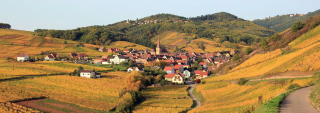
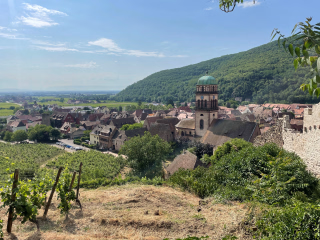
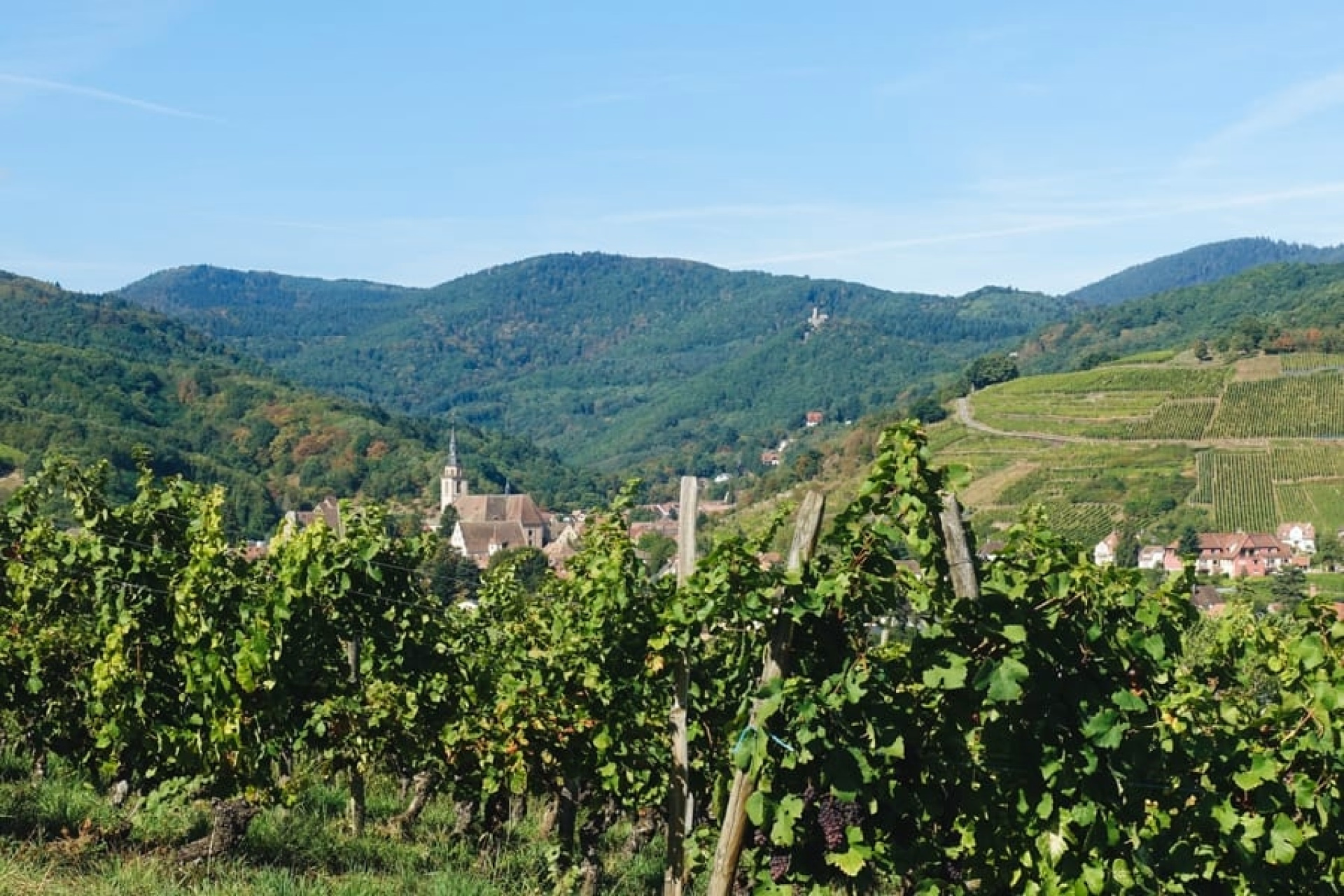
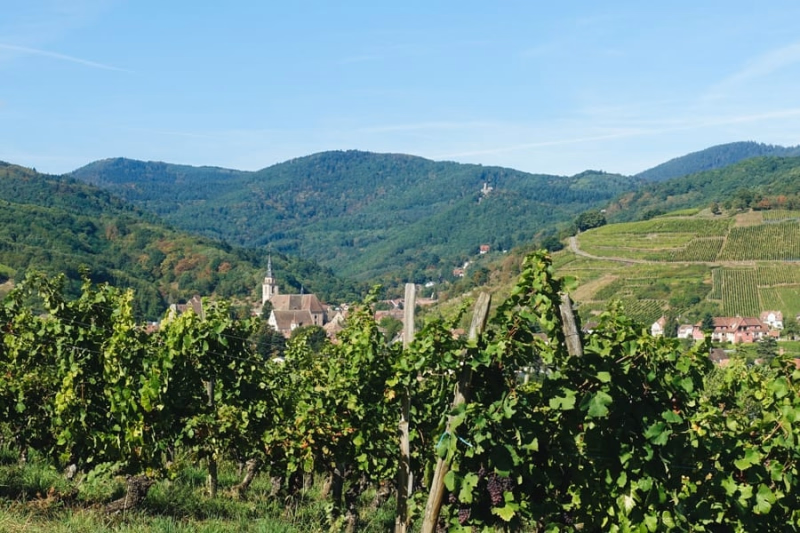
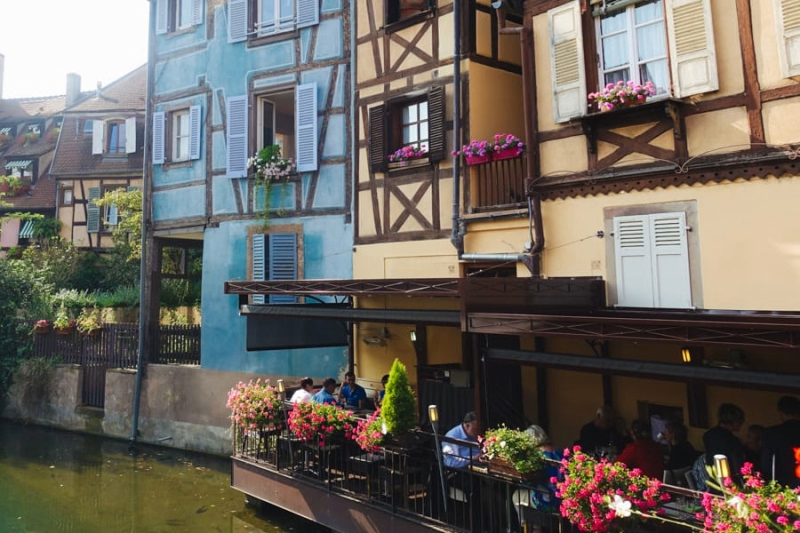
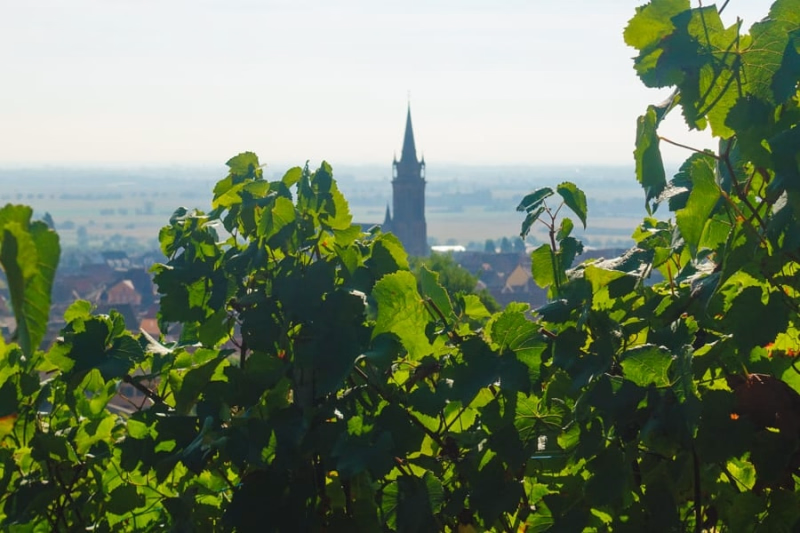
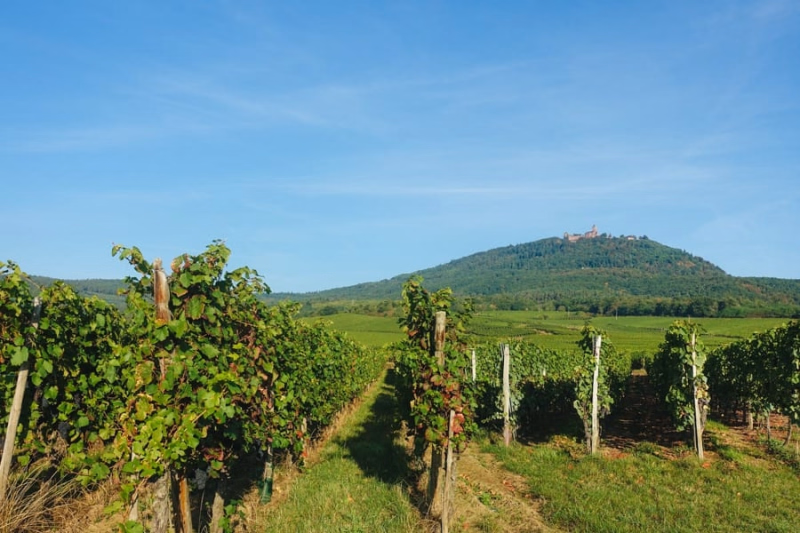
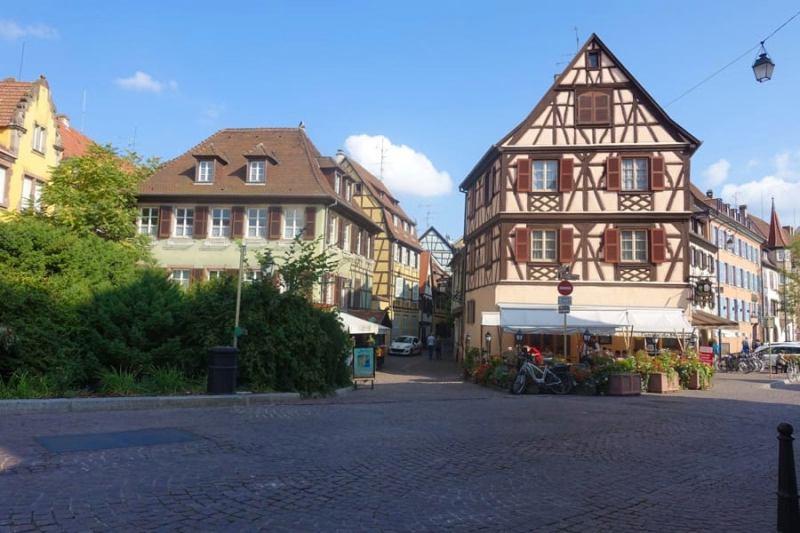
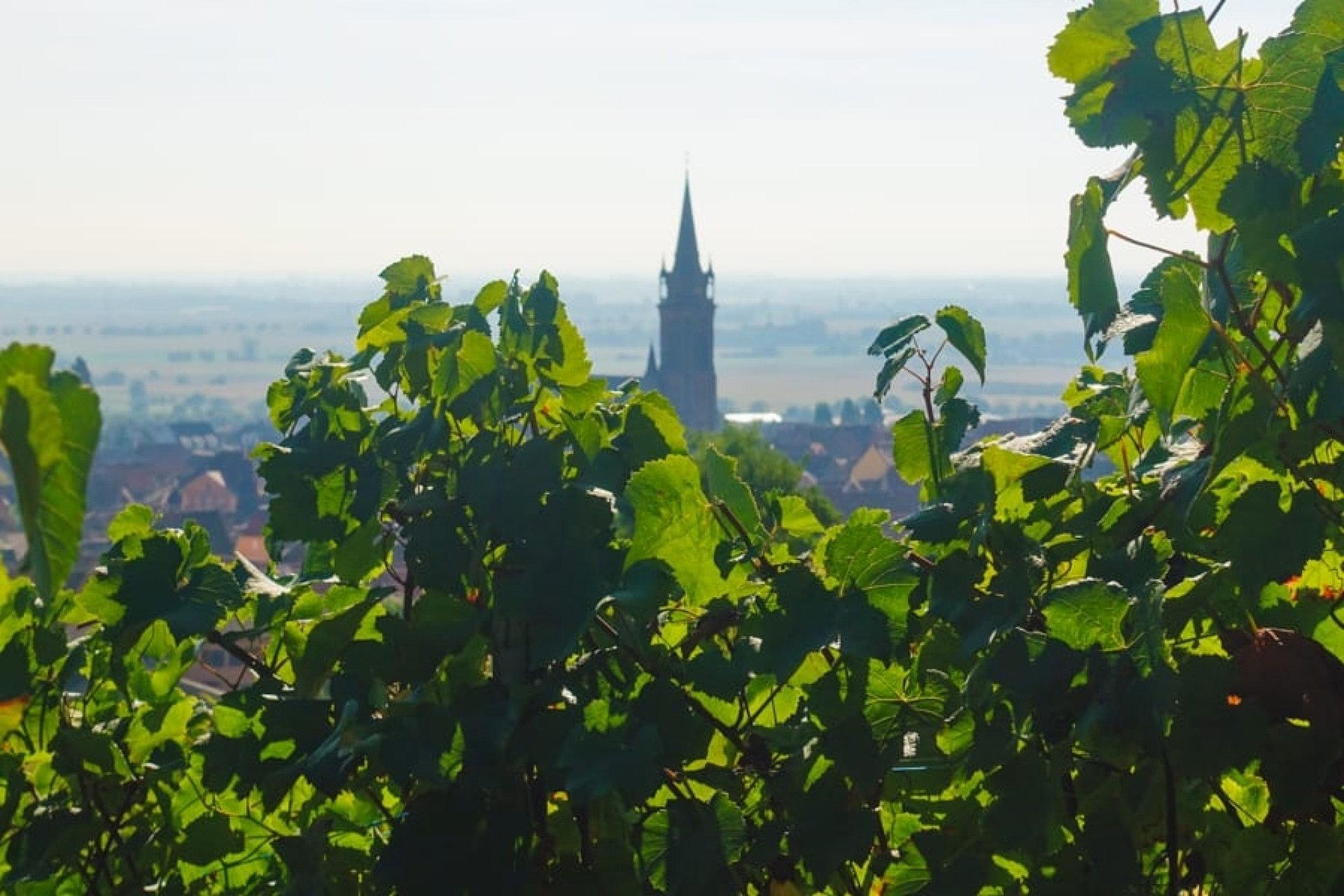
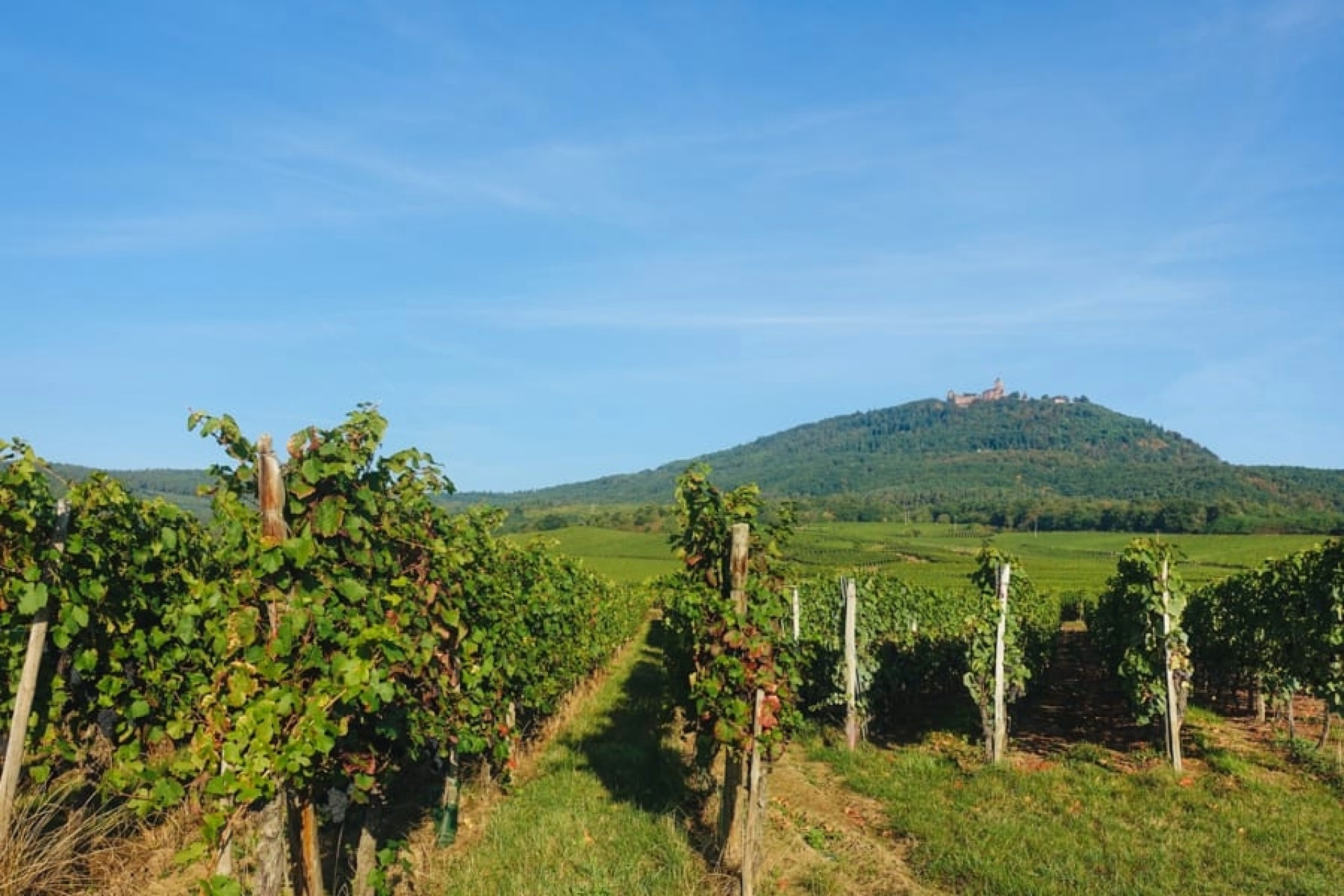
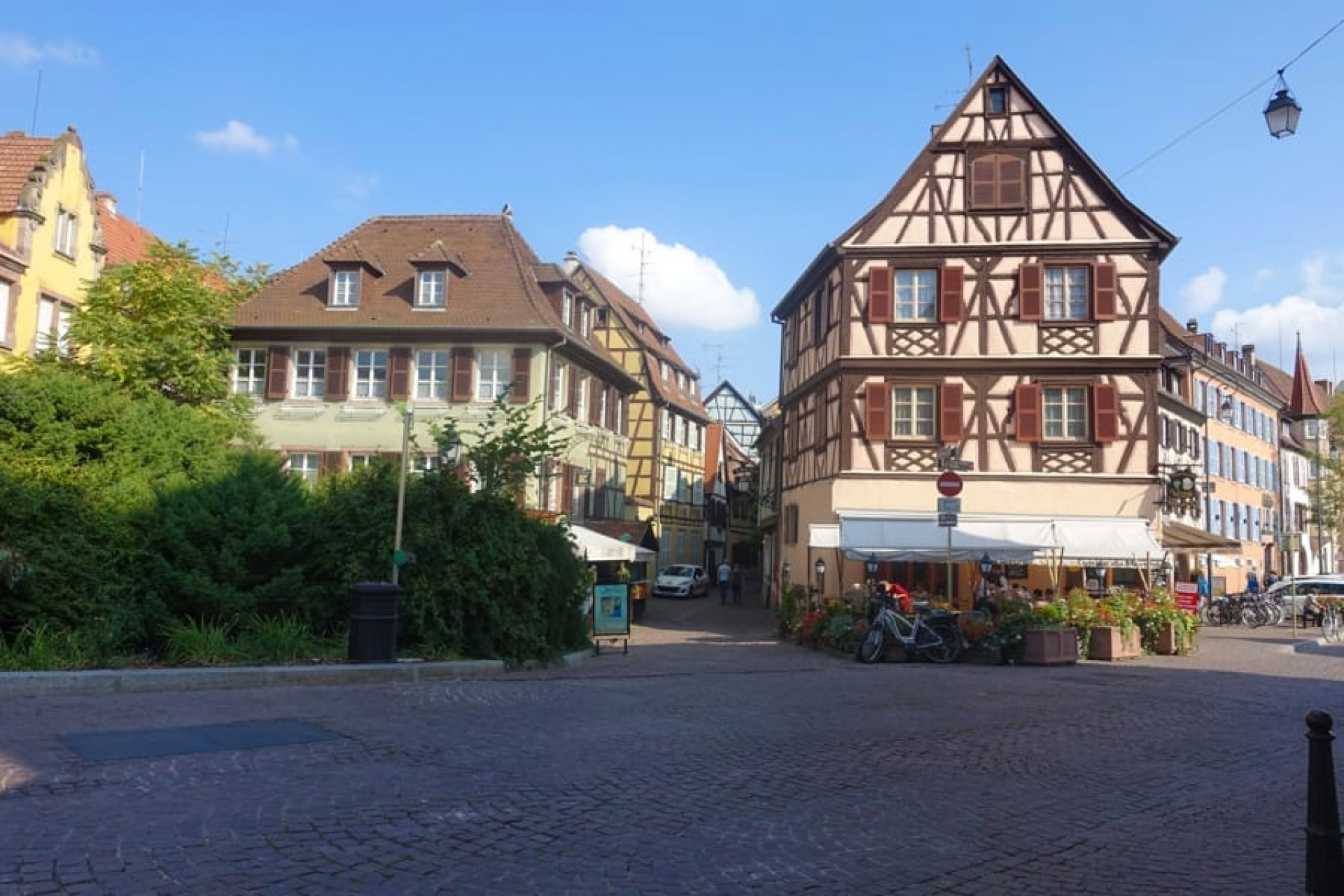
Embark on a self-guided hiking adventure in the heart of Alsace , exploring prestigious vineyards , medieval villages , and forest landscapes . This trip immerses you in the authentic world of a region where fine wines and traditions intertwine at every turn. From the charming city of Colmar , a true architectural gem and the starting point of your itinerary, you'll traverse a living postcard : endless rows of vines, hilltop castles , ancient ramparts , and flower-filled alleyways lined with half-timbered houses . Each stage is punctuated by the discovery of convivial Winstubs (Alsatian wine bars), lively wine cellars , and treasures of Romanesque heritage . The route alternates between vineyard trails winding through the hillsides and shaded forest paths , in the heart of a preserved natural landscape of pines , oaks , and chestnut trees. A sensory and cultural immersion for lovers of gentle hiking and local traditions .
The highlights
-
First night in colorful Colmar
-
In Riquewihr, a hotel in the heart of the medieval town
-
Return train journey to Colmar included in the price
Photos
Sport
Level
Hiking / Trekking
The expert's opinion
This hike is rated level 3 out of 6, with elevation gains of 350 to 800 meters per stage, and takes 5 to 6 hours to complete on varied terrain. The suggested routes mostly follow forest paths but also wind through vineyards. There are no technical difficulties.
In figures
Hiking
- Average duration/day: 5h30
- Average distance/day: 15 km
- Average daily elevation gain: 606 m
- Average daily descent: 601 m
Management
Your travel guide to take everywhere with you. 🗺️
Documentation provided:
- IGN maps at 1:25,000 scale
- Extracts from 1:25,000 scale maps with route markings
- 1 guidebook (day-by-day description of the hikes)
This hike is compatible with our app. In addition to your traditional route book, you have the option of using our digital route book, compatible with iOS and Android. (Available upon request after booking)
Program
-
Colmar
- Accommodation 3-star hotel
- Breakfast not included
- Lunch not included
- Dinner included
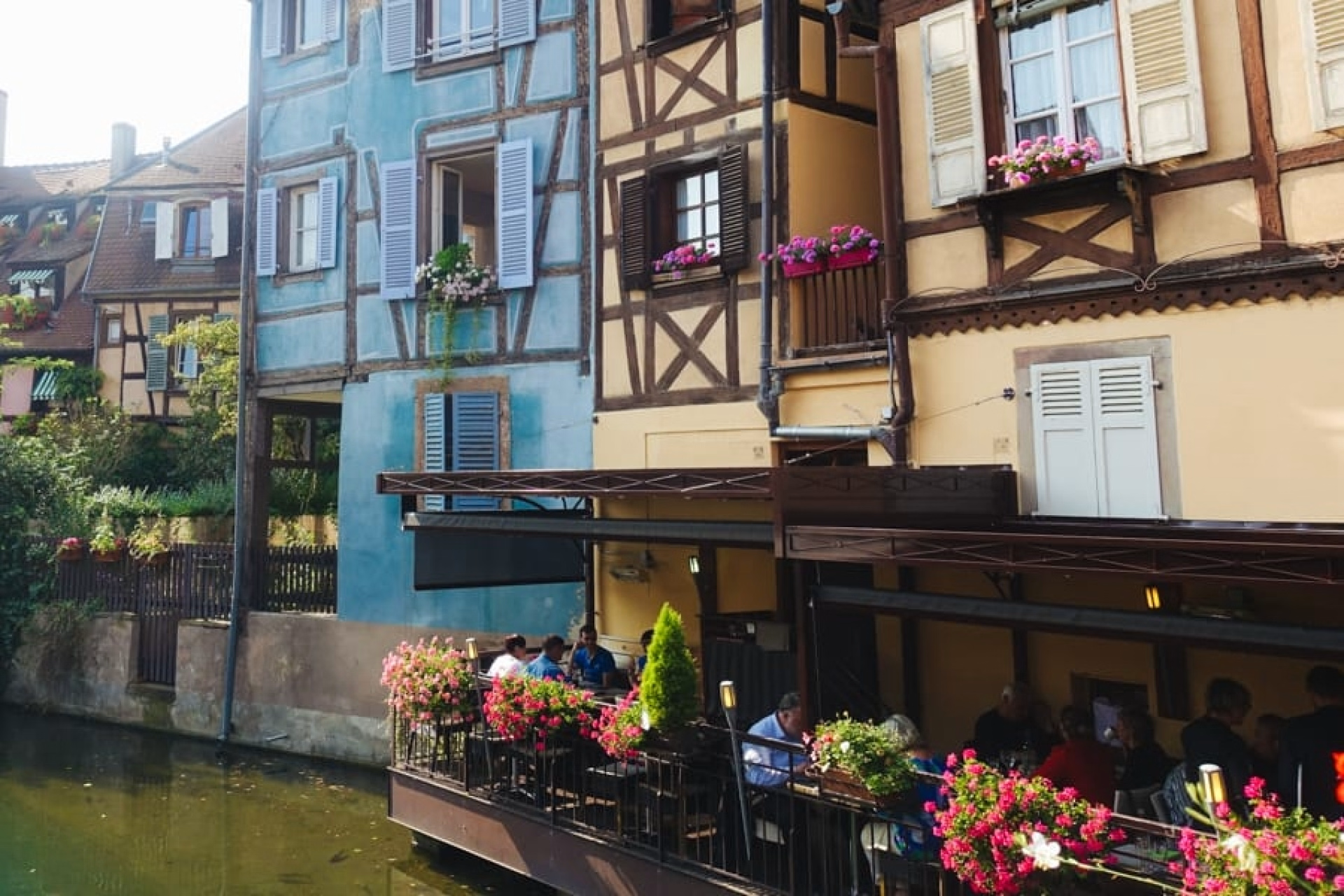
Arrival at your hotel in Colmar in the late afternoon. This city of art boasts a large, well-preserved pedestrianized tourist center, historic districts like "Little Venice," medieval churches, and numerous museums. To fully enjoy your visit to Colmar, we recommend arriving no later than late morning; otherwise, consider booking an extra night at the end of your stay.
Day 1 -
Colmar - Riquewihr
- Transportation Minibus - 00h15 - 7km
- Activity Hiking
- Duration of the activity 7h
- Distance 18 km
- Positive elevation gain 916 m
- Negative elevation 838 m
- Accommodation 3-star hotel
- Breakfast included
- Lunch not included
- Dinner included
Visit to the medieval town of Turckheim then departure on foot to Kaysersberg, birthplace of Doctor Albert Schweitzer, before reaching Riquewihr.
Day 2 -
Riquewihr - Saint-Hippolyte
- Activity Hiking
- Duration of the activity 4h
- Distance 12 km
- Positive elevation gain 296 m
- Negative elevation 364 m
- Accommodation 3-star hotel
- Breakfast included
- Lunch not included
- Dinner included
The hike leads through the vineyards to the village of Hunawihr with its fortified church, then to Ribeauvillé, dominated by the "Three Castles" of Ribeaupierre. Further on, discover the charming little town of Saint-Hippolyte, renowned for its "Rouge de Saint-Hippolyte" wine and located at the foot of the Haut-Kœnigsbourg castle.
Day 3 -
Saint-Hippolyte - Chatenois - Colmar
- Transportation TER / Metro / Tram - 00h10 - 25km
- Breakfast included
- Lunch not included
- Dinner not included
This final day will be marked by a visit to the Haut-Kœnigsbourg castle, which overlooks the Alsace Plain, followed by a descent to Châtenois. In the afternoon, a short taxi transfer will take you to Sélestat, then a train to Colmar (included in the price). Our services conclude in Colmar at the end of the day.
Day 4
Note
If there is no availability at a stage of the program described above, we offer you two consecutive nights at the preceding or following stage and arrange the corresponding transfers (a supplement may apply). Your walking itinerary remains unchanged. To ensure you can complete the program stages, we advise you to book as early as possible.
Accommodation
Access
Go to the starting point
Access is available by TGV to Colmar, just 2 hours and 50 minutes from Paris.
You have the option of leaving your vehicle in the car parks located near the accommodation, our hotel in Colmar also has a private garage (approximately €10 / night / car).
Price details
The price includes
- Half-board (except for dinner on day 1 in Colmar, numerous restaurants on site)
- The travel log, 1 copy per registration file
- Luggage transport between accommodations
- Taxi and train transfers included in the program
- Tourist taxes
The price does not include
- Lunches
- Dinner on day 1 in Colmar
- Drinks and personal expenses
- The visits
- Luggage transport from Sélestat to Colmar
- Optional taxi transport from Colmar train station to the hotel on the last day (flat rate of approximately €8)
- Round-trip transportation to the meeting point
- The solo supplement if you are travelling alone (€120 per person) as well as the single room supplement (€180 per person) are automatically added to the price calculation with a single participant.
Options
- Additional night at the end of the trip in Colmar - 4* hotel in a double room : CHF100.63 / person
- Additional night at the end of the trip in Colmar - 4* hotel in a single room : CHF173.81 / person
- Single room : CHF164.66 / person
- Flex fare and insurance
Practical information
Specific formalities
Specifics
Before your departure, check with the embassy or consulate regarding the entry and stay requirements for your destination country. You can also find this information on the France Diplomatie website ( https://www.diplomatie.gouv.fr/fr/dossiers-pays/ ).
In the case of flights with stopovers operated by different airlines, also check the entry requirements of the countries you are transiting through.
It is your responsibility to ensure you are in compliance, particularly regarding the validity of your identity documents (for example, some countries require your passport to be valid for at least six months after your return) , visa requirements, necessary vaccinations, and health recommendations. And don't forget to consider any customs restrictions and other potential requirements of your destination or transit country.
ℹ️ Information may change up to the departure date, remember to regularly check official websites.
Equipment
Equipment to bring
The equipment:
For hiking:
- 1 pair of hiking boots (with a waterproof and breathable membrane, such as "gore-tex" or
equivalent) in which you feel comfortable! You need to break in new shoes before going hiking
by wearing them for a few weeks beforehand to avoid the discomfort of blisters and overheating...
- 1 (or even 2) pairs of sunglasses with lenses of category 3 minimum
- 1 large, sturdy plastic bag for wrapping clothes and belongings in the backpack (in case of heavy rain)
- 1 insulated water bottle of at least 1 L. Drinking is essential on a hike, so 2 water bottles of 1 to 1.5 L
will not be a luxury during the summer and/or in dry and hot regions
- 1 Swiss Army knife-type folding knife + cutlery + cup
- 1 Tupperware-type bowl with lid for picnics
- toilet paper, tissues
- 1 pair of telescopic poles, optional, but they help with balance and reducing body weight.
descending, and helping during the ascent by setting the pace and providing additional propulsion
- 1 pouch to hold your documents and valuables: passport or identity card, insurance contract, health insurance card,
vaccination certificates, plane tickets, train tickets, credit card, money...)
- 1 small personal first-aid kit (Note: This list is not exhaustive and should be adapted to your own needs)
medical): sterile pre-cut dressings, local antiseptic for external use (wounds), Elastoplast and/or
Double skin (blisters), Paracetamol-type analgesic, Antidiarrheal and intestinal antiseptic,
Antispasm, antihistamine (for allergies), saline solution or eye drops, mild sleeping pill, cream
High protection sunscreen for skin and lips, Biaffin-type moisturizing cream (for sunburn and burns),
Mosquito repellent cream or spray, Arnica Montana 9 CH granules (for aches and pains)...
Miscellaneous
- 1 flashlight or headlamp
- 1 pair of lightweight sandals
Luggage:
- 1 backpack of 30 to 35 L with ventilated, adjustable back and equipped with a waist belt, capable of holding the food supplies of the
For the day, a water bottle, protective clothing, a camera...
- 1 soft travel bag (hard-sided suitcases excluded) to hold spare clothes for the week to be entrusted to someone
To the carriers. Attention! Only one bag per person, not exceeding 15 kg. Any excess baggage may be refused.
Clothing to bring
For hiking
- For maximum comfort, opt for a "multi-layered" clothing system: warm underwear
(tights + base layer) type "carline" or "capilène" (hollow fibers that wick away perspiration) + sweatshirt or fleece jacket +
mountain jacket and overtrousers with a waterproof and breathable membrane (such as "gore tex" or equivalent)
for bad weather
In general, and outside of hot climates and countries, avoid cotton which retains moisture close to the body (and
dries with difficulty) in favor of suitable synthetic materials.
- canvas trousers - shorts - T-shirts
- 6 to 7 pairs of hiking socks
- 1 rain poncho covering the hiker and backpack. If you have very technical tracksuits (see above), it's possible to cover only the backpack with a rain cover. As for the umbrella...
It is less practical, especially in windy or stormy conditions...
- 1 sun hat, ideally a safari-style cap with a visor and neck protection
- 1 scarf to protect oneself from the sun and/or wind
- 1 hat and 1 pair of gloves, depending on the season and altitude: always keep them at the bottom of your bag
Miscellaneous
- change of clothes and comfortable shoes
- "Quies" earplugs or "Ear" earplugs
- basic toiletries + towel + swimsuit
Overall, your clothing should be adapted according to the season and the region chosen.