Pink Lake, mangroves and desert, as a family
In summary
-
Sports
-
Duration9 days
-
LevelBeginner
-
DestinationAfrica / Senegal
-
AgeFrom the age of 18
-
CO₂-Emissions2554.46 kg CO2
-
Type of stayIn a group
-
Languages
 French
In a few words
The highlights
-
Walking through the zebu markets and the one in Ndiaganiao
-
Sharing a whole day in the daily life of a Fulani village
-
Go on safari in the Bandia reserve
Photos
Sport
Level
Hiking / Trekking
The expert's opinion
This trip is accessible to everyone, as the hikes are not very hilly.
In figures
Hiking
- Average duration/day: 1h30
Management
French
Your team consists of a French-speaking tour guide assisted by a local guide on each visit. Your guide has been chosen for their field experience, their specific knowledge of a geographical area and its associated culture, and finally, for their passion for sharing their country.
Program
-
France - Dakar
- Transportation Plane - 05h30 - 4200km
- Accommodation 2-star hotel
- Breakfast included
- Lunch not included
- Dinner not included
International flight to Dakar. Airport welcome. Transfer along the Corniche and, depending on your arrival time, exceptional panoramic views of the Mamelles hills with their lighthouse and the African Renaissance Monument, then of the Ouakam Mosque in a fishing cove, and finally of the Madeleine Islands. Check-in at the Saint-Louis Sun Hotel (or similar), a charming colonial hotel in the heart of Dakar's historic plateau.Day 1 -
Dakar – Gorée – Thiaroye – Lompoul
- Transportation Minibus - 03h - 100km
- Activity Hiking
- Duration of the activity 1h30
- Accommodation Bivouac / Tent
- Breakfast included
- Lunch included
- Dinner included
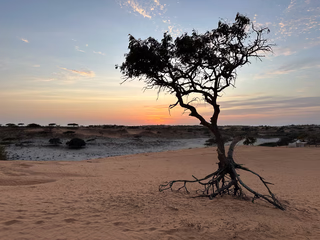
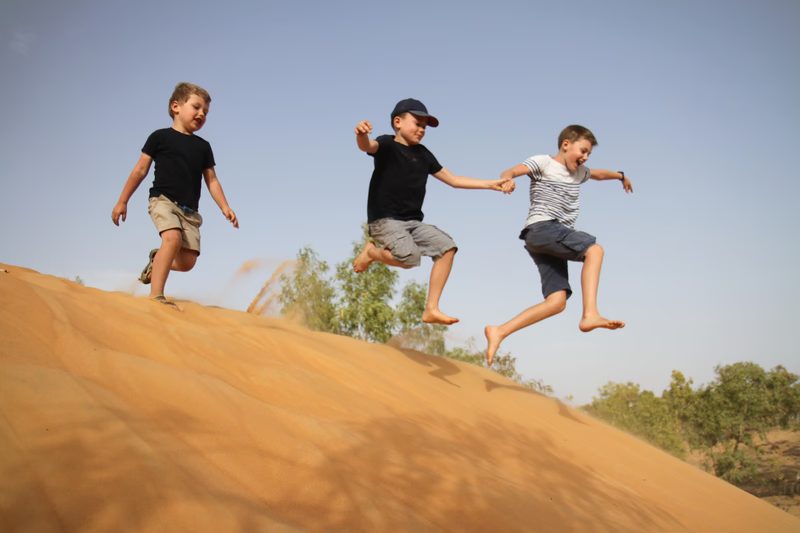
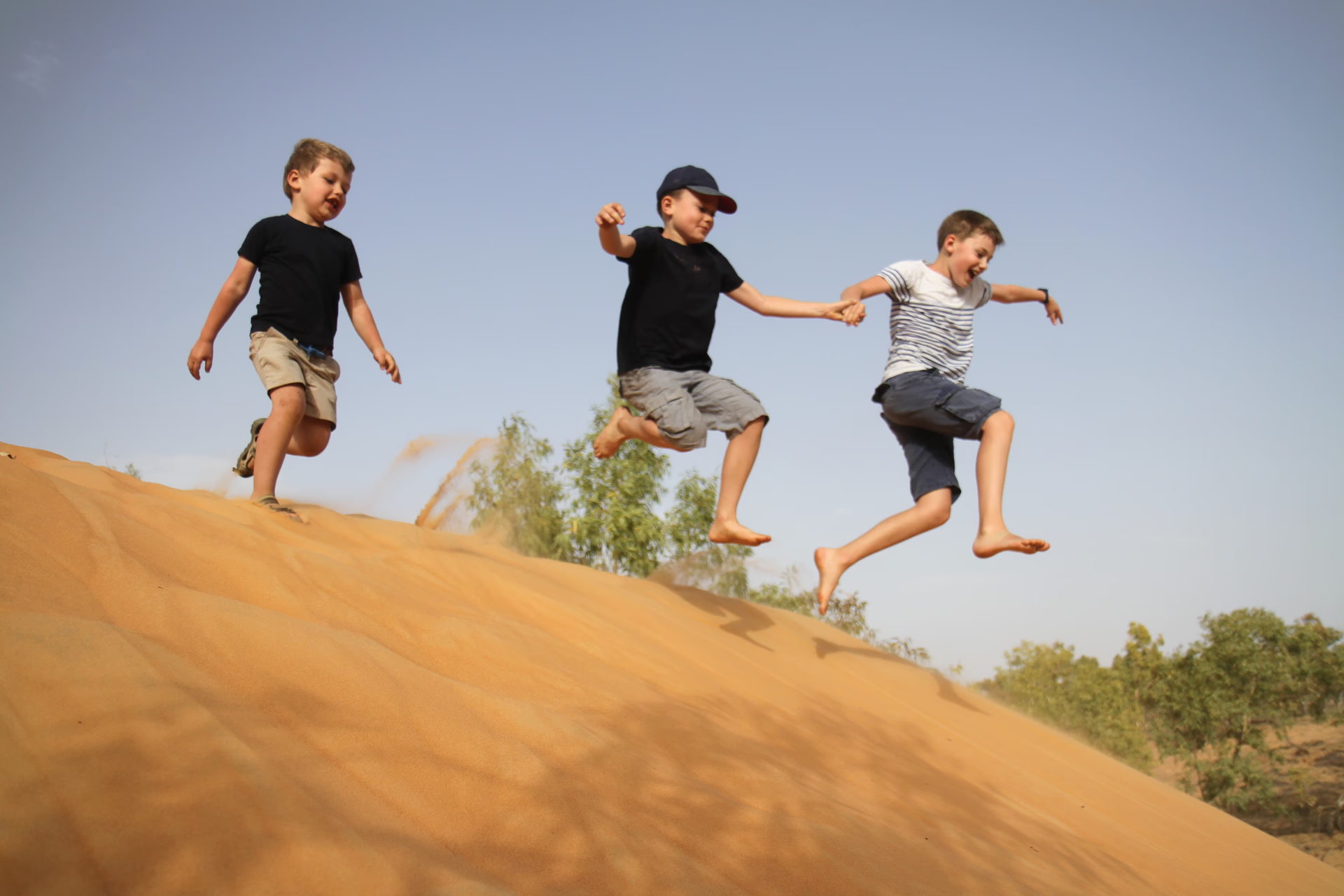
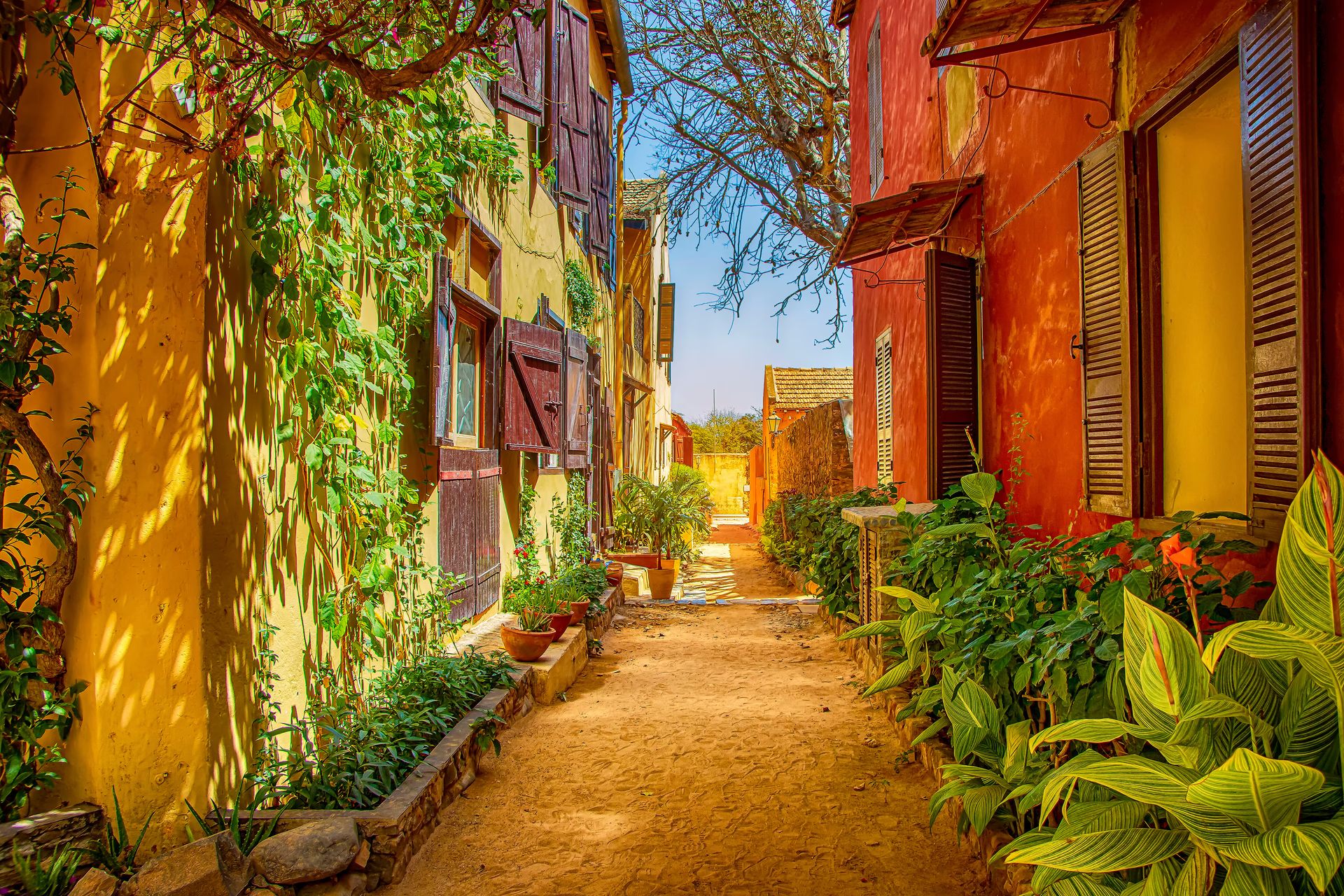
After breakfast, a guided city tour: Independence Square, the old administrative buildings, the town hall and train station, the cathedral, the Presidential Palace, and the Kermel Market. We then board a tender for Gorée Island. The approach to this volcanic island offers a superb panoramic view: cliffs, colonial houses… We visit the House of Slaves, with a passionate explanation from the curator. A stroll through the flower-filled alleyways leads to the top of the promontory for a panoramic view of Dakar Bay. We visit the church. Lunch is at a typical island restaurant, followed by a return to the port of Dakar. We then drive off the Cap Vert peninsula. A stop at the zebu market is followed by a guided tour led by a young cattle dealer. While herds of zebu are a sign of wealth, they are rarely a source of income, but rather a marker of social status. We arrive at Camp Rêve de Nomade in the Lompoul dune region for an unforgettable nomadic experience, perched atop a beautiful dune, offering panoramic views of the vast bush. This magical place allows all the "big kids" to rediscover the joy of rolling in the sand! We settle into charming khaïmas, Mauritanian tents comfortably equipped with a double bed and two single beds, a small living area, and a bush bathroom (sink, toilet, and shower with cold running water). The evening begins with a cocktail, followed by Mechouia soup, Senegalese couscous, and dessert. We enjoy three different Senegalese teas around a campfire to the rhythm of djembes.Day 2 -
Lompoul dune region - Immersion in a Fulani village
- Transportation 00h30 - 1km
- Activity Hiking
- Duration of the activity 1h30
- Accommodation Bivouac / Tent
- Breakfast included
- Lunch included
- Dinner included
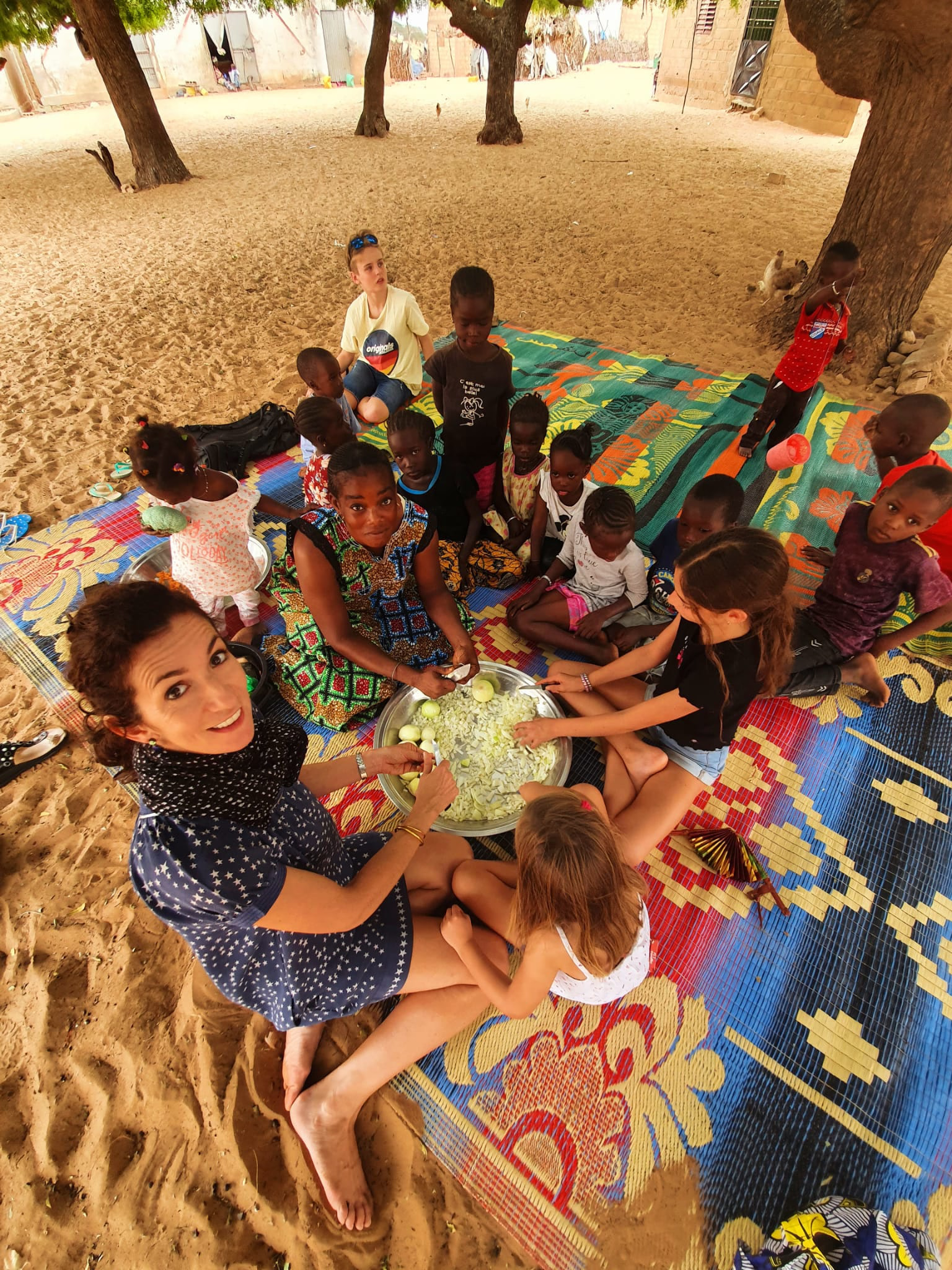
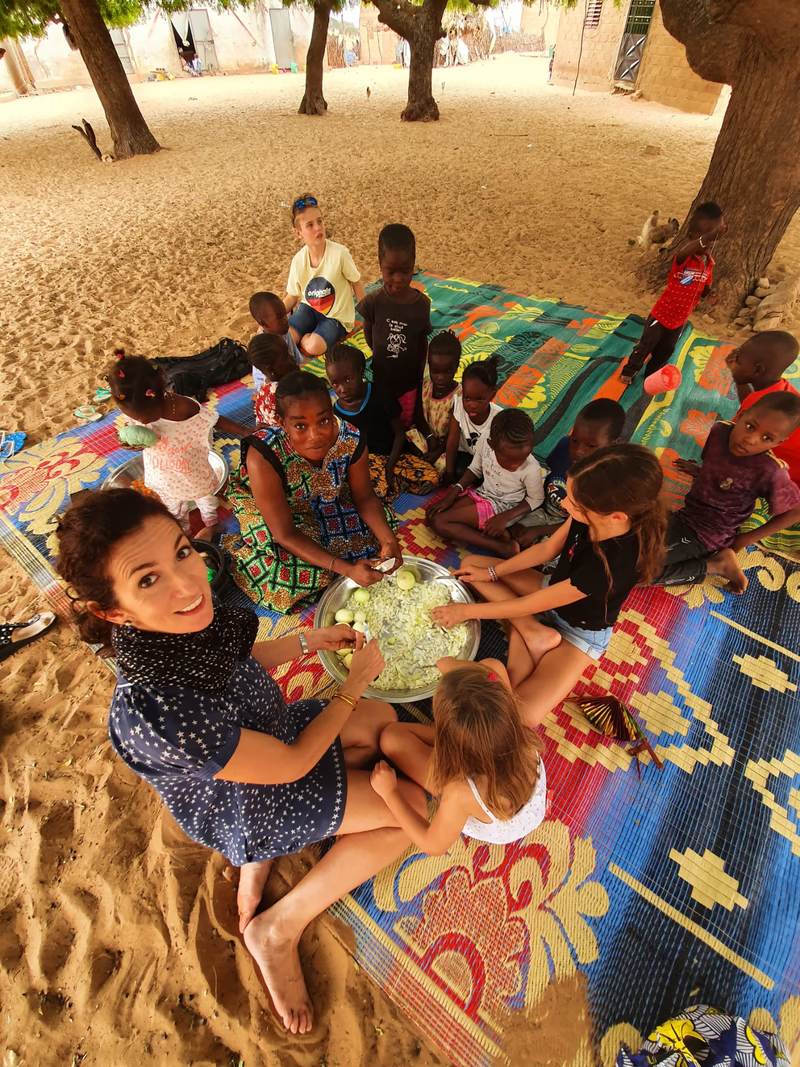
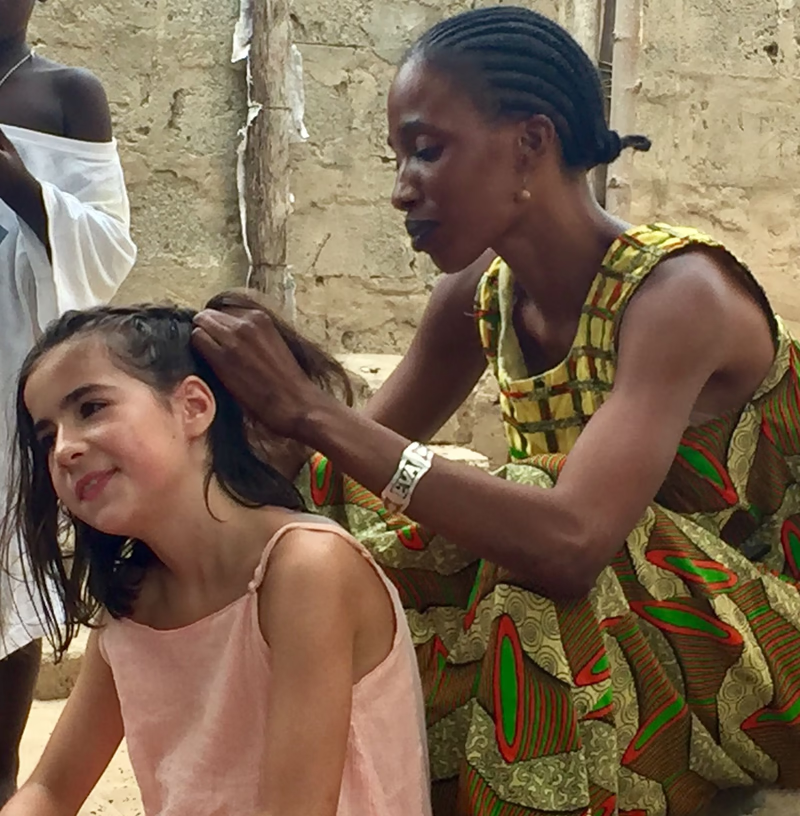
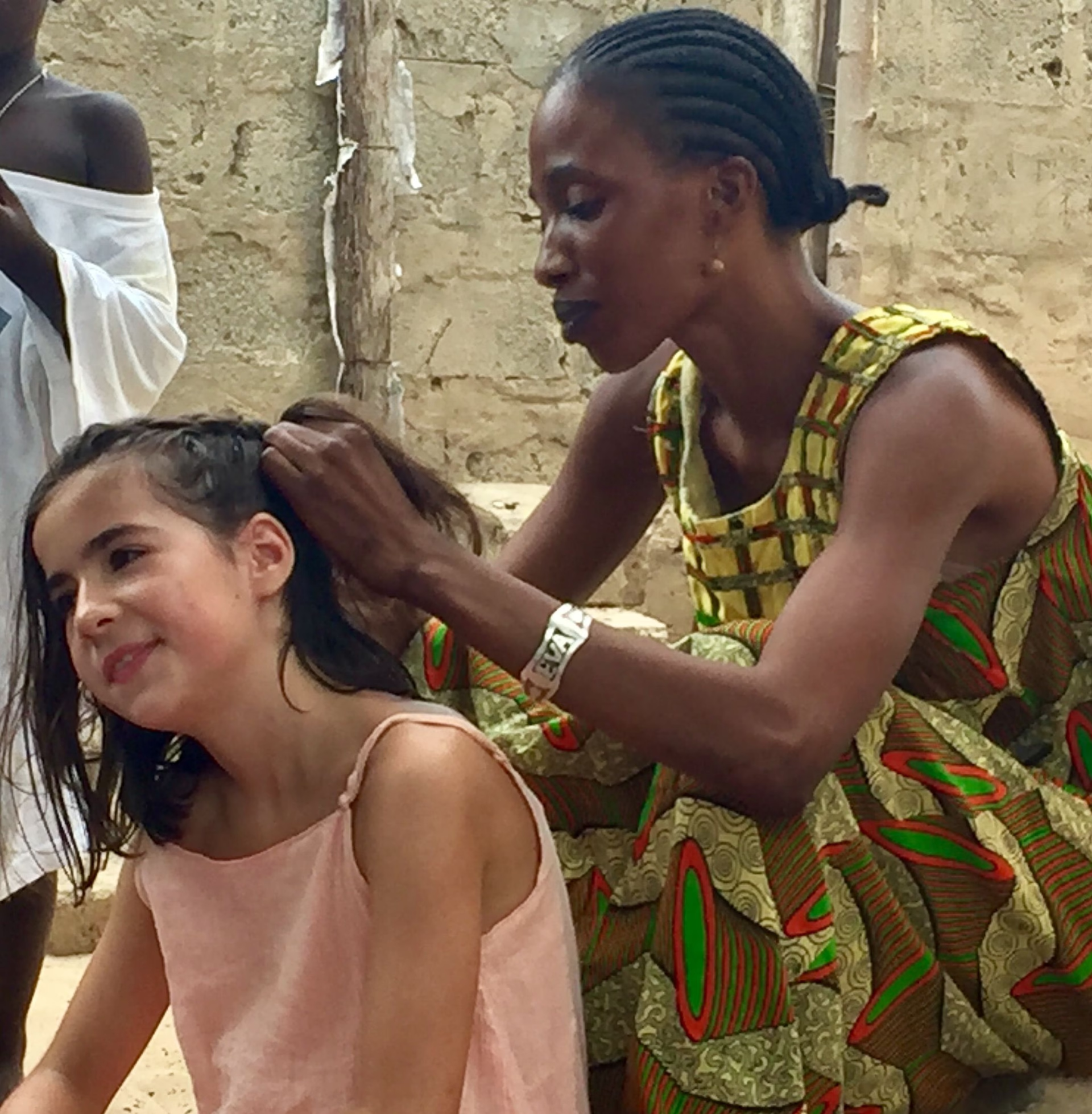
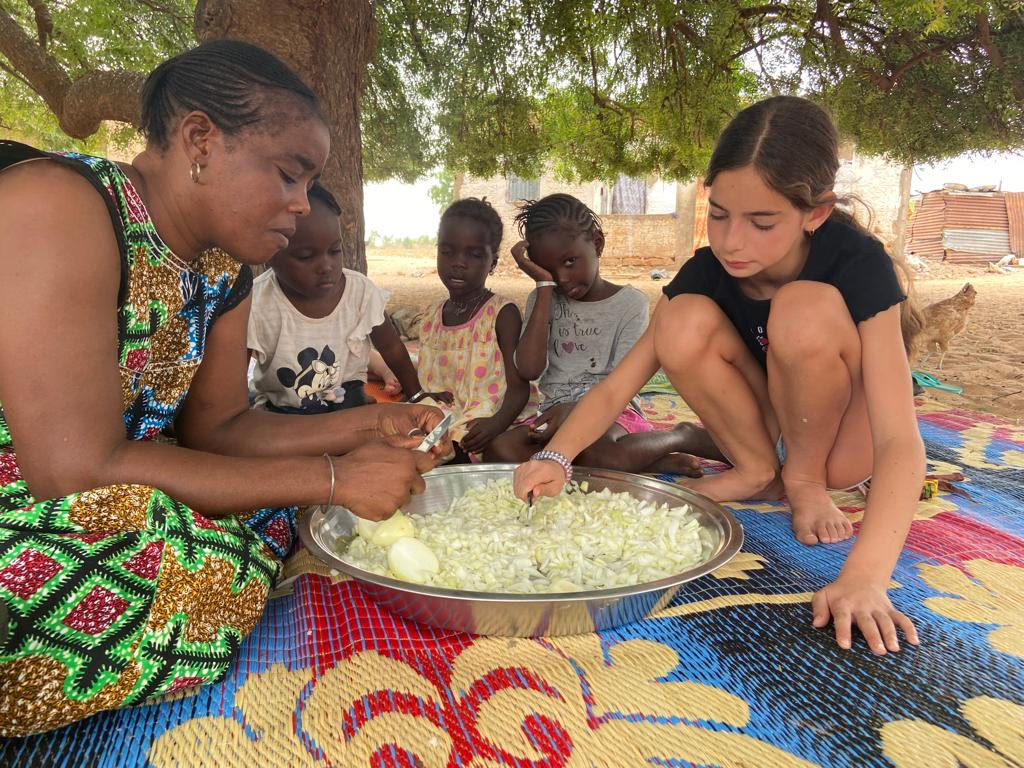
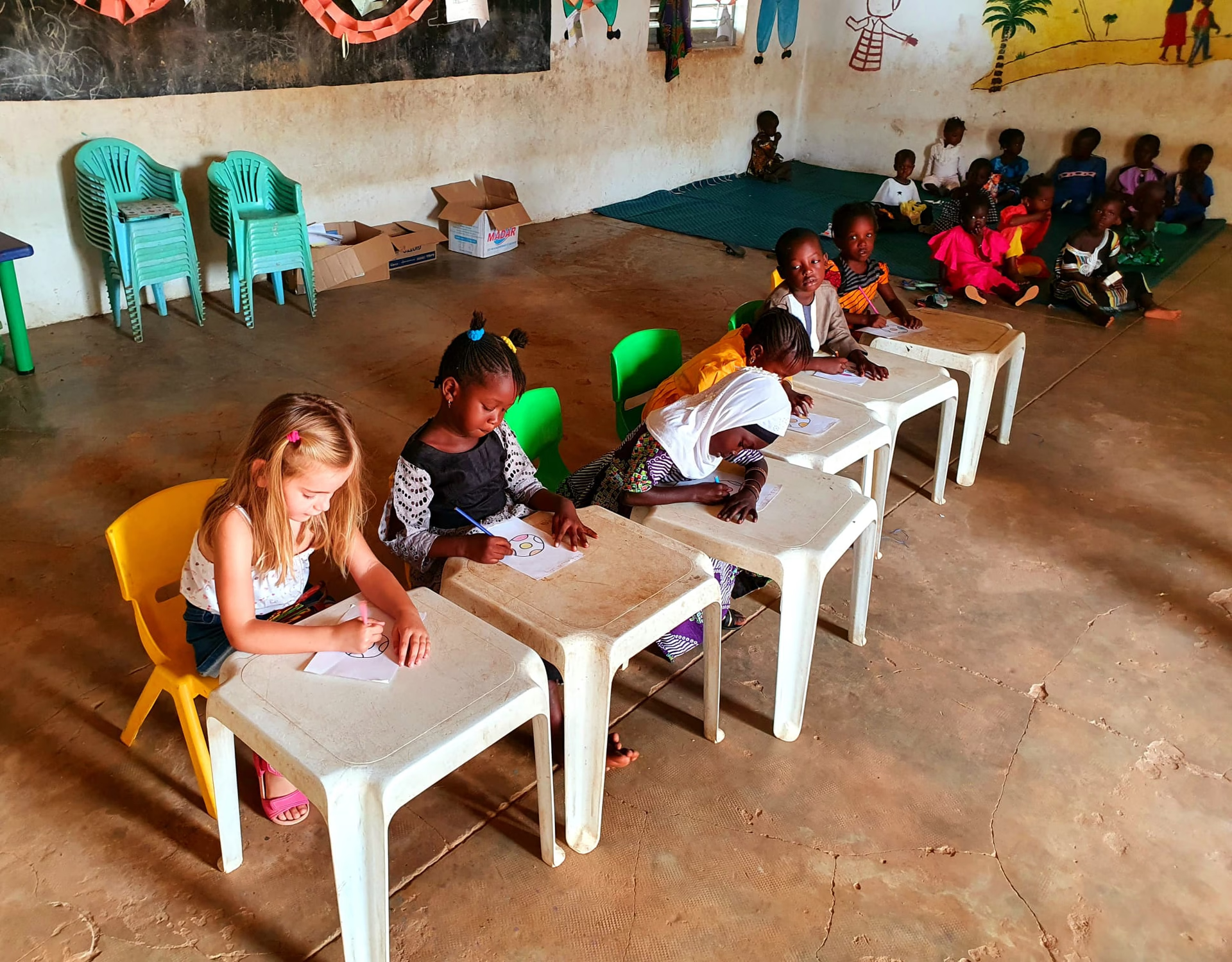
Today, we spent the day immersed in a Fulani village, sharing in the daily life of the inhabitants. Men and women are separated; the men go to work in the fields and tend the livestock, while the women go to the market and introduce us to traditional cuisine, which we all enjoy together at lunchtime. We continued our day by discovering typical African games, such as "yoté" and "awalé," and enjoyed a moment of sharing with the village children. We reluctantly departed in the late afternoon, aboard a donkey cart (30 minutes).Day 3 -
Grande Côte - Kayar - Lac Rose
- Transportation Car - 03h - 100km
- Activity Hiking
- Duration of the activity 1h
- Accommodation Cottage
- Breakfast included
- Lunch included
- Dinner included
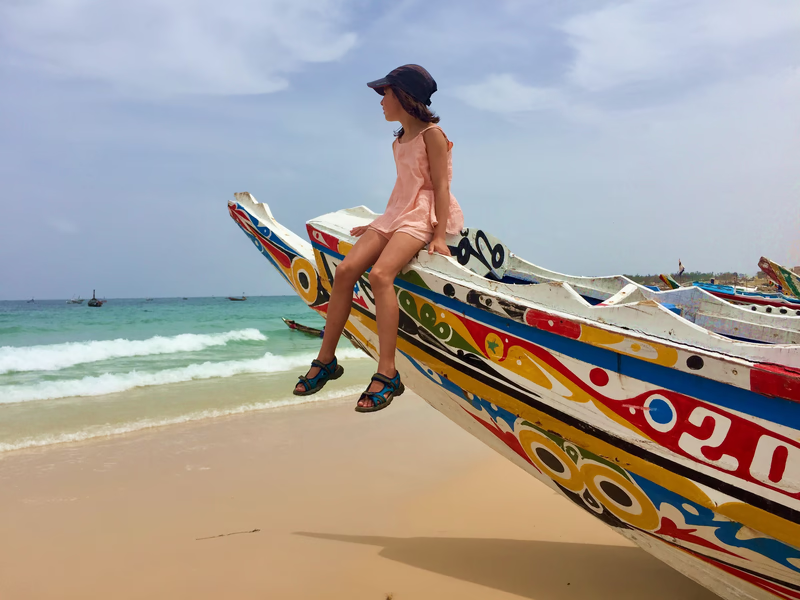
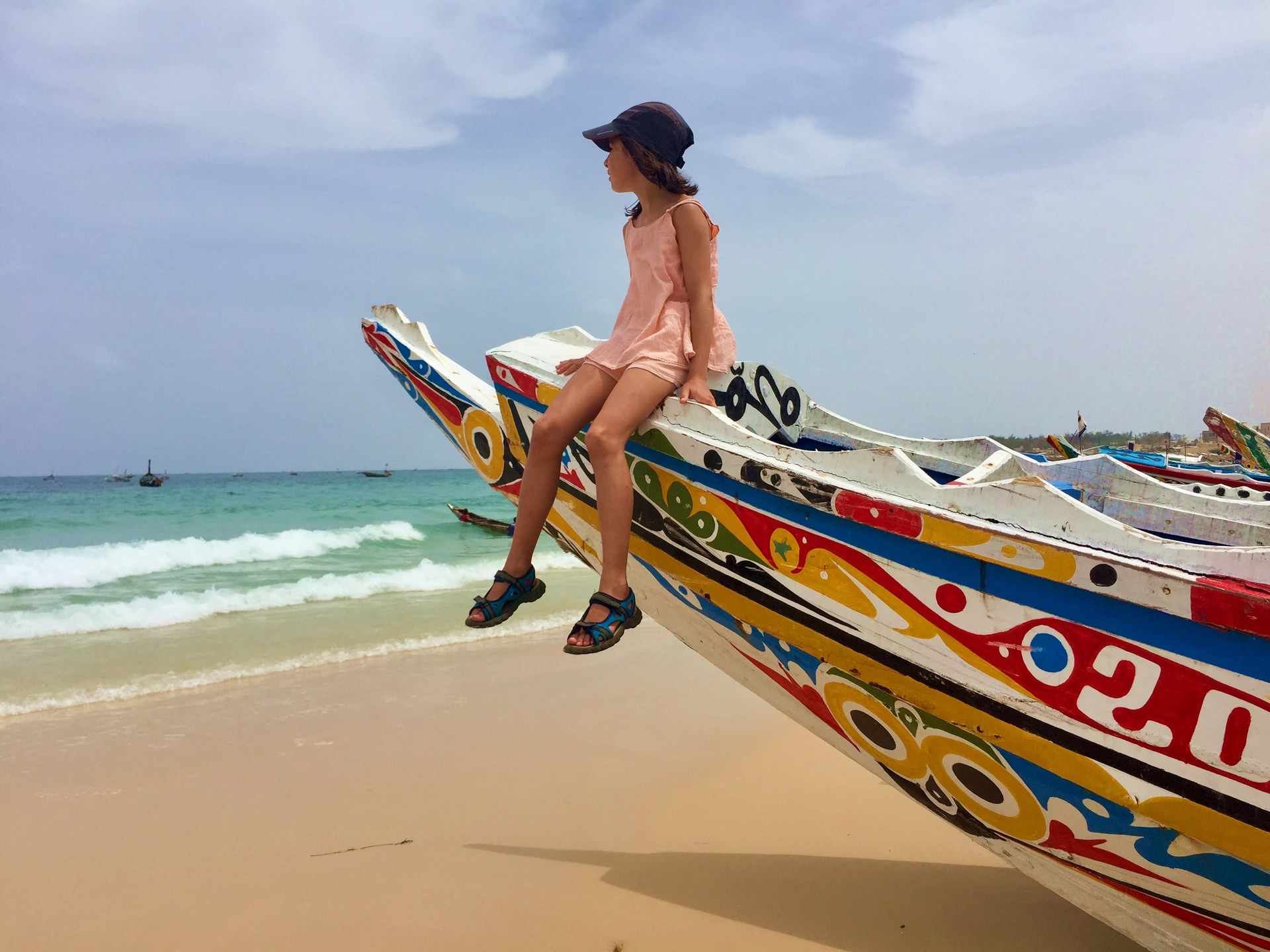
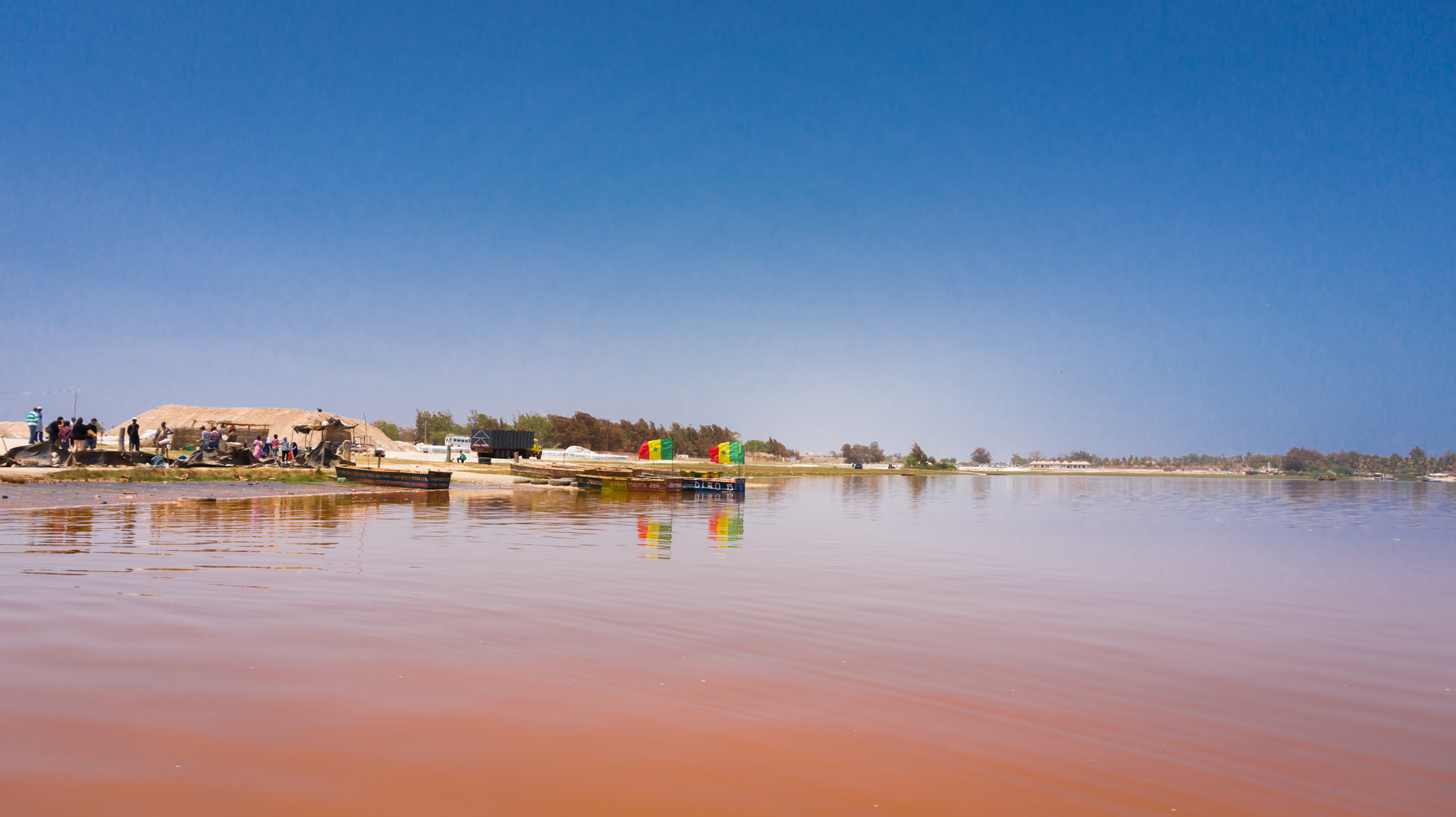
Departure for an adventure in a 4x4 truck, along the beach, across the coastal dunes, through farms and Fulani and fishing villages. Depending on the tides, we take: - The vast, deserted beach of the Grande Côte, a sandbar stretching to northern Mauritania, which we share with colonies of terns and gulls, and battalions of crabs. - Cart tracks, winding around the dunes and passing through several villages of zebu and goat herders, in a stunning Sahelian landscape. We continue by exploring family farms nestled in the hollows of the dunes or even on their slopes. Some areas, called the Niayes, are flooded during the rainy season. We reach Kayar, the largest artisanal fishing center in Senegal. Our village guide shows us the activity as the fishermen return. Unloading with buckets, hauling the canoes out of the water, haggling over piles of fish on the sand, loading overflowing carts, salting, smoking, and drying the unsaleable species, selling the best catches under the market hall… We buy our fish for our Robinson Crusoe barbecue under a thatched hut offering a remarkable view of the ocean. We set off on a walk to cross the last dune ridge through a "gate" framed by majestic coconut palms. We walk alongside a brackish lagoon frequented by numerous birds and cultivated by the villagers for market gardening, finally reaching this magnificent deserted beach. We arrive at Lake Retba, the real name of the Pink Lake, known for its exceptional characteristic of turning pink, even mauve, depending on the sun and wind (the pink hue tends to disappear after heavy rain and when the lake's water level rises). Besides its color, its incredible salinity (300 g/liter) puts it on par with the Dead Sea (but swimming is not recommended). We set up camp at Le Gîte du Lac, a nature retreat on a dune overlooking a banana plantation, on the edge of the lake.Day 4 -
Activities at Lac Rose
- Transportation 01h30 - 20km
- Activity Hiking
- Duration of the activity 2h
- Accommodation Cottage
- Breakfast included
- Lunch included
- Dinner included
Early in the morning, we participated in cheesemaking with Moussa at the pilot goat farm (see Solidarity Actions). We are committed to promoting traditional livestock farming while preserving the environment and respecting Fulani culture. We then traveled by dugout canoe to the opposite shore of the lake, where intrepid salt harvesters, coated in shea butter, tirelessly extract this natural resource, which is free from exploitation. Mamadou, our young guide, explained the origins of the lake and its pinkish-purple color on certain days. He described the roles of the men in the middle of the lake and the women on the shores in the production and sale of salt. On the return journey, we visited the farmyard with its chickens, ducks, geese, guinea fowl, and goat kids. We enjoyed an exotic lunch at a restaurant on a shell mound overlooking the lake. We return to the guesthouse in the mid-afternoon for several optional activities: - Cultural activities with Camara: learning Wolof words and the African game backgammon, widely played in Senegal. - Horseback riding or mountain biking (1-1.5 hours – approximately €20 supplement) through the market gardens nestled in the dunes to meet the farmers. In the late afternoon, an introduction to African percussion against the backdrop of the sunset. Dinner will include a tasting of a Senegalese specialty made with fonio, a local micrograin. Overnight stay on the shores of Lac Rose (Pink Lake).Day 5 -
Turtle Village - Bandia Reserve - Palmarin
- Transportation Minibus - 04h - 200km
- Activity Hiking
- Duration of the activity 1h
- Accommodation Lodge
- Breakfast included
- Lunch included
- Dinner included
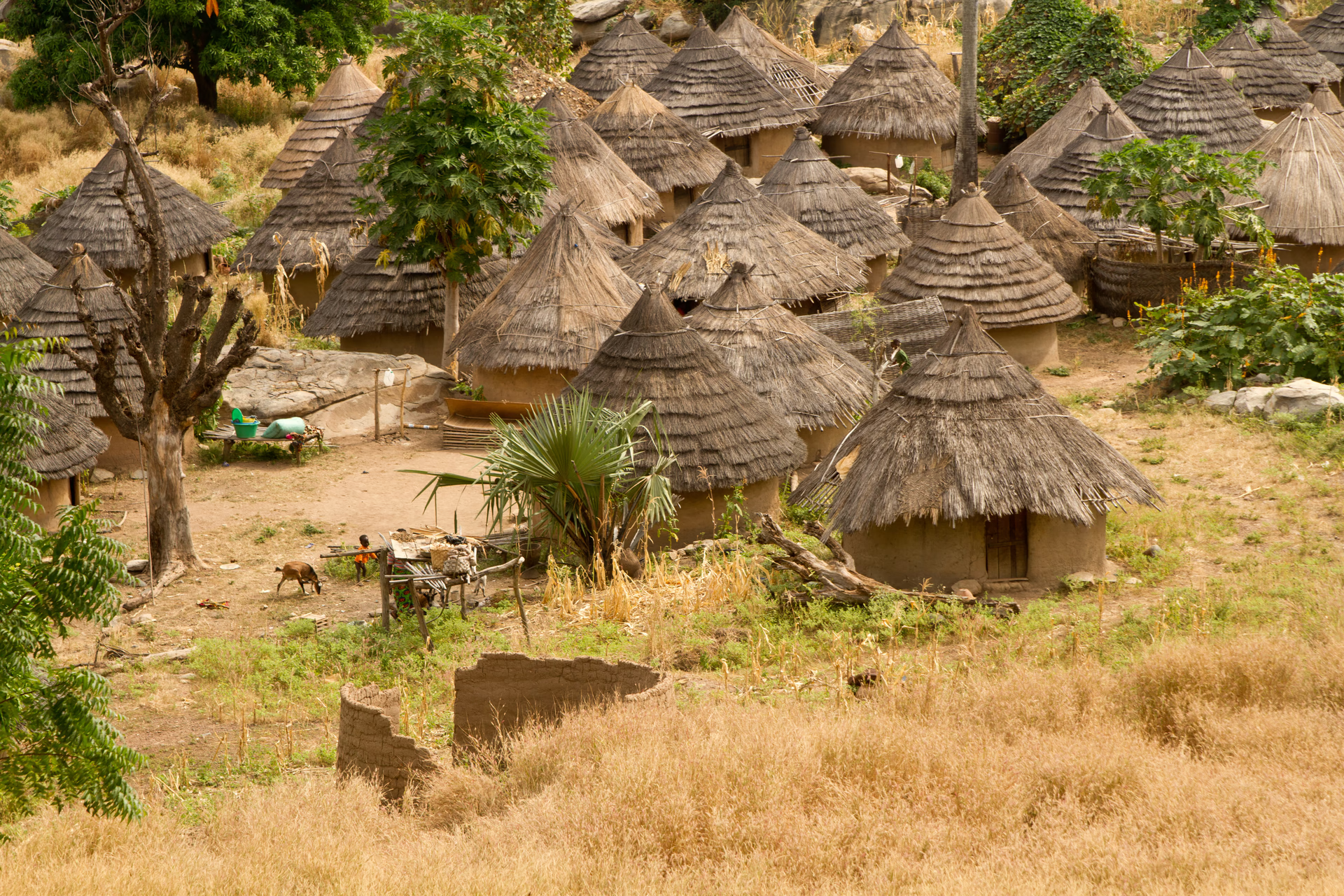
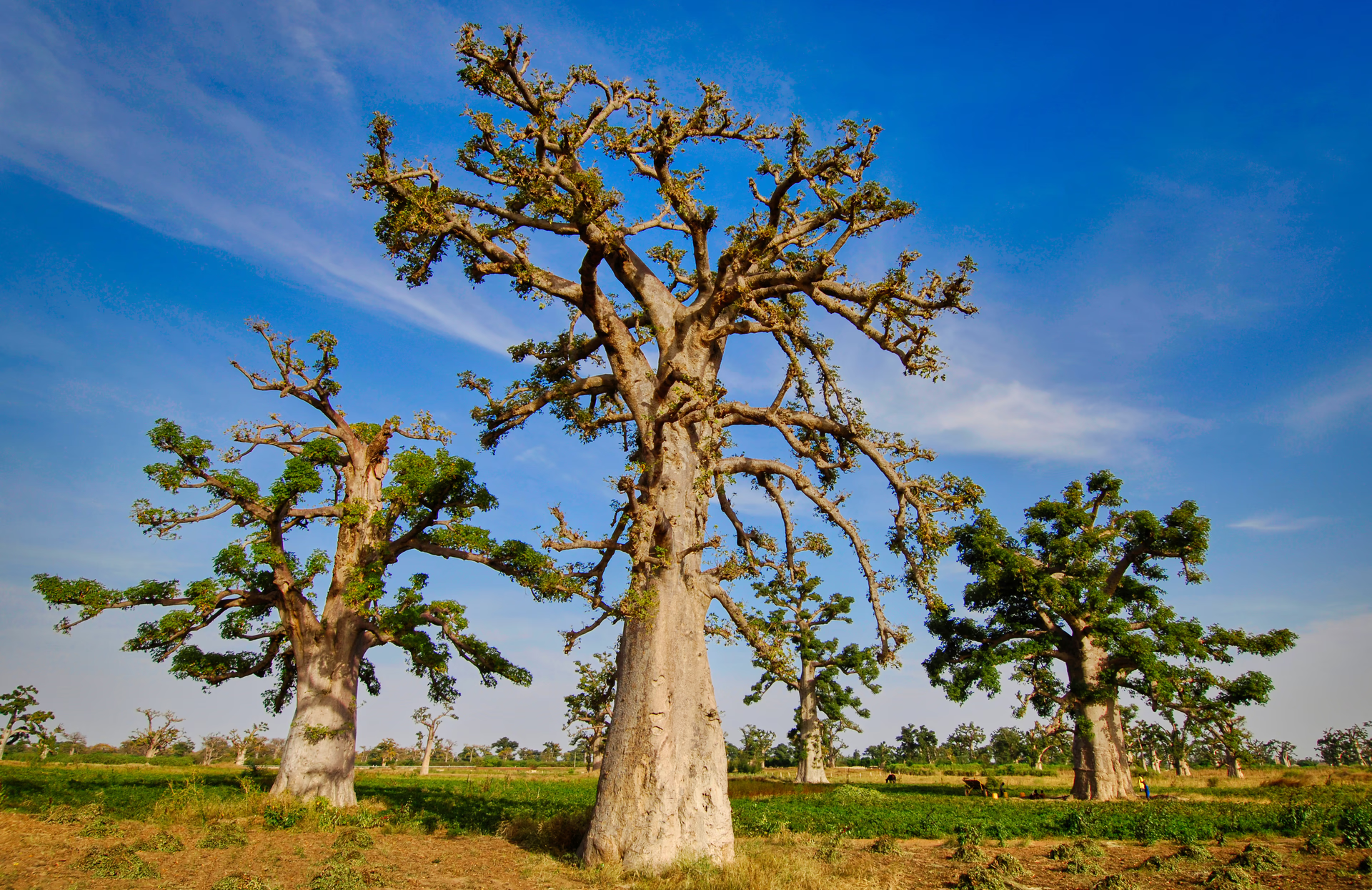
We visit the Sangalkam Turtle Village, a conservation center for the endangered Sulcata tortoise. We are impressed by some specimens weighing nearly 100 kg and captivated by the babies born in recent months. Aquatic species round out the visit. We then travel to the Bandia Wildlife Reserve for a safari in this reserve nestled within a 1,500-hectare protected forest. Aboard an open-top pickup truck and accompanied by a wildlife guide, we discover the many herbivorous species of Senegal: gazelles, antelopes, buffalo, warthogs, monkeys... as well as those from South Africa: rhinoceroses, giraffes, zebras, and eland. Ostriches, giant tortoises, and crocodiles complete the picture. We have lunch by the crocodile pond, in the company of the small Patasse monkeys, also known as green monkeys! We continue along a beautiful track through typical Sahelian landscapes: bushland dotted with acacia and baobab trees, herds of zebu cattle, sheep, and goats, and traditional straw villages adorned with woven wicker millet granaries. We reach the traditional village of Mbafaye, home to one of the region's most vibrant weekly markets (luma), sprawling through all the village streets. It's a truly memorable experience, a chance to soak up the colorful, fragrant, and welcoming African atmosphere. We find all sorts of goods in a chaotic and striking setting: fabrics, food products, magic powders, and other charms... alongside Chinese manufactured goods and a multitude of unusual objects. Repairmen of "everything" work alongside the day's food vendors; herders sell some animals to help them purchase the necessary goods. We continue towards the Saloum Delta along a beautiful track that winds through a forest of baobabs and fan palms, passing through several Serer settlements before reaching the Palmarin ecolodge. Nestled between a white sand beach and a lagoon, its striking mud-brick architecture reflects the blending of several Senegalese ethnic groups. We settle into a simply furnished bungalow consisting of a small living room, an air-conditioned bedroom with a sea view, and a private bathroom. We enjoy a local dinner and spend the night in this welcoming and convivial setting.Day 6 -
Saloum Delta National Park - Kayaking and Ox-carting
- Accommodation Lodge
- Breakfast included
- Lunch included
- Dinner included
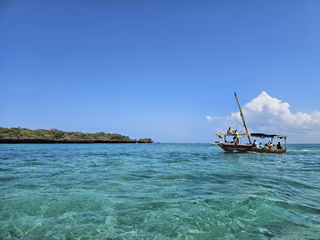
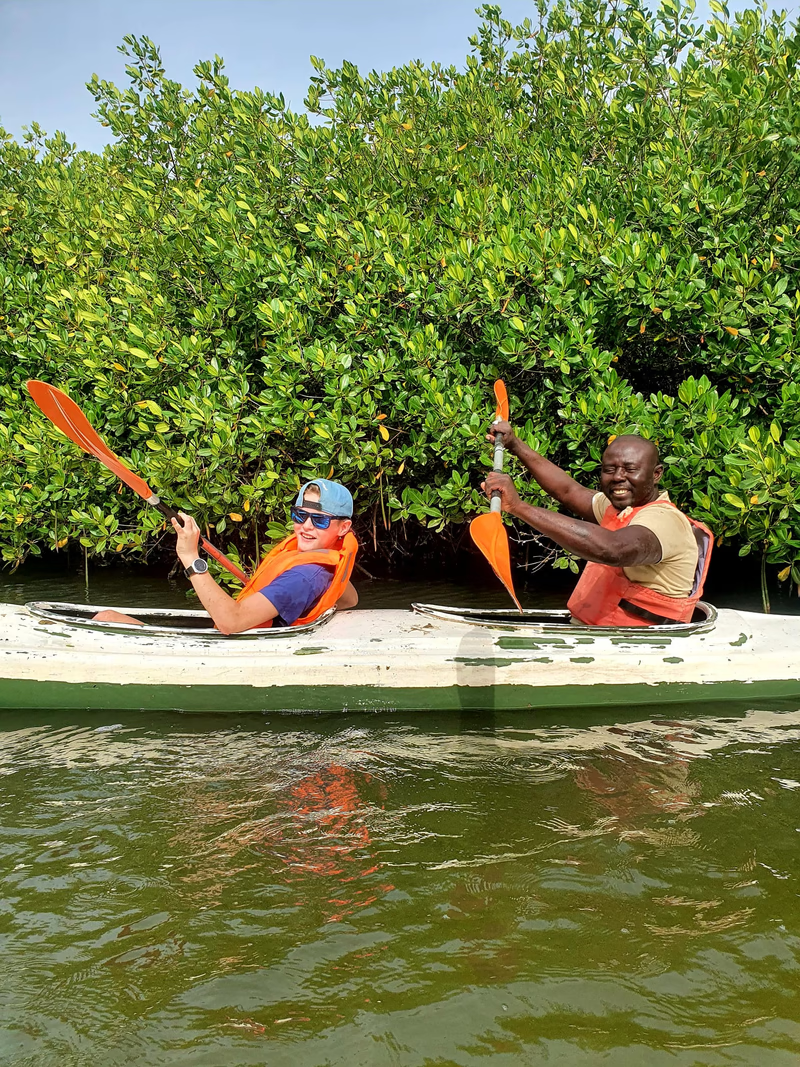
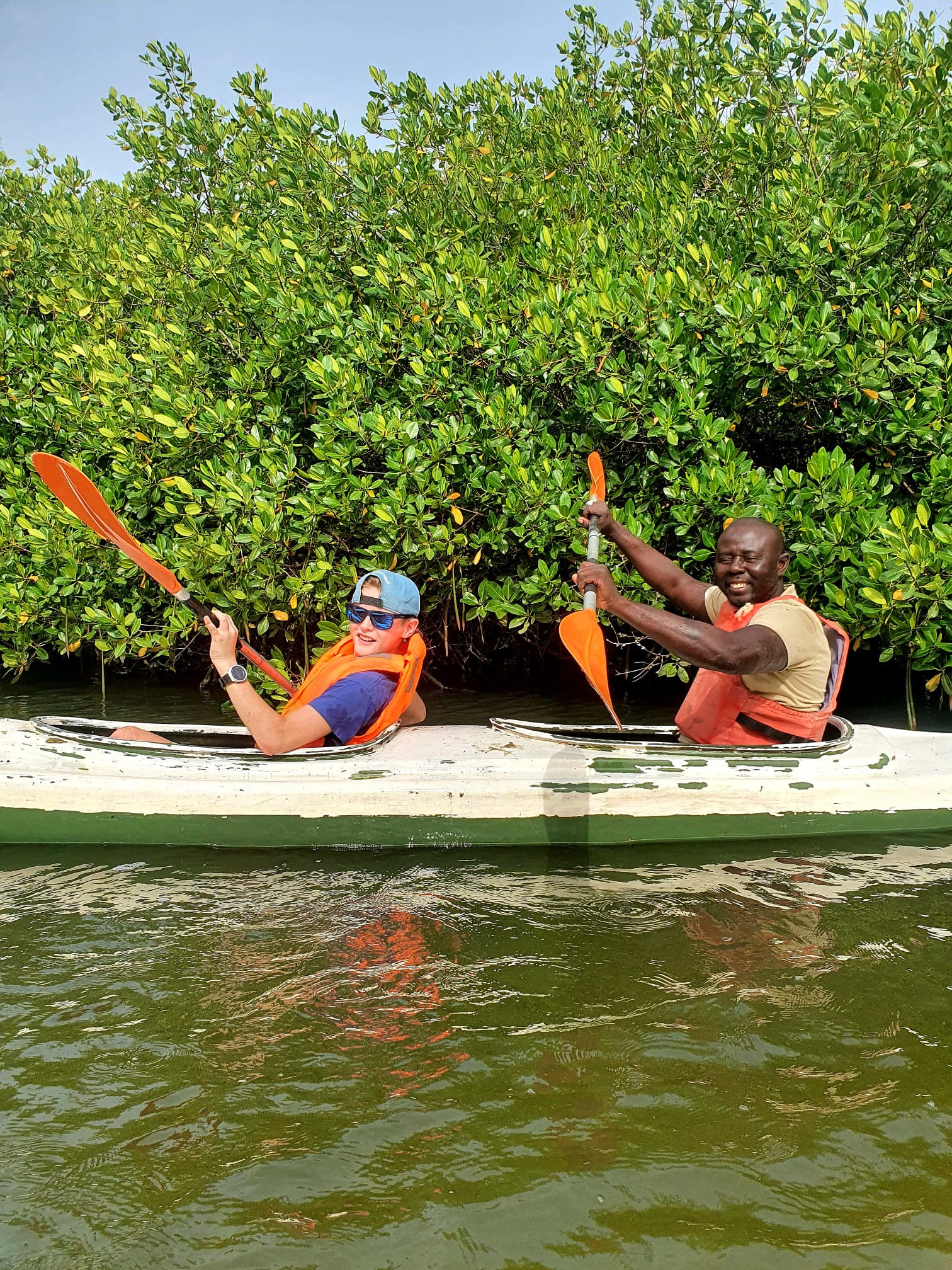
Today, we set off with our eco-guide for an unforgettable two-hour kayak trip to discover the mangrove ecosystem in depth, a true haven for many animals. We'll explore the small, winding waterways in a distinctly Amazonian atmosphere, weaving through the sprawling roots of the mangrove trees, listening to and observing the seabirds, and perhaps even catching a glimpse of a monkey or a jackal on a tann (a type of rock formation). We'll meet villagers in their dugout canoes, harvesting mangrove oysters or transporting wood for building their houses. We'll return to the lodge for lunch. The early afternoon is free to relax on the beach or by the pool. We'll then take a local cart (approximately 1.5 hours) to the salt pans, a lunar landscape of alternating pools of water and mounds of salt. These curious "salt marshes," dug by hand, are tirelessly worked by the women. This is the starting point for a very pleasant walk with an eco-guide in the Palmarin Nature Reserve. We discover several "shell hills," likely ancient burial mounds dating back thousands of years, but which are unfortunately often transformed into quarries for building materials. Numerous trees grow in this protected area, bordered by mangroves. We observe a multitude of birds and, along the paths, we meet villagers who maintain agricultural and livestock farming activities. In the evening, we enjoy a tasting of a local dish and entertainment by "Serer women."Day 7 -
Palmarin - Dakar - Return flight
- Transportation 03h
- Breakfast included
- Lunch included
- Dinner not included
We can savor our last day of relaxation by the pool or on the deserted beach with lunch at the ecolodge. We offer you a free day to relax, enjoy the pool, the beach, or other optional activities on site: - Take advantage of the tranquility and beauty of the surroundings, the pool, and the sun on the deserted ocean beach. - Walk along the beach to the village of Palmarin-Diakhanor. - Go mountain biking on the trails of the Palmarin reserve. - Experience a thrilling and unforgettable morning of bottom fishing. Fishing in its simplest form with a line, weights, and a hook baited with a yaboy (a type of herring) in the bolongs (tidal creeks), along the mangrove edges, targeting red, grey, and white carp, grouper (thiof), or capitaine (captain fish)... Your transfer to the airport is scheduled 4 hours before your flight's departure. Assistance with final formalities. Overnight return flight.Day 8 -
Arrival in France
- Transportation Plane - 05h30 - 4200km
- Breakfast included
- Lunch not included
- Dinner not included
Arrival at Paris airport.Day 9
Note
Accommodation
Access
On site, transfers are made by 4x4 truck on days 3, 5 and 6.
Go to the starting point
Regular flights , mostly with a stopover (TAP, Royal Air Maroc, Brussels Airlines, Tunisair, Iberia, Vueling, etc.).
In fact, we most often offer TAP Portugal with a flight plan like this as an example:
ONE-WAY FLIGHT
Departure from Paris Orly Airport (ORY) at 4:35 PM
Arrival in Lisbon at Lisbon Airport (LIS) at 18:10
Stopover in Lisbon, Lisbon Airport (LIS)
Departure from Lisbon Airport (LIS) at 20:55
Arrival at Dakar Blaise Diagne International Airport (DSS) the following day at 00:05
_____________________
RETURN FLIGHT
Departure from Dakar Blaise Diagne International Airport (DSS) at 02:00
Arrival in Lisbon at Lisbon Airport (LIS) at 06:00
Stopover in Lisbon, Lisbon Airport (LIS)
Departure from Lisbon Airport (LIS) at 11:00
Arrival at Paris Orly Airport (ORY) at 2:30 PM
Usually the return flight is on day 8 at night for an arrival in France on day 9 (if it is a day flight on day 9, plan for an extra night).
Direct flights are possible, but often with a supplement: please contact us.
Price details
The price includes
- The Paris / Dakar / Paris flight
- Airport reception
- Local transfers
- Accommodation
- Full board except for the meals not included in the program
- The local team
- A French-speaking tour guide
The price does not include
- The discount for children aged 4 to 11: -€90 (applied if you book flights with us)
- Discount for teenagers aged 12 to 15: -€50 (applied if you book flights with us)
- Personal expenses
- Drinks
- The optional meals mentioned in the program (approximately €12 per person per meal)
- Tips for the local staff (at your discretion)
Options
- Flex fare and insurance
Practical information
Specific formalities
Specifics
Before your departure, check with the embassy or consulate regarding the entry and stay requirements for your destination country. You can also find this information on the France Diplomatie website ( https://www.diplomatie.gouv.fr/fr/dossiers-pays/ ).
In the case of flights with stopovers operated by different airlines, also check the entry requirements of the countries you are transiting through.
It is your responsibility to ensure you are in compliance, particularly regarding the validity of your identity documents (for example, some countries require your passport to be valid for at least six months after your return) , visa requirements, necessary vaccinations, and health recommendations. And don't forget to consider any customs restrictions and other potential requirements of your destination or transit country.
ℹ️ Information may change up to the departure date, remember to regularly check official websites.
Equipment
Equipment provided on site
Bivouac and cooking equipment, both individual and collective, is provided by your local team.
Equipment to bring
- Toiletry bag
- Flashlight or headlamp with spare batteries
- A multi-purpose pocket knife (to be packed in checked baggage on the plane),
- A roll of toilet paper and a lighter
- Plastic bags to ensure your belongings, cameras and clothes are watertight
- Binoculars (optional)
- Camera
- A water bottle with a minimum capacity of 1 liter, lightweight and insulated.
Clothing to bring
Pouch for your passport, vaccination record, travel insurance leaflet, currency, credit card and personal documents.
- Sunscreen cream for face and lips
- Sunglasses
- Hat, cap or scarf for sun protection
- A water bottle of at least 1.5 L, lightweight and insulated.
- A pack of tissues
- Mosquito repellent spray for skin
- Hiking boots: they are a hiker's best friend and must combine two qualities: sturdiness and good support for the foot and ankle. Avoid new shoes; blisters could ruin your trip.
- Comfortable tennis shoes or walking sandals to slip on during stages in towns, villages or in the evening at the campsite, but they must be taken in addition to the closed shoes mentioned above.
- A pair of open plastic sandals is recommended for the mangrove excursion, which takes place largely in salt water.
- Socks
- Hiking pants and shorts
- Lightweight and comfortable canvas trousers for the evening.
- Swimsuit and bath towel
- Light shirts or T-shirts for the day
- Lightweight fleece jacket
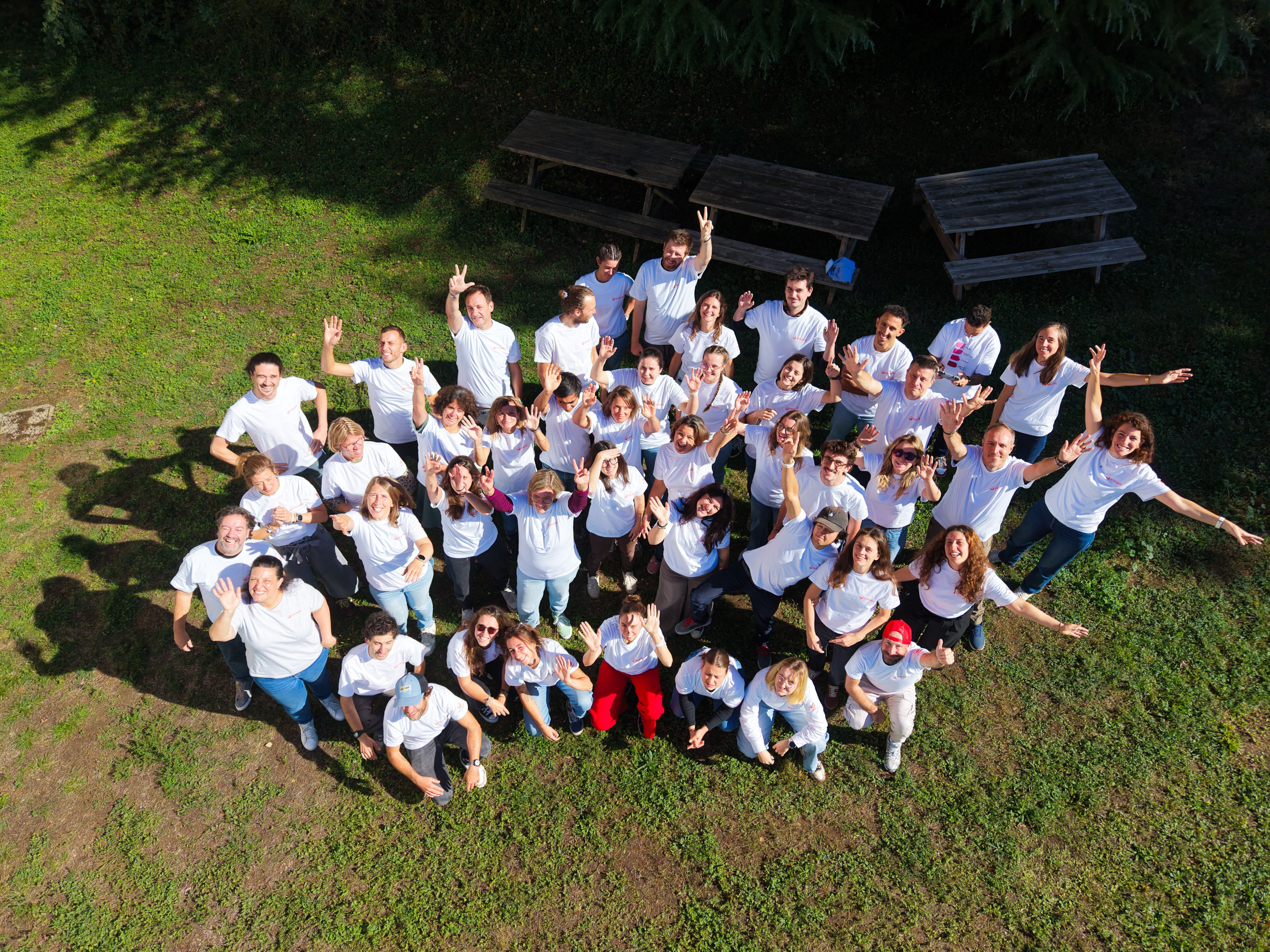
The Paulin team
Passionate about travel and connecting with people, our team will help you design meaningful adventures. From small group tours led by passionate local guides to tailor-made trips, experience unique journeys, immersing yourself in cultures and communities. From cultural discovery to challenging treks, explore the world's most beautiful destinations with us, far from the beaten path, at your own pace and according to your desires.