Charms of the Nile in a dahabieh
In summary
-
Sports
-
Duration8 days
-
LevelIntermediate
-
DestinationRed Sea / Sharm el-Sheikh
-
AgeFrom the age of 18
-
CO₂-Emissions60.94 kg CO2
-
Type of stayIn a group
-
Languages
 French
 Arabic
In a few words
The highlights
-
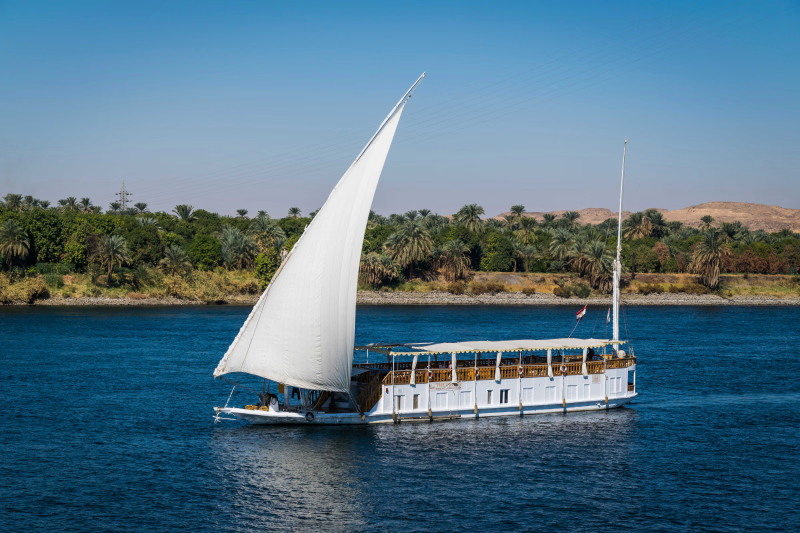
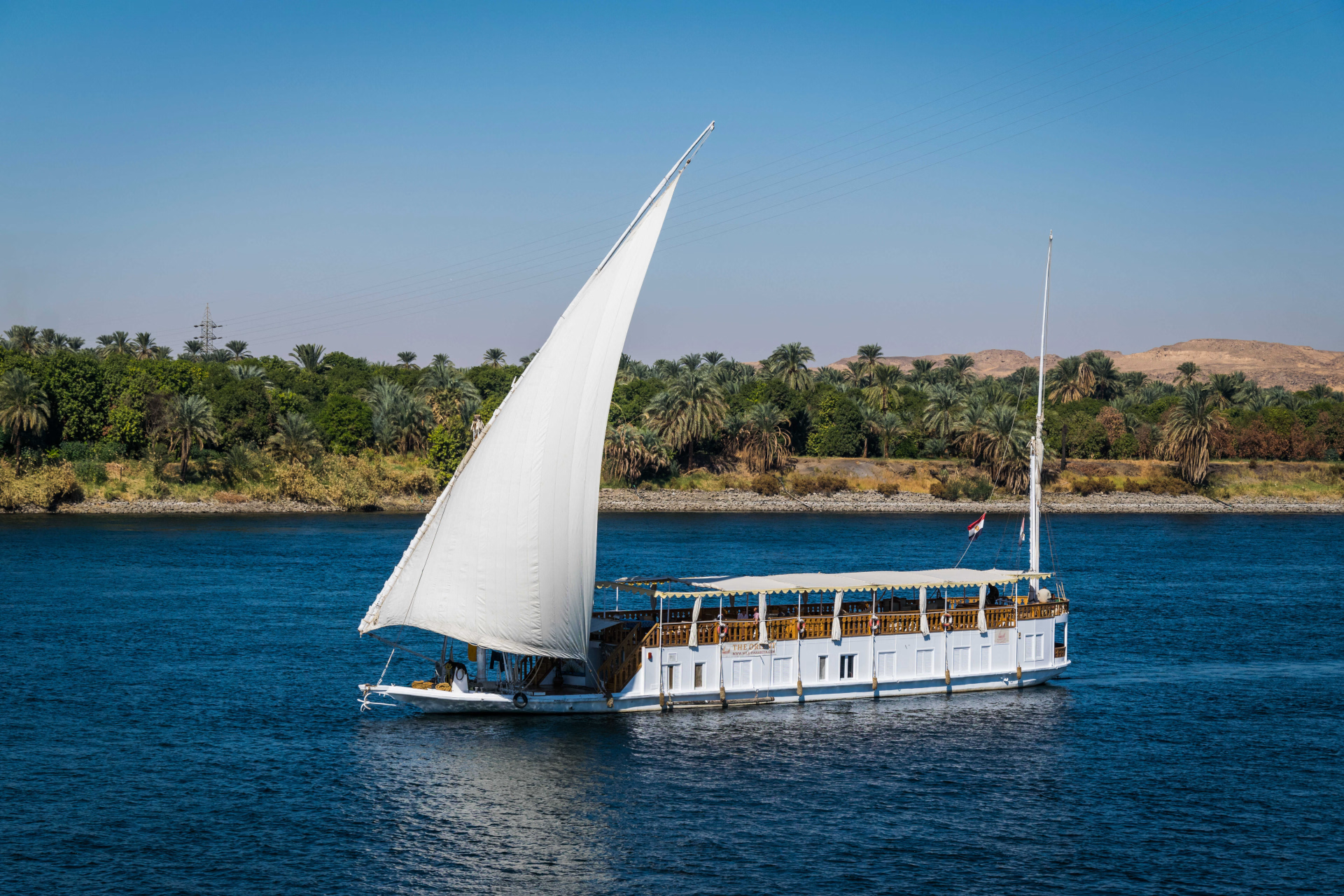
Sailing on the Dahabieh, a charming and very comfortable boat.
-
An Egyptologist guide who can immerse you in the history of ancient Egypt.
-
The encounters facilitated by the descent of the Nile and the hikes in the villages.
Photos

Sport
Level
Hiking / Trekking
Management
French
Arabic
Program
-
Flight to Luxor
- Transportation Minibus - 00h20 - 25km
- Breakfast included
- Lunch not included
- Dinner not included
Airport pick-up and transfer to the hotel.Day 1 -
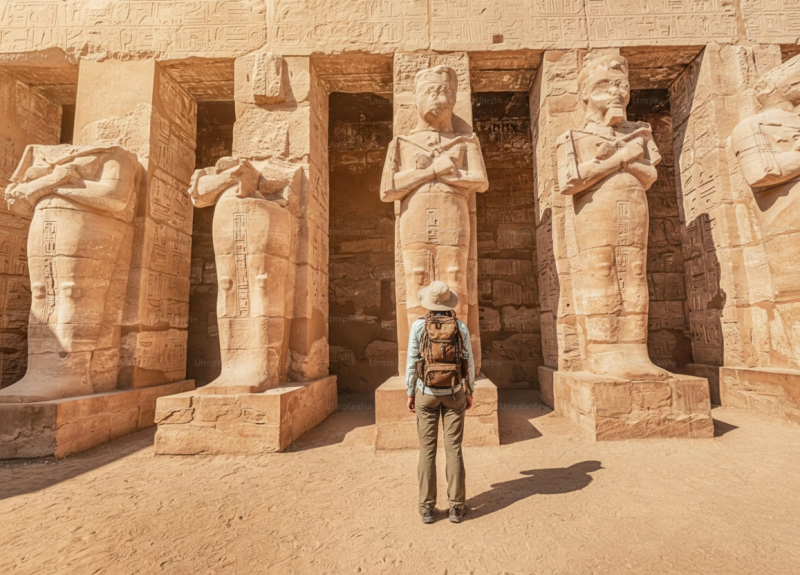
Valley of the Kings and Nobles - Temple of Edfu - Boarding the Dahabieh
- Transportation Minibus - 02h30 - 120km
- Activity Autre
- Breakfast included
- Lunch included
- Dinner included
This morning, we visit the Valley of the Kings and the Valley of the Nobles, located on the west bank of Luxor, where the necropolis of the New Kingdom is situated. Then, we travel to Edfu. Lunch is served en route. We visit the Temple of Edfu before boarding our dahabieh: we settle in comfortably before setting sail, with all sails unfurled.Day 2 -
Sailing in a Dahabieh - Tour and discovery of the villages and quarries of Djebel Silsila
- Breakfast included
- Lunch included
- Dinner included
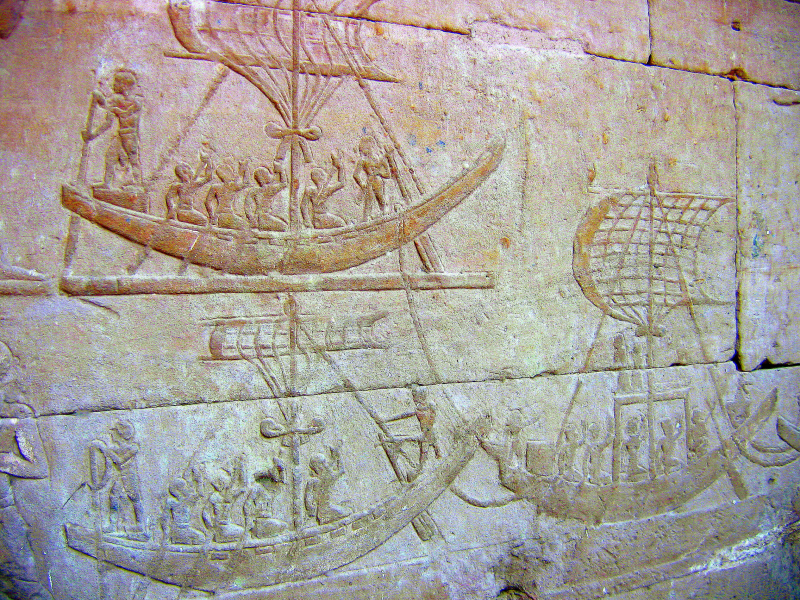
A walk along the Nile's heights, between the river and the desert on the west bank, then back to the boat for lunch. We sail to the quarries of Jebel Silsila, which date back to the Pharaonic era. There, we discover the coronation chamber of General Horemheb, the last pharaoh to reign during the 18th Dynasty. Dinner and overnight on board.
Note that the walking times mentioned in the day by day (days 3, 4, 5, 6) include visits to sites and temples accumulated over the day, this circuit favouring the observation of remarkable sites, cultural discoveries and the pleasure of walking rather than physical effort.
Day 3 -
Sailing in a Dahabieh - Stroll and discovery of the village of Farès
- Activity Autre
- Breakfast included
- Lunch included
- Dinner included
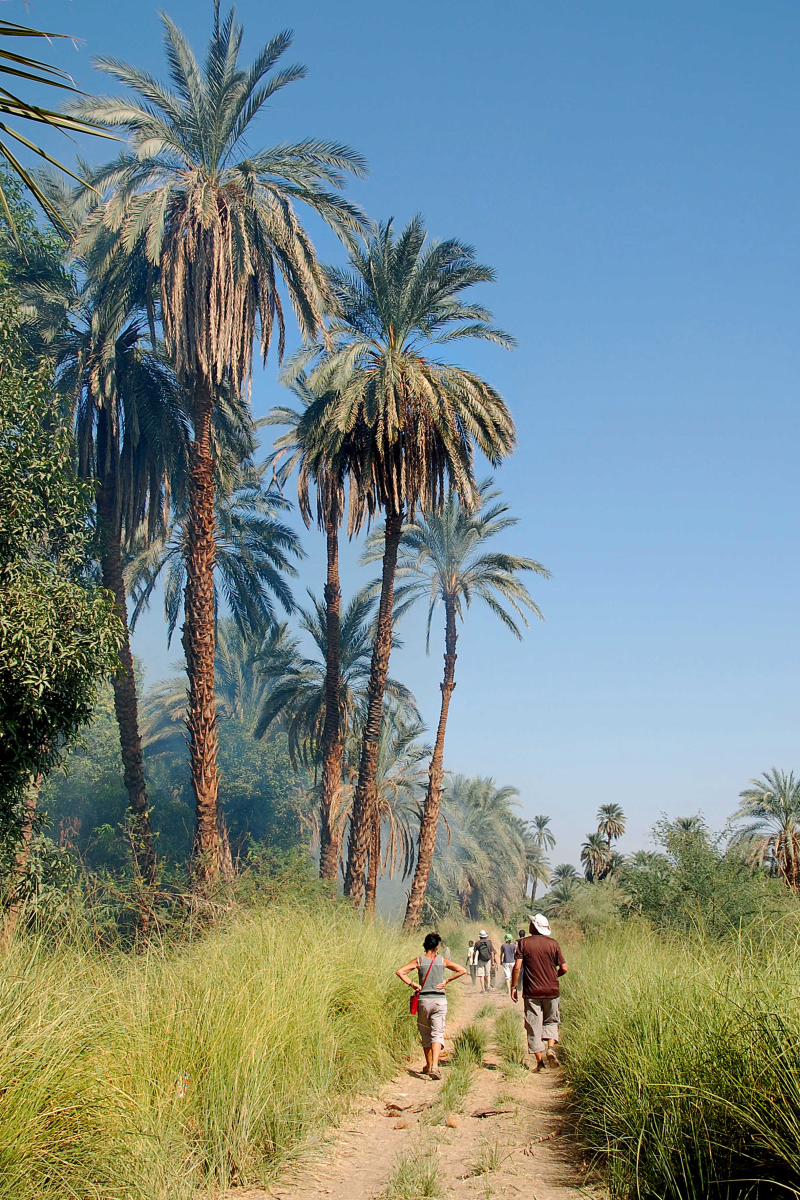
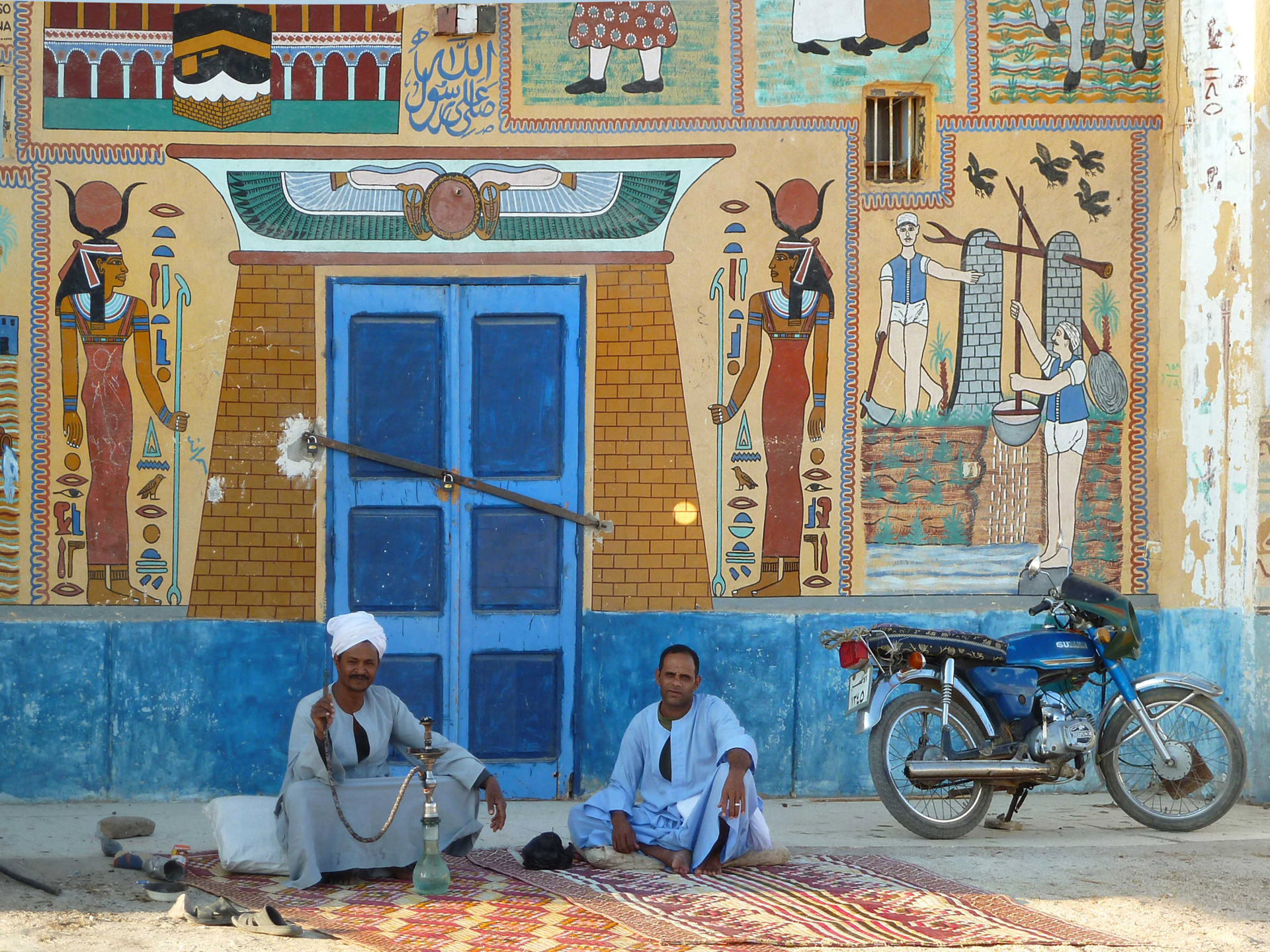
In the morning, explore the village of Fares with its colorful houses and mango groves, meet the farmers, and stroll along the irrigation canals. Lunch on the boat. In the afternoon, enjoy a boat trip along the Nile to Maniha Island.Day 4 -
Sailing in Dahabieh - Visit to Kom Ombo - Daraw Market
- Activity Autre
- Breakfast included
- Lunch included
- Dinner included
We resume our leisurely cruise on the Nile to the Temple of Kom Ombo. We'll visit this unique site, built for two deities: Sobek, the crocodile god, and Horus, the falcon god. Lunch will be served on board. A short transfer takes us to the daily market in Daraw before we return to our boat, passing through gardens and palm groves. In the late afternoon, we'll enjoy an island-hopping excursion. Overnight on board.Day 5 -
Sailing by Dahabieh to Aswan - Philae Temple (Abu Simbel option)
- Activity Autre
- Breakfast included
- Lunch included
- Dinner included
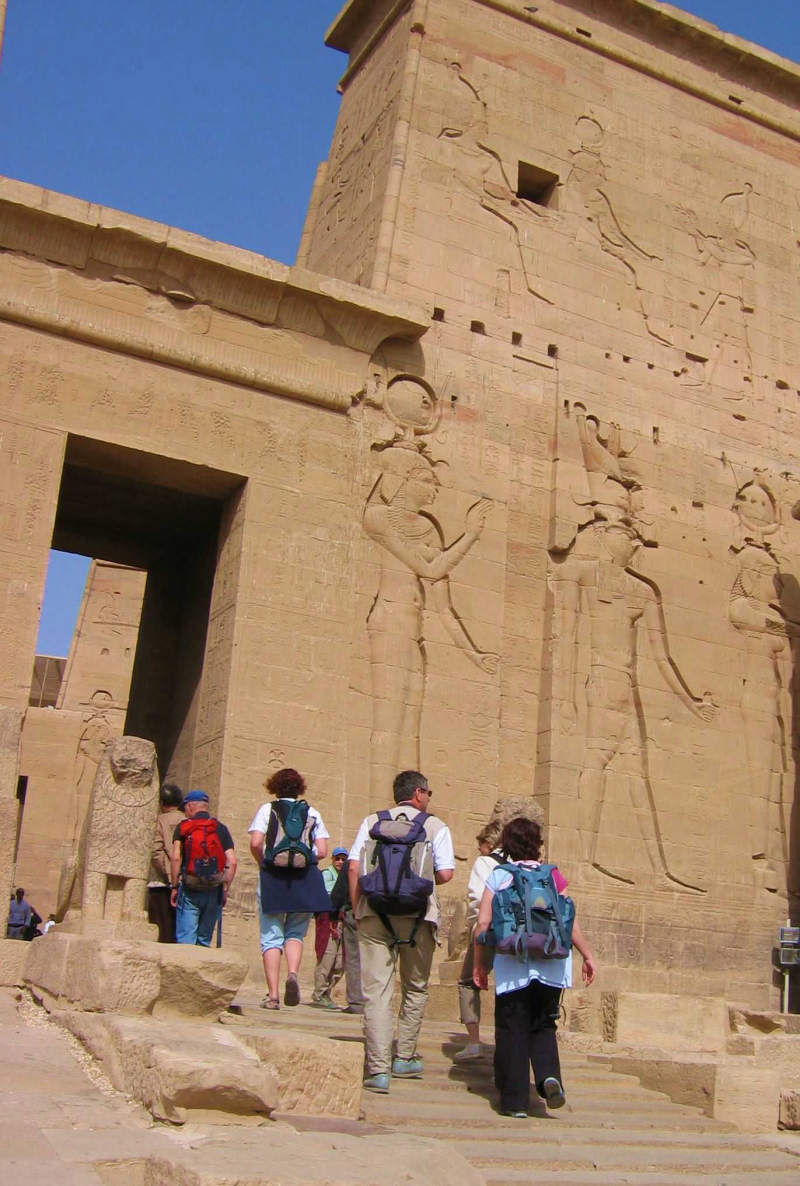
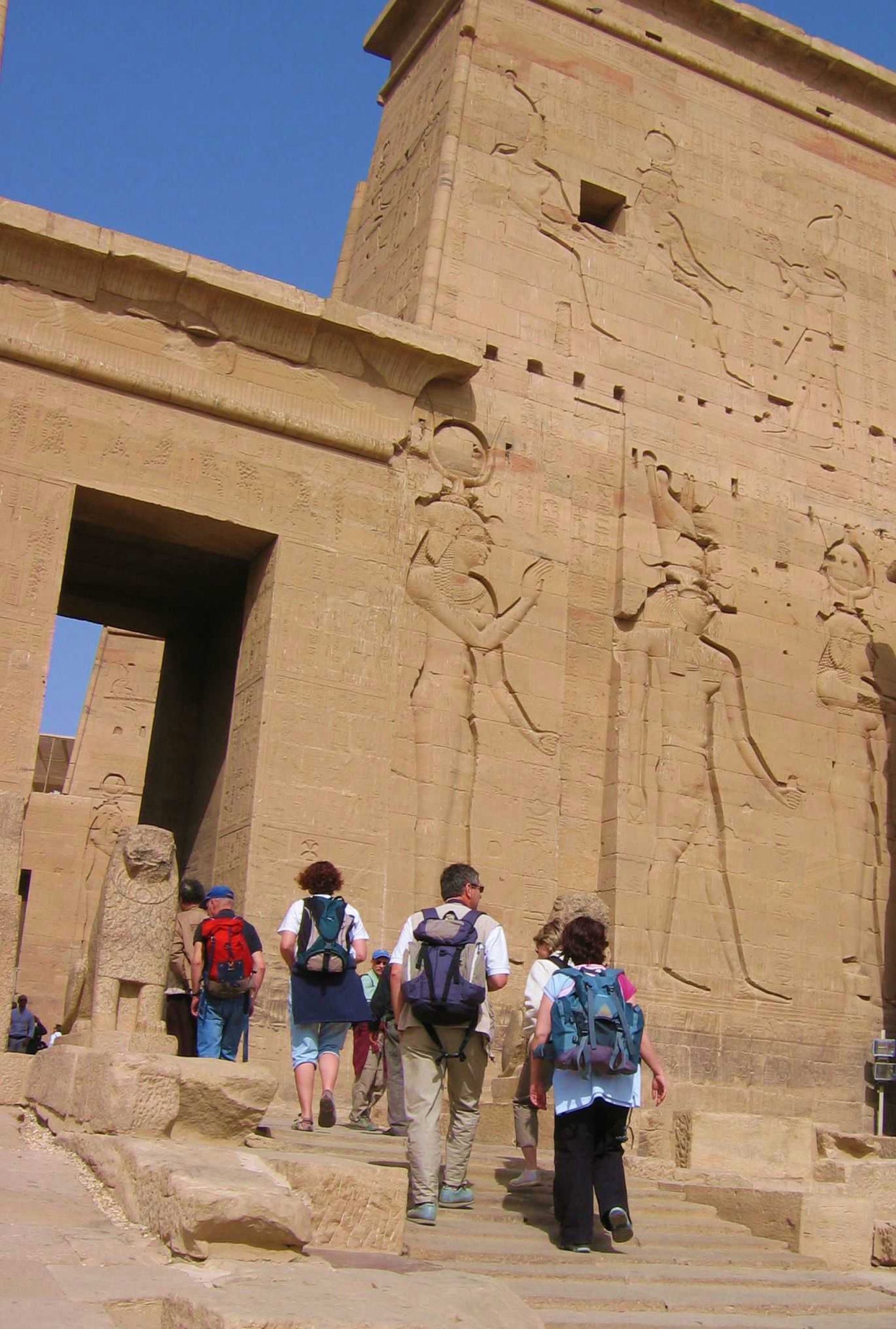
Early this morning, we'll hike between the Nile and the nearby desert, then rejoin the river and sail to Aswan. Lunch will be served on board, followed by a visit to the Temple of Isis at Philae. This temple is one of those saved from the rising waters of the Aswan High Dam. After a quick stroll through the souk, we'll return to our boat for dinner. Overnight on board.
Optional: Visit to Abu Simbel, the temples saved from the waters (must be booked in France before departure; site entrance fee payable on site). Those wishing to discover Abu Simbel depart very early in the morning by minibus (3:00 AM wake-up call for a 4:00 AM departure) and return for lunch. Your tour guide will then drop you off at the departure point for the convoy to Abu Simbel, and you will be accompanied during the journey by our representative in Aswan (English-speaking). Upon arrival in Abu Simbel, you will be met by a local French-speaking guide for the visit, followed by the return trip with our representative. You will meet your tour guide upon arrival in Aswan.
Day 6 -
Aswan - Luxor - Temples of Karnak and Luxor
- Transportation Minibus - 04h30 - 250km
- Breakfast included
- Lunch included
- Dinner not included
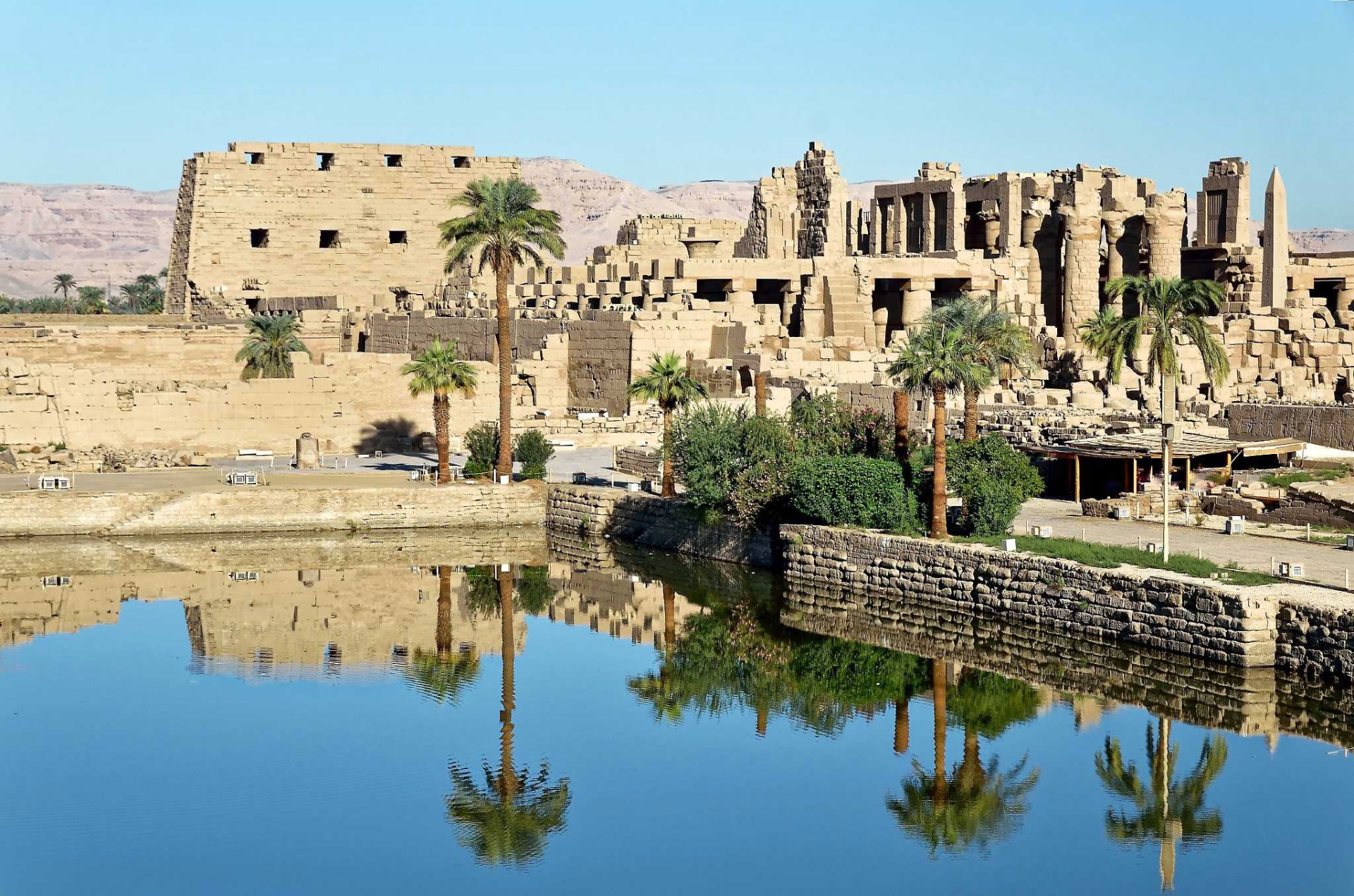
We reluctantly leave our boat and crew to return to Luxor. After lunch, we visit the Karnak temple complex, followed in the evening by a visit to the illuminated Luxor Temple.Day 7 -
Return flight from Luxor
- Transportation Minibus - 00h20 - 25km
- Breakfast included
- Lunch not included
- Dinner not included
Transfer to the airport for our return flight.Day 8
Note
This itinerary is provided as a guide only: depending on weather and operational conditions, your tour guide may modify it for your safety and that of the group.
Note that the walking times mentioned in the day-by-day itinerary include visits to sites and temples accumulated over the day, as this tour prioritizes the observation of remarkable sites, cultural discoveries and the pleasure of walking rather than physical exertion.
On board the dahabieh, other travelers from our partner agency may join you. You will then share the boat, meals, and excursions.
Accommodation
Access
Price details
The price includes
- The round-trip flight Paris / Luxor / Paris
- Entrance fees to the program sites (~€115)
- Institutional tips (~ €30)
- Local transfers by land and boat
- The accommodations as indicated in the itinerary
- Full board except for meals on days 1 and 8 and dinner on the evening of day 7.
- The local team on the Dahabieh, sailors and cook
- An Egyptian French-speaking tour guide.
The price does not include
- The contribution to carbon neutrality: €8
To be paid on site:
- Visa fees (~ €25, see "visa" section)
- Personal expenses
- Drinks
- A maximum of 5 meals are included, depending on flight schedules. Expect to pay around €10-12 per meal.
- A tip for your tour guide (~ €25)
Options
- Flex fare and insurance
Practical information
Specific formalities
Specifics
Before your departure, check with the embassy or consulate regarding the entry and stay requirements for your destination country. You can also find this information on the France Diplomatie website ( https://www.diplomatie.gouv.fr/fr/dossiers-pays/ ).
In the case of flights with stopovers operated by different airlines, also check the entry requirements of the countries you are transiting through.
It is your responsibility to ensure you are in compliance, particularly regarding the validity of your identity documents (for example, some countries require your passport to be valid for at least six months after your return) , visa requirements, necessary vaccinations, and health recommendations. And don't forget to consider any customs restrictions and other potential requirements of your destination or transit country.
ℹ️ Information may change up to the departure date, remember to regularly check official websites.
Equipment
Equipment to bring
- Earplugs or Hears, your choice.
- A notepad and pen, a good book, a deck of cards...
- A laundry bag so you can separate your dirty clothes from your clean clothes in your travel bag.
- Toiletries (opt for biodegradable products and 1 bar of Marseille soap)
- 2 insulated water bottles, CamelBak or thermos (no plastic bottles)
- 1 pair of sunglasses, high protection rating
- 1 Headlamp (with spare batteries and bulbs) for reading after lights out!
- High protection sunscreen
- Toilet paper + lighter to burn it after use
Bring a container to collect your hazardous waste (batteries, aerosols, tubes of ointment, film canisters, etc.) so you can take it back to France where recycling is well-organized and efficient. A tip: try to avoid bringing packaging from any equipment or supplies you may have purchased before leaving… that's one less thing you'll have to bring back to France.
Clothing to bring
Clothing, from head to toe:
- Footwear: some prefer walking sandals, others low hiking shoes: depending on the situation, this can be very comfortable, or not at all! We therefore advise you, in order not to risk ruining your holiday, to bring both, and choose when you arrive.
- Lightweight shoes (like sneakers) or sandals are suitable for walking through towns and villages, or for evenings at the campsite. Sandals are also well-suited for evenings, allowing for good ventilation (when the temperature permits).
- Socks: light for the day and warm (wool or looped) for the evening.
- Canvas trousers and/or shorts
- Swimsuit
- Cotton shirts or T-shirts
- Warm sweater or fleece: the latter has the advantage of being durable, warm, lightweight, and quick-drying, with the added benefit of being soft to the touch. The best-known fibers are Polartec, Carline, and Ulfrotté.
- Windbreakers on the feluccas.
- A hat or cap with neck protection, and/or a shemagh: the first two offer the advantage of also protecting your face from the sun, which the shemagh (long veil scarf) does not do: however, it is very useful for protecting yourself from the cold, the heat, the sand and the wind.
- Category 3 sunglasses.
For the coldest evenings in the heart of winter (December, January and February), and to fully enjoy the outdoor deck, you will also need:
- Warm jacket: down or Gore-Tex jacket. The most effective jackets against wind and rain are made of Gore-Tex or Micropore, "breathable" materials that allow for rapid wicking of perspiration while maintaining perfect insulation.
- Cap
- Gloves