Andes, Amazon and Galapagos: a journey to the land of 3 Worlds
In summary
-
Sports
-
Duration21 days
-
LevelIntermediate
-
DestinationAmerica / Ecuador
-
AgeFrom the age of 18
-
CO₂-Emissions5921.62 kg CO2
-
Type of stayIn a group
-
Languages
 French
In a few words
Ecuador and the Galapagos Islands are revealed here through a comprehensive adventure, punctuated by accessible hikes and immersive activities. This varied tour explores all facets of this small Andean country, without compromise.
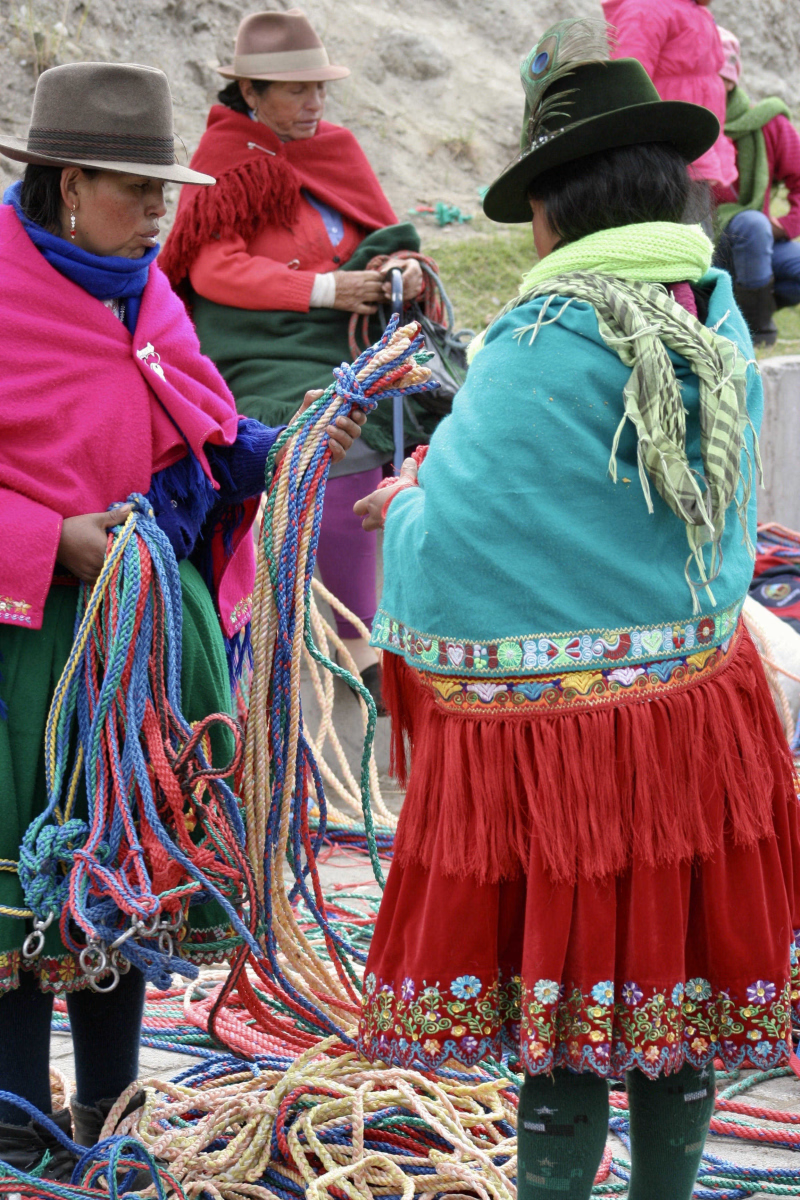
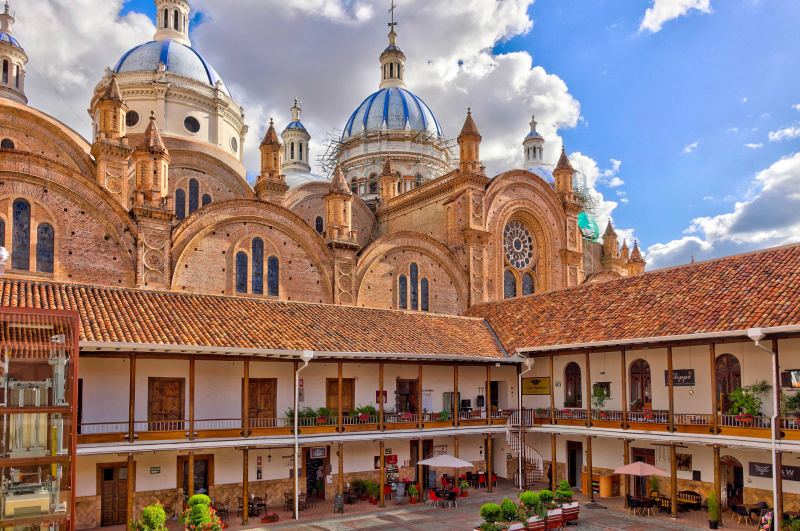
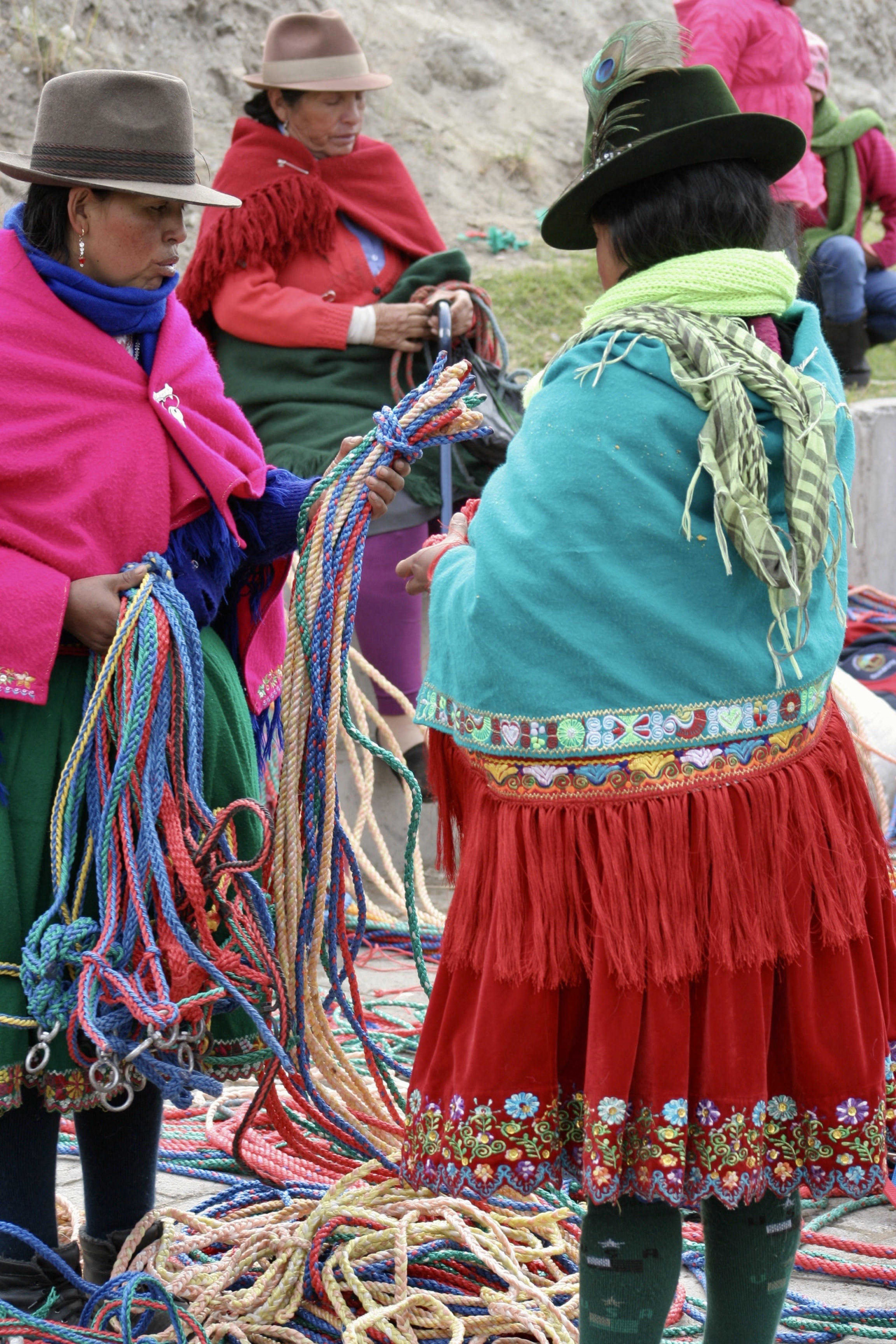
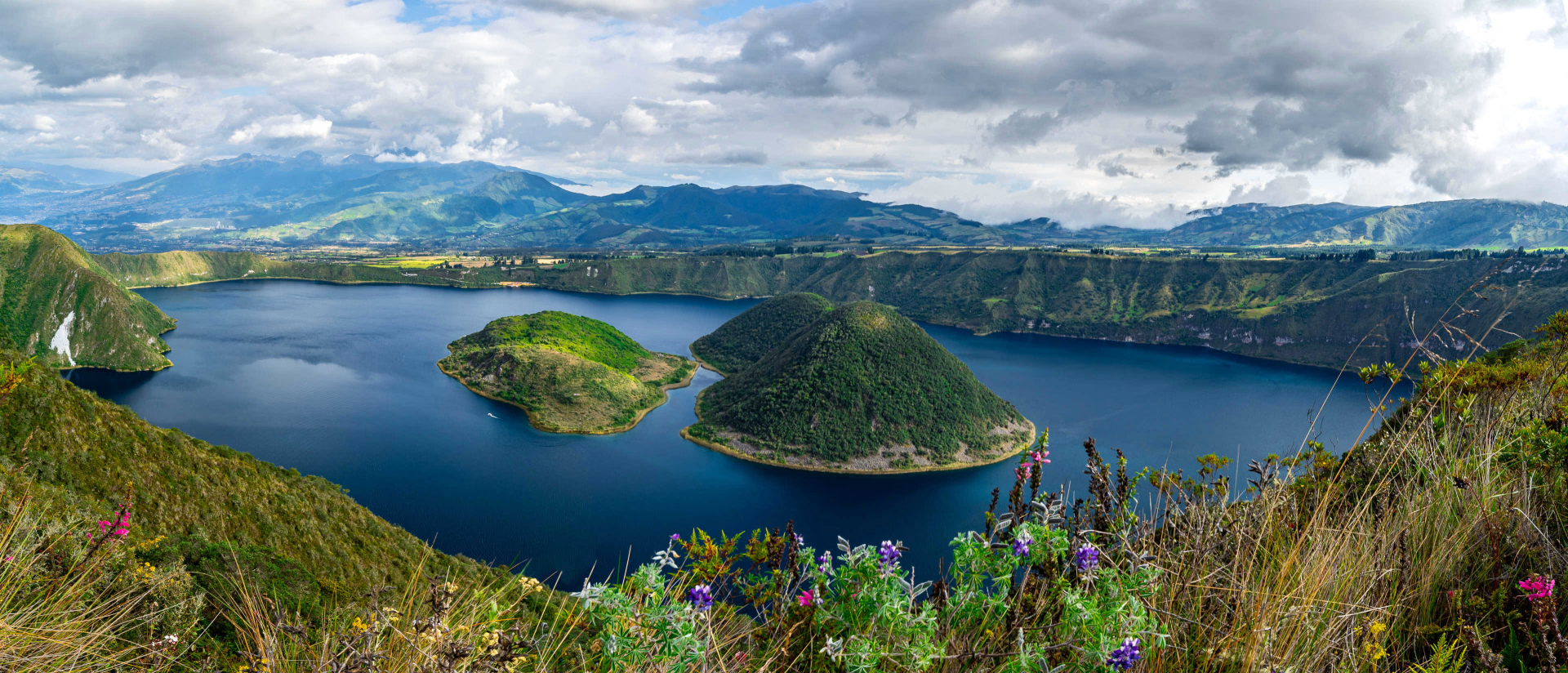
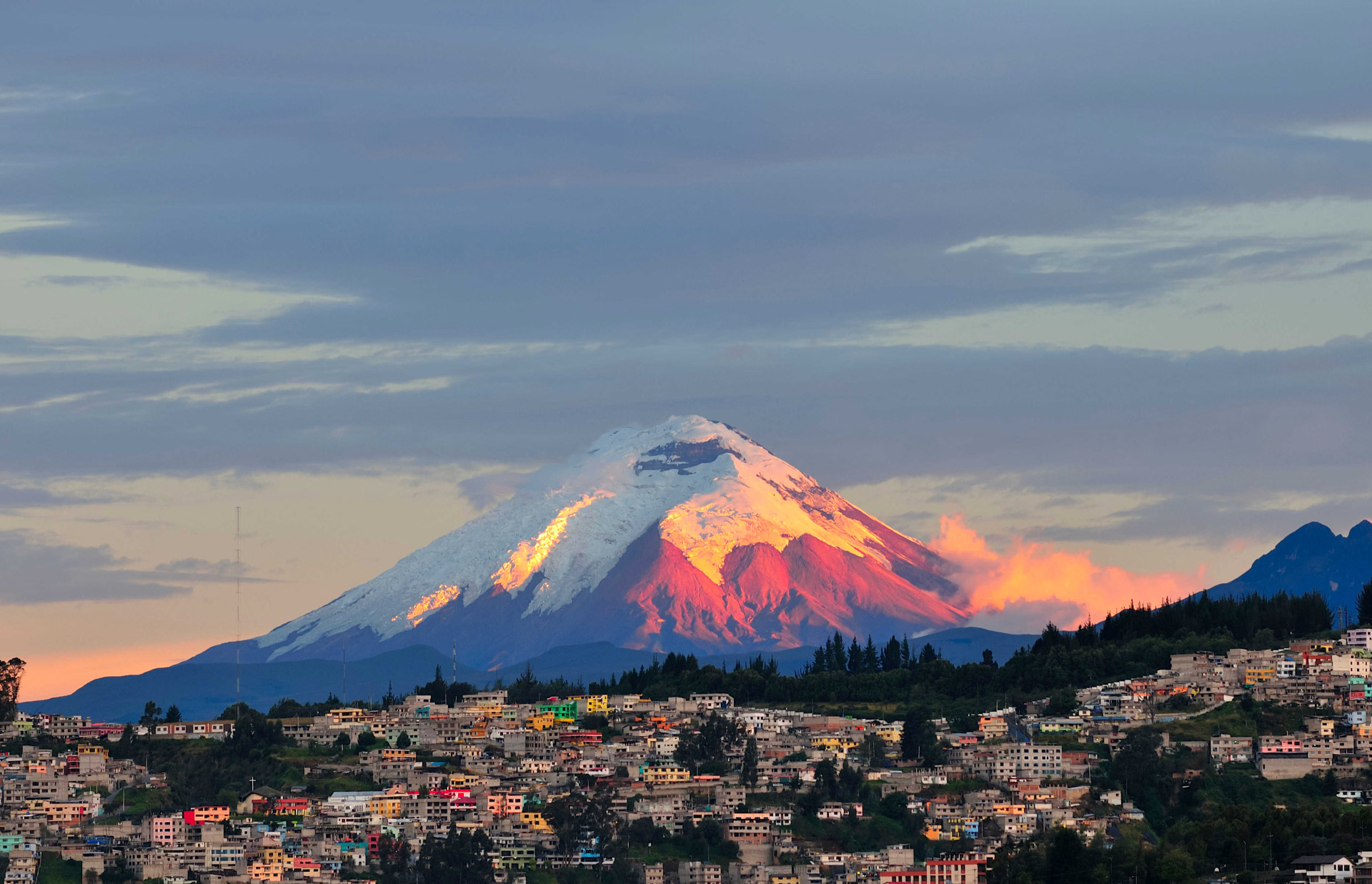
Your journey begins in the heart of the Andes, between charming colonial towns and vibrant artisan markets . You'll gaze upon majestic snow-capped volcanoes, discover hidden lagoons , explore the mysteries of the Amazon rainforest , and walk on the country's only Inca site .
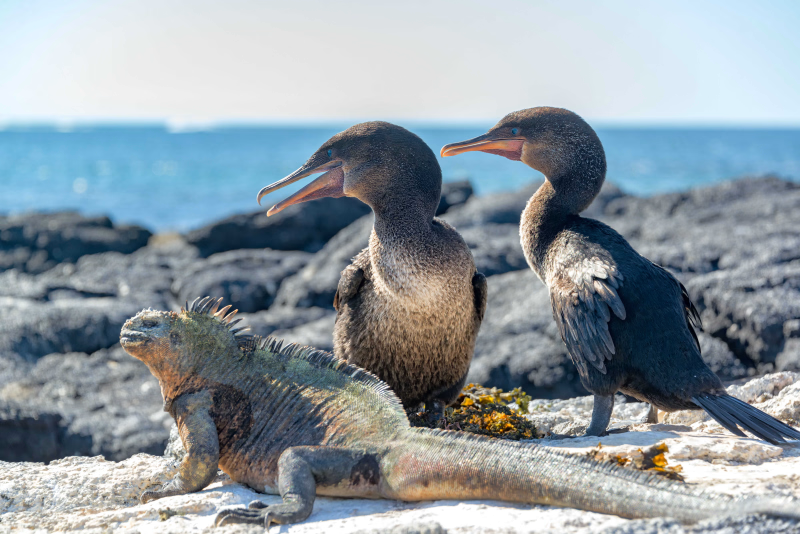
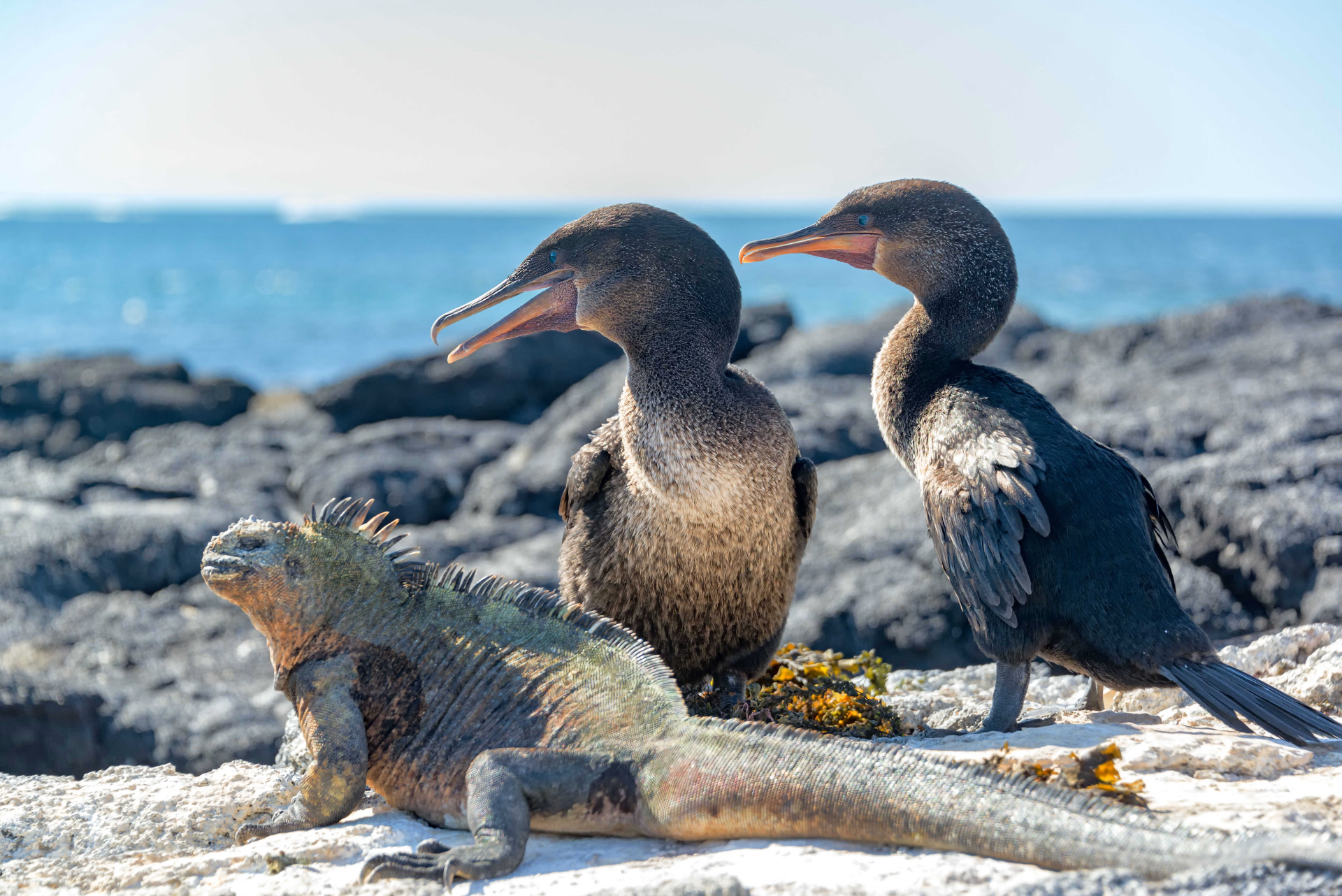
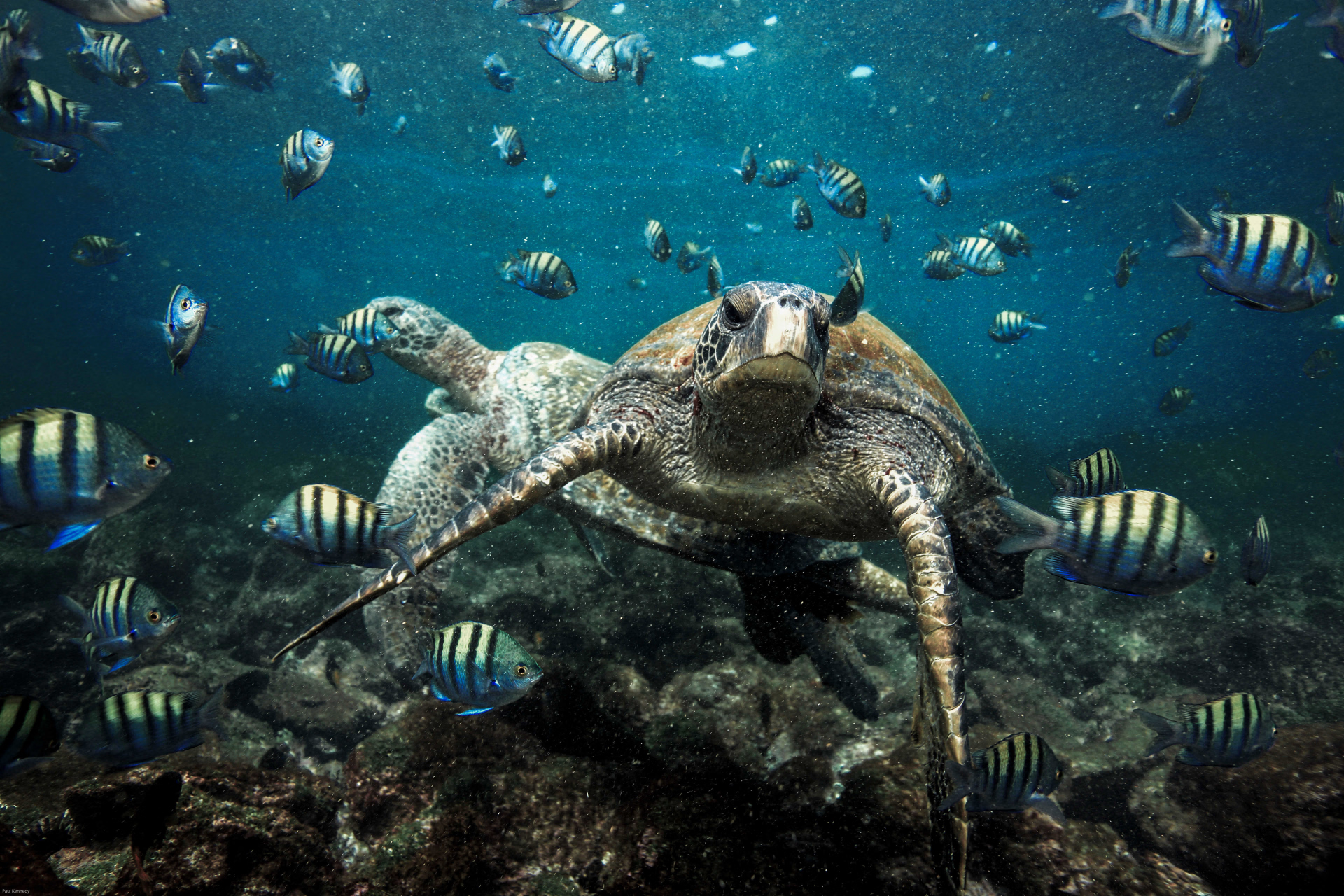
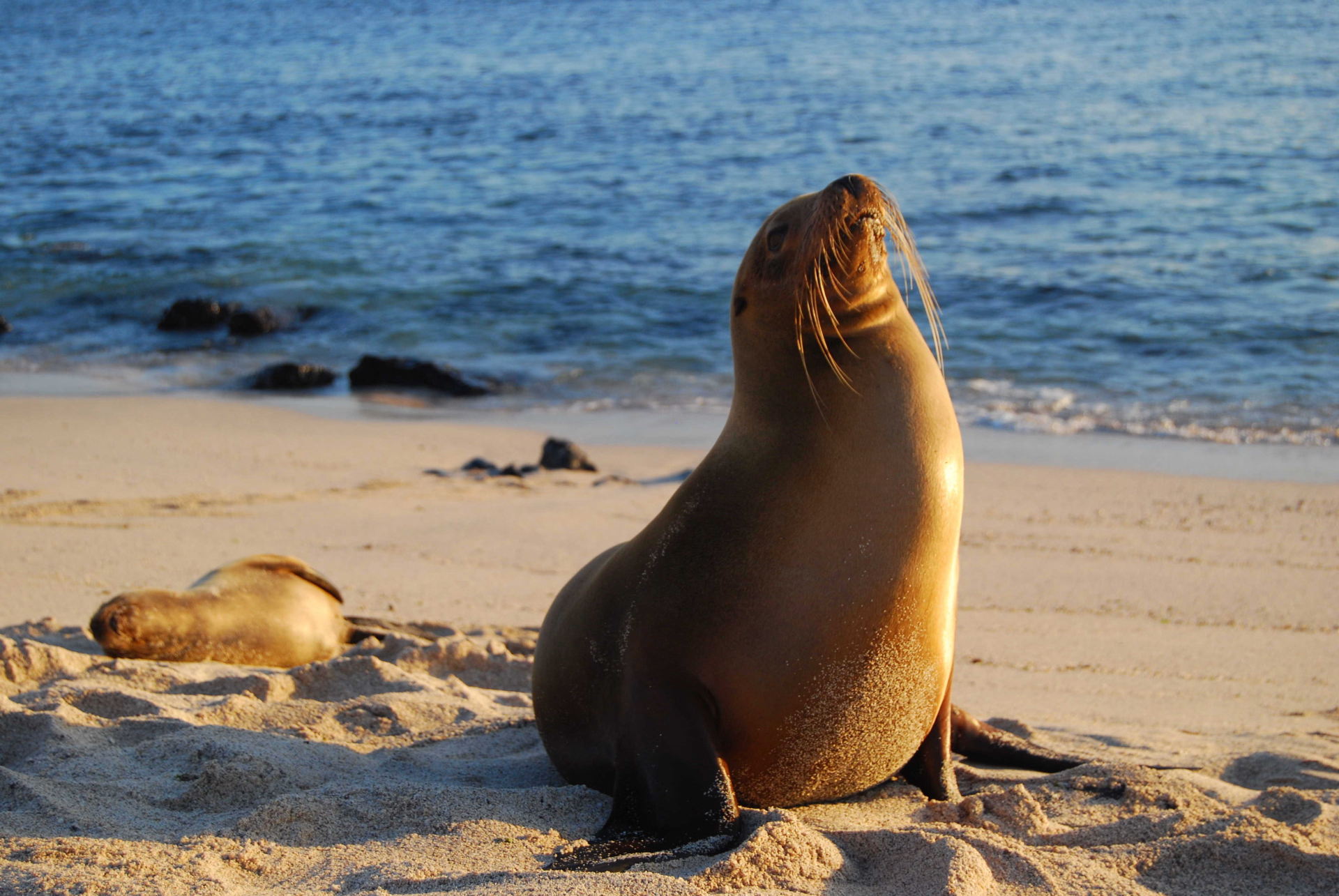
The highlight of this exploration is undoubtedly the encounter with the endemic wildlife of the Galápagos. Designed for semi-self-guided travel , the itinerary takes you to Santa Cruz Island to explore the wild beach of Tortuga Bay . On Isabela Island , you hike the Sierra Negra and Chico volcanoes before diving into the underwater formations of the Cabo Rosa tunnels . Finally, the islet of North Seymour offers an unforgettable encounter with pristine nature.
An exclusive journey that perfectly combines the cultural richness of the Andes and the wonder of a unique animal sanctuary.
The highlights
-
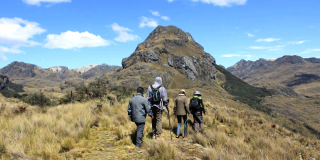
Hiking around the Cubilche volcano and the San Pablo lagoon
-
Immersion in the Amazon with an overnight stay in a lodge and exploration by canoe
-
Discovering the Galapagos Islands: Sierra Negra and Chico volcanoes, Tortuga Bay
Photos
Sport
Level
Hiking / Trekking
In figures
Hiking
- Average duration/day: 3h
- Average daily elevation gain: 155 m
- Average daily descent: 155 m
- Maximum altitude: 5300 m
Management
French
- French-speaking Ecuadorian guide for the first 15 days on the continent.
- Spanish-speaking driver for the entire stay.
- Amazon: transport and group tours. Bilingual Spanish/English local naturalist guide. Our French-speaking guide will be available to provide translation if needed.
- Galapagos: Spanish-speaking driver (not a guide) for all transfers, private or shared depending on the program. Bilingual Spanish/English naturalist guide for each excursion.
Program
-
Paris - Quito
- Transportation Plane - 14h - 9343km
- Breakfast included
- Lunch not included
- Dinner not included
Upon arrival at Quito International Airport, our guide will meet us in the arrivals hall. We will then be transferred to our accommodation located in the heart of the Ecuadorian capital. Along the way, we will first discover the modern city of Quito: its skyscrapers, offices, and parks, popular spots for the residents of Quito. We will also pass by the famous La Mariscal neighborhood, which, with its numerous bars and restaurants, boasts the vibrant, festive atmosphere typical of Latin American cities. Meals are not included.Day 1 -
Colonial city of Quito - Otavalo
- Transportation Minibus - 02h30 - 1km
- Accommodation 3-star hotel
- Breakfast included
- Lunch included
- Dinner included
This morning, we set off on a guided tour of Quito. We'll explore the historic center on foot, a UNESCO World Heritage Site since 1978. We'll visit the Jesuit church of La Compañía de Jesús, whose construction began in 1605, the Plaza Grande where the cathedral and the Palacio del Gobierno (Government Palace) are located, and the churches of La Merced and Santo Domingo. This is an opportunity to observe the different architectural styles spanning the 16th to the 18th centuries. We'll conclude our tour at El Panecillo hill, home to the famous winged statue of the Virgin Mary, unique in the world. Lunch will be at a restaurant in the city center. Afterwards, still within the colonial center, we'll visit the charming Casa del Alabado, a small museum of pre-Columbian art showcasing 5,000 pieces from across the country. Through the various rooms we visit, we explore the three levels of the cosmos, depicting the Gods, Humans, and Spirits. Then, we head north to Otavalo. Upon arrival in Otavalo in the early evening, we'll drop off your luggage at the hotel. Dinner is included, and you'll spend the night in a hotel in the city center.Day 2 -
Otavalo (market) - Cuicocha - Cotacachi - community of San Clemente
- Accommodation Staying with a local resident
- Breakfast included
- Lunch included
- Dinner included
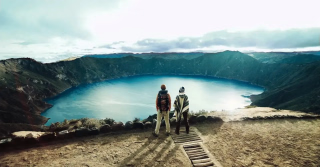
This morning, relatively early, we headed to downtown Otavalo where we visited the famous and colorful market of the same name. It's the most well-known indigenous market, and also the largest in Ecuador. It was the perfect opportunity to buy souvenirs! The Otavalo market is made up of three distinct sections: the animal market, located outside the city center (this section is only open on Saturdays), the typical fruit and vegetable market, and the colorful craft market. Afterward, we set off for the magnificent Cuicocha Lagoon, overlooked by the 4,944-meter-high Cotacachi volcano. After a walk of about 45 minutes, we were already enjoying an extraordinary panoramic view of the lagoon and its surroundings. One of the many legends tells of Cuicocha Lagoon, which, more than 3,000 years ago, separated from its parents: Cotacachi (mother) and Imbabura (father) (the surrounding volcanoes). His mother, the Cotacachi volcano, wept for the loss of her child and thus filled the lagoon with her tears. We will take a tour of the lagoon, which lasts approximately 5 hours. A picnic lunch is included. On the return journey, we can stop in the village of Cotacachi, renowned for its leather shops. In fact, the village exports its famous products all over the world. This will be a pleasant opportunity for some shopping! Depending on the time available, we will also stop in the village of Peguche to observe local artisans at a site where the waterfall of the same name is sacred to the indigenous population. In the late afternoon, we will reach the indigenous community of San Clemente, located in the Ibarra region. A time to meet and share with our Quichua hosts. Overnight stay and dinner with the indigenous community.Day 3 -
San Clemente Community
- Activity Hiking
- Duration of the activity 2h30
- Maximum altitude 3820 m
- Accommodation Staying with a local resident
- Breakfast included
- Lunch included
- Dinner included
We continue our exceptional exchanges with your Quichua hosts. We discover San Clemente, its people, its artisans, the farm workers, its culture, and the guinea pig farms, called "cuy" in Ecuador, which they enjoy daily. We will have the opportunity to participate in various local activities such as: - Local cooking: preparing a typical dish from the San Clemente community with the women of the village. - Embroidery: an introduction to local embroidery. Most clothing, tablecloths, etc., are still made within the community. - Other activities: planting seeds or grains, plowing, fruit picking, etc. Lunch with our family (or a picnic, depending on the activity). In the afternoon, we continue exploring the community and its traditions with our family. If we wish to hike, the guide will accompany us on a walk in the surrounding area where, on the slopes of the Imbabura volcano, we will observe the region's indigenous population, their crops, and their livestock. Dinner with our hosts and final night in San Clemente. Note: Visits within the San Clemente community may vary depending on the host family. We do not impose any specific requirements and prefer a natural encounter through sharing their daily life.Day 4 -
San Clemente - Cayambe - Condor Machay waterfall - Cotopaxi
- Transportation Minibus - 04h30 - 199km
- Activity Hiking
- Duration of the activity 4h
- Positive elevation gain 300 m
- Negative elevation 300 m
- Maximum altitude 4280 m
- Accommodation Hostel
- Breakfast included
- Lunch included
- Dinner included
After breakfast, we set off for Cotopaxi National Park, where we'll stay overnight facing the famous and impressive Cotopaxi volcano. On the way, we'll visit Quitsato de Cayambe. Located 50 km north of Quito, this spot marks the equator. Like at Mitad del Mundo (the Middle of the World), we cross from the Southern Hemisphere to the Northern Hemisphere. A scientific explanation will be provided by the local guide. Cayambe is home to Ecuadorian specialties such as bizcocho and queso de hoja. Queso de hoja is a traditional fresh cow's milk cheese made from several thin layers of cheese, then wrapped in banana leaves (sometimes corn leaves), hence its name, meaning "leaf cheese." As for bizcocho, it's a light and crispy biscuit made from wheat flour, butter, and sugar. The bizcochos are baked in a traditional oven, giving them a crispy, crumbly texture and a distinctive flavor. We then continue our journey, traveling along part of the famous Avenue of the Volcanoes. We pass near the volcanoes Atacazo (4570m), Rucu (4690m), Guagua Pichincha (4790m), Pasochoa (4200m), Corazón (4790m), and Ruminahui (4720m). Lunch is included along the way at a local restaurant. Afterwards, heading towards Cotopaxi National Park, we embark on a relatively flat 10km hike through lush vegetation and Andean landscapes to the beautiful Pita Condor Machay waterfall. We spend the night at a stunning hacienda located near the volcano. Dinner is included at the hacienda.Day 5 -
Hike in Cotopaxi Park - Local life in Tigua
- Transportation Minibus - 02h30 - 199km
- Activity Hiking
- Duration of the activity 3h
- Positive elevation gain 400 m
- Negative elevation 400 m
- Maximum altitude 4864 m
- Accommodation Hostel
- Breakfast included
- Lunch included
- Dinner included
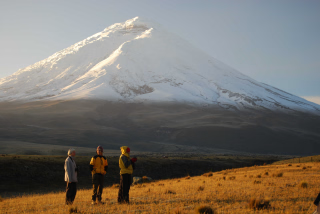
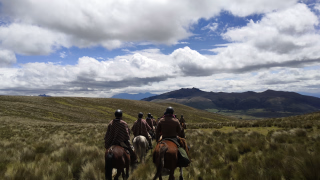
We then head into the heart of Cotopaxi National Park, home to the world's highest active volcano, Mount Cotopaxi (5,890 m). We hike through the lunar landscapes typical of the Andean highlands. Here, we might encounter the chagras, cattle herders on horseback who tend their livestock in the open air (the cowboys of Ecuador). We begin our hike from Limpiopungo Lagoon, a haven for numerous birds that breed and feed. At times, the lagoon offers a magnificent reflection of the perfect cone of Mount Cotopaxi. Those who wish can continue hiking up the slopes of Mount Cotopaxi to the José Ribas Refuge (4,800 m), almost at the altitude of Mont Blanc. In the early afternoon, we visit a rose plantation. Ecuador is indeed renowned for its export of roses and, more generally, flowers worldwide. We've almost certainly bought flowers from Ecuador without realizing it. We'll get an explanation of the whole process. Then, we'll drive to the village of Tigua where we'll stay in a rural guesthouse run by the descendants of dictator Guillermo Lara (early 20th century). They'll share their family history with us candidly. In the mid-afternoon (around 4 pm), we'll participate in a small workshop making cheese and yogurt produced on the farm, which we'll have the pleasure of tasting with our meal. Dinner at the guesthouse (3480 m altitude).Day 6 -
Tour of the Quilotoa Lagoon - Baños, a spa town in a tropical environment
- Transportation Minibus - 04h30 - 201km
- Activity Hiking
- Duration of the activity 5h30
- Positive elevation gain 590 m
- Negative elevation 590 m
- Maximum altitude 3900 m
- Accommodation 3-star hotel
- Breakfast included
- Lunch included
- Dinner not included
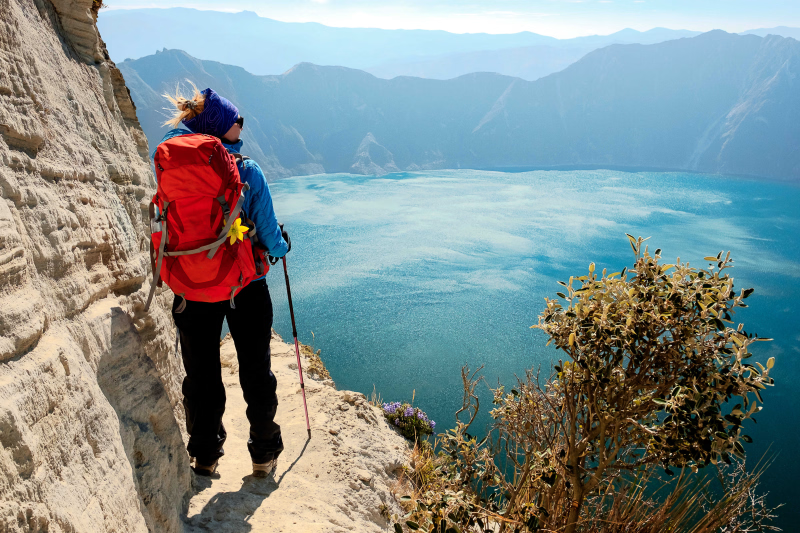
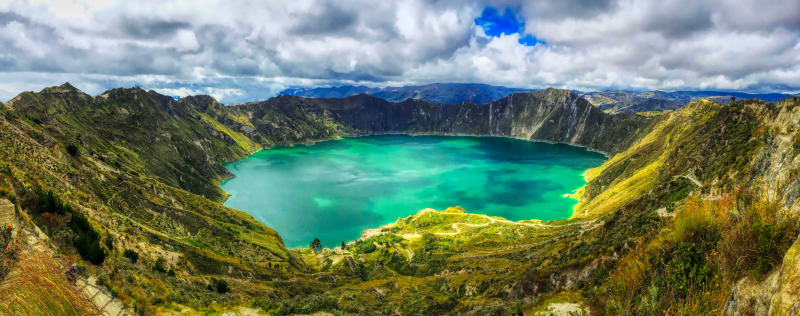
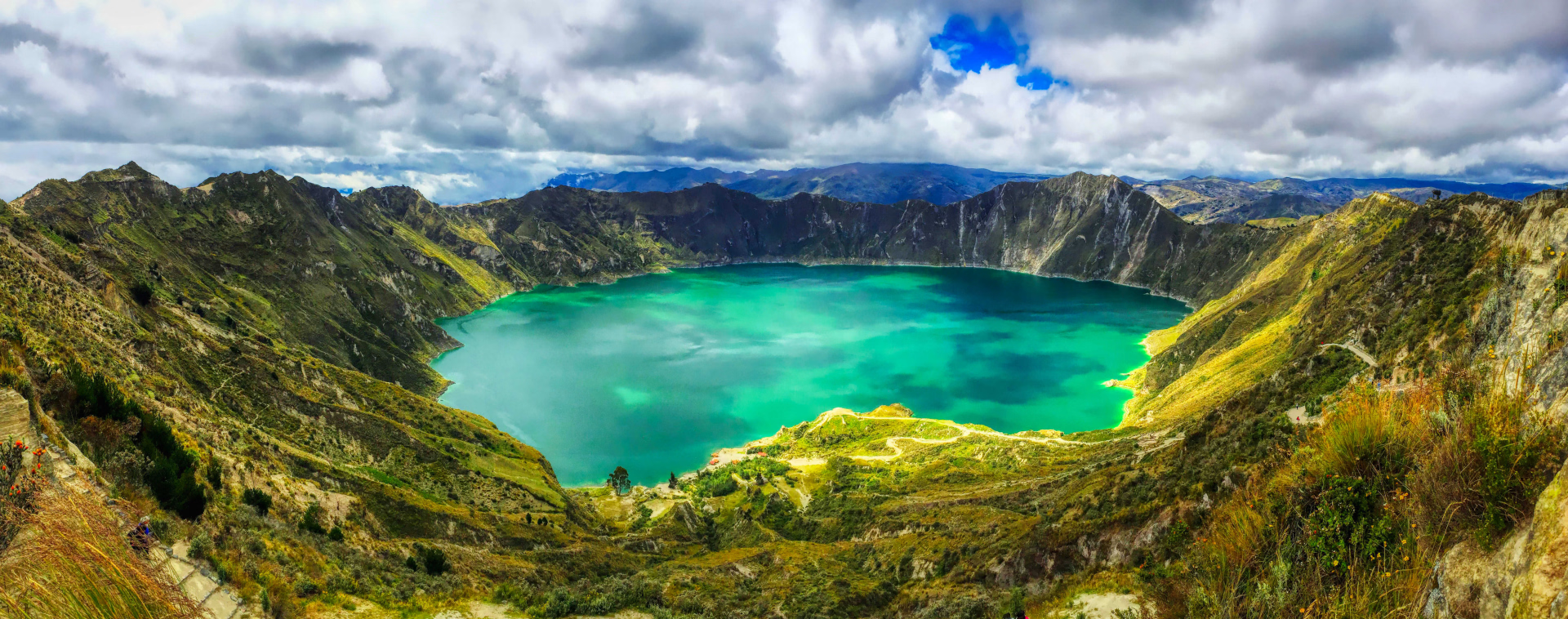
After breakfast, we travel to Quilotoa (3730 m) and its beautiful lagoon with its ever-changing turquoise waters. We set off on a hike that takes us around this maar (a geological term for an ancient, now submerged, crater). In some places, sulfurous fumes create a bubbling effect in the water. The hike isn't technically difficult, but it involves a series of ascents and descents! Lunch at a local restaurant. In the afternoon, we are driven to the thermal spa town of Baños, located at an altitude of only 1800 meters. We begin the descent that leads us towards the Amazon basin. Baños boasts both Andean and tropical vegetation, as the resort is situated at the crossroads between the Andes and the Amazon. Dinner on your own and overnight stay in a hotel in the town center (1820 m).Day 7 -
Baños - Pailon del Diablo Waterfall - Amazon Basin - Canoe to the lodge
- Transportation Minibus - 04h - 200km
- Activity Hiking
- Duration of the activity 1h
- Maximum altitude 395 m
- Accommodation Lodge
- Breakfast included
- Lunch included
- Dinner included
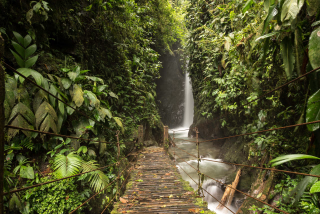
In the morning, we have some free time to enjoy this charming spa town. Then it's off to the Amazon, the lungs of our planet. This will allow us to observe incredible flora and fauna. On the way, we stop at the famous "Pailón del Diablo" (Devil's Cauldron) waterfall. A short hike is necessary to fully appreciate the waterfall crashing against the rock. We can approach the falls via a rocky path to reach our destination and feel the power of the cascade! A ride in a "tarabita" (a suspended gondola that crosses the valley from one point to the other) is also an option. After these thrilling experiences, we continue our journey, and waterfalls, flowing from the Andes to the basin, unfold one after another. Lunch is at a local restaurant near Puyo. We then continue our journey to Tena and then Puerto Ahuano to reach our lodge in the Amazon by motorized canoe. During this boat trip, we can already observe the lush and extraordinary nature of the area, as well as its wildlife. Dinner at the lodge. After some rest, and weather permitting, we then take a night walk in search of wild animals accompanied by our guide, an Amazon specialist with a keen eye.Day 8 -
Day trip to discover the Amazon Basin (Puerto Ahuano)
- Activity Hiking
- Duration of the activity 2h
- Maximum altitude 395 m
- Accommodation Lodge
- Breakfast included
- Lunch included
- Dinner included
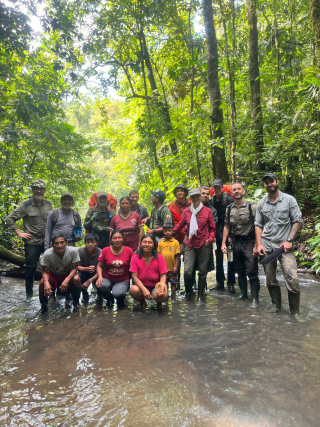
After breakfast, we set off on a jungle trek to discover its lush flora and fauna. We can observe numerous animals, such as birds and insects, and plants in an unfamiliar world of unique biodiversity. The calm and peaceful atmosphere of the Amazon rainforest will captivate us. After the trek, depending on the currents, we have the option of floating down the river on inner tubes or in a traditional raft called a "balsa." Lunch will be at the lodge. In the afternoon, we can learn about the local way of life by visiting an indigenous community. We will explore the gardens where corn, cassava, coffee, and papaya are cultivated. We will also see how to prepare "chicha," a local alcoholic beverage made from yucca in the Amazon, while it is made with corn in the Andes. Yuca, a staple food for many indigenous people, is a root vegetable with the properties, appearance, and taste of a potato. Depending on the local produce available in the community, we sample typical dishes such as chontacuros (palm glass), maito (a fish stew), carachamas (a dish cooked in a cachibou leaf), palm heart, and guayusa (a local plant) infusion. The visit sometimes includes blowgun shooting, the quintessential hunting weapon of the Amazonian indigenous peoples. Time permitting, we may have the opportunity to swim in a tributary of the famous Amazon River, accompanied by a local guide who is intimately familiar with the reserve's flora and fauna and trained by biologists. In the late afternoon, we return to the lodge. Dinner. Note: The Amazon program may vary depending on the lodge and current weather conditions. This program is therefore not exhaustive and may change without notice.Day 9 -
Amazon - Back in the Andes - Riobamba
- Transportation Minibus - 06h - 299km
- Accommodation 3-star hotel
- Breakfast included
- Lunch included
- Dinner included
We set off in the morning towards Riobamba, located at 2,750 meters (7,900 feet), and founded in 1534 by the Spanish. The city was almost completely destroyed in 1797 by a violent earthquake before being gradually rebuilt. We cross the province of Tungurahua, named after the region's most iconic volcano. Tungurahua ("throat of fire") rises to 5,016 meters (1,200 feet) and overlooks the city of Baños. It is one of Ecuador's most active volcanoes, even though it has been dormant since 2017. Gases and smoke often escape from its crater, rising into the sky. The spectacle we can witness on a clear day is magnificent! Lunch at a local restaurant. We visit the city of Riobamba, which still boasts some beautiful colonial buildings. Overnight stay in a hotel with dinner included.Day 10 -
Chimborazo Reserve
- Transportation Minibus - 03h - 199km
- Activity Hiking
- Duration of the activity 4h
- Positive elevation gain 410 m
- Negative elevation 410 m
- Maximum altitude 5300 m
- Accommodation Hostel
- Breakfast included
- Lunch included
- Dinner included
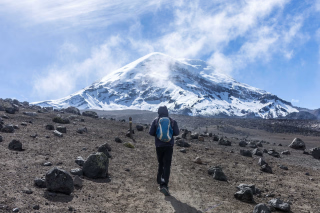
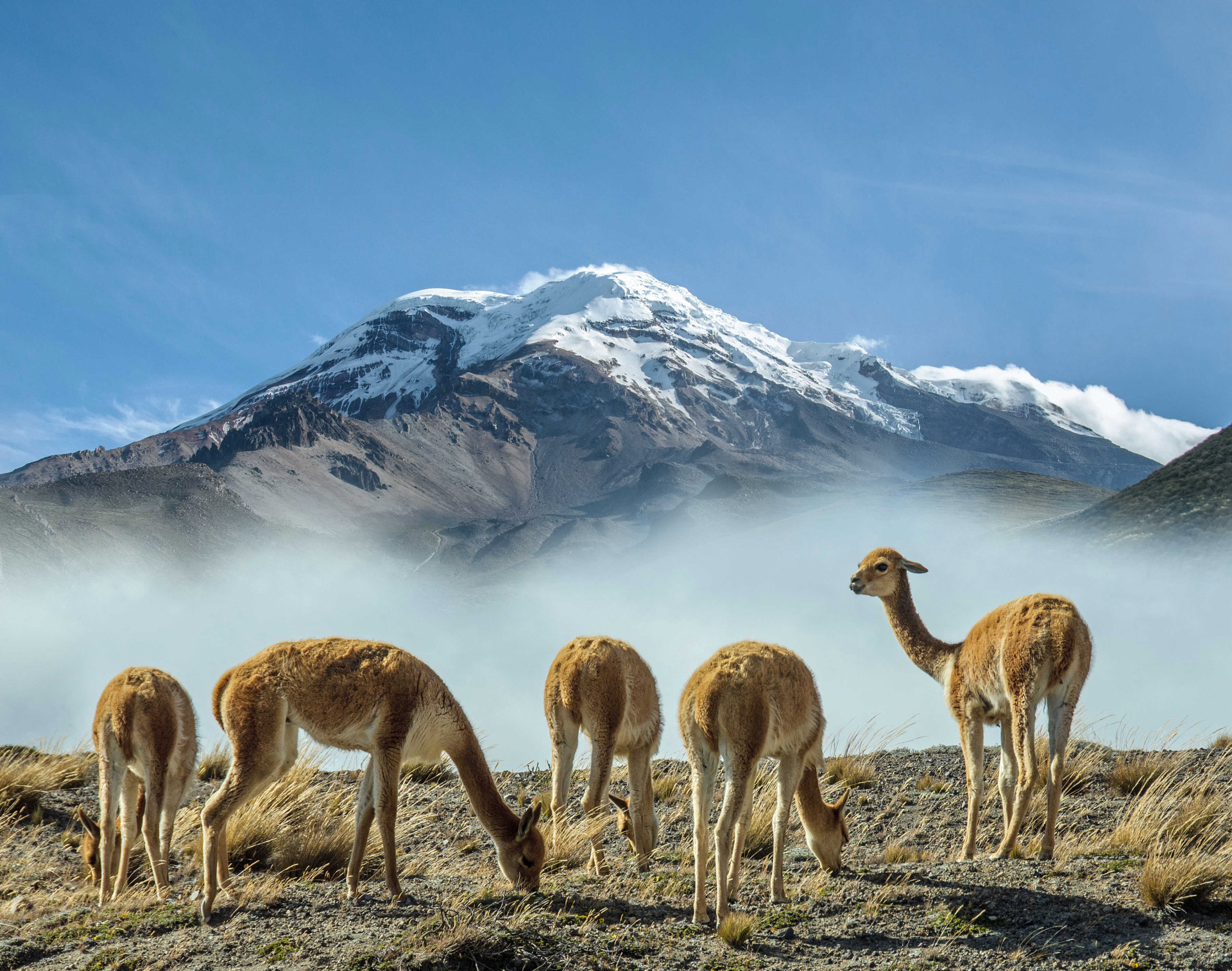
This morning, we first head to the Chimborazo Reserve, to the Whymper Refuge located on the slopes of the Chimborazo volcano. The Chimborazo Reserve, with its lunar landscapes of sand, earth, and rock, will allow us to observe numerous vicuñas (called "vicuñas" in Ecuador) as well as alpacas and llamas roaming freely. We arrive at the Chimborazo volcano refuge after an easy 30-minute walk. The refuge is named after the famous mountaineer Edward Whymper, who was the first person to successfully summit Chimborazo volcano (6,270m) in 1880. We then continue our ascent to the Whymper Needles (5,300m). A picnic lunch is included at the refuge. We return to the lodge in the afternoon and have free time. Dinner is at the lodge.Day 11 -
Riobamba - Inca site of Ingapirca - Andean Train (Nariz del Diablo) - Cuenca
- Transportation Minibus - 05h30 - 300km
- Accommodation 2-star hotel
- Breakfast included
- Lunch included
- Dinner included
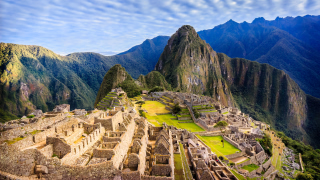
We resume our journey early in the morning, as it promises to be a busy day, along the famous Pan-American Highway, still heading south. We first pass near the church of Balbanera, the first church built by the Spanish colonizers in Ecuador. It was rebuilt in the 19th century because after the great earthquake of 1797, only a few original stones survived. Along the way, we also see the Colta Lagoon, overlooked by the impressive Chimborazo volcano. Then we cross the village of Alausi. The Andean train departs from this village (reopening in September 2025 after several years of closure). During this journey, we cross the famous "Naris del Diablo" (Devil's Nose), a sheer cliff 765 meters high. Formerly called the Ferrocaril Transandino and built at the beginning of the 20th century, the railway connected Quito to Guayaquil. Once vital for transporting goods between the Andes and the Pacific coast, its usefulness is now greatly diminished. In the afternoon, we visit Ingapirca, the largest Inca site in Ecuador, built during the Inca domination of the Cañari people in the 15th century. At the end of the day, we are driven to Cuenca where we spend the night in a charming hotel in the city center (2560 m). Dinner at the hotel. Note: After several years of closure (post-pandemic), the "Nariz del Diablo" Andean train is operational again from summer 2025. For departures from September 2025 onwards, we have added this activity to the program, subject to the continuation of this operation in a sustainable manner (we unfortunately cannot guarantee at this time that there will be no future closures). We have not included this activity in the trip price because, at this time, it is impossible to guarantee its availability on the day of travel. If the activity is possible, we will offer it to you free of charge, but if it is not, no compensation will be provided. The train journey takes 2 hours and 30 minutes (in addition to the 5 hours and 30 minutes by minibus).Day 12 -
Colonial city of Cuenca: visit, museum and “Panamas” factory
- Transportation Minibus - 00h30 - 50km
- Accommodation 2-star hotel
- Breakfast included
- Lunch included
- Dinner not included
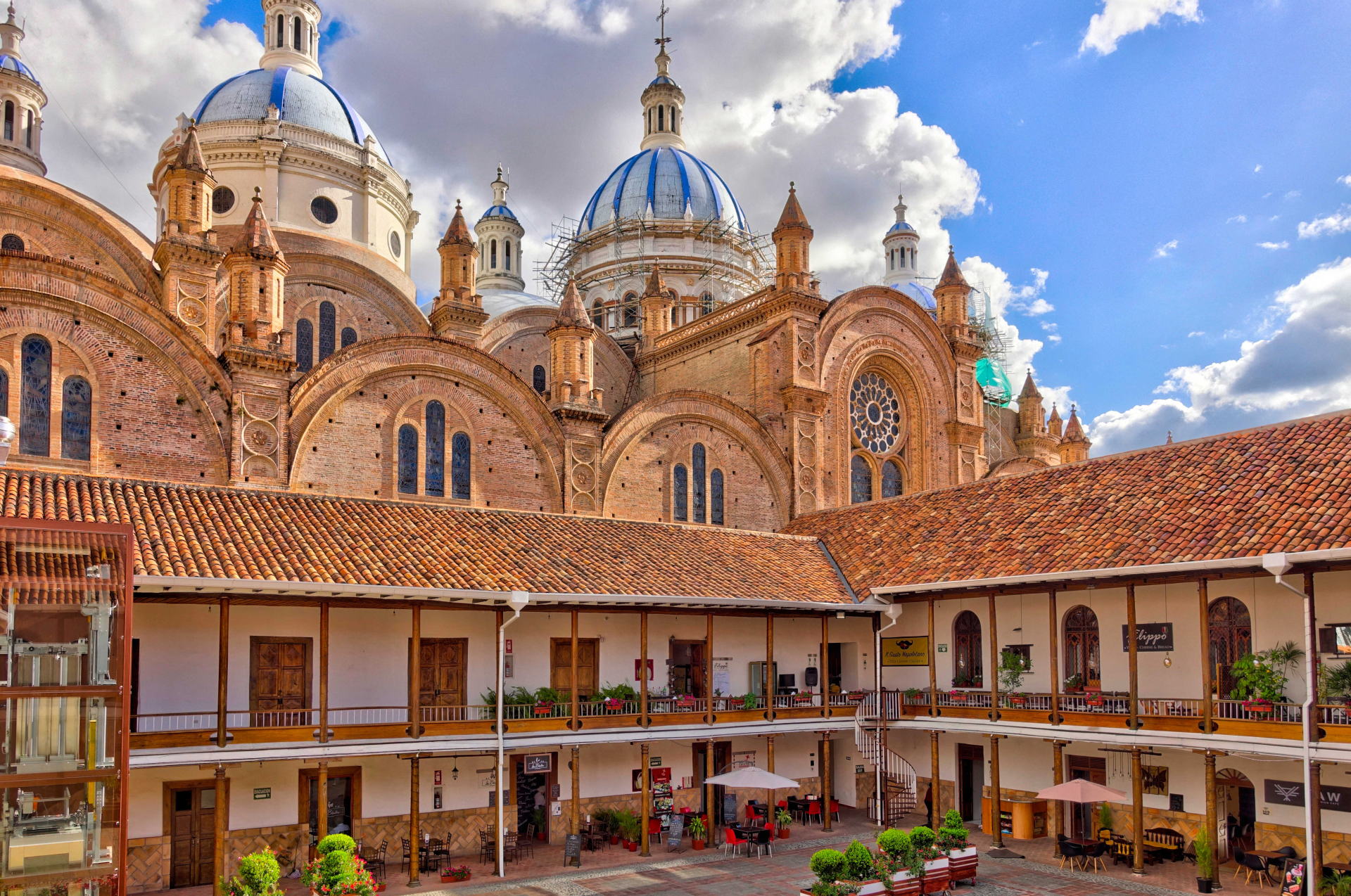
A visit to the colonial city of Cuenca, a UNESCO World Heritage Site, is a highlight of our trip. Considered the most beautiful city in Ecuador, Cuenca welcomes us to discover its many colonial buildings that abound in the city center. The city was built in the 16th century by the Spanish on the ruins of the magnificent Inca city of Tomebamba. These ruins can still be seen in some colonial buildings, for which these remains form the foundations. We admire the houses perched over the Tomebamba River and the richly decorated churches. We visit the Museum of Aboriginal Cultures and a factory producing the famous Montecristo hats, more commonly known by the misleading name of Panama hats, and discover why. Lunch in the city and overnight stay in Cuenca. Dinner at your leisure in the city center.Day 13 -
Cuenca - Guayaquil
- Transportation Minibus - 04h - 200km
- Accommodation 2-star hotel
- Breakfast included
- Lunch included
- Dinner not included
We set off towards the city of Guayaquil. Along the way, we encounter a diverse landscape and pass through the famous Las Cajas National Park. Descending towards the coast, we admire the mangroves and farmland that once formed one of the richest regions of the Spanish Empire. We travel through the cultivated fields of the El Oro province: banana and cacao plantations. We pass near the coastal town of Machala, known as the banana capital of the world. We also see some teak plantations, a very expensive wood widely used for furniture making. We cross the region of the great Guayas Rivers and vast coastal plains, a haven for fishing birds, where countless rice paddies dot the landscape. We arrive in Guayaquil, Ecuador's largest port and the economic center of western Ecuador. Guayaquil is also the country's most populous city. In stark contrast to Quito, Guayaquil is more festive and colorful but less culturally rich. We can stroll along the Malecón (seaside promenade) and admire its famous clock, as well as the Municipal Palace and the impressive Rotonda statue. In the vibrant, hilltop neighborhood of Las Peñas, it's a pleasant place to enjoy a drink. Dinner at your leisure and overnight at the hotel.Day 14 -
Guayaquil - Galapagos: Santa Cruz Island
- Transportation Minibus - 03h - 100km
- Accommodation 2-star hotel
- Breakfast included
- Lunch included
- Dinner not included
In the morning, transfer to the airport for your flight to the Galapagos Islands (INGALA migration card included in the price of your stay). The rest of the trip will be organized semi-independently with English-speaking local guides for excursions. Upon arrival in Baltra, you will need to pay the Galapagos National Park entrance fee ($200/person). You will be met by your guide in the departure hall. After a 15-minute transfer by shared bus (the only vehicle permitted in this part of the archipelago), you will cross the Itabaca Channel by shared boat (5 minutes). Then, a private transfer will take you to the highlands of Santa Cruz Island (approximately 40 minutes). En route, with our Spanish-speaking driver, you will visit a reserve of giant tortoises, where you will observe them in their natural habitat. You may also spot some mountain birds, such as egrets, mockingbirds, finches, or flycatchers. Please note, the driver will not be with us for the tour. He will wait for us to then take us to Puerto Ayora. Check-in at the hotel. The afternoon is free to explore the surrounding area at our own pace. We can visit the white sand beach of Tortuga Bay or discover the volcanic formations of the Grietas Islands for a swim in the crystal-clear waters ($10/person). The Charles Darwin Research Station also offers the opportunity to observe the archipelago's endemic species (allow approximately 1.5 hours for the visit). Lunch is included at the port, and dinner is on your own.Day 15 -
Galapagos: Santa Cruz Island (Tortuga Bay) - Isabela Island (Tintoreras)
- Transportation Boat - 02h45 - 49km
- Activity Hiking
- Duration of the activity 1h
- Accommodation 3-star hotel
- Breakfast included
- Lunch included
- Dinner not included
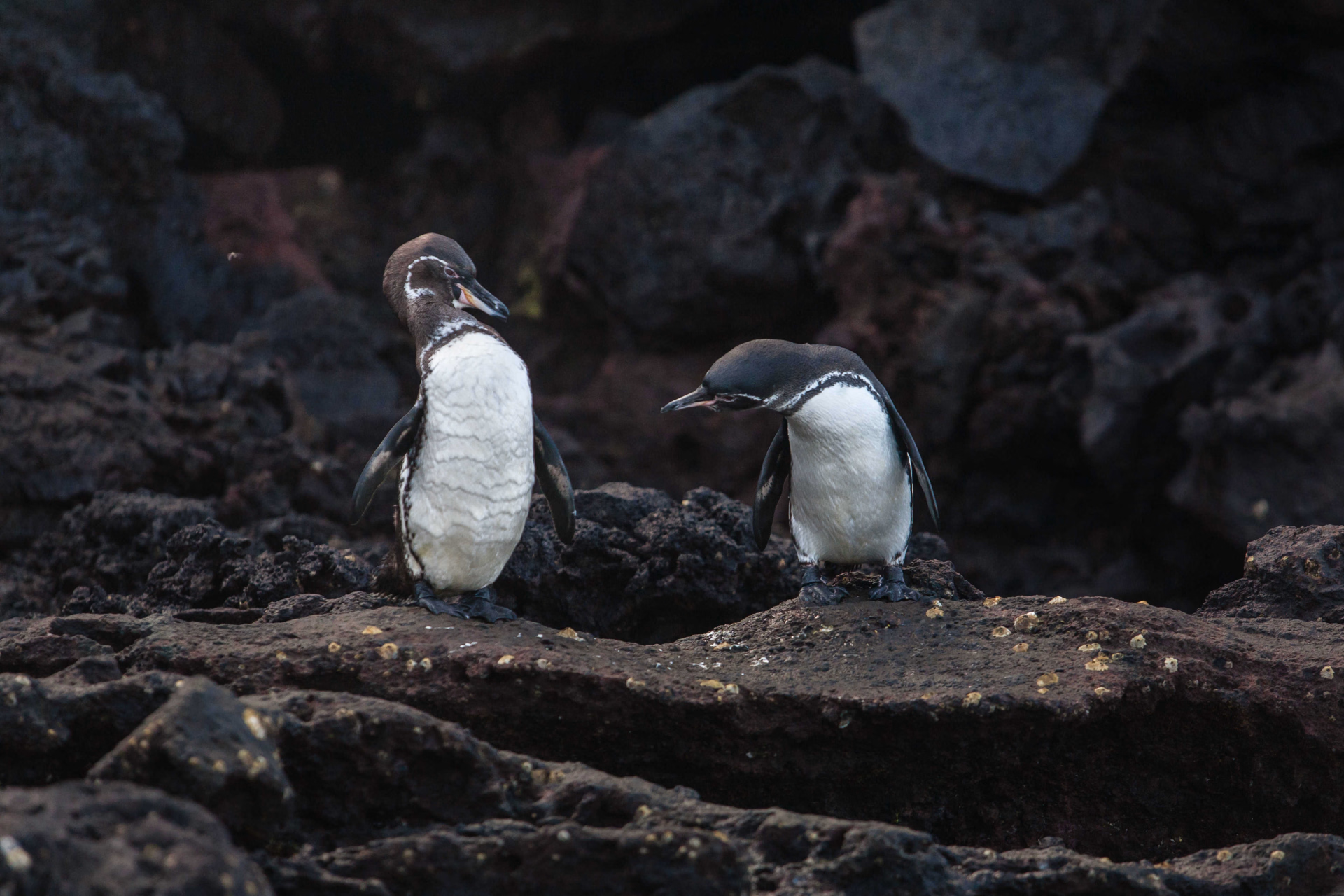
Early in the morning, after a short transfer to the pier, we board a speedboat (shared transport) to reach Isabela Island. The boat transfer takes approximately 2.5 hours. A water taxi fare must be paid locally upon departure and arrival (1 USD/trip/person). Upon arrival in Isabela, and after paying the entrance fee (10 USD/person), the driver will be waiting for you at the dock. Transfer to the hotel to drop off your luggage. After settling in, we depart for Tintoreras Island. This volcanic site is home to an impressive colony of marine iguanas, Galapagos penguins, and sea lions. We enjoy a snorkeling session to observe the seabed where whitetip reef sharks often swim. Return to the port for lunch. The afternoon is free to explore the island: we can walk to the Concha de Perla lagoon to swim with tropical fish (15-minute walk) or to the Crianza de Tortugas (10 USD/person), a breeding and rehabilitation center for giant tortoises (45-minute visit and 4-hour hike). Other trails lead to the Wall of Tears, a historical site on the island, or to the Humedales mangrove forest. Dinner is on your own.Day 16 -
Galapagos: Isabela Island (Cabo Rosa Tunnels)
- Transportation Boat - 02h - 100km
- Activity Hiking
- Duration of the activity 1h
- Accommodation 3-star hotel
- Breakfast included
- Lunch included
- Dinner not included
This morning, after breakfast, your driver will pick you up at the hotel to try on the snorkeling equipment. Transfer to the port where you will meet your guide. Board a small fishing boat to reach the southernmost point of Isabela Island: the Cabo Rosa tunnels. These are the only boats authorized to reach this specific location. Cabo Rosa is one of the most beautiful sites in the Galapagos archipelago accessible for a day trip! Here, we observe extraordinary landscapes sculpted by rock formations worthy of a Jules Verne novel. These lava tunnels are both submerged and above water; they undulate across the surface of the sea like a serpent. We may spot Galapagos penguins and blue-footed boobies. Return to the boat for a simple picnic lunch. Afterward, enjoy some time snorkeling to explore the extraordinary underwater world. Swim among sea turtles and get close to white-tip reef sharks and, perhaps, seahorses. Return to the port and free time to enjoy the hotel and this beautiful, still unspoiled island. Dinner at your leisure in Puerto Villamil and your last night on the island. Note: Even though the water is warm (depending on the time of year), we recommend wearing a wetsuit (or rash guard) as the water is sometimes shallow and you will be swimming among rocks.Day 17 -
Galapagos: Isabela Island (Sierra Negra & Chico Volcano) - Santa Cruz Island
- Transportation Boat - 01h30 - 100km
- Activity Hiking
- Duration of the activity 6h
- Accommodation 3-star hotel
- Breakfast included
- Lunch included
- Dinner not included
Early departure. Your driver will pick you up at the hotel to take you to the highlands of Isabela Island to begin the 16 km hike. We'll hike for approximately 5-6 hours on the slopes of the Sierra Negra and Chico volcanoes, the last of which erupted in 2018. Isabela Island is the largest island in the Galápagos archipelago. It's also one of the islands with the most volcanic eruptions in recent years. The landscapes are often lunar! The scenery is magnificent. We'll hike across a seemingly endless lava desert where only a few cacti manage to grow. Picnic lunch along the way. Return to the port around 2:00 PM. In the afternoon, at 3:00 PM, after a short transfer (5 minutes), we'll cross the Channel on a speedboat (shared transport) to Santa Cruz Island. Upon arrival at the port of Puerto Ayora, a representative from the hotel will greet you. Transfer to your hotel and dinner at your leisureDay 18 -
Galapagos: Santa Cruz Island (North Seymour Island)
- Transportation Boat - 04h20 - 200km
- Activity Hiking
- Duration of the activity 2h
- Accommodation 3-star hotel
- Breakfast included
- Lunch included
- Dinner not included
After breakfast, a 40-minute bus transfer with the other passengers (maximum 20 people) will take you to the Itabaca Channel, where you'll board the boat with the group. This day will be dedicated to visiting Seymour Island. A renowned nesting site, Seymour boasts a 1.2 km trail that offers close-up views of blue-footed boobies and magnificent frigatebirds. Depending on the season, you might witness the famous male frigatebirds puffing out their red throat pouches, while the blue-footed boobies flap their wings and emit a high-pitched call during their courtship display. This courtship display is incredibly beautiful and impressive! We may also see land iguanas, found only on a few islands in the archipelago. Lunch will be served on board. After another stretch of sailing, we'll reach the beautiful Bachas Beach for a swim. We will almost certainly have the opportunity to see sea turtles, which sometimes lay their eggs, as well as flamingos basking in the calm waters of the lagoon. Return to the port in the afternoon. Overnight stay at the hotel in the port and dinner at your leisure. Note: This day may be replaced by a visit to Bartolome Island, Santa Fe Island, Plazas Island, or Floreana Island, depending on the Galapagos National Park's authorizations. The change may be made at the last minute.Day 19 -
Galapagos, Santa Cruz Island - Baltra and return flight via Quito or Guayaquil
- Transportation Plane - 14h - 9343km
- Breakfast included
- Lunch not included
- Dinner not included
After breakfast, a private transfer is arranged to the Itabaca Channel (40 minutes). You will cross the channel by boat (5 minutes) before boarding the shared shuttle to Baltra Airport, located in the north of the island. From there, you will take a flight to Quito or Guayaquil. The flight time is approximately 3 hours and 30 minutes to Quito (with a layover in Guayaquil, adding 1 hour) and 1 hour and 50 minutes to Guayaquil. Lunch is at your leisure at the airport. Upon arrival in Quito or Guayaquil, you will await your return international flight. Note: From Guayaquil, it is possible to take our international flight on the evening of our return from the Galapagos without spending an additional night on the mainland. However, in Quito, the additional night upon our return from the Galapagos is mandatory.Day 20 -
Arrival in France
- Breakfast included
- Lunch included
- Dinner included
Arrival in FranceDay 21
Note
Accommodation
Access
Go to the starting point
Price details
The price includes
- International flights and domestic flights.
- Air taxes.
- Accommodation.
- Transfers.
- The French-speaking guide and private driver on the mainland.
- Semi-freedom guided tour in the Galapagos: Bilingual Spanish/English naturalist guide for each excursion.
- Group or private transfers depending on the Galapagos excursions (see day by day).
- Meals as indicated in the program.
- The visits indicated in the program.
- Entrance fees to sites, parks and museums (except in the Galapagos Islands).
- Boot rental in the Amazon (up to size 44) and snorkeling equipment rental (fins, mask, snorkel) in the Galapagos (Cabo Rosa and North Seymour)
- The INGALA migration card: USD 30/person
The price does not include
- Tips (see section "tips").
- Personal expenses.
- Drinks (see section "drinks").
- Meals marked as "free" in the program.
- In the Galapagos Islands: all dinners, entrance to the National Park: 200 USD/person, entrance fee of 10 USD for Isabela Island.
Options
- Single room except in a private home : CHF411.66 / person
- Flex fare and insurance
Practical information
Specific formalities
Specifics
Before your departure, check with the embassy or consulate regarding the entry and stay requirements for your destination country. You can also find this information on the France Diplomatie website ( https://www.diplomatie.gouv.fr/fr/dossiers-pays/ ).
In the case of flights with stopovers operated by different airlines, also check the entry requirements of the countries you are transiting through.
It is your responsibility to ensure you are in compliance, particularly regarding the validity of your identity documents (for example, some countries require your passport to be valid for at least six months after your return) , visa requirements, necessary vaccinations, and health recommendations. And don't forget to consider any customs restrictions and other potential requirements of your destination or transit country.
ℹ️ Information may change up to the departure date, remember to regularly check official websites.
Equipment
Equipment to bring
- Sleeping bag liner.
- Toiletries (wipes to replace water, etc.). Whenever possible, choose biodegradable products (Marseille soap and shampoo, especially important for overnight stays with locals).
- Swimsuit.
- Quick-drying towel.
- Change of clothes for the evening.
- 1 1.5 litre water bottle or 2 equivalent (camel bag or rigid water bottles).
- A pair of sunglasses with a high protection rating.
- Headlamp, spare batteries and bulbs.
- A Swiss Army knife or equivalent (in the hold!!).
- A pair of telescopic hiking poles (optional).
Clothing to bring
Clothing, from head to toe:
- Hiking boots.
- Light shoes (tennis shoes) or sandals to put on during stops in towns, villages or in the evening at the campsite.
- Wool socks.
- Hiking pants.
- Underwear.
- Warm shirt.
- Warm sweater or fleece.
- Mountain jacket: the most effective jackets against wind and rain are made of Gore-tex, or Micropore, a "breathable" material that allows for the rapid evacuation of perspiration.
- Rain cape.
- Woolen gloves and hat.
- Hat.
- Sunglasses.
- Lightweight clothing.