
Immersion in the Moroccan Atlas Mountains
In summary
-
Sports
-
Duration7 days
-
LevelAdvance
-
DestinationMorocco / Atlas Mountains
-
AgeFrom 18 - 70 years
-
CO₂-Emissions395.56 kg CO2
-
Type of stayIn a group
-
Languages
 English
In a few words
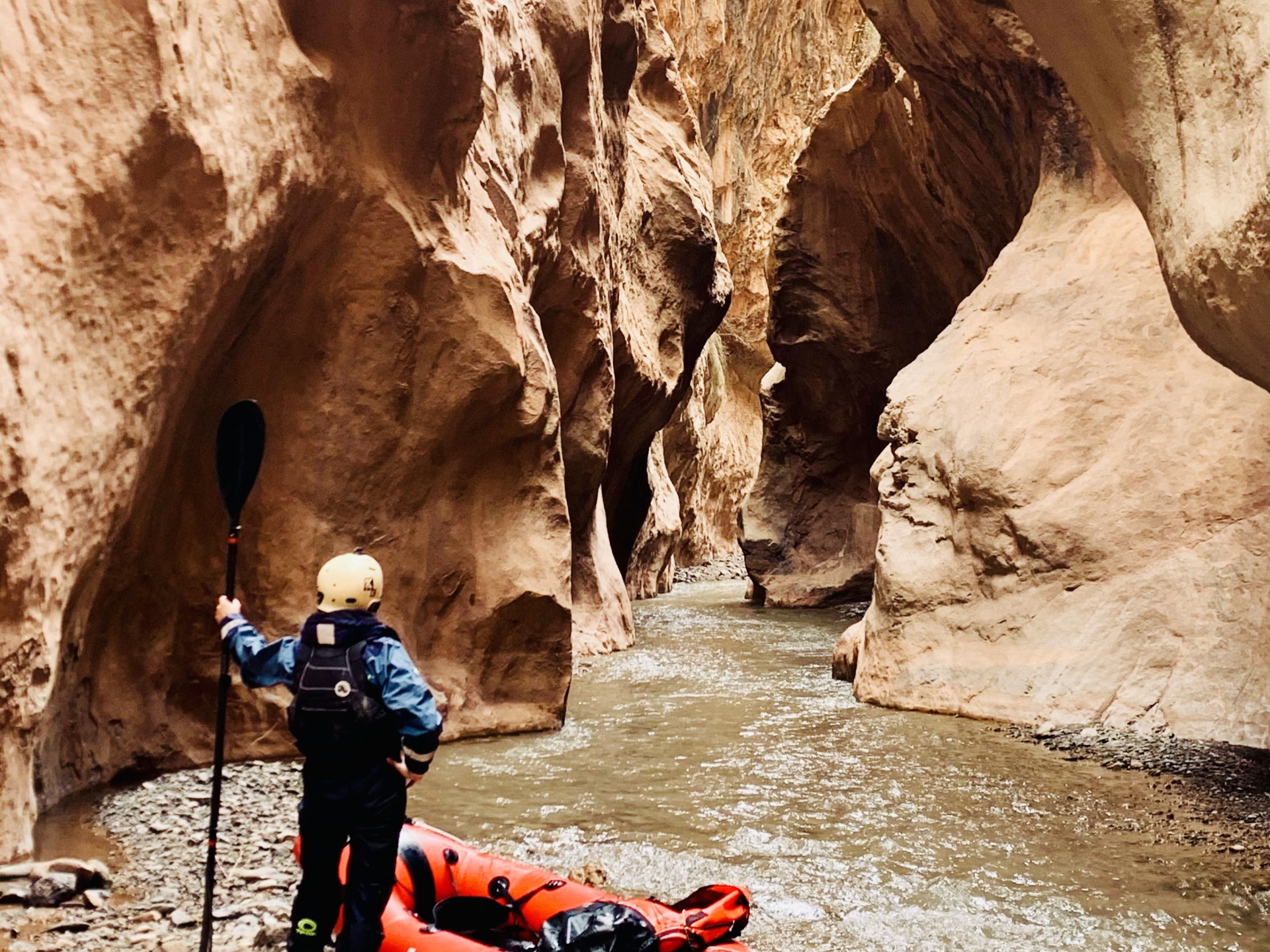
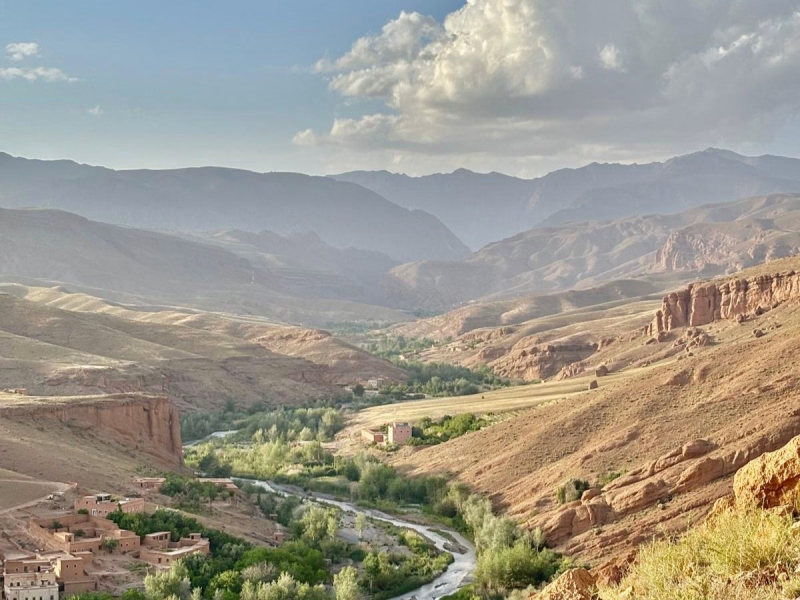
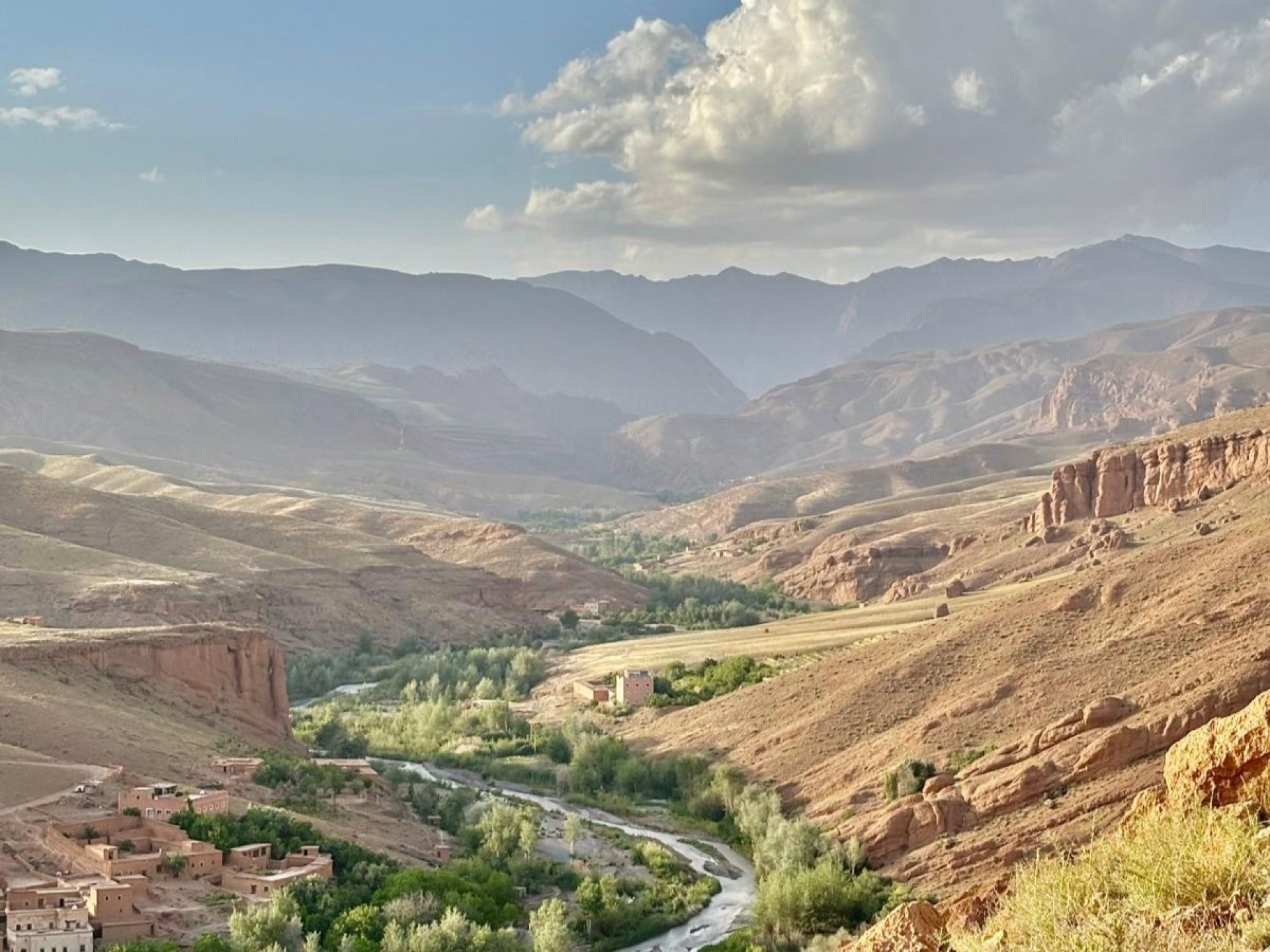
From north to south, an unprecedented crossing of the Moroccan Atlas Mountains : this is the guiding thread of this extraordinary journey. By packraft, we link the splendid Aït Bougmez Valley to the Valley of Roses , where the change of scenery is total .
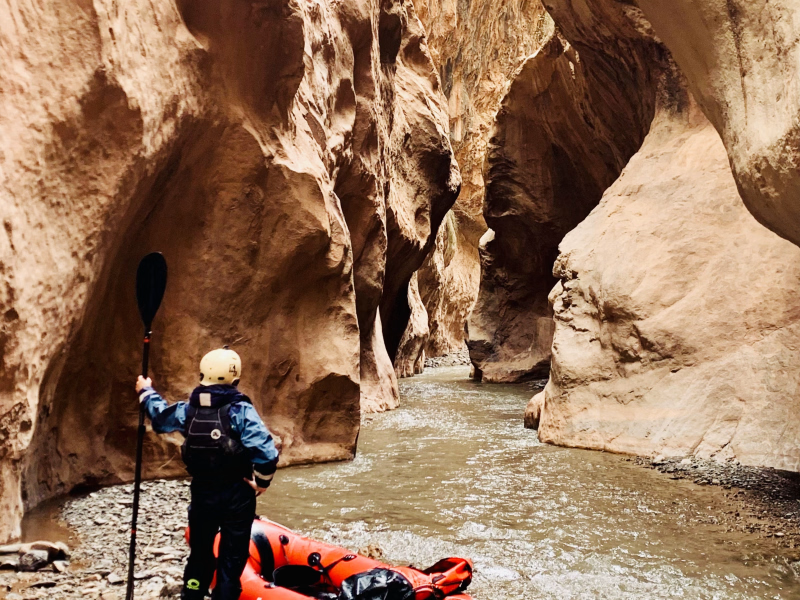
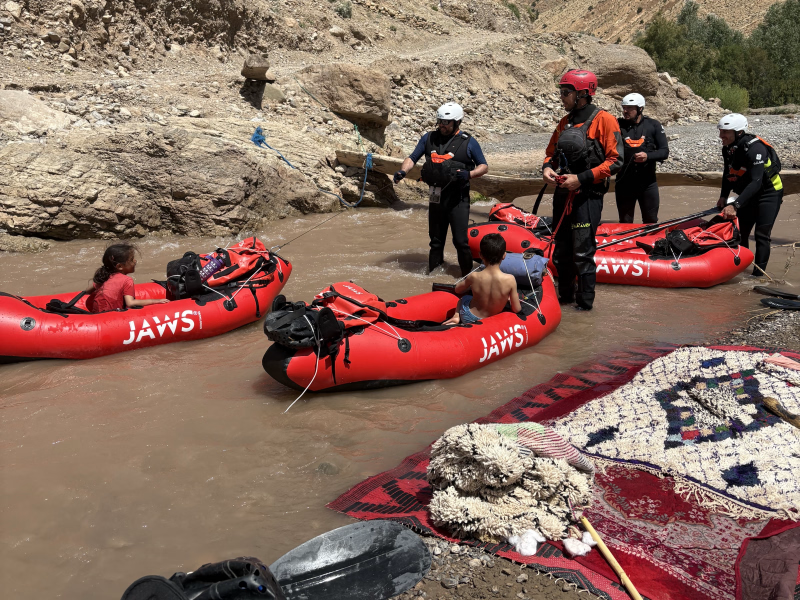
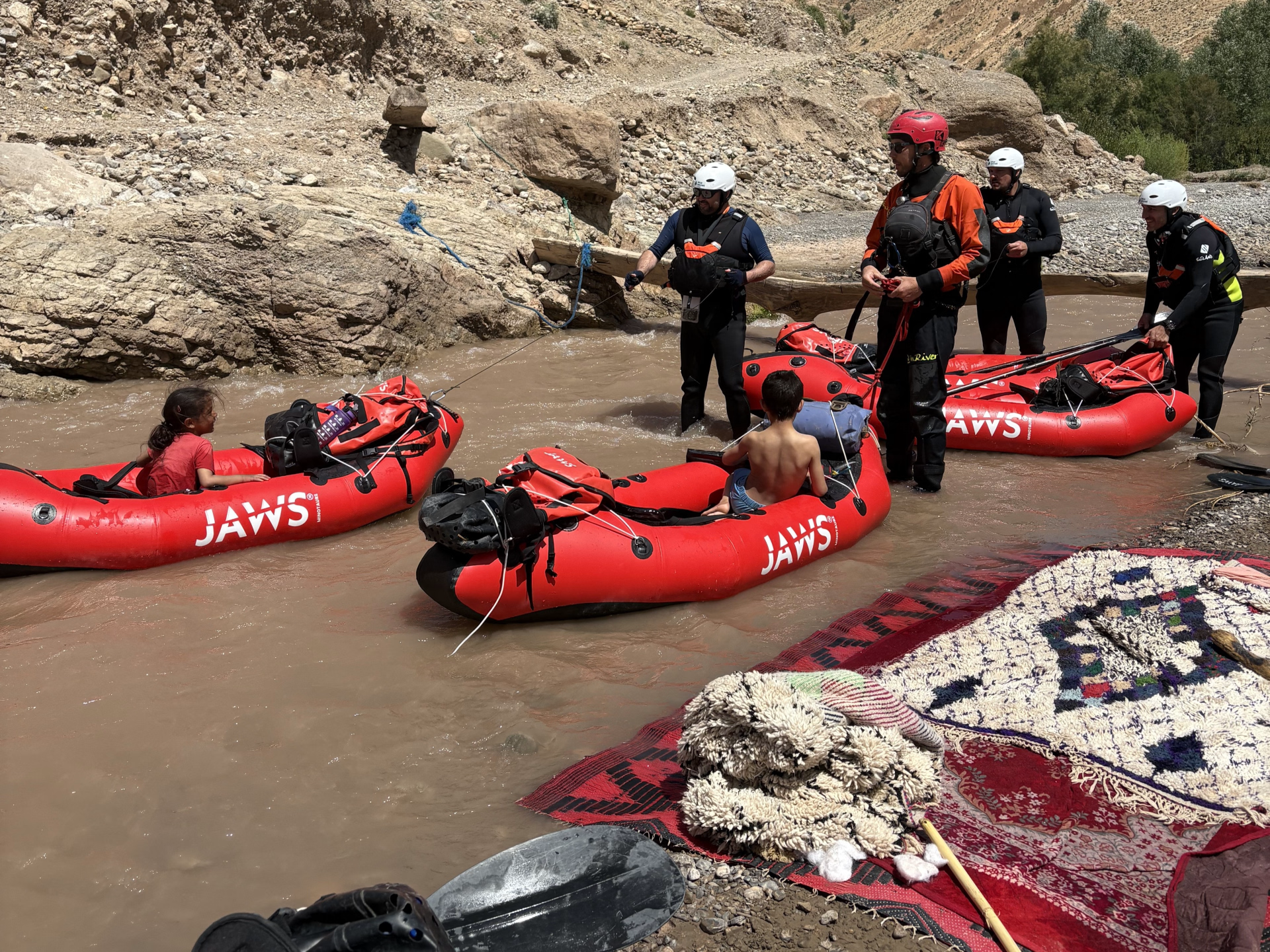
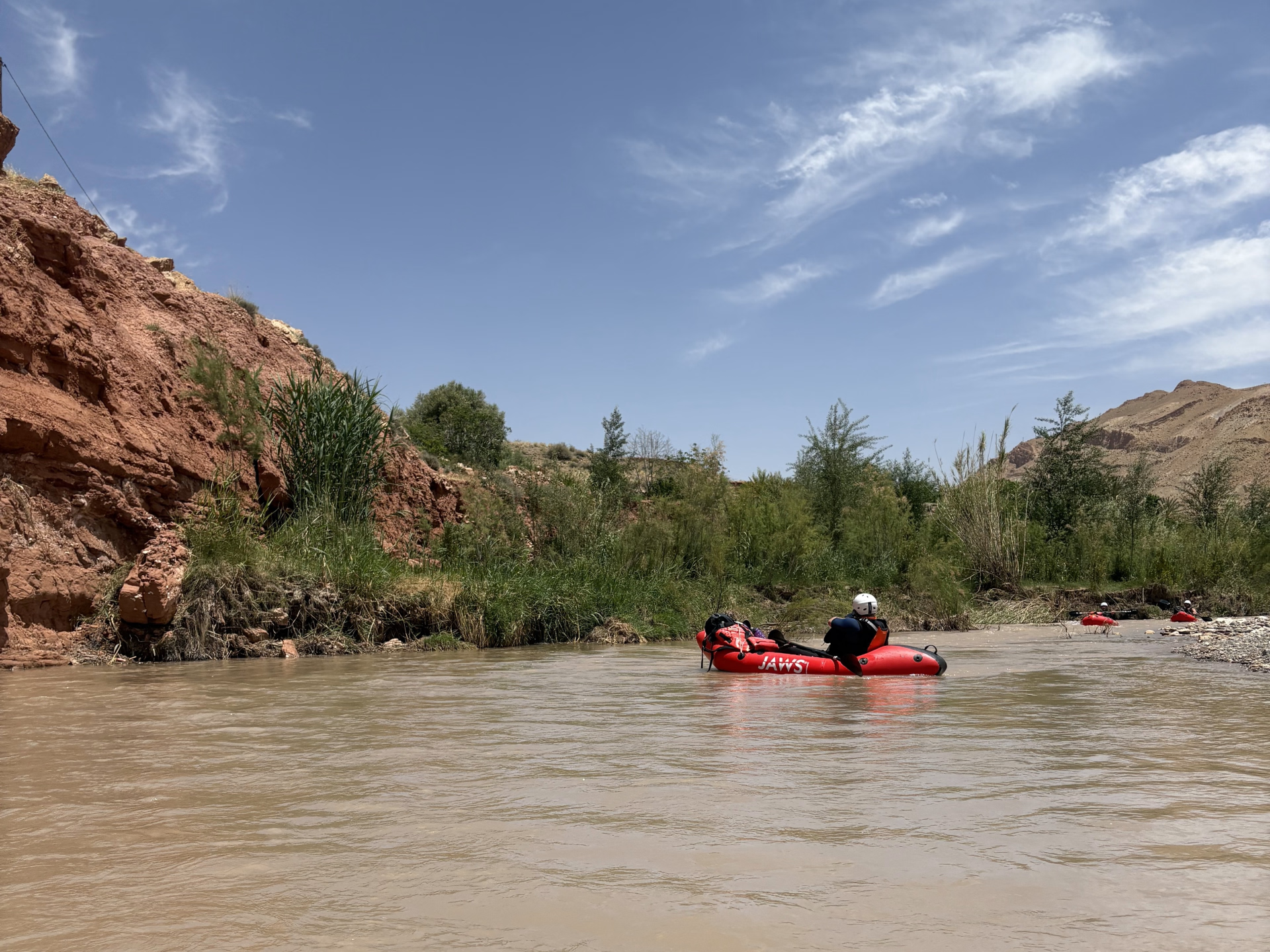
For seven days, we explored these valleys via their rivers. A wild canyon, inaccessible by vehicle , connects these two valleys. Paddling from village to village then became a unique way to immerse ourselves in an incredible landscape , where mountains and valleys follow one another.
Each day combines hiking , packrafting , and warm encounters with the locals. These interactions open the doors to local traditions and Berber culture, offering an in-depth exploration.
Between unspoiled nature and local heritage, this packraft adventure is much more than a simple trip: it's an authentic interlude, a return to the essentials, to be experienced intensely .
The highlights
-
Alternating between hiking, packrafting and cultural visits
-
Exploring the valleys of Aït Bougmez and Roses
-
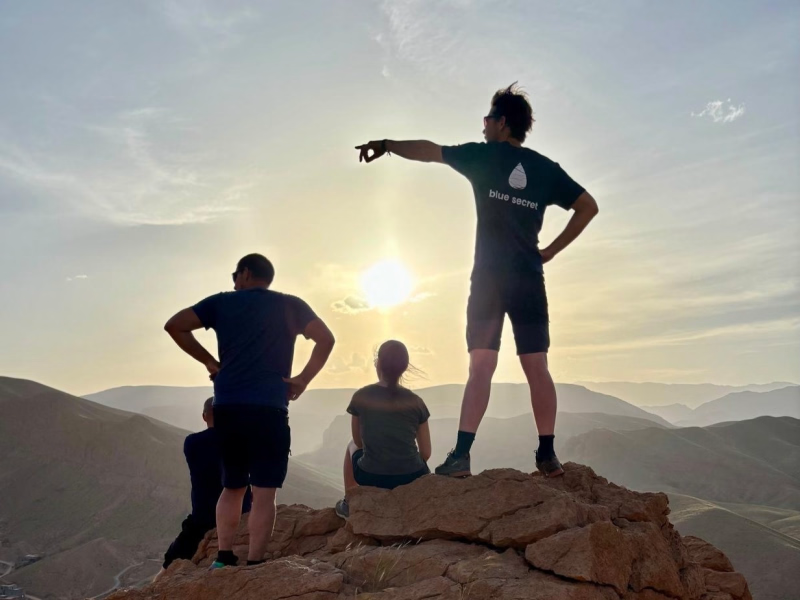
A small group for a reduced impact and greater proximity
Photos
Sport
Level
Kayaking and Canoeing
In figures
Hiking
- Average duration/day: 3h30
- Average distance/day: 13 km
Canoeing / Kayaking
- Average duration/day: 4h
- Majority river class : Class 2 - some simple rapids
Management
English
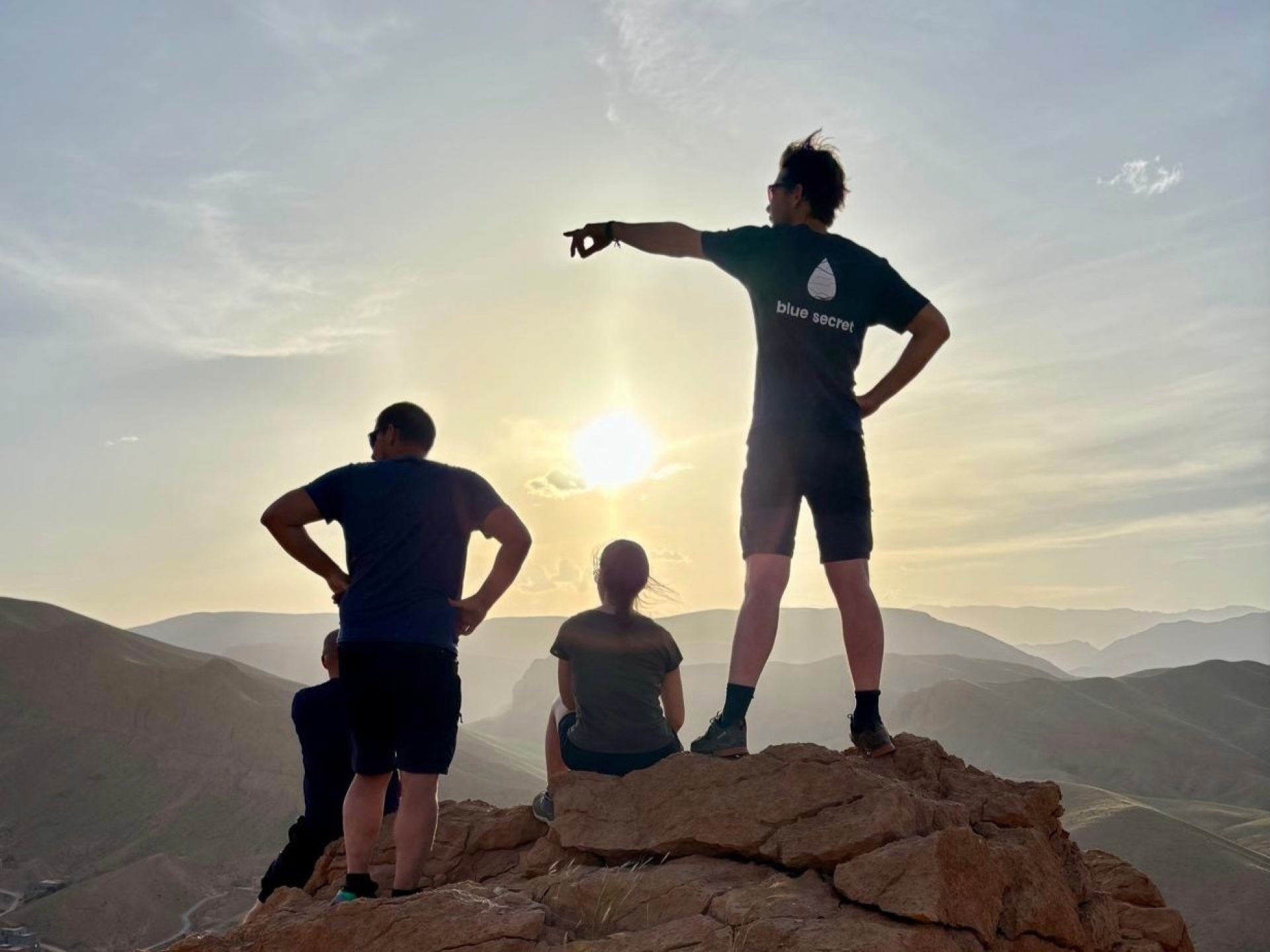
Antoine, co-founder of Blue Secret, has been a kayak guide for many years!
Passionate and experienced, he has navigated various rivers around the globe. Always in good spirits, he will accompany you throughout the adventure and help you discover the fascinating history of the region.
Program
-
Arrival in Marrakech
- Transportation Plane - 04h - 1000km
- Accommodation Cottage
- Breakfast not included
- Lunch included
- Dinner included
After our arrival in Marrakech, a private transfer takes us to our eco-lodge nestled in nature, in the heart of the Atlas Mountains. A peaceful first evening to relax and soak up the surroundings.
Day 1 -
On the road to adventure
- Transportation Minibus - 02h - 90km
- Activity Hiking
- Duration of the activity 4h
- Distance 15 km
- Accommodation Staying with a local resident
- Breakfast included
- Lunch included
- Dinner included
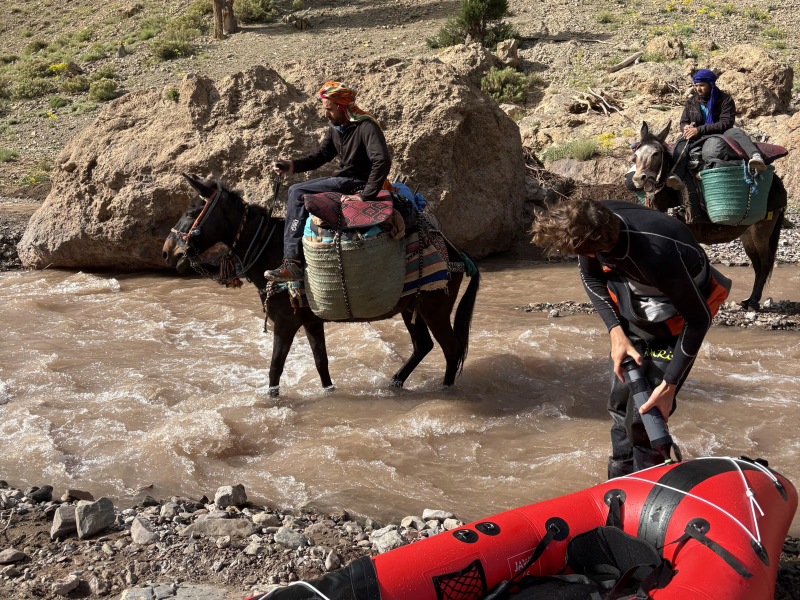
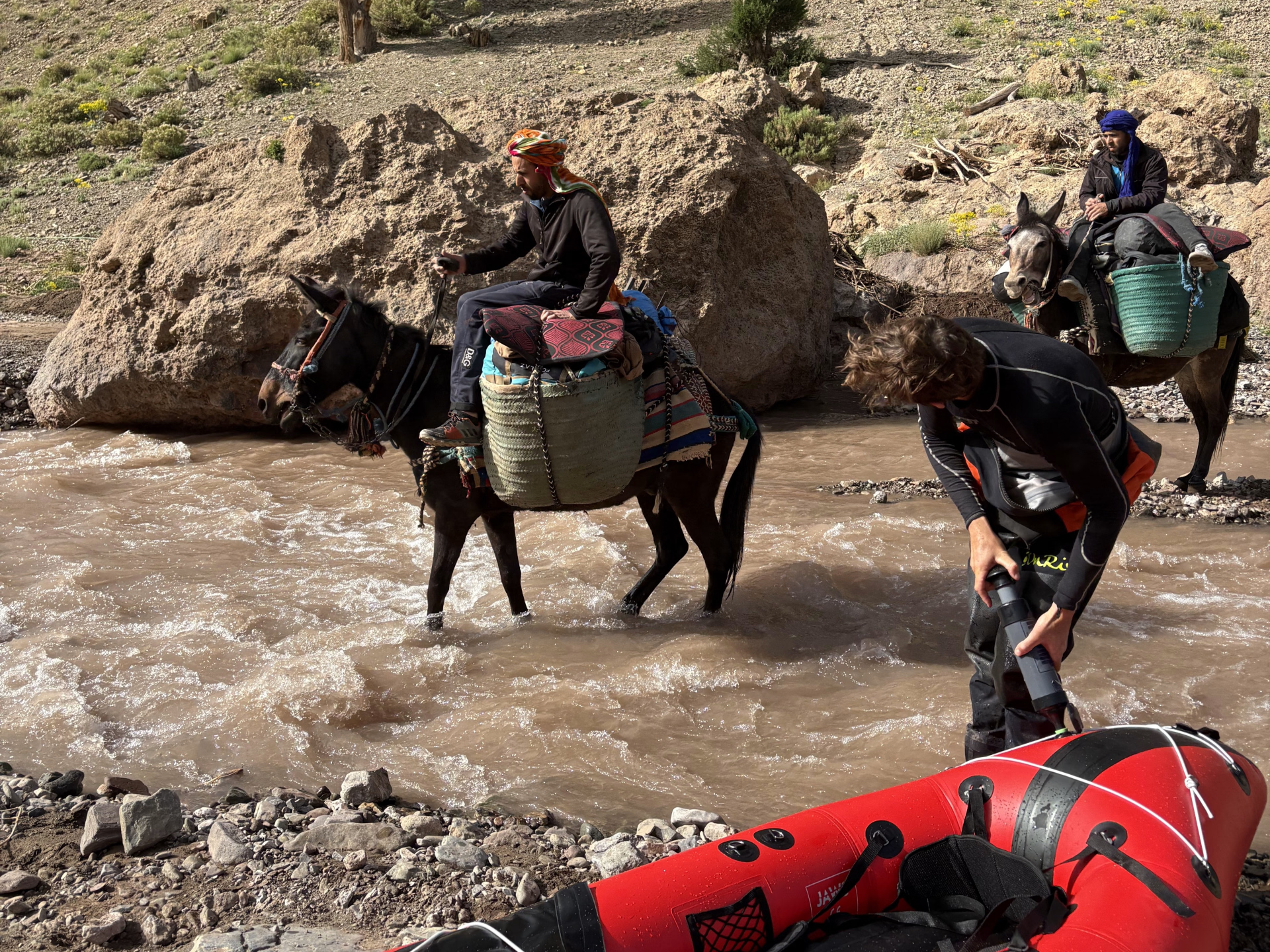
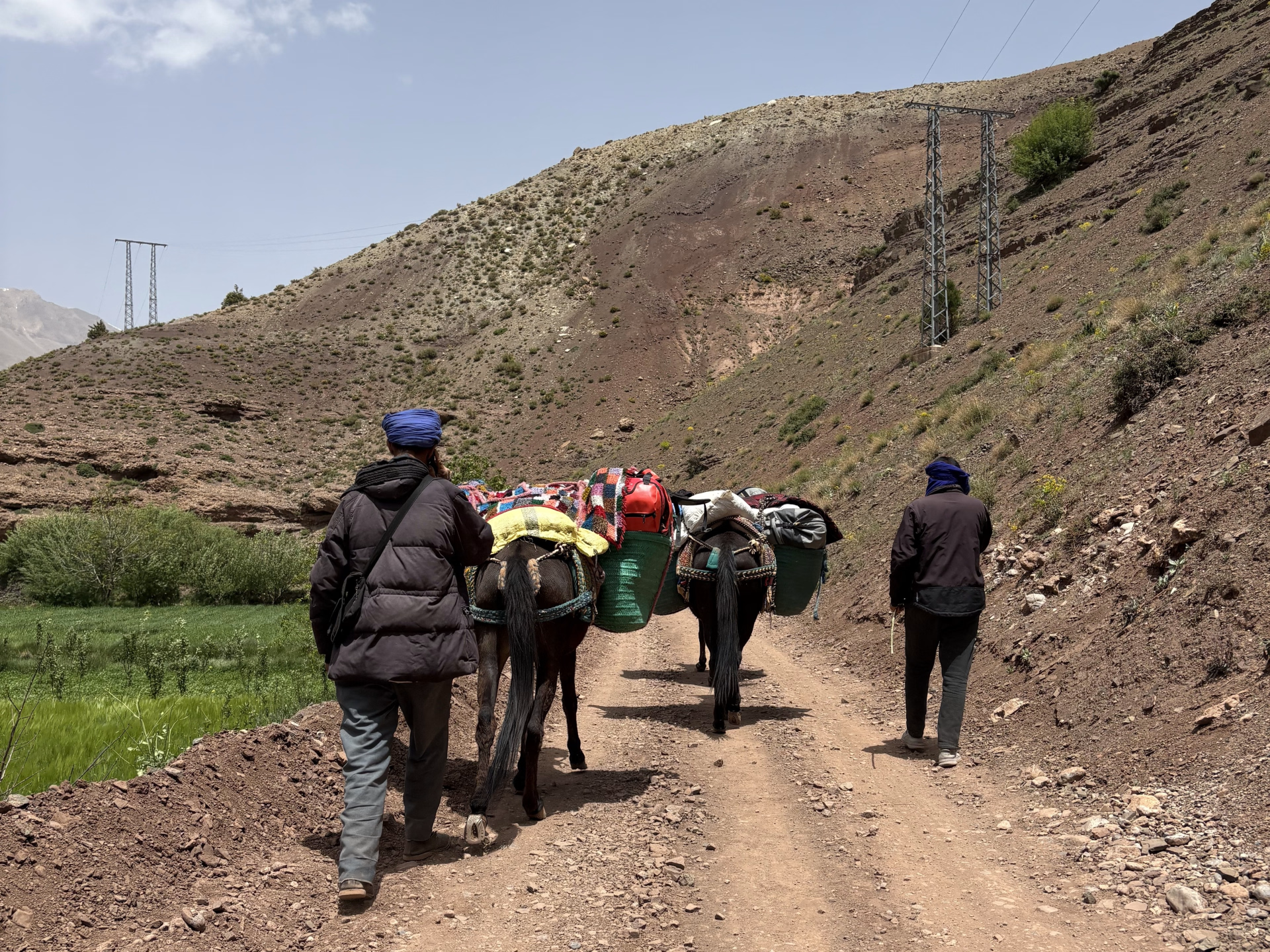
An early start to meet our team of muleteers, essential companions on this adventure. After loading the navigation equipment onto the mules, we begin a roughly 15 km trek through the isolated Aït Bougmez valley. The path winds between traditional villages, alongside a river still too shallow for navigation. At the end of the day, we reach a welcoming guesthouse, located a few kilometers from our future embarkation point.
Overnight stay with a local resident .
Day 2 -
Packrafting immersion in the Atlas Mountains
- Activity Canoeing / Kayaking
- Duration of the activity 4h per day
- Majority river class Class 2 - some simple rapids
- Activity Hiking
- Duration of the activity 3h per day
- Distance 10 km
- Accommodation Staying with a local resident
- Breakfast included
- Lunch included
- Dinner included
The third day begins with a short walk to the canyon entrance. Depending on the water level, we choose our launch point to begin our packrafting trip.
The adventure then unfolds along the river, punctuated by sections on foot when the river becomes too technical or shallow. Each day alternates between paddling, hiking, and breaks in Berber villages. Overnight stays with local families, facilitated by our French-speaking muleteers, offer opportunities for wonderful moments of sharing and discovering the richness of local traditions.
After four days of exploration between wild gorges, contrasting landscapes and hanging villages, we reach the Valley of Roses and the town of Kalaat M'Gouna, the end of our journey.
Days 3 to 6 -
Back to civilization
- Transportation Minibus - 03h - 100km
- Breakfast included
- Lunch included
- Dinner not included
We rejoin our vehicle and head to Ouarzazate, where we spend one last pleasant evening. The next day, we set off for Marrakech to conclude this timeless journey.
Day 7
Accommodation
Access
Documents required to enter the country
For nationals of European countries and Switzerland, you must have a current passport, valid for at least 6 months after your return.
When you go through immigration, be sure to specify that you are a tourist. They will give you the name of the hotel to enter.
If you have any questions about this, please contact us.
Visa
No visa is required for stays of less than 90 days for nationals of European countries and Switzerland (information as of November 2024).
For other nationalities, we are available to assist you with your procedures.
Insurance
Please note that, given the nature of our trips, which are often long-distance and sometimes involve significant isolation, we strongly recommend that all participants have health and repatriation insurance (for example, through their bank card or another personal insurance policy). Upon registration, we ask for your insurer's name, policy number, and assistance contact number so that we can respond quickly in case of an emergency.
If you have any doubts, please contact us.
Vaccines
Mandatory vaccinations: No vaccinations are mandatory, except for the yellow fever vaccine for travelers from countries in sub-Saharan Africa or Latin America where the disease is present.
Recommended vaccinations: It is advisable to be up-to-date on:
Diphtheria, tetanus, poliomyelitis (DTP);
Hepatitis A and B;
Whooping cough (particularly due to its reappearance in adults, even in France).
In addition, consider typhoid and rabies vaccinations depending on the conditions of your trip.
Malaria prevention: Although practically eradicated, malaria can still occur in very localized areas of Morocco in a mild form. No medication is necessary, but prioritize good protection against mosquito bites (repellents, long-sleeved clothing, insecticide-treated mosquito nets).
Hygiene and other health risks
Adhering to strict hygiene rules reduces the risks of parasites, infections, and foodborne illnesses:
Wash your hands frequently.
Consume only well-cooked food served hot.
Opt for bottled drinks.
Warning: foodborne illness can occur, including in hotels.
Medical infrastructure
Medical infrastructure is satisfactory in major cities such as Casablanca, Rabat, Marrakech, and Agadir.
In case of urgent care, consult your assistance company and the services of the French Embassy in Rabat (tel.: 00 212 537689700).
Go to the starting point
Price details
The price includes
- All transport and transfers from Marrakech
- All meals from the first lunch (Day 2) onwards
- Supervision by a state-certified French guide
- Accommodation (as indicated in the program)
- Meals (as indicated in the program), excluding drinks
- Technical equipment
The price does not include
- Anything not mentioned in "the price includes"
- The round-trip flight Europe – Marrakech
- Drinks other than water and mint tea
- Personal expenses
- Tips* for the on-site team (muleteers, cook - optional)
Tipping is a local tradition and a way of expressing gratitude for services rendered. At the end of your trip, it is customary to show your appreciation by tipping those who assisted you: drivers, muleteers, and cooks.
We recommend a total of approximately 400 dirhams per participant (around €40). This amount is indicative and can be adjusted according to your level of satisfaction. It is important to note that these tips are in no way mandatory : they are neither an obligation nor a salary, but a voluntary gesture of appreciation.
Options
- Flex fare and insurance
Practical information
Specific formalities
Specifics
Before your departure, check with the embassy or consulate regarding the entry and stay requirements for your destination country. You can also find this information on the France Diplomatie website ( https://www.diplomatie.gouv.fr/fr/dossiers-pays/ ).
In the case of flights with stopovers operated by different airlines, also check the entry requirements of the countries you are transiting through.
It is your responsibility to ensure you are in compliance, particularly regarding the validity of your identity documents (for example, some countries require your passport to be valid for at least six months after your return) , visa requirements, necessary vaccinations, and health recommendations. And don't forget to consider any customs restrictions and other potential requirements of your destination or transit country.
ℹ️ Information may change up to the departure date, remember to regularly check official websites.
Equipment
Equipment provided on site
For this trip, we provide all the necessary technical navigation equipment. Please let us know your height, weight, and shoe size before your trip so we can provide you with the most suitable equipment.
- Packraft Minotaur 4x
- 4-piece carbon paddle
- Jaws 55-liter baby carrier bag
- Safety helmet meeting European standards
- Life jacket meeting European standards
- Complete neoprene outfit (trousers, socks, jacket)
- Waterproof bags (2 per person). We will take 1 bag for the day. All cooking equipment
Equipment to bring
Outside of navigation:
Toiletries, Headlamp, Neck warmer, Hat, Cap, Gloves for the evenings (it can get cold), 0°C comfort sleeping bag, Water bottle, Your personal first-aid kit (including sunscreen), External charger (accommodations don't always have power outlets), Dietary supplements (optional), Book for the evenings, Sunglasses
For navigation
Waterproof pouch for your phone (optional), Sunscreen, Sunglasses with strap (optional), Neoprene gloves (optional), 1-liter water bottle (for navigation). We will refill it in the morning and at midday with the logistics team.
Clothing to bring
Outside of navigation :
Complete warm outfit for the evening (trousers, long-sleeved top, dry socks)
Hiking boots (different from sneakers that will go in the water), down jacket, and Gore-Tex type jacket
Crocs or flip-flops for the evening
For navigation
Sports shoes with good soles. Don't bring diving booties as you'll be walking in the water a lot . Your shoes will get wet, so bring another pair for the evening. Don't wear shoes that are too tight, as you'll also be wearing neoprene socks (3mm), a fleece rash guard (to wear under the wetsuit - optional), and a swimsuit to wear under the wetsuit (avoid swim shorts).