Swiss
/ Alps
The Tour des Combins at your own pace
Réf : WLRKKE
In summary
-
Sports
-
Duration6 days
-
LevelExpert
-
DestinationSwiss / Alps
-
AgeFrom 15 - 90 years
-
CO₂-Emissions35.51 kg CO2
-
Type of stayIndependent traveler
In a few words
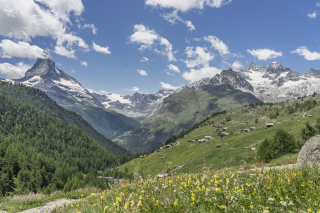
In the heart of the Alps, discover the Tour des Combins , a legendary and exceptional trek linking Switzerland and Italy . This unmissable alpine hiking route circles the majestic Combins massif , offering a true introduction to high mountaineering .
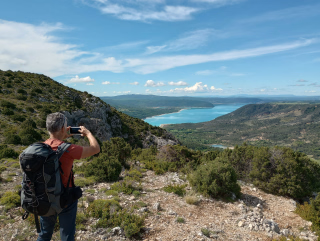
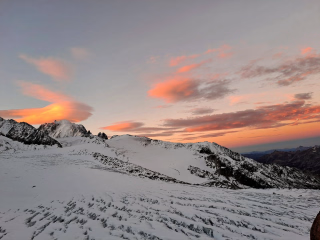
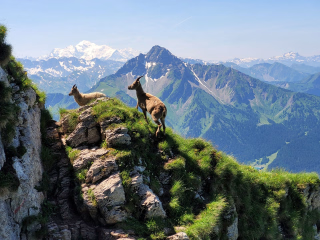
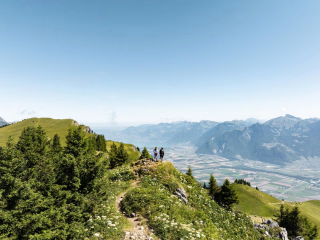
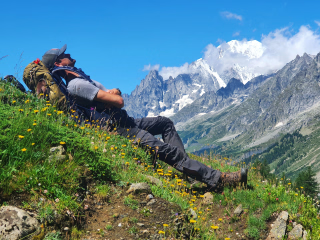
Throughout the journey, you'll traverse pristine nature , alternating between sparkling glaciers , verdant alpine pastures , and breathtaking panoramas of peaks over 4,000 meters high . The adventure unfolds step by step, traversing traditional mountain villages and high mountain passes, guaranteeing a complete change of scenery . Each evening, the warm welcome in local mountain huts extends the magic of the trip in an authentic atmosphere .
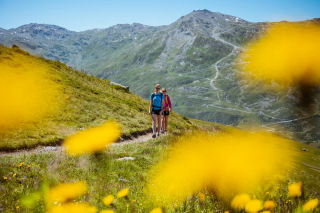
This challenging yet rewarding route is for mountain enthusiasts seeking adventure and wide-open spaces. Between spectacular panoramas and cross-border cultural immersion, experience a memorable sporting and human adventure in the face of icy giants.
The highlights
-
Hike between two countries: Switzerland and Italy
-
Completely self-sufficient with a route book and GPX tracks
-
Overnight stays in authentic mountain refuges
Subscriber benefit
save 5%
by joining
our community
Decathlon Travel Benefits
Best price guaranteed:
We offer twice the difference
Free cancellation more than 30 days in advance
Payment in 2 installments
Learn more
Photos
Sport
Level
Hiking / Trekking
For those who want a challenging hike of 7 to 8 hours per day with over 1200 meters of elevation gain off-trail or on rough terrain. High-altitude sections. You have been practicing high-intensity endurance sports several times a week for several years, and you are training for this event.
The expert's opinion
The route, distances and altitudes may vary slightly for many reasons beyond our control, including weather and terrain conditions.
In figures
Hiking
- Average duration/day: 7h
- Average distance/day: 17 km
- Average daily elevation gain: 987 m
- Average daily descent: 985 m
Management
The paper roadbook contains all the information directly in your bag.
Paper Roadbook
Paper Roadbook
We provide a printed roadbook, a PDF roadbook, and GPX tracks. We are also available via WhatsApp throughout your stay to assist you. A pre-trip briefing is also possible at our office in Les Houches.
Program
-
Bourg Saint Pierre – Cabane de Mille
- Activity Hiking
- Duration of the activity 6h
- Distance 12 km
- Positive elevation gain 1080 m
- Negative elevation 240 m
- Accommodation Refuge
- Breakfast not included
- Lunch not included
- Dinner included
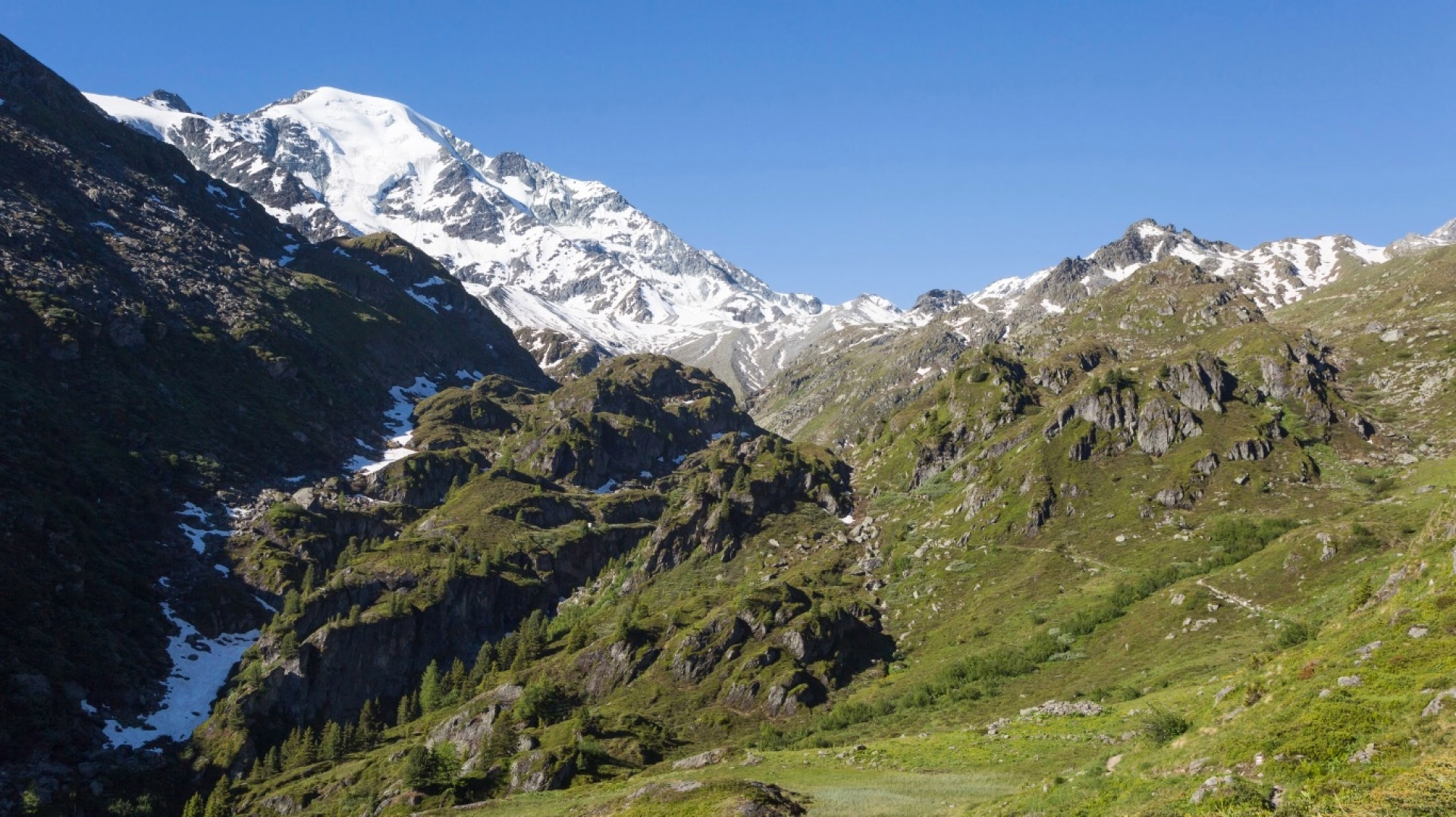
The stage between Bourg-Saint-Pierre and the Cabane de Mille marks a beautiful introduction to the alpine atmosphere of the Tour des Combins. From the village, the trail climbs gradually through forests and alpine pastures, offering superb views of the valley and surrounding peaks. The arrival at the Cabane de Mille (2473m), perched high above the valley, rewards the effort with a peaceful and panoramic setting, a true haven of tranquility, ideal for an evening in the heart of the mountains.
Day 1 -
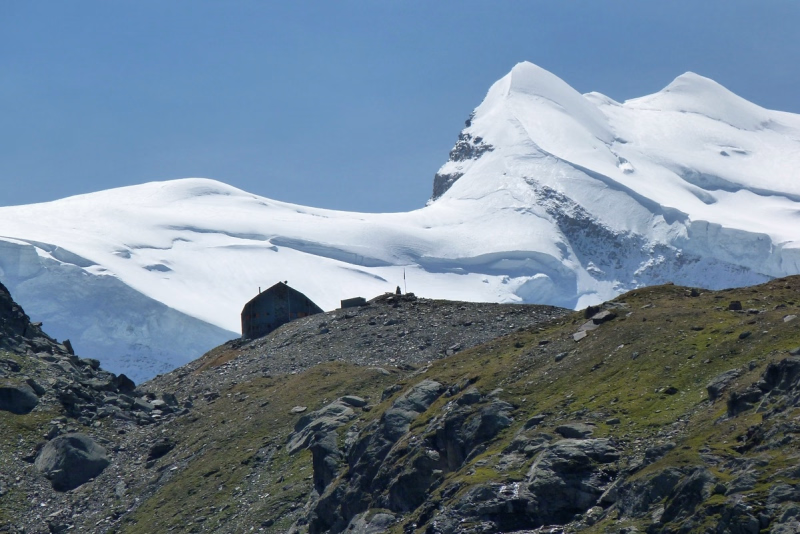
Mille Hut - Panossière Hut
- Activity Hiking
- Duration of the activity 7h
- Distance 15 km
- Positive elevation gain 920 m
- Negative elevation 760 m
- Accommodation Refuge
- Breakfast included
- Lunch not included
- Dinner included
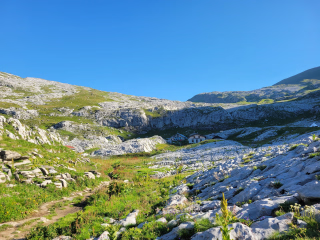
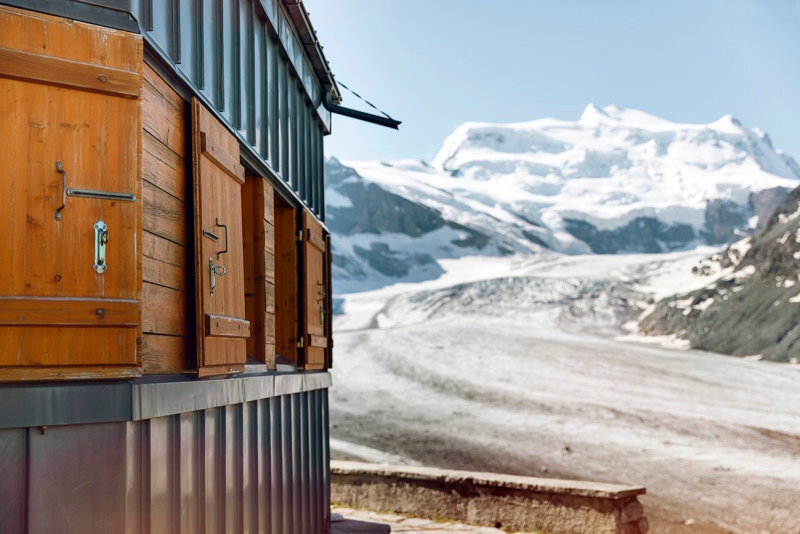
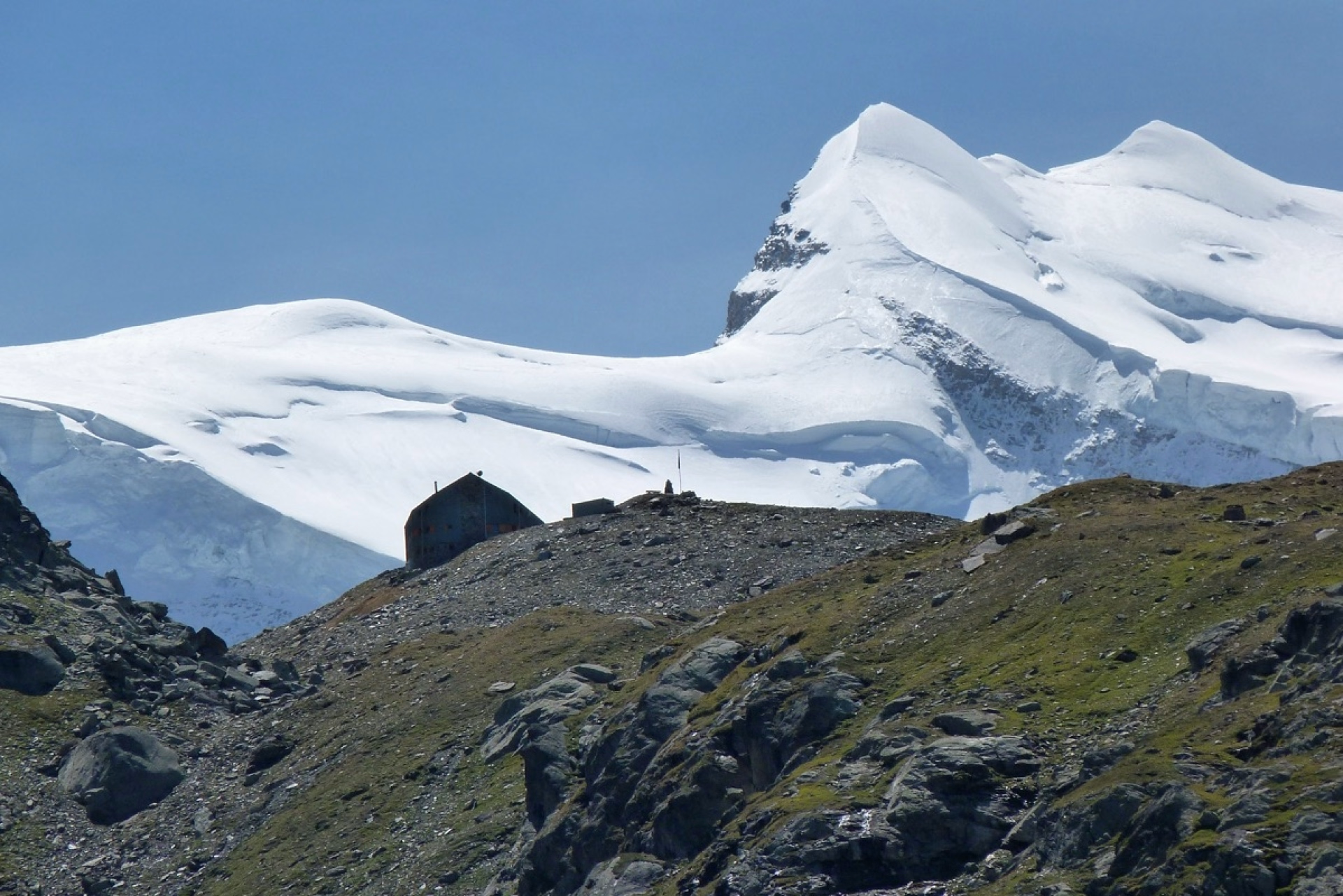
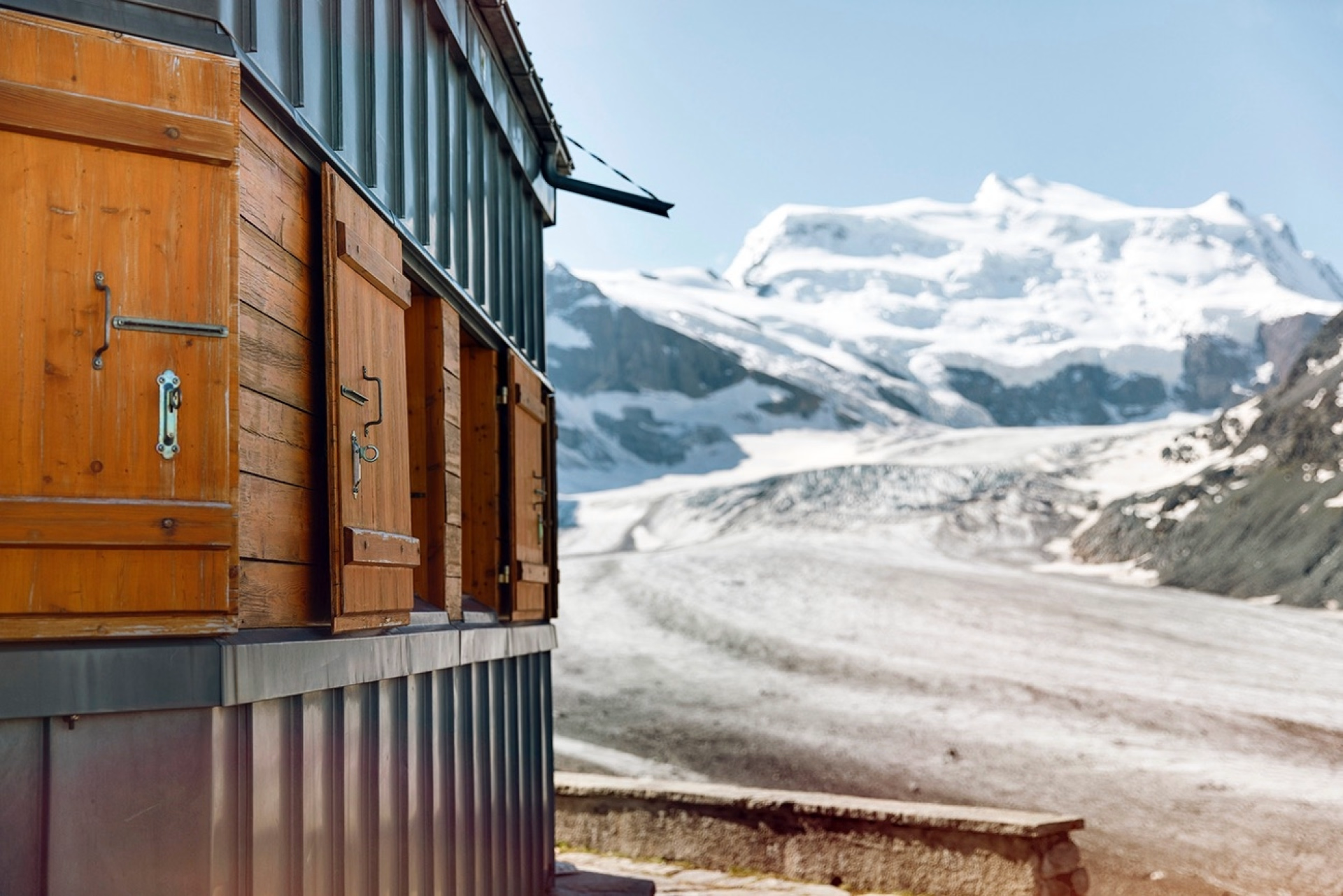
This stage is one of the most spectacular on the Tour des Combins. It will take you into a more rugged, rocky landscape. From the Cabane de Mille, you'll descend towards the Cabane de Brunet, passing first through alpine pastures before heading towards a more mineral landscape. From the Cabane de Panossière (2640m), you can admire the Corbassière Glacier and the Grand Combin towering above the valley.
Day 2 -
Cabane de Panossière – Cabane de Chanrion
- Activity Hiking
- Duration of the activity 8h
- Distance 17 km
- Positive elevation gain 1125 m
- Negative elevation 1290 m
- Accommodation Refuge
- Breakfast included
- Lunch not included
- Dinner included
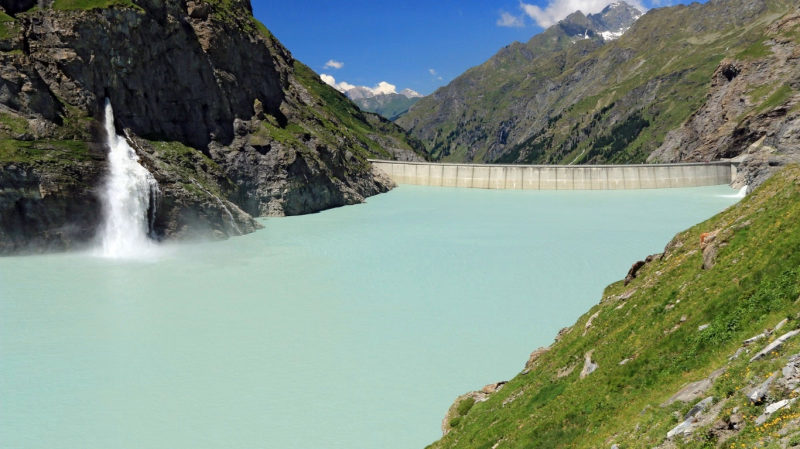
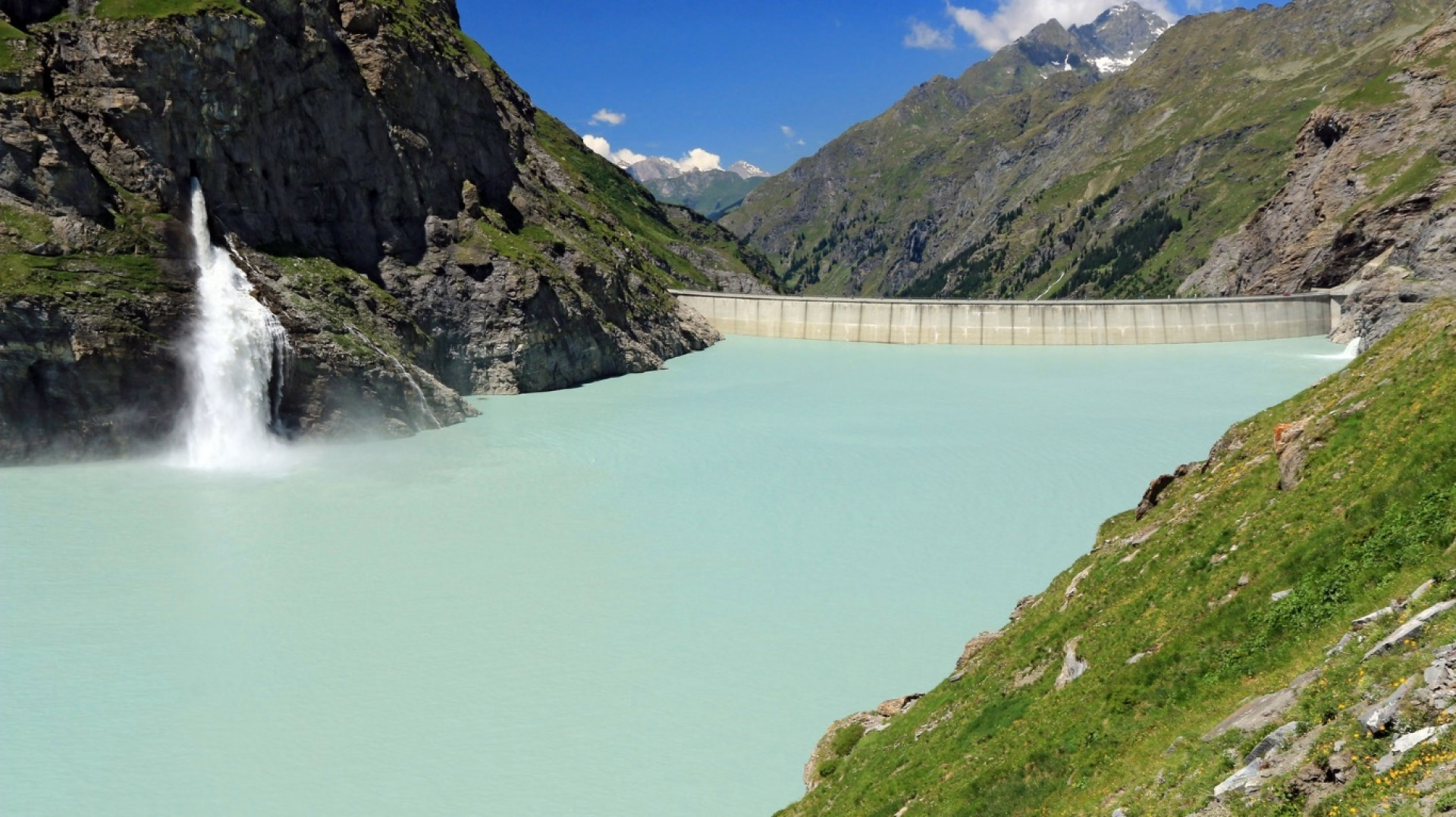
From Panossière, you'll head towards the Mauvoisin Dam. The itinerary includes a wild alpine traverse with views of the dam and its crystal-clear waters. The trail initially follows the Corbassière Glacier, then leads you through a stark, mineral landscape of moraines and high plateaus. This more challenging day offers exceptional panoramic views. Your day ends at the Chanrion Hut (2462m), where you'll spend the night. Nestled on the shores of Lake Mauvoisin, the atmosphere here is more authentically high-mountain than the previous mountain huts.
Day 3 -
Cabane de Chanrion – Cabane de Letey – Refuge Letey Champillon
- Activity Hiking
- Duration of the activity 8h30
- Distance 22 km
- Positive elevation gain 1085 m
- Negative elevation 1115 m
- Accommodation Refuge
- Breakfast included
- Lunch not included
- Dinner included
Today's itinerary includes a long stage that will take you across the Swiss-Italian border. Leaving the Chanrion hut, the trail traverses rocky landscapes before gradually descending to greener terrain. Views of Lake Mauvoisin and the surrounding peaks accompany the hike throughout the day. The arrival in Champillon (2465m) is marked by a peaceful, pastoral atmosphere, a welcome contrast to the magnificent panoramas of the previous stages, and offers a return to the warmth of a mountain village.
Day 4 -
Letey Champillon Refuge – St Rhémy en Bosse
- Activity Hiking
- Duration of the activity 6h
- Distance 15 km
- Positive elevation gain 645 m
- Negative elevation 1435 m
- Accommodation 3-star hotel
- Breakfast included
- Lunch not included
- Dinner included
Leaving Champillon, the trail winds through valleys bordered by flowery meadows and small streams. The walk, gentler after the peaks, opens up to sweeping panoramas where you can admire the glaciers. Saint-Rhémy finally appears, a charming village where old houses and quiet lanes offer an authentic respite.
Day 5 -
St-Rhémy-en-Bosse – Hospice of the Great St Bernard – Bourg St Pierre
- Activity Hiking
- Duration of the activity 7h
- Distance 20 km
- Positive elevation gain 1065 m
- Negative elevation 1065 m
- Breakfast included
- Lunch not included
- Dinner not included
A beautiful program for this last stage, where you will return to Switzerland by crossing the border through one of the most mythical passes in the Alps: the Great St. Bernard.
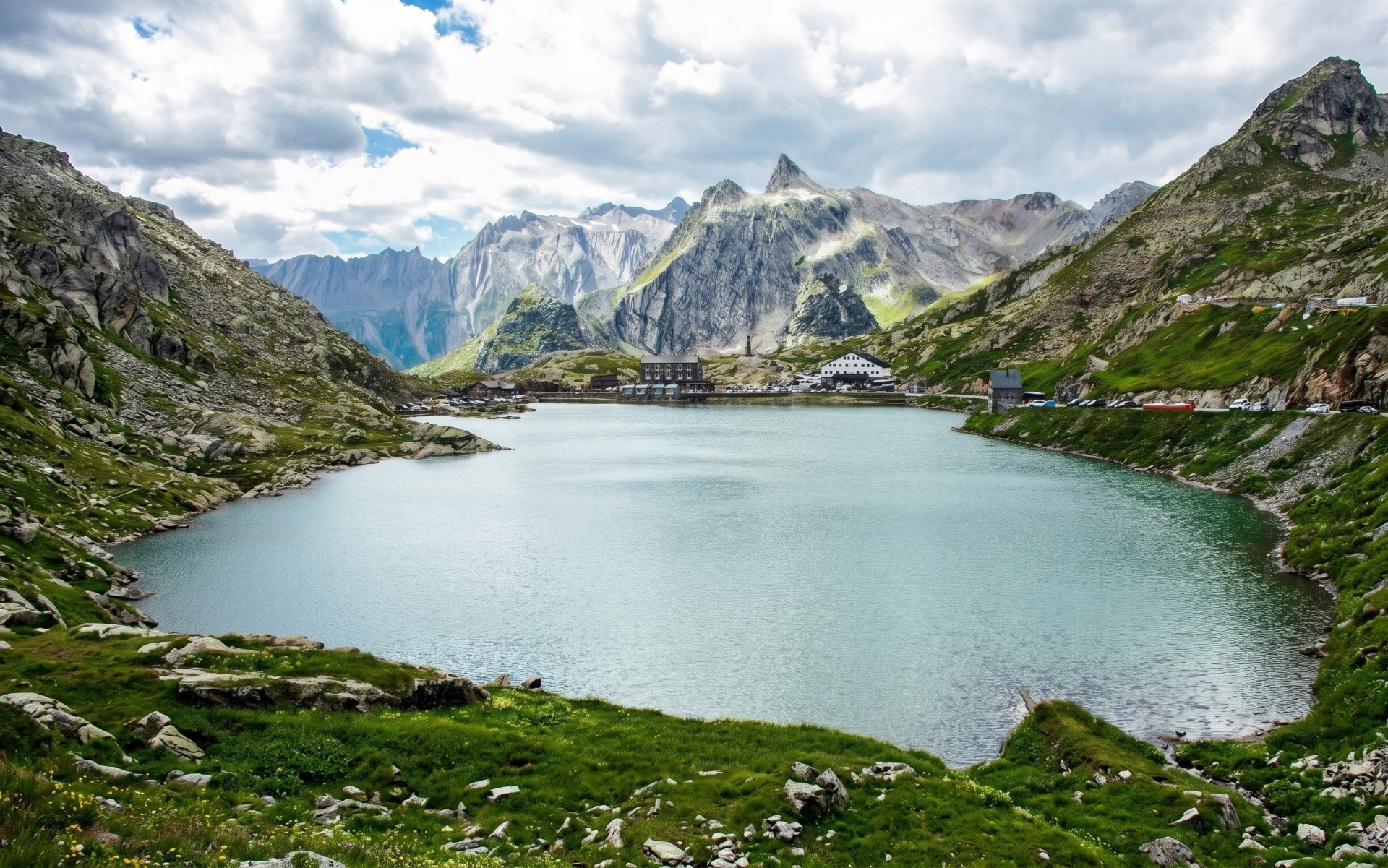
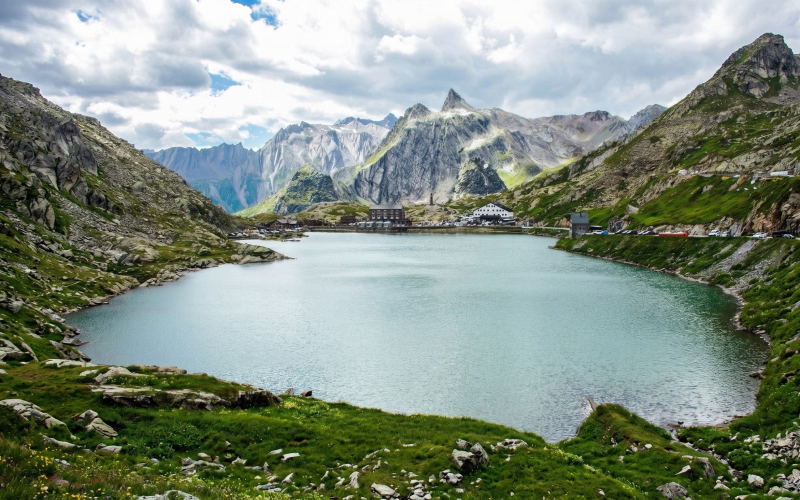
Starting from Saint-Rhémy-en-Bosse, the trail climbs gently through a pristine valley, dotted with alpine pastures and offering breathtaking panoramas. Gradually, the atmosphere becomes wilder until reaching the pass, steeped in history, where the lake and the iconic buildings of the hospice, one of the oldest mountain refuges, are nestled.
The crossing into Switzerland marks the beginning of a panoramic descent towards Bourg-Saint-Pierre, between high-altitude landscapes and vast Valaisan horizons.
Day 6
Note
The route, distances and altitudes may vary slightly for many reasons beyond our control, including weather and terrain conditions.
Accommodation
During this stay, you will sleep in several different accommodations.
Access
Departure
Bourg-Saint-Pierre, Suisse
Day 1
End of stay
Bourg-Saint-Pierre, Suisse
Day 6
As this is a self-guided trip, you manage your days at your own pace, without fixed departure or return times. However, we recommend starting your Day 1 hike fairly early in the morning to fully enjoy your first stage in complete peace of mind.
Go to the starting point
Take the train toOrsières
The Swiss public transport network serves the valley very well, combining the regional train (the "Saint-Bernard Express") and the PostBus.
- Travel from France (Paris, approximately 6 hours): Take a TGV Lyria to Lausanne , then an InterRegional train (SBB/CFF) towards Brig to Martigny station.
- From Martigny train station to Bourg-Saint-Pierre (approximately 1 hour 10 minutes):
- In Martigny, board the Saint-Bernard Express regional train towards Le Châble, and get off at the Sembrancher stop.
- Make an immediate connection with the train towards Orsières (end of the line).
- At Orsières station, take the PostBus (Line 211) towards Bourg-Saint-Pierre (or Col du Grand-Saint-Bernard in summer). Get off at the "Bourg-Saint-Pierre, commune" stop.
Travel to the place of stay
with parking
available
Price details
The price includes
- Accommodation in dormitories in mountain huts and 1 night in a private hotel room
- Half-board accommodation (dinner + breakfast)
- A travel log and GPS tracks
- Pre-tour assistance via email/phone
- Assistance from our on-site team
The price does not include
- Transportation to the place of stay
- Lunches, snacks, drinks and personal expenses
- Personal hiking equipment
- Anything not mentioned under "Price includes"
Options
- Flex fare and insurance
Practical information
Specific formalities
Equipment
Decathlon Travel Partner
The Julie team
• 13 stays
Our local partner, an agency founded in 2019 by a team of enthusiasts, is dedicated to sharing its love of the outdoors. Whether travelers are looking to recharge or push their physical limits, the agency offers activities tailored to each individual in the heart of its natural "playground." Built on strong values such as teamwork, respect, and humility, Nuyama prioritizes sharing and trust to create unforgettable moments in complete safety.
Are you satisfied with this page?
Subscriber benefit
save 5%
by joining
our community
Decathlon Travel Benefits
Best price guaranteed:
We offer twice the difference
Free cancellation more than 30 days in advance
Payment in 2 installments
Learn more