The must-sees of the Fiz tour in 3 days
In summary
-
Sports
-
Duration3 days
-
LevelConfirmed
-
DestinationHaute-Savoie / French Alps
-
AgeFrom 10 - 90 years
-
CO₂-Emissions10.74 kg CO2
-
Type of stayIndependent traveler
In a few words
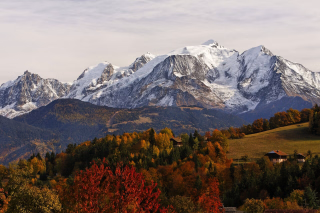
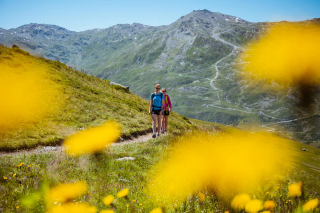
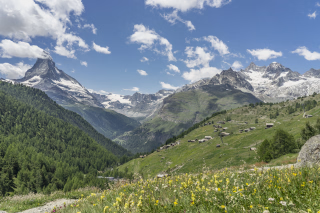
Embark on a three-day hiking adventure in the heart of the Fiz massif , a veritable natural balcony overlooking Mont Blanc . This iconic route takes you between impressive cliffs , high-altitude pastures and crystal-clear lakes , in an alpine setting of rare beauty.
This circuit, traversing the Passy and Sixt-Passy nature reserves , offers a complete immersion in unspoiled nature , where chamois, marmots, and mountain flora punctuate each stage of the journey. Every day reveals a new facet of the mountain range, from breathtaking panoramas and welcoming mountain huts to an authentic mountain atmosphere.
Accessible to regular walkers, this route is a concentration of emotions and large-scale discovery , perfect for recharging your batteries away from the hustle and bustle.
The highlights
-
Discover the must-see places on the Fiz tour
-
Completely self-sufficient with a route book and GPX tracks
-
Overnight stays in authentic mountain refuges
Photos


Sport
Level
Hiking / Trekking
The expert's opinion
Note: The route, distances, and altitudes may vary slightly for many reasons beyond our control, including weather and terrain conditions.
In figures
Hiking
- Average distance/day: 12 km
- Average daily elevation gain: 774 m
- Average daily descent: 774 m
Management
We provide a printed roadbook, a PDF roadbook, and GPX tracks. We are also available via WhatsApp throughout your stay to assist you. A pre-trip briefing is also possible at our office in Les Houches.
Program
-
Passy Plaine-Joux – Platé Desert – Sales Valley
- Activity Hiking
- Distance 11 km
- Positive elevation gain 1150 m
- Negative elevation 635 m
- Accommodation Refuge
- Breakfast not included
- Lunch not included
- Dinner included
Distance & elevation gain: Approximately 11.3 km / 1150 m elevation gain / 635 m elevation loss
This beautiful hike takes you to one of the largest limestone plateaus in the Alps: the Désert de Platé. From the Passy Plaine-Joux site, facing Mont Blanc, you set off on a wild route with spectacular scenery.
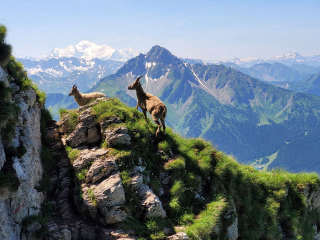
You cross a plateau with a lunar appearance and tranquil valleys where you can observe marmots and ibex.
You will then reach the magnificent Salles valley, surrounded by mountains and waterfalls.
You will spend the night in an authentic and friendly mountain refuge.
Day 1 -
Sales Valley - Lake Anterne - Anterne Pass
- Activity Hiking
- Distance 12 km
- Positive elevation gain 915 m
- Negative elevation 790 m
- Accommodation Refuge
- Breakfast included
- Lunch not included
- Dinner included
Distance & elevation gain: Approximately 12.3 km / 915 m elevation gain / 790 m elevation loss
This stage crosses some of the most beautiful landscapes of the Sixt-Passy nature reserve. From the Salles valley, the path climbs through alpine pastures towards the Alfred Wills Refuge, nestled in a peaceful and wild setting.
You then continue towards the magnificent Lake Anterne, a true high-altitude gem surrounded by peaks. The panorama of the Fiz mountains is spectacular.
The day ends in an authentic mountain refuge ideally located opposite Mont Blanc, to enjoy the peace and quiet of the mountains.
Day 2 -
Lake Pormenaz – Ayères Chalets – Passy Plaine Joux
- Activity Hiking
- Distance 12 km
- Positive elevation gain 255 m
- Negative elevation 895 m
- Breakfast included
- Lunch not included
- Dinner not included
Distance & elevation gain: Approximately 12.3 km / 255 m elevation gain / 895 m elevation loss
For this final day of hiking, the route takes you through typical alpine landscapes, rich in contrasts and spectacular viewpoints. From the refuge, you reach Lake Pormenaz, nestled in a wild and rocky setting, before descending towards the Chalets d'Ayères, facing the majestic Mont Blanc range.
The walk continues to the charming Lac Vert, known for the unique colour of its waters and its enchanting setting, before returning to the Passy Plaine-Joux site.
A stage full of gentleness and beauty, ideal for concluding your mountain adventure.
Day 3
Accommodation
Access
Go to the starting point
It is possible to travel by train to the Saint-Gervais-Les-Bains - Le Fayet station and then take the bus from the station to Plaine-Joux.
Price details
The price includes
- Accommodation: 2 nights in dormitories in mountain huts
- Meals: 2 breakfasts and 2 dinners
- Unlimited personalized support via email before your stay
- Travel information: travel diary, GPX tracks
- Assistance from our on-site team.
The price does not include
- Repatriation/search and rescue insurance (mandatory) and cancellation insurance (strongly recommended)
- Snacks, drinks and personal expenses
- Personal hiking equipment
- Anything not mentioned in the "included in the price" section
Options
- Flex fare and insurance
Practical information
Specific formalities
Specifics
Before you leave, check with the embassy or consulate regarding the entry and stay requirements for your destination country. You can also find this information on the France Diplomatie website (https://www.diplomatie.gouv.fr/fr/dossiers-pays/).
In the case of flights with stopovers operated by different airlines, also check the entry requirements of the countries you are transiting through.
It is your responsibility to ensure you are in compliance, particularly regarding the validity of your identity documents (for example, some countries require your passport to be valid for at least six months after your return) , visa requirements, necessary vaccinations, and health recommendations. And don't forget to consider any customs restrictions and other potential requirements of your destination or transit country.
ℹ️ Information may change up to the departure date, remember to regularly check official websites.
DON'T FORGET
Passport or identity card
Insurance covering search, rescue or repatriation costs (bring your insurance policy number and emergency phone number with you)
Equipment
Equipment to bring
- BACKPACK - Recommended size: 35 liters minimum
Keep in mind that 500g + 500g + ... quickly adds up to extra kilos. Only take what you need, as you'll have to carry everything you pack. Your bag shouldn't weigh more than 8 to 10kg. Opt for a backpack with a hip belt to help distribute the weight and relieve strain on your posture and back. A bag with a chest strap will be a real plus in terms of comfort and stability.
TIPS: Remember to distribute the weight evenly inside your pack and adjust it properly so that your hips bear the load rather than your shoulders. This tip may seem insignificant at first, but it proves essential on multi-day hikes.
- HIKING SHOES
A pair of high-top, waterproof hiking boots. This is the most important piece of equipment. Comfortable shoes can make all the difference, while unsuitable shoes can hinder your progress or even force you to give up. There are many different models of hiking boots available. Choose shoes that offer ankle support and adequate waterproofing. Nothing is more unpleasant than walking for hours in shoes soaked by rain or even morning dew.
TIP: Go trekking with shoes that you have already tried beforehand and are sure you won't get blisters in.
OTHERS :
- Telescopic walking poles (recommended option)
- Lip balm
- Ultra-light shower kit (toothbrush, toothpaste, shower gel/shampoo or soap: also useful for washing clothes)
- Synthetic bath towel
- Phone and charger
- International plug adapter
- Rechargeable power bank
- Handwashing liquid for washing clothes
- Silk sheet (mandatory in dormitory)
In the mountains, the weather can change quickly. The clear blue morning sky can rapidly become overcast, especially if aided by a high-altitude wind bringing masses of humid air. Warm temperatures can also saturate the atmosphere with humidity, creating conditions conducive to thunderstorms. Winter conditions, such as frost, are also possible.
Early morning conditions or the presence of snow above 1800m. Finally, one might also fear a rainy day and see our boldness rewarded with an unexpected burst of sunshine and a completely clear sky a few hours later...
Keep in mind:
When heading to the mountains, you must always consider the possibility of heat, rain, and cold. Your backpack should always contain the essentials to prepare for these three scenarios: this is the essential core kit.
Weight/efficiency dilemma:
Water bottles, picnic lunches, snacks, cameras, binoculars... these are all additional items to consider. A backpack fills up quickly, so it's essential to optimize the weight-to-performance ratio of the clothing and equipment you carry. For a multi-day hike with support and the transfer of drop packs, minimizing the weight of your daily pack is much easier. Without this support, packs are larger, so you'll need to consider hand-washing your clothes to reduce the number of items you need as much as possible.
Clothing to bring
CLOTHES :
- First layer with short sleeves (synthetic)
- First layer with long sleeves (synthetic)
- 2nd layer (e.g., fleece) or thin down jacket
- 3 pairs of hiking socks (synthetic or Merino wool)
- Shorts
- Hiking pants
- Long technical underwear
- Waterproof and breathable jacket
- Rain cape / poncho
BAG BUNK:
- A pair of lightweight gloves
- Cap or beanie
- Sunglasses
- Water bottle (1.5L)
- Small first aid kit (paracetamol, blister prevention/treatment, plasters, etc. Don't forget to bring your personal prescription if you have one).
- Cash (euros and Swiss francs: most shelters do not accept credit cards)
- Sunscreen
- Pocket fork and knife
- Headlamp
- Survival blanket
- Garbage bag for your waste