Grand Est
/ Colmar
Self-guided hiking among vineyards and medieval villages of Alsace
Réf : KBBVSP
In summary
-
Sports
-
Duration4 days
-
LevelIntermediate
-
DestinationGrand Est / Colmar
-
AgeFrom 12 - 85 years
-
CO₂-Emissions52.06 kg CO2
-
Type of stayIndependent traveler
In a few words
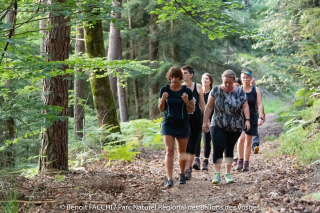
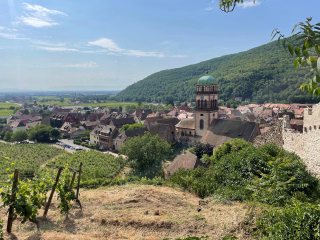
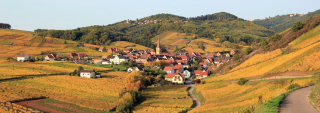
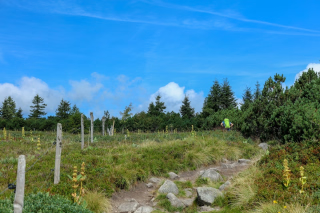
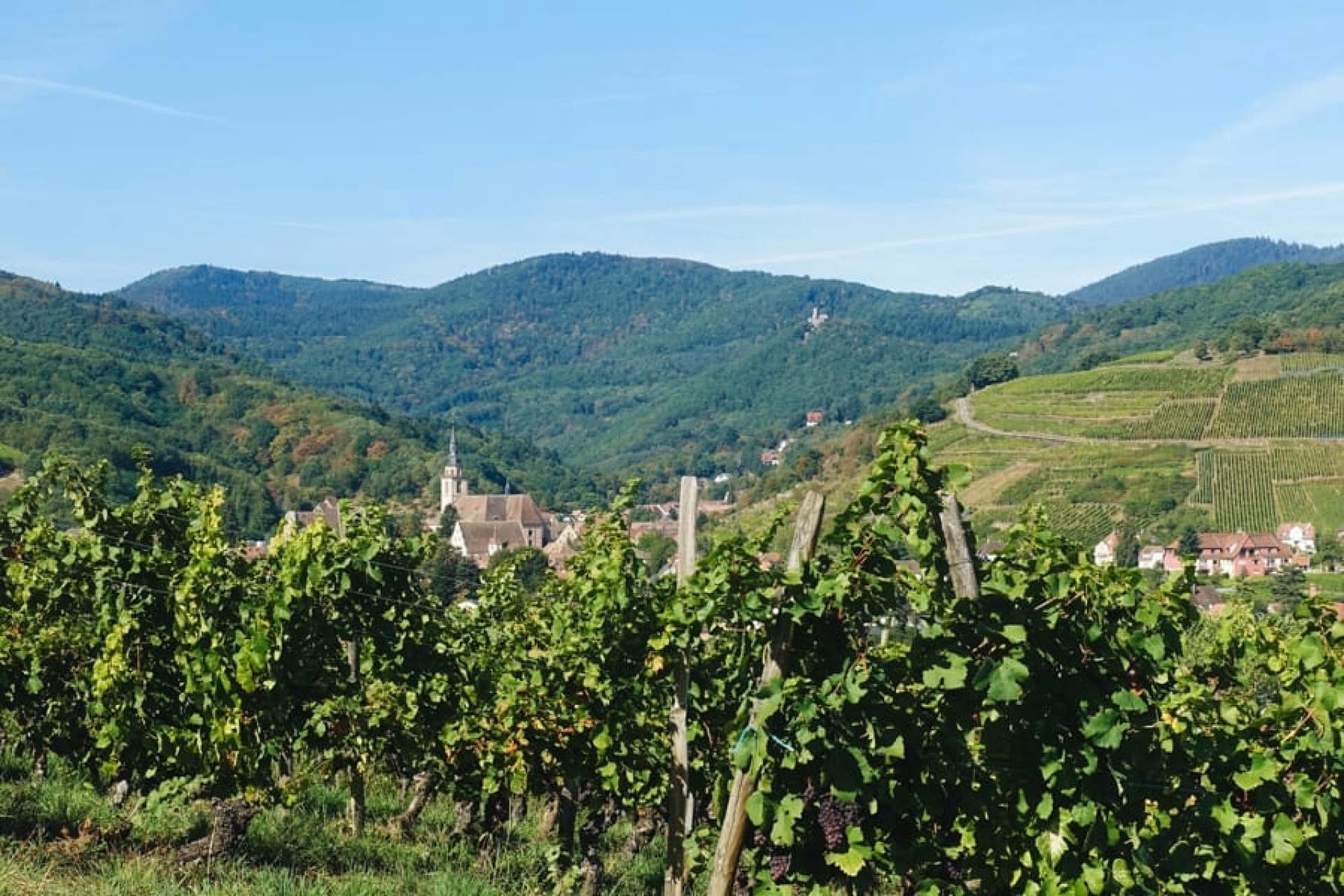
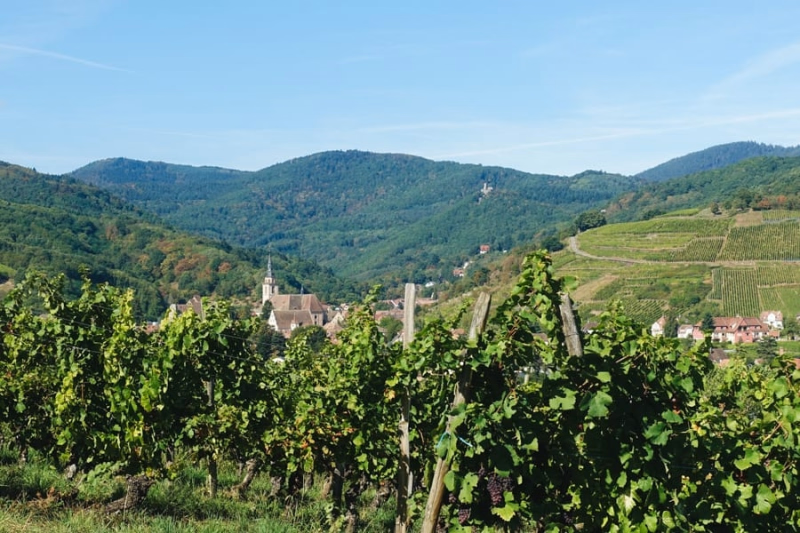
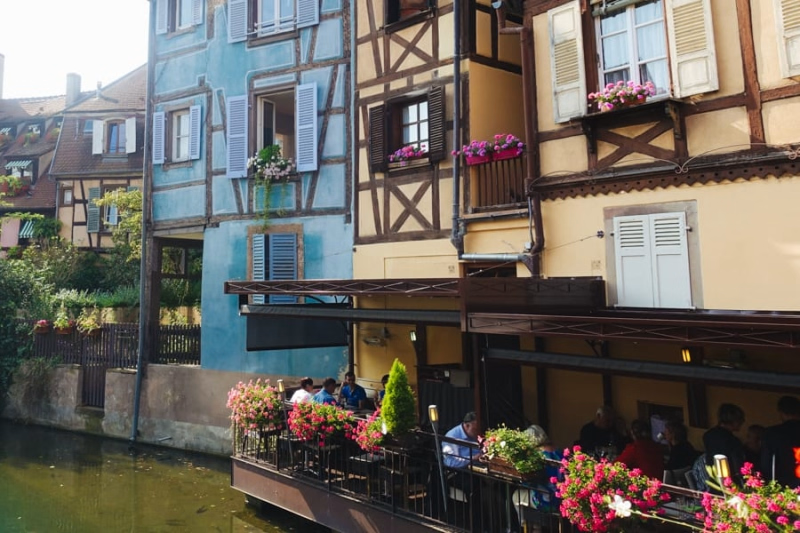
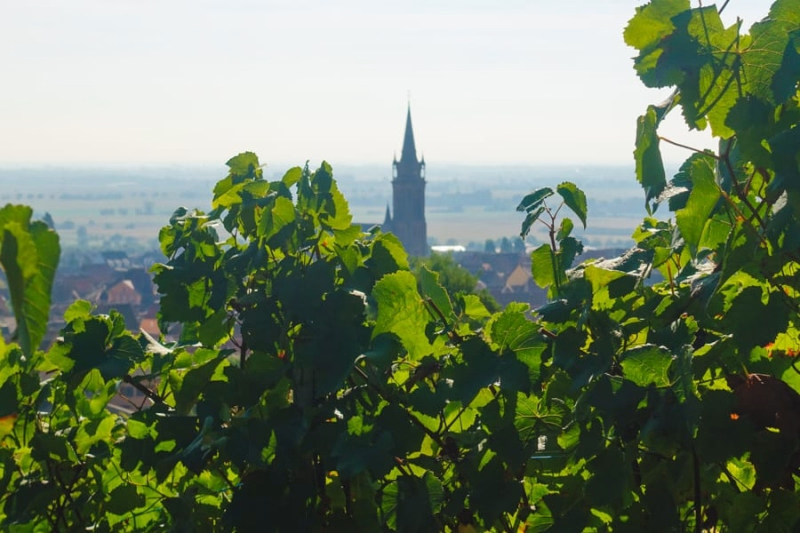
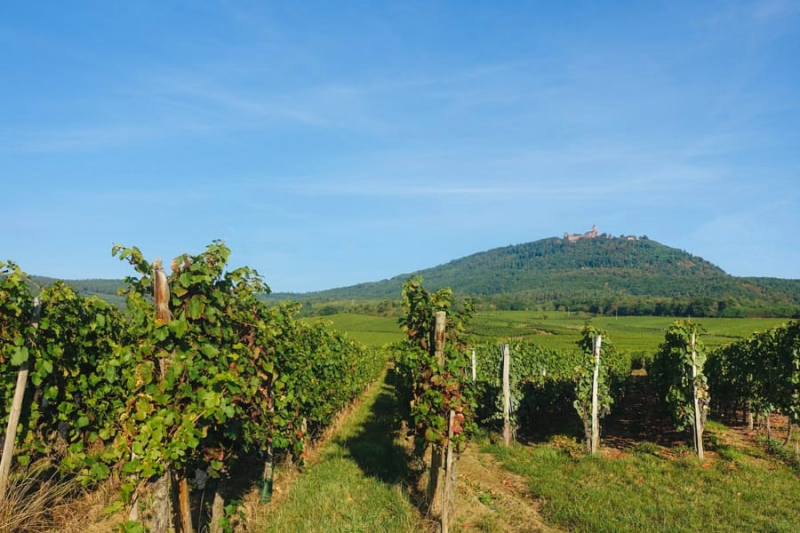
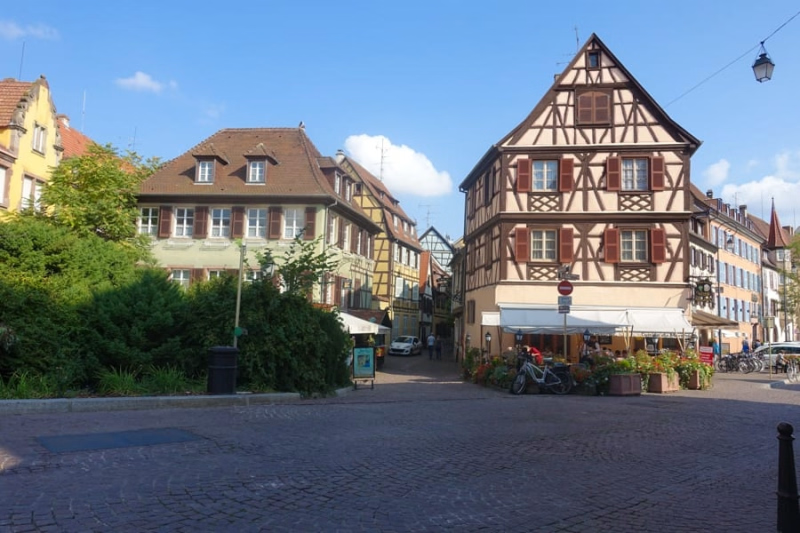
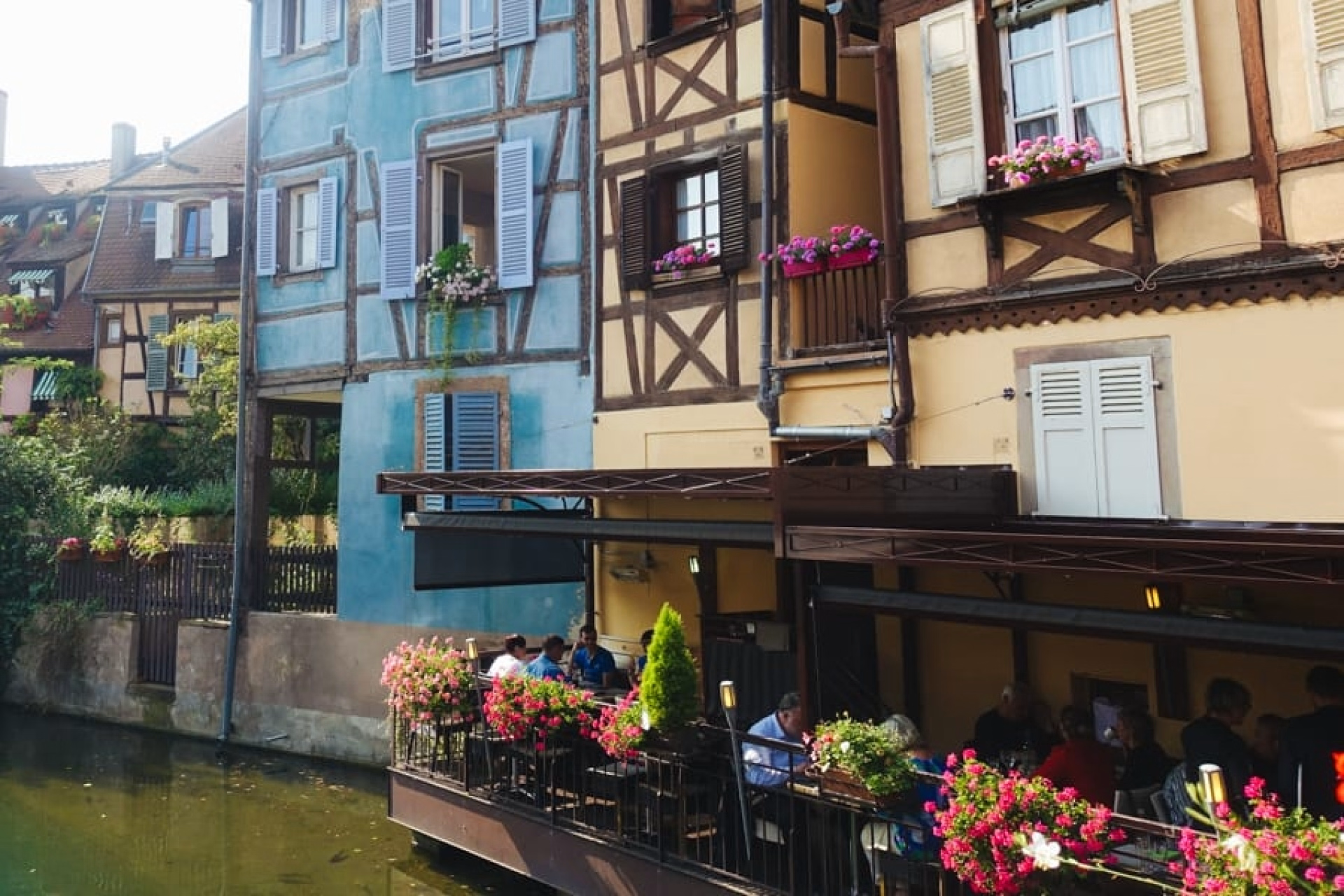
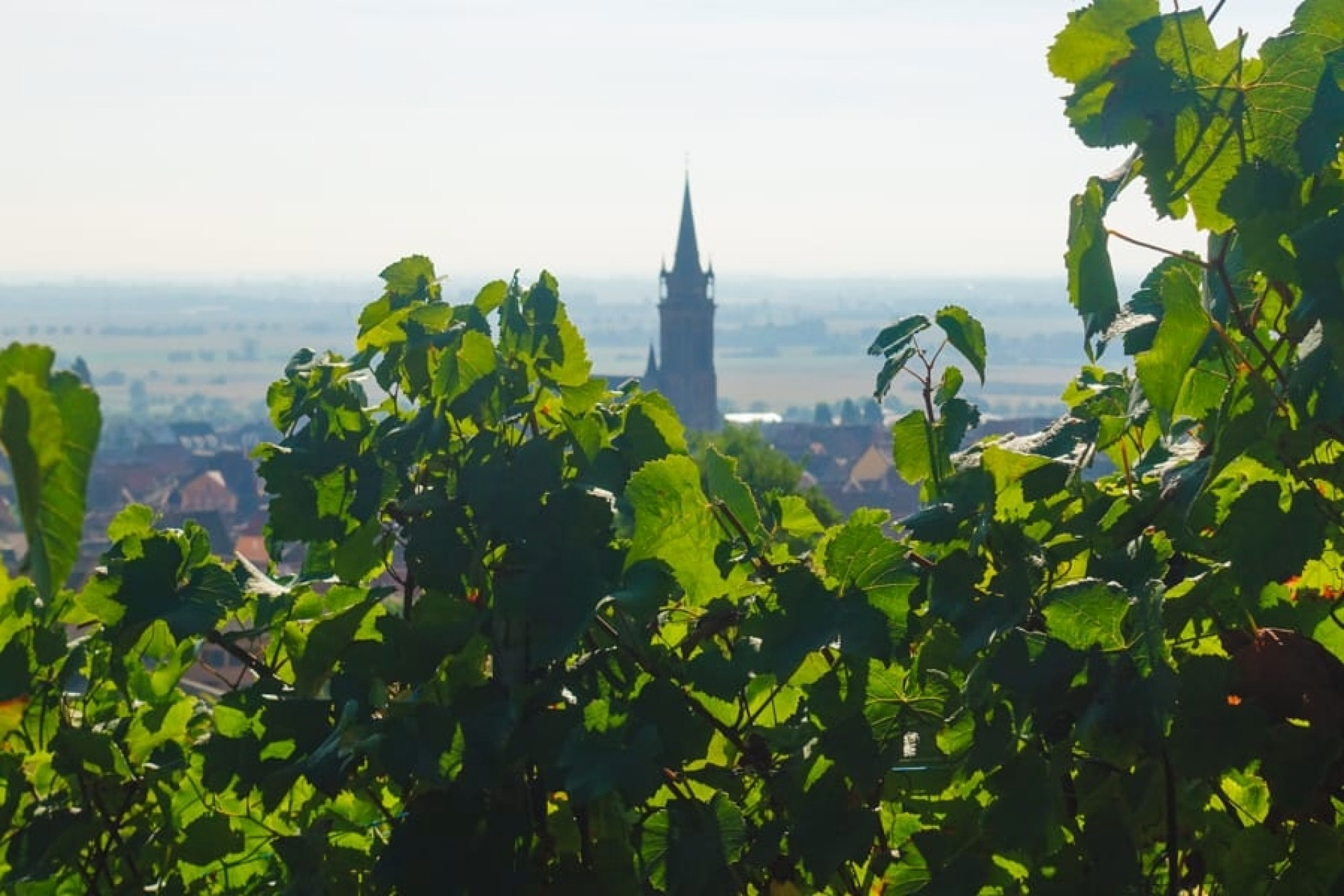
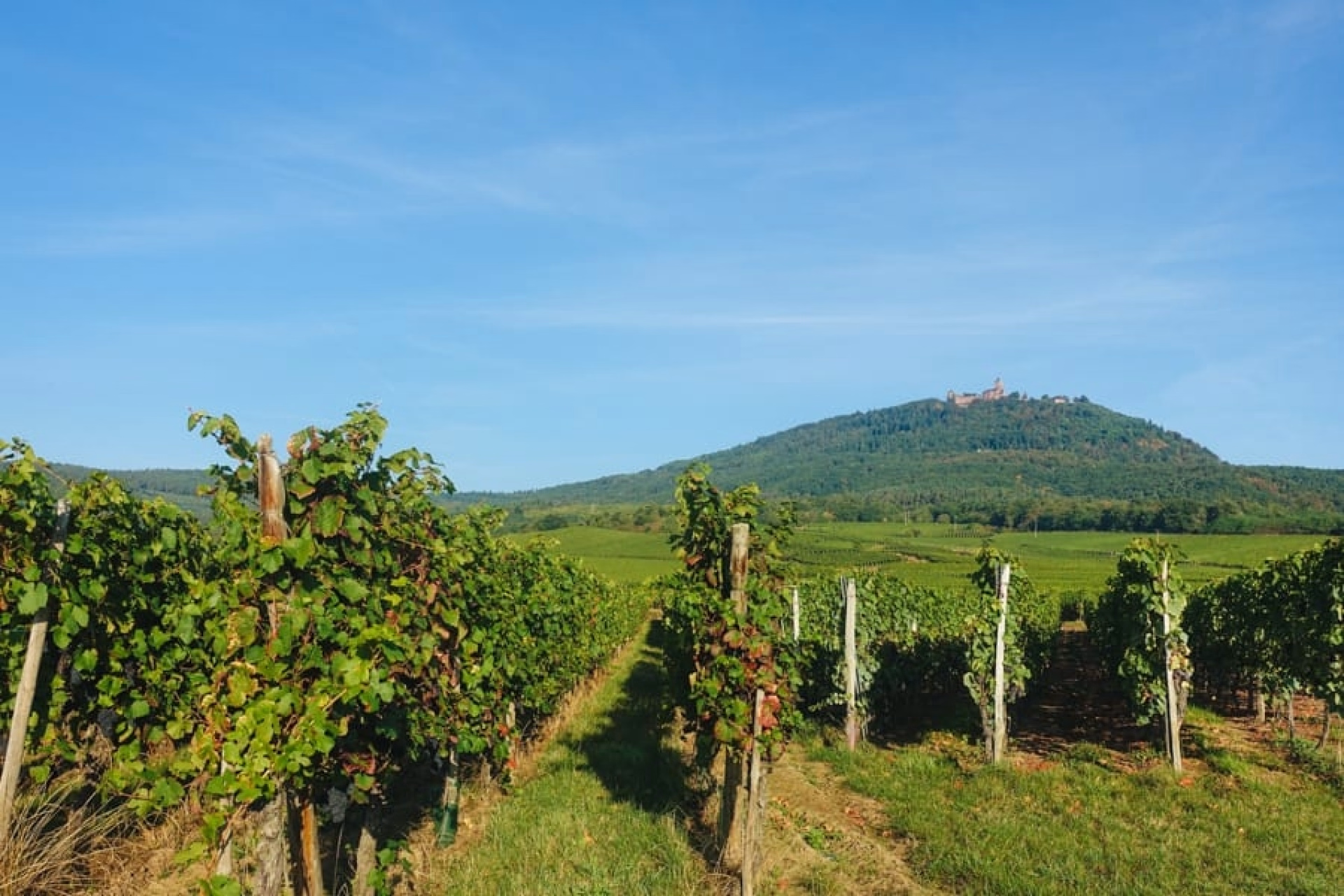
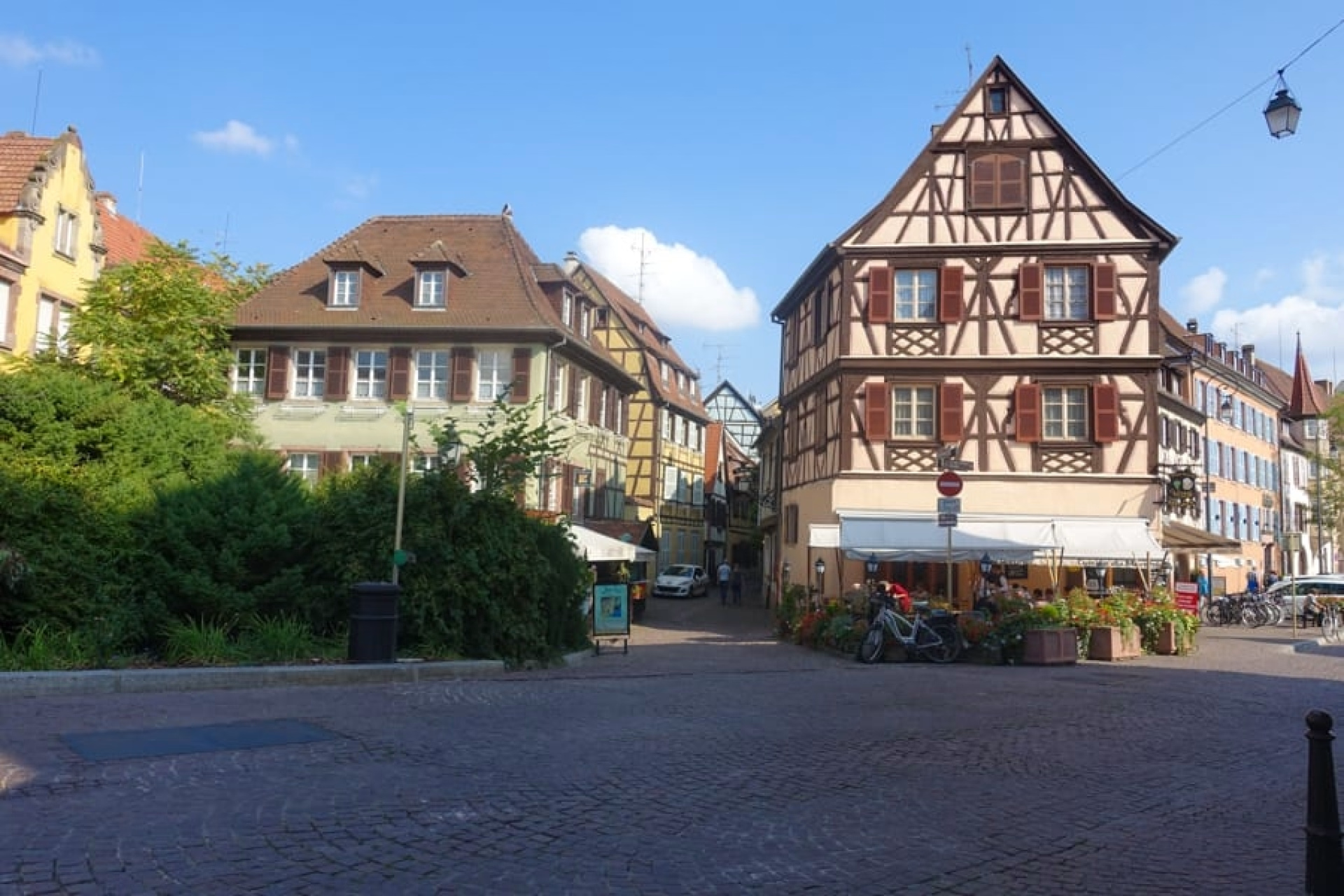
Embark on a self-guided hiking adventure in the heart of Alsace , exploring prestigious vineyards , medieval villages , and forest landscapes . This trip immerses you in the authentic world of a region where fine wines and traditions intertwine at every turn. From the charming city of Colmar , a true architectural gem and the starting point of your itinerary, you'll traverse a living postcard : endless rows of vines, hilltop castles , ancient ramparts , and flower-filled alleyways lined with half-timbered houses . Each stage is punctuated by the discovery of convivial Winstubs (Alsatian wine bars), lively wine cellars , and treasures of Romanesque heritage . The route alternates between vineyard trails winding through the hillsides and shaded forest paths , in the heart of a preserved natural landscape of pines , oaks , and chestnut trees. A sensory and cultural immersion for lovers of gentle hiking and local traditions .
The highlights
-
First night in colorful Colmar
-
In Riquewihr, a hotel in the heart of the medieval town
-
Return train journey to Colmar included in the price
Subscriber benefit
save 5%
by joining
our community
Decathlon Travel Benefits
Best price guaranteed:
We offer twice the difference
Free cancellation more than 30 days in advance
Payment in 2 installments
Learn more
Photos
Sport
Level
Hiking / Trekking
For those wishing to hike for 4 to 5 hours a day, covering an elevation gain of around 600m on trails. You hike occasionally and are in good physical condition.
The expert's opinion
This hike is rated level 3 out of 6, with elevation gains of 350 to 800 meters per stage, and takes 5 to 6 hours to complete on varied terrain. The suggested routes mostly follow forest paths but also wind through vineyards. There are no technical difficulties.
In figures
Hiking
- Average duration/day: 5h30
- Average distance/day: 15 km
- Average daily elevation gain: 606 m
- Average daily descent: 601 m
Management
The paper roadbook contains all the information directly in your bag.
Paper Roadbook
Paper Roadbook
Your travel guide to take everywhere with you. 🗺️
Documentation provided:
- IGN maps at 1:25,000 scale
- Extracts from 1:25,000 scale maps with route markings
- 1 guidebook (day-by-day description of the hikes)
This hike is compatible with our app. In addition to your traditional route book, you have the option of using our digital route book, compatible with iOS and Android. (Available upon request after booking)
Program
-
Colmar
- Accommodation 3-star hotel
- Breakfast not included
- Lunch not included
- Dinner included
Arrival at your hotel in Colmar in the late afternoon. This city of art boasts a large, well-preserved pedestrianized tourist center, historic districts like "Little Venice," medieval churches, and numerous museums. To fully enjoy your visit to Colmar, we recommend arriving no later than late morning; otherwise, consider booking an extra night at the end of your stay.
Day 1 -
Colmar - Riquewihr
- Transportation Minibus - 00h15 - 7km
- Activity Hiking
- Duration of the activity 7h
- Distance 18 km
- Positive elevation gain 916 m
- Negative elevation 838 m
- Accommodation 3-star hotel
- Breakfast included
- Lunch not included
- Dinner included
Visit to the medieval town of Turckheim then departure on foot to Kaysersberg, birthplace of Doctor Albert Schweitzer, before reaching Riquewihr.
Day 2 -
Riquewihr - Saint-Hippolyte
- Activity Hiking
- Duration of the activity 4h
- Distance 12 km
- Positive elevation gain 296 m
- Negative elevation 364 m
- Accommodation 3-star hotel
- Breakfast included
- Lunch not included
- Dinner included
The hike leads through the vineyards to the village of Hunawihr with its fortified church, then to Ribeauvillé, dominated by the "Three Castles" of Ribeaupierre. Further on, discover the charming little town of Saint-Hippolyte, renowned for its "Rouge de Saint-Hippolyte" wine and located at the foot of the Haut-Kœnigsbourg castle.
Day 3 -
Saint-Hippolyte - Chatenois - Colmar
- Transportation TER / Metro / Tram - 00h10 - 25km
- Breakfast included
- Lunch not included
- Dinner not included
This final day will be marked by a visit to the Haut-Kœnigsbourg castle, which overlooks the Alsace Plain, followed by a descent to Châtenois. In the afternoon, a short taxi transfer will take you to Sélestat, then a train to Colmar (included in the price). Our services conclude in Colmar at the end of the day.
Day 4
Note
If there is no availability at a stage of the program described above, we offer you two consecutive nights at the preceding or following stage and arrange the corresponding transfers (a supplement may apply). Your walking itinerary remains unchanged. To ensure you can complete the program stages, we advise you to book as early as possible.
Accommodation
During this stay, you will sleep in several different accommodations.
Access
Departure
Colmar, France
Day 1
End of stay
Colmar, France
Day 4
Go to the starting point
Take the train toColmar
Access is available by TGV to Colmar, just 2 hours and 50 minutes from Paris.
Travel to the place of stay
with parking
available
You have the option of leaving your vehicle in the car parks located near the accommodation, our hotel in Colmar also has a private garage (approximately €10 / night / car).
Price details
The price includes
- Half-board (except for dinner on day 1 in Colmar, numerous restaurants on site)
- The travel log, 1 copy per registration file
- Luggage transport between accommodations
- Taxi and train transfers included in the program
- Tourist taxes
The price does not include
- Lunches
- Dinner on day 1 in Colmar
- Drinks and personal expenses
- The visits
- Luggage transport from Sélestat to Colmar
- Optional taxi transport from Colmar train station to the hotel on the last day (flat rate of approximately €8)
- Round-trip transportation to the meeting point
- The solo supplement if you are travelling alone (€120 per person) as well as the single room supplement (€180 per person) are automatically added to the price calculation with a single participant.
Options
- Additional night at the end of the trip in Colmar - 4* hotel in a double room : CHF104.50 / person
- Additional night at the end of the trip in Colmar - 4* hotel in a single room : CHF180.50 / person
- Single room : CHF171.00 / person
- Flex fare and insurance
Practical information
Specific formalities
Equipment
P
Decathlon Travel Partner
Our partner team
5/5
(6 reviews)
• 8 stays
Notre partenaire local ne cherche pas à proposer des itinéraires à sensations fortes à l'autre bout du monde, mais privilégie une connaissance intime et approfondie des chemins qu'il parcourt. Fort de 20 ans d’expérience dans l’itinérance, il en maîtrise chaque recoin et chaque détail pour offrir une expertise de terrain inégalée.
Pour garantir des rencontres hors du temps, notre partenaire local a sélectionné les meilleurs hébergements, privilégiant ceux qui offrent un accueil généreux et authentique. Son mot d’ordre est simple : proposer une marche au plus proche des hommes et de la nature, favorisant une immersion sereine et véritable dans les paysages traversés.
Pour garantir des rencontres hors du temps, notre partenaire local a sélectionné les meilleurs hébergements, privilégiant ceux qui offrent un accueil généreux et authentique. Son mot d’ordre est simple : proposer une marche au plus proche des hommes et de la nature, favorisant une immersion sereine et véritable dans les paysages traversés.
Are you satisfied with this page?
Subscriber benefit
save 5%
by joining
our community
Decathlon Travel Benefits
Best price guaranteed:
We offer twice the difference
Free cancellation more than 30 days in advance
Payment in 2 installments
Learn more