In summary
-
Sports
-
Duration12 days
-
LevelIntermediate
-
DestinationDenmark / Greenland
-
AgeFrom the age of 18
-
CO₂-Emissions81.76 kg CO2
-
Type of stayIn a group
-
Languages🇫🇷French
In a few words
Here, Greenland is discovered at the rhythm of the sea… and the breath of the whales.
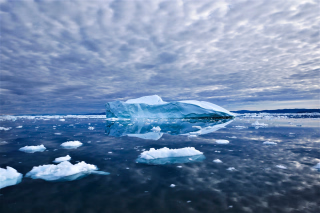
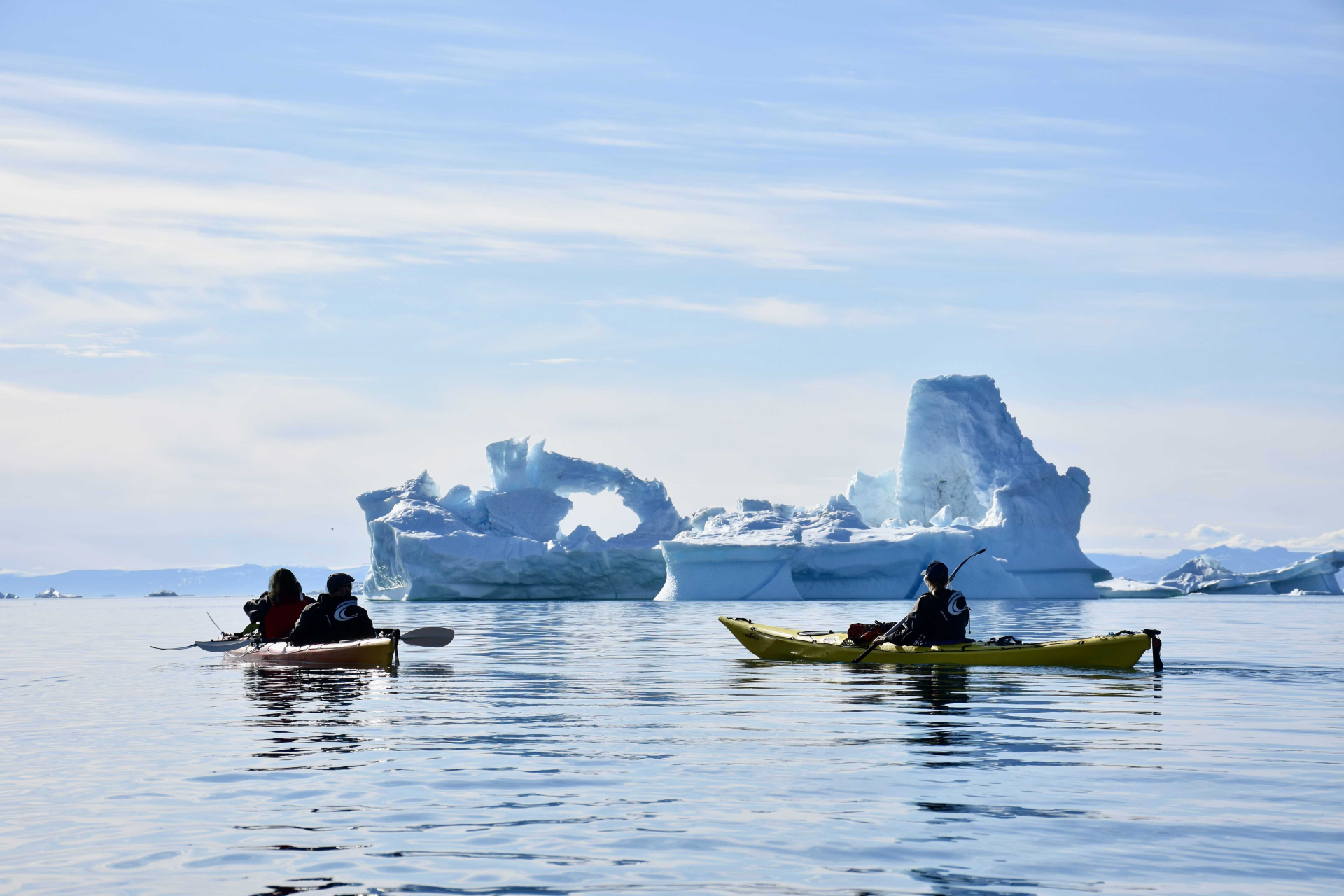
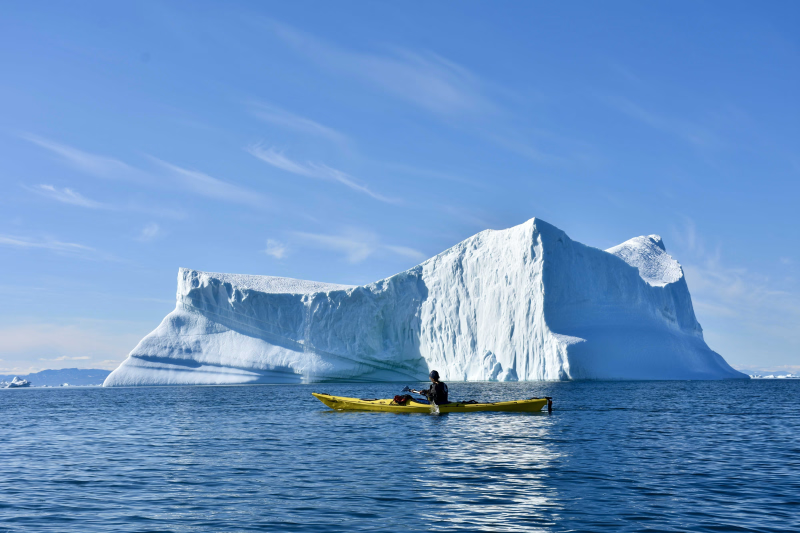
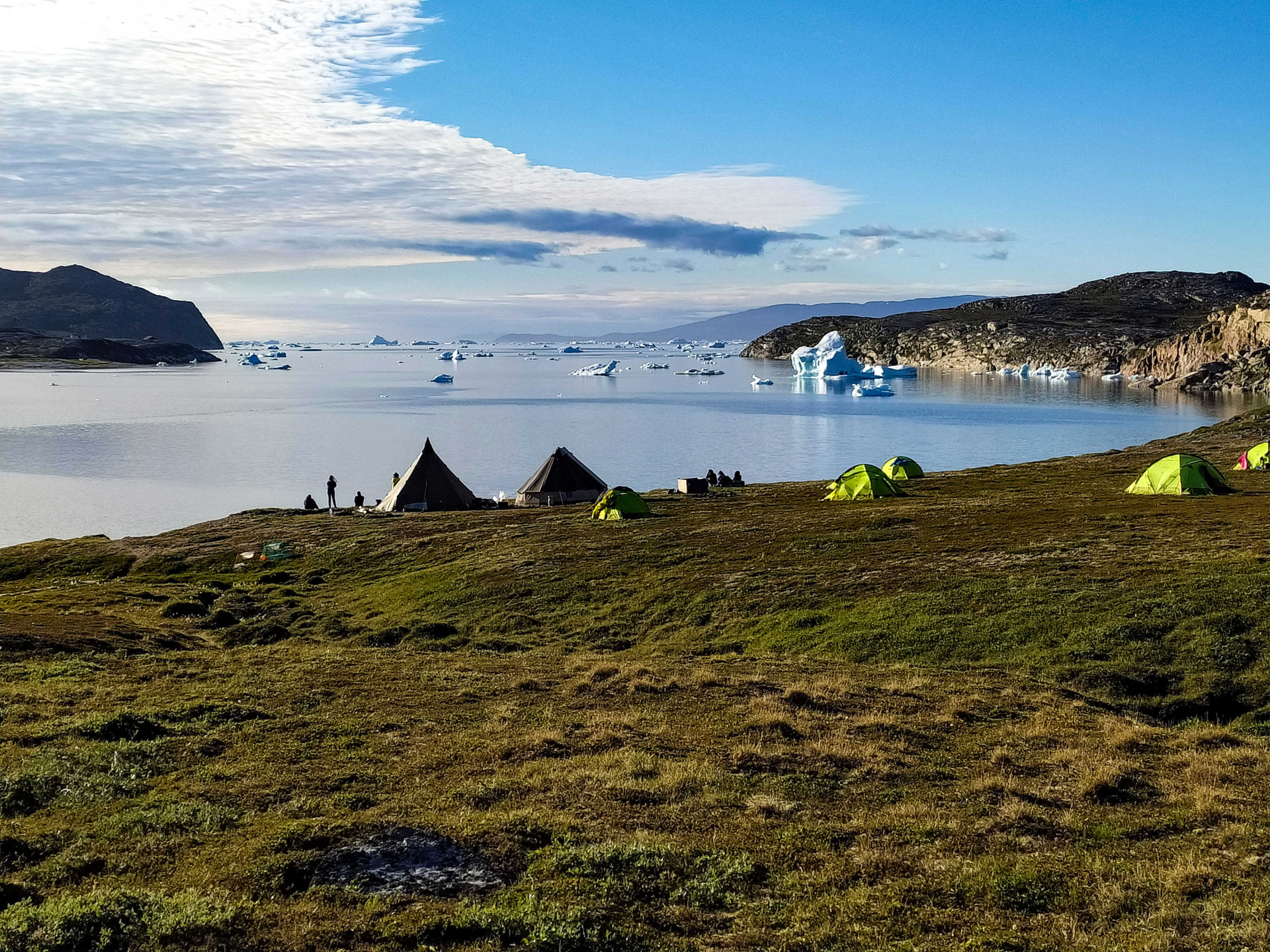
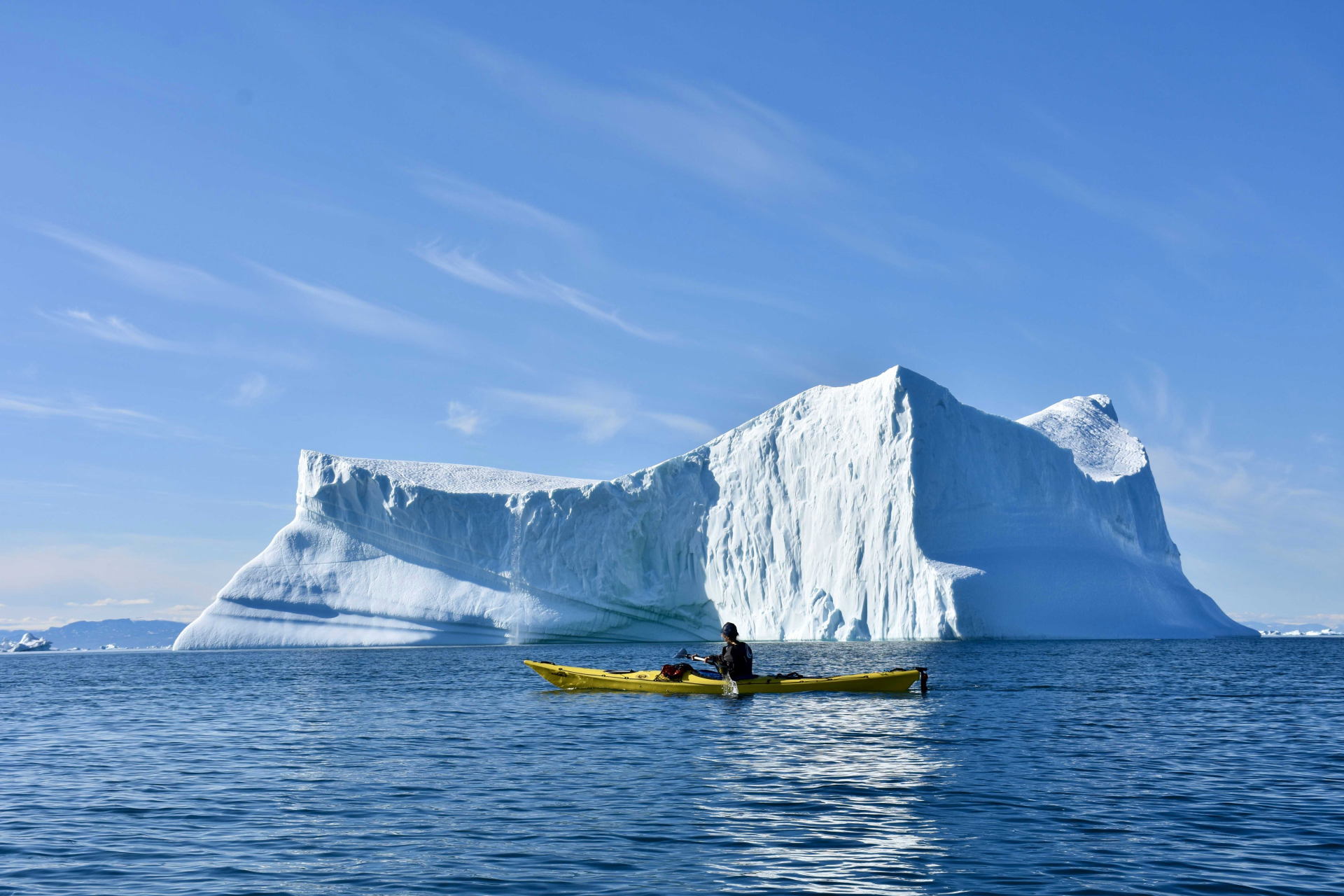
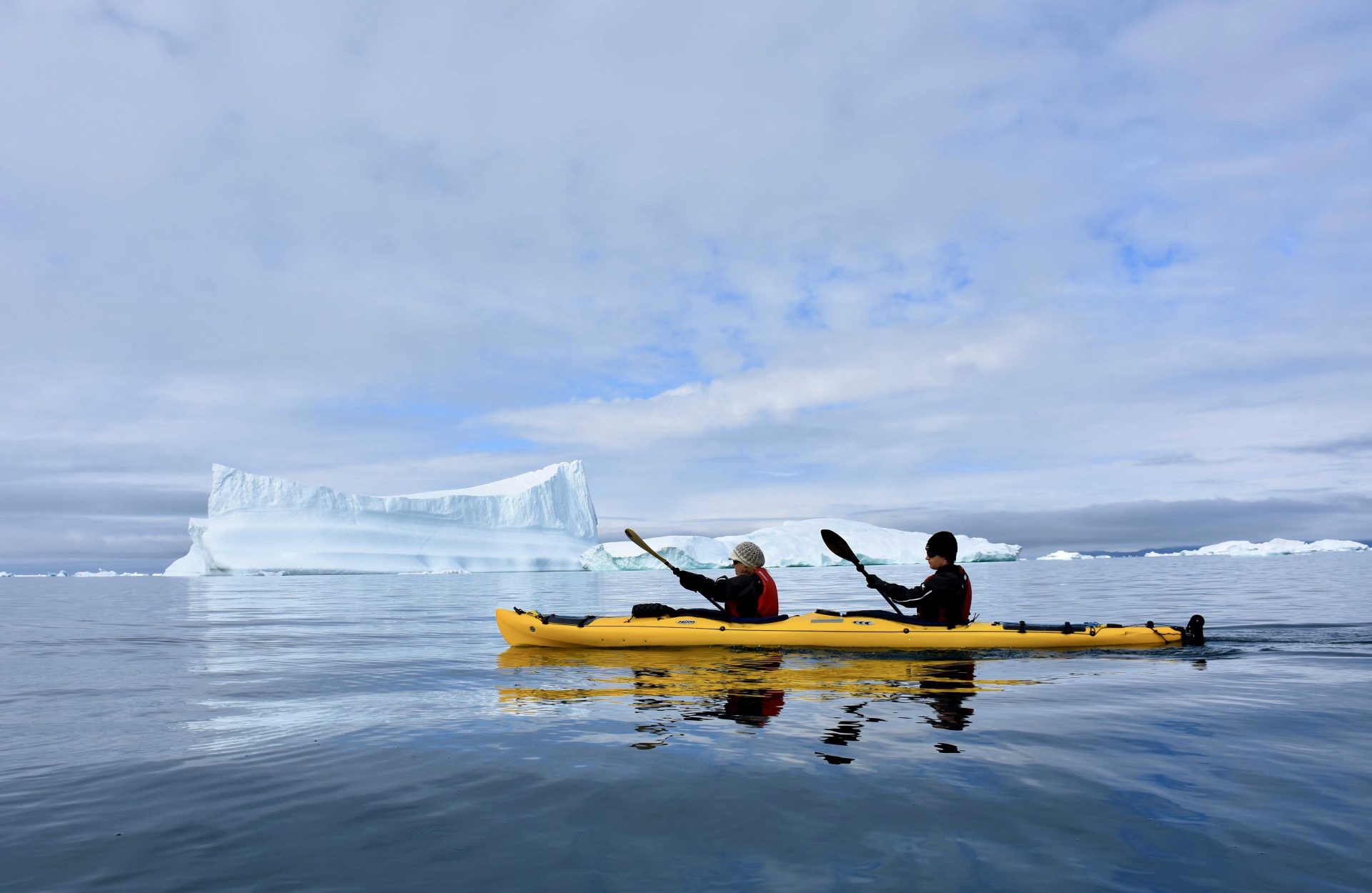
From a carefully established permanent camp nestled in the heart of a pristine Arctic bay, you'll experience a gradual, respectful, and deeply immersive introduction to the Far North. Each kayaking excursion is conducted discreetly in a fragile environment where observation takes precedence over intrusion. Icebergs with surreal shapes, deep waters frequented by humpback whales, fin whales, and sometimes narwhals: silence becomes an ally, broken only by the cracking of ice and the powerful exhalations of cetaceans.
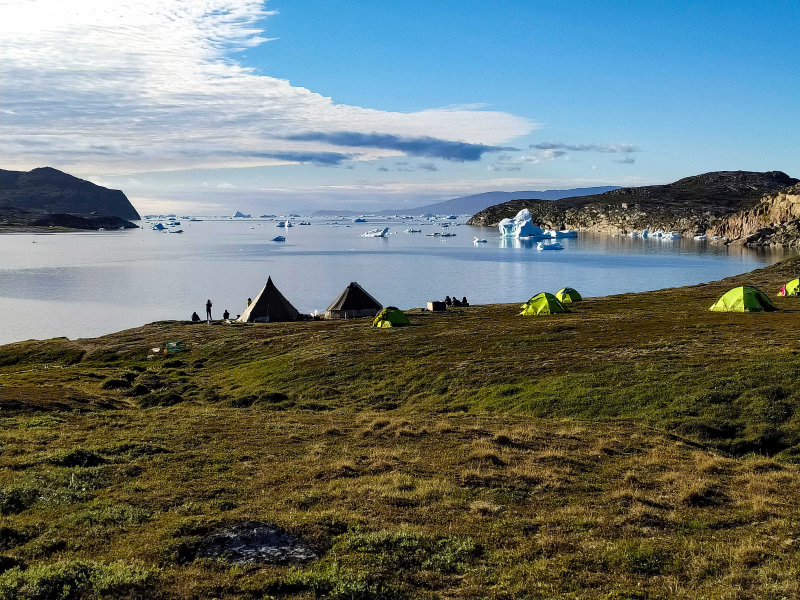
The comfort of a base camp allows you to easily explore between sailing and hiking, while returning to your campsite each evening.
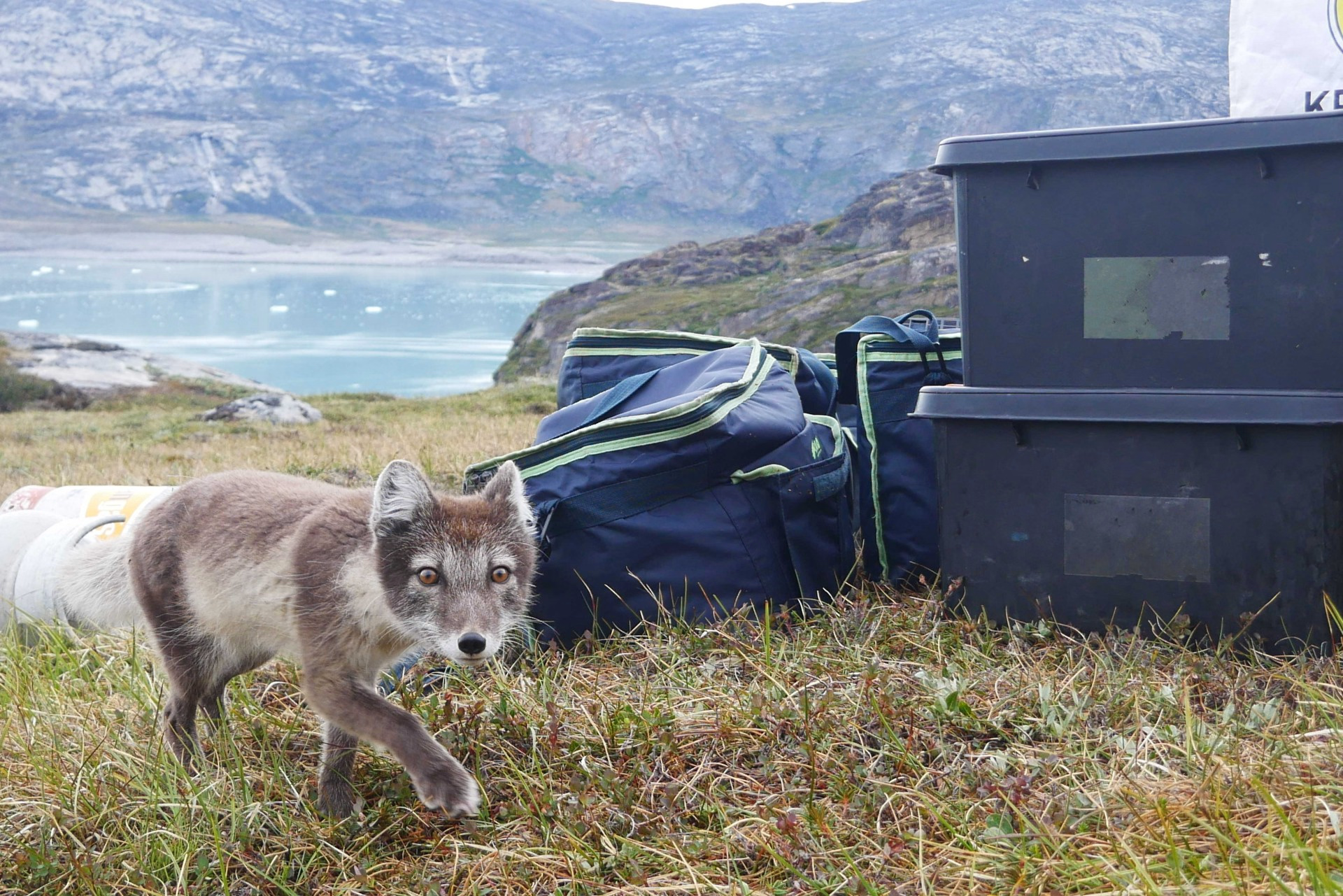
By your side, a specialist Arctic guide is always on hand. The kayak then becomes a privileged, discreet and respectful observation post, to witness rare and intense scenes of wildlife, in a setting where the light, the fjords and the sea constantly reinvent themselves.
The highlights
-
Sea kayaking in the wild waters of Greenland
-
Opportunities for whale and cetacean watching in the Arctic environment
-
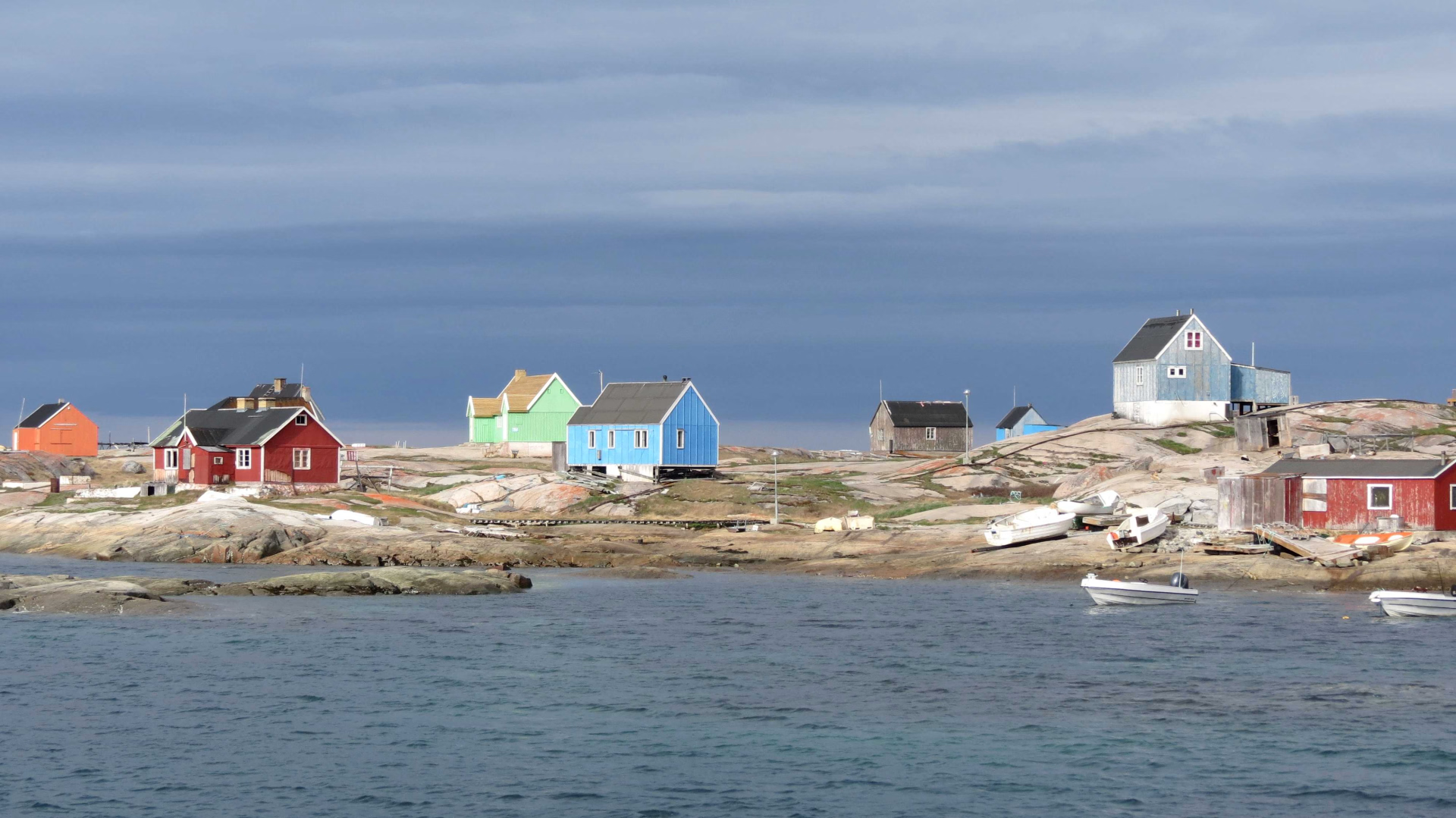
Fixed base camp near the Greenlandic village of Oqaatsut
Subscriber benefit
save 5%
by joining
our community
Decathlon Travel Benefits
Best price guaranteed:
We offer twice the difference
Free cancellation more than 30 days in advance
Payment in 2 installments
Learn more
Photos
Sport
Level
Hiking / Trekking
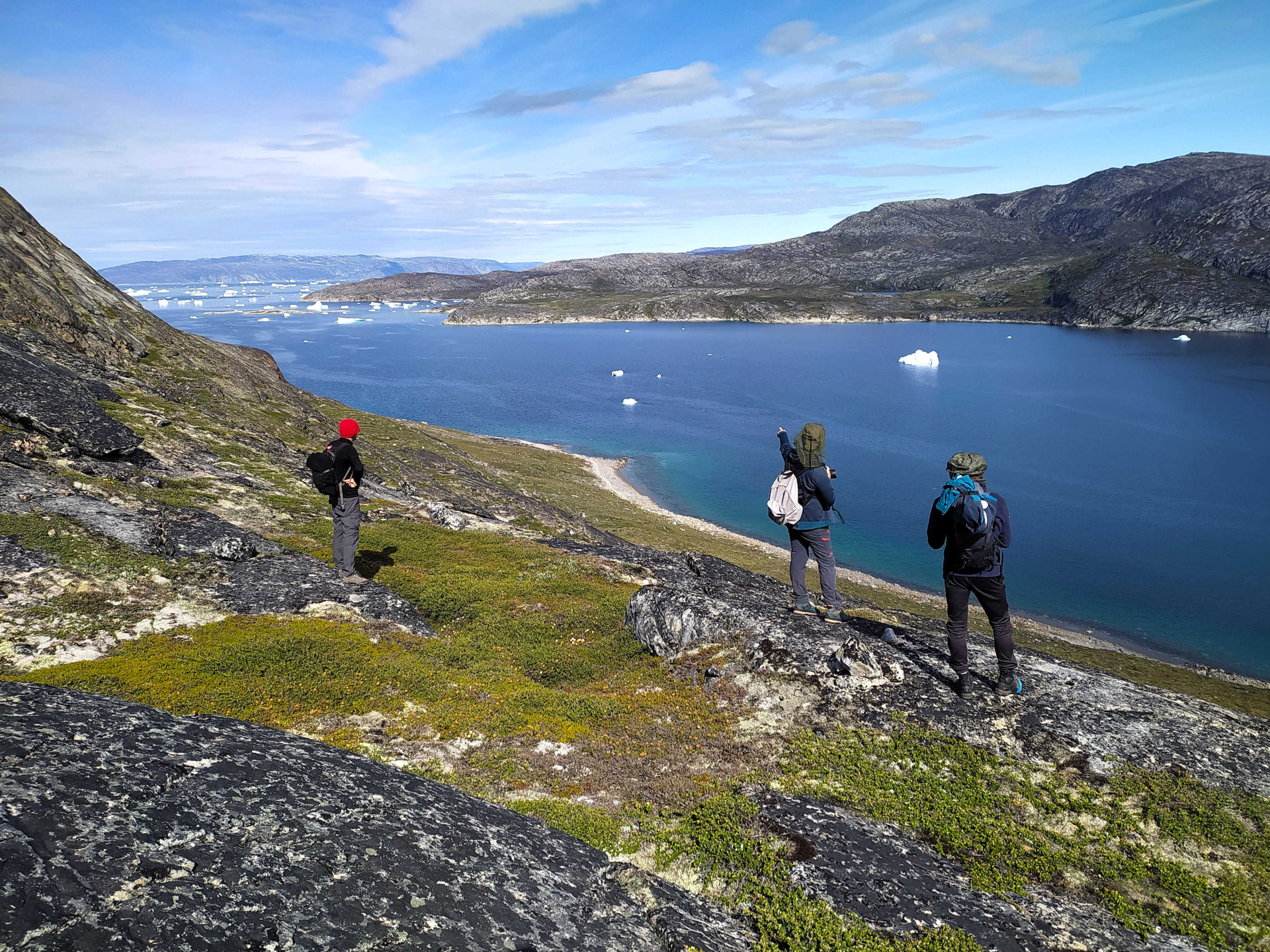
For those wishing to hike for 4 to 5 hours a day, covering an elevation gain of around 600m on trails. You hike occasionally and are in good physical condition.
The expert's opinion
Circuit characteristics
This trip is a fully self-supported adventure combining sea kayaking and hiking in an Arctic environment. The days alternate between paddling and hiking, with 4 to 6 hours of activity. Natural conditions can be demanding and changeable: wind, rain, fog, occasional snow, and rapid temperature variations are possible, even in summer, and require a real physical and mental commitment.
Physical preparation
Most participants have never kayaked before. Two-person kayaks, which are more stable, are used, but prior introductory training is recommended. Kayaking primarily requires endurance and back strength. The trip demands a good ability to adapt to fatigue, cold, humidity, isolation, and discomfort. Good general physical fitness, motivation, and a team spirit are essential.
Activities and grounds
Kayaking trips take place only when conditions are favorable. Hikes, with a maximum elevation gain of 600 meters per day, follow off-trail routes across varied terrain: scree slopes, wetlands, and sometimes steep sections. The effort is rewarded with spectacular Arctic landscapes.
Life in a bivouac
The camp is fixed to minimize fatigue. Bivouac life requires active participation from everyone in camp organization, equipment, kayaks, and meals. Mutual support, cohesion, and solidarity are the keys to this expedition.
In figures
Hiking
- Average duration/day: 4h
Management
During this stay, a supervisor will be present to guide and assist you.
Languages spoken:
🇫🇷
French
Supervisor
Supervisor
Based in Greenland for many years, our agency guarantees you a successful active travel experience, supported by the expertise of our guides and the efficiency of our local logistics.
Throughout your adventure, you will be accompanied by our expedition guides, entirely dedicated to helping you discover extraordinary places in the heart of the Arctic wilderness. Let yourself be swept away by their passion…
Safety: Rigorous supervision in a polar environment
Greenland is a fascinating yet isolated environment. The harsh climate, remoteness, and wildlife demand specific guidance and constant vigilance. From the very start of the expedition, your guide will explain the safety rules to follow, both while kayaking and at camp, and will also provide practical advice on how to best cope with the weather and maximize your comfort.
To ensure maximum safety, a Sarsat distress beacon is always carried. In case of extreme emergency, it transmits a signal that can be picked up by satellites and located with an average accuracy of 100 meters. Satellites pass over Greenland approximately every 30 minutes.
Each guide also has a satellite phone, ensuring a permanent link with our logistics base in Reykjavik.
Your safety is our top priority. We are committed to organizing trips with rigorous, professional supervision that respects the Arctic environment.
Program
-
Heading for Greenland – Stopover in Copenhagen or Reykjavik
- Accommodation 2-star hotel
- Breakfast not included
- Lunch not included
- Dinner not included
The adventure to the Far North begins today.
Depending on your flight plan, you will head to Reykjavik, the vibrant Icelandic capital, or to Copenhagen, a Scandinavian gem where contemporary elegance and historical heritage blend together.
Depending on your arrival time, enjoy some free time to stroll through the lively streets, sample local specialties such as smoked herring, dark bread, and creamy skyr, and soak up the Nordic atmosphere.
Airport transfer at your own expense.
Day 1 -
Arrival in Ilulissat, the city of icebergs
- Activity Autre
- Accommodation 2-star hotel
- Breakfast included
- Lunch not included
- Dinner included
This morning, a flight takes you into the vastness of Greenland. Through the window, white and blue intertwine: deep fjords, steep mountains, a cracked ice cap… A first glimpse of this unique world.
Ilulissat finally appears, perched on the west coast, a land of icebergs, silence, and contrasts. From the moment you step off the plane, the stark light and almost lunar landscapes announce a profound change of scenery: the Arctic, where humans live in harmony with nature.
Welcome by our guide, a specialist in the field, then check-in at the hotel. At the end of the day, initial briefing and preparation of equipment for the upcoming adventure.
The night will undoubtedly be filled with the excitement of the big departure.
Day 2 -
Departure for Oqaatsut Bay and introduction to sea kayaking
- Transportation Boat - 00h30 - 1km
- Activity Autre
- Accommodation Bivouac / Tent
- Breakfast included
- Lunch included
- Dinner included
We're taking a short boat transfer to the north of the bay, to Oqaatsut. This small, isolated Greenlandic village is located not far from our future base camp.
Upon arrival, we put on our dry suits and familiarize ourselves with our boats. The guide teaches us the basics of sea kayaking as well as safety instructions specific to the Arctic environment.
The sheltered bay provides an ideal setting for a first kayaking experience. We discover how to handle the kayaks and approach our first icebergs. A powerful and emotional moment. The guide takes this opportunity to introduce us to the areas we will be exploring over the next few days, alternating between paddling and hiking.
At the end of the day, it's time to set up camp. The guide explains the specifics of life in the Arctic: organizing the bivouac, setting up the mess tent for meals, installing individual tents, managing humidity, and storing equipment.
First night of bivouacking in Greenland.
Day 3 -
Six days of kayaking and hiking to discover whales and icebergs
- Activity Hiking
- Duration of the activity 5h per day
- Accommodation Bivouac / Tent
- Breakfast included
- Lunch included
- Dinner included
We delve into the heart of the adventure with six days dedicated to kayaking and hiking in an exceptional environment. The region is particularly well-suited for whale watching: humpback whales, fin whales, and sometimes narwhals frequent these cold waters.
We don't try to approach them, but sometimes some come towards us on their own, gliding between the kayaks. We then remain attentive, eyes and ears alert, listening for the characteristic breath that betrays their presence.
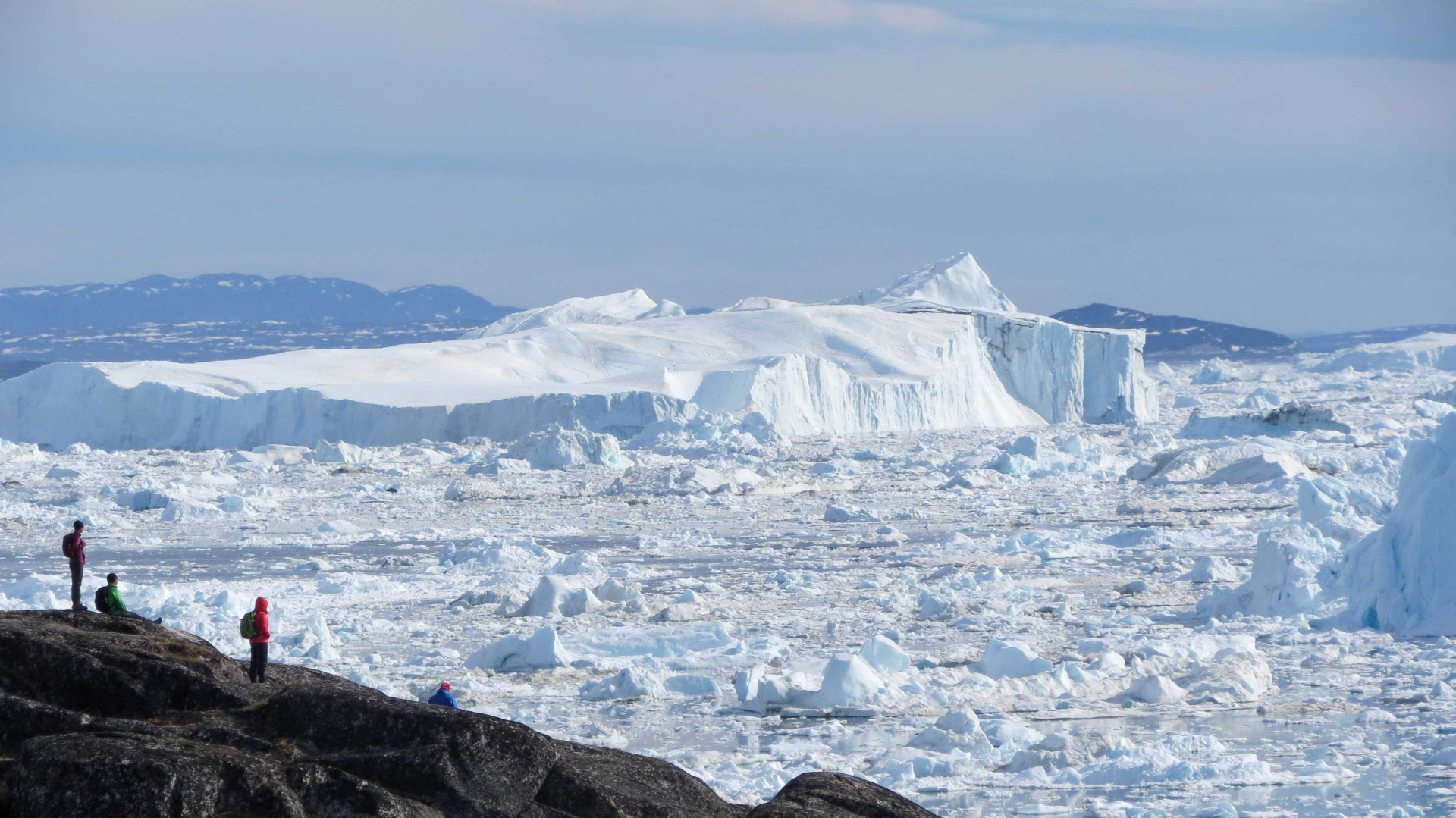
Each day brings its share of discoveries: monumental icebergs from the Sermeq Kujalleq glacier, which alone produces more than 10% of Greenland's icebergs, observation of seabirds and exploration of ever-changing landscapes.
Depending on the weather and ice conditions, the program adapts. Hikes along the ridges, breaks near fishing huts, navigating in new areas… The conditions dictate our route, offering breathtaking panoramas at every turn. Here, the light, the sky, and the ice transform the scenery constantly.
In the evening, we returned to camp. We gathered in the mess tent to share a hot meal and stories of the day. A leisurely journey from base camp to a site of rare beauty.
Days 4 to 9 -
Return to Ilulissat and hike to the UNESCO-listed frozen fjord.
- Transportation Boat - 00h30 - 1km
- Activity Hiking
- Duration of the activity 3h
- Activity Autre
- Accommodation 2-star hotel
- Breakfast included
- Lunch included
- Dinner included
It's time to pack up camp. The gear is loaded into the kayaks for a short trip to Oqaatsut, where we pack everything up. A brief boat transfer then takes us back to Ilulissat.
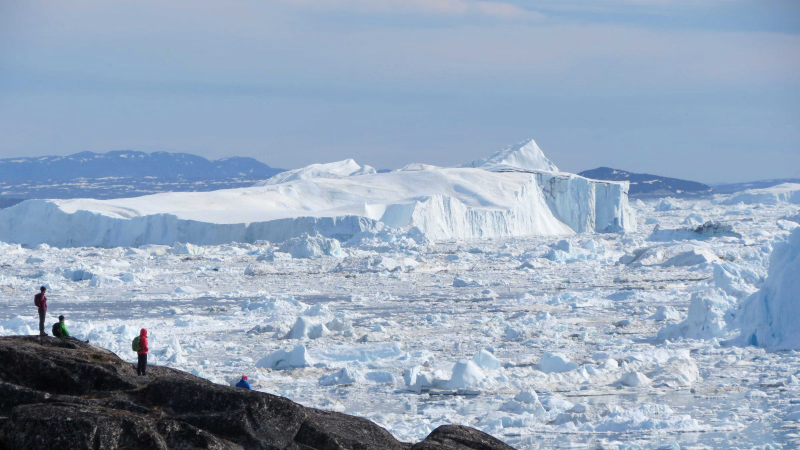
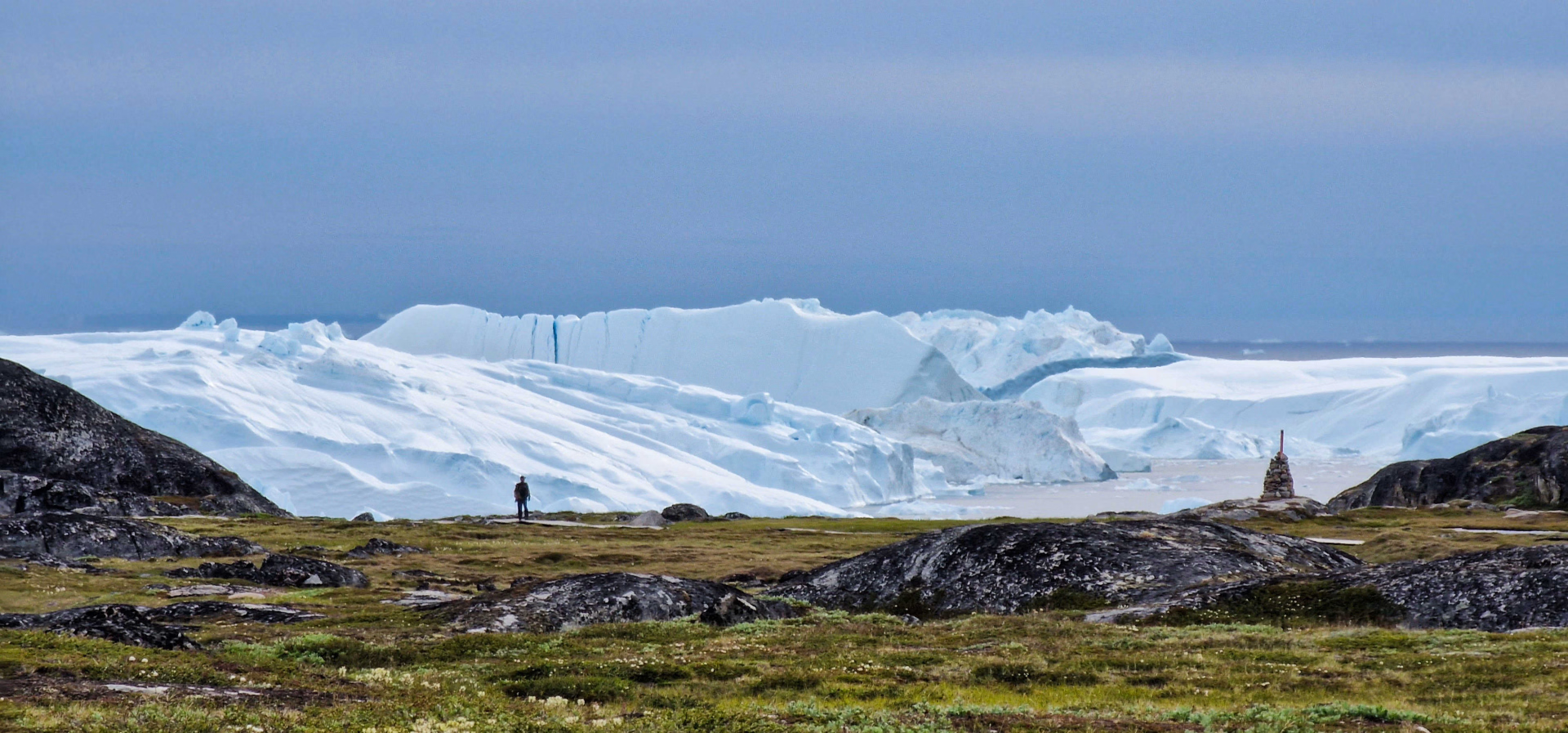
We had barely arrived when we set off again for one last spectacular hike in the flowery Sermermiut valley. Gradually, the icy Ilulissat fjord came into view.
Thousands of icebergs are trapped here before slowly drifting out to sea. The spectacle is breathtaking, almost surreal. The hike takes place along this fjord, a UNESCO World Heritage Site.
Day 10 -
End of the adventure
- Accommodation 2-star hotel
- Breakfast included
- Lunch not included
- Dinner not included
Last moments in Arctic territory.
Depending on flight schedules, there's free time in Ilulissat to wander through the now-familiar alleyways. Then comes the moment of departure. At the airport, the landscapes unfold one last time behind the windows. A part of us remains here, between ice, silence, and the endless sky.
Arrival in Reykjavik or Copenhagen. Airport transfer at your own expense.
Day 11 -
Back to France
- Breakfast included
- Lunch not included
- Dinner not included
Independent transfer to the airport and return flight to France.
One thing is certain: Greenland is not forgotten. It is imprinted. It inhabits.
And the memories of this Arctic adventure will continue to resonate for a long time to come.
Day 12
Note
This itinerary is provided for informational purposes only. Depending on weather or operational conditions, your tour guide may adjust the order of the days to ensure your safety and that of the group, or for logistical reasons. Train and boat schedules may also lead to slight changes in the daily itinerary.
Things to know before you leave:
Light and seasons:
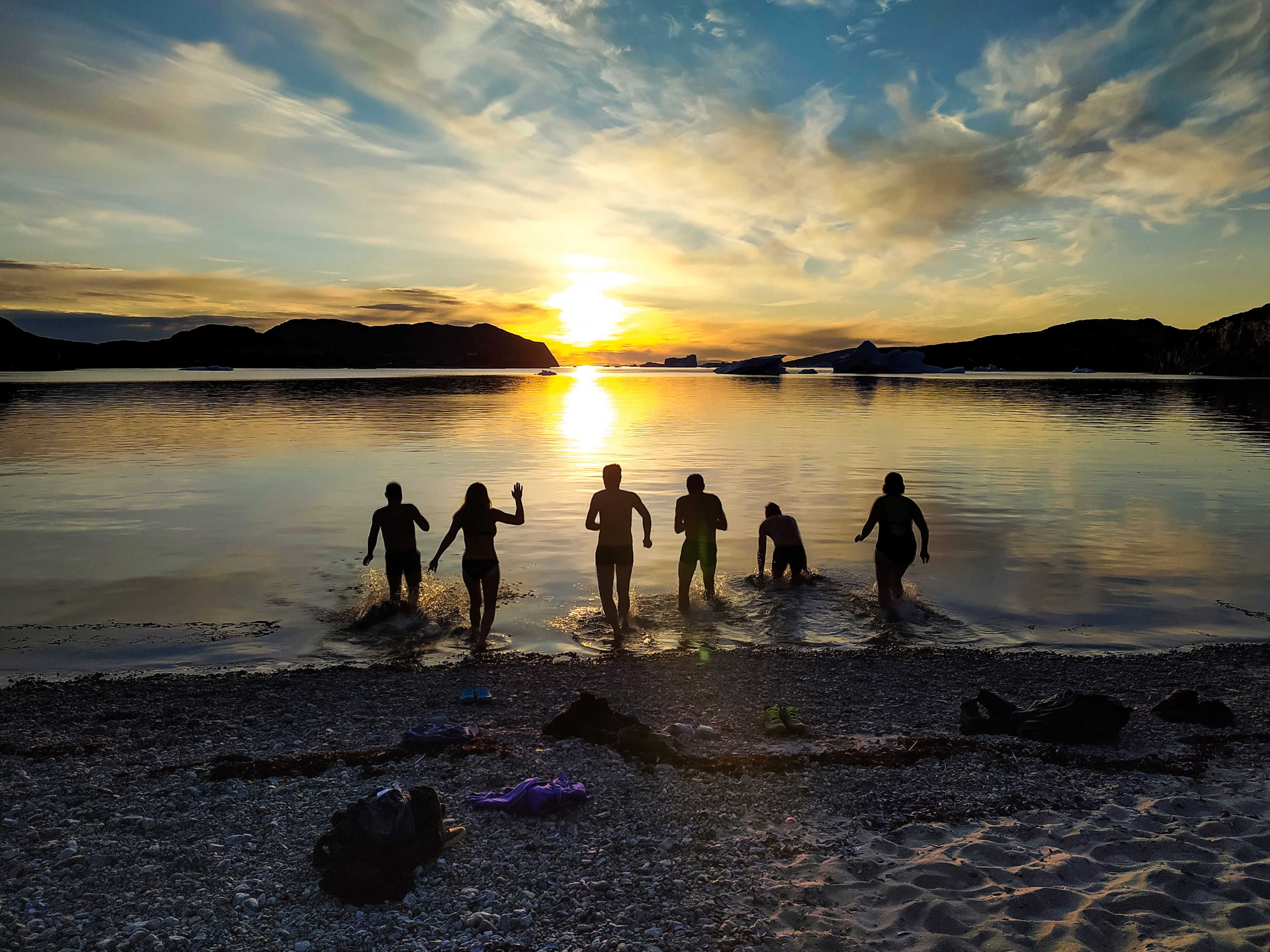
From late May to early August: midnight sun (the day hardly sets).
From the first days of August: night gradually returns. At this time, it is sometimes possible to observe the first northern lights, provided the sky is clear.
Accommodation
During this stay, you will sleep in several different accommodations.
Access
Departure
Keflavik
Day 1
: 07h30
End of stay
Keflavik
Day 12
Go to the starting point
The nearest airport isAéroport de Keflavik
Your flight with us:
Your e-ticket will be available in your customer account 8 to 10 days before departure. Your login details and password will be sent to you upon registration.
To reach Greenland, the journey is usually made in two stages, with a stopover in Reykjavik or Copenhagen. Flights to Greenland are infrequent, and bookings are subject to availability.
We work primarily with two scheduled airlines: Icelandair and Air Greenland.
Icelandair: 1 checked bag of 23 kg + 1 hand bag of 10 kg included per person.
Airgreenland: 1 checked bag of 20 kg + 1 hand bag of 8 kg included per person.
Note: Meals and drinks are not included on board and are available for purchase.
This information is provided for guidance purposes only and will be confirmed at the time of booking.
Would you like to travel on other dates?
Create an alert and we'll notify you by email if new departures are added.
Price details
The price includes
- Paris / Ilulissat flights via Reykjavik or Copenhagen / Paris
- Air taxes
- Travel and activities as described in the program
- The accommodation as described
- The meals mentioned as included in the program
- Kayaking equipment loan
- Loan of bivouac equipment
- The provision of collective and safety equipment
- The tour will be led by a French-speaking tour guide, a specialist in the destination, from day 2 to day 11.
The price does not include
- Pre-delivery to Paris
- Meals indicated as free in the day-by-day
- The contribution to carbon neutrality
- Airport transfers if the arrival or departure day differs from that of the rest of the group and the program
Options
- Sailing among icebergs in the Ilulissat fjord : CHF118.75 / person
- Additional night in Copenhagen in a double or twin room (price per person) : CHF169.10 / person
- Additional night in Copenhagen in a single room : CHF298.30 / person
- Additional night in Ilulissat in a double or twin room (price per person) : CHF237.50 / person
- Additional night in Ilulissat in a single room : CHF340.10 / person
- Additional night in Reykjavik in a guesthouse in a double or twin room (price per person) : CHF180.50 / person
- Additional night in Reykjavik in a guesthouse with a single room : CHF269.80 / person
- Additional night in Reykjavik in a hotel in a double or twin room (price per person) : CHF157.70 / person
- Additional night in Reykjavik in a hotel with a single room : CHF287.85 / person
- Additional night in Reykjavik in a hotel with a single room : CHF180.50 / person
- Supplement for single rooms and tents for the entire duration of your stay : CHF622.25 / person
- Flex fare and insurance
Practical information
Specific formalities
Equipment
They traveled with us
Discover the authentic experiences of our travelers
5/5
(2 reviews)
Reviews displayed in reverse chronological order
A
Anaelle
100% Verified Reviews: Only travelers who have booked with us can leave a review. All reviews are subject to human moderation. Reviews that do not comply with the moderation rules are rejected.
august 2024
100% Verified Reviews: Only travelers who have booked with us can leave a review. All reviews are subject to human moderation. Reviews that do not comply with the moderation rules are rejected.
Translated from French
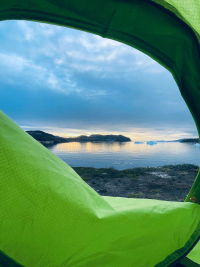
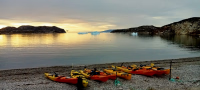
The base camp is in a beautiful, secluded little bay. All seven nights were spent in the same tent. The experience of navigating among the icebergs is fantastic, and seeing and paddling with whales so close to the kayaks is unforgettable!
M
Melanie
100% Verified Reviews: Only travelers who have booked with us can leave a review. All reviews are subject to human moderation. Reviews that do not comply with the moderation rules are rejected.
july 2024
100% Verified Reviews: Only travelers who have booked with us can leave a review. All reviews are subject to human moderation. Reviews that do not comply with the moderation rules are rejected.

Decathlon Travel Partner
The Paulin team
4.4/5
(2842 reviews)
• 821 stays
For over 30 years, our local partner has been designing adventure walking trips around the world. Specializing in small-group treks, they cater to both casual hikers and seasoned trekkers seeking unspoiled natural environments and a return to the essentials. Their key strength? They own their own agencies in over 30 countries, guaranteeing complete trip creation from start to finish, without intermediaries. This direct, on-the-ground expertise ensures memorable active experiences and total freedom amidst breathtaking landscapes.
Are you satisfied with this page?
Subscriber benefit
save 5%
by joining
our community
Decathlon Travel Benefits
Best price guaranteed:
We offer twice the difference
Free cancellation more than 30 days in advance
Payment in 2 installments
Learn more