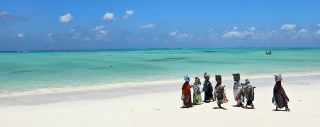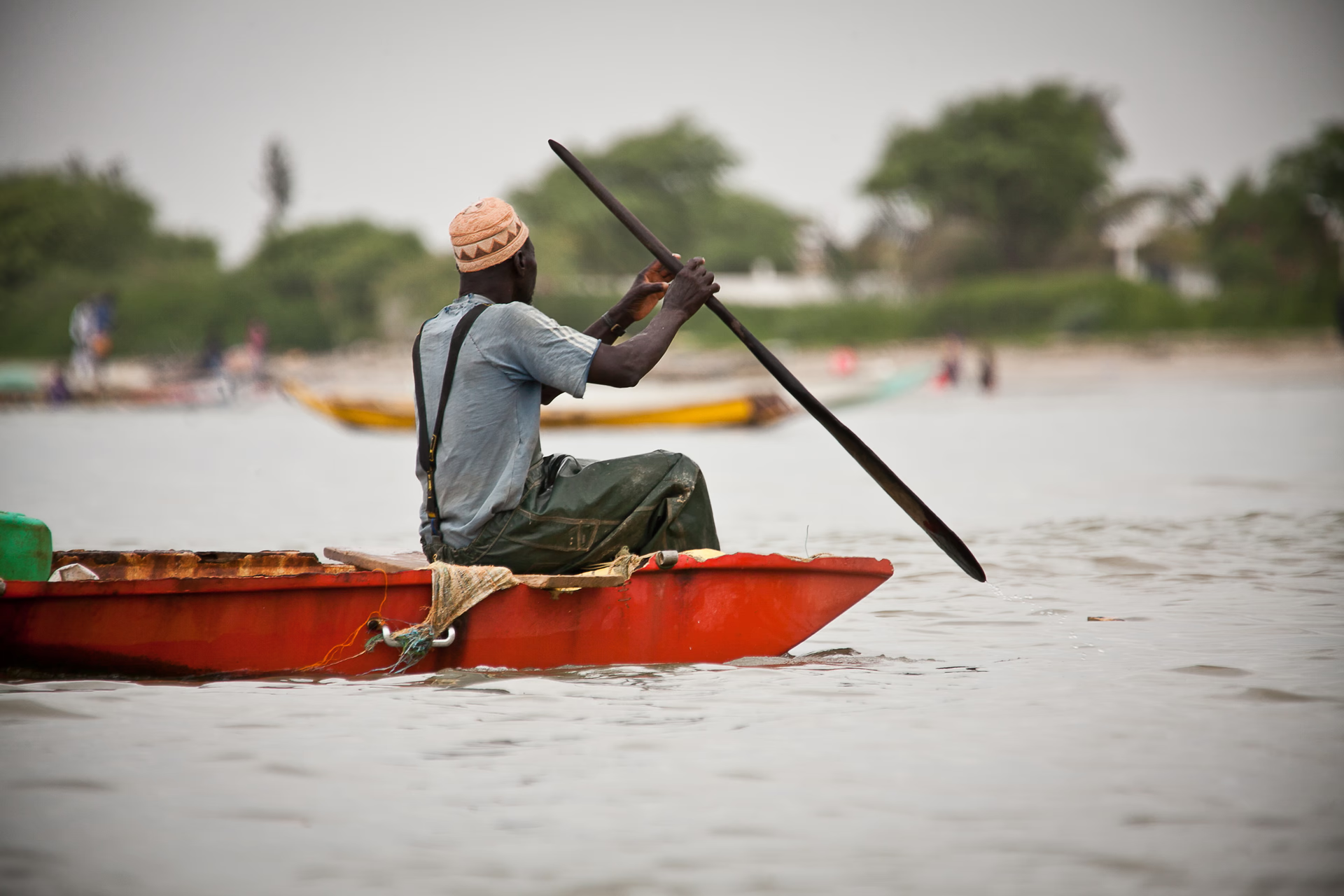
Canoeing and exploring the islands of the Sine Saloum
In summary
-
Sports
-
Duration9 days
-
LevelIntermediate
-
DestinationAfrica / Senegal
-
AgeFrom the age of 18
-
CO₂-Emissions3736.36 kg CO2
-
Type of stayIn a group
-
Languages
 French
In a few words
The highlights
-
Hiking and canoeing in the Sine Saloum
-
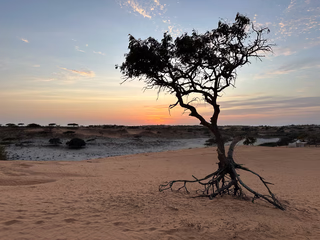
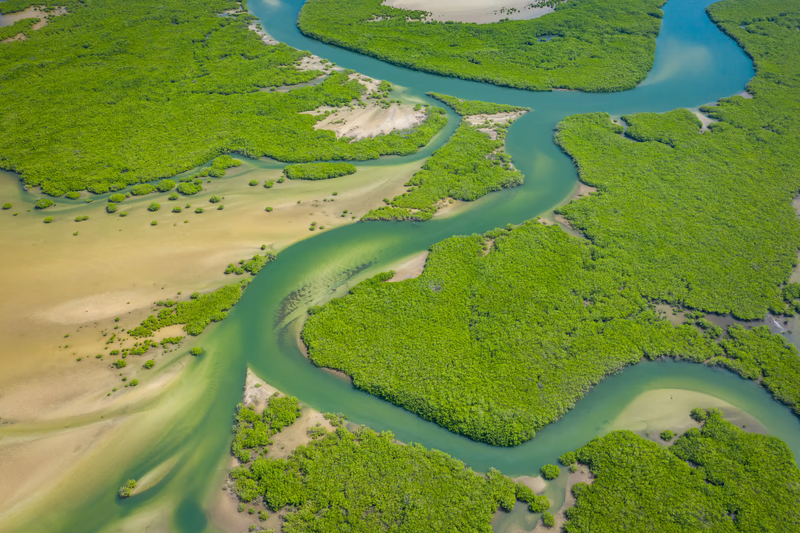
The extraordinary biodiversity, explored thanks to our means of transport
-
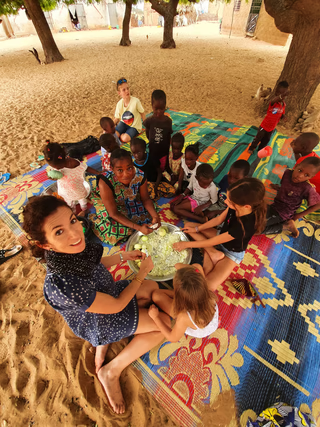
Meetings with Niominka and Socé fishermen and Serer farmers
Photos
Sport
Level
Hiking / Trekking
The expert's opinion
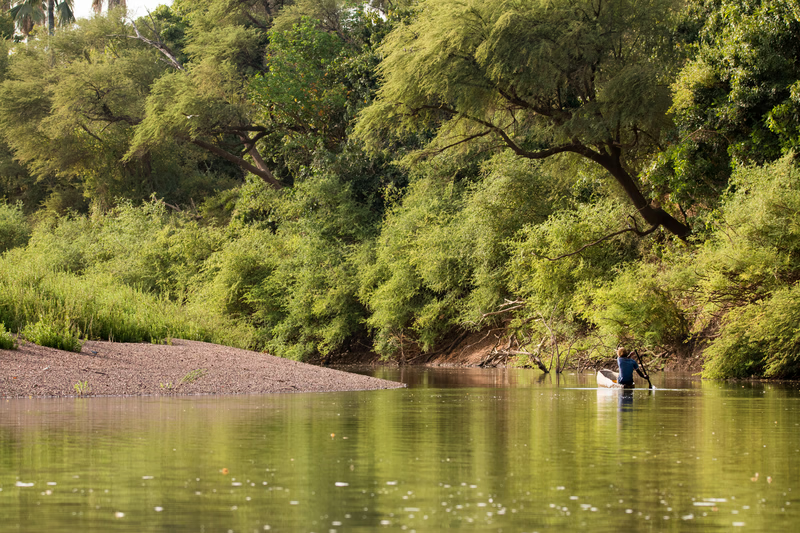
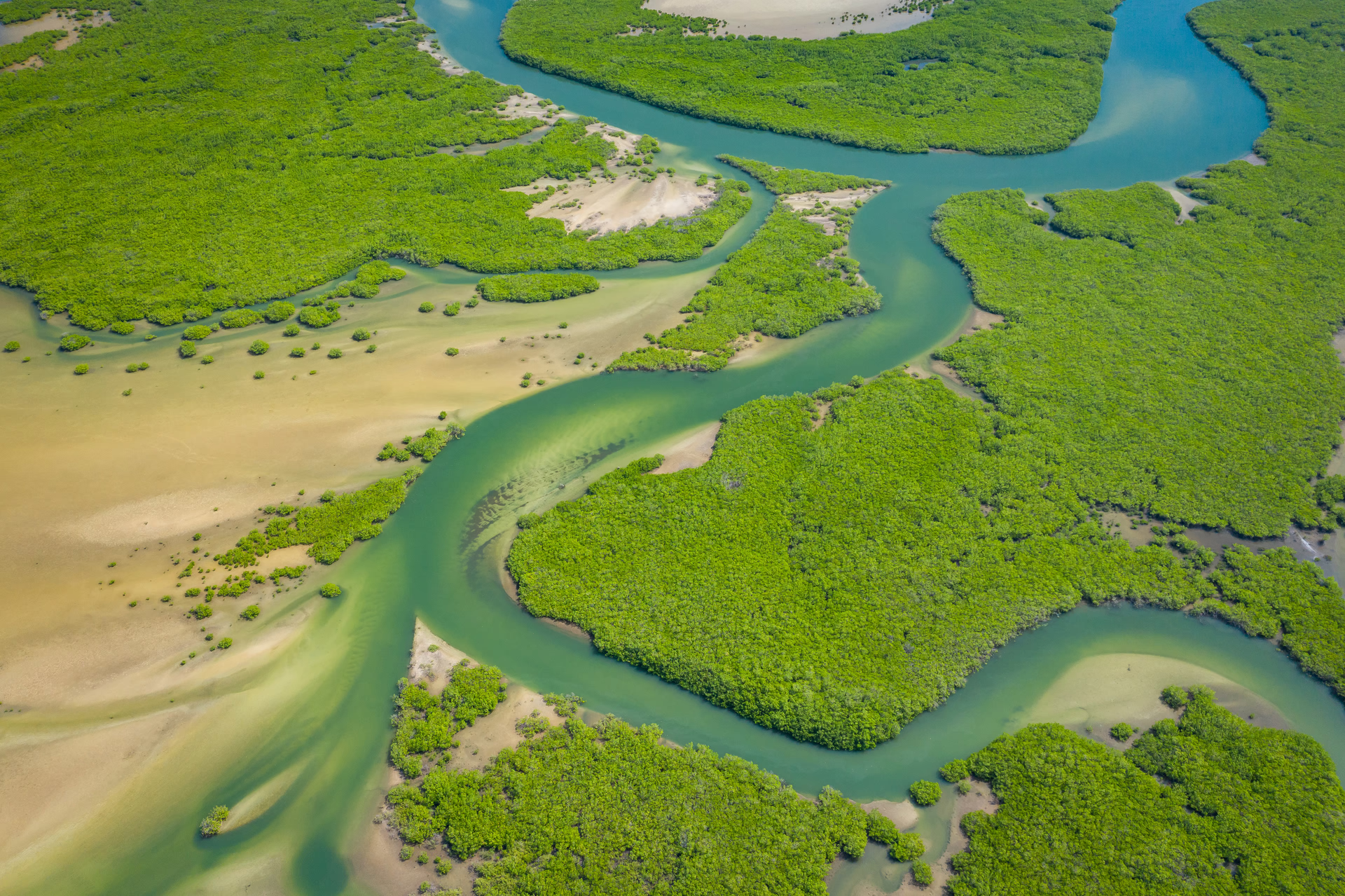
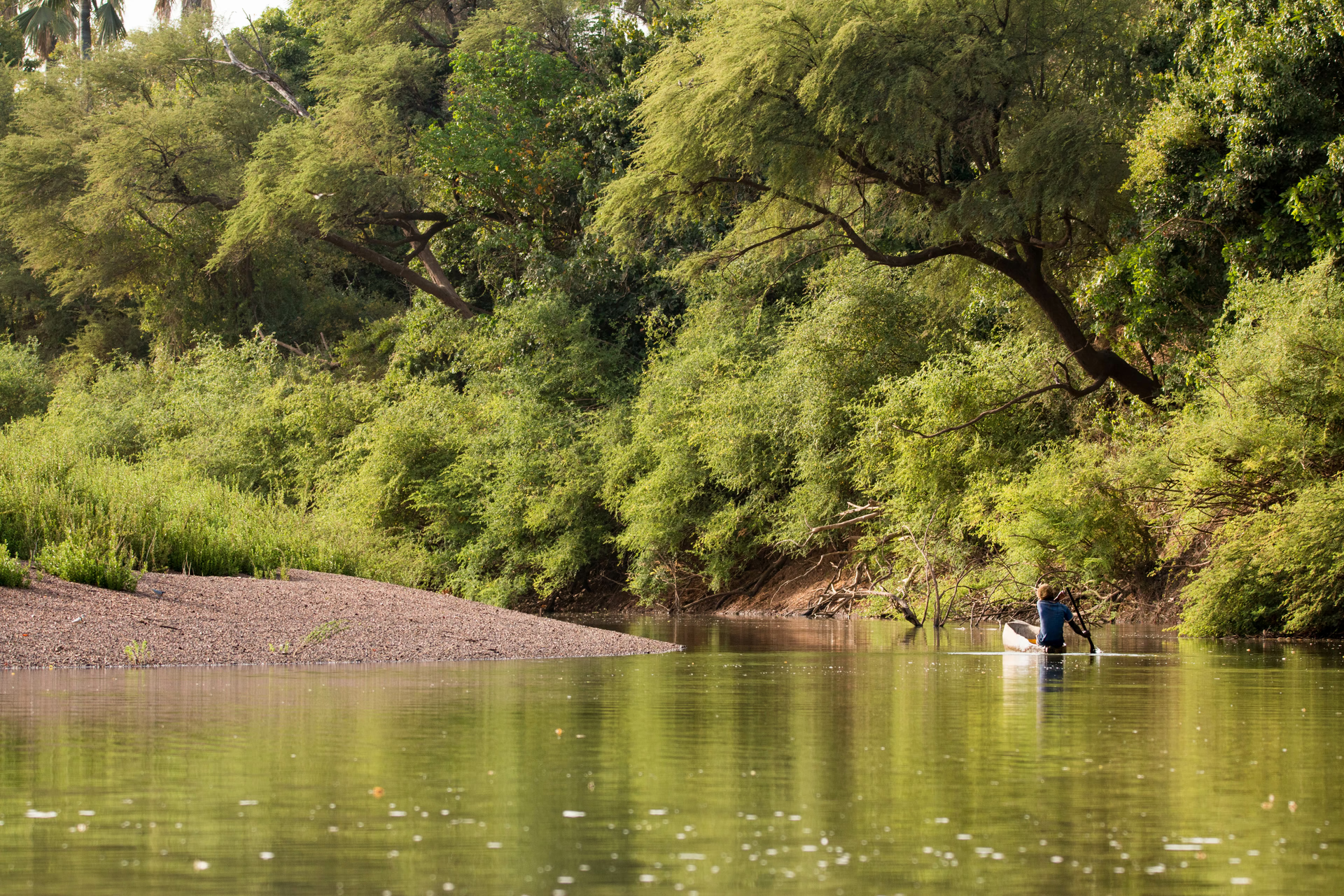
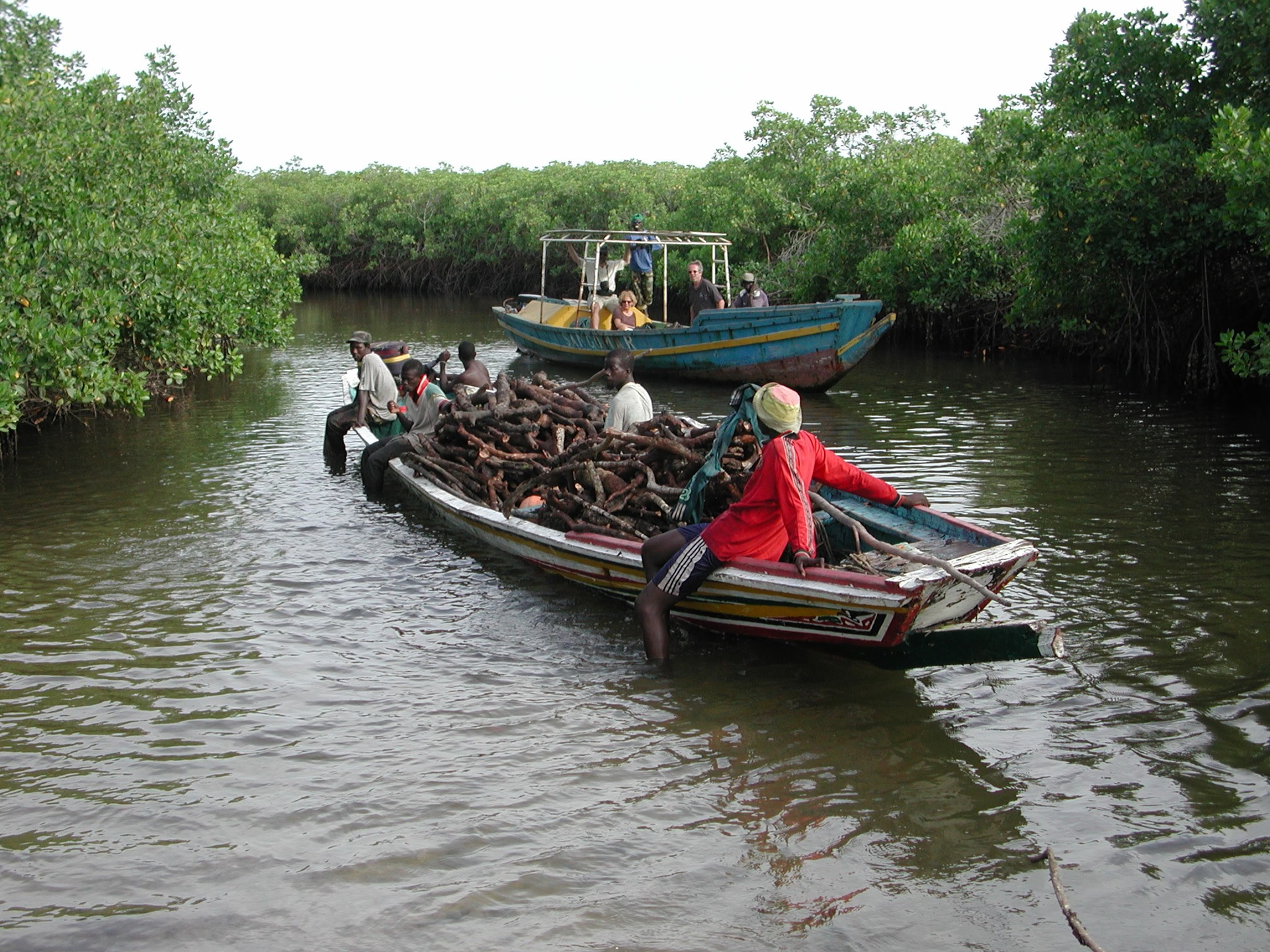
The journey takes place in the bolongs, the inlets of the Saloum Delta. They are subject to ocean tidal currents, but there are no waves and the pirogue is perfectly stable. There are life jackets on board. At no point are we in the open ocean.
In figures
Hiking
- Average duration/day: 3h
Management
French
Your team consists of a local French-speaking tour guide, a driver, and Senegalese people!
Program
-
Paris - Dakar
- Transportation Plane - 05h30 - 4200km
- Accommodation 2-star hotel
- Breakfast included
- Lunch not included
- Dinner not included
International flight to Dakar. Airport welcome. Transfer along the Corniche road, and depending on your arrival time, exceptional panoramic views of the Mamelles hills, with the lighthouse and the African Renaissance Monument, then of the Ouakam Mosque in a fishing cove, and finally of the Madeleine Islands. Check-in at the Hotel Clair de Lune (or similar), a charming colonial hotel in the heart of Dakar's historic plateau.Day 1 -
Dakar - Gorée Island - Sine Saloum
- Transportation Minibus - 04h - 220km
- Activity Hiking
- Duration of the activity 2h
- Accommodation Lodge
- Breakfast included
- Lunch included
- Dinner included
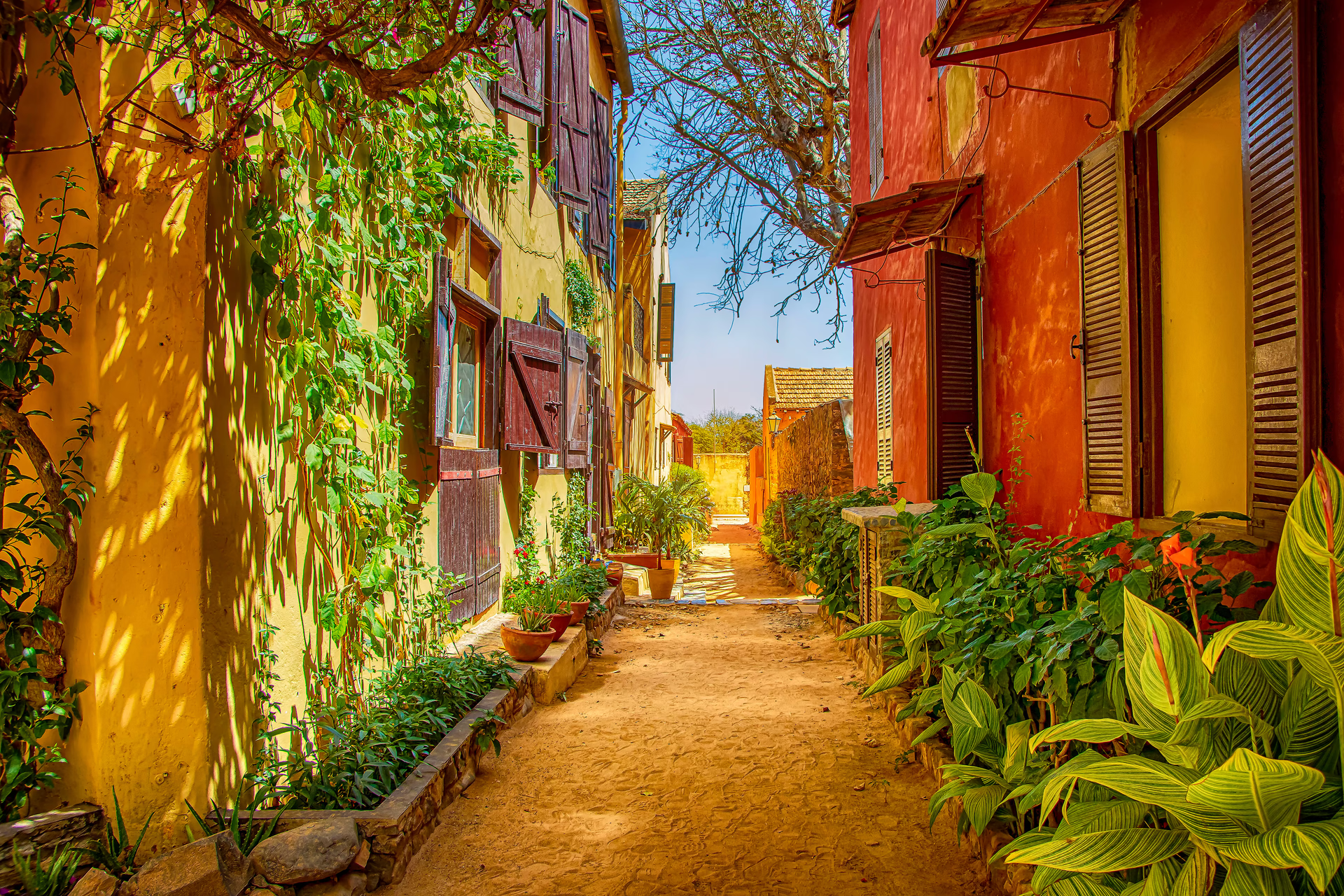
After breakfast, a guided city tour: Independence Square, former administrative buildings, the town hall and colonial-era train station, the cathedral, the Presidential Palace, and Kermel Market. We board the 10:00 AM ferry to Gorée Island. The approach to this volcanic island offers a superb panoramic view: cliffs, colonial houses… We visit the House of Slaves, with a passionate explanation from the curator. We stroll through the flower-filled alleyways to the top of the promontory for a panoramic view of Dakar Bay. We visit the church. Lunch at a typical island restaurant and return to the port of Dakar at 3:00 PM. We then travel towards Sokone, gateway to the Saloum Delta Natural Park. We check into Les Barracudas, an ecolodge built on a shell island, offering extraordinary views of the mangroves. You will be assigned your comfortable bungalows, scattered throughout a wooded park. We take advantage of a free late afternoon to swim in the pool overlooking the mangrove or sunbathe on the terraced beach by the bolong.Day 2 -
Walking and kayaking trip - Bambougar
- Activity Hiking
- Duration of the activity 2h
- Accommodation Lodge
- Breakfast included
- Lunch included
- Dinner included
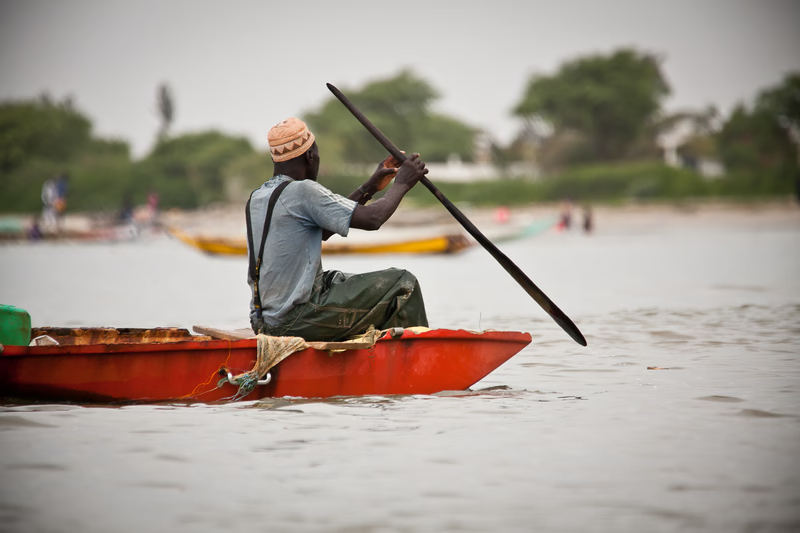
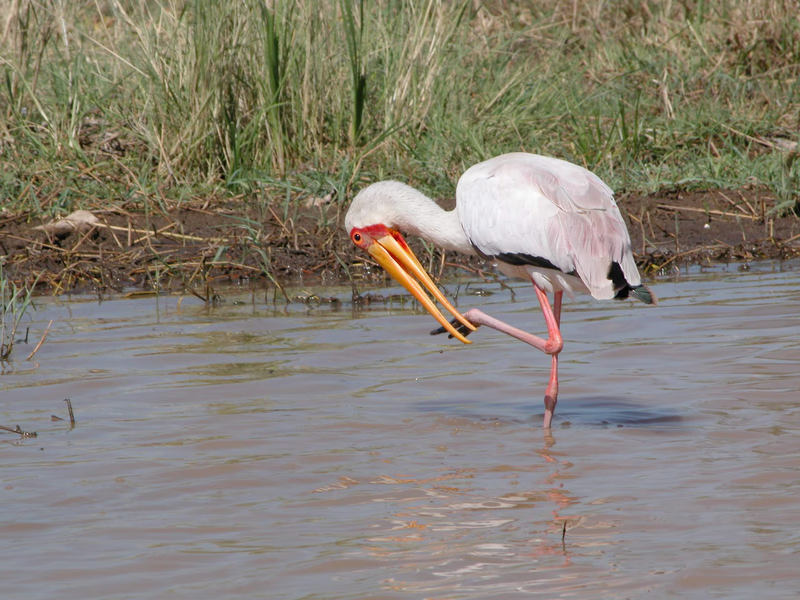
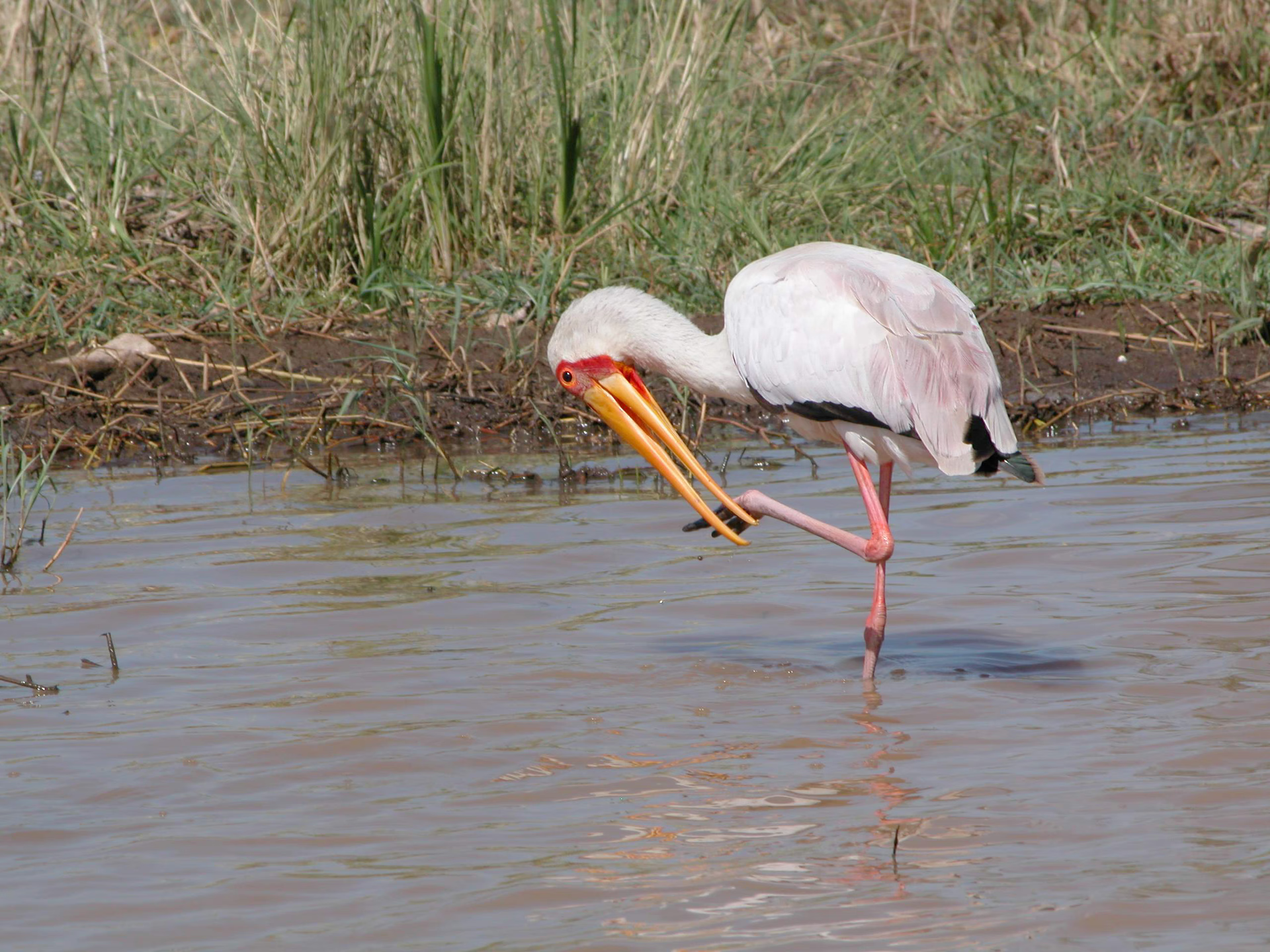
After breakfast, we set off with our eco-guide for a 2-hour kayak excursion to explore the mangrove ecosystem in depth, a refuge for numerous marine, terrestrial, and aerial animals. After an initial approach via the main channel, we enter a winding bolong (tidal creek) where only our double (or triple with a child) canoes can navigate the narrow passages. These passages sometimes form a veritable tunnel of vegetation amidst a tangle of roots, some aerial, some aquatic, on which mangrove oysters grow. We can listen to and observe the seabirds, discover fry among the roots, and perhaps even catch a glimpse of a monkey or a jackal on a sandbar. We'll likely encounter village women in their dugout canoes, harvesting mangrove oysters or gathering cockles on a sandbank. Lunch at Les Barracudas and a free early afternoon to enjoy the tranquility and beauty of the surroundings, relax by the pool overlooking the mangroves, sunbathe on the beach along the bolong (creek), or fish directly from the dock. Around 4 pm, depart for a 2-hour hike in the surrounding nature. Note: Canoeing and kayaking are an accessible, pleasant, and natural activity for everyone. This silent "navigation" on the river and the bolong allows for a true connection with the surrounding nature.Day 3 -
Hiking and traditional dugout canoe trip to Point Baladour
- Activity Hiking
- Duration of the activity 4h
- Accommodation Bivouac / Tent
- Breakfast included
- Lunch included
- Dinner included
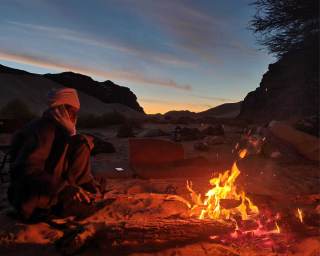
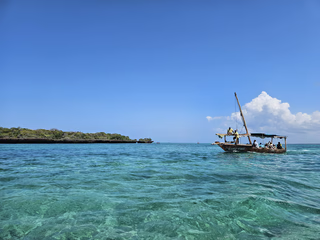
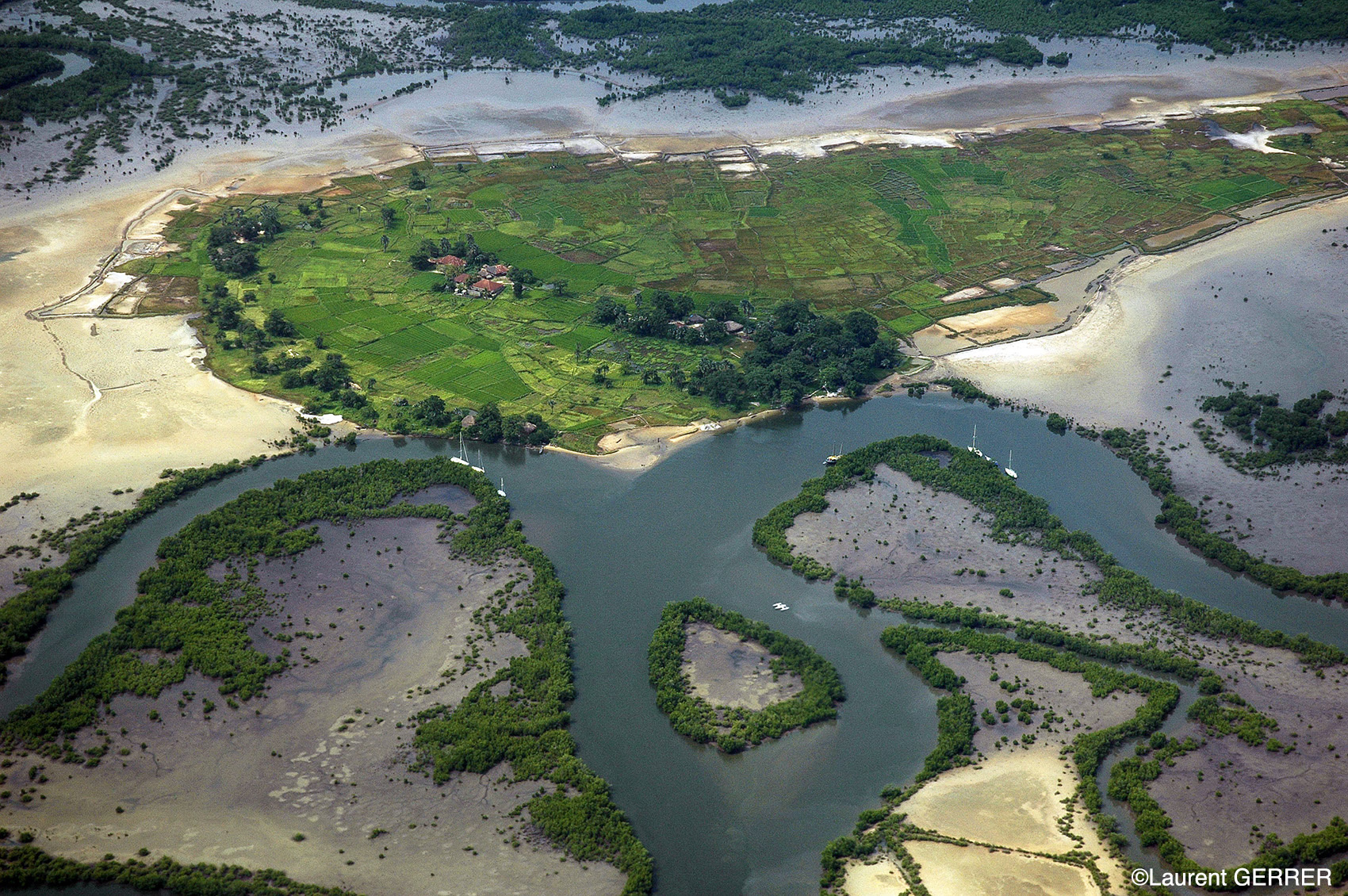
We embark on a four-day canoe trip through the heart of the National Park, traveling from one bolong (tidal creek) to another, to discover several islands and fishing villages within this unique ecosystem. Our dugout canoe allows us to cross the bolong and disembark on the opposite bank from the ecolodge. We set off on a three-hour hike in the cool of the morning to reach the village of Badoudou. The savanna, grazed by free-roaming cattle, borders fields of annual crops (millet and peanuts) dotted with fruit trees (medlar, cashew, ditakh, and palm trees), with mudflats bordered by mangroves, offering opportunities to observe various bird species. We meet the women who cultivate the vegetable gardens. We discover a small palm grove, cultivated using traditional methods to produce local palm wine. We then return to the former Caritas center where we have lunch. Swimming is possible in the bolong (tidal creek). Our dugout canoe met us via the Badoudou bolong, and we set off towards Diorom Boumak, the largest shell mound in the Saloum Delta, which contains very ancient burial mounds (dating from between the 7th and 13th centuries). It forms an island that rises beautifully 25 meters above the mangrove. The scenery is stunning, and old baobab trees, covered in parakeet nests, thrive in the limestone-rich soil. We continued by dugout canoe to Diombos, the main inlet of the Saloum Delta, to reach Balandour Point, where we set up camp at the foot of the Grand Mirador viewpoint, which marks the boundaries of the Bamboung Marine Protected Area (MPA). A short climb rewards us with a rare 360° panoramic view over the mangrove. We enjoyed a short walk as the sun began to set, observing the birds.Day 4 -
Hiking and canoeing - Meeting at the village of Bossinkang - Bakous
- Activity Hiking
- Duration of the activity 4h
- Accommodation Bivouac / Tent
- Breakfast included
- Lunch included
- Dinner included
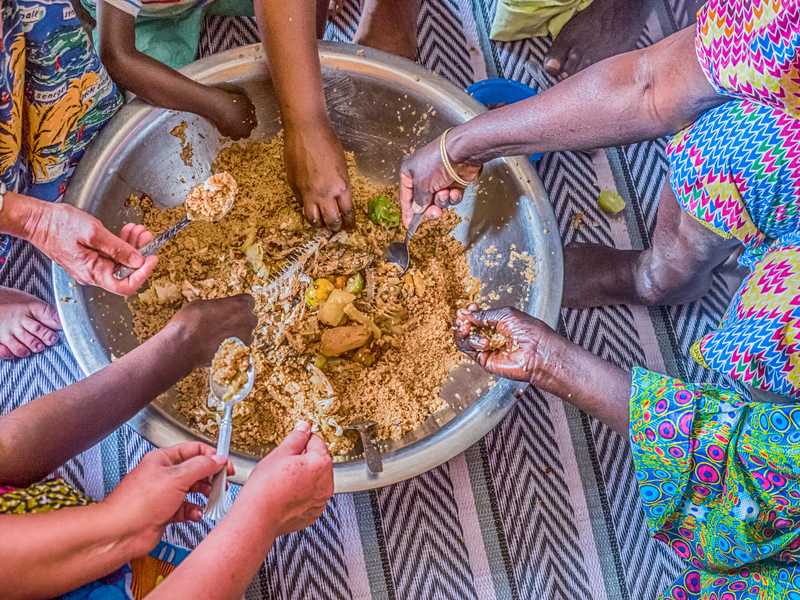
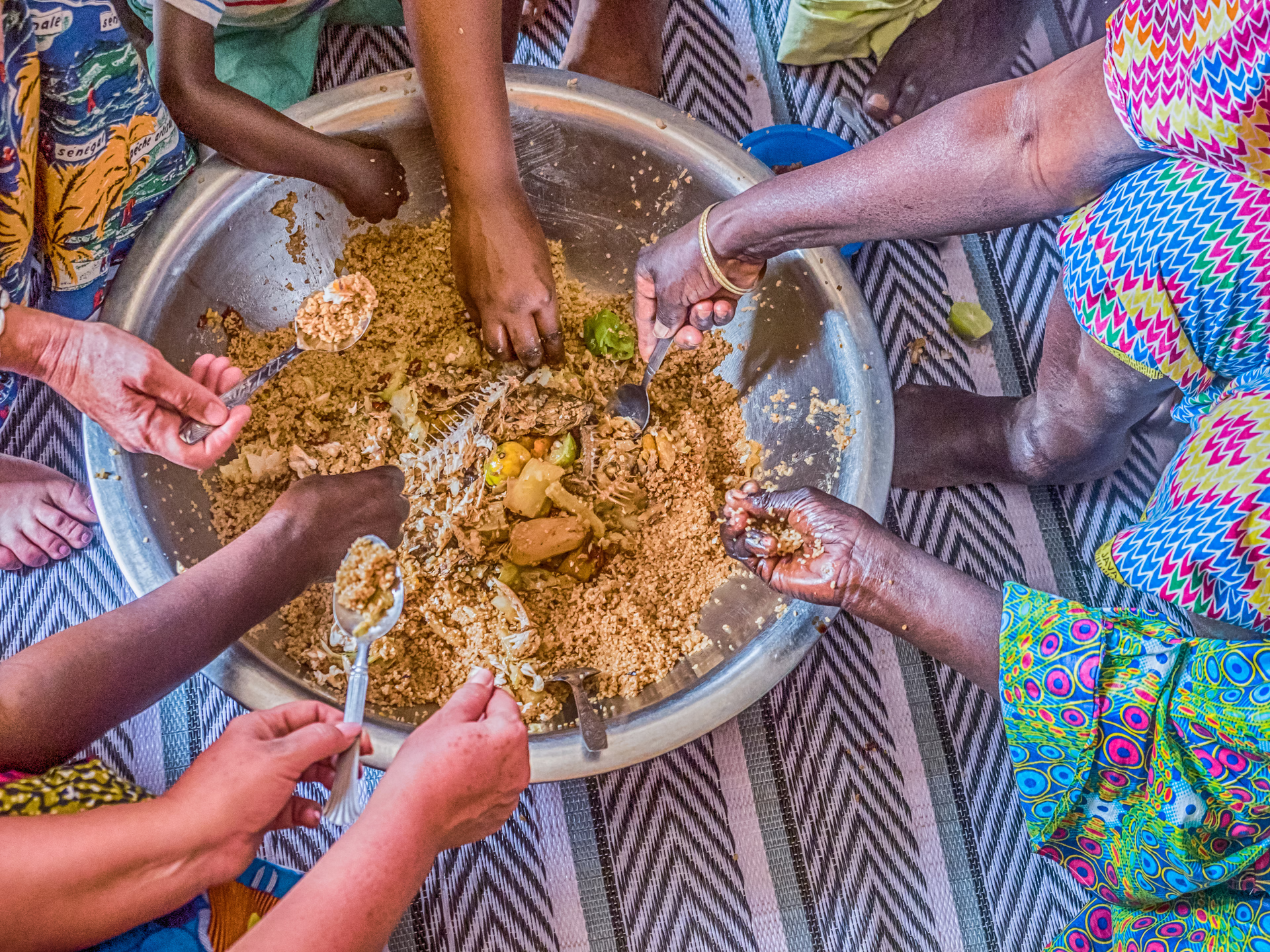
We travel up the Bamboung River for an hour to reach the community ecotourism camp. Our morning is dedicated to exploring the ecological trails with an eco-guide from the Marine Protected Area (MPA). This 7,000-hectare area comprises a 15-km stretch of coastline, salt flats, mudflats, and a large grassy and wooded savanna. We continue with a two-hour hike through the protected forest of the Betanti Islands archipelago to reach the traditional villages of Kossar and then Bossinkang. Our host family offers us coconut milk as a welcome. We then explore the village, which is predominantly inhabited by the Mandinka people, the ethnic group that populates the Betanti Islands. We share lunch with the family, followed by the traditional Senegalese tea ceremony, a time for conversation and a deeper understanding of their daily lives. We extend this memorable moment with a nap in the shade of the trees; some may try their hand at learning typical African games, such as yoté or awale; others may play a football match with the children returning from school or try their hand at the national sport, Senegalese wrestling. We set off again for a short walk followed by a crossing in a traditional dugout canoe, which has joined us to reach our bivouac site on a dune overlooking the mangrove, facing Bakous Island. We pitch our tents and prepare dinner. A heavenly night in this exceptional, wild setting.Day 5 -
Hiking and traditional canoe trip - Guior Island - Sangomar Island
- Activity Hiking
- Duration of the activity 4h
- Accommodation Bivouac / Tent
- Breakfast included
- Lunch included
- Dinner included
We resumed our journey with a 1.5-hour walk to reach Bétanti, a small, densely built town nestled in a veritable coconut grove. Facing the Atlantic Ocean, it stands as a sentinel of the delta, on the border with The Gambia. The Socé people are entirely oriented towards the ocean, for fishing and traditional maritime transport with The Gambia. We boarded our dugout canoe again and headed north for Guior Island, where we often encountered pods of dolphins in the fish-rich mouth of the Diombos River. We even tried our hand at handline fishing, a simple method using a line, weights, and a hook baited with a yaboy (a type of herring); and the fish were really biting! We settle down on this secluded beach at Pointe Jackson, where we prepare a Robinson Crusoe-style barbecue to enjoy the fruits of our fishing (we're also bringing some fish from Betenti for those rare days when the fishing is poor...). Coconuts complete this picture-perfect scene! Relaxation and swimming are on the agenda to savor this moment. We take the dugout canoe back to reach more islets extending from Sangomar Island. We set up camp in a cove sheltered from the ocean currents. We swim in this lagoon formed by emerging islets. Dinner and overnight stay in this new, wonderful natural setting.Day 6 -
Hiking and traditional dugout canoeing - Guior - Dionewar
- Activity Hiking
- Duration of the activity 4h
- Accommodation Lodge
- Breakfast included
- Lunch included
- Dinner included
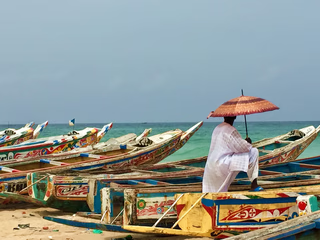
We set off by dugout canoe to reach Nodior Island, just opposite our campsite. We embark on a two-hour hike through the heart of the island towards the village. We discover an ancient shell mound, another former burial mound, which has unfortunately been transformed into a quarry for building materials. We cross the sacred grove to reach this beautiful village, predominantly inhabited by the Serer Niominka people, also facing the ocean. Renowned for crafting the finest dugout canoes, its boatbuilders pass down their ancestral knowledge from father to son. The women tirelessly harvest cockles as the tides reveal the sandbanks in front of the village, then boil and dry them. We continue by dugout canoe to the mainland, passing off the coast of Djiffer, a large traditional fishing port where very large canoes from all over West Africa converge. Transfer to Palmarin to settle into the Diakhanor Guesthouse, nestled between a white sand beach and a lagoon. The mud-brick architecture is striking, a product of the blending of several Senegalese ethnic groups. We settle into a simply furnished bungalow consisting of a small living room, a ventilated bedroom with a sea view, and a private bathroom. Lunch is at the ecolodge, followed by relaxation by the pool or on the beach. The late afternoon is dedicated to discovering the "continental" side of the Saloum Delta's rich ecosystem, with the Community Reserve. We take a local cart to the salt pans, a lunar landscape alternating between multicolored pools of water and mounds of salt. These curious "salt marshes," dug by hand, are tirelessly worked by the women. This is the starting point for a very pleasant walk with an eco-guide in the nature reserve. We discover several "shell hills," likely other ancient burial mounds dating back thousands of years. Numerous trees grow in this protected area, bordered by mangroves. We observe a multitude of land birds and, along the paths, we meet villagers who maintain agricultural and livestock farming activities. We return to the guesthouse at nightfall for a final evening in this authentic African setting.Day 7 -
Joal-Fadiouth - Mbour - Dakar - return flight
- Transportation Plane - 05h30 - 4200kmper day
- Activity Hiking
- Duration of the activity 1h per day
- Breakfast included
- Lunch included
- Dinner not included
Free morning to relax by the pool or on the beach. After lunch, we travel to Joal-Fadiouth, twin towns at the gateway to the Saloum Delta. The small town of Joal enjoys renown and influence due to the childhood of Léopold Sédar Senghor. Fadiouth is an island made up of layers of centuries-old shells, located opposite Joal and connected to the mainland by an 800-meter-long wooden bridge. Its population is 90% Catholic. Lunch at a restaurant on the banks of a bolong (a type of inlet). Accompanied by a guide from the local tourist office, we board a small pirogue (dugout canoe) that winds past oyster beds and mangroves to reach the millet granaries and the cemetery on a second shell island, crowned by a large Calvary cross offering an excellent view of the village and the surrounding mangrove-lined bolongs. The place is picturesque. We then cross a wooden bridge to visit Fadiouth, its narrow streets, and its church. The main island is very pleasant to explore. The villagers still live off fishing and farming in the bush near the island. We are back on the mainland. We continue to Mbour where we settle into a restaurant for this last evening and a final snack. Your transfer to the airport is scheduled 3 hours before your flight's departure. Assistance with final formalities will be provided.Days 8 to 9
Note
Accommodation
Access
On site, we travel in a Mercedes Unimog 4x4 truck.
During the 4 days of "canoe trekking" in the Sine Saloum National Park, we travel by motorized canoe.
Go to the starting point
Regular flights , mostly with a stopover (TAP, Royal Air Maroc, Brussels Airlines, Tunisair, Iberia, Vueling, etc.).
In fact, we most often offer TAP Portugal with a flight plan like this as an example:
ONE-WAY FLIGHT
Departure from Paris Orly Airport (ORY) at 4:35 PM
Arrival in Lisbon at Lisbon Airport (LIS) at 18:10
Stopover in Lisbon, Lisbon Airport (LIS)
Departure from Lisbon Airport (LIS) at 20:55
Arrival at Dakar Blaise Diagne International Airport (DSS) the following day at 00:05
_____________________
RETURN FLIGHT
Departure from Dakar Blaise Diagne International Airport (DSS) at 02:00
Arrival in Lisbon at Lisbon Airport (LIS) at 06:00
Stopover in Lisbon, Lisbon Airport (LIS)
Departure from Lisbon Airport (LIS) at 11:00
Arrival at Paris Orly Airport (ORY) at 2:30 PM
Usually the return flight is on day 8 at night for an arrival in France on day 9 (if it is a day flight on day 9, plan for an extra night).
Direct flights are possible, but often with a supplement: please contact us.
Price details
The price includes
- The Paris / Dakar / Paris flight
- Airport reception
- Local transfers by 4x4 truck, minibus and dugout canoe
- Accommodation
- Full board unless otherwise stated
- The local team
- A French-speaking tour guide
The price does not include
- Meals for days 1 and 9
- Personal expenses
- Drinks
- Excursions not included in the program
- Tips for the local staff (at your discretion)
Options
- Flex fare and insurance
Practical information
Specific formalities
Specifics
Before your departure, check with the embassy or consulate regarding the entry and stay requirements for your destination country. You can also find this information on the France Diplomatie website ( https://www.diplomatie.gouv.fr/fr/dossiers-pays/ ).
In the case of flights with stopovers operated by different airlines, also check the entry requirements of the countries you are transiting through.
It is your responsibility to ensure you are in compliance, particularly regarding the validity of your identity documents (for example, some countries require your passport to be valid for at least six months after your return) , visa requirements, necessary vaccinations, and health recommendations. And don't forget to consider any customs restrictions and other potential requirements of your destination or transit country.
ℹ️ Information may change up to the departure date, remember to regularly check official websites.
Equipment
Equipment provided on site
Bivouac and cooking equipment, both individual and collective (including sleeping bags), is provided by your local team.
Equipment to bring
- Earplugs or Hears, your choice.
- Plastic bags for waterproofing your belongings, cameras and clothes in particular.
- Notepad.
- Binoculars.
- Mosquito repellent.
- Sleeping bag liner for hygiene reasons in sleeping bags
- A small inflatable pillow is always welcome.
- Toiletries kit and bath towel
- Sunscreen cream and stick (face and lips)
- Headlamp with spare batteries and bulbs
- A water bottle with a minimum capacity of 1 liter, lightweight and insulated.
- Pocket knife, preferably multi-purpose (to be packed in checked baggage)
- Toilet paper + lighter for destruction
Clothing to bring
Clothing, from head to toe
- Hiking boots: they are a hiker's best friend and must combine two qualities: sturdiness and good support for the foot and ankle. Avoid new shoes; blisters could ruin your trip.
- Lightweight shoes (like sneakers) or walking sandals are suitable for wearing during stops in towns, villages, or in the evening at camp. Sandals, with their breathable design, are ideal for evenings when the temperature allows.
- A pair of open plastic sandals is recommended for the mangrove excursion, which takes place largely in salt water.
- Socks
- Canvas trousers or Bermuda shorts
- Swimsuit (pool, sea, delta!)
- Light shirts or T-shirts for the day
- Pullover or fleece for evenings.
- Hat
- Sunglasses
The Paulin team
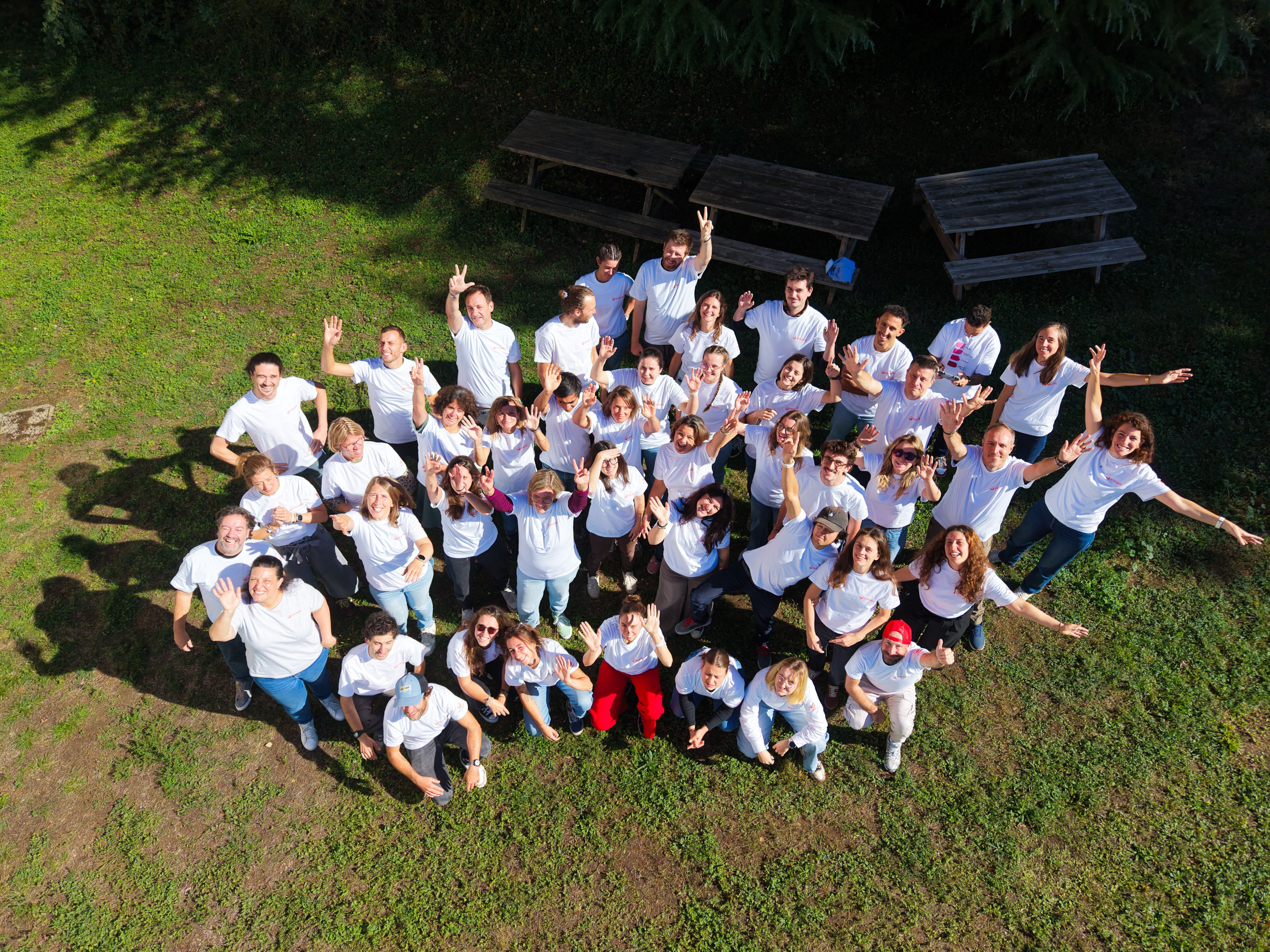
Passionate about travel and connecting with people, our team will help you design meaningful adventures. From small group tours led by passionate local guides to tailor-made trips, experience unique journeys, immersing yourself in cultures and communities. From cultural discovery to challenging treks, explore the world's most beautiful destinations with us, far from the beaten path, at your own pace and according to your desires.