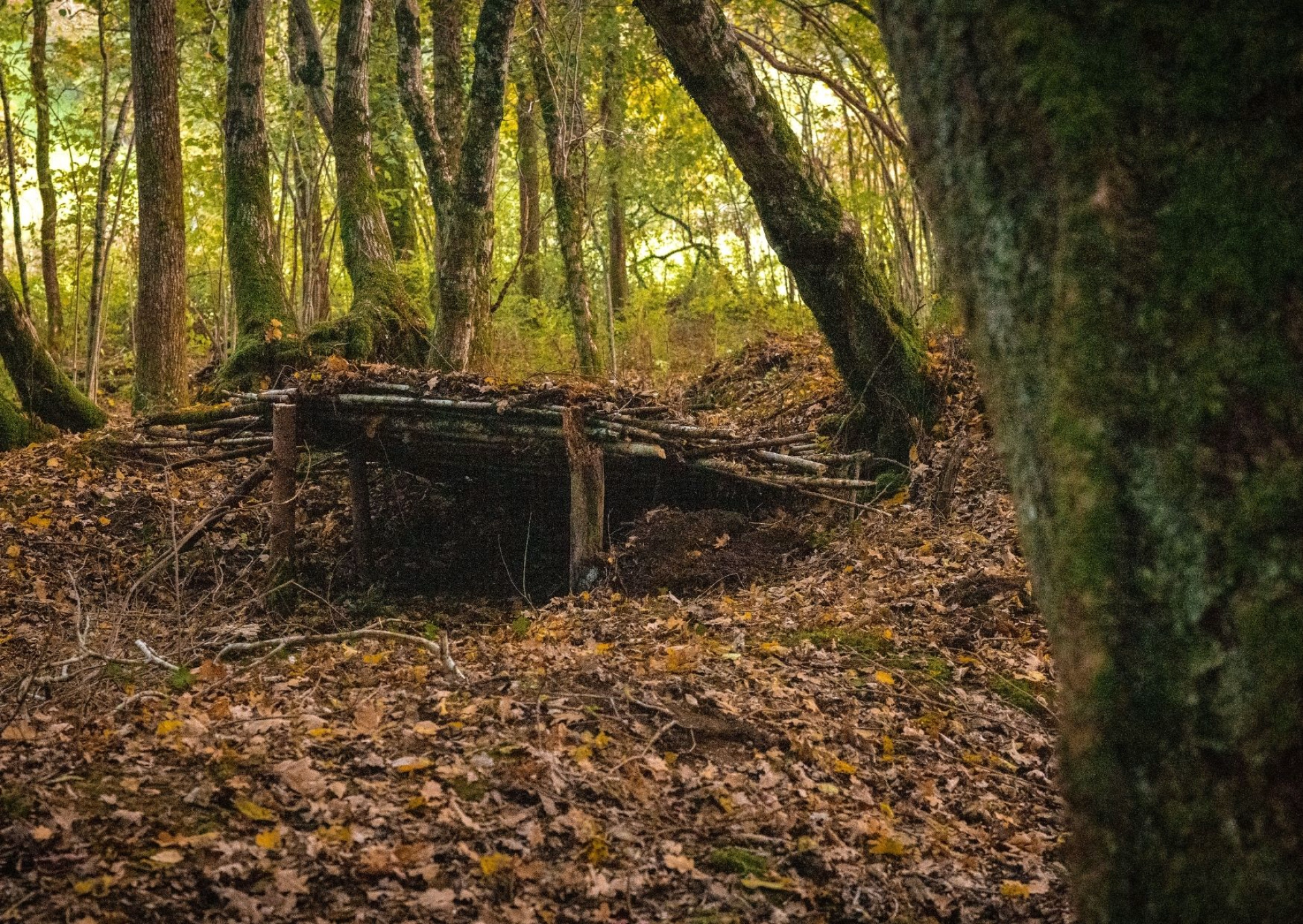
Bushcraft weekend in Burgundy
In summary
-
Sports
-
Duration2 days
-
LevelBeginner
-
DestinationFrance / Burgundy-Franche-Comté
-
AgeFrom 14 - 90 years
-
CO₂-Emissions3.58 kg CO2
-
Type of stayIn a group
-
Languages
 French
In a few words
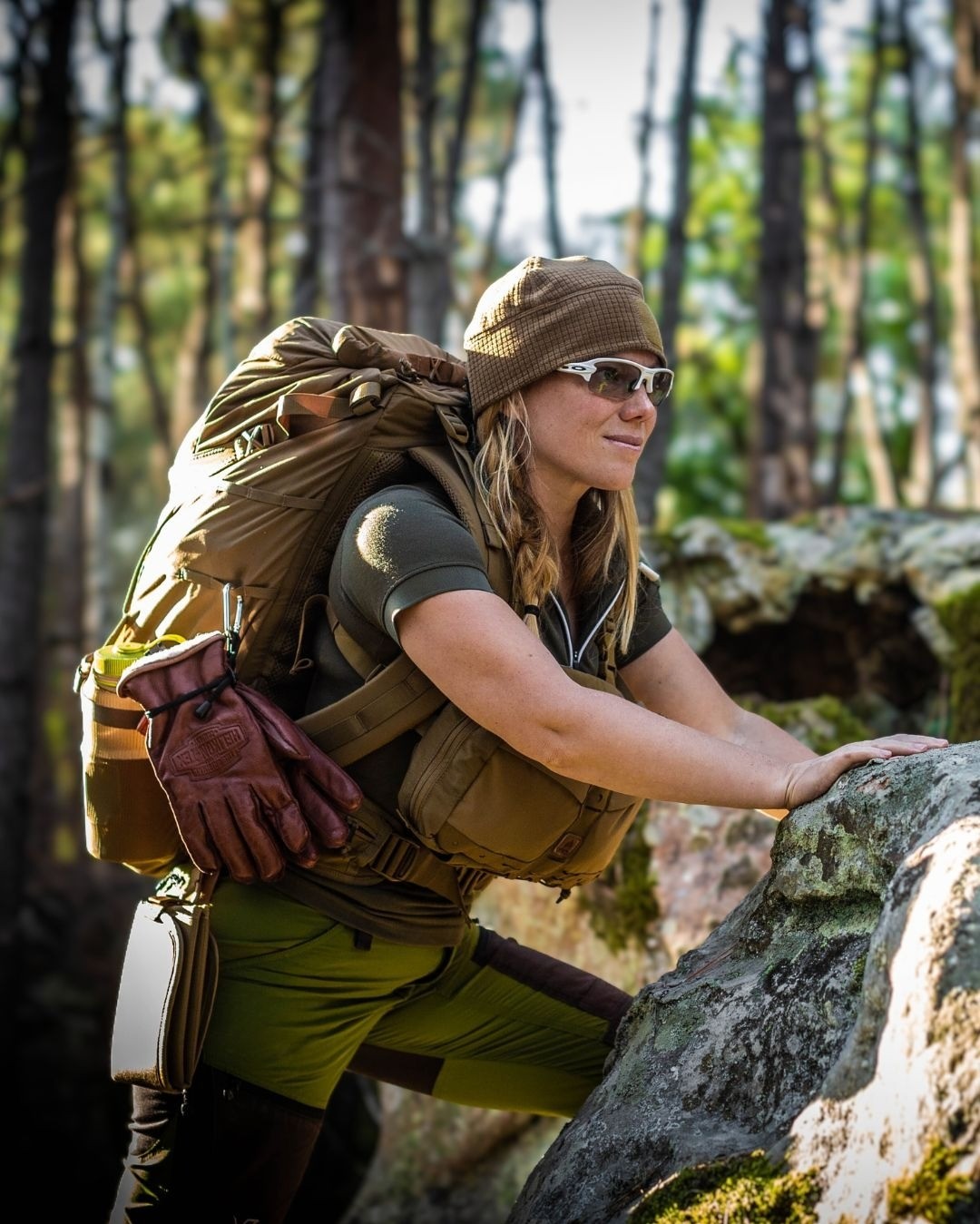
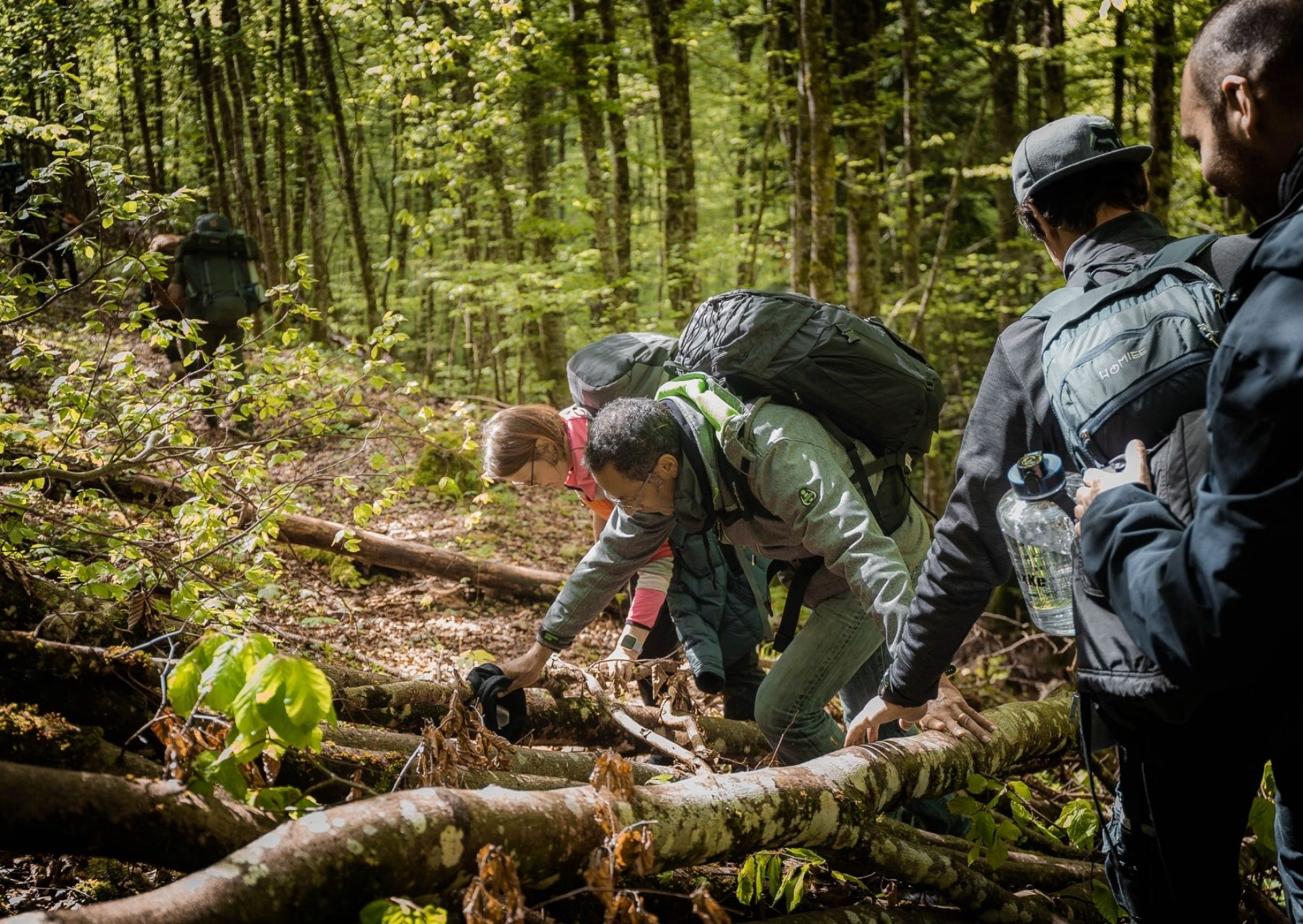
Embark on a two-day bushcraft adventure in Burgundy ! Experience life in the great outdoors, learn how to navigate, find water, and filter it. During this course, you'll also discover how to pack your bag, light a fire, and build a shelter... all in a friendly atmosphere! This bushcraft trip is a golden opportunity to experience adventures in the wilderness while respecting the law and the environment . It's an enriching experience combining training and exploration ! You'll be guided by experienced guides who will share their passion through practical workshops focusing on wilderness survival techniques and a range of essential skills. By the end of the weekend, you'll be ready to confidently plan your own getaways.
The highlights
-
Equipment provided
-
Certified outdoor instructor
-
At night, surrounded by deer and (with a bit of luck) the neighboring stag!
Photos
Sport
Level
Bushcraft
The expert's opinion
The content is rich and varied, allowing more experienced people to learn just as much as novices!
No physical or technical difficulties
Management
French
Mountain Guide
Program
-
Welcome and first day of workshops
- Activity Bushcraft
- Accommodation Bivouac / Tent
- Breakfast not included
- Lunch not included
- Dinner not included
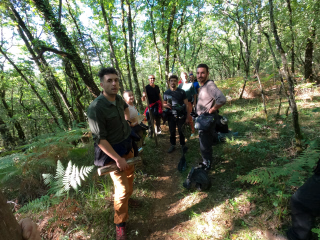
9:00 am: Welcome of participants and introduction of the team. Round table discussion of everyone's expectations and distribution of equipment for the 2 days.
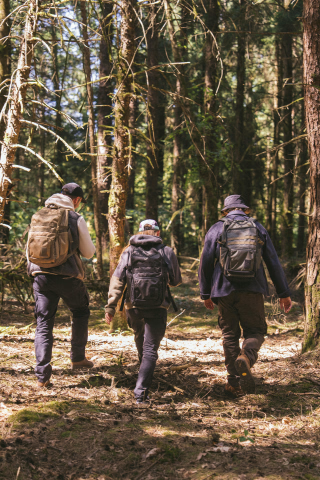
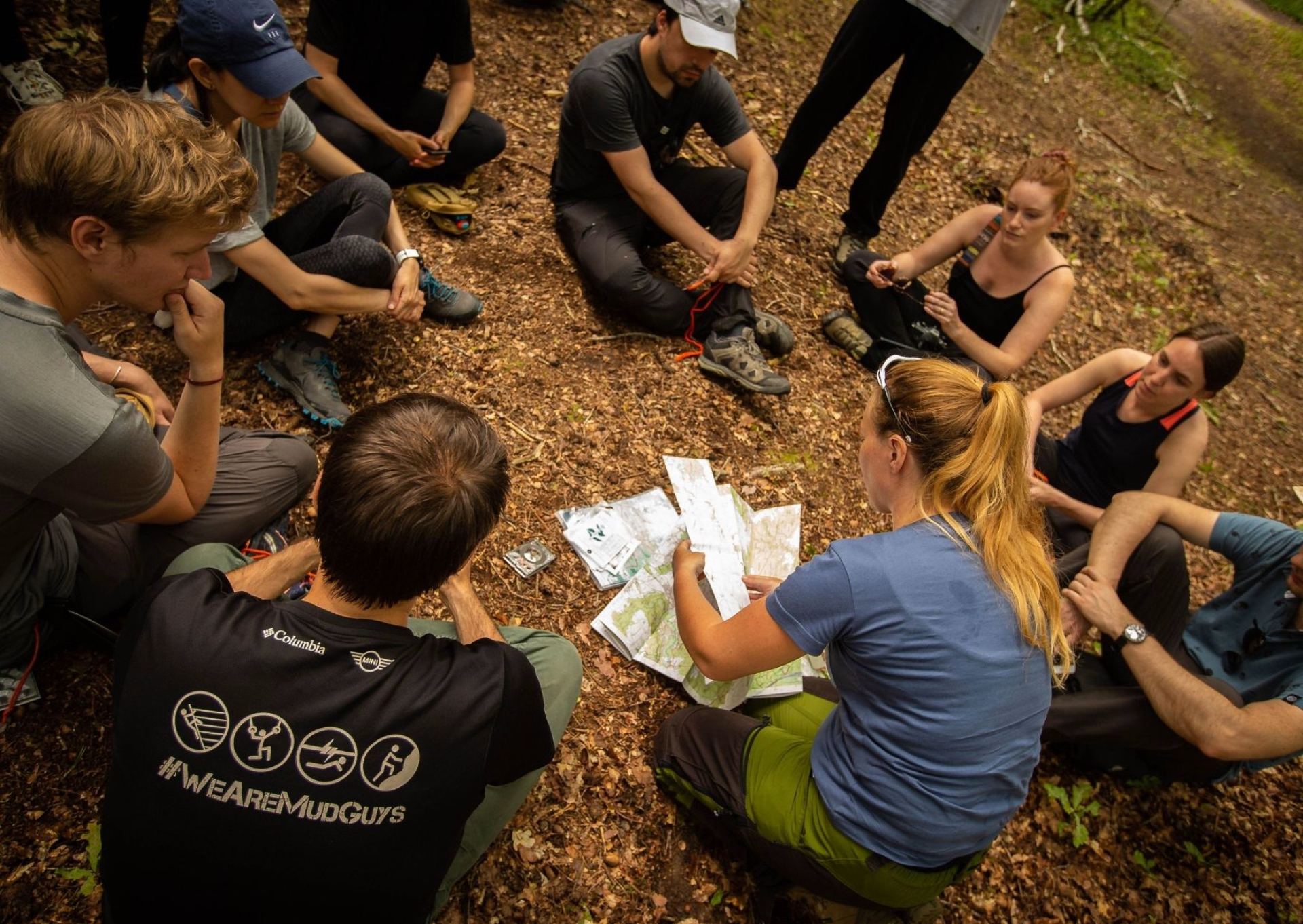
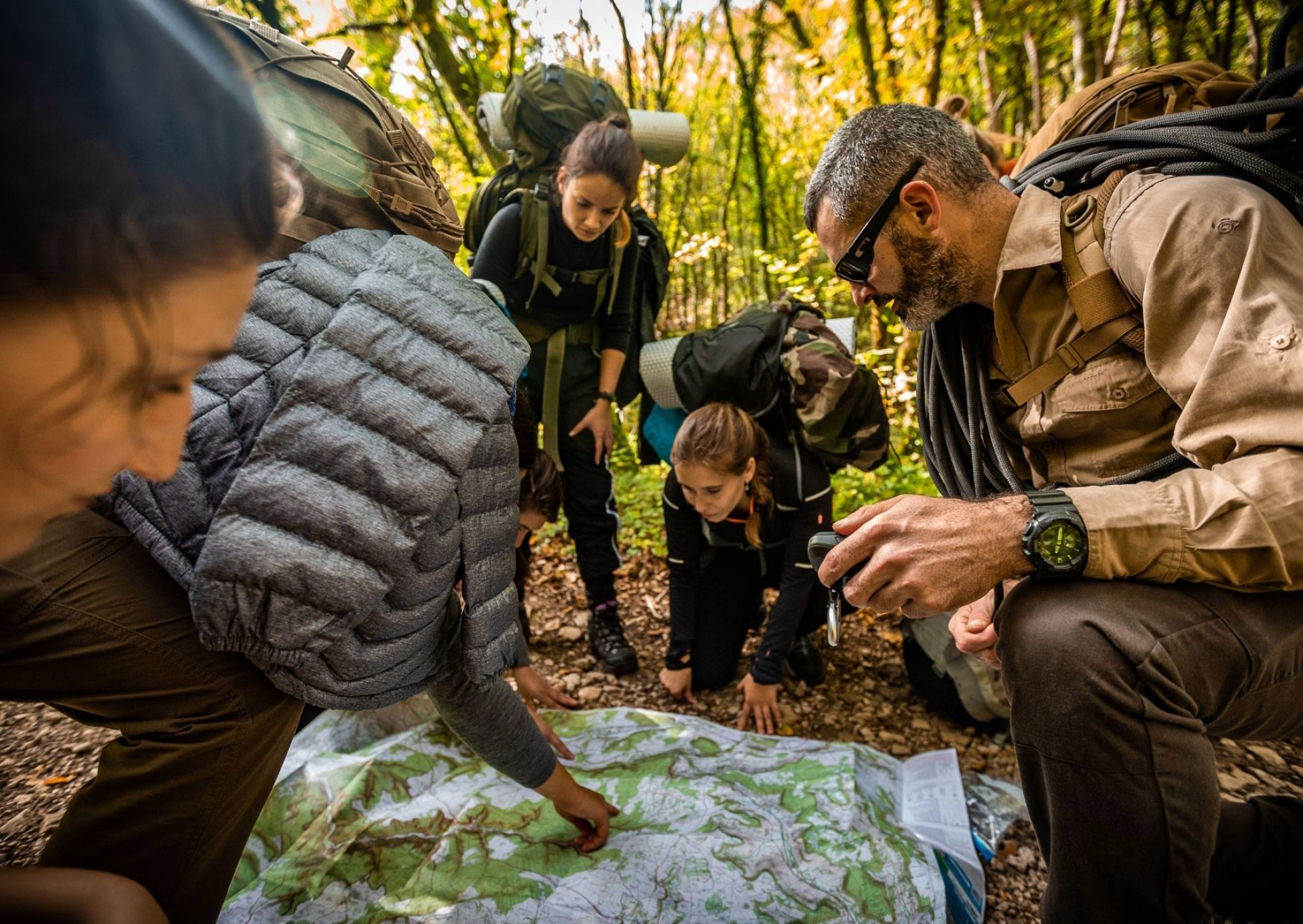
9:30 am: Departure for the first workshop on orientation and map reading. Each person will take turns leading the group to practice using a compass.
During this easy hike, we will see:
- Survival priorities using the rule of 3 /
- Putting together a survival kit: "the 6 Cs" and the kit system
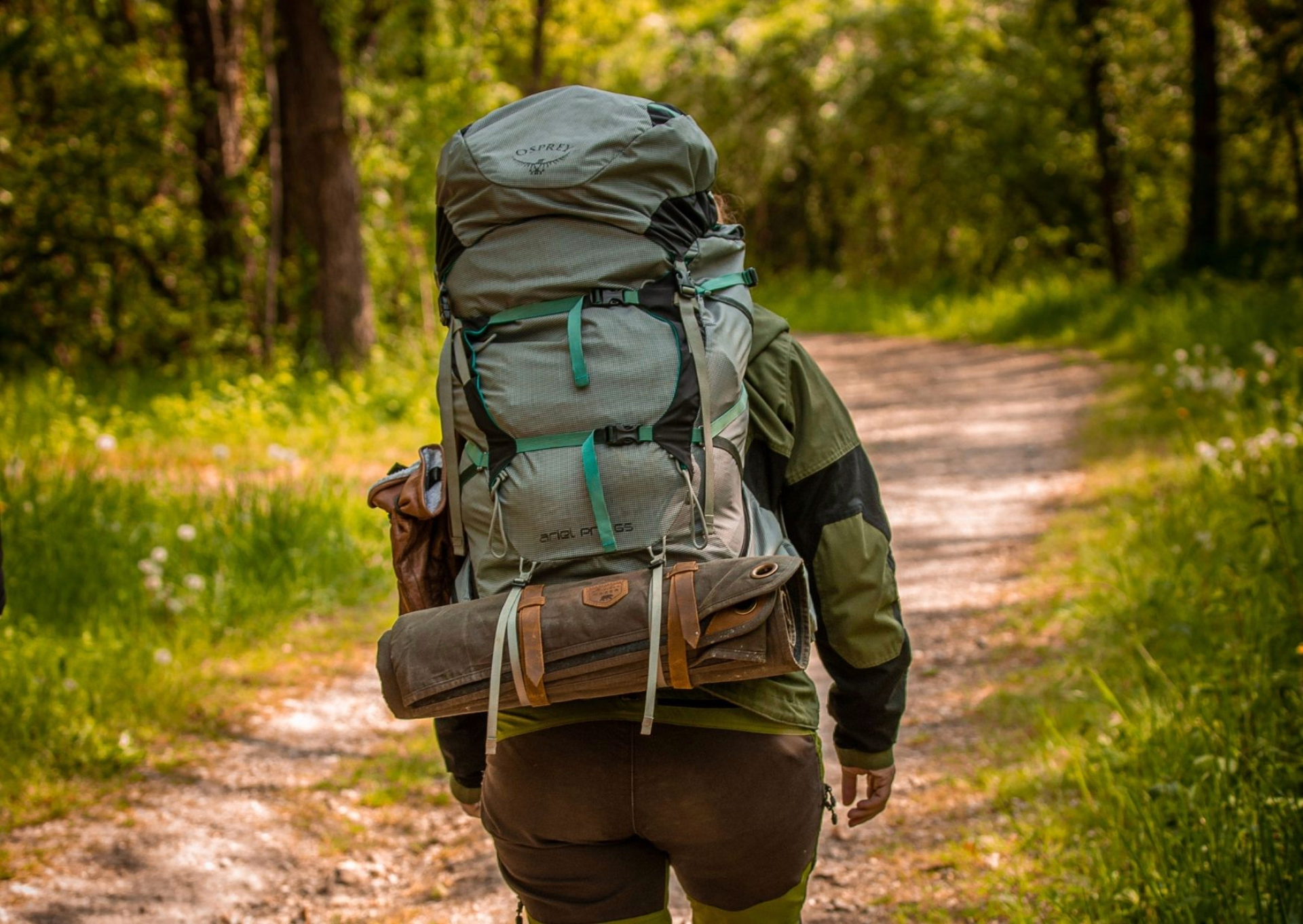
- Learn how to carry your bag ergonomically
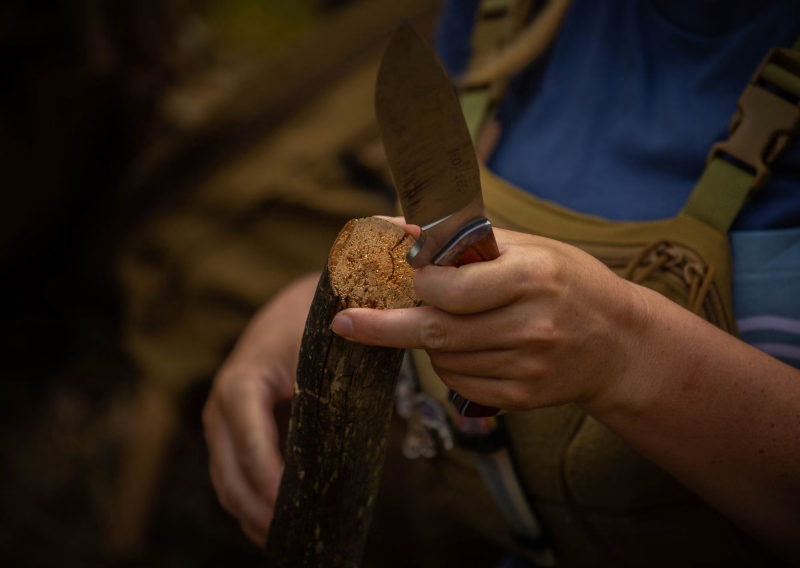
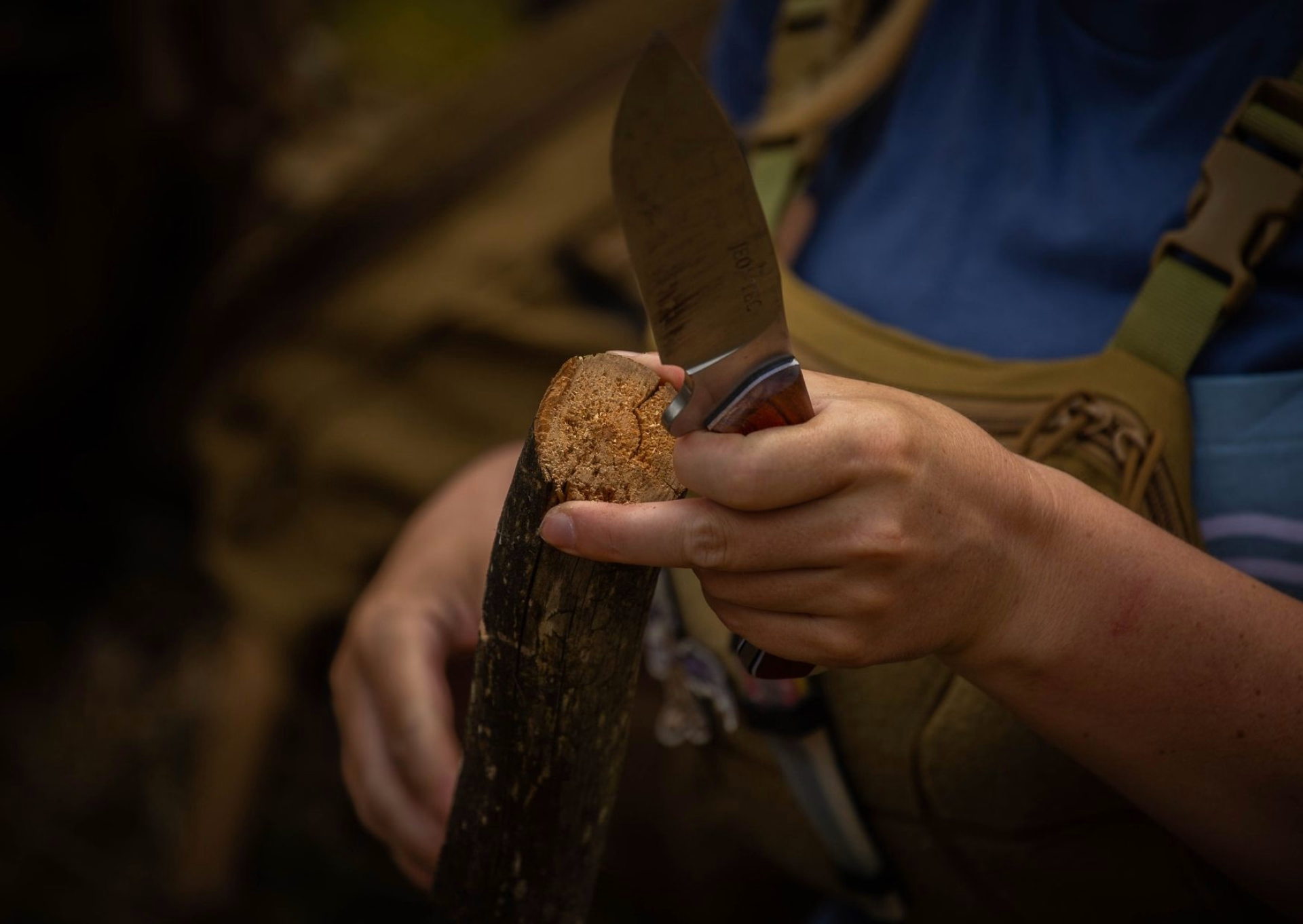
- Using a knife safely for small jobs
12:00 PM: Lunch (bring your own)
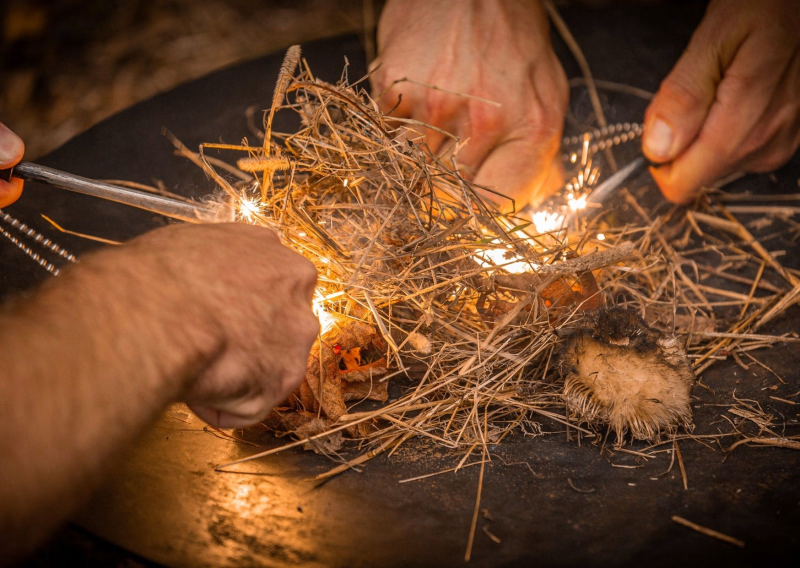
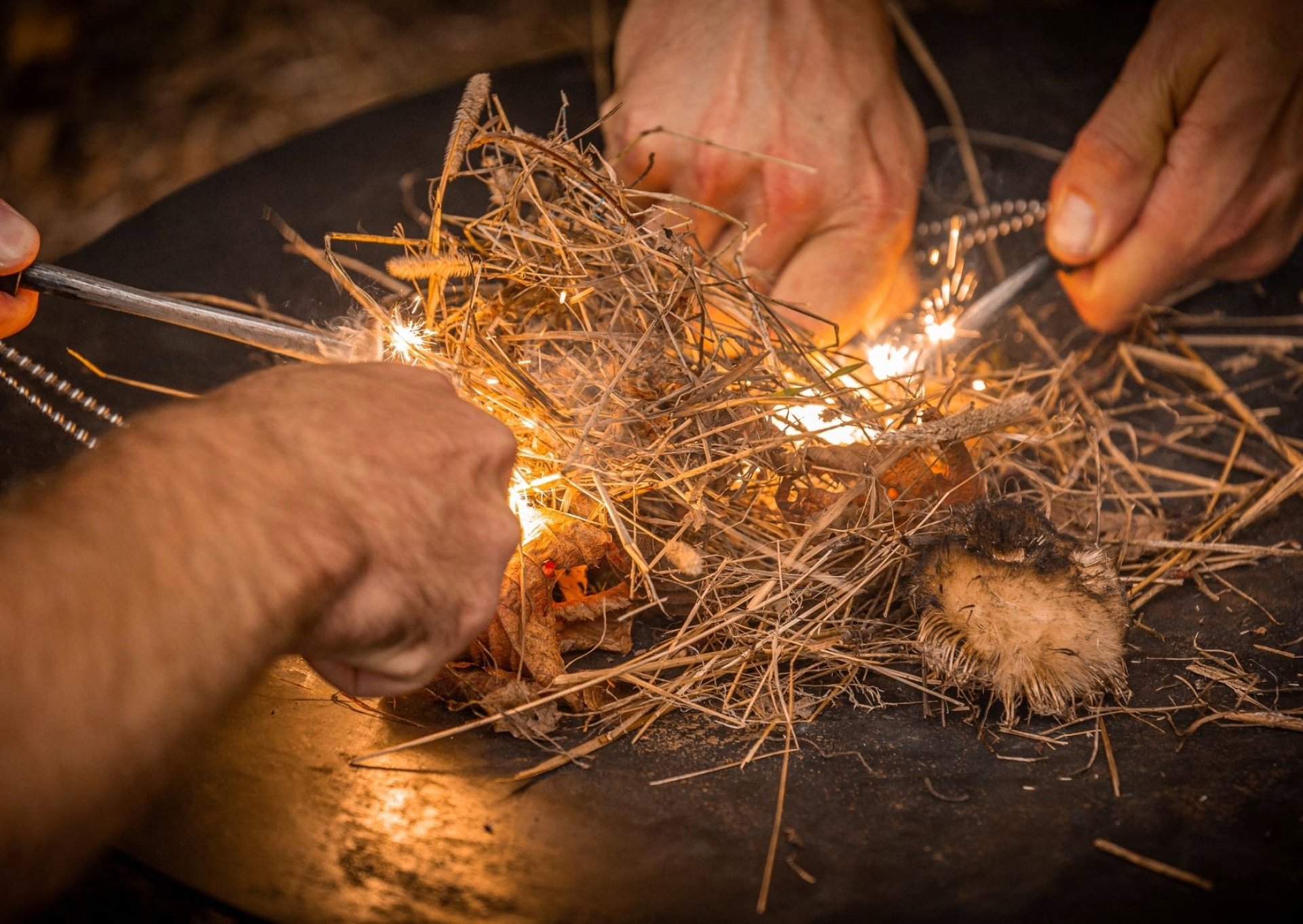
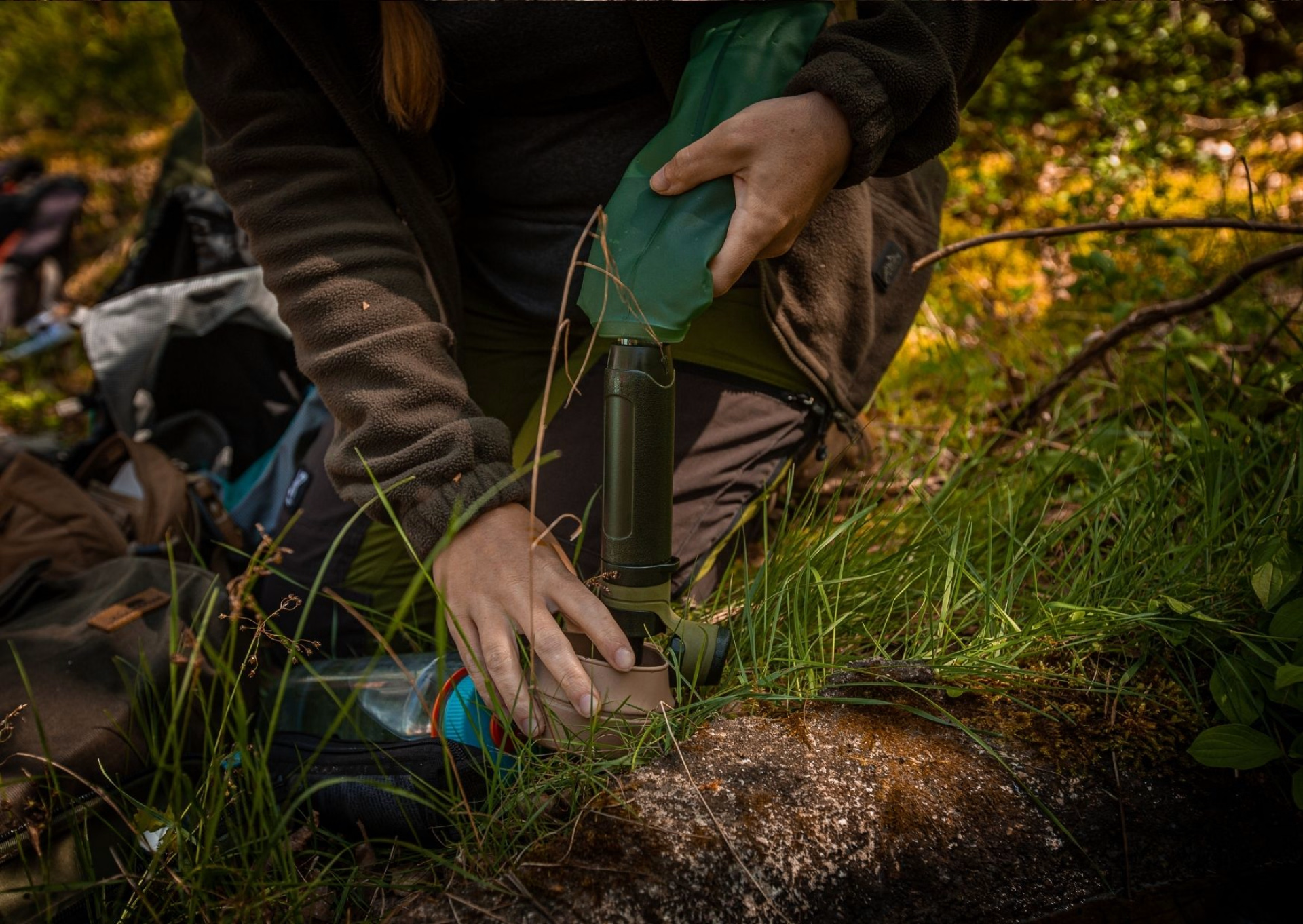
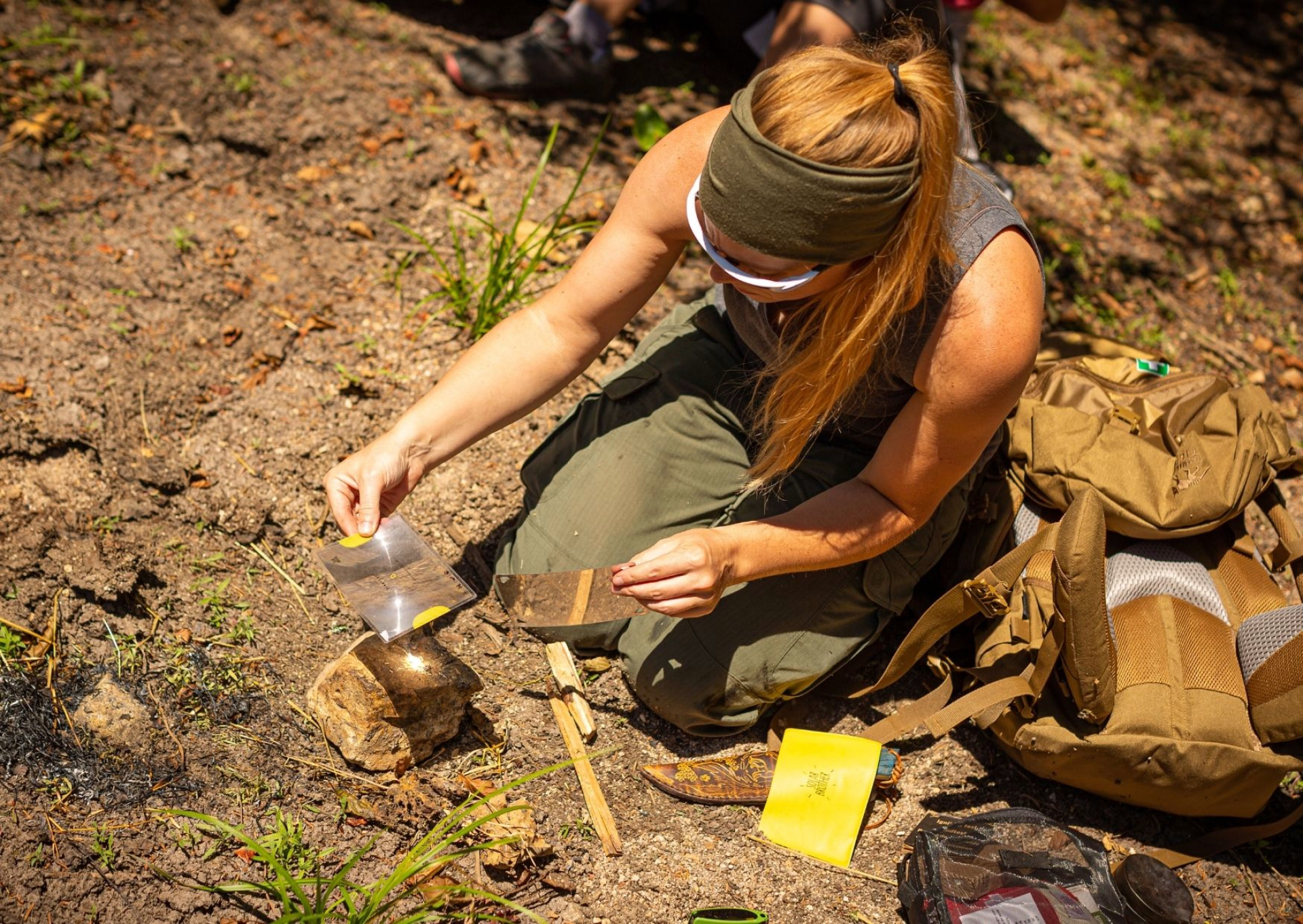
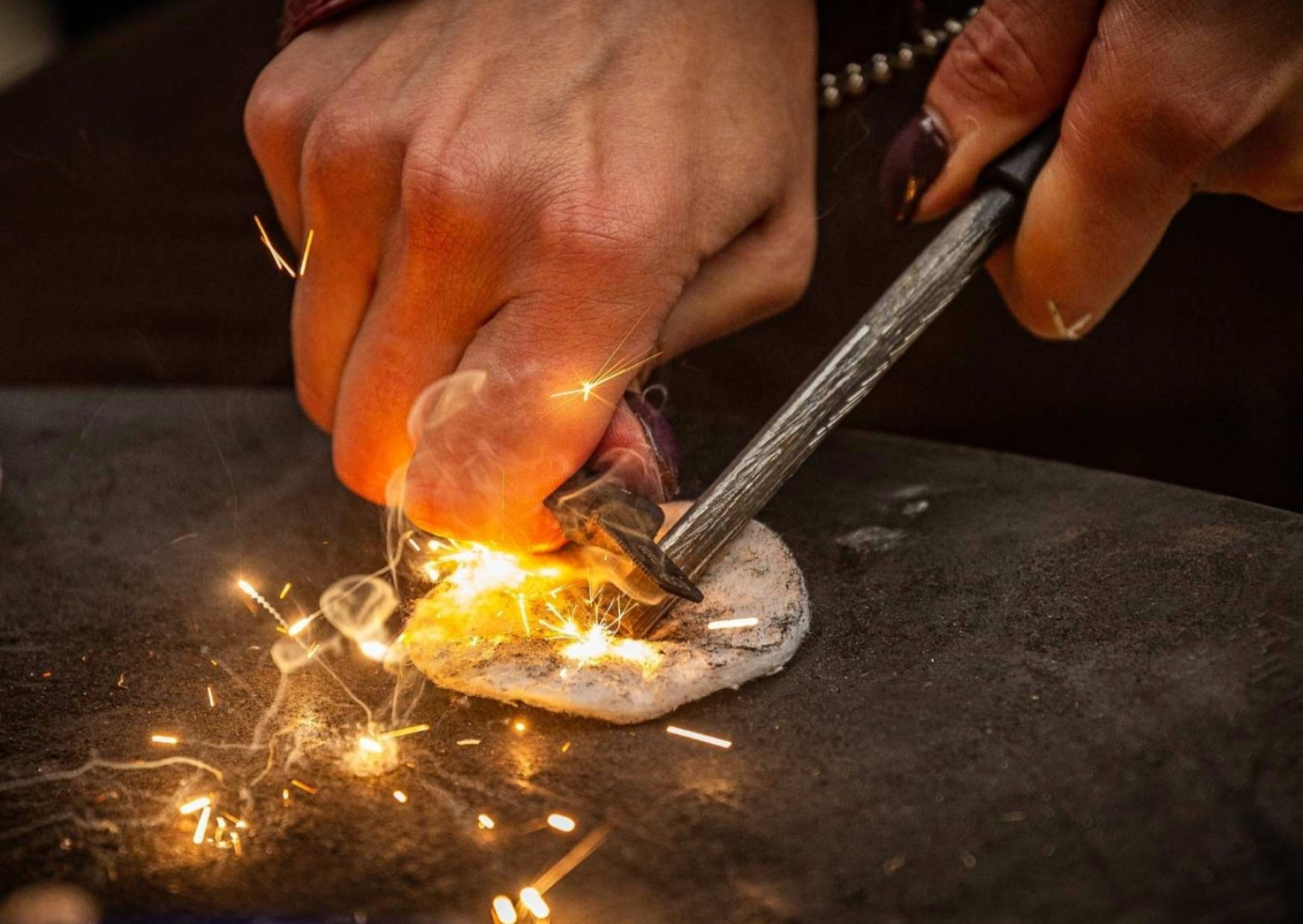
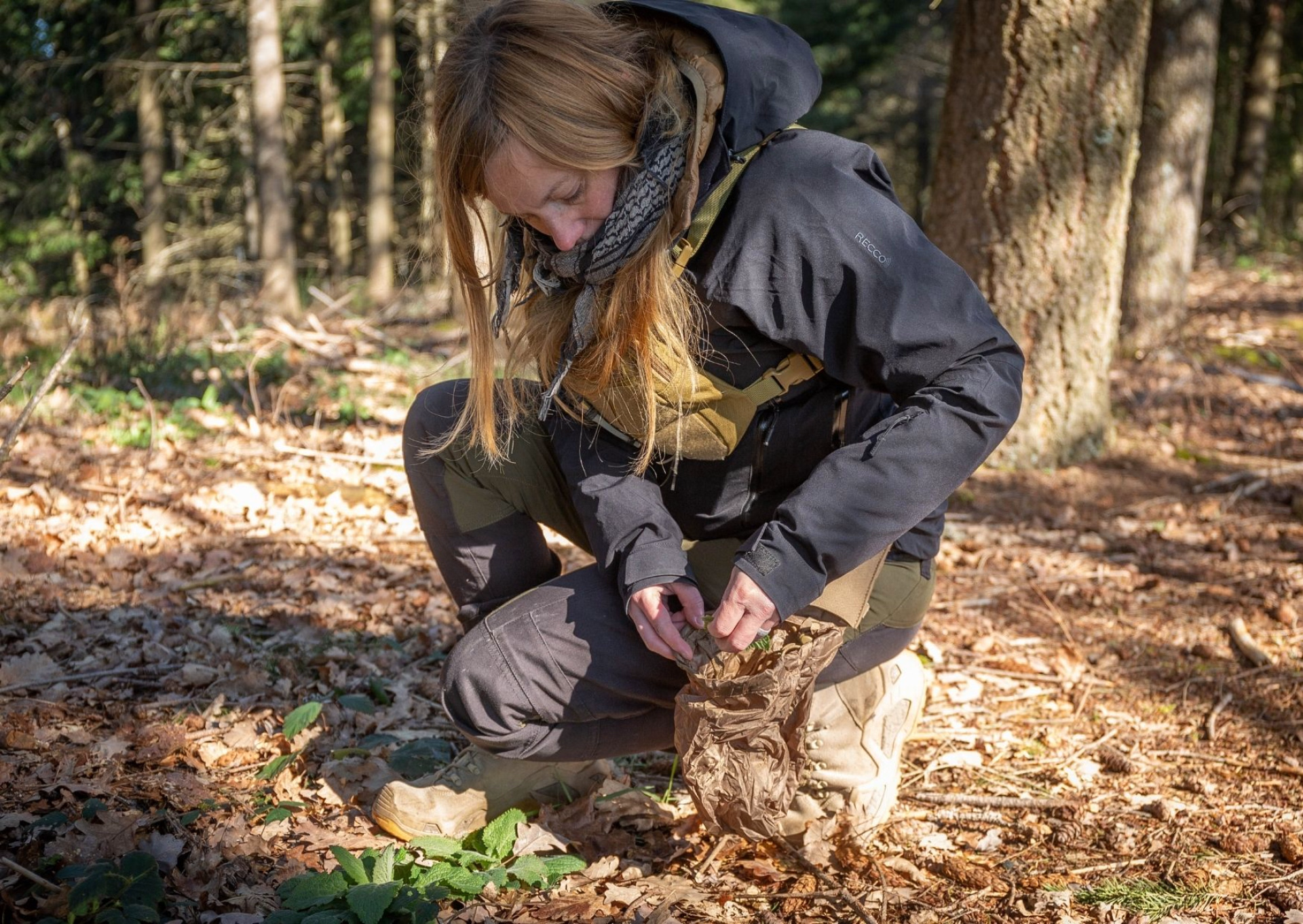
1:00 PM: Fire regulations, wood preparation, sticking, and fire-making techniques without a lighter or matches. Finding and collecting natural kindling. We will continue in the afternoon with other practical workshops: Finding and filtering water to make it potable, an introduction to botany, learning to identify some edible plants, and choosing a campsite.
We will arrive at the bivouac site before nightfall (time depending on the season and weather) and we will discuss useful knots and setting up camp for the evening.
The evening will be a friendly gathering around the campfire, with an opportunity for informal conversation with the leader. We'll also have a recap of the first day. A headlamp hike may be offered to those who are keen.
Day 1 -
Bushcraft workshops and refresher courses
- Activity Bushcraft
- Breakfast not included
- Lunch not included
- Dinner not included
8:00 am: Natural wake-up and breakfast by the campfire. Collective debriefing on the night before packing up camp after raising awareness of the "leave no trace" concept and respect for the environment.
We will continue this second day with new workshops:
- Organizing and packing your bag, choosing your adventure gear
- Alert emergency services on the scene, stabilize a victim
- Preventing and managing hypothermia
- Animal tracking
Depending on the schedule and the weather, we will dedicate the remaining time to revisions in the form of practical workshops, either individually or in pairs.
4:00 PM: Return to the parking lot, debriefing and return of equipment
4:30-5:00 PM: End of internship
Day 2
Note
The meals you bring will be enhanced with the day's harvest.
In the evening we encourage sharing local specialties!
The program is subject to change depending on the season and the weather; the order of the workshops may be reversed for reasons of comfort and pedagogy.
The activity is maintained regardless of the weather, except in the event of a climatic event that jeopardizes the safety of the group.
Accommodation
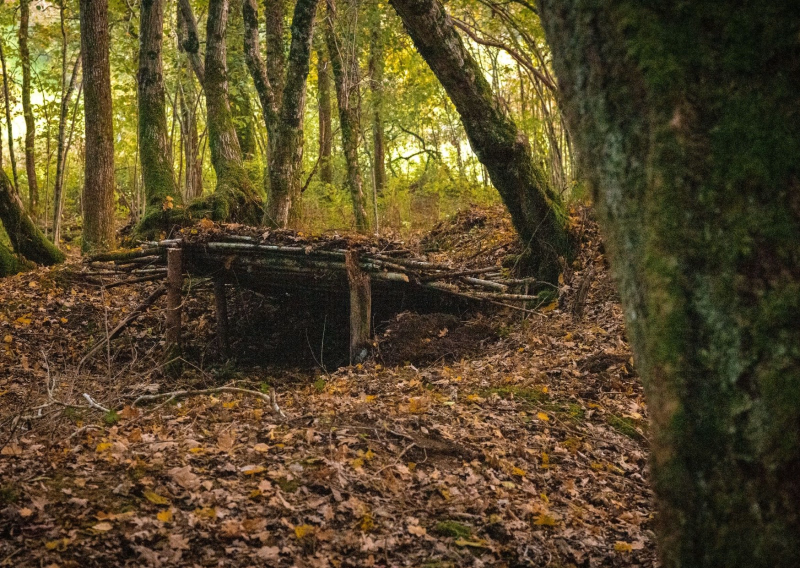
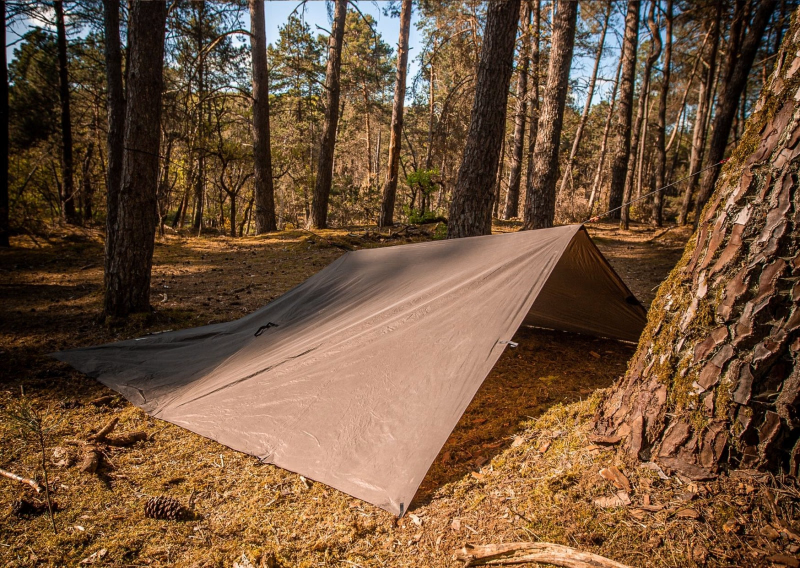
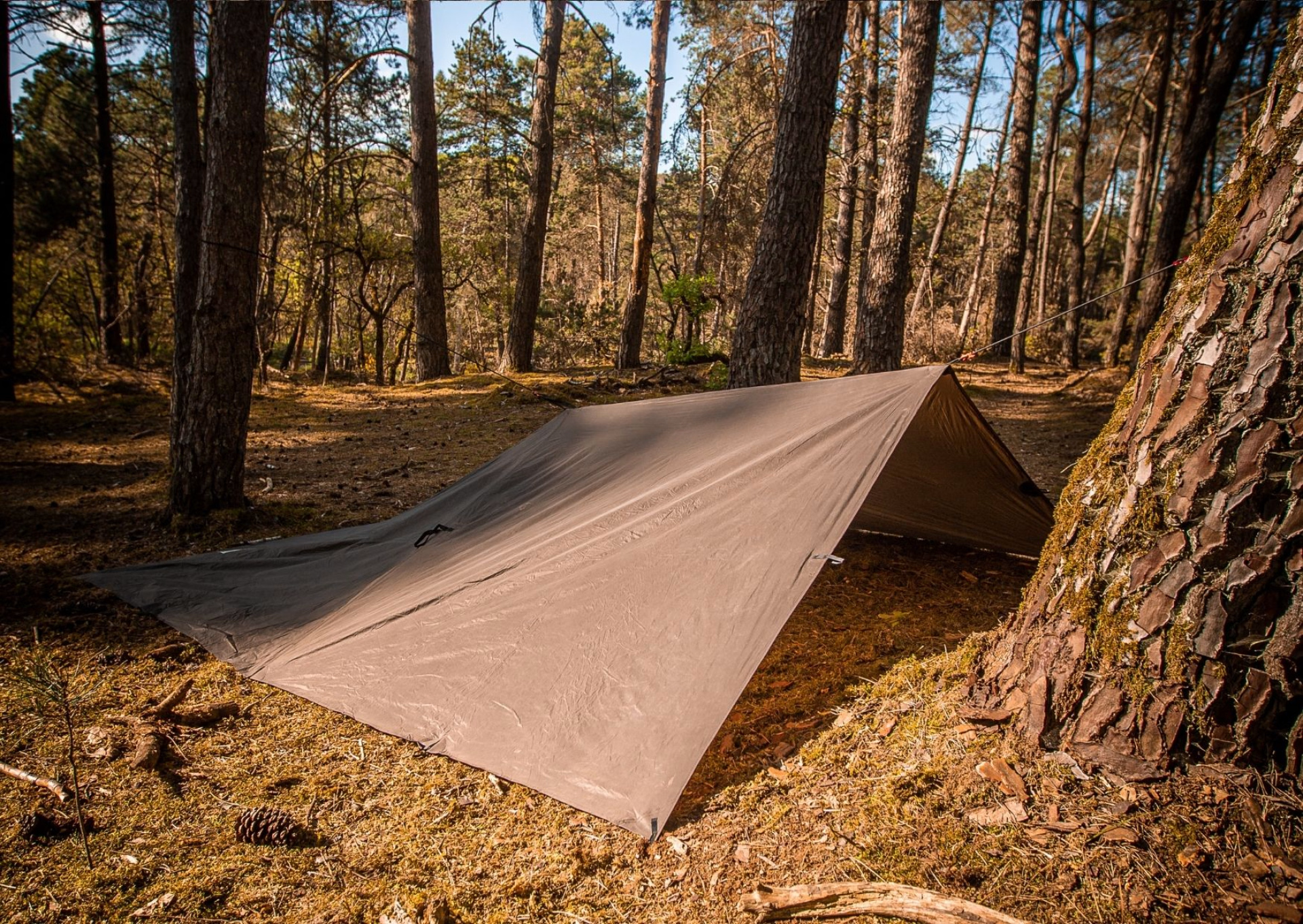
Bivouac under tarp (provided) on a private forest plot in the heart of a forest massif.
No convenience.
Access
Parking lot of the community hall
Go to the starting point
A WhatsApp group is available to facilitate carpooling arrangements between participants.
Easy and free parking, unguarded public parking lot
Price details
The price includes
- Supervision by a qualified outdoor professional (CQP ARPO or DE AMM)
- The provision of technical and bivouac equipment
- Consumables for bushcraft workshops (cord, firesteel...)
- The privatization of a plot of forest for bivouacking
The price does not include
- Transportation to the meeting point
Options
- Meals in the form of survival rations : CHF18.30 / unit
- Sleeping bag : CHF5.49 / unit
- Flex fare and insurance
Practical information
Specific formalities
Specifics
Before your departure, check with the embassy or consulate regarding the entry and stay requirements for your destination country. You can also find this information on the France Diplomatie website ( https://www.diplomatie.gouv.fr/fr/dossiers-pays/ ).
In the case of flights with stopovers operated by different airlines, also check the entry requirements of the countries you are transiting through.
It is your responsibility to ensure you are in compliance, particularly regarding the validity of your identity documents (for example, some countries require your passport to be valid for at least six months after your return) , visa requirements, necessary vaccinations, and health recommendations. And don't forget to consider any customs restrictions and other potential requirements of your destination or transit country.
ℹ️ Information may change up to the departure date, remember to regularly check official websites.
Equipment
Equipment provided on site
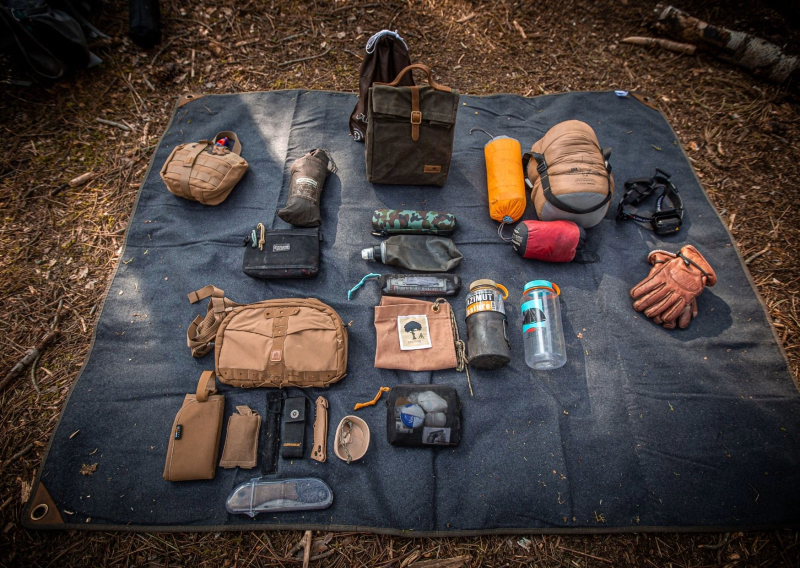
A materials kit will be provided to you (one kit per pair) during the experiment, containing:
- 1 compass
- 1 firesteel
- 1 tarp, sardines, string
- 1 headlamp
- 1 heavy survival blanket
- 1 fixed blade knife
- 1 IGN map of the area
Equipment to bring
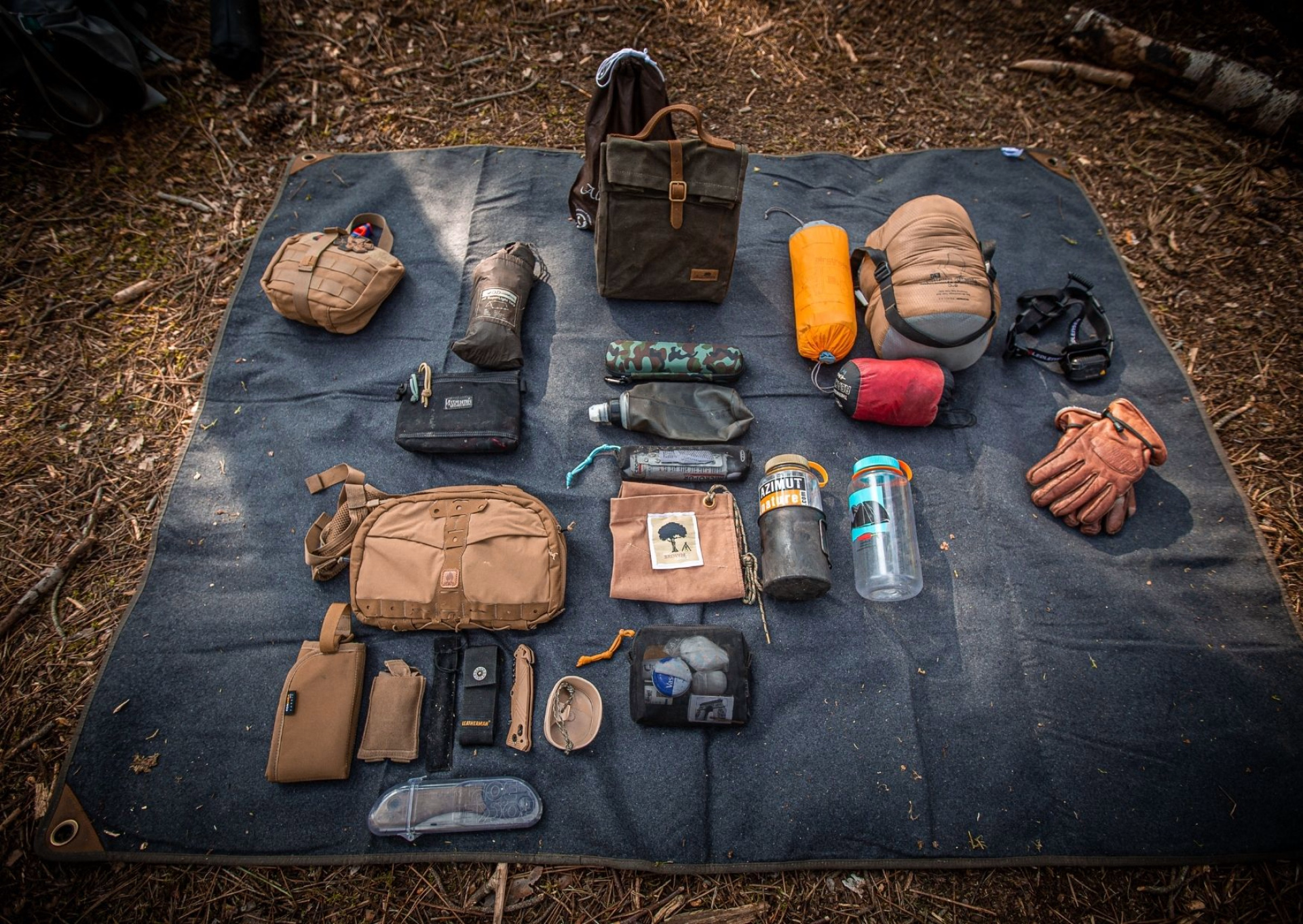
A complete list with a visual and checkable PDF sheet will be sent to you by email upon registration.
1. Required equipment
This equipment is necessary to ensure your safety. If you have any difficulty obtaining it, please contact us: we may be able to lend you the missing piece of equipment or direct you to where you can get it.
- One hiking backpack of at least 45L. Comfortable, ideally with a waist belt. If it's larger, no problem, just be careful not to fill it completely.
- 1 floor mat , floor insulation such as an inflatable mattress or a foam square.
- 1 sleeping bag suitable for the forecasted nighttime temperature. Check the comfort temperature (the highest temperature rating) to determine if the bag is appropriate.
- 1 pair of hiking shoes or trail running shoes. They should be comfortable, not too new, and have good grip.
- 1 metal cup that can go on the fire.
- 1 water bottle that can hold 2L for 36 hours.
2. Optional equipment for a survival course
We provide this equipment, but if you already own this equipment, or are planning to invest in it, please bring it with you; for educational reasons, it is much more instructive to work with your own equipment.
- 1 compass
- 1 firesteel
- 1 notebook
- A tarp is a sheet approximately 3x3m with attachment points. Avoid agricultural tarps, which are not well-suited for this purpose.
- 1 headlamp, or a flashlight, with fresh batteries.
- 1 heavy survival blanket
- 2 to 6 meters of cord, string or paracord
- 1 first aid kit, optional as all our supervisors are equipped.
- 1 fixed blade knife, with a single blade approximately 10 to 15cm long.
- 1 small folding saw
- One pair of cut-resistant gloves is strongly recommended.
Clothing to bring
Your clothing must be suitable for life in the forest :
- Durable clothing made of natural, non-synthetic materials (synthetic clothing may be damaged by fire)
- A pair of walking shoes , high-top or low-top, preferably waterproof, but above all comfortable and already broken in: avoid brand new shoes. Trail running shoes can also be suitable.
- A spare pair of socks
- A change of clothes to leave in the car for the return trip if you wish.
The 3-layer principle allows for the management of almost all situations:
- a long-sleeved base layer in breathable fabric (hollow fibers) and merino or thermal leggings
- a warm fleece jacket, durable hiking pants
- A windproof, waterproof, and breathable jacket such as Gore-Tex. If you take a down jacket, bring a loose-fitting cotton overshirt to protect yourself from embers.